REVIEW · SEOUL
Seoul: City Highlights Morning eBike Tour
Book on GetYourGuide →Operated by We Ride Korea · Bookable on GetYourGuide
Two wheels make Seoul click. On this morning e-bike highlight ride, you’ll glide between iconic sights and quiet back streets with real stops for Korean snacks, not just photo ops. I love how the e-bikes make hills feel manageable, and I love the way the route mixes big landmarks with small neighborhood moments.
One catch to plan for: this isn’t for people who can’t ride a bike (and it’s also not for wheelchair users or kids under 13), so you’ll want comfy shoes and a willingness to pedal at a human pace.
In This Review
- Key things that make this Seoul e-bike ride worth your morning
- Why this Seoul morning route works so well on an e-bike
- Finding the WeRide shop on Jong-ro (and starting without stress)
- The e-bike feel: pedal assist, gears, and real safety habits
- From Cheonggyecheon River to Gyeongbokgung area: Seoul’s classic core
- Gwanghwamun Square and a brief royal palace visit
- West Village and the snack-and-backstreet part of the morning
- A quick look at the Blue House, then toward Bukchon
- Insadong by bike: craft streets and temple views without the shuffle
- Finishing back along the Cheonggyecheon river path
- Pace, group size, and what to expect if it’s your first time
- What you’re really paying for: the value behind the $105 price
- Photo help, snacks, and those small comforts that make it feel VIP
- Who this Seoul e-bike tour fits best (and who should skip it)
- Should you book this Seoul e-bike highlights tour?
- FAQ
- Where does the Seoul e-bike tour start?
- What sights does the route include?
- Is it beginner-friendly if I’ve never ridden an e-bike?
- What’s included in the price?
- What should I wear?
- What languages are offered?
- What happens if weather is bad?
- Who should not book this tour?
Key things that make this Seoul e-bike ride worth your morning
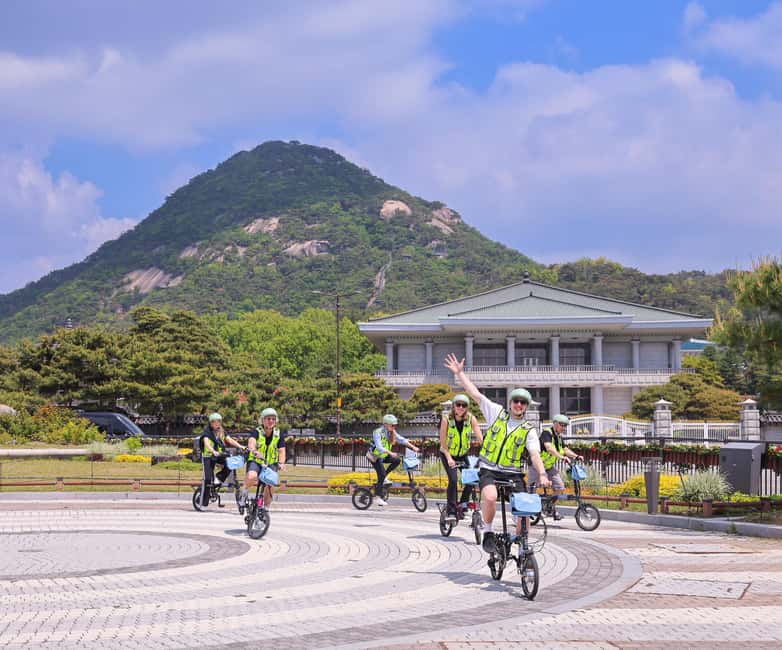
- E-bike help with no throttle, so you control speed by pedaling while still getting assistance
- A compact, high-sight density route that hits Cheonggyecheon, Gyeongbokgung area, West Village, Bukchon, Insadong, and Jogyesa
- Snack time built in, including market tasting stops where you can slow down and actually eat
- Photo service after the ride, plus guides who’ll help you get the right shots at key moments
- Human-scale pacing, with frequent “stop, look, breathe” breaks instead of a long sprint between stops
Why this Seoul morning route works so well on an e-bike
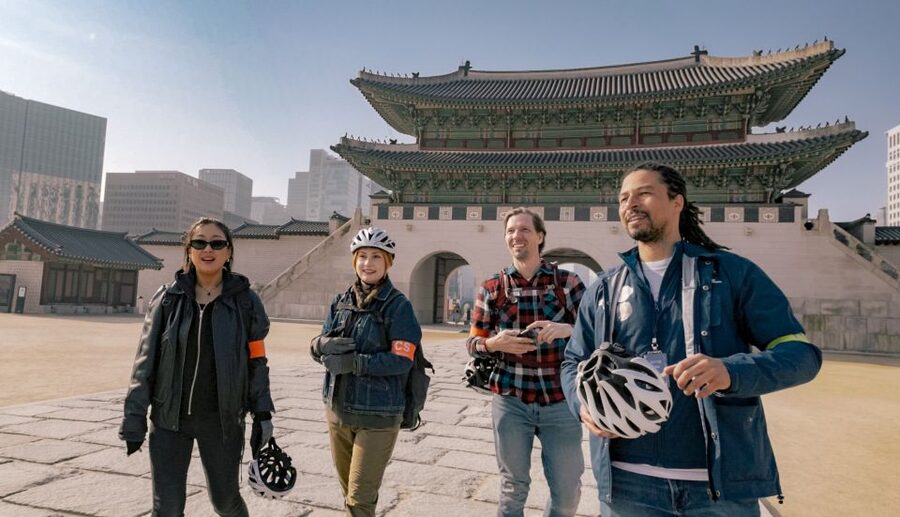
If Seoul is your first big city in Korea, this kind of tour does a smart job: it gets you oriented fast. You’re not stuck hopping between subway stations or spending half your morning stuck in crosswalk traffic. Instead, you’re moving smoothly through areas that are close together, while your guide keeps the route logical.
What makes it especially good is the balance. You get time near major landmarks like Gyeongbokgung Palace and Gwanghwamun Square, and you also get side streets—places where you can feel how daily life works. And because the route includes viewpoint climbs, you get the skyline moments that make Seoul look like Seoul.
You can also read our reviews of more tours and experiences in Seoul.
Finding the WeRide shop on Jong-ro (and starting without stress)
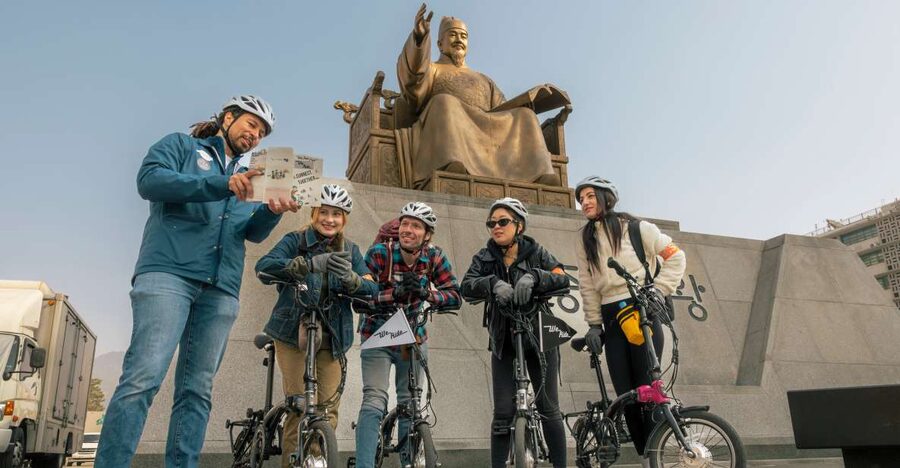
You meet at the WeRide shop inside the Le Meilleur Jongno Town building, on the 2nd floor. It sits on the big Jong-ro Boulevard, between Jonggak Station (Line 1, Exit 1) and Gwanghwamun Station (Line 5, Exit 4). If you’re walking up Jong-ro and you see a statue of a man on a horse, you’re basically at the right spot—walk to the building with the big glass doors and the number 19.
Once you’re inside, the tour starts with a short routine: a 5–10 minute safety check, helmet fitting, and a quick test ride. This matters more than it sounds. Those first minutes are where you learn how the assist feels and how the group rides together.
The e-bike feel: pedal assist, gears, and real safety habits
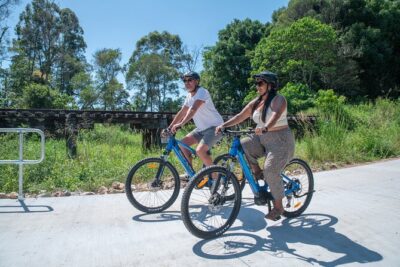
The e-bikes are designed to be easy to manage. The electric assist works with pedaling, and there’s no throttle on the bike. (That’s a real-world detail that can affect how you ride: you don’t “grab speed” with a thumb—you build speed by pedaling.)
You’ll also be riding in a group with trained guidance. The tour includes insurance, mineral water, and even a raincoat if needed. Plus, there’s Wi‑Fi and a power bank available during the ride, which is a nice bonus when you’re trying to keep your maps and photo backups under control.
If you’ve never ridden an e-bike before, you’ll likely feel the difference quickly—especially on the stretches where you’re headed uphill for those wide city views. Reviews specifically call out that first-time riders found the system intuitive and the pace easy.
From Cheonggyecheon River to Gyeongbokgung area: Seoul’s classic core
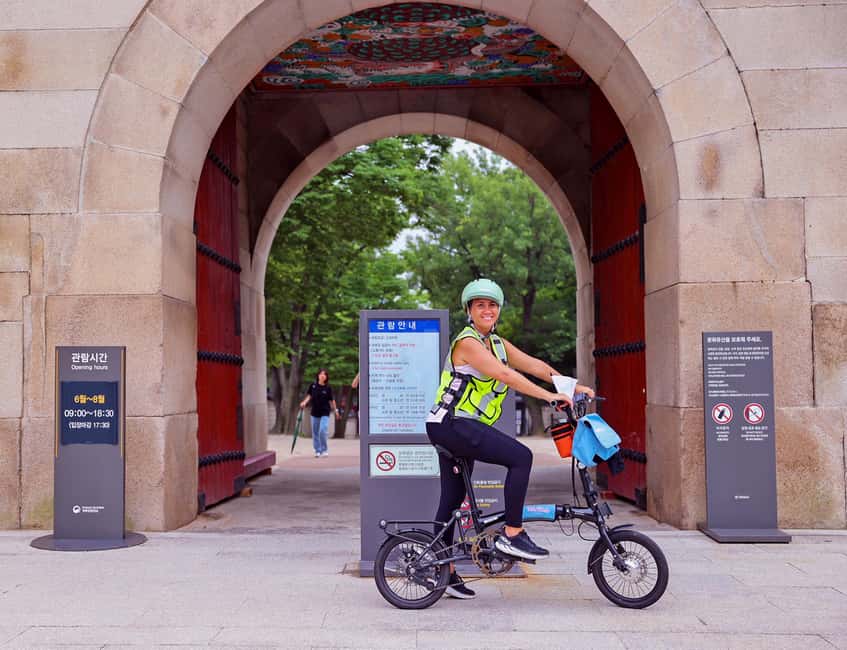
The route begins at Cheongycheon River and heads toward Gyeongbokgung Palace. This is a strong starting choice because it gives you immediate contrast: river-level calm, then palace-level grandeur. You’ll also have some “slow ride” time as you move through the city, which helps you settle in before the tour starts stacking stops.
Near Gyeongbokgung, the guide leads you through the surrounding neighborhoods. This is where the tour gets more than scenic. You’re in an area where street life, architecture, and politics all overlap, and your guide’s job is to connect what you see to why it matters.
One moment people highlight: the changing of the guards at the palace area. If your timing lines up with the schedule that day, it’s a memorable scene, and guides may help you get photos at that point.
Gwanghwamun Square and a brief royal palace visit
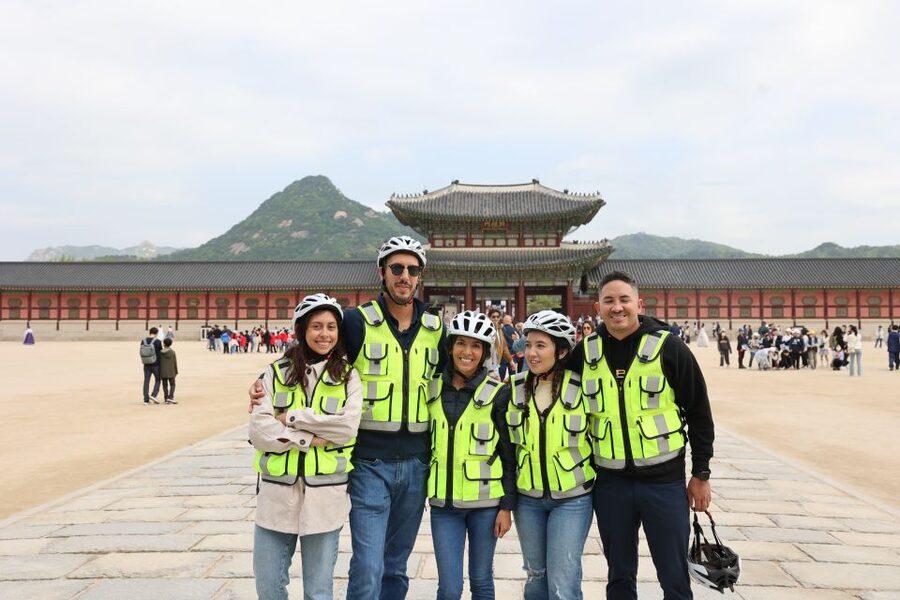
On the way, you stop at Gwanghwamun Square. It’s one of the most recognizable open areas in central Seoul, and it helps you “read” the city layout. Standing here gives you a sense of scale—this is a capital built for public space.
From there, you briefly enter the royal palace area. You won’t spend all morning inside, but that short visit works for most schedules. The value here is that you’re not only photographing from outside; you’re getting a taste of the palace atmosphere, then moving on while your legs are fresh.
West Village and the snack-and-backstreet part of the morning
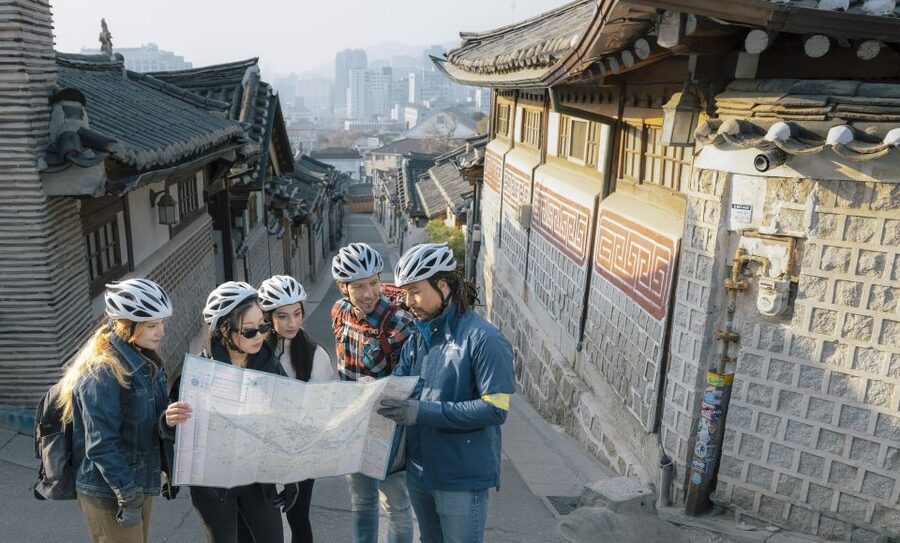
This tour has a big strength that’s hard to fake: the West Village stop comes with time to explore a romantic side of Seoul that feels less like a theme park. You’ll ride through and visit a hidden community area where you get that slower, more human pace.
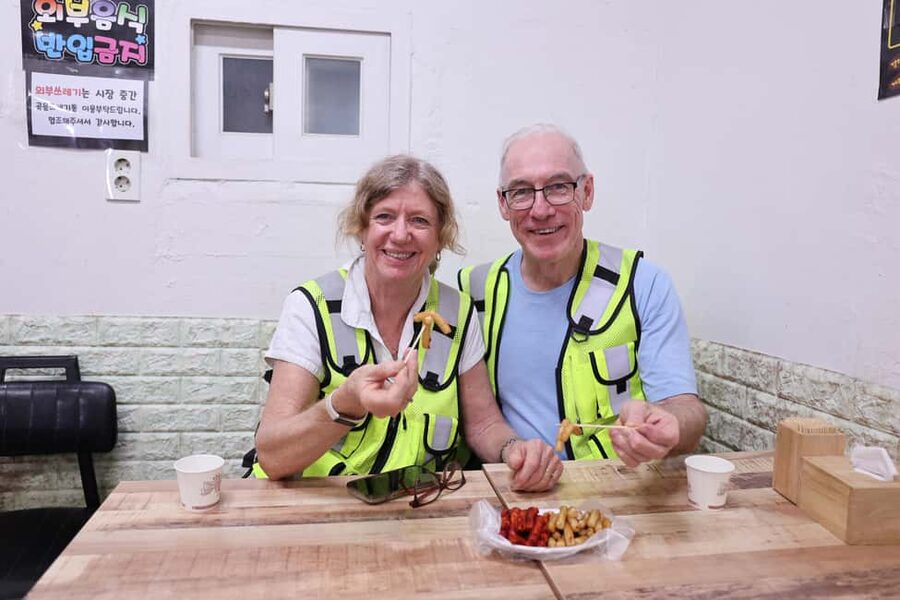
Then comes the food. You’ll try traditional Korean snacks—often at a traditional market stop where you can pause and taste as you go. This is where a morning e-bike route really earns its keep. You’re not hungry and rushing between stations; you’re slowing down when the guide says it’s time.
One helpful detail: in hotter months, guides keep hydration in mind. People mention breaks that help when it’s intense outside, so if you’re visiting in summer, plan to use those stops and drink water even if you’re not thirsty yet.
A quick look at the Blue House, then toward Bukchon
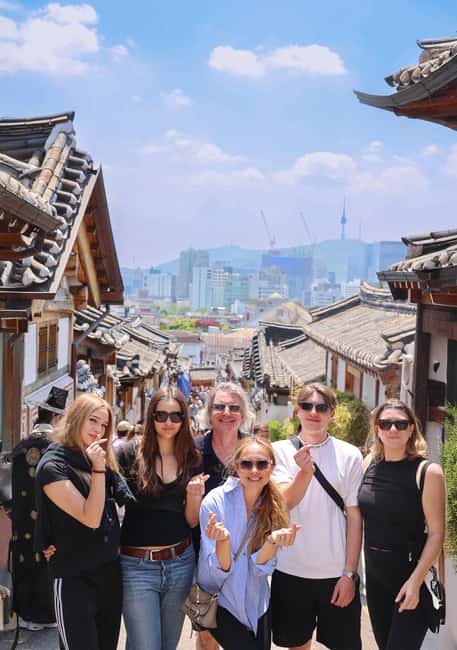
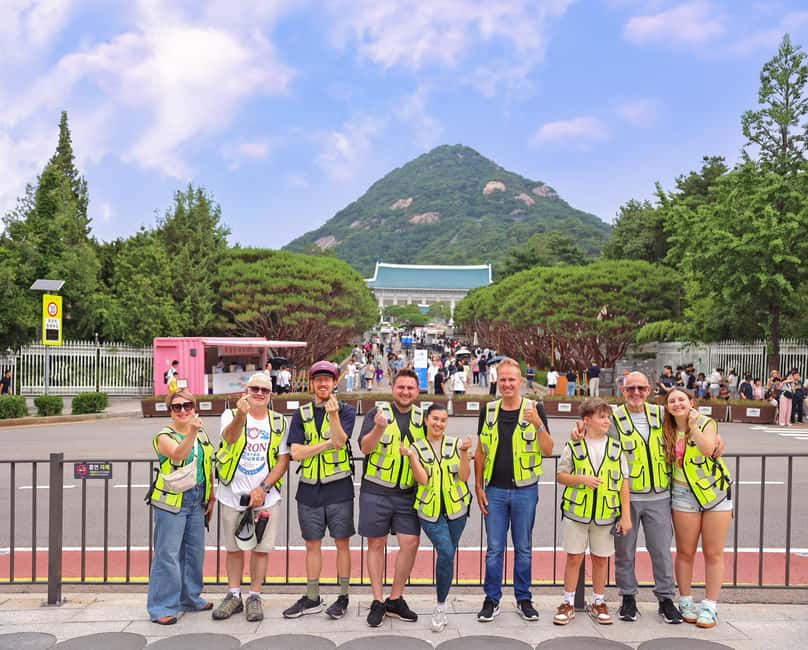
The tour includes a brief stop at the presidential Blue House area. It’s not a long visit, but it’s a valuable contextual moment. You see the location that symbolizes government power, and you understand where the capital’s history and present day meet.
After that, you head toward Bukchon Hanok Village. This is one of Seoul’s most striking “you’re surrounded by history” zones, with traditional houses clustered in a way that feels like a living museum. Riding here adds something walking tours often miss: you can cover more ground while staying oriented, which is useful because streets can be hilly and winding.
Insadong by bike: craft streets and temple views without the shuffle
Next you ride through Insadong, a neighborhood known for shops, tea culture vibes, and craft-lined streets. This is a good place to feel the shift from grand landmarks into daily browsing mode. You don’t need to shop to enjoy it; even just moving through gives you a sense of the textures of the area.
After Insadong, you go to Jogyesa Temple. This stop adds a calm, reflective mood to the morning. It also breaks the sightseeing pattern with a different kind of architecture and atmosphere, so the tour doesn’t feel like nonstop “look at the next thing.”
Finishing back along the Cheonggyecheon river path
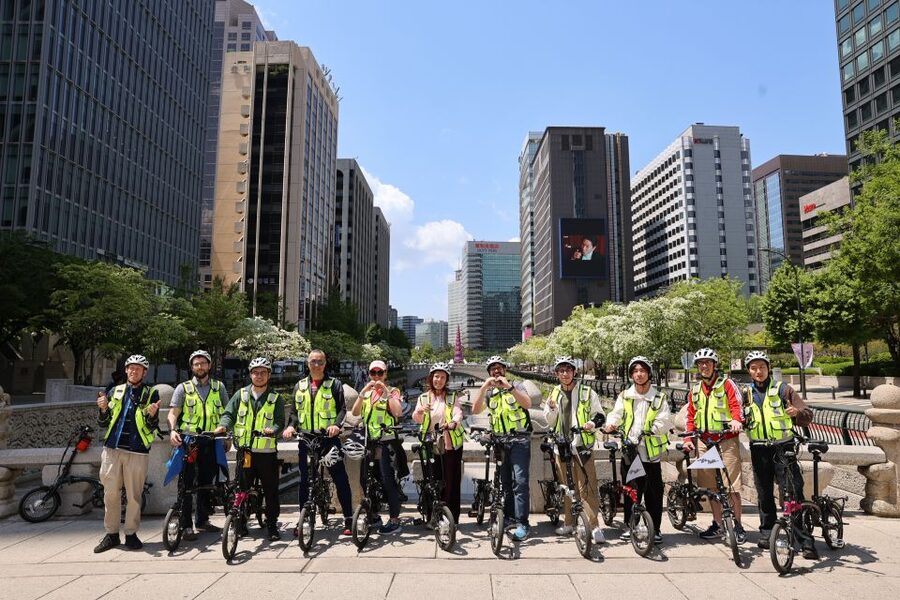
The tour ends with a bike path ride along Cheonggyecheon River back to the meeting point. This finish is smart because it gives you a breather after the denser historic zones. You also get a final set of views while your mind is already “in Seoul mode.”
It’s the kind of closing stretch that makes the whole morning feel like one loop, not a checklist.
Pace, group size, and what to expect if it’s your first time
The ride is built around a human pace. You’ll have stops to look, snack, and learn without feeling like you’re being yanked forward every five minutes. One review mentions the tour ran almost an hour longer than expected, and that extra time is often a sign the group isn’t being forced to rush.
Group size isn’t stated, but one review notes a group of about 10 people. Smaller groups are usually where you get better photo help and clearer safety instructions, so that lines up with the “feel taken care of” vibe people describe.
Also, there’s a fitness reality check: this isn’t for non-cyclists. Even with e-bike assist, you need to be able to ride. If you’re comfortable on a normal bicycle, you’ll likely find the e-bike role reassuring rather than intimidating.
What you’re really paying for: the value behind the $105 price
At $105 per person, the price isn’t just “a ride.” You’re paying for a guided route through multiple districts plus the gear and convenience that keep the morning smooth.
Here’s what’s included:
- E-bike rental, helmet, and insurance
- Mineral water
- Wi‑Fi and a power bank during the ride
- A raincoat if needed
- A professional local guide (English)
- A photo service that helps you revisit the moments later
That package matters because it saves you from a bunch of hidden costs: bike rental, separate guides for each area, and time lost figuring out the best order. And if you care about having real photos (not only shaky phone selfies), the photo service is a practical upgrade.
On top of that, the guide support goes beyond “here’s some history.” People mention that guides share recommendations for restaurants and cafés for after the tour, plus extra help anytime during your trip.
Photo help, snacks, and those small comforts that make it feel VIP
Two things keep showing up in people’s feedback: guides who handle the details and photo support that turns key stops into keepsakes. One review notes a guide made photos at spots including a palace guard moment, and then bundled images into a photo album for their Seoul trip.
There’s also the “small comfort” angle: hydration breaks in heat, easy e-bike handling, and even Wi‑Fi/power bank time. It sounds minor until you’re actually on a packed morning with lots of photos and maps.
If you’re thinking ahead, this also means your morning can be more relaxed. You’re not sprinting to capture everything; you’re letting the tour guide the best angles and timing.
Who this Seoul e-bike tour fits best (and who should skip it)
This is a great fit if you want:
- A bigger Seoul orientation in a single morning
- Palace + hanok + temple stops without switching between too many transport segments
- Snack time and neighborhood wandering, not only monuments
- An English-speaking guide who explains what you’re seeing
It’s not a fit if:
- You can’t ride a bike confidently (even with assist)
- You need wheelchair access
- You’re pregnant (not suitable per tour info)
- You’re traveling with kids under 13
- You plan to show up under the influence of alcohol or drugs
Also, follow the footwear rules. High heels and sandals/flip-flops are out. You’ll want comfortable shoes and you must wear above-the-ankle socks.
Should you book this Seoul e-bike highlights tour?
I think you should book it if you’re trying to get the “best of central Seoul” feeling without wasting your morning. The route is packed in a way that still feels paced—especially because of the included snacks, frequent stops, and the river-to-palace-to-hanok flow.
Skip it if you want only deep, slow history inside museums or if you’re not comfortable riding a bike. You’ll get the most out of this when you’re willing to pedal, stop, taste, and look around.
If you’re visiting for the first time, this is one of the simplest ways to turn Seoul from an outline into a place you recognize.
FAQ
Where does the Seoul e-bike tour start?
The tour starts at the WeRide shop on the 2nd floor of the Le Meilleur Jongno Town building on Jong-ro Boulevard. It’s between Jonggak Station (Line 1, Exit 1) and Gwanghwamun Station (Line 5, Exit 4). Look for a statue of a man on a horse; the building is next to it.
What sights does the route include?
You’ll ride past and visit Cheonggyecheon River, Gyeongbokgung Palace area, Gwanghwamun Square, the West Village and a traditional market snack stop, a brief stop at the Blue House area, Bukchon Hanok Village, Insadong, Jogyesa Temple, and finish with a Cheonggyecheon river bike path ride.
Is it beginner-friendly if I’ve never ridden an e-bike?
You’ll start with a short safety check, helmet fitting, and a brief test ride. The electric assist is pedal-based (no throttle), and the tour is designed so you can ride comfortably, but it is not suitable for people who can’t ride a bike.
What’s included in the price?
Included are the e-bike rental, safety helmet, professional local guide, insurance, mineral water, Wi‑Fi and a power bank during the ride, and a raincoat if necessary.
What should I wear?
Wear comfortable shoes and sunscreen. You must wear above-the-ankle socks. High-heeled shoes and sandals or flip-flops are not allowed.
What languages are offered?
The tour is offered in English.
What happens if weather is bad?
The tour runs in most weather. In extreme cases, you’ll be offered either a refund or an alternative date.
Who should not book this tour?
It isn’t suitable for children under 13, pregnant women, wheelchair users, people who can’t ride a bike, or anyone participating while under the influence of alcohol.