REVIEW · DENVER
The Best of Denver: E-Bike & Bicycle Tour of the Downtown Sites
Book on Viator →Operated by Mile High Bike Tours · Bookable on Viator
Denver looks better on two wheels. I love how this downtown loop keeps things flat and easy while still delivering a lot of Denver in about 2.5 hours, and I love the small-group feel with an active guide who helps you connect stops to what to do later. One drawback to plan for: you’ll need to stay aware and close to the group at intersections, because you don’t want to get separated when the pace shifts.
You get Colorado outdoors without the full-day hike: bike lanes, riverside paths, and neighborhood streets, plus classic downtown sights like Coors Field and Mile High Stadium. The route often includes smooth trail riding too, with Cherry Creek Trail popping up as a favorite in real ride stories.
This tour runs in all weather, so wear layers and be ready to bike even when Denver is doing its thing. If it’s your first time on an e-bike, you’ll likely feel more confident fast with good coaching from guides you might meet, like Tim, Jordan, Skye, John, Chris, and Hans.
In This Review
- Key things to know before you pedal
- Why a Downtown Denver Bike Tour Works So Well
- Your Ride Setup: 3-Speed Cruisers, E-Bikes, and Real Safety
- The 2.5-Hour Route: How 9 Flat Miles Add Up
- Mile High Bike Tours: What the Meeting Point Experience Feels Like
- Stop-Style Highlights You’ll Actually Care About
- Sports venues in the middle of the city
- Trails and riverside paths for a breath of fresh air
- Neighborhood blocks where the guide makes it click
- Downtown highlights without the fatigue
- The Guide Makes or Breaks It (And This One Usually Delivers)
- Value Check: Is $93 Worth It for Denver?
- Weather, Timing, and What to Wear in Colorado
- Who Should Book This Bike Tour
- Should You Book This Downtown Denver E-Bike and Bicycle Tour?
- FAQ
- How long is the Denver downtown e-bike and bicycle tour?
- About how far do you ride, and is it hilly?
- Where does the tour start?
- What type of bikes do you use?
- What’s included in the price?
- Are food and drinks included?
- Is there a limit on group size, and can kids join?
- What’s the cancellation window for a full refund?
Key things to know before you pedal
- Small groups (up to 9): easier to ask questions and stay together.
- About 9 miles, relatively flat: a solid overview without big climbs.
- 3-speed cruiser bikes (disc brakes): stable handling for downtown streets.
- Bottled water and helmet included: you show up, you ride, you hydrate.
- Route mixes city streets and trails: you’ll see more than just one kind of Denver.
- Runs in all weather: dress for it, not for the forecast mood.
Why a Downtown Denver Bike Tour Works So Well
If Denver is new to you, downtown can feel like a lot of blocks and a lot of logistics. This kind of bike tour cuts the problem in half. You get a guided route that’s built for sightseeing, not for endurance training.
The smart part is the pacing. You’re not trying to “win” at biking. You’re covering about 9 miles on a course that’s relatively flat, then getting stop-and-start context from your guide along the way. That means you learn what you’re looking at while it’s fresh, not hours later back at your hotel.
I also like that it’s built around Denver’s outdoors vibe. You ride bike lanes and riverside paths, then you roll through neighborhoods and return to the same place you started—2301 Champa St. It feels like exploring, not commuting, and that matters when you only have one afternoon or morning.
And yes, there’s history told in plain language. Your guide points out what to notice now, then gives you clues for what’s worth revisiting later. That’s the kind of “heads-up” that turns a good tour into a useful one.
You can also read our reviews of more tours and experiences in Denver.
Your Ride Setup: 3-Speed Cruisers, E-Bikes, and Real Safety
This is a downtown-friendly bike setup: 3-speed city cruisers with disc brakes. Those brakes matter in the real world, where downtown turns can mean quick stops, traffic flows, and unpredictable pedestrians.
Helmets are provided, and you’ll have bottled water during the ride. That sounds basic, but in Colorado weather it’s not. Even when it’s not hot, sun plus activity can sneak up on you.
If you’re on an e-bike for the first time, treat it like learning a new tool, not just sitting down and going. One thing I suggest: do the full bike check at the start—how to start moving smoothly, how you’ll brake, and what the assist feels like when you hit a small incline. You’ll be amazed how much more relaxed your brain gets once you’re not guessing.
Also, keep it simple on your clothing and gear. This tour gives you the essentials; you just bring the right attitude. If you’re the type who wants a calm, safe rhythm, tell your guide you prefer that. Small groups make it easier to adjust.
The 2.5-Hour Route: How 9 Flat Miles Add Up
The ride distance is about 9 miles, and it’s relatively flat. That combination is why this works for people who think biking is only for athletes. You’re moving enough to see a lot, but you’re not grinding through hills.
Expect a mix of riding styles:
- bike lanes for smoother flow,
- riverside paths to keep things scenic and open,
- neighborhood streets when the downtown grid changes,
- and trail segments that let you reset your eyes from street corners.
That variety is a big deal. Downtown Denver has wide-open park stretches as well as busy blocks, and you want both in one outing. A walking tour can get you the points on a map; this kind of bike tour helps you feel how the city connects.
Your guide also helps you understand what you’re seeing. For example, sports venues like Coors Field and Mile High Stadium aren’t just photo stops. You’ll hear how they fit into the downtown story, plus the practical tips for where those spots sit in relation to other parts of the city.
And because the route is designed for sightseeing, you’ll spend less time negotiating “How do we get there?” and more time actually enjoying the ride and the explanations.
Mile High Bike Tours: What the Meeting Point Experience Feels Like
You start at 2301 Champa St, Denver, CO 80205. The tour ends back at the meeting point, which keeps your planning easy. No extra taxi math. No “Where do we lock up the bikes again?” scramble.
The meeting area is also described as near public transportation, which matters if you’re combining this with other parts of your trip. You can ride out, do the tour, then hop on transit to dinner or a museum without turning it into a whole production.
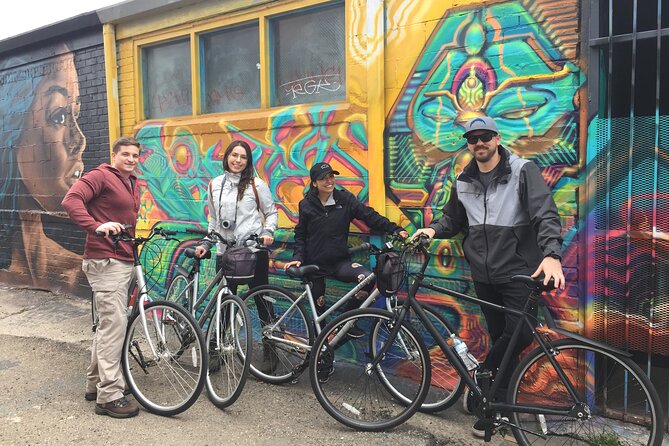
What you want in the first few minutes is clarity: bike fit, helmet adjustment, and a quick setup for how the group rides. This tour has a maximum of 9 travelers, so you should get real attention during the start. If anything feels off—seat height, handlebar reach, braking feel—mention it early. Quick tweaks now prevent sore legs later.
I like that the tour is run as a private tour. That doesn’t mean it’s just you and your guide. It means the operation focuses on giving your group the right attention, instead of turning you into one random body in a huge crowd.
Stop-Style Highlights You’ll Actually Care About
The exact “stop list” can vary by group flow, but you can expect a downtown route that hits major landmarks plus the connections between them. Here’s what to watch for as you ride.
Sports venues in the middle of the city
Places like Coors Field and Mile High Stadium come up as key highlights. This is helpful even if you’re not going to a game. You’ll understand where the venues sit and how the surrounding streets and trails shape foot traffic and neighborhood life.
Practical tip: when you see a stadium area, look at the nearby street layout and the spacing of blocks. Those clues tell you how the city functions on event days—and that makes later planning easier.
Trails and riverside paths for a breath of fresh air
One of the biggest wins is time on riverside paths. And in particular, Cherry Creek Trail shows up as a standout ride segment. That’s not just scenery—it’s a riding “reset.” It gives your legs a break from stoplights and keeps the pace feeling smoother.
If you get motion sickness or hate constant turning, trail time can make a huge difference. It’s also where you can really look around at Denver’s mix of city and outdoors.
Neighborhood blocks where the guide makes it click
Downtown Denver isn’t only downtown. As you transition into neighborhood streets, your guide’s job becomes more than storytelling. They help you connect architecture, street patterns, and local landmarks to the bigger Denver picture.
That’s the part I’d call “useful memory.” Instead of just a list of places, you leave with mental landmarks. You’ll be better at navigating later, even if you don’t go back to every stop immediately.
Downtown highlights without the fatigue
Because the ride is around 9 miles and relatively flat, you can enjoy the sights without arriving wiped out. That matters if you’re stacking this with dinner plans or a game. A bike tour gives you movement and context without the heavy “all-day” commitment.
The Guide Makes or Breaks It (And This One Usually Delivers)
The guide is the difference between a route and a real tour. This operation runs with experienced local guides, and names that pop up across real ride experiences include Tim, Jordan, Skye, John, Chris, Devon, Corbin, and Hans.
What I like about this style is how the guide handles questions. You’ll get answers on Denver’s history and what to see next—plus practical suggestions for later in your trip. One guide even gets called out for giving great food recommendations, which is exactly the kind of detail that helps you spend your money well after the ride ends.
Pace is also part of the guide’s skill. Some groups want lively conversation. Some just want a smooth rhythm. The best guides keep things safe, keep the line together as much as possible, and adapt when someone needs an extra second to adjust.
There’s one thing to keep in mind: you can’t always hear every word if you’re farther back or dealing with wind and traffic noise. If you care about the storytelling, stay close to the guide at planned stops and ask them to repeat details when needed.
Value Check: Is $93 Worth It for Denver?
Let’s talk money like adults. At $93 per person for about 2 hours 30 minutes, this isn’t a casual “just for fun” price. It is a pay-for-speed and pay-for-expertise situation.
Here’s what you get that supports the cost:
- A guided route that covers downtown highlights, trails, and major landmarks.
- Helmet, bottled water, and bike use included, so you’re not paying extra for basics.
- Small-group size (max 9), which usually means more attention and easier movement.
- Low-stress terrain: about 9 miles, relatively flat, so most people can participate.
If you were to DIY this, you’d still pay for a bike, probably get stuck figuring out safe routes and parking, and spend time reading maps at intersections. The tour compresses all of that into one afternoon with someone who already knows the flow.
When it’s worth it most: your first time in Denver, or when you want an overview that makes the rest of the trip simpler. You’re not just checking off “things to see.” You’re learning how Denver pieces fit together.
Weather, Timing, and What to Wear in Colorado
Denver weather can change mood fast. This tour operates in all weather conditions, so dress appropriately and be ready for wind, sun, or temperature swings.
My practical advice:
- Wear layers. You’ll warm up once you start rolling.
- Bring gloves if you run cold in the morning or evening.
- Use closed-toe shoes with good grip.
- If it’s rainy, plan for damp straps and a colder ride, even if the tour goes forward.
Timing matters too. If you’re arriving in town and want to understand downtown quickly, doing it early gives you a better sense of where you’ll spend your second day. If you’re going to a Rockies or other event, an afternoon tour can help you get value out of time before the crowds.
Who Should Book This Bike Tour
This is a good fit if you want:
- a downtown Denver overview without exhaustion,
- a small-group ride (max 9) with a guide who answers questions,
- and a mix of city sights, trails, and riverside paths.
It also fits families and first-time riders. The tour notes that most travelers can participate, and children must be accompanied by an adult. If your group includes someone new to biking, the e-bike option can be a confidence booster, but still expect them to follow the safety briefing at the start.
If you’re the type who likes to move at a steady pace and stop often just enough to learn something, you’ll probably enjoy this. If you want a super quiet, no-interaction tour, biking might not be your best match, because the guide’s explanations are a big part of the experience.
Should You Book This Downtown Denver E-Bike and Bicycle Tour?
I think this is a strong booking choice for most first-timers in Denver. The reasons are simple: small group size, a manageable 9-mile mostly flat route, and a guide-led sightseeing plan that helps you connect what you see now to what’s worth doing next.
Book it if:
- you want to cover downtown highlights quickly,
- you’re curious about how Denver developed,
- you want trail time like Cherry Creek Trail, not just street corners,
- and you like the idea of getting bike basics (helmet, water, bike) handled for you.
Skip it or choose a different day if:
- you hate biking in mixed weather,
- you need a very slow, ultra-calm pace the whole time,
- or you want a purely independent self-guided experience.
If you’re on the fence, I’d still lean yes—this is one of those tours that pays off because it makes the rest of your Denver days easier.
FAQ
How long is the Denver downtown e-bike and bicycle tour?
It lasts about 2 hours 30 minutes.
About how far do you ride, and is it hilly?
The distance is approximately 9 miles, and the terrain is relatively flat.
Where does the tour start?
You start at 2301 Champa St, Denver, CO 80205, USA. The tour ends back at the meeting point.
What type of bikes do you use?
The tour uses 3-speed city cruisers with disc brakes. It is also described as an e-bike and bicycle tour, and the experience includes use of the bicycle.
What’s included in the price?
Included are use of the bicycle, use of a helmet, bottled water, and the private tour.
Are food and drinks included?
No. Food and drinks are not included.
Is there a limit on group size, and can kids join?
The maximum is 9 travelers. Children must be accompanied by an adult.
What’s the cancellation window for a full refund?
You can cancel up to 24 hours in advance for a full refund. If you cancel less than 24 hours before the start time, the amount paid is not refunded.