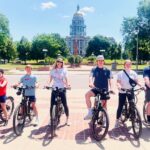
Denver makes more sense on two wheels.
This small-group e-bike tour helps you get your bearings fast in downtown Denver, with a smooth e-bike tutorial before you roll out. I like that you cover major sights like Union Station, Civic Center Park, Larimer Square, and the RiNo mural area without turning the whole day into a chore. I also like the practical, on-the-ground guidance from guides like Kevin and Roman—clear safety talk, plus insider pointers for what to do next. One thing to plan for: this is a tight, photo-stop style route, so if you’re hoping for long museum time, you’ll still want to do those on your own.
You meet at the Westin Denver Downtown and spend about two hours cruising a loop of iconic blocks, river paths, and skyline viewpoints. I particularly like that the ride pacing feels adjustable—you can take it slow or move at a comfortable speed, and you’ll get little reminders to hydrate (thanks to guides who carried extra water and kept checking in). A possible drawback is that Denver traffic can feel stressful around intersections, so the safest bet is to arrive ready to follow the group and listen closely when the guide routes you through city streets.
In This Review
- Key highlights you’ll feel right away
- Why an e-bike tour works so well in downtown Denver
- Westin Denver Downtown start: the easiest way to kick things off
- Getting ready to ride: what “easy” really means on these bikes
- Union Station and the downtown core: the “how Denver fits together” stretch
- Civic Center Park: where government, culture, and a big public space meet
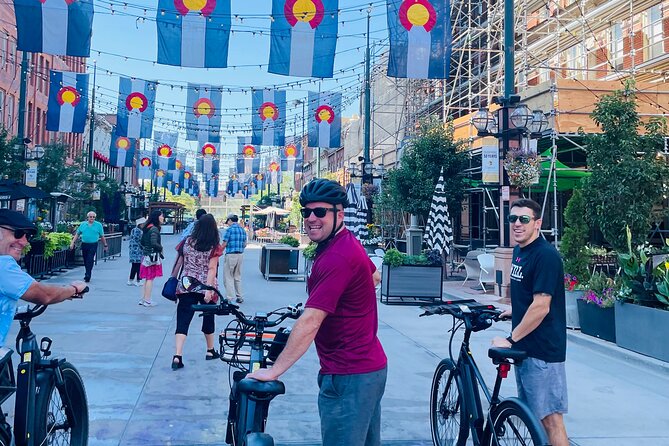
- Larimer Square and McGregor Square: Denver’s old-street charm meeting modern LODO
- RiNo murals and the downtown skyline: the part that feels like Denver’s attitude
- The river path and Confluence Park: why this section is the most relaxing
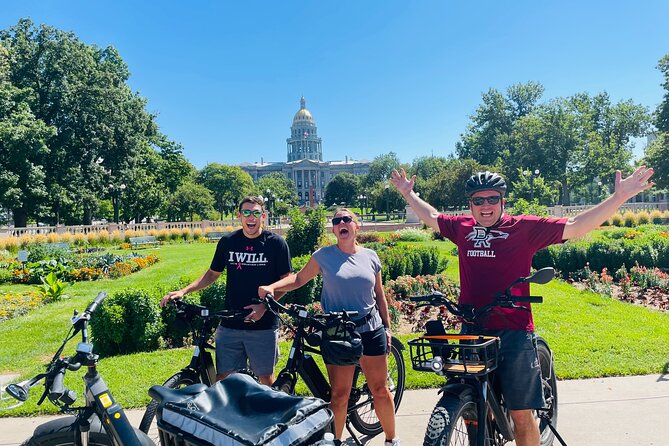
- Colorado State Capitol and the US Mint area: ending with big-city meaning
- Meow Wolf and the City Playground vibe: quick tastes for art and fun
- What to expect from the guide: safety, pacing, and real local talk
- Price and value: is $105 fair for two hours?
- Who this tour fits best
- Should you book this Denver highlights e-bike tour?
- FAQ
- How long is the Denver highlights and hidden gems guided e-bike tour?
- How many people are in a group?
- What is the price per person?
- Where does the tour start and end?
- Is the tour in English?
- Does the tour require good weather?
Key highlights you’ll feel right away
- Max 9 riders keeps things calm and makes it easier to hear the guide and stay together.
- Quick e-bike onboarding means even first-timers can get comfortable before the route gets busy.
- Downtown-to-RiNo coverage links classic Denver with street art and newer neighborhoods in one sweep.
- Safety-focused riding with clear guidance at crossings and busier stretches.
- Photo-friendly stops at places like Larimer Square, Daniels and Fisher Tower, and Confluence Park.
- Stops vary by ticket so you’ll know which sights are quick and which may cost extra.
Why an e-bike tour works so well in downtown Denver
Downtown Denver is compact, but it can be deceptively tiring. Blocks stretch farther than they look on a map, and the city is full of short hills, stops, and curb-to-curb crosswalk moments. An e-bike turns that into a “walk all day but faster” feeling. You still get the street-level experience—just without arriving worn out.
Also, the route is built around what people actually want when they first show up: the transit hub, civic landmarks, historic districts, river paths, and stadium-area skyline views. You’re not just collecting postcards. You’re learning how the city is laid out—so your next hours (and next meals) are easier to plan.
You can also read our reviews of more tours and experiences in Denver.

Westin Denver Downtown start: the easiest way to kick things off
Check-in starts at the Westin Denver Downtown on Lawrence Street. That’s a smart meeting spot for a guided ride because it’s central, and it puts you close to public transportation options if you’re mixing this tour with other parts of your trip.
Once you’re on the bikes, you get a brief tutorial that sets you up for confidence quickly. This matters because Denver streets involve more than just bike lanes—you’ll be riding near traffic at times, and the guide’s job is to keep everyone moving safely as a group. If you’ve never ridden an e-bike before, you’ll be in good hands. One of the most repeated themes from the best experiences is how clearly guides talked through controls and riding habits—some even guided first-timers into a smooth rhythm right away.
One more practical point: the bikes are described as high quality in multiple firsthand accounts, so you’re not fighting weak power or shaky handling. That makes the whole thing feel effortless, not stressful.
Getting ready to ride: what “easy” really means on these bikes
The tour is designed so most people can participate, but “easy” here is about support and pacing. The e-bike helps you handle distance without cooking your legs, which is perfect if you want to see a lot in two hours.
From what I’ve seen in the experiences shared, guides often emphasize options: you can use pedal assist or choose a more throttle-style approach on the ride. That’s great because it lets you match your energy level to the moment. If you want to take photos slower, you can. If you’re feeling good and want a little more speed between stops, you can do that too.
And because Denver can change weather quickly, you’ll want to be ready with a layer. The tour runs only with good weather, and rain can be the kind of thing that shortens or reshuffles plans—so you’ll get the smoothest experience by dressing for quick changes.
Union Station and the downtown core: the “how Denver fits together” stretch
Your first big anchor is Denver Union Station, the main rail hub and a central meeting point for the city. Even if you only spend a few minutes here, it’s a valuable starting move. It gives you a reference point. From there, you start to see how downtown clusters around transportation, civic buildings, and the theater-and-convention belt.
Next comes the Denver Center for the Performing Arts. It’s a quick look, and ticketed entry isn’t included, but the value is in knowing what it is and where it sits. If live shows are on your list, the guide’s context helps you decide whether to plan a night there later.
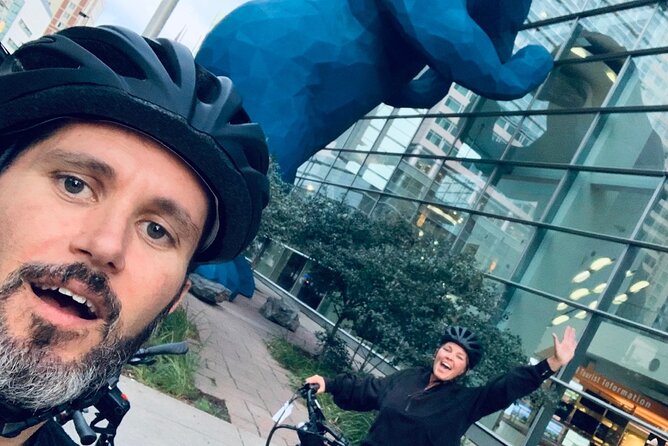
Then you move to the Colorado Convention Center, including a classic photo stop area like the Big Blue Bear. This segment is short, but it helps you get oriented fast—especially if you’re new to downtown and want to recognize the major “named places” you’ll keep hearing about.
Civic Center Park: where government, culture, and a big public space meet
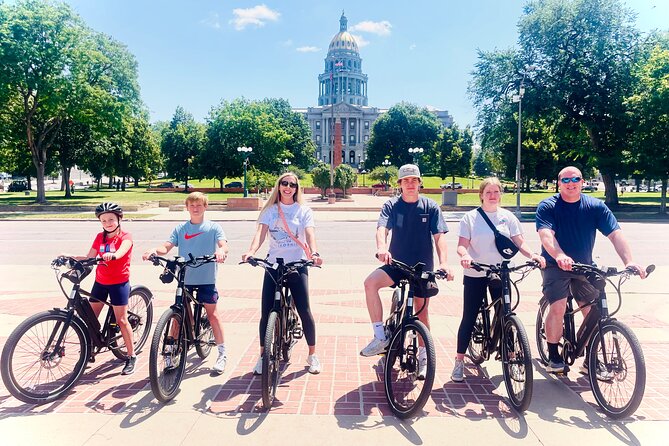
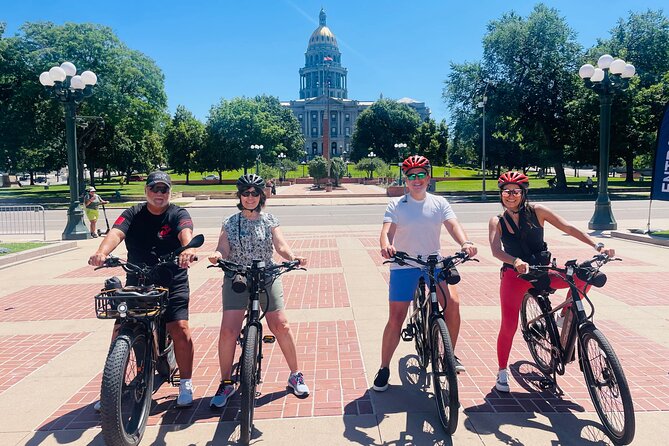
Civic Center Park is the kind of place that’s easy to pass without a guide—unless someone points out what it is. This is a hub around the state capital courthouse and the civic park system, and it’s one of the best “Denver feels like Denver” areas.
A lot of people also do well mentally after this stop, because it breaks up the density of downtown. You get open space, better sightlines, and a chance to breathe. It’s a small moment, but it makes the rest of the ride feel more enjoyable, not like you’re constantly hitting the next block.
Just around here you’ll also hear about nearby cultural anchors like the Denver Art Museum (ticketed entry not included). The point isn’t to replace a museum visit—it’s to show you the architecture and place it correctly in your mental map. If you later decide to go inside, you’ll already know what you’re looking at outside.
Larimer Square and McGregor Square: Denver’s old-street charm meeting modern LODO
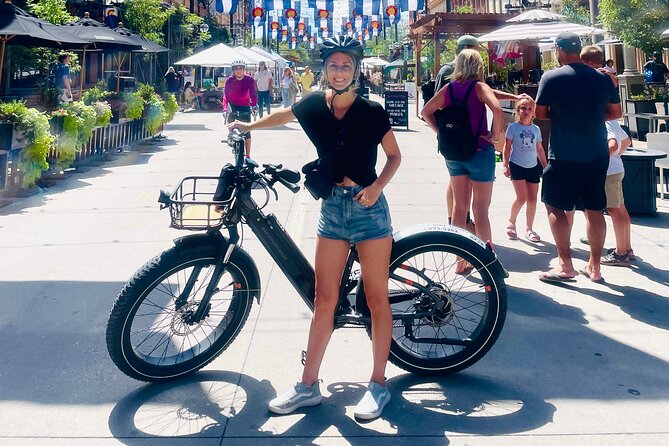
After the civic zone, the ride turns toward neighborhoods that feel different from each other. Larimer Square is a historic district and a long-time gathering place. It’s the kind of area where you can wander later and not feel like you’re just following a guide route. The benefit of seeing it on the tour is that you learn which lanes and corners are worth returning to.
Then you head toward McGregor Square, a more modern zone tied to LODO (Lower Downtown). This part of the route is useful if you’re planning evenings—dining, music, and hotel clusters are close, and you get a sense of how the city shifts in a few blocks.
One travel reality: when you’re on foot, you might miss these transitions. On the bike, you see them without losing time—and that makes it easier to choose what kind of Denver you want after the tour.
RiNo murals and the downtown skyline: the part that feels like Denver’s attitude
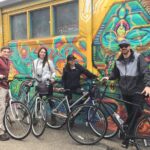
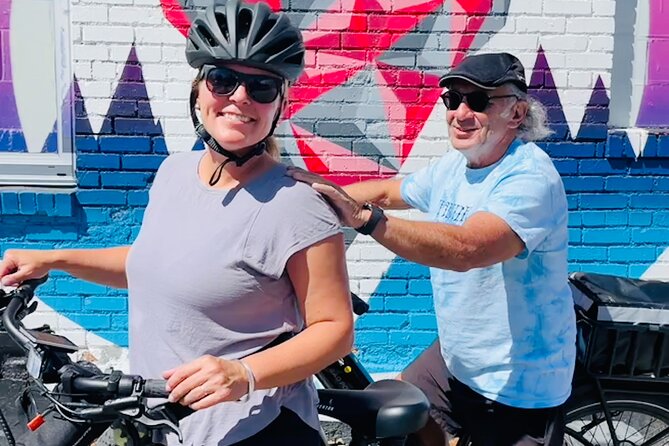
RiNo (River North) is where Denver shows its creative side, and the tour includes a pass through the world-renowned murals in the RiNo Art District. Even if you don’t stop for long, seeing murals with the route context helps. You start understanding the neighborhood’s layout and what kind of streets you’ll want to explore later.
This is also where skyline views and iconic clock-tower energy come in. You’ll pass by Daniels and Fisher Tower, known for its clock tower look and its punchy presence over the surrounding city. It’s a quick stop, but it’s the type of spot where photos feel satisfying because the setting gives you a strong Denver skyline frame.
If you’re into sports, you’ll also catch sights tied to Colorado’s big league teams, including Coors Field and Empower Field at Mile High. Ticket entry isn’t included for those stops, but the tour gives you proximity and context—so if you decide to catch a game (or just want the vibe), you’re not starting from scratch.
The river path and Confluence Park: why this section is the most relaxing
Some guided rides just stack landmarks. This one also gives you calm moments, especially around the river area. You’ll see the Aquarium on the Platte River Path and a unique children’s museum tied to the same river setting. Even if you skip ticketed entry, these are recognizable Denver waypoints—and the river path also tends to feel smoother for riding than the densest streets.
Then comes Confluence Park, a place named for a simple, powerful idea: two rivers meet. For me, this is where the tour turns from sightseeing into a mini break. The space feels different, the air feels different, and the bike ride becomes less about intersections and more about flow.
If you’re riding with kids (or you’re just tired of constant stops), this is a big reason the tour works. It gives variety: civic buildings, historic streets, and then open-air water-and-walkway energy.
Colorado State Capitol and the US Mint area: ending with big-city meaning
The last major anchor is the Colorado State Capitol, a dramatic building that sits at about 5,380 feet above sea level (yes, Denver altitude is real). The tour keeps stops short, but the effect is that you leave knowing why this area matters—and how it fits into the larger downtown picture.
You’ll also pass by additional civic and local anchors, including the US Mint at Denver. If you’re the type who likes details, this kind of stop is where a guide’s context turns a simple exterior into something you want to remember. It’s also a natural transition point: after the tour, you can decide whether you want to walk farther around the capitol area.
And then there are the stops that hint at Denver’s deeper rhythm—like the mention of the oldest brewery in Colorado, plus nearby campus areas and a bike path close to the universities. Those elements matter because they remind you Denver isn’t only downtown architecture and stadium views. It has neighborhoods and day-to-day energy that spill into the city center.
Meow Wolf and the City Playground vibe: quick tastes for art and fun
The ride also includes stops tied to entertainment and creativity, like Meow Wolf. Depending on your interests, you might treat this as a quick photo or as a “we need to come back here” signal.
You also get time near the roller coaster and city skyline area, which sounds like a small detail until you see it in context: Denver doesn’t only do museums and monuments. It does playful, strange, fun too. Even short stops here can spark ideas for what you’ll prioritize next.
This mix is one of the best reasons to take the tour early in your trip. You get a baseline for what Denver offers, and then your second day can be about choosing your favorite vibe.
What to expect from the guide: safety, pacing, and real local talk
Most of the best experiences highlight three guide traits: clear instruction, active safety habits, and friendly answers to questions.
Guides like Kevin, JT, Ed, Eddie, Roman, Kara, Mark, and Sarah show up repeatedly in accounts, and the consistent pattern is that they keep people together and don’t treat the ride like a race. One common detail: guides answered questions, watched the group carefully, and helped first-timers feel comfortable. Another common detail: guides provided extra water and reminded people to hydrate along the way.
You’ll also notice a pacing style. Some rides force everyone to stop in lockstep. This one lets you ride at your preferred effort level on stretches, especially along the river. That flexibility can be the difference between feeling rushed and actually enjoying the city.
Price and value: is $105 fair for two hours?
At $105 per person for about two hours, you’re paying for three things at once: the e-bike + tutorial, the guided route through multiple neighborhoods, and the local context that helps you make better choices after the tour.
It’s good value if you have limited time in Denver. Two hours is long enough to get from major civic landmarks to murals, river paths, and stadium-area viewpoints, but short enough that you’re still free to do independent exploring afterward. In that sense, it’s not competing with a full-day itinerary—it’s doing the “quick orientation” job well.
The main value catch: several stops are not included for admission (examples include the art museum and certain venues). So you might pay extra if you want to go inside. If you mostly care about exterior sights, you’ll likely feel like you got your money’s worth faster.
Who this tour fits best
This is a strong match for:
- First-time Denver visitors who want a fast layout lesson before committing to bigger plans
- Couples who like active sightseeing without walking for hours
- Families who want a safe, guided route plus fun stops (Meow Wolf and river-area kid-friendly attractions are a bonus)
- Anyone who wants to enjoy Denver’s highlights while keeping energy costs low
It’s less ideal for travelers who want long museum time at multiple ticketed locations. Because stops are short and the ride is structured, you’ll get context quickly—but you won’t get hours inside venues.
Should you book this Denver highlights e-bike tour?
If your goal is see the best of Denver quickly and leave with a clear sense of where things are, I’d book it. The small group size (max 9), the emphasis on safety, and the smooth onboarding for e-bike first-timers make it a smart first or second-day activity. You’ll also get helpful next-step tips from the guide, which often matters as much as the sights themselves.
I’d pass or adjust expectations if you need long indoor stops or if you’re extremely sensitive to busy streets. This tour is best when you’re ready for a guided loop, short photo moments, and a couple of ticketed choices you can decide on later.
Bottom line: for $105, two hours, and a route that ties together downtown, RiNo murals, river calm, and big skyline icons, it’s a high-value way to orient yourself—without arriving exhausted.
FAQ
How long is the Denver highlights and hidden gems guided e-bike tour?
It runs for about 2 hours.
How many people are in a group?
The tour has a maximum of 9 travelers.
What is the price per person?
The price is $105.00 per person.
Where does the tour start and end?
It starts at the Westin Denver Downtown (1672 Lawrence St, Denver, CO 80202) and ends back at the meeting point.
Is the tour in English?
Yes, it is offered in English.
Does the tour require good weather?
Yes. The experience requires good weather, and if it’s canceled due to poor weather, you’ll be offered a different date or a full refund.