REVIEW · VALENCIA
Valencia: Top 25 Highlights Guided Bike Tour
Book on Viator →Operated by Bikes & Tours · Bookable on Viator
Valencia on two wheels turns planning into motion. In about 2.5 hours, you glide from the old town to modern Calatrava landmarks, with lots of photo stops and clear city context. I especially liked the flat, ride-friendly route (even on a regular bike) and the way the tour gives you a smart first map of where to return later.
One thing to consider: it’s mostly a see-and-snap format. Even when a stop lists tickets as free or included, you may not actually go inside most attractions, and a few big sights do require separate entry fees.
In This Review
- Key highlights worth knowing
- Why cycling Valencia is a smart way to start
- Meeting point in L’Eixample: how the tour starts
- Russafa: art, food, and nightlife energy
- Estació del Nord: modernism with colorful personality
- Plaza de Toro and the switch from bull tradition to events
- Plaça de l’Ajuntament: the big square feeling, without the crowd hassle
- Mercado Central: modernist design you can’t unsee
- La Lonja de la Seda: Gothic power and UNESCO weight
- Valencia Cathedral area: layered styles and the Holy Grail story
- Towers of Serranos: one of the last city gate survivors
- Turia Garden: the old riverbed ride that feels like a secret
- Palau de la Música: music hall architecture in the park zone
- City of Arts and Sciences: where the future gets human-sized
- Tickets you’ll likely want to plan for
- Bikes, pace, and how the group stays together
- Price and value: why $32.67 can work (or not)
- Who should book this bike tour
- Should you book? My honest recommendation
- FAQ
- How long is the Valencia Top 25 Highlights Guided Bike Tour?
- What language is the tour offered in?
- What is the price per person?
- Where is the meeting point?
- Are any attractions included with paid admission?
- Is the route suitable for most people?
- What’s the cancellation window?
Key highlights worth knowing
- Flat roads, smooth flow: the ride is built for comfort and getting your bearings fast.
- Top sights in one run: Old Town basics plus the City of Arts and Sciences in one afternoon.
- Excellent guides, lots of answers: I’ve seen guides like Daria, Jorge, Liliana, Shakti, Victor, and Martin praised for their pacing and questions.
- A mix of architecture styles: from modernist tiles at Estació del Nord to Gothic La Lonja de la Seda.
- Some stops cost extra: famous venues like Hémisfèric, Oceanogràfic, and the Prince Felipe Science Museum aren’t included.
- Group size stays small: up to 14 travelers, which helps you stay together.
Why cycling Valencia is a smart way to start
If you want Valencia without spending the trip doing logistics, a bike tour is a clean shortcut. The city is built for easy movement: wide streets in the right places, and plenty of routes that avoid the worst stop-and-go. You get to cover distance quickly, then you’re not stuck guessing where the best next walk should be.
The best part is the balance. You’ll get the historic spine of Valencia—squares, markets, cathedral area—and then you’ll swing over to the futuristic City of Arts and Sciences. That contrast helps you understand the city faster than a checklist of attractions ever will.
You can also read our reviews of more tours and experiences in Valencia.
Meeting point in L’Eixample: how the tour starts
You’ll meet at C. de Puerto Rico, 23, L’Eixample, 46004 València. From there, you roll out toward Valencia’s showpieces, with the group staying tight and the guide doing short explanations at each stop.
This matters because a guided ride is only useful if you get the “why” behind each location. The tour is structured around quick orientation. You’re not just watching buildings; you’re learning how the city grew and what locals see as important.
Also, the tour is offered in English, and it’s set up so most travelers can participate. There’s a maximum weight limit of 120 kg, and that’s worth checking early so your day stays stress-free. The group cap of 14 keeps it from feeling like a chaotic moving sidewalk.
Russafa: art, food, and nightlife energy
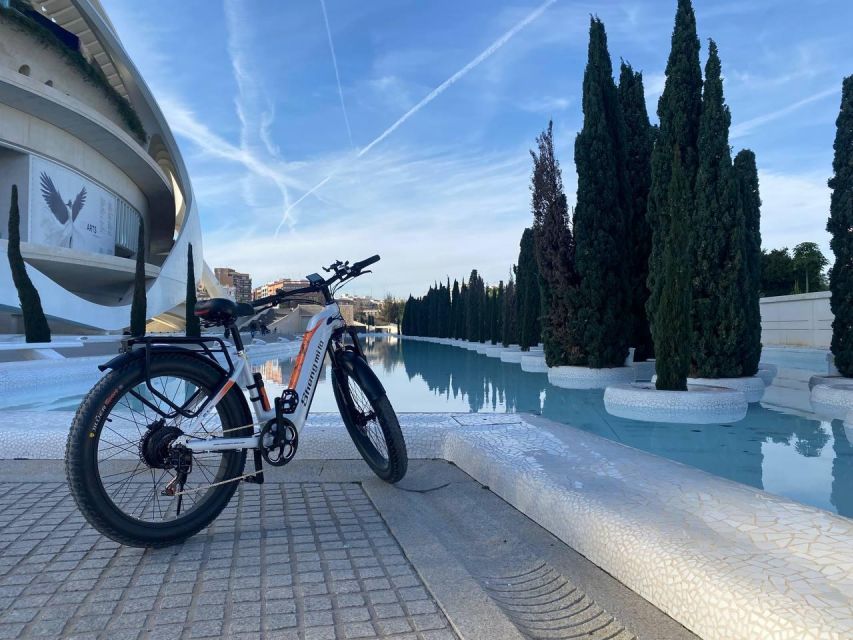
Your first stop is Russafa, a neighborhood in Valencia’s heart that’s become a hotspot for culture, dining, and evening life. The tour gives you the neighborhood rhythm early, so it doesn’t feel like you’re only visiting monuments.
Even if you only spend a few minutes here, that first taste helps you decide how you want the rest of your Valencia trip to feel. Do you want more local dining? More people-watching? More bars? Russafa is the place that usually answers yes.
You also get an early lesson in “what to notice.” The guide’s job here is to show the human-scale Valencia—street layout, building mood, and the vibe between the big attractions.
Estació del Nord: modernism with colorful personality
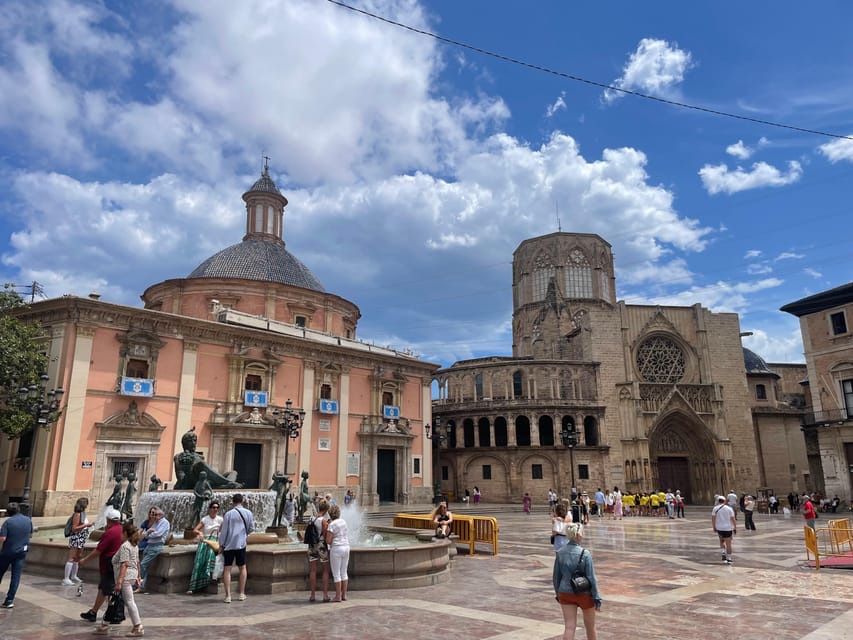
Next comes Estació del Nord. This is one of those places that makes you stop mid-ride and look up. The station opened in 1917, designed by Demetrio Ribes, and its exterior celebrates Valencian identity with colorful tiles and floral motifs.
This is where the bike tour feels especially efficient. You’re not fighting for a parking spot or trying to time a separate metro walk. You see it, you take photos, and you move on—without losing momentum.
It also sets you up for the rest of the ride. Valencia isn’t one style. It’s layers.
Plaza de Toro and the switch from bull tradition to events
At Plaza de Toro, you’ll see a neoclassical façade with grand symmetry. Traditionally, it’s tied to bullfighting—but today it’s used for concerts and other cultural events.
The practical point: this is one of those landmarks where the outside tells the story. You’ll understand why it matters even if you don’t go inside. Entry for this stop is listed as not included, so treat it as a viewing stop unless you plan to add an inside ticket separately.

Plaça de l’Ajuntament: the big square feeling, without the crowd hassle
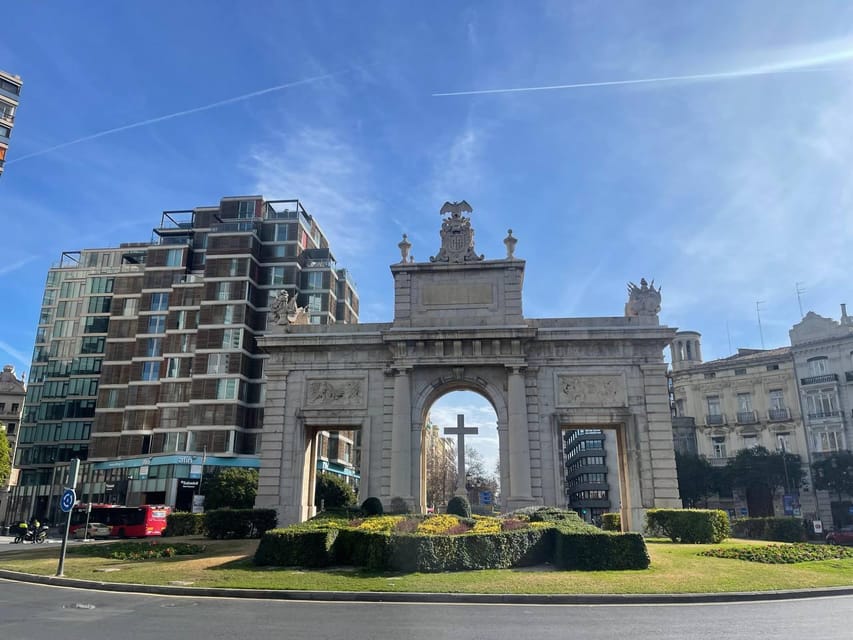
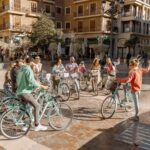
Then you roll into Plaça de l’Ajuntament, the largest square in Valencia, dominated by a fountain and surrounded by buildings from the 19th and early 20th centuries.
This stop is useful for orientation. Once you see the square from the bike and hear the guide’s context, you’ll feel less lost when you come back on foot later. It’s a classic “now I get how the city is laid out” moment.
Mercado Central: modernist design you can’t unsee
The ride continues to the Central Market of Valencia (Mercado de Central). It’s a modernist architectural highlight designed in 1914 by Francisco Guardia and Alejandro Soler. It’s described as the oldest and largest market in Spain.
A key detail: even if you don’t spend time inside, the building itself is the attraction. The tour’s short stop gives you the scale and style so you’ll know what kind of place it is when you return later for a longer browse.
This is also where the tour pays off if you like planning with real evidence. After seeing the market, you’ll know whether you should do a food stop there—or keep your budget for another neighborhood meal.
La Lonja de la Seda: Gothic power and UNESCO weight
Next is La Lonja de la Seda, a 15th-century UNESCO-listed Gothic masterpiece. It was once the silk exchange, and the architecture is all about ambition—big space, bold lines, and a sense of medieval prosperity.
This stop lists admission as not included, so you’re likely viewing rather than entering. Still, it’s a valuable moment because it gives you contrast: you’ve already seen modernist design; now you get the medieval “Valencia once ruled trade” story.
If you’re the type who hates missing interiors, this is one you may want to add as a separate ticket later.
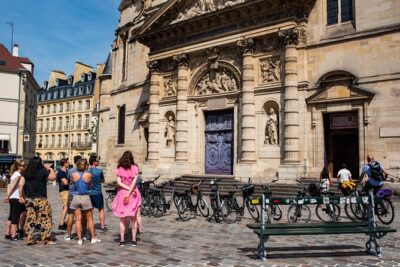
Valencia Cathedral area: layered styles and the Holy Grail story
The tour then reaches Valencia Cathedral, which includes Gothic, Baroque, and Renaissance elements. The site has an unusual backstory: built as a Roman temple in the 13th century, then turned into a mosque for a period.
Inside, there’s the Santo Caliz Chapel and the Holy Grail tradition. Entry for this stop is listed as free, but remember the tour’s overall pattern: you may not be doing full inside time.
If you want a long cathedral visit (or you care about chapels and specific relic traditions), plan to return later. The bike tour works best as your “what to prioritize” tool.
Towers of Serranos: one of the last city gate survivors
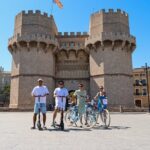
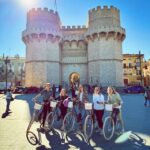
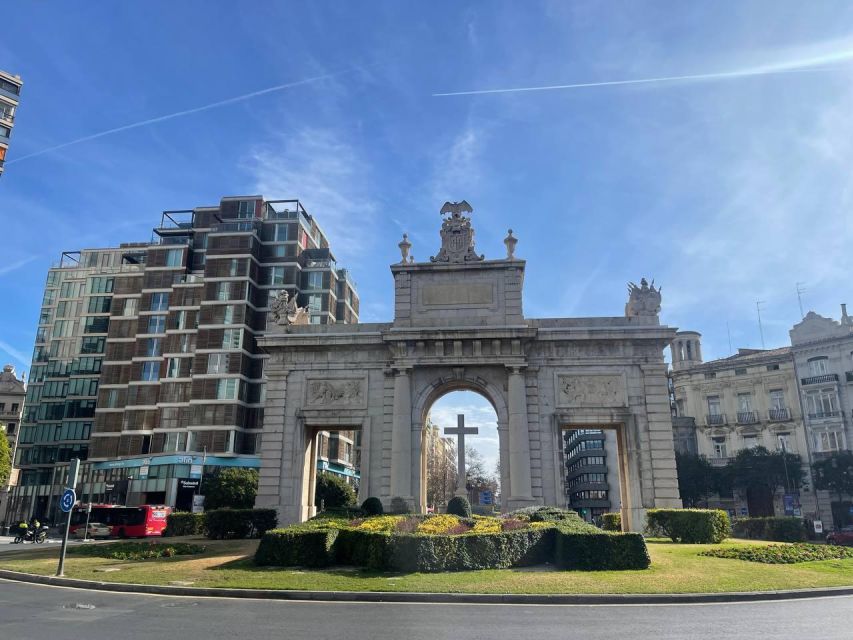
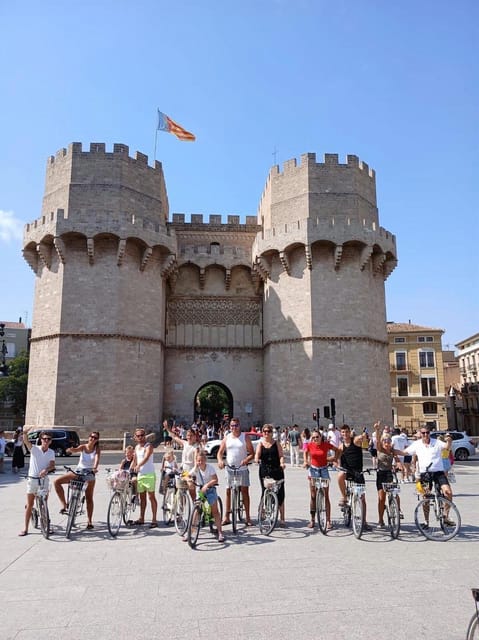
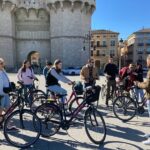
At Torres dels Serrans, you’ll learn that Valencia once had 12 gates in its wall system, and that most were destroyed in the 19th century. Only two remain today: Torres de Serranos and Torres de Quart.
This stop is a quick but powerful reminder that Valencia’s “old” still has real structure. It’s not just streets and plazas; it’s defensive architecture surviving into modern life.
And it’s easy to appreciate from the bike because you get a feel for height and placement in the old-town grid.
Turia Garden: the old riverbed ride that feels like a secret
Now for one of the most memorable parts: Jardí del Turia. The Turia Garden runs about 9 kilometers through the city. The old riverbed was supposed to become a highway after a devastating flood, but Valencia chose green space instead.
On a bike, this section tends to feel like breathing room. One review highlighted the river bike path as especially worth it and quieter than the urban streets. Even if you don’t ride the entire garden end to end, that short glide changes how the rest of the day feels.
You’re moving fast, but you’re not stuck in noise.
Palau de la Música: music hall architecture in the park zone
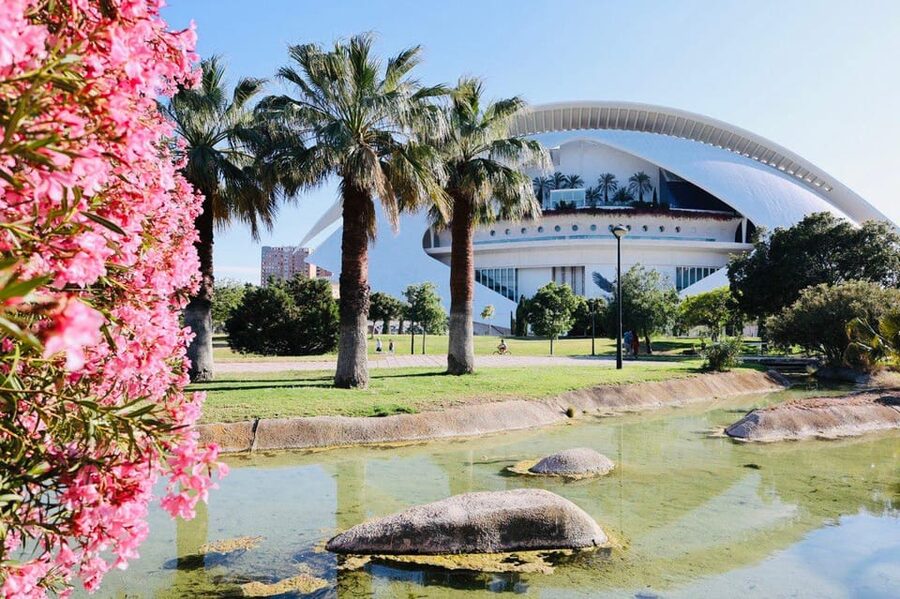
You’ll also see Palau de la Música de València area influence around the Turia Park. The guide context ties the park’s redesign to architects involved in the broader post-flood work, and you’ll connect that story to the concert hall building finished in 1987.
This stop works well if you like architecture that isn’t just big shapes. It’s a reminder that modern Valencia builds culture into daily life.
City of Arts and Sciences: where the future gets human-sized
From here, the tour shifts into the City of Arts and Sciences orbit. The guides are good at making these spaces feel less like abstract landmarks and more like places you can actually use.
You’ll hit several signature structures:
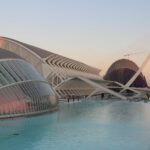
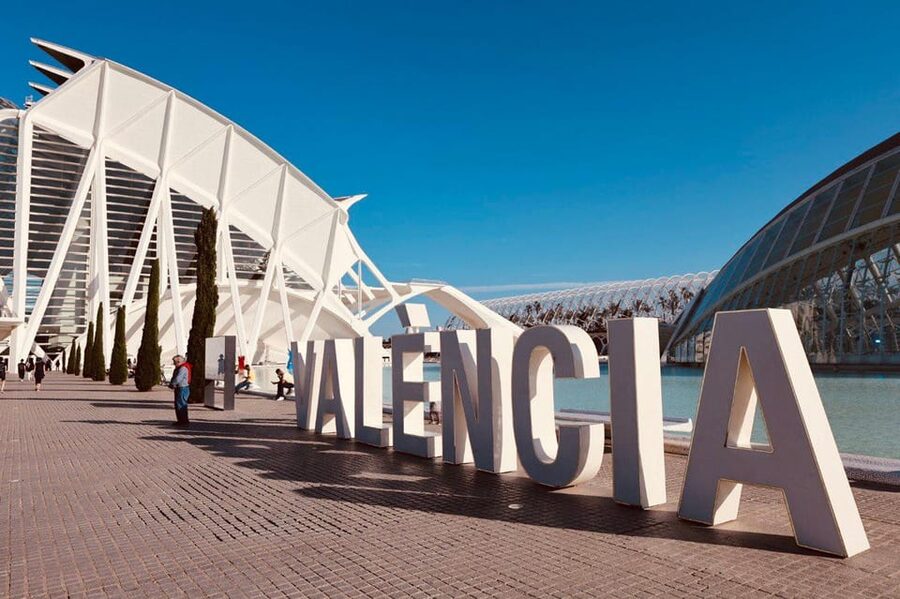
- Hémisfèric, designed by Santiago Calatrava, shaped to resemble a human eye. It’s completed in 1998 and functions as an IMAX cinema. Admission is not included, listed from €6.70.
- L’Umbracle Terraza, an open sculpture garden and walk of sculptures, used as an entrance zone. This one is listed as free.
- Queen Sofía Palace of the Arts, also associated with Calatrava, designed to resemble a Roman helmet and functioning as an opera and performing arts center since 2005. This stop is listed as free.
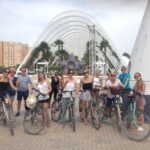
- L’Ágora, a covered multifunctional space by Calatrava with a glass roof spine and a movable structure for natural light. This stop is listed as free.
That sequence matters because it shows you how the complex changes mood. You don’t just jump between “big buildings.” You go from eye-shaped cinema to outdoor sculpture walk to performance halls and a massive light-controlled space.
Tickets you’ll likely want to plan for
Some of the most famous places here do charge entry, and the tour makes a point of indicating that up front.
Here are the stops with listed costs:
- Oceanogràfic Valencia: admission €25.75, and it’s Europe’s largest aquarium by description. It’s also noted for a large dolphinariums setup and around 45,000 animals across 500+ species.
- Museo de las Ciencias Príncipe Felipe: admission from €6.90. It’s an interactive science museum, in a building designed by Calatrava and described as whale-skeleton shaped.
So here’s the practical advice: if aquariums and science museum time are a priority for you, don’t assume the bike tour covers it. Think of the bike portion as your “get oriented and decide what deserves your paid time” step.
Bikes, pace, and how the group stays together
From what you’ll experience on the ground, this is built for an easy rhythm. Multiple guides and riders note the ride as an easy, flat experience. Valencia’s terrain helps: even on a normal bike, the day is usually manageable.
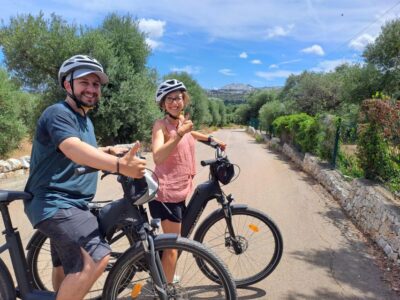
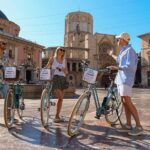
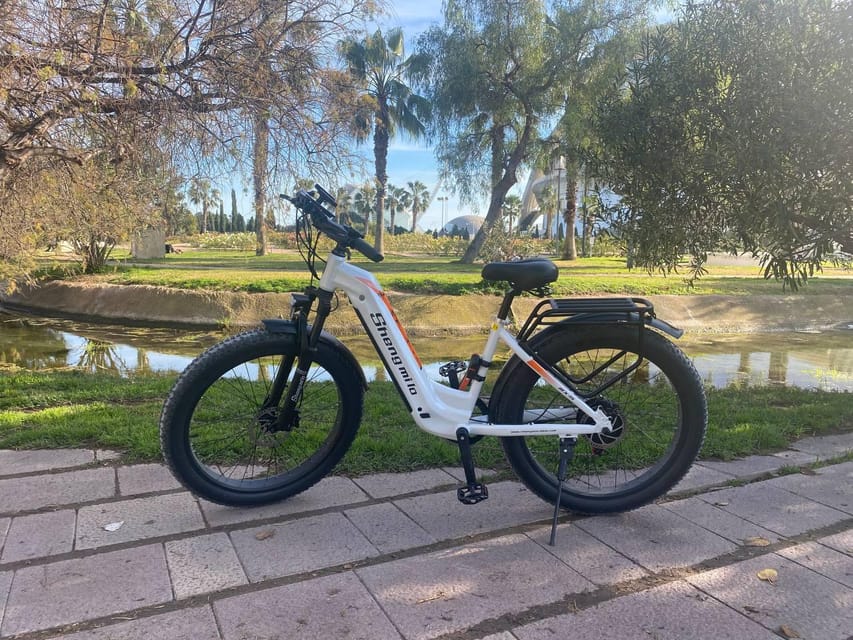
There’s also an option to choose e-bike or regular bike, and the operator has handled upgrades or changes if you’re more comfortable with pedal assist. If you’ve got any doubts about riding pace or hills in general, start with the option that matches your comfort level. Your enjoyment will be higher than your ego.
A couple practical notes to keep your day smooth:
- The bike setup includes stops where you might need extra time getting on and off.
- The ride can feel information-heavy, especially if your guide is chatty and every question gets answered in real time. If you like silence, plan a quiet break after the tour with a drink somewhere nearby.
- One person mentioned the tour ran longer than advertised due to the guide’s detailed storytelling. If you have a tight schedule after, keep a buffer.
Price and value: why $32.67 can work (or not)
At $32.67 per person, this tour is priced like a “high value orientation tool.” You’re paying for speed plus interpretation—covering Old Town landmarks and the City of Arts and Sciences without dealing with buses, parking, or route planning.
It’s a good deal if:
- You’re doing Valencia for the first time.
- You want a map of where to return later.
- You like learning while moving and you don’t need hours inside every building.
It’s not the best deal if:
- You expect a ticket-included inside visit for most major attractions. This format is more about viewing and photo time than full museum hours.
- You want a perfectly relaxed pace. The guided explanations can be energetic.
Think of it like this: you’re buying a guided route that helps you spend your next hours wisely.
Who should book this bike tour
This tour fits best for:
- First-timers who want a quick but real understanding of both Old Valencia and modern Valencia.
- Couples, small groups, and solo travelers who enjoy an active format but still want structure.
- People who like architecture, streetscapes, and city context instead of only museum time.
It may be less ideal if you:
- Hate busy pedestrian areas or tight turns.
- Want guaranteed long inside admissions at multiple paid sites.
- Have very strict timing constraints right after the tour.
Should you book? My honest recommendation
Book it if you want Valencia in one afternoon—Old Town landmarks, the Turia Garden glide, and the City of Arts and Sciences shapes—then the freedom to choose what to do next. This tour shines as a first-day orientation, especially if your next days are still open.
Before you go, do two small prep moves:
- Decide ahead of time whether you care about paying for Hémisfèric, Oceanogràfic, or the Prince Felipe Science Museum. Then you won’t feel surprised later.
- Bring a little buffer in your schedule. A detailed guide and plenty of photo stops can stretch the day.
If you’re comfortable on a bike and you like learning through motion, this is a strong way to start Valencia.
FAQ
How long is the Valencia Top 25 Highlights Guided Bike Tour?
It runs about 2 hours 30 minutes.
What language is the tour offered in?
The tour is offered in English.
What is the price per person?
The price is $32.67 per person.
Where is the meeting point?
The meeting point is C. de Puerto Rico, 23, L’Eixample, 46004 València, Valencia, Spain. The tour returns there at the end.
Are any attractions included with paid admission?
Some stops are listed as not included. The ones with separate listed admissions are Hémisfèric (from €6.70), Oceanogràfic (€25.75), and the Prince Felipe Science Museum (from €6.90). Other stops are marked as not included as well.
Is the route suitable for most people?
The tour says most travelers can participate, and the max weight limit is 120 kg.
What’s the cancellation window?
You can cancel for a full refund if you cancel up to 24 hours in advance. The tour also requires good weather; if it’s canceled due to poor weather, you’ll be offered another date or a full refund.