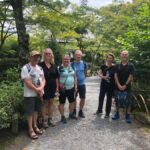
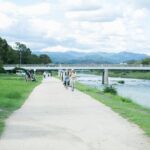
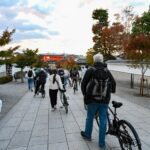
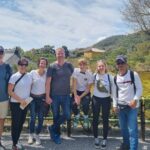
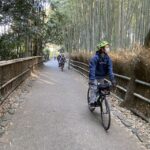
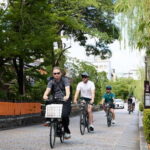
Kyoto changes when you pedal instead of queue. What makes this tour fun is the private e-bike pace plus a guide who turns famous places into a real story you can ask questions about. I especially like the built-in stops that mix photo moments with time on foot near quieter shrines.
You get a smooth way to see a lot without feeling rushed, and the guide’s photo-first mindset helps you remember what you missed while riding. The one real consideration: you need to be comfortable riding a bicycle, and some stretches are alongside normal traffic.
In This Review
- Key things that make KIYOTO’s private e-cycling worth your time
- Starting at Sunny Cycle: e-bike comfort and how the day feels
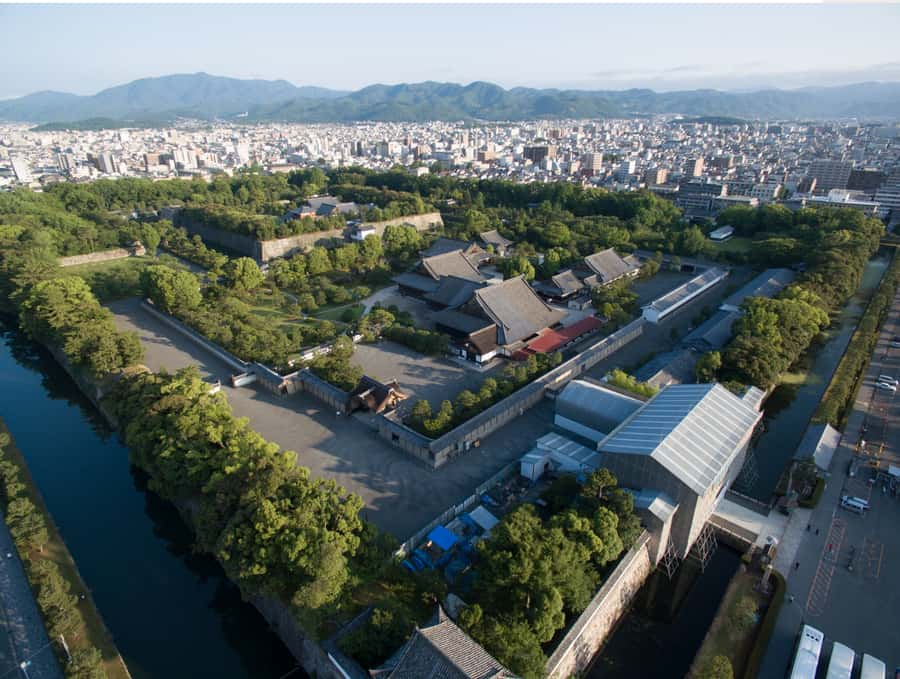
- Nijo Castle and Kyoto Imperial Palace: quick orientation, real context
- Demachi Futaba and Shimogamo-jinja: snacks and a calmer Kyoto side
- Konkai Komyo-ji and Shinshō Gokuraku-ji: temple time without the rush
- Shopping, wagashi, and regional bites: the stops that taste like Kyoto
- Philosopher’s Path, Nanzenji, and Suirokaku: canal views with a cycling rhythm
- Heian-Jingu torii and Gion-Shirakawa: classic Kyoto, timed for photos
- Price and what you actually get for $225 per person
- Who should book KIYOTO’s private e-cycling (and who should skip)
- Should you book this private e-cycling tour?
- FAQ
- How long is the private e-cycling tour?
- Where does the tour start and end?
- Is the tour private?
- What languages are the guides?
- Is the e-bike included in the price?
- Are food and drinks included?
- Are entrance fees included?
- What should I bring?
- What if it rains?
- What is the cancellation policy?
Key things that make KIYOTO’s private e-cycling worth your time
- Private pacing: You’re not trapped in a group rhythm; you can ask questions and adjust stops to your interests.
- E-bike makes the route doable: The ride is electric-assisted, so longer stretches feel manageable.
- A Kyoto-trained guide culture: Kiyoto partners with small-team guides he trained and approved.
- Photo and memory help: Guides focus on great photos, and you’ll come away with a visual recap.
- Quiet lanes between big attractions: You’ll hit major landmarks, then slow down for temple grounds and small streets.
- Traffic awareness matters: If you’re new on two wheels, go extra carefully on road-sharing sections.
Starting at Sunny Cycle: e-bike comfort and how the day feels
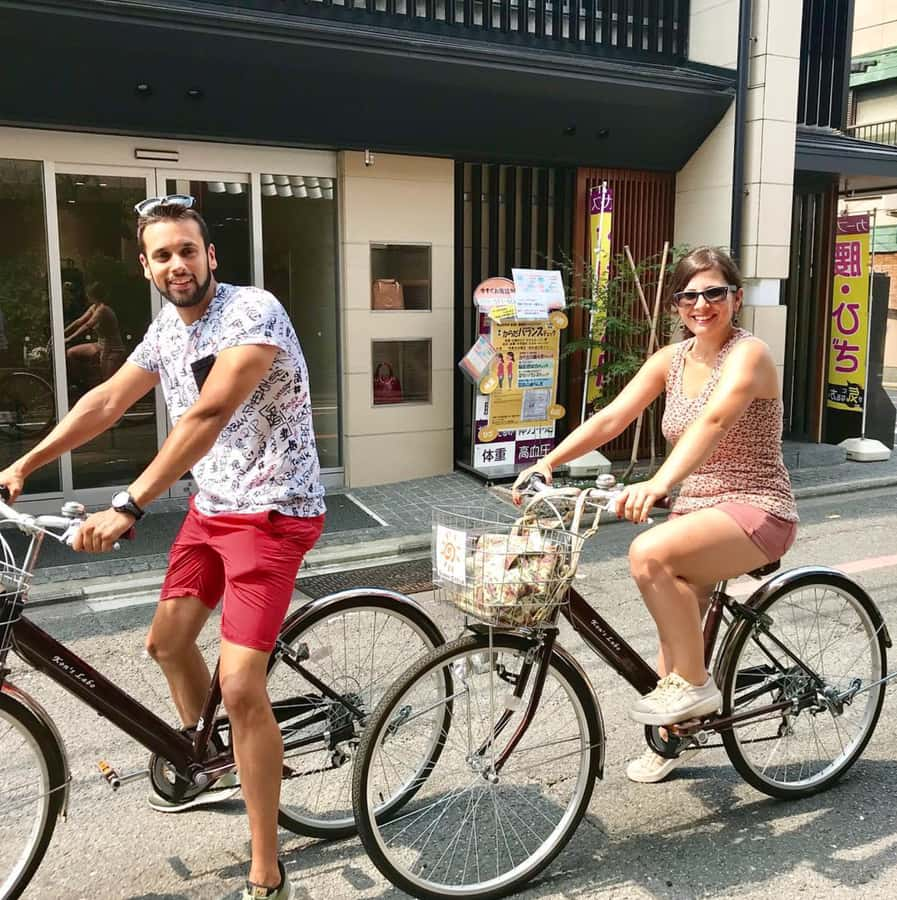
Your day begins at Sunny Cycle-Bicycle Rent (京都レンタサイクル サニーサイクル). This matters because Kyoto bike tours succeed or fail based on how quickly you get comfortable with your setup. Here, you’re renting an e-bike for the day, and that electric assist is the whole point of making a temple-heavy itinerary feel less like a workout.
Before you roll out, I’d focus on two practical things: shoes and cash. Comfortable shoes help because the tour mixes riding with short walks at shrines and temple entrances. Cash helps because food, entrance fees, and snack stops aren’t included, and you’ll likely want options as you go.
One more reality check: this is a bicycle tour, not a sightseeing stroll. The tour runs rain or shine. If weather gets intense, they may notify you by the day before, and they can even switch the bike portion into a walking tour if you want that alternative.
You can also read our reviews of more tours and experiences in Kyoto.
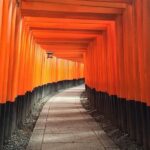
Nijo Castle and Kyoto Imperial Palace: quick orientation, real context
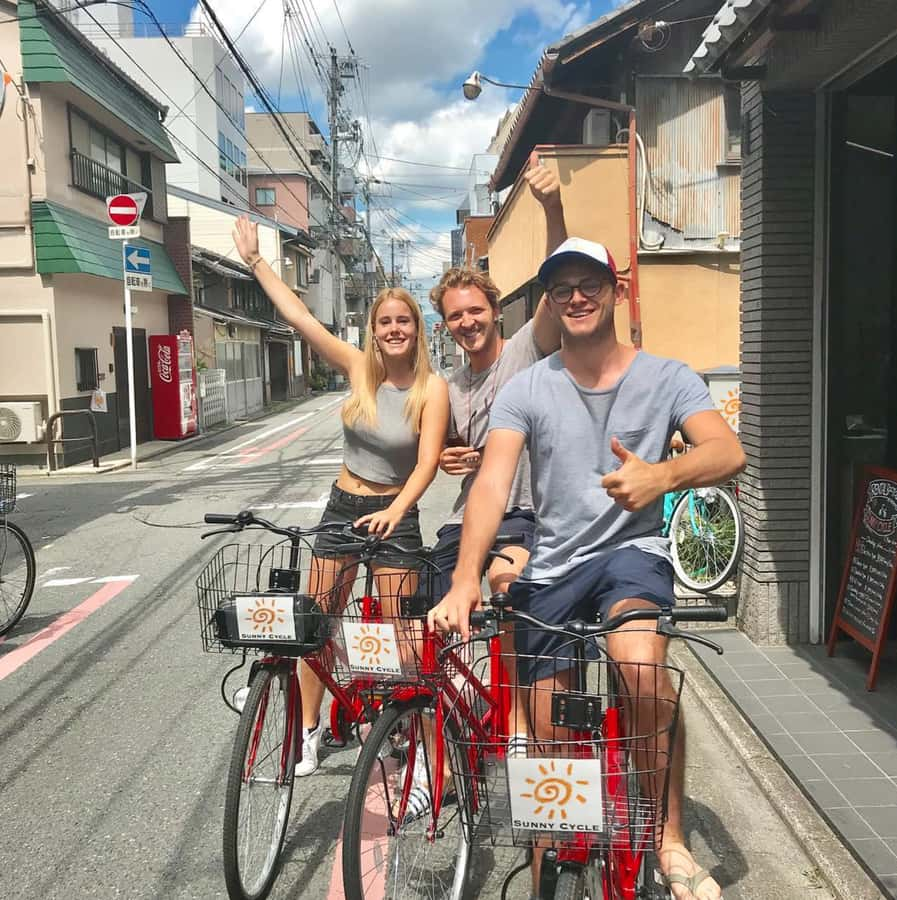
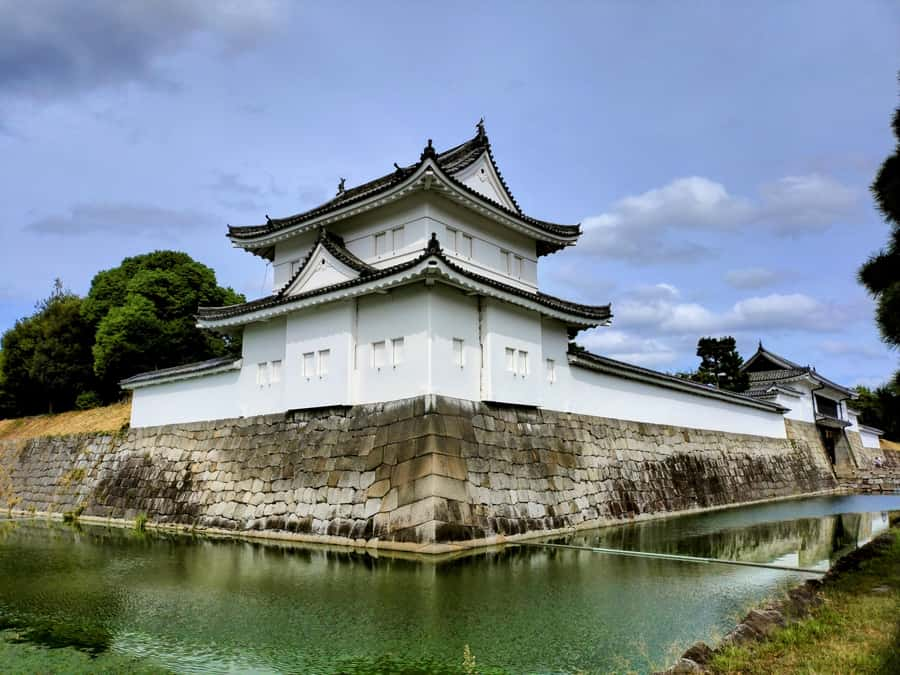
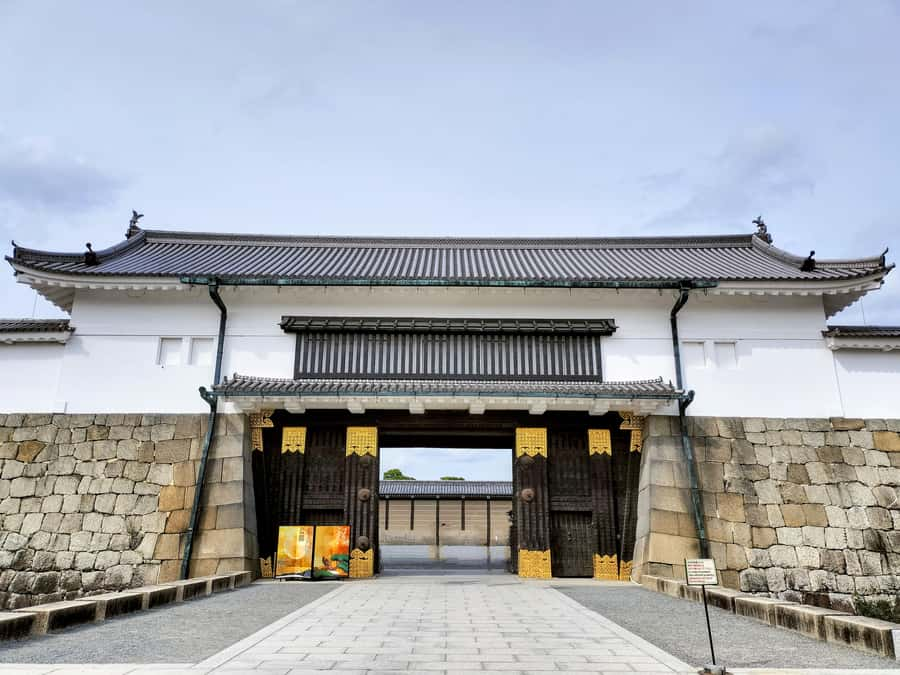
You’ll make a short first stretch to Nijo Castle. The schedule is tight here: a brief photo stop and then a guided moment to orient you. It’s a good opener because it helps you understand what you’re seeing before the route starts layering in the smaller, quieter Kyoto.
Nijo Castle can be one of those places where, without context, you can miss the why behind the architecture. With a guide, you get a quick frame for what makes it special, and you’re free to spend your energy on questions instead of figuring out what matters most.
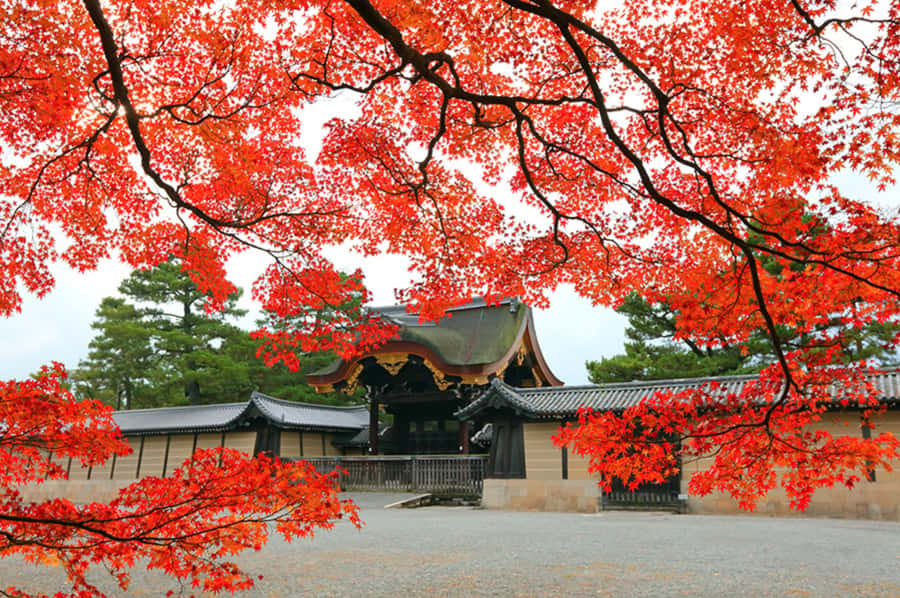
Next comes Kyoto Imperial Palace. You get about a 20-minute guided window plus biking time. The value of this stop is less about fully touring every corner and more about building a mental map. By the time you hit the neighborhood temples later, the whole city starts clicking.
A drawback to know up front: because key stops are time-managed, entrance fees and longer self-exploration aren’t part of the core plan. If you want to go inside everything, you’ll need to budget extra admission and also plan for the guide’s admission cost if a facility requires it.
Demachi Futaba and Shimogamo-jinja: snacks and a calmer Kyoto side
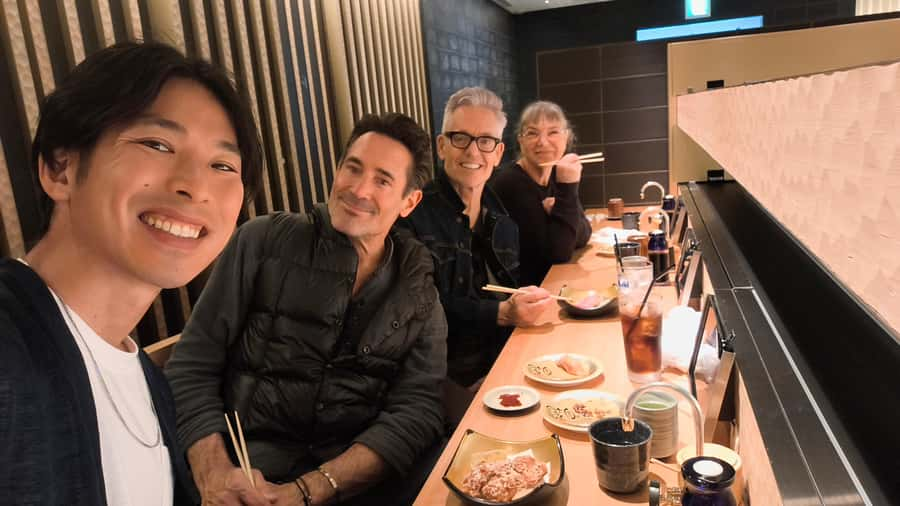
One of the smarter parts of this tour is how early it gives you a break. Demachi Futaba is your first on-route reset, with a break time and local snacks (about 15 minutes). This is exactly the kind of stop that makes biking day feel like a day, not a checklist. It’s also where you can practice your Kyoto “snack strategy”: try something small, then decide if you want a second round later.
After that, you’ll head to Shimogamo-jinja Shrine for a guided visit and a walk (about 20 minutes). This stop is valuable because it brings you away from the most crowded lanes while still feeling like you’re in Kyoto’s everyday rhythm. If you like shrines that feel lived-in rather than staged, this is the kind of atmosphere that rewards slowing down.
The tour also includes another short break later, so you’re not constantly on the move. That pacing helps when you hit temple clusters where you’ll want to look closely and ask better questions.
Konkai Komyo-ji and Shinshō Gokuraku-ji: temple time without the rush
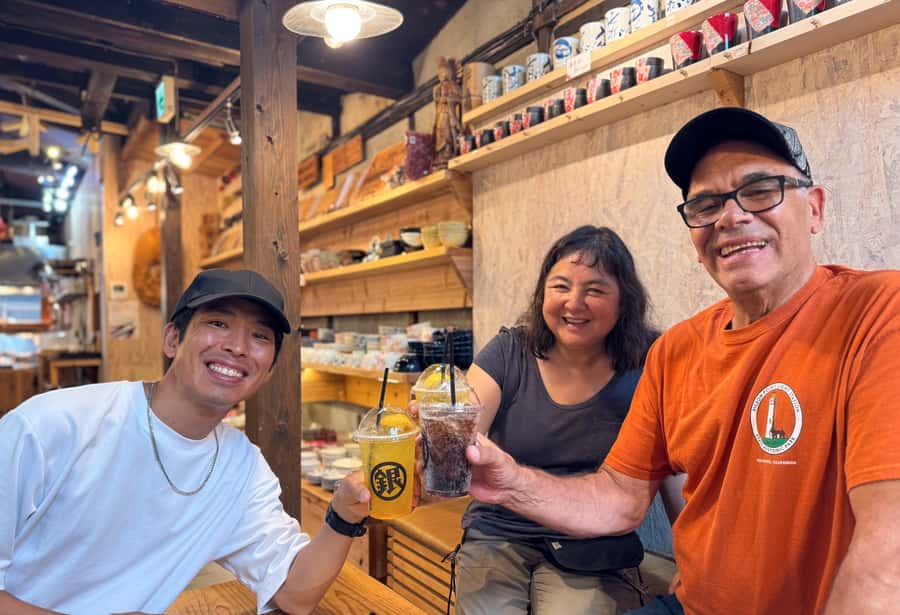
Konkai Komyo-ji Temple is one of the stops where the guide’s storytelling earns its keep. You’ll spend around 20 minutes with a guided visit. In Kyoto, a temple can look impressive from far away, but the meaning sits in details. With a guide, those details become part of your understanding, and you don’t have to rely on guidebooks to translate what you’re seeing.
Then comes Shinshō Gokuraku-ji (Shinnyo-dō), also about 20 minutes. This second temple visit is important because it prevents your day from turning into only one kind of attraction. You’re comparing styles and atmosphere. The guide helps you notice differences quickly, which is a big deal when your total day is only 3 to 5 hours.
These temple segments are also a good place to ask the kind of questions that usually don’t fit bus tours. For example: why certain areas feel quieter, what different shrine or temple features symbolize, and how Kyoto’s traditions show up in daily life today.
Practical tip: because entrance fees aren’t included, you should decide ahead of time whether you’re paying to go deeper inside specific spots. The data is clear that if you want to enter facilities that charge admission, you’ll cover your ticket and the guide’s admission too. Plan for that with a bit of cash on hand.
Shopping, wagashi, and regional bites: the stops that taste like Kyoto
This tour pays attention to food in the right way: not by making meals mandatory, but by weaving snack time into the route. After a guided segment, you’ll get shopping time plus local snacks and regional food (about 10 minutes). That’s the window where wagashi tends to matter, because you’ll be in the right zones to spot charming sweets shops.
This is also where the tour can surprise you based on your preferences. One guide, Rika, worked out a vegan-friendly restaurant option when her group needed it. That kind of flexibility is hard to recreate on your own unless you speak Japanese well and know where to look.
You’ll still be responsible for food and drinks costs, but you’re paying for guidance that improves your choices. Instead of wandering and guessing, you get a guided nudge to places you might miss.
If you’re traveling with dietary limits, I’d say something clearly in advance when you book. The guide is set up to handle different needs, but you’ll get the best results if you communicate early.

Philosopher’s Path, Nanzenji, and Suirokaku: canal views with a cycling rhythm
Now you move into some of Kyoto’s most photogenic terrain. Philosopher’s Path is next, with guided sightseeing plus about 20 minutes of bike touring. This stop works well on an e-bike because it keeps your timing flexible. You can slow down for looks, move when the crowd or route gets awkward, and still keep momentum.
What makes this part of the day feel special is the rhythm. You’re cycling through the city, then stopping to walk and look closely. That rhythm beats a straight ride and it beats a pure walking tour, because you’re not sacrificing either motion or detail.
After the path, you’ll reach Nanzenji Temple for a guided visit (about 20 minutes). Nanzenji is a “big name” temple, but the value here is not just the sight itself. With the guide’s context, you’ll understand what to focus on in the limited time you have.
Then there’s Suirokaku, the waterway bridge. You’ll get a photo stop plus guided visit for about 10 minutes. This is one of those stops where photos are half the point, but the guide can still help you frame the scene so you know why the bridge looks the way it does and how it fits into the broader temple area.
Heian-Jingu torii and Gion-Shirakawa: classic Kyoto, timed for photos
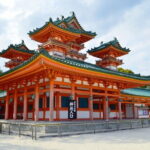
Heian-Jingu Shrine’s grand torii is a short but worthwhile photo moment (about 5 minutes). It’s quick because it’s visually loud. You’ll want to catch it from the right angle, and your guide will help you do that without turning it into a long scramble.
Next is the Gion-Shirakawa spotlight, about a 15-minute photo stop. This is one of the places where Kyoto feels like an image—yet it’s still a real neighborhood. With the guide directing your stops, you get the classic views while still understanding the setting around them.
After that comes Miyagawasuji, with a photo stop and guided visit (about 10 minutes total). The value here is learning how to “read” the street. Instead of only shooting facades, you start noticing the small cues that make the area feel like it has continuity, not just costumes.
Your final big scenic stretch includes TAKASEGAWA with photo stop and guided visit plus bike time (about 10 minutes). It’s a good closer because the day ends with motion and atmosphere, not with another packed temple list.
A caution for this section: if you’re nervous about two-wheeled riding, pay attention on road-sharing stretches. One of the guide comments from past groups is that novice bikers should be extra careful where you ride alongside traffic. The route is beautiful, but safety comes first.
Price and what you actually get for $225 per person
At $225 per person, this tour is priced like a premium private experience. The good news is you’re not paying only for a route on a map. You’re paying for a guide who handles navigation, pacing, storytelling, and photo help, plus you get the e-bike rental fees included (and they also mention a rental-for-the-day option).
Where the price stays transparent is what isn’t included. Food and drinks are not included. Entrance fees are not included, and if you choose to enter paid facilities, you’ll pay both your admission and the guide’s admission. Most entrance fees run roughly 300 to 800 yen, so that can add up depending on how many places you go inside.
This is still good value if you care about two things: (1) seeing more than you could safely do on your own in a short time, and (2) having someone explain what you’re looking at. If you just want a basic ride to landmarks, you could do it cheaper. But if you want the city to make sense while you move through it, the guide time is the product.
Who should book KIYOTO’s private e-cycling (and who should skip)
This is a strong fit if you:
- Want a private Kyoto day where you can ask questions and set your pace.
- Can ride a bicycle and would rather cover distance with an e-bike than spend hours on foot.
- Like a mix of big-name sites and smaller temple areas where the guide can slow you down.
It may not be the best fit if you:
- Don’t feel confident riding a bike, especially in any road-sharing sections.
- Expect all food and all entrance fees to be included in the price. You’ll still spend extra for snacks and paid entry if you choose to go inside.
If you’re visiting Kyoto early in your trip, I’d lean toward booking soon. A tour like this can act as an orientation pass, helping you decide what to revisit later at a deeper pace.
Should you book this private e-cycling tour?
Book it if you want Kyoto to feel personal and legible fast. With e-bike assist, a private group rhythm, and guides like Takuma, Rika, Paren, and Kiyoto himself all bringing different strengths, you’re getting more than a list of temples. You’re getting help noticing what matters, plus a photo-focused day that gives you something to remember.
Skip or consider a walking alternative if your biking comfort is low. The tour runs in rain or shine, and it requires participants who can ride a bicycle. If that’s a concern, ask about switching to a walking version due to weather, but don’t treat that as a substitute for safety.
FAQ
How long is the private e-cycling tour?
The duration is listed as 3 to 5 hours. Starting times depend on availability.
Where does the tour start and end?
It starts and ends at Sunny Cycle-Bicycle Rent (京都レンタサイクル サニーサイクル), with the activity returning to the same meeting point.
Is the tour private?
Yes. It’s a private group.
What languages are the guides?
The live tour guide is available in English and Japanese.
Is the e-bike included in the price?
Yes. E-bike rental fees are included in the tour.
Are food and drinks included?
No. Food and drinks are not included in the tour.
Are entrance fees included?
No. Entrance fees are not included for facilities requiring admission. If you enter a paid facility, you’re asked to pay both your admission and the guide’s admission.
What should I bring?
Bring comfortable shoes and cash.
What if it rains?
The tour runs rain or shine. If severe weather happens, they’ll notify you by the day before, and you may be able to switch the bike tour to a walking tour.
What is the cancellation policy?
Free cancellation is available up to 24 hours in advance for a full refund.