REVIEW · ALICANTE
Alicante City & Beach Bike Tour
Book on Viator →Operated by Alicante by Bike · Bookable on Viator
Alicante by bike is a fast way to see layers of the city. You’ll glide through the old quarter, cruise toward the sea, and get views of Castillo de Santa Bárbara while the guide explains what you’re really looking at.
Two things I especially like: the mix of big-name sights with short, calm breathing-space breaks, and the fact you get bottled water and a proper guide without having to plan anything yourself. You also benefit from a small group size, which helps when you’re navigating busy streets.
One consideration: parts of the ride can feel a bit hectic through town, especially when you hit tighter lanes around popular sights. If you’re sensitive to traffic or prefer a totally slow, car-free cruise, plan to take it easy and stay alert.
In This Review
- Key things that make this tour worth your time
- Alicante by Bike: a 2.5-hour snapshot of old town and sea
- From C. Cienfuegos to Santa Cruz Hermitage: your first real Alicante view
- Co-cathedral and Gothic church layers: from Herrerian sobriety to mosque origins
- Postiguet urban beach and the Explanada mosaic: where the city slows down
- Ficus shade, Plaza de Correos, and the marina return for a smoother feel
- Volvo Ocean Race port history and the sea-at-your-feet feeling
- Town Hall, old borders as a former ditch, and the rebuild story after bombardments
- Guides, pace, and bike choice: easy riding even for mixed abilities
- Price and value: why $36.28 makes sense for Alicante
- Should you book this Alicante City and Beach Bike Tour?
- FAQ
- FAQ
- What’s the duration of the Alicante City & Beach Bike Tour?
- How much does the tour cost?
- Where does the tour start, and what time does it begin?
- What’s included in the price?
- Is the tour offered in English?
- What’s the cancellation policy?
Key things that make this tour worth your time
- Santa Bárbara Castle views from the ride, not just from a viewpoint
- A Gothic church with Islamic origins explained in plain language
- Postiguet Beach as an easy city stop with the Moor face silhouette in view
- Explanada de España mosaic details, including the local Alicante red marble
- Port history tied to the 2008 Volvo Ocean Race, plus sea-close paths
- Small-group feel (max 15) that keeps the pace friendly for mixed abilities
Alicante by Bike: a 2.5-hour snapshot of old town and sea
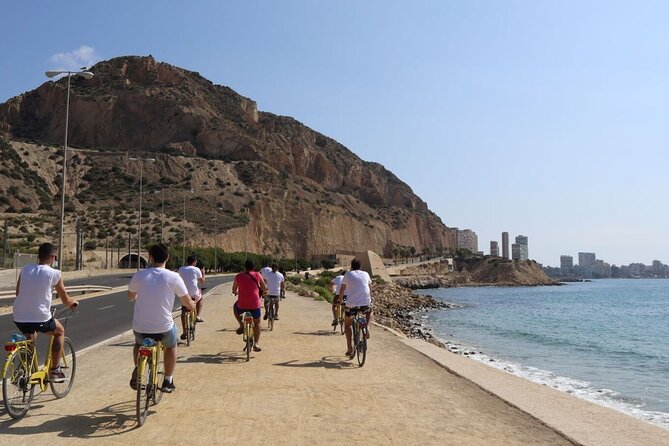
This is the kind of tour that works even if your time in Alicante is short. In about 2 hours 30 minutes, you cover the city’s key “wow” moments without doing the mental math of where to go, how to connect, and what’s worth your energy.
The best part is how the ride stitches together different eras of Alicante. You start with the hillside story behind the Santa Cruz Hermitage area, then move into churches and plazas that reflect centuries of change, and finally end up where the city meets the water. It’s not only sightseeing. It’s orientation.
Price-wise, $36.28 feels fair because you’re paying for more than motion. You get a professional guide, bike rental, and bottled water included. When you factor those in, it’s easier to see this as a guided way to travel around cheaply, not a pricey add-on.
You can also read our reviews of more tours and experiences in Alicante.


From C. Cienfuegos to Santa Cruz Hermitage: your first real Alicante view
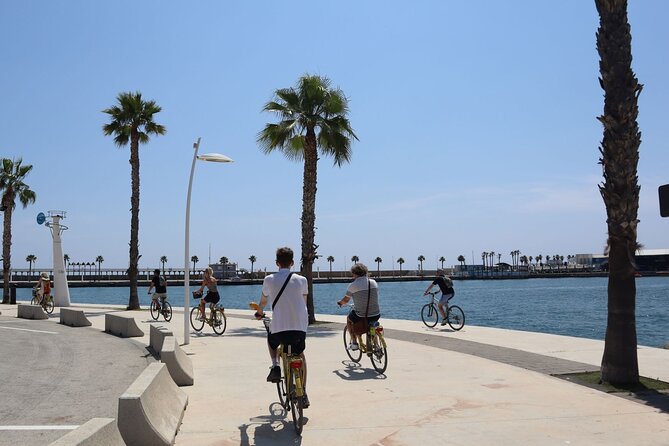
The ride starts at C. Cienfuegos, 1, 03002 Alicante, at 10:15 am, and you end back at the same meeting point. That matters because you’re not hunting for transfers after a fun morning.
Early on, you’ll head into the higher-up area near the wall slopes descending from Santa Bárbara Castle. The stop around the Santa Cruz Hermitage area gives you that “oh wow” feeling quickly, because you’re moving through the part of the city that frames the castle rather than sitting in its shadow.
What I like about this first segment is the way it sets context. When the guide talks about where you are relative to the mountain and walls, the rest of the city clicks into place. You start to understand why Alicante’s layout makes sense.
Potential drawback here is simple: you’re riding through real city streets, and early climbs can be noticeable if you’re on a regular bike and traffic makes you stop frequently. If heat or hills are an issue, it’s worth considering an electric option if available through the operator.
Co-cathedral and Gothic church layers: from Herrerian sobriety to mosque origins
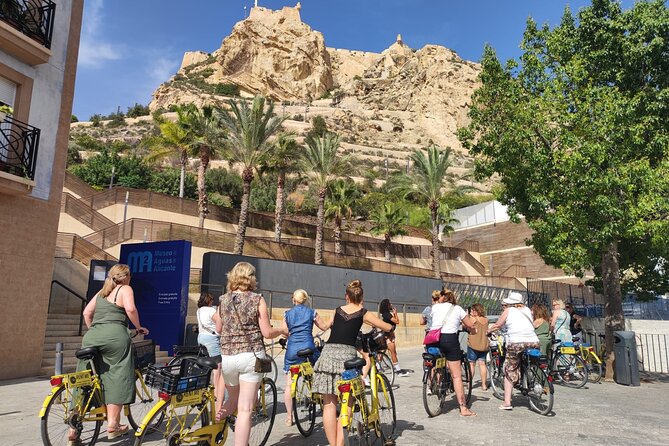
One of the most interesting parts of this tour is how it handles religious history without turning it into a lecture marathon. You’ll see major church architecture and you’ll learn what’s behind it.
First, there’s the Co-cathedral, whose construction began in the 17th century in a Herrerian style known for sobriety and a lack of heavy decorative clutter. Even if you’re not the type who reads every façade detail, the guide’s framing helps you understand why it looks the way it does.
Then you’ll visit a basilica that used to be a Muslim mosque, later becoming a Christian church when Christians conquered the city. The current church is Gothic, and you’ll also hear that it wasn’t damaged by bombardment. That combination—Islamic origins, Gothic form, and survival through conflict—gives you a clear, human-scale view of history.
If you enjoy architecture, this segment gives you enough information to look like you know what you’re doing without forcing you to memorize dates. It’s exactly the kind of stop that makes a short tour feel smarter than a longer self-guided wander.
Postiguet urban beach and the Explanada mosaic: where the city slows down
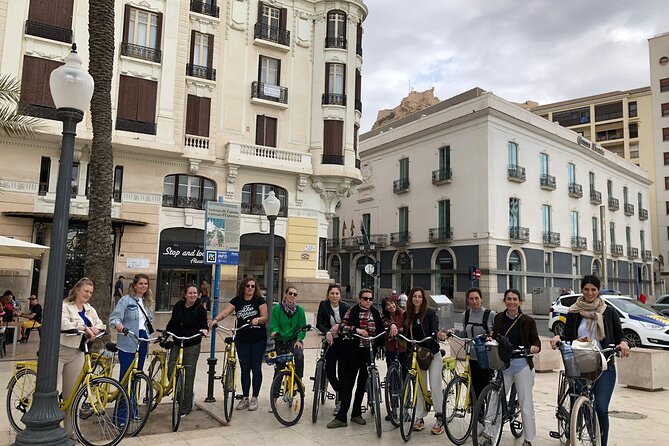
Alicante’s Postiguet Beach is the city’s standout urban beach stop, and it’s a smart inclusion because it breaks up the history-heavy parts with scenery and fresh air. From here, you can contemplate Santa Bárbara Castle, including its famous Moor face profile.
This stop is valuable because it teaches you how the city actually lives. Many beach towns force you to choose between nightlife and history. Here, the beach is woven into the downtown experience, so you get “sea town” vibes without losing the sightseeing thread.
Next comes Explanada de España, the promenade with the world-famous mosaic. The guide explains that the esplanade was built in the 1960s, using rubble from the demolition of the historic walls, and that the mosaic totals 6,600,000 pieces in three colors. One color, Alicante red, comes from marble found only in this region.
Even if you don’t care about materials science, the mosaic details make for great photo moments and a nice stretch where you don’t have to bike non-stop. It’s a natural reset for your legs, and the guide’s explanations stop the promenade from becoming just background scenery.
Ficus shade, Plaza de Correos, and the marina return for a smoother feel
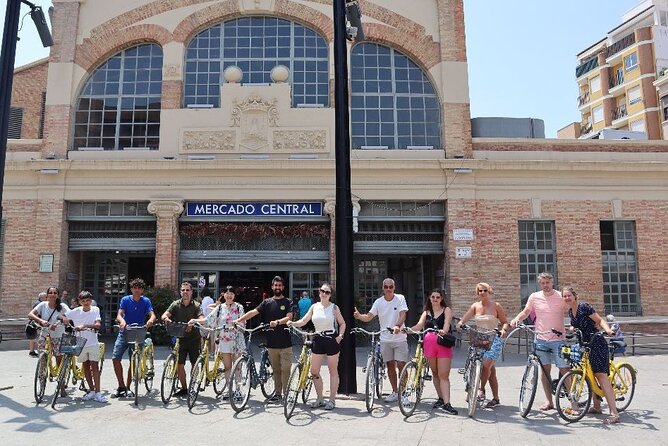
After the beach-and-promenade section, you’ll hit spots that feel very Alicante in daily life.
There’s a plaza that used to be called Correos. The guide ties it to the bourgeois city and the ideas of urban aesthetics from a period when a new dominant class shaped public spaces. It’s one of those details that makes you notice things you’d otherwise walk right past.
You’ll also find 100-year-old ficus trees—a simple stop, but a lifesaver on hot days. Shade can turn a good morning into a comfortable one, and these trees make the walk-around feel less like a workout and more like a relaxed city pause.
From there, you’ll start going back along the marina instead of taking the Explanada again. That change of route is helpful. It gives you different views of the coastline and keeps you from feeling like you’re repeating the same path.
One practical note: if you’re the kind of rider who hates stop-and-go traffic, stay calm at crossings and tight stretches. A few spots in town can feel lively, and that’s where your guide’s pace management matters.

Volvo Ocean Race port history and the sea-at-your-feet feeling
As you move toward the marina and harbor areas, the tour gains a modern story. You’ll pass by the space built in 2008 for the Volvo Ocean Race that departed from Alicante.
This is a good stop because it adds variety. So much of the city story is about older walls, churches, and rebuilt spaces after conflict. The Volvo Ocean Race segment brings in a present-day international angle, with the sea as the backdrop.
You’ll also hear that you can enjoy the sea under your feet. The vibe here is clear: you’re close enough to the water that the harbor feels real, not like a distant backdrop.
Some guides and routes also include underpass-style connections and short tunnel-like sections near the waterfront (one reason riders mention them as part of the fun). If you’re nervous about enclosed spaces, it’s smart to know this tour can include city passages, not only open-air promenades.
Town Hall, old borders as a former ditch, and the rebuild story after bombardments
Alicante’s old center is full of “built then broken then rebuilt” energy, and this tour doesn’t shy away from that. It just keeps it understandable.
You’ll hear about the first Town Hall, destroyed by bombardments in 1691. Since it was close to the sea, this area was among the most damaged. The Town Hall you see today was built at the beginning of the 18th century. That gives you a visible timeline: what used to be there, what disappeared, and what replaced it.
You’ll also ride by an avenue that marks a boundary between the old quarter and the historic center as it was emerging. The guide explains it used to be a ditch at the foot of the wall, where rainwater ran through. That’s one of those details that makes a street look like more than a street.
Next up are cultural buildings that show another wave of growth:
- A theatre built in the middle of the 19th century
- A market built at the beginning of the 20th century, later bombed during the civil war, with parts reconstructed
Even if you’re not into civic history, this segment is useful because it helps you read the city fabric. You start noticing patterns: why one area feels older, why another feels newer, and why certain buildings have that “rebuilt” feel.
This is also a good place for your guide’s tone to matter. A few rides emphasize a “stop-start” rhythm where explanations stay focused and short—perfect when you’re mixing ages or keeping preteens engaged.
Guides, pace, and bike choice: easy riding even for mixed abilities
This tour succeeds or fails based on the guide, and the consistent theme in the experience is strong, friendly leadership.
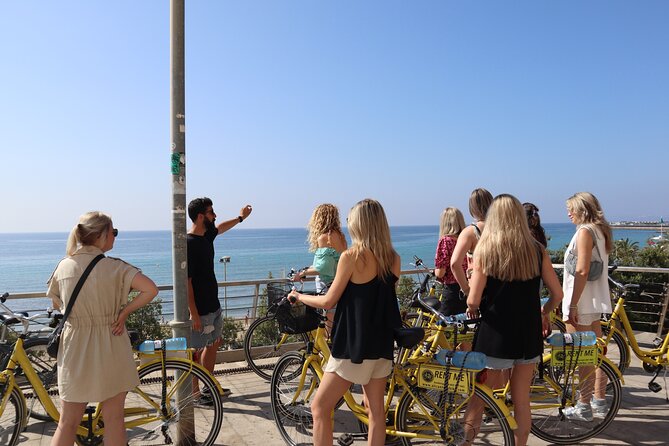
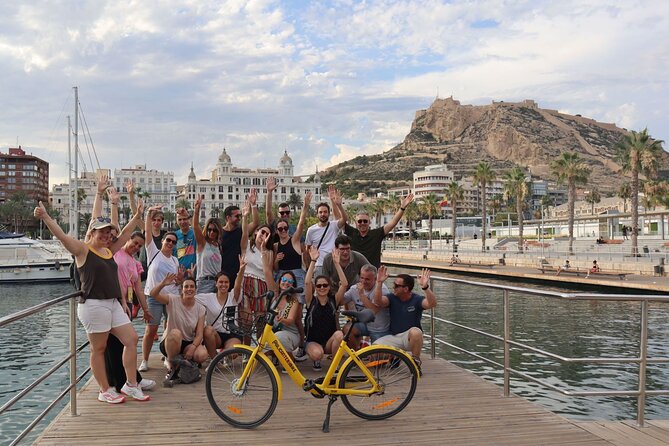
Guides named in past tours include Fernando, Rose, Chris, Isabelle, Chadi, Anke/Anker, and Anker/Anki. Across those names, what stands out is how the guide handles mixed groups. One ride highlights how the guide managed different cycling abilities at a leisurely pace. Another emphasizes stop timing as “not overwhelming,” which is great if you’re traveling with kids who get bored fast.
Electric bikes show up in several experiences as well. Riders specifically mention e-bikes for staying comfortable in heat, and some mention the option of regular bikes alongside electric ones. If you want the easiest ride, e-bikes are a smart way to make sure the day feels like sightseeing, not endurance training.
Bikes are part of the value here. Reviews mention bikes being well maintained and directions being clear. You also get bottled water included, which is genuinely useful on a coastal city day.
And because the group size is capped at 15, the guide can actually keep an eye on everyone. That matters when streets get tight and you want everyone to stay together without feeling rushed.
Price and value: why $36.28 makes sense for Alicante
Let’s talk value, because this price can look low until you compare it to what you’d otherwise do.
At $36.28 per person, you’re getting:
- A guided route that ties together old town, beach, and port history
- Bike rental
- Bottled water
- A small-group experience (up to 15)
If you try to do this on your own, you’d still need to handle bike access, figure out a workable route, and spend time learning what you’re seeing. This tour pays someone to handle the tricky parts for you: sequencing the highlights, keeping you safe in traffic, and explaining details like the Explanada mosaic count and the different architectural styles.
Also, you’re getting a high-yield use of time. Two and a half hours is just enough to get bearings and build confidence for the rest of your stay. It’s the kind of activity that makes your later, independent wandering more rewarding because you’ve already learned where the city “turns.”
Should you book this Alicante City and Beach Bike Tour?
Yes, if you want an efficient, good-value way to learn Alicante while still enjoying the coastline. This tour fits best when you like guided context, you want the main highlights without stitching together multiple transport steps, and you’d rather spend your energy on views than logistics.
Book it if:
- You want old town + beach + marina in one ride
- You enjoy history that’s explained in short, practical chunks
- You’d like an easy-going pace for mixed abilities (including families)
Skip it or choose an electric bike if:
- You’re very traffic-sensitive and prefer only car-free routes
- You’re worried about hills or frequent stops (even a short climb near the castle area can feel like something)
FAQ
FAQ
What’s the duration of the Alicante City & Beach Bike Tour?
It runs for about 2 hours 30 minutes.
How much does the tour cost?
The price is $36.28 per person.
Where does the tour start, and what time does it begin?
It starts at C. Cienfuegos, 1, 03002 Alicante, and the listed start time is 10:15 am. The tour ends back at the same meeting point.
What’s included in the price?
You get bottled water, a professional guide, and bike rental. Tips are not included.
Is the tour offered in English?
Yes. The tour is offered in English, and you’ll receive confirmation at booking.
What’s the cancellation policy?
You can cancel for a full refund up to 24 hours in advance. If canceled less than 24 hours before the start time, the amount paid is not refunded. If the tour is canceled due to poor weather, you’ll be offered a different date or a full refund.