Tokyo by bike feels like cheating. This 3-hour Shibuya-focused tour mixes Shibuya Crossing-and-Hachiko stops with quieter side streets you usually only notice while walking slowly. I like that the ride is led by Taichi, so you get the local version of Shibuya without map-fighting.
The main catch is your cycling comfort. You need to handle pavements, cross traffic lights confidently, and pedal through tight, busy spaces—and it’s an in-person ride, not a casual spin.
In This Review
- Key Points You’ll Actually Care About
- Why Bike Shibuya Beats Trains for 3 Hours
- Meeting Up Near Yoyogi and Shinjuku: Easy Start, No Drama
- The Route Mix: From Yoyogi Park to the Stadium Area
- Yoyogi Park: The Breather Before the Noise
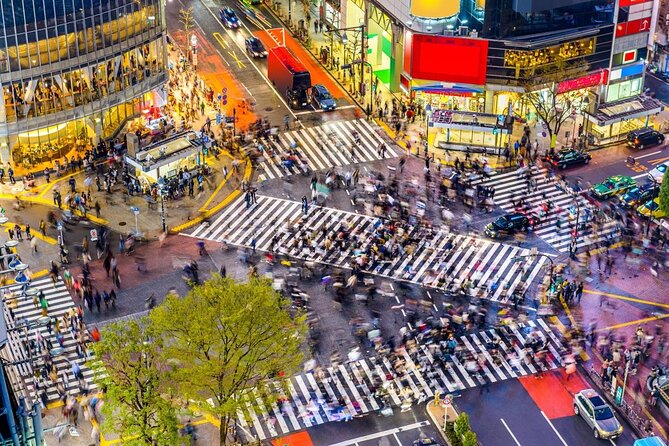
- Shibuya Crossing and Hachiko: The Icons, With a Different Angle
- Shibuya Cat Street: Where Youth Culture Meets Real Streets
- Aoyama Street and Aoyama Cemetery: Contrast That Feels Like Tokyo
- Japan National Stadium Area: Ending on a Big-Stage Note
- Taichi’s Role: Safety, Small Details, and Q&A That Actually Helps
- Bikes, Pace, and What You Need to Be Comfortable With
- Price and Value: Is $64.73 Worth a 3-Hour Bike Tour?
- Weather, Timing, and How to Make the Ride Pleasant
- Who This Tokyo Bike Tour Is Best For
- Should You Book This Tokyo Bike Tour?
- FAQ
- How long is the Tokyo Bike Tour: Shibuya & Hidden Tokyo?
- Where does the tour start, and where do you end?
- What’s the group size limit?
- What areas and stops are included?
- How much biking is expected during the tour?
- What cycling experience do I need?
- What bike and body-size limits are there?
- Does the tour run in rain?
Key Points You’ll Actually Care About
- Small group size (max 6) keeps the pace relaxed and questions easy
- Taichi guides the route so you’re not doing navigation math in traffic
- Real cycling pace (about 15 km/h) means you’ll cover ground fast
- Icon stops plus backstreets: Crossing, Hachiko, Cat Street, Aoyama, stadium area
- Light rain continues, sudden weather can cancel so plan for flexibility
- Local tips included for food, cafes, and where to ride next
Why Bike Shibuya Beats Trains for 3 Hours
Shibuya can look chaotic at street level. From a bus stop, it’s loud and confusing. From a bicycle lane, it becomes a path. You get movement, fresh air, and a feeling for how neighborhoods connect.
This tour is built for time-poor sightseeing. In three hours, you can cover a stretch that would take much longer by foot. And since you ride directly through the areas—rather than hopping on and off public transport—you spend less time waiting and more time seeing.
I also like the “two kinds of Tokyo” idea. You get big-name scenes that everyone wants, then you get the calmer streets and parks that make Tokyo feel lived-in. That balance is what makes the tour worth it, not just another photo stop parade.
You can also read our reviews of more tours and experiences in Tokyo.


Meeting Up Near Yoyogi and Shinjuku: Easy Start, No Drama
You start at Umayamichi Park in Sendagaya (near Shibuya). The location is convenient if you’re using major rail lines. It’s about a 10-minute walk from Shinjuku Station and roughly a 1-minute walk from Yoyogi Station.
That matters more than it sounds. When you’re cycling, you want your body and brain to be ready before the ride. A smooth meetup helps you start calm, which helps everyone stay safe.
The tour runs with an organized guide and follows Japanese traffic rules. You’ll also get confirmation at booking, and you’ll use a mobile ticket—handy when your day is packed and your hands are full of bags.
The Route Mix: From Yoyogi Park to the Stadium Area
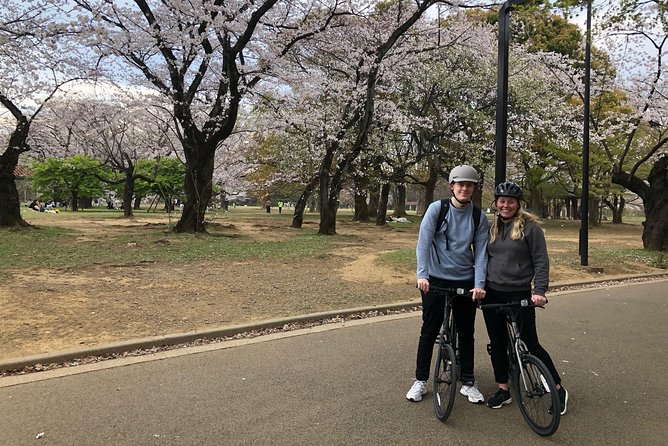
The itinerary moves through a clean arc: parks, Shibuya’s core, then out toward Harajuku and Aoyama, and ending back at the meeting point. Expect famous landmarks alongside quieter neighborhood streets, plus a mix of open and tight riding.
The route is designed around speed and variety. You’ll be traveling around 15 km/h, which is typical bike pace, but still fast enough that you’ll feel like you covered real distance. One of the recurring themes from rider feedback is that it doesn’t feel rushed. That’s usually what you want: steady riding, with time to stop, look, and ask questions.
Also, the tour is small—up to 6 travelers. In a place like Tokyo, that small size helps a lot when you’re rolling through crowds and crossing busy intersections.
Yoyogi Park: The Breather Before the Noise
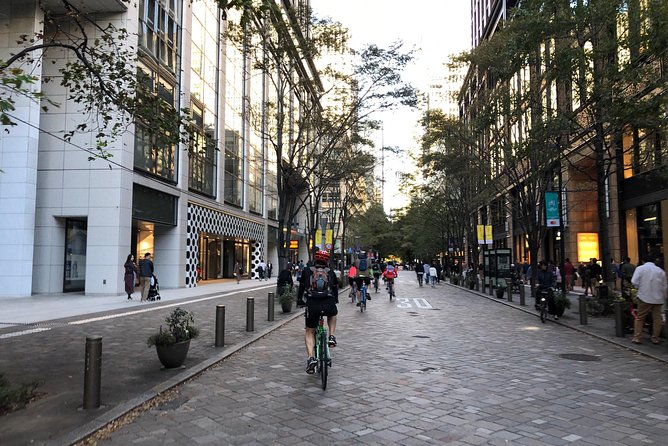
Yoyogi Park is your first reset point. It’s a good opening stop because it gives you a bit of breathing room after you park your mindset on the streets. You get a chance to settle your grip, relax your shoulders, and get comfortable with how the group moves.
This is also where you learn how the ride will feel. The guide leads, so you follow the plan instead of second-guessing turns. Expect that the stop will be practical, not just scenic—think orientation, route cues, and quick context so the rest of the ride makes sense.
A small caution: since this is a park near busy areas, you might still see plenty of people around. It’s not a quiet country lane. Just a calmer start that helps you find your rhythm.
Shibuya Crossing and Hachiko: The Icons, With a Different Angle
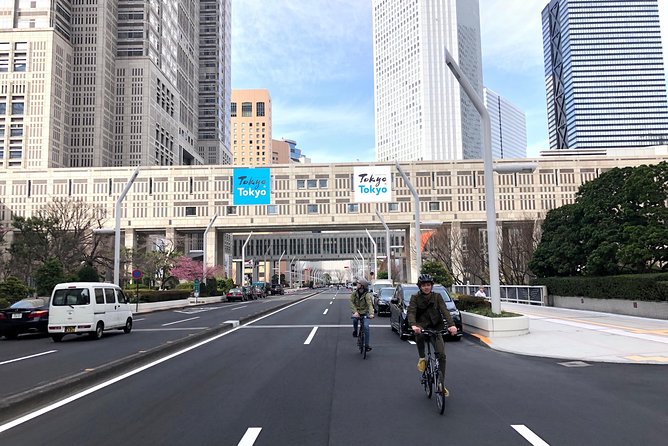
You’ll hit Shibuya Crossing and Hachiko on the same loop. That’s smart, because both are clustered around the station area and they work well as anchor stops for first-timers.
The bike angle changes the experience. Instead of only standing and staring at the scramble, you arrive with context: where the flows move, how the crowd gathers and disperses, and how to navigate the area without panic. You’ll also be positioned for photos without feeling like you’re permanently stuck in the middle of the crowd.
Hachiko is especially useful as a reference point. It helps you understand why Shibuya station feels like a giant hub of people. And since the guide is leading, you’re not trying to memorize directions while everyone else is trying to cross at once.


Shibuya Cat Street: Where Youth Culture Meets Real Streets
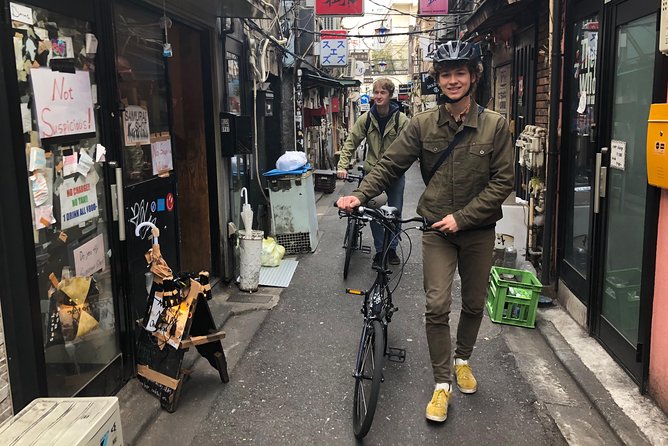
After the big intersection energy, the route shifts into Shibuya’s more street-level mood on Cat Street. This part is about atmosphere: the narrow-feeling streets, storefront rhythm, and that sense of Tokyo moving in real time.
A bike tour shines here. Cat Street is exactly the kind of area where walking would get you sidetracked by shops. On a bike, you can keep moving while still seeing what’s going on. You get a better sense of scale too—how far one block is from the next, and how the neighborhood transitions.
If you’re into photography, this is often where it becomes fun rather than frantic. You can stop, frame your shot, then roll to the next corner without losing the day to foot traffic.
Aoyama Street and Aoyama Cemetery: Contrast That Feels Like Tokyo
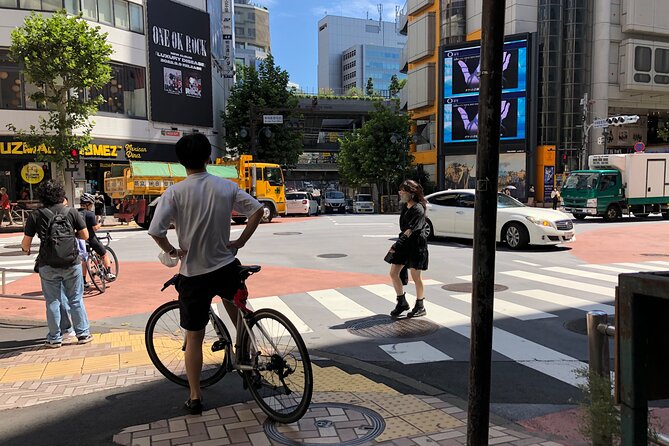
Aoyama Street is where the tone softens again. You’re still in the Shibuya-to-Harajuku-to-Aoyama orbit, but the vibe changes as you head toward more elegant streetscapes. The guide will help you understand what you’re seeing as you ride, not after you’re back on your hotel bed.
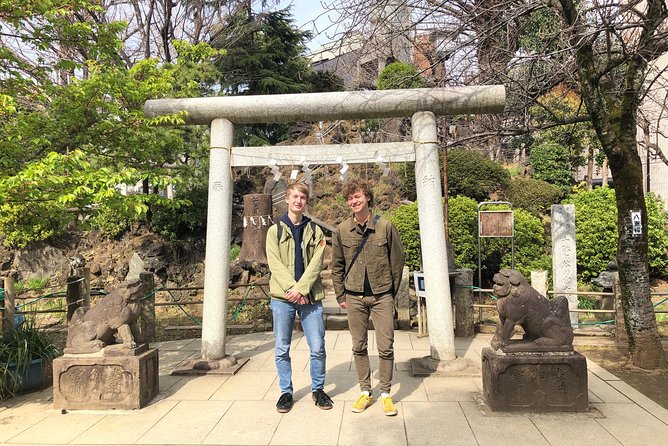
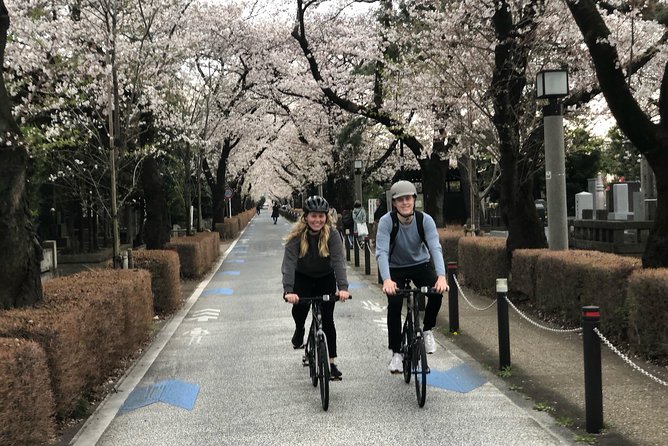
Then comes Aoyama Cemetery. This stop is a contrast pause—less noise, more quiet, and a chance to absorb Tokyo as more than just shopping and crowds. It’s also a reminder that the city has calm pockets tucked close to major districts.
From a practical standpoint, cemetery stops are a good moment to regroup. Your pace is still active, but you’re not stuck in the densest traffic theater. It’s a useful break before the final stretch toward the stadium area.
Japan National Stadium Area: Ending on a Big-Stage Note
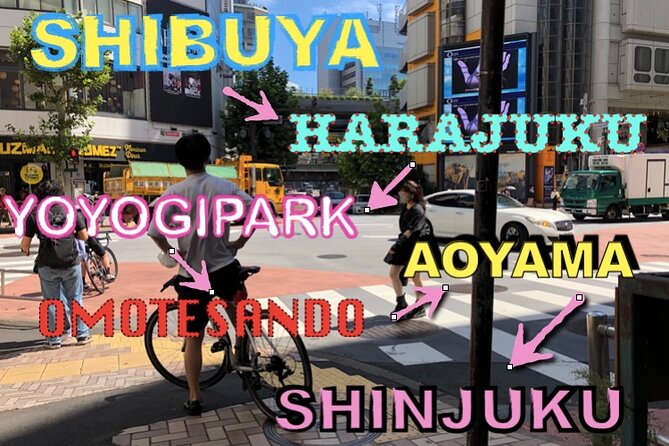
You finish with a ride near Japan National Stadium. Even if you’re not going to a match, it’s a satisfying endpoint because it’s a recognizable landmark in the city’s modern arena zone.
The payoff is how the city feels from the saddle. You get to connect the dots between the dense Shibuya core, the stylish Aoyama/Harajuku area, and the larger open stadium space. It helps you picture Tokyo as a grid of neighborhoods, not a pile of attractions.
If you time your day right, this ending makes it easier to continue your sightseeing afterward. You’ll already have a mental map of the area, thanks to the ride flow.
Taichi’s Role: Safety, Small Details, and Q&A That Actually Helps
The biggest reason I’d pick this tour is the way the guide runs it. Riders repeatedly mention Taichi as friendly, calm, and able to keep things safe in busy zones. That’s not a small deal in Tokyo.
You’ll follow directions and the guide will handle the route decisions. You also get room for questions. That turns random sightseeing into something useful: what to eat, where to walk next, and how to handle riding and everyday bike etiquette.
One thing I really value is the communication style. In tight streets and crowded intersections, clear cues matter. Rider feedback points to hand directions/signaling that make it feel controlled, not chaotic. That’s how you stay relaxed enough to enjoy the ride.
If you like stopping for photos, this tour supports that too. People have noted that Taichi took pictures for them, including at Shibuya Crossing. It’s the kind of small service that saves you from constantly playing cameraman while you’re busy watching traffic.
Bikes, Pace, and What You Need to Be Comfortable With
This is not an e-bike tour. You’ll ride a standard bike, and the route expects real pedal effort. The tour runs at about 15 km/h, and you’re expected to keep that pace.
The good news: multiple reviews mention the ride feels smooth and manageable, even on busy days. Tokyo is fairly flat, and that helps a lot. There may be gradual uphills, but nothing suggests a hard workout style.
Still, you must meet the comfort checklist:
- You should be confident cycling on pavements
- You should handle cross traffic lights without freezing
- You should ride through crowded and tight spaces
- You must follow Japanese traffic rules and the guide’s instructions
There are also clear equipment limits. Bikes fit heights between 155 cm and 195 cm, and participants must weigh no more than 120 kg. The tour is for age 13 and up.
If you haven’t ridden in a long time, don’t assume you’ll magically feel fine once you start. This tour asks you to be comfortable managing your body in traffic situations.
Price and Value: Is $64.73 Worth a 3-Hour Bike Tour?
At $64.73 per person for about 3 hours, this is priced like a serious city experience, not a casual stroll with a narration device. What you’re really paying for is the combination of:
- A guide who knows how to route through Shibuya safely
- Stops at major icons plus quieter streets
- An efficient ride that covers more ground than walking or waiting around
- Local recommendations for what to do next
It’s also small-group by design: maximum 6 travelers. When a tour keeps the group tight, you don’t get swallowed. That tends to create better pacing and more time for questions.
A useful planning note: this tour is often booked about 8 days in advance on average. If your trip window is busy, earlier booking gives you more choice in departure times. The tour runs with two daily departures, so you can usually fit it into an itinerary without losing an entire day.
Weather, Timing, and How to Make the Ride Pleasant
The tour proceeds in light rain, but it may be canceled due to sudden weather changes. That’s realistic for outdoor cycling in Tokyo. If rain is steady or a storm system hits, the ride might not happen.
So I’d treat the tour like a “weather-aware block” in your schedule. If you’re the type who hates wet clothing, pick a day when you have backup options and don’t plan anything tight right afterward.
Timing also matters for comfort. Shibuya and Harajuku can be crowded, so arriving ready to move helps. If it’s hot, you’ll still be riding continuously at a steady pace, so plan on staying hydrated during the ride day.
Who This Tokyo Bike Tour Is Best For
This is a good fit if you want a local-feeling Shibuya run with real movement. It works especially well for:
- First-time visitors who want major sights and the side streets that make Tokyo feel like more than a postcard
- People short on time who want to cover 9 to 10 miles of ground in a guided, non-rushed way
- Travelers who like asking questions and getting practical suggestions for food and what to do next
It may not be ideal if you:
- Hate riding in crowded areas
- Are nervous crossing intersections or handling traffic lights on a bike
- Want a fully relaxed, no-skill-required sightseeing ride
Should You Book This Tokyo Bike Tour?
If you’re comfortable biking through busy streets and you want Shibuya plus Harajuku and Aoyama in one organized loop, I’d book it. The small group size, the fact that Taichi leads the route, and the mix of iconic stops with calmer streets make the experience feel more like Tokyo life than standard sightseeing.
But if your cycling comfort is shaky, be honest about it. This tour expects confidence—especially at traffic lights and in tight spaces. For the right rider, it’s one of the best ways to understand how Shibuya works.
FAQ
How long is the Tokyo Bike Tour: Shibuya & Hidden Tokyo?
It runs for about 3 hours.
Where does the tour start, and where do you end?
It starts at Umayamichi Park (5-chōme-24-11 Sendagaya, Shibuya, Tokyo 151-0051, Japan) and ends back at the meeting point.
What’s the group size limit?
The tour has a maximum of 6 travelers.
What areas and stops are included?
You’ll visit Yoyogi Park, Shibuya Crossing, Hachiko, Shibuya Cat Street, Aoyama Street, Aoyama Cemetery, and the Japan National Stadium area. The ride also includes Shibuya, Harajuku, Aoyama, and Gaien.
How much biking is expected during the tour?
The tour travels at approximately 15 kilometers per hour, and you’re expected to ride at that speed.
What cycling experience do I need?
You should be proficient riding on pavements, crossing traffic lights confidently, and riding through crowded and tight spaces.
What bike and body-size limits are there?
The bikes are suitable for heights between 155 cm and 195 cm, and participants must weigh no more than 120 kilograms.
Does the tour run in rain?
It proceeds in light rain, but it may be canceled due to sudden weather changes.