REVIEW · YOGYAKARTA
Authentic Yogya Bicycle Tour
Book on GetYourGuide →Operated by ALGA LOVA TOUR · Bookable on GetYourGuide
Two hours, lots of Javanese life on a bike. This Authentic Yogya Bicycle Tour starts near Prambanan Temple, then trades big-city traffic for calm lanes, village stops, and hands-on food culture. You’ll mix sport with heritage, nature, and local daily routines without feeling like a checklist.
I especially like the combo of cycling through rice fields and meeting people who make the snacks you usually only buy at home. The tour guide support is real too, with names like Randi and Salwa showing up in guides and both come across as patient, helpful with questions, and keen to help with photos.
One thing to consider: this is not for everyone. If you can’t ride comfortably, you shouldn’t book, and you’ll also need to travel light since no large bags are allowed and the ride is still an active bike outing.
In This Review
- Key highlights worth your time
- Starting outside Prambanan Temple, where the countryside begins fast
- Rice fields, village lanes, and the kind of calm you notice right away
- A Hindu-Buddhist temple stop where you see it close-up, from the outside
- Emping chips and tofu making: watching local UMKM work in real time
- Stingless bee farm honey tasting: education with a sour twist
- Guides make the difference: Randi, Salwa, and the patience factor
- What’s included in the ride (and what you’ll probably spend extra on)
- Price and value: why $22 can feel like a full morning deal
- Who this bike tour is best for (and who should skip it)
- Should you book this 2-hour Yogya Bicycle Tour?
- FAQ
- How long is the bicycle tour?
- Where do I meet for the tour?
- What languages are the tour guides?
- What’s included in the $22 price?
- What should I bring or wear?
- What is not included?
- What if I can’t ride a bike?
- What’s the cancellation and payment flexibility?
Key highlights worth your time
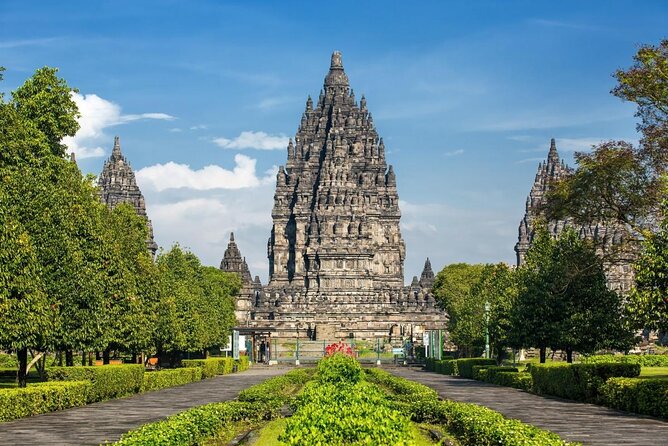
- Prambanan as a launch point: start outside the main temple complex and ride the north-side approach
- Rice-field cycling that feels relaxed: the route is designed for sightseeing pace, not speed
- Two real food workshops: emping chips first, then tofu makers (and sometimes fresh tastings)
- Stingless bee honey tasting: learn why it tastes different, not just sample it
- Photo help is part of the job: guides stay ready when scenery and smiles line up
Starting outside Prambanan Temple, where the countryside begins fast
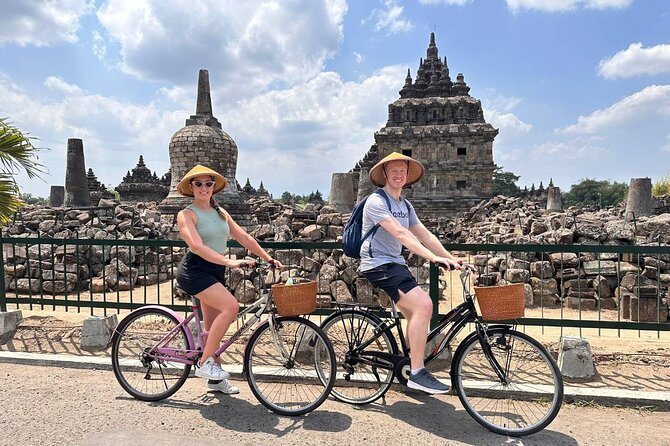
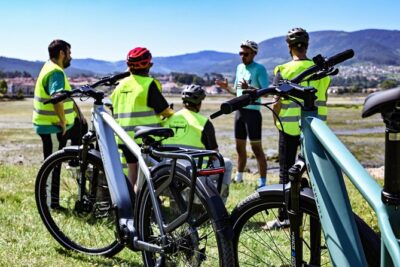
You meet near Prambanan Temple at the tour company location, and you can also be picked up from the parking area. The tour starts by cycling in the north part of the Prambanan area, outside the temple complex, which is a smart move. You get that famous setting right away, then the road energy changes as you head toward villages and fields.
The first stop includes a break time and a guided orientation, plus time for visiting and photos. Instead of cramming a long temple program into a short outing, this tour uses the temple area like a doorway—then you move on quickly to the lived-in parts of Yogyakarta’s outskirts.
What makes this practical is pacing. You’re only out for 2 hours, so you’re never stuck for ages waiting around. You’re also not expected to bring anything bulky, since the tour is built around bikes and quick stopovers.
You can also read our reviews of more tours and experiences in Yogyakarta.
Rice fields, village lanes, and the kind of calm you notice right away
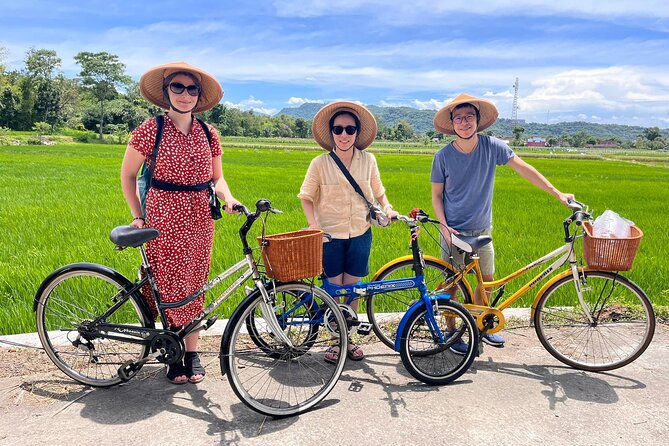
This is the heart of the experience: a ride through rice paddies and little villages, led by a local guide who knows when to slow down for views and when to keep things flowing. The terrain is generally presented as easy for a sightseeing ride, and multiple people specifically mention the calm vibe and routes that avoid heavy traffic.
Safety and navigation matter here because you’re on real local roads, not a bike theme park. In the reviews, you’ll see comments about guides clearing the way at busier intersections using extra support (often a scooter), which helps you feel less stressed at the moments that could otherwise be annoying.
The tour also builds small comfort pieces into the ride. You get a sun hat, mineral water, and even cold water, plus a rain coat if the weather flips. That sounds small, but in Indonesia, those extras are the difference between enjoying the ride and thinking about heat and sweat every ten minutes.
And yes, this is a bike tour where people actually stop for photos without acting annoyed. The guide is ready to help with pictures along the way, so you’re not stuck asking strangers to capture your moment.
A Hindu-Buddhist temple stop where you see it close-up, from the outside
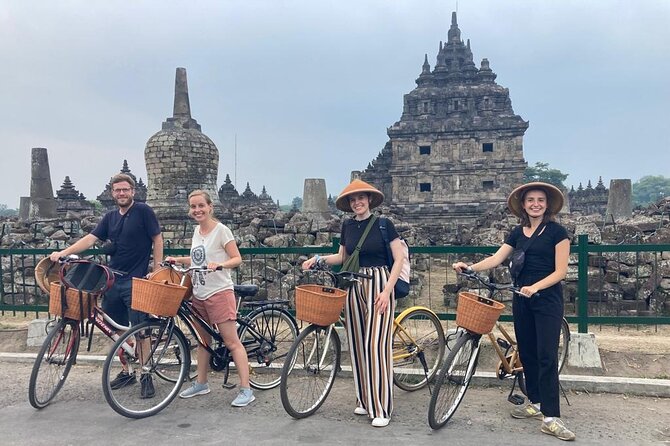
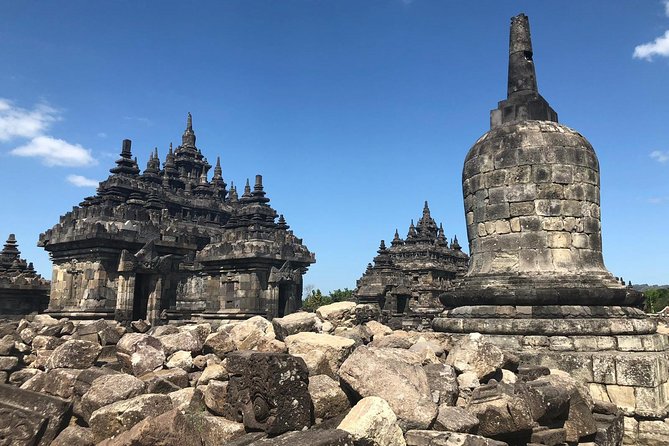
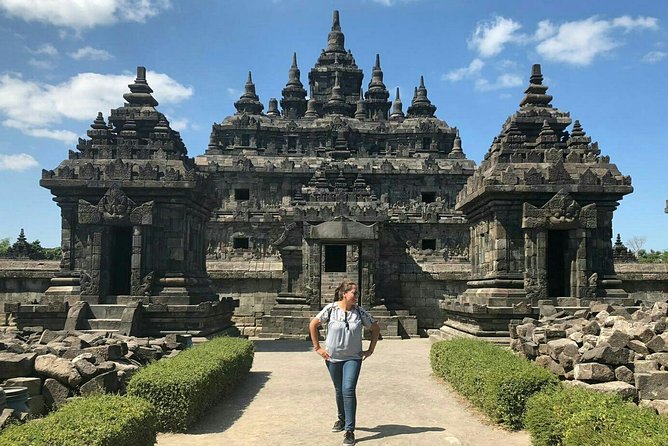
After the early cycling, you reach a temple complex described as combining Hindu and Buddhist traditions. The focus here is on enjoying the view from the outside and getting close enough to appreciate the setting and design.
This works well because you’re not trying to do a full museum-style walkthrough in a short tour. You’ll still get guided context and sightseeing time, but you’re also keeping the rhythm of cycling and local-life stops.
One extra detail worth knowing: there’s mention of the temple being rebuilt in at least one experience, which hints that your visit might include sights connected to restoration work. That’s actually a meaningful angle. You’re not only viewing old architecture—you’re seeing how communities keep cultural heritage alive while it changes over time.
If you care about temples but don’t want to spend your whole half day standing still, this stop hits a good balance.
Emping chips and tofu making: watching local UMKM work in real time
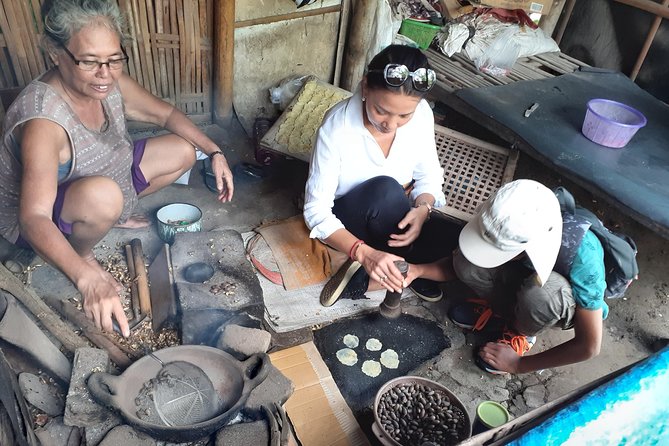
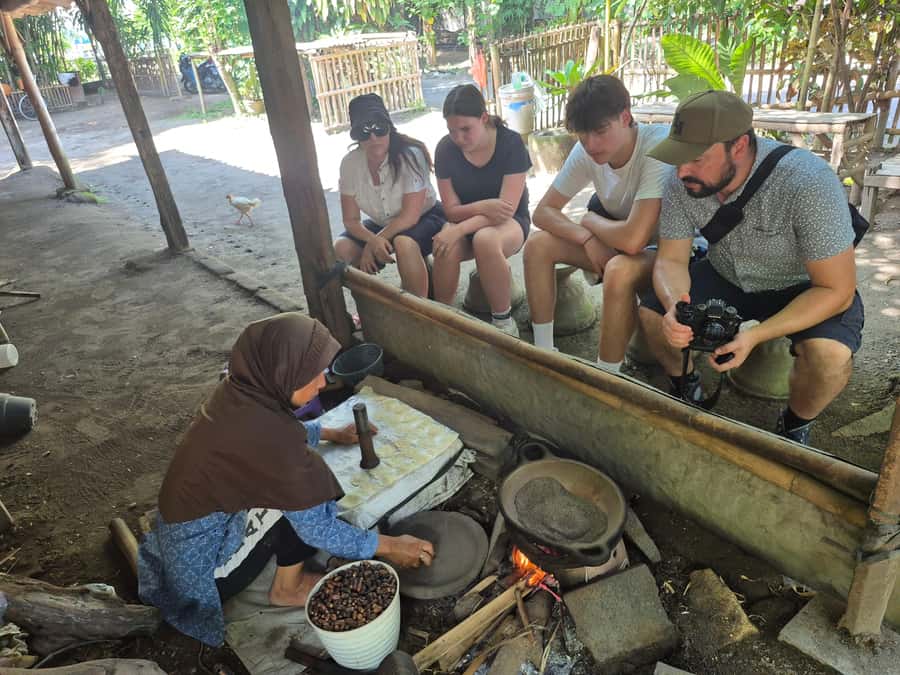
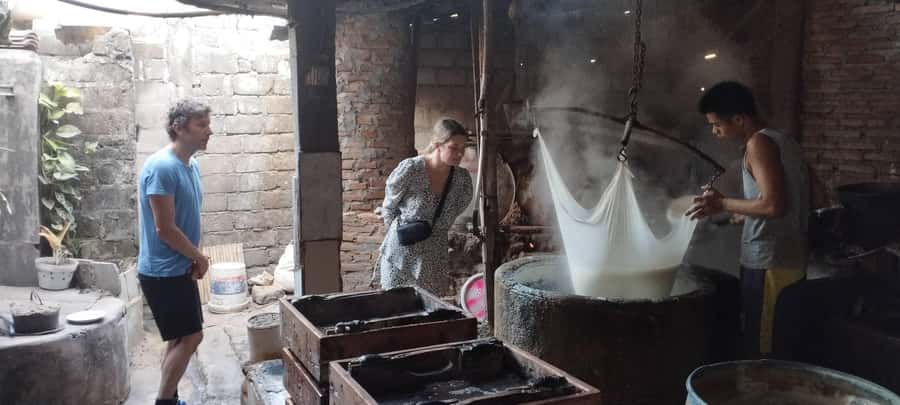
Then you shift from temples to snacks—specifically emping chips and tofu. You’ll visit home industries and learn the traditional way one of Indonesia’s iconic foods is made. Emping, often made from processed ingredients and shaped into those crisp slices, is one of those foods people recognize instantly, yet rarely see made step-by-step.
The tour includes an explanation of the process, and you’ll have a chance to see how the work happens rather than just collecting a product at the end. This is one of those travel moments that feels grounded because it’s tied to real routines: hands at work, people talking shop, and the practical skills that keep households and small businesses running.
For tofu, the experience is similar: you visit the makers’ area, learn how it’s produced, and if conditions are right, you may get the chance to taste fresh tofu and soya milk. Even if you don’t get the tasting, seeing the workshop side is the point.
Why this matters: it turns food from a souvenir into a story. You’ll leave understanding that emping and tofu are not just tasty items—they’re part of local agriculture, labor, and daily survival. And since the stops are built into a cycling route, you’re seeing how food production fits into village life instead of viewing it as a separate tourist “attraction.”
Stingless bee farm honey tasting: education with a sour twist
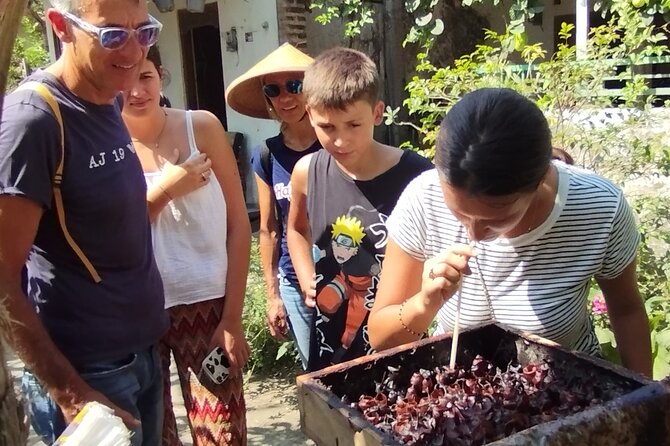
Next comes the stingless bee farm, and this is where the tour earns its originality. You get education about a special species of bee and why their honey is different. Then you taste the pure honey right there, not off in some tasting room with a scripted script.
Multiple experiences mention that the honey can have a slightly sour taste linked to fermentation. That detail is worth mentally preparing for. If you like complex flavors—sweet with a tang—you’ll likely enjoy it more. If you only want plain, dessert-style honey, you might find the sourness surprising at first, even though it’s part of what makes stingless bee honey distinctive.
Some people also come away wanting to buy honey on-site, including bottles to take home. That makes sense because the tasting is educational, and the flavor can be strong enough that you’ll want your own supply to compare later.
Even if you don’t buy anything, the farm visit is still valuable because it shows how local people keep unusual ecosystems and traditional techniques running. It’s not just about eating; it’s about understanding how a small industry works.
Guides make the difference: Randi, Salwa, and the patience factor
The tour runs with a live local guide, in English and Indonesian, and the guides consistently get praised for their attitude and how they handle questions. Names you’ll see in experiences include Randi and Salwa, and in some accounts they’re described as very patient and supportive.
You’ll also notice a common theme: the guide is active about photos and stops. If you’re traveling solo, that matters. You get a built-in way to capture the rice-field views and workshop moments without hunting for a stranger.
Another small but important detail: the tour format is designed so you can ask things as you go—about plants, agriculture, how ingredients become snacks, and what stingless bees do differently. If you like learning through conversation, this tour is set up for it.
Also, the guide approach feels personal rather than industrial. Even when groups are involved, the tone stays friendly and relaxed, which is what you want on a short ride where the main goal is quality over quantity.
What’s included in the ride (and what you’ll probably spend extra on)
For $22 per person, you’re not just renting a bike and hoping for the best. The tour includes:
- Bicycle rental and a sun hat
- Mineral water, plus coffee or tea and cold water
- Local guide (English/Indonesian)
- Rain coat
- Fees for destination stops
That lineup explains why the value feels high. You’re getting transportation (bike), hydration, weather protection, and access to multiple specific local stops that you’d normally have to arrange separately.
What costs extra is mostly optional. You might spend on local products you see at the workshops or honey you taste at the farm. The tour doesn’t include buying items, and tipping is not included either.
Also note what you should plan around:
- No luggage or large bags
- No food inside the vehicle
That’s normal for active tours, but it does matter. Pack light, keep valuables secure, and don’t plan on storing snacks in the bike setup.
Price and value: why $22 can feel like a full morning deal
A bike tour around Yogyakarta can be cheap, but not all of them include more than riding and photo stops. Here, your money is buying a bundle: cycling + workshops + temple time + guided explanations + included drinks.
The food stops aren’t random. They’re focused on emping chips and tofu production, plus a stingless bee farm with honey tasting. That’s a lot of variety packed into 2 hours, and the inclusion of entrance/spot fees means you’re not getting surprise costs mid-tour.
There’s also an ethical angle in how the tour works with local small businesses. One experience mentions that some profits support the small businesses along the route. Even without getting overly formal, that’s part of the value story: your visit helps keep these livelihoods active rather than only feeding a tour operator’s schedule.
If you like experiences where you leave with both photos and understanding, this price-to-content ratio is hard to beat.
Who this bike tour is best for (and who should skip it)
This tour is a good match for you if you:
- Can ride a bike comfortably
- Want a mix of sport, culture, nature, and local life in a short time
- Like hands-on stops like food production and honey tasting
- Appreciate guides who help with photos and keep the ride relaxing
It’s not a match for people who can’t ride a bike. There are also stated limits: not suitable for people over 220 lbs (100 kg) and not suitable for people over 70 years. And since luggage isn’t allowed, you’ll want to travel with a small day setup.
If you’re visiting Prambanan and you want something beyond temple photos, this tour is a strong way to see the surrounding countryside and village routines without wasting a half day on driving.
Should you book this 2-hour Yogya Bicycle Tour?
If you want a short, active outing that feels real—rice fields, food workshops, and stingless bee honey—this is an easy yes. It’s built around included bikes, drinks, and guided access to local industries, so you’re not doing the hard work of planning each stop yourself.
I’d skip it only if biking sounds like a chore, you need lots of luggage space, or you’re sensitive to heat and direct sun. If that’s you, plan your time of day wisely and bring what helps you stay comfortable.
Overall, this tour is the kind that makes Yogyakarta feel bigger than the big-ticket temples—because it shows how people live, work, and share food right beside those famous sights.
FAQ
How long is the bicycle tour?
The tour lasts 2 hours.
Where do I meet for the tour?
You meet near Prambanan Temple, and the team can pick you up in the parking area. You can also go directly to the starting point at Alga Lova Tour.
What languages are the tour guides?
The live tour guide speaks English and Indonesian.
What’s included in the $22 price?
Included items are bicycle rental and a sun hat, mineral water, coffee or tea, cold water, a local guide, a rain coat, and fees for the destination spots.
What should I bring or wear?
Bring sunscreen and light clothing. Pack light since no large bags or luggage are allowed.
What is not included?
Buying local products is not included, and tipping is not included.
What if I can’t ride a bike?
The tour is not suitable for people who can’t ride a bike.
What’s the cancellation and payment flexibility?
You can cancel up to 24 hours in advance for a full refund, and you can reserve now and pay later (pay nothing today).
If you want, tell me your travel dates and whether you’ll arrive in the Prambanan area by taxi, bus, or train, and I’ll help you pick a good time slot for the 2-hour ride.