REVIEW · YOGYAKARTA
FUN Cycling Tour De Temples
Book on Viator →Operated by Izzati Jogjatour · Bookable on Viator
Pedals, temples, and countryside views in one stretch. This private cycling tour around Yogyakarta mixes village scenery with major cultural stops, and it’s built for an easygoing day: you get a comfort bike plus a guide who keeps things organized from the first briefing. I also like that the ride comes with lunch, snacks, and bottled water, so you’re not scrambling for food between temple photos. One thing to plan for: you’ll still pay separate entrance fees at Plaosan and Sambisari, and you should have a moderate fitness level for several hours in the saddle.
You meet at the Izzati Jogjatour base camp and head out early enough to beat the worst of the heat. The timing is part of the value here, especially if you want temples without turning the day into a sweat-soaked slog. The tour runs about 4 to 5 hours and returns to the same meeting point, with pickup offered and a mobile ticket provided.
In This Review
- Key Highlights to Know Before You Pedal
- A Fun Bike Route Through Yogyakarta’s Temple Belt
- Price and Value: What $27 Gets You (and What It Doesn’t)
- Meeting at Izzati Jogjatour: Getting Set Up the Right Way
- Stop 1: Riding Out of the Base Camp to Sari Temple
- Stop 2: Sari Temple and Its Buddhist Monastery Past
- Stop 3: Plaosan Twin Temples, Hindu and Buddhist in the Same Frame
- Stop 4: Sambisari Underground Temple for a Story-Filled Finish
- Timing and Heat: Why Starting Early Changes Everything
- Lunch, Snacks, and Water: The Included Fuel You’ll Actually Thank Yourself For
- Temple Tickets and Budget Planning (Plaosan and Sambisari Fees)
- Who This Tour Fits Best (and Who Might Want Something Else)
- Practical Tips for a Smooth Ride in Yogyakarta
- Should You Book FUN Cycling Tour De Temples?
- FAQ
- Where does the tour start and end?
- How long is the cycling tour?
- How much does the tour cost?
- Is pickup offered?
- What’s included in the price?
- Are temple entrance fees included?
- Which temples are visited?
- What fitness level do I need?
- What health protocols should I expect?
- Can I cancel for free?
Key Highlights to Know Before You Pedal
- Private group ride: Only your group participates, so the guide can set the pace and answer questions.
- Comfort-first logistics: Bike, safety helmet, and a briefing keep the start smooth.
- Real countryside stops: Rice fields, villages, rivers, and roadside temple moments fill the gaps between big sights.
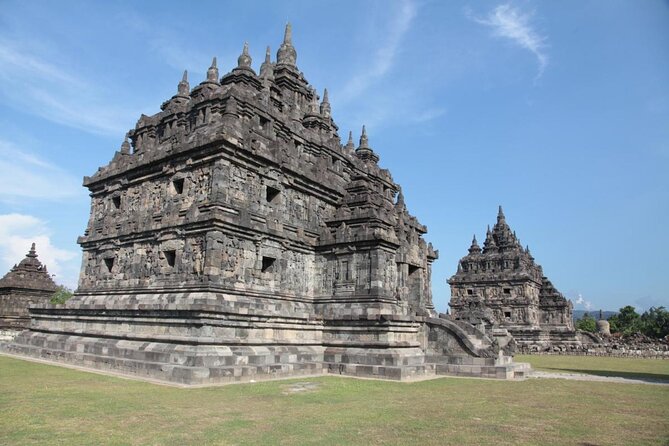
- Temple variety in one loop: A Buddhist-era site at Sari, the Hindu-Buddhist blend at Plaosan, and a Hindu underground temple at Sambisari.
- Fuel included: Lunch, snacks, and bottled water help you stay comfortable during the cycling.
A Fun Bike Route Through Yogyakarta’s Temple Belt
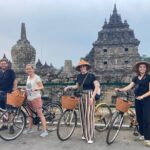
This is the kind of tour I like in Yogyakarta: it doesn’t just park you at temples and rush you along. Instead, you ride out from the Izzati Jogjatour base camp and spend real time seeing the outskirts—fields, farms, and everyday life—while still hitting recognizable world-heritage temple areas.
The whole setup feels like it was made for people who want culture without the stress of arranging transport, buying tickets on the fly, or trying to decode roads alone. Because it’s a private tour, you’re not stuck in a long line behind other groups, and your guide can adjust the flow to your pace.
The route also gives you a nice rhythm. You ride, you stop, you walk a bit, you take photos, and you get moving again. That mix matters here because temple visits can turn draining if you’re underprepared for heat and time.
You can also read our reviews of more tours and experiences in Yogyakarta.
Price and Value: What $27 Gets You (and What It Doesn’t)
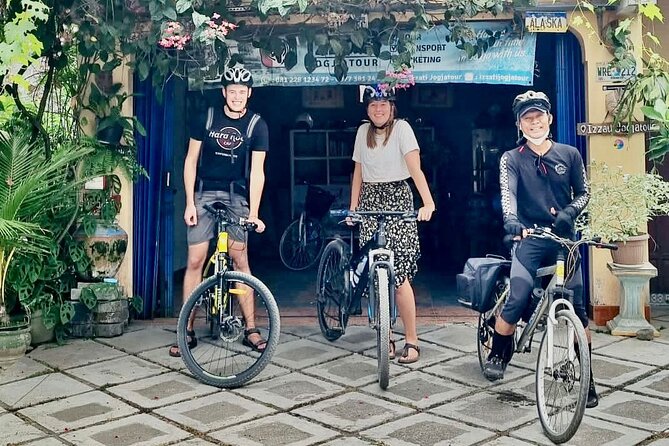
For about $27 per person, the biggest value isn’t just that you’re paying for cycling. You’re paying for a whole package: a guide, lunch, snacks, bottled water, and private transportation support. Add in the bike and helmet, and this is one of those “you can actually enjoy the day” deals.
Where you’ll want to budget extra is temple entrance fees. Plaosan and Sambisari are not included in the base price, and they’re meaningful amounts in IDR:
- Plaosan Temple: IDR 50,000 per person
- Sambisari Temple: IDR 25,000 per person
So your total cost depends on how many paid entrances you plan to cover. Still, even with those add-ons, the included food and guide support make it feel efficient rather than nickel-and-diming you every hour.
If you’re the kind of traveler who hates logistical surprises—no sprinting to find water, no guessing where to meet—this tour structure helps a lot.
Meeting at Izzati Jogjatour: Getting Set Up the Right Way
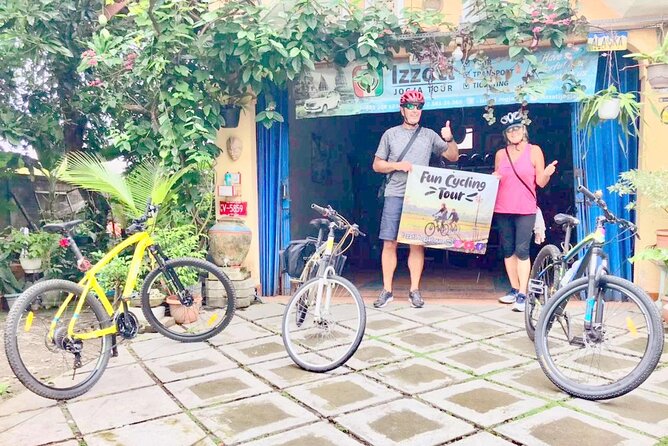
Your tour begins at the Izzati Jogjatour base camp. You’ll get briefing, warming up, and your cycling setup before you roll out. That matters more than people think. With a temple-and-country ride, the best time to learn hand signals, bike handling tips, and route expectations is before you hit the roads.
The operator provides a comfort bike and a safety helmet, and they also provide additional small equipment noted in their setup (you’ll confirm details at booking or on-site). After a briefing, you start pedaling toward the first major cultural stop.
You’ll also receive a mobile ticket, which keeps the start easy. And since pickup is offered, it can reduce the friction of getting to the base camp in the first place.
A simple but important point: the tour ends back at the meeting point. That means your day stays contained—you don’t have to figure out a separate ride afterward.
Stop 1: Riding Out of the Base Camp to Sari Temple
The first “stop” is really your launch point at Izzati Jogjatour. You’ll spend about 15 minutes there getting ready: briefing, warming up, and taking the comfort bike you’ll use for the route.
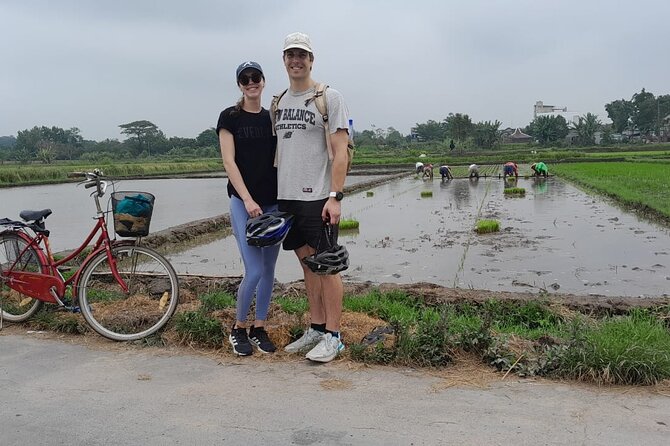
From there, the cycling heads out toward Sari Temple, with scenery along the way that’s more than just a transfer corridor. You’ll pass through areas where you can see rice fields, corn fields, and vegetables—places where farmers are working. You also get to notice how villages sit alongside roads and water.
Why I like this stage: it sets context. Sari Temple isn’t dropped into a vacuum. You’re seeing the living environment that feeds and supports the rural temple belt.
The practical side: if you tend to get uncomfortable when you jump straight from standing to biking, this warm-up time is a big plus. It gives you a chance to find your rhythm before you switch from riding mode to temple-walking mode.
Stop 2: Sari Temple and Its Buddhist Monastery Past
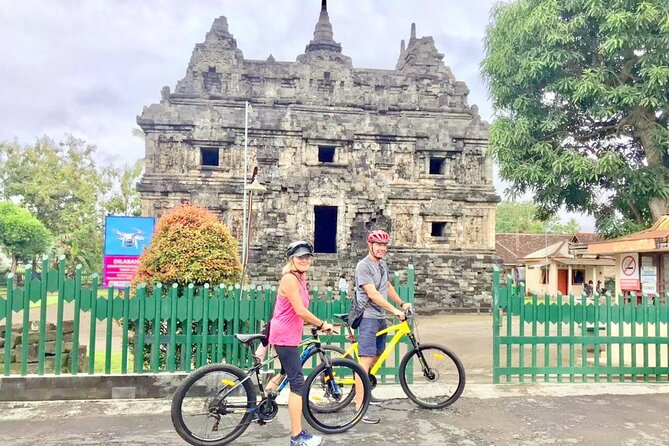
At Sari Temple, you’ll explore for about 30 minutes. This is an important change in pace: you’ve been cycling through working countryside, and now you’re stepping into a site with a different spiritual story.
Sari Temple is noted as a former Buddhist monastery. Even if you don’t read every inscription (and you might not), it helps to know what you’re looking at. It frames the site as something that belonged to a community and routine of learning and practice, not just a photo stop.
Admission isn’t included here, so you’ll want to keep an eye on the ticket situation day-of. Since your main entrance fees called out are for Plaosan and Sambisari, you may still want to check how Sari is handled when you arrive.
What to watch for during your visit:
- The overall layout and how the space feels built for contemplation
- Any details that show how the site served monastic life rather than later, purely ceremonial use
- How your guide connects what you saw along the ride to what you’re seeing in the temple complex
This stop is a nice warm-up for the bigger temple architecture later in the loop.
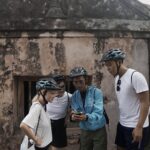
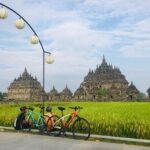
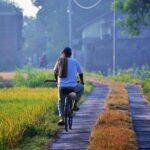
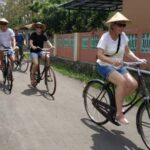
Stop 3: Plaosan Twin Temples, Hindu and Buddhist in the Same Frame
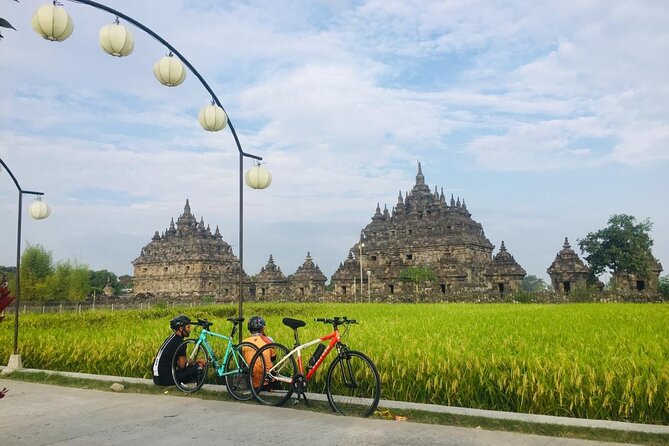
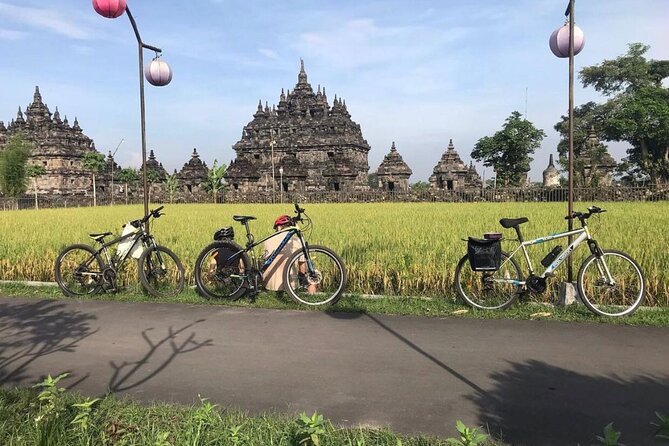
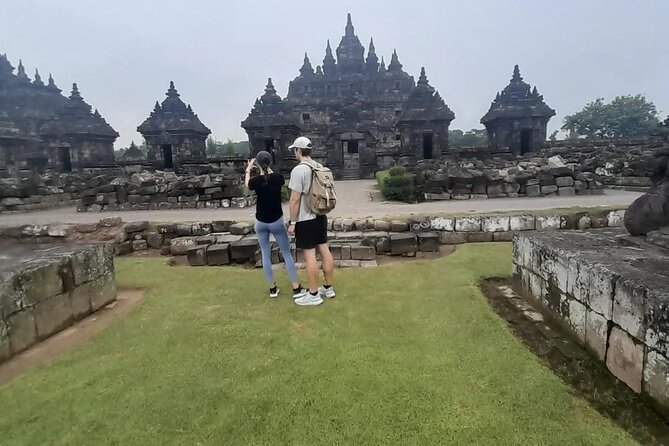
Plaosan Temple is often described as the Twin Temple, and it’s also referred to as romantic in the way people talk about its symmetry and charm. You’ll spend about 30 minutes here, and it’s clearly one of the focal points of the day.
The standout detail is the architecture: it combines Hindu and Buddhist elements. That mix gives you something more interesting than the usual single-style temple visit. Your guide will lead you through the site, and that interpretation can help you notice differences faster—what feels more Hindu in motifs, what feels more Buddhist, and how the whole design hangs together anyway.
There’s also a practical reason Plaosan earns attention. The paid entrance fee (IDR 50,000 per person) signals it’s treated as a major maintained stop. That usually means the area is set up for visitors, pathways are clear, and you can spend your time looking instead of guessing.
How to make this stop work for you:
- Don’t rush. Thirty minutes sounds short, but with the right focus you can still see a lot.
- Take photos, yes, but also pause and look for the style differences your guide points out.
- If you’re heat-sensitive, ask your guide where shaded angles are—temples can be bright and open.
After Plaosan, you’ll be ready for something completely different: a smaller site with a big story.
Stop 4: Sambisari Underground Temple for a Story-Filled Finish
Sambisari Temple is the final temple stop, and it’s positioned as one of the Hindu underground temples in Yogyakarta. It’s described as small, but full of character and stories.
You’ll spend about 30 minutes here, and even with the shorter time, underground temples have a different feel. The environment tends to make you slow down and pay attention. Also, “underground” can be a mental trick: you might expect something less impressive because of scale, but the interest comes from the idea and the details—how a temple can be tucked away and still carry meaning.
Admission is not included, and the entrance fee is IDR 25,000 per person. Because you pay at least one major entrance fee already at Plaosan, this last paid stop can feel easy to budget as long as you’re mentally prepared.
If you want one theme for your day, make it this: your route moves from monastery history at Sari to mixed Hindu-Buddhist architecture at Plaosan, and then ends at a site shaped by the concept of being hidden below ground. That progression is more satisfying than visiting three unrelated stops with no connecting thread.
Timing and Heat: Why Starting Early Changes Everything
The tour operates between 6:00 AM and 4:00 PM, and the ride is set up to leave early to avoid the heat as long as possible. That’s not just a comfort perk. In Yogyakarta, humidity can turn a simple walk around a temple into an exhausting task.
Starting earlier means:
- You can ride longer before you feel drained
- You’re less likely to lose steam halfway through the loop
- You’re more likely to enjoy the countryside scenery instead of just surviving it
This is especially helpful if you’re combining temples with cycling, because you’ll be doing both movement and walking that day. The tour duration is about 4 to 5 hours, so the temperature swings matter.
Also, the included bottled water, snacks, and lunch are timed to keep you functional during the ride. It’s one of the reasons the experience works at this price.
Lunch, Snacks, and Water: The Included Fuel You’ll Actually Thank Yourself For
Food is where many tours fall apart. Either you get nothing useful, or you’re sent to hunt for something local on your own at the wrong time.
Here, lunch, bottled water, and snacks are included. That’s a big deal for a 4 to 5 hour cycling day. It means you can focus on the sights and not on timing your next meal around your energy levels.
The snack stops also help you enjoy the ride rather than treating it like chores. When you’re cycling and stopping for temples back-to-back, low energy can ruin your photos and your patience. Having fuel built in keeps you steady.
If you have dietary needs, the tour info doesn’t specify anything, so it’s smart to ask during booking. I can’t promise options beyond what’s included, but checking ahead saves stress.
Temple Tickets and Budget Planning (Plaosan and Sambisari Fees)
To keep your day smooth, plan for entrance fees at:
- Plaosan Temple: IDR 50,000 per person
- Sambisari Temple: IDR 25,000 per person
Everything else called out for admissions in the day is either not included (for those stops) or handled as noted on-site. The key is that you should not assume the whole temple chain is covered in the base price.
Here’s a practical approach:
- Decide early if you’re okay paying both entrance fees. If yes, budget the totals and enjoy the day.
- If you’re on a tight temple-entry budget, ask how entrance is handled for the earlier stop and whether anything is included before you start.
Once you know what’s paid and what’s included, you’ll feel calmer at each stop—and calmer means you actually enjoy what you’re seeing.
Who This Tour Fits Best (and Who Might Want Something Else)
This is best for people with moderate physical fitness. The tour doesn’t present itself as a hardcore cycling challenge, but you should be comfortable riding for several hours at a steady effort level and walking around temples.
You’ll enjoy it most if:
- You want countryside scenery, not only temple walls
- You like having a guide who keeps the day organized
- You prefer a private group experience over crowded schedules
- You want included food and water so you’re not managing everything yourself
It might be less ideal if you’re looking for a leisurely stroll with zero cycling time, or if your fitness level is currently below moderate. The operator asks guests to be in fit condition, not sick or showing symptoms.
Practical Tips for a Smooth Ride in Yogyakarta
A few things make a noticeable difference on this kind of tour:
- Wear comfortable clothing and shoes suitable for cycling and short walks.
- Bring sunscreen and a hat if you’re sensitive to sun, even if the start time helps.
- Expect some rural roads and bumpy moments; keep a relaxed grip and let your guide set the pace.
- Use the health-protocol items mentioned by the operator, including mask and hand sanitizer, and follow social distancing when needed.
Also, double-check that you have your mobile ticket accessible on your phone at pickup or at the base camp.
And because you’re visiting temples, bring your attention. Look at the structure details your guide highlights rather than only chasing the most obvious photo angles.
Should You Book FUN Cycling Tour De Temples?
I’d book this if you want a day that blends Yogyakarta countryside with a compact set of meaningful temple stops—without turning the day into a transport puzzle. The combination of comfort bike setup, guide support, and included lunch/snacks makes the price feel fair, especially compared to piecing everything together yourself.
I’d think twice if entrance fees are a deal-breaker for you, because Plaosan and Sambisari add cost. And if your fitness is below moderate, the cycling time may feel tougher than you want.
If you’re trying to choose between doing temples one by one on your own and doing them with a guided cycling loop, this one is built for ease. You get structure, fuel, and a route that shows more than just the postcard angles.
FAQ
Where does the tour start and end?
The tour starts at the Izzati Jogjatour base camp and ends back at the meeting point.
How long is the cycling tour?
It lasts about 4 to 5 hours.
How much does the tour cost?
The price is listed as $27.00 per person.
Is pickup offered?
Pickup is offered.
What’s included in the price?
Included are lunch, bottled water, snacks, private transportation, and a guide.
Are temple entrance fees included?
No. Entrance fees for Plaosan Temple (IDR 50,000 per person) and Sambisari Temple (IDR 25,000 per person) are not included.
Which temples are visited?
The tour visits Sari Temple, Plaosan Temple (Twin Temple), and the Sambisari Temple.
What fitness level do I need?
The operator asks for moderate physical fitness level. You’re also required to be in fit condition and not be sick or showing symptoms of illness.
What health protocols should I expect?
You should use personal protective equipment such as a mask and hand sanitizer, and follow social distancing at all times.
Can I cancel for free?
Yes. Free cancellation is available up to 24 hours in advance for a full refund.