Pedal past Jogja’s royal life and quiet kampungs. This 3-hour ride takes you along the riverside areas of the city center toward the Sultanate grounds, where you get a real sense of how the royal family shapes daily life. I love how the tour mixes practical city cycling with human details, plus stops that feel purposeful, not random.
You’ll also spend time in neighborhoods behind small streets, with a local guide who connects what you see to Javanese culture and daily routines. One thing to consider: this is a moderate-fitness ride on shared roads, so you’ll want comfortable shoes and an easy-going pace.
In This Review
- Key Points You’ll Actually Care About
- Price and Logistics: Is $45 a Good Deal Here?
- Meeting at MOANA Hub Prawirotaman: Bike Type and Group Feel
- The 11km Ride: What 3 Hours Feels Like on a City Tour
- Riversides First: Kalicode-Style Cycling and Everyday Jogja
- Life in the Kampung: Small Streets, Big Context
- A Chinese Temple Stop: Seeing Jogja’s Mixed Cultural Layers
- Kraton Area: A Short Look at the Sultanate World
- Tamansari and the Culinary Market: Snacks That Make the City Taste Real
- Masangin Between Banyan Trees: The Pause That Gives Meaning
- Bikes, Pace, and Who This Tour Suits Best
- What’s Included (and Why It Matters for Value)
- Guides and the Local Touch: The Real Reason People Rate This So High
- Quick Practical Tips Before You Go
- Should You Book This Jogja Cycling Tour?
- FAQ
- How long is the Jogja cycling tour?
- What time slots are available?
- How far do you cycle during the tour?
- Where does the tour start and end?
- What bike and safety gear are provided?
- What’s included in the price, and what should I expect not to be included?
Key Points You’ll Actually Care About
- Riverside-to-royal route: You start near the river areas of the city center and work your way toward Sultanate territory.
- Small group, shared pace: Max 10 travelers, plus a road captain keeping the group moving.
- Snacks, drinks, and stories: You stop for local refreshments and learn about daily life and culture from your guide.
- Stops beyond the main sights: You’ll visit a Chinese temple, take a short look around Kraton, and see Tamansari with a food-market feel.
- A pause that’s more than a photo stop: Masangin between banyan trees is part of the experience flow.
Price and Logistics: Is $45 a Good Deal Here?
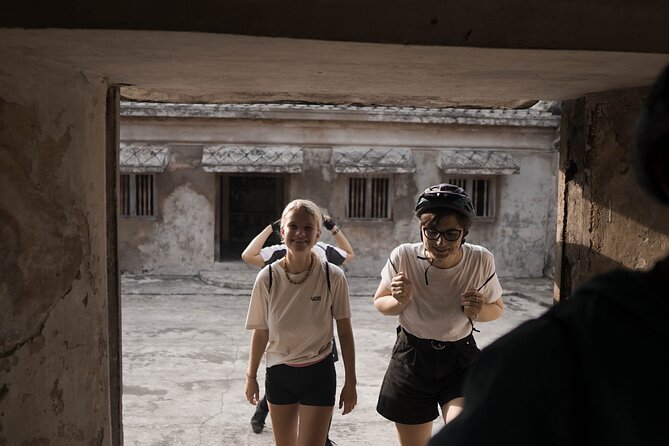
At $45 for about 3 hours, this cycling tour sits in the “you get more than transport” category. You’re paying for a full guide-led route, a provided bike and helmet, and time that’s organized around culture and local life—not just sightseeing from a scooter taxi window.
It’s also smart that your money includes practical perks. You get refreshing drinks and snacks, plus a free eco-string bag. And the tour runs in two time slots—morning (07.00–10.00) and afternoon (14.30–17.30)—so you can pick the part of the day that fits your heat tolerance.
One logistics note that matters: pick-up and drop-off aren’t included. You’ll start and finish back at the meeting point, which makes it easiest if you’re already in or near Prawirotaman.
You can also read our reviews of more tours and experiences in Yogyakarta.
Meeting at MOANA Hub Prawirotaman: Bike Type and Group Feel
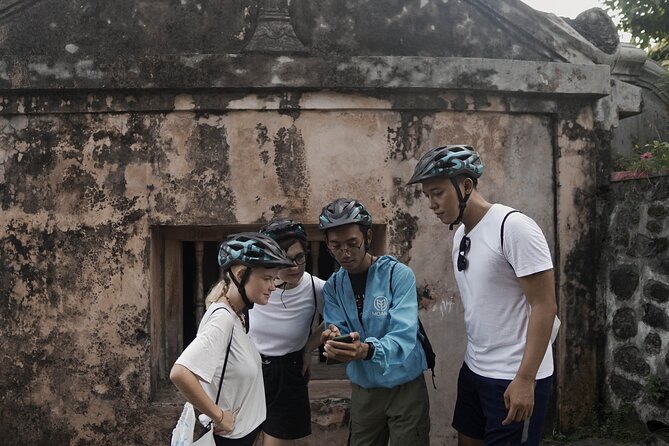
The tour meets at MOANA Hub Prawirotaman. The written start point is at Jl. Gerilya No.646, Brontokusuman, Kec. Mergangsan, Kota Yogyakarta, Daerah Istimewa Yogyakarta 55153, Indonesia. The good news is that it’s described as being near public transportation, so you’re not stuck relying on a private car.
You’ll ride either a mountain bike or city bike, plus you get a helmet. That choice matters because it keeps the ride comfortable for typical city streets and the mix of surfaces you might encounter as you move between riverside areas, neighborhoods, and temple/royal grounds.
And because the group is capped at 10 travelers, you avoid that overly stretched “follow the leader” feeling. A road captain is part of the team too, which helps the ride stay calmer and more predictable when roads get busy.
The 11km Ride: What 3 Hours Feels Like on a City Tour
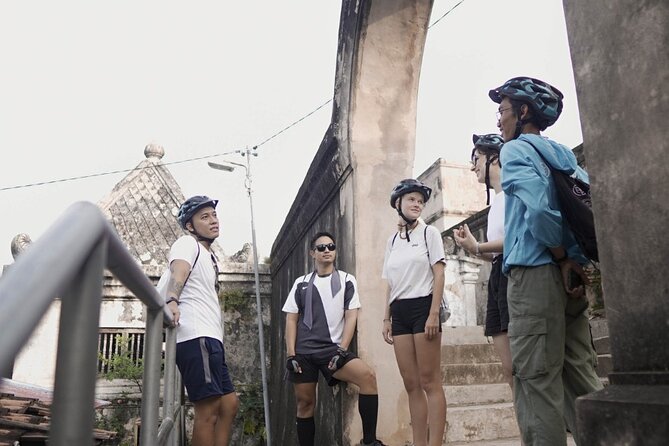
The loop is about 11km over roughly 3 hours. That distance isn’t about testing your legs; it’s about giving you time to pedal, pause, and actually talk with your guide.
This is also a good place to manage expectations. You’re cycling through real city areas and smaller streets, not a closed-course bike path. So plan for frequent moments where you slow down, stop to learn, and turn corners at a city pace.
Your best strategy is a simple one: don’t treat it like a workout. Treat it like a guided walk that happens to move on wheels, with breaks baked in.
Riversides First: Kalicode-Style Cycling and Everyday Jogja
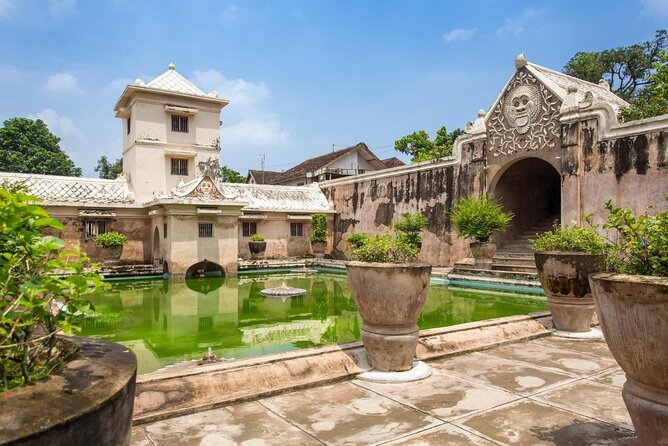
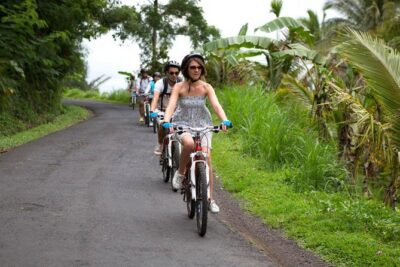
The tour begins along the riverside areas in the city center—often associated with places like Kalicode—before it heads toward the Sultanate zone. This first stretch is valuable because it changes the tone fast. Instead of starting at monuments, you start with everyday Jogja.
I like riverside starts for one main reason: you get your bearings quickly. The ride eases you into the city’s rhythm while your guide builds context—where you are in relation to the Sultanate, and how the river-area neighborhoods connect to the wider urban story.
You’ll also pick up the tour’s bigger theme early: sustainable and community-minded travel. It’s not just about moving through a “must-see” checklist.
Life in the Kampung: Small Streets, Big Context
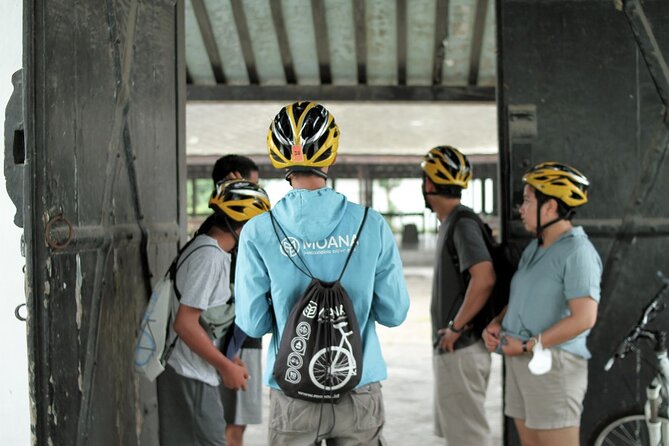
After the riverside riding, the route swings into neighborhood areas and smaller streets. This is where the tour shifts from scenery to people.
You’ll learn how local life works day-to-day, with your guide explaining Javanese culture and script along the way. The practical value here is huge: once you understand a few cultural anchors, the city stops feeling like random landmarks and starts feeling like a living system.
This is also where the tour leans into the “meet local people with urban living” idea. Even when you aren’t directly in a formal attraction, you’re still part of the city’s human flow—slower, calmer, and more observant.
A Chinese Temple Stop: Seeing Jogja’s Mixed Cultural Layers
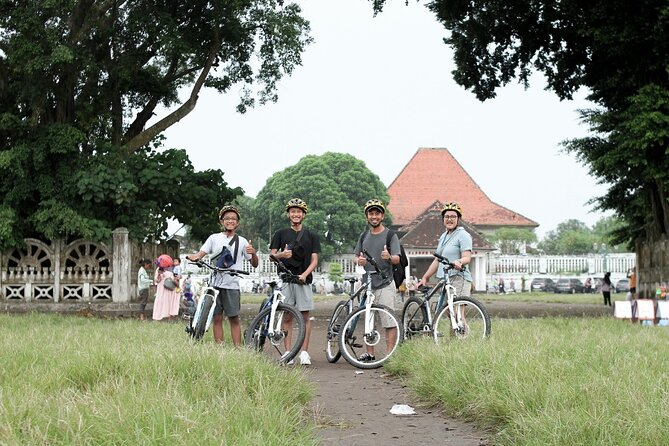
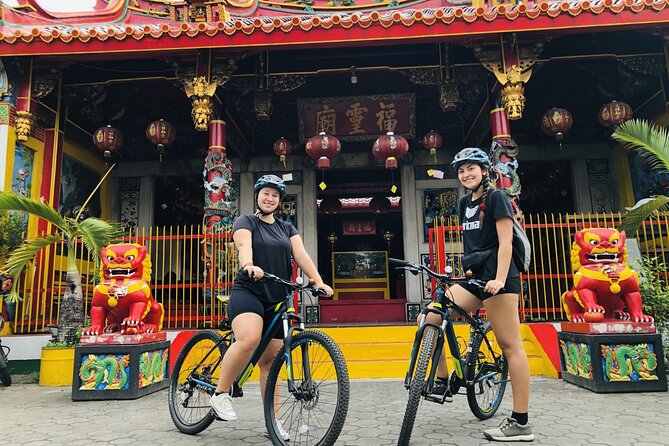
One of the structured stops is a Chinese temple. That’s a meaningful inclusion because Jogja isn’t just one cultural lane. You’re seeing how different communities and traditions exist in the same city space.
What I’d watch for on this stop is not a checklist of details, but how your guide frames it. When a guide connects a temple visit to what’s going on around it—who visits, how people treat the space, and what it means culturally—it becomes more than “take a picture and move on.”
If you enjoy cultural context, this part of the route is a strong reason to book.
Kraton Area: A Short Look at the Sultanate World
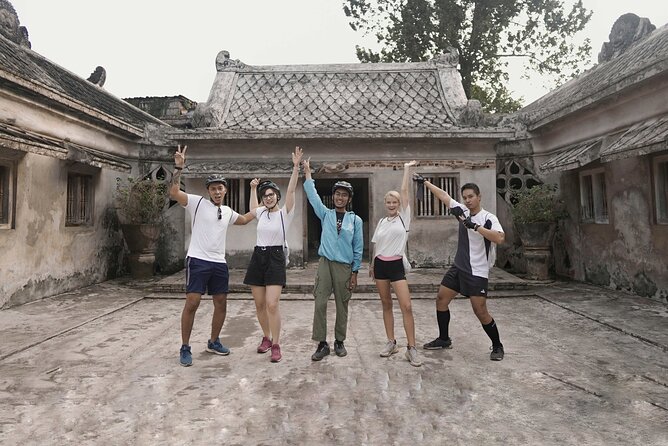
You’ll get a short visit around the Kraton area, including access to the Sultanate’s grounds and the royal family area (described as the historic Sultanate’s grounds, home to the royal family). The point isn’t a long museum-style detour; it’s a quick, guided encounter with what keeps this part of Jogja distinct.
Here’s the key idea: Yogyakarta is described as still governed by a Sultan who functions as both king and governor. That’s a big concept, and it changes how you read the royal grounds. With a guide framing it, you’re not just seeing architecture—you’re seeing governance and tradition braided together.
This is also where your guide’s storytelling matters. One guide, Alfat, is specifically mentioned in the feedback as sharing a lot of history of Yogyakarta, and that kind of explanation is exactly what makes a shorter visit feel complete instead of rushed.
Tamansari and the Culinary Market: Snacks That Make the City Taste Real
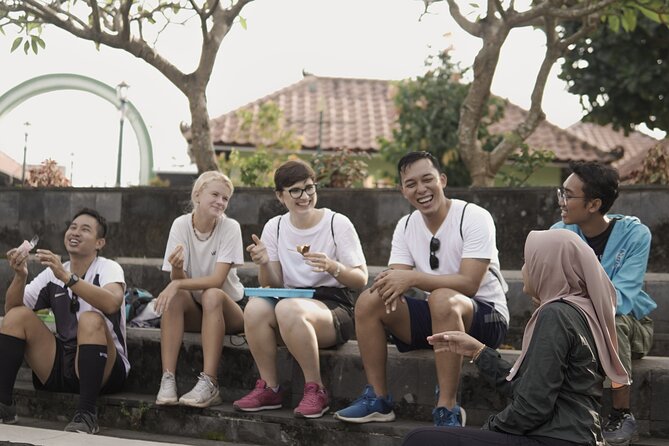
A short visit to Tamansari is part of the route, along with a traditional culinary market feel. This segment works because it’s multisensory. You’re moving through streets, hearing people talk, and stopping for food in a way that feels like daily life rather than a tourist performance.
The tour includes time for local snack & drink, and that’s not filler. Food stops are often the best “translation moments” on a cycling tour: they help you connect with the city in a low-pressure way. You can ask quick questions, nibble, and understand what locals consider normal.
If you like getting value out of a short window, this is one of the smartest parts of the itinerary.
Masangin Between Banyan Trees: The Pause That Gives Meaning
One of the named experience moments is Masangin between banyan trees. You might think of it as a scenic stop, but the name suggests a cultural practice and a reason to slow down.
Why I like this kind of moment: it breaks the cycling rhythm without feeling like downtime. After temples, royal grounds, and market noise, the banyan-tree pause gives you space to notice how the tour is guiding you from place to place with purpose.
Even if you don’t know what to expect, treat it like the tour’s “breather” plus meaning-check. Ask your guide what makes the moment part of Jogja life, and you’ll likely get more out of it than just a photo.
Bikes, Pace, and Who This Tour Suits Best
This cycling tour is listed for moderate physical fitness. That’s the honest sweet spot: you don’t need to be a racer, but you do need to be comfortable cycling for stretches and handling stops and starts.
You’ll also want to bring basic comfort items like sunscreen and water habits, because the tour includes drinks and snacks but you’re still out cycling for a few hours. The ride is designed for general travelers, and the max group size of 10 helps keep things manageable.
This is a great fit if you:
- want more than a standard walking tour but prefer guidance over self-navigation
- like street-level views and neighborhood context
- enjoy short cultural stops where you talk to a local guide
What’s Included (and Why It Matters for Value)
Here’s what the tour provides: bicycle, helmet, a free eco-string bag, local experience, refreshing drinks/snacks, a road captain, and a sustainability action fund.
That “sustainability action fund” piece is the type of inclusion that’s easy to ignore—until you remember it can translate to real-world support. While you won’t get a long lecture on it during the ride, it signals that your fee is tied to more than operations.
Also, the itinerary notes admission ticket free. While the details of which exact admissions are covered aren’t spelled out beyond that line, it’s still a meaningful cost saver for a tour at this price level.
Guides and the Local Touch: The Real Reason People Rate This So High
The standout feedback theme is the guide experience. People describe the guides as professional and friendly, and they specifically highlight that guides can take you to parts of the city you wouldn’t naturally find on your own.
One person credits Alfat with being strong at sharing history and showing how daily life works in the kampung areas. That matches what you want from a short cycling tour: you need stories that connect stops, not just directions and timekeeping.
If you care about authenticity and not just route efficiency, that guide emphasis is the thing to chase.
Quick Practical Tips Before You Go
Even with a guided route, you’ll get more out of it if you show up ready. Keep these in mind:
- Wear comfortable shoes for getting on and off the bike during short stops.
- Bring a small amount of cash only if you want extra snacks beyond what’s included (the tour does provide drinks/snacks).
- Choose the morning slot if you prefer cooler conditions; choose afternoon if your schedule demands it.
If you’re new to biking, don’t panic. The tour format includes breaks and a short overall distance, and the ride focus is cultural, not athletic.
Should You Book This Jogja Cycling Tour?
I’d book it if you want a short, guided cycling experience that mixes riverside scenery, Sultanate-area context, and neighborhood street life—without turning your day into a long transit marathon. The price makes sense because it covers bike/helmet, snacks/drinks, local guiding, and even an admission-free note for the stops that require it.
I’d skip it or adjust expectations if you’re looking for a fully car-free, off-road trail ride or if you want a large, formal museum-style visit. This tour is about city cycling with stops, and it assumes you’re comfortable with a moderate fitness level and shared streets.
If that fits your travel style, this is an easy yes.
FAQ
How long is the Jogja cycling tour?
The tour runs for about 3 hours.
What time slots are available?
You can choose a morning tour from 07.00–10.00 or an afternoon tour from 14.30–17.30.
How far do you cycle during the tour?
The route covers about 11km.
Where does the tour start and end?
It starts at MOANA Hub Prawirotaman (Jl. Gerilya No.646, Brontokusuman, Kec. Mergangsan, Kota Yogyakarta) and ends back at the meeting point.
What bike and safety gear are provided?
You get either a mountain bike or city bike, and the tour includes a helmet.
What’s included in the price, and what should I expect not to be included?
Included are bicycle, helmet, an eco-string bag, local experience, drinks/snacks, a road captain, and a sustainability action fund. Pick-up and drop services aren’t included, and tips for the guide are not included.