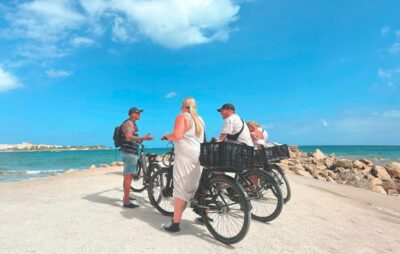
Vilnius clicks into focus fast on two wheels, and this ride is a smart way to see a lot without losing the plot. You’ll cruise bike lanes and quiet Old Town streets while a guide explains the stories behind Vilnius’ churches, squares, and city growth. I like that the tour includes the practical stuff—helmet, water, and bike—so you can focus on the views.
Two things I really value: first, it’s one of the fastest ways to get your bearings in Vilnius, especially if you’re short on time. Second, the guide commentary connects the landmarks into a timeline you can actually remember, from medieval power to Soviet-era leftovers to today’s creative districts.
One possible drawback: the pace and stop times are tight. If you want long photo sessions at every angle, you might feel slightly rushed, and there’s at least one section where the ride passes through a park area before you’re back in the sights.
In This Review
- Key highlights to look for on this Vilnius bike ride
- Why Vilnius Makes Sense on a Bike
- Price and time: what you’re paying for (and why it’s fair)
- Cathedral Square to Vilnius University: the core story of the city
- Stikliu Street and Rotušė (Town Hall): heritage plus crossroads energy
- Gate of Dawn to Bastion Views: pilgrimage vibes and Old Town panoramas
- Užupis: the short ride that changes your mood
- Bernadine park and River Vilnia: the calm interlude
- Konstitucijos prospektas and Lukiškės Square: seeing the newer and Soviet-shaped city
- Bikes, comfort, and safety: the small details that make it easy
- Choosing the right day: weather, pacing, and what to expect
- Who this tour is best for (and who should consider a different approach)
- Should you book this Vilnius bike tour? My take
- FAQ
- What’s included in the Bike Tour of Vilnius Highlights?
- How long is the tour?
- Where does the tour start, and what time does it begin?
- What language is the tour offered in?
- Is the ride suitable for most people?
- What’s the maximum group size?
- Can I get a refund if I need to cancel or if weather is bad?
Key highlights to look for on this Vilnius bike ride
- Flat, comfortable riding across mostly easy terrain with bike-friendly routes
- Helmet, water, and a real city orientation included in the tour price
- Legendary Vilnius stops in a single loop, from Vilnius Cathedral Square to the Gate of Dawn
- Jewish heritage and modern design at Stikliu Street
- Užupis, the Independent Republic vibe, with the river across the way
- Old meets new Vilnius, ending in the Soviet-era center that’s been reshaped
Why Vilnius Makes Sense on a Bike
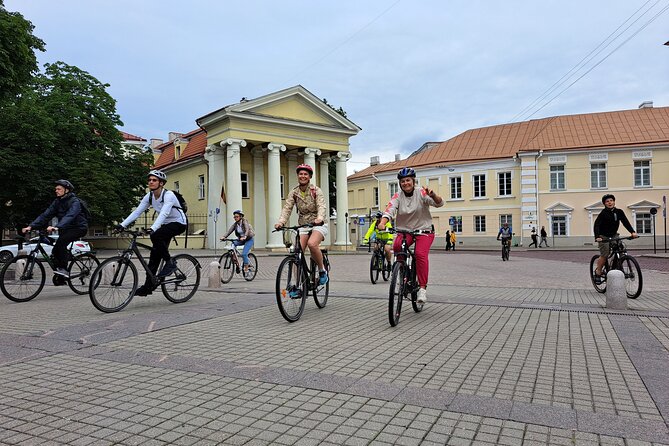
Vilnius is a city of layers: hilltop views, baroque church towers, Jewish history tucked into small streets, and newer districts that look nothing like the Old Town. Walking covers ground, but it takes time. On a bike, you get the fun parts of a history tour plus the speed to actually see both the core and the edges.
What makes this tour work is that it doesn’t just list famous sites. It connects them with “why it matters” context—how squares became crossroads, how walls shaped movement, and how later empires and political eras left physical marks. The result is that when you stand at a landmark later on your own, it feels less like a photo stop and more like a place with a backstory.
I also appreciate the practical side. The tour provides water, helmets, and the bike setup, and optional rain coats plus child seats are available if you need them. That means you’re not scrambling for basics right when you arrive, especially useful if you’re timing your sightseeing around weather.
You can also read our reviews of more tours and experiences in Vilnius.
Price and time: what you’re paying for (and why it’s fair)
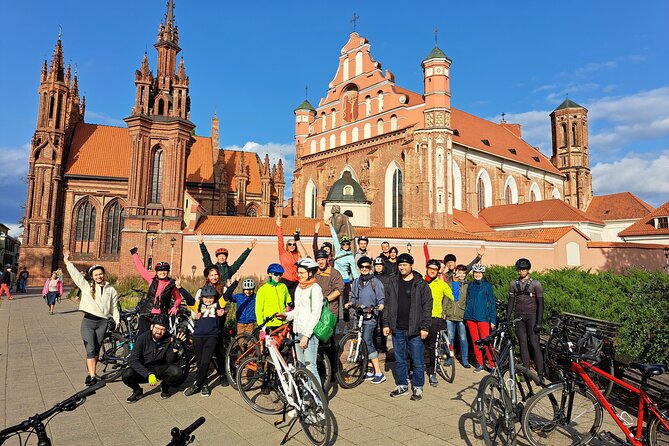
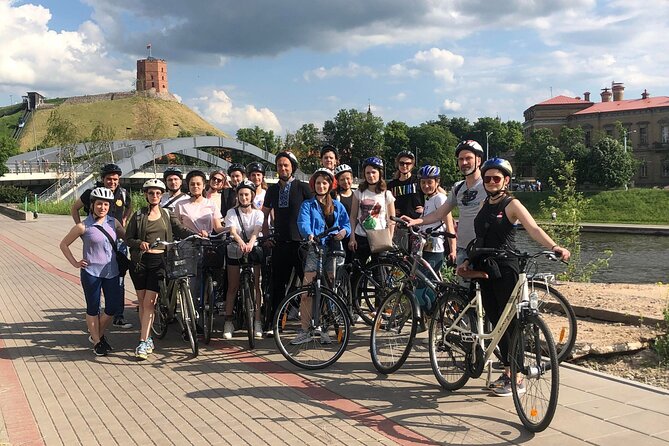
This tour costs $35.07 per person and runs about 2 hours 30 minutes. For many cities, a guided bike tour in this format can feel pricey. Here, the value comes from the balance: you get a guide, a real route, and included equipment (bike + helmet + water), plus the group stays small—up to 15 people.
You’re not just buying movement. You’re buying an efficient loop that hits major landmarks and a few places that people often miss when they’re focused on the postcard corners. If you only have a day or two in Vilnius, this can save you from crisscrossing the city on your feet later.
It’s also offered in English and typically needs good weather to run. Planning tip: if you’re visiting in shoulder season, bring warm layers even if the day looks mild. One review advice that matches my common sense for bike touring—bring gloves and something for your neck if temperatures drop.
Meeting point is at Velotakas Bike & Tours at A. Stulginskio g. 5, and the start time is 11:00 am. The activity ends back where you started, which is handy after a long day of walking in the Old Town.
Cathedral Square to Vilnius University: the core story of the city
Your ride starts in the heart of Vilnius at Vilnius Cathedral Square. This is where the city centers itself—literally and symbolically. You’ll see the Monument to Grand Duke Gediminas, the Gediminas Tower up on the hill, and the cathedral complex tied to national celebrations. It’s a great first stop because it sets the tone: this city has always been about power, faith, and politics in the same tight geography.
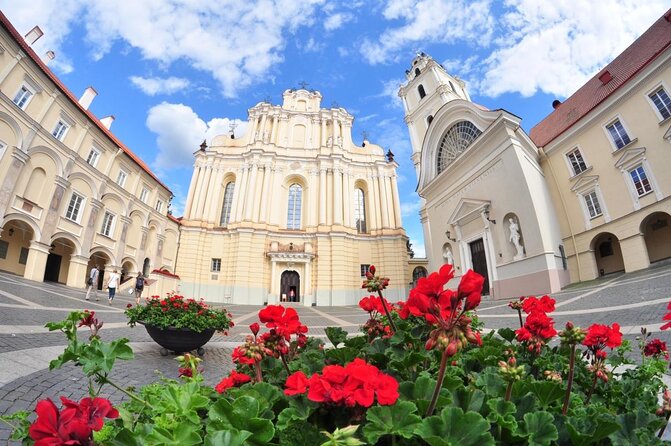
Then you head to Vilnius University, a place that feels like a small world of its own. You’ll pass an ensemble of buildings and courtyards—part of the city’s academic identity and part of Vilnius’ long-running tradition of learning and debate. The guide’s explanations are especially helpful here because university architecture can look “just pretty” until someone explains the layout and the historical layering.
Timing note: each of these stops is brief, around the ten-minute range. That’s not enough for deep museum time, but it is enough to understand what you’re looking at—and to decide what you’d want to explore later.
A small tip: after a quick stop like this, keep your eyes up. In Vilnius, the skyline tells you where to look next—tower lines, roof shapes, and hilltop silhouettes are basically your navigation system.
Stikliu Street and Rotušė (Town Hall): heritage plus crossroads energy
Next comes Stikliu Street, strongly associated with Vilnius Jewish history and also known today for a gallery scene tied to contemporary Lithuanian design. This stop is one of the easiest ways to shift your thinking from “cathedral and square” Vilnius to “a city shaped by many communities” Vilnius. Even if you’re not going inside anything, the street context helps you understand why certain Old Town sections have a different feel.
Then you reach Rotušė (Town Hall), in the central square where roads historically met. It’s the kind of place that makes sense once you understand that squares aren’t just scenic. They’re traffic brains—the crossroads that feed movement, trade, announcements, and daily life.
A nice bonus here: the cycle tempo keeps you active. Instead of stopping and re-starting from scratch every time, you get short transitions that help you maintain rhythm. That matters because Vilnius sightseeing can otherwise become “stop-walk-stop-walk” and drain your energy.
If you care about photos, this is a good moment to be ready. Squares can offer multiple angles in seconds—so you’ll want to have your phone/camera already in hand rather than packing it away again.
Gate of Dawn to Bastion Views: pilgrimage vibes and Old Town panoramas
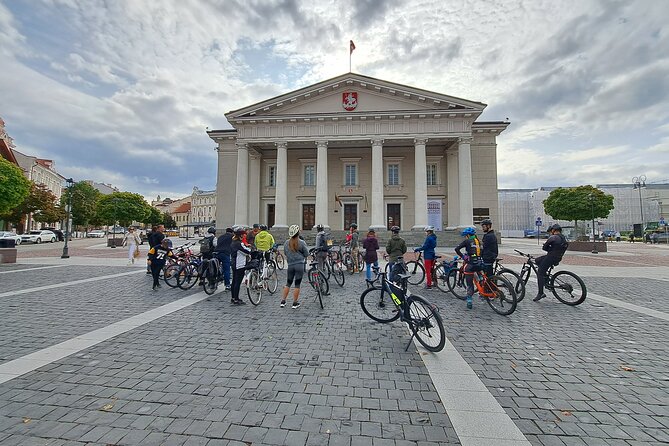
One of the most iconic moments on the route is the Gate of Dawn. It’s the only remaining gate tied to Vilnius defense walls, and it’s famous for the icon of Saint Merciful Mary. What makes this stop powerful is the pilgrimage history around it—visited by major Catholic figures, and still central to devotion today. Even if you’re not religious, it’s hard not to feel the significance when you’re standing near something that has pulled visitors for generations.
After that, you climb (gently) toward Artillery Bastion (Basteja), a viewpoint where the Old Town spreads out below. This is one of those “pause and look” moments that makes biking feel worth it. You’re not stuck at ground level trying to see everything through crowds.
Then you head to Subačiaus gatvė, a street angle designed for views and for spotting the baroque church towers that define Vilnius’ skyline. If you’ve seen photos of Vilnius towers but always wondered where the best angles are, this is the practical answer: the route positions you to notice those towers without doing a lot of guesswork.
If you want to linger for photos, do it here rather than at every short stop. You’ll get more payoff per minute.
Užupis: the short ride that changes your mood
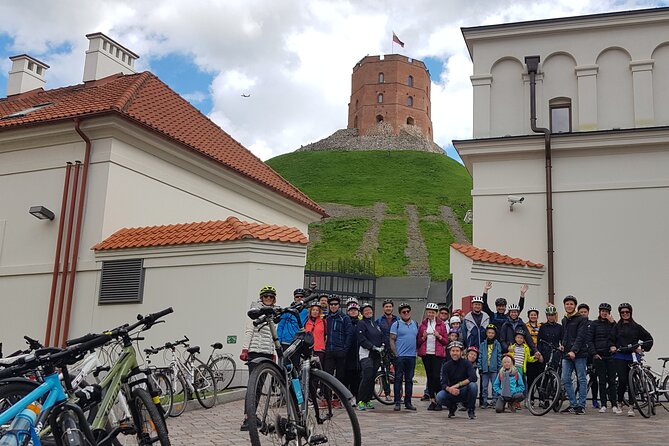
Crossing into Užupis is the emotional pivot of the tour. This artistic district sits across the river Vilnia, and it has a playful, creative community identity—so different from the more solemn mood of cathedral squares and gates.
You’ll get about 15 minutes here, long enough to walk a bit, take in the street character, and understand why people describe Užupis as a place with a different attitude. It’s also a neighborhood that makes sense after you’ve seen the official monuments: now you’re seeing how Vilnius reinvents itself.
The river crossing is part of why this stop hits. The view lines give you a sense of geography: Vilnius isn’t just architecture; it’s a city of water, movement, and neighborhoods separated—and connected—by the river.
One quick practical suggestion: if you want a cafe break later, note the general area. The tour doesn’t promise a specific restaurant stop, but it does set you up to return on your own time with less confusion.
Bernadine park and River Vilnia: the calm interlude
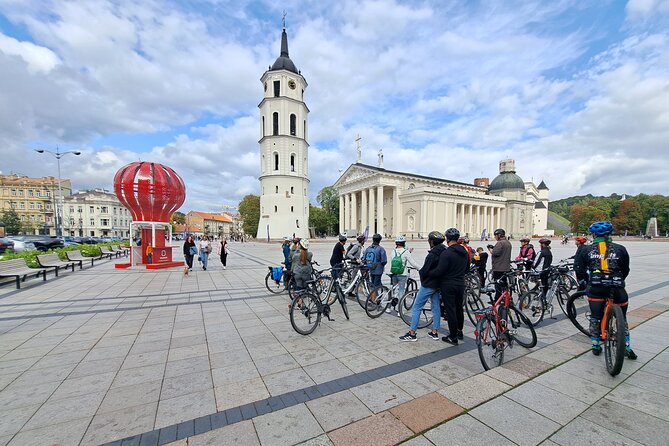
After Užupis, you’ll ride through an area along the river Vilnia. This includes a short passage through Bernardine gardens, known for a picturesque path along the water. There’s value here even if you’re not into gardens: it’s a change of pace and it gives you a natural viewpoint between districts.
Then you follow the logic of water in Vilnius—why this kind of embankment mattered historically, including connections toward the east Slavic lands and west toward the Baltic Sea. The guide’s storytelling helps you feel why rivers and routes shaped the city’s fate.
One heads-up from a review note: if you’re specifically optimizing for photos every minute, you may find that this part of the tour feels less visually “sharp” than the landmarks. It’s not a problem for everyone—it’s more about your expectations.
Konstitucijos prospektas and Lukiškės Square: seeing the newer and Soviet-shaped city
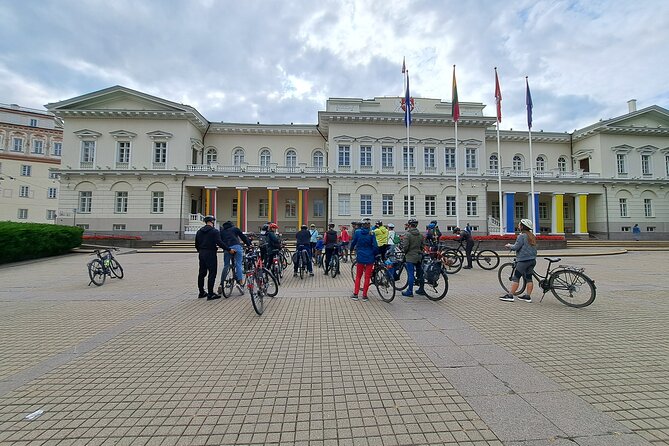
The tour doesn’t stop at the romantic postcard Old Town. You’ll also hit Konstitucijos prospektas, Vilnius’ more modern business district area combined with a city beach setup. It’s a contrast moment: you go from historic squares and gates to a more contemporary vibe with leisure infrastructure.
Then the tour reaches Lukiškės Square, a center that was shaped in Soviet times and surrounded by heavy relics of the regime, now refurbished into a space for fun. This stop matters because it shows how Vilnius didn’t erase the past—it repurposed it.
Even with short stop times, these moments give you a wider map in your head. You’ll finish with a better sense of where the Old Town ends and where modern Vilnius begins, which is helpful if you’re planning dinners, museums, or day trips afterward.
Bikes, comfort, and safety: the small details that make it easy
The bike portion is a big reason this tour works for many ages. The route is largely flat, and cycle lanes and quieter streets reduce stress. Reviews repeatedly call out that the ride feels safe and that road users are considerate—this matters in a city where you want to enjoy the sightseeing, not white-knuckle it.
Bikes themselves are described as in good shape. You get helmets, and some bikes may include accessories like baskets depending on the setup. Gears are available (including a 24-speed setup), but you’ll likely use the easier ones most of the time—so you’re not stuck grinding up hills even if you’re not a confident rider.
If you’re not great at biking, you’ll likely still manage. Still, I strongly recommend small prep choices:
- Wear shoes you can pedal comfortably in.
- Bring gloves and a scarf/neck layer if the temperature drops when you start.
- If you want extra photo time, say so early. The guide can often adjust the rhythm within safe routing.
Choosing the right day: weather, pacing, and what to expect
This experience requires good weather. If it’s canceled for poor weather, you’ll be offered a different date or a full refund. That’s more than fine print here: Vilnius is great, but bike touring needs surfaces you can trust and visibility you can enjoy.
Pacing is the main trade-off. Stops are generally short, and you move continuously between them. That’s exactly why the tour feels efficient—but it can feel rushed if you’re the kind of traveler who likes to stand, wander, and photograph at length.
To make it work for you, use a simple strategy: treat the shorter landmark stops as “learn and locate,” and reserve your longer photo attention for the viewpoints like Basteja and the tower angles around Subačiaus gatvė.
Who this tour is best for (and who should consider a different approach)
This is ideal if you want a guided introduction that covers a lot of Vilnius in a short time. It also fits well if you care about understanding how different eras shaped the city, not just seeing buildings.
You’ll likely love it if:
- You’re visiting for a day or two and want fast orientation.
- You like history explained in plain language while you move.
- You want Old Town plus newer districts without long transfers.
You might want to skip or rethink it if:
- Your top priority is slow photography and long stops at every viewpoint.
- You prefer independent wandering without a structured route.
- You’re traveling on a day with unstable weather.
Should you book this Vilnius bike tour? My take
Book it if you want an efficient, guide-led loop that balances major landmarks with distinct neighborhood character—especially the switch from cathedral-and-gates Vilnius to Užupis and then to the more modern/Soviet-shaped squares. At $35.07 with helmet and water included, it’s a reasonable value for the time you gain and the context you receive.
Skip it if your schedule is flexible enough for a slower plan. In that case, you might be happier doing a classic walk through Cathedral Square, Gate of Dawn, and the Old Town towers at your own pace. But if you want to understand the city quickly, then return later to explore, this bike route is a strong first move.
Finally, if you do book: bring a warm layer, be ready for quick stops, and ask the guide to point out what’s worth repeating later. That’s where the real payoff shows up.
FAQ
What’s included in the Bike Tour of Vilnius Highlights?
The tour includes a professional guide, use of a bicycle, a helmet, water, and a child seat if needed. Rain coats are optional if necessary.
How long is the tour?
It runs about 2 hours 30 minutes.
Where does the tour start, and what time does it begin?
The meeting point is Velotakas Bike & Tours at A. Stulginskio g. 5, 01115 Vilnius. The start time is 11:00 am, and the tour ends back at the meeting point.
What language is the tour offered in?
The tour is offered in English.
Is the ride suitable for most people?
Most travelers can participate, and the route is designed for a comfortable experience with mostly flat riding and bike-friendly routing.
What’s the maximum group size?
The tour has a maximum of 15 travelers.
Can I get a refund if I need to cancel or if weather is bad?
Yes. You can cancel for a full refund up to 24 hours before the experience starts. If it’s canceled due to poor weather, you’ll be offered a different date or a full refund.