REVIEW · CHIANG MAI
Chiang Mai Countryside Guided Bike Tour
Book on Viator →Operated by Discova Thailand · Bookable on Viator
Getting out of the city on two wheels is the point. This guided Chiang Mai countryside bike tour adds real breathing room to your trip: you skip the stress of navigation, hop a train to Lamphun, and then pedal through rural lanes, orchards, canals, and temple stops with a small group.
What I really like is how the guide leads the way. You get bike fitting and a briefing first, then you’re free to focus on the ride and the sights instead of reading maps and avoiding wrong turns, even with some undulating countryside.
One thing to consider: you’re on the move for most of the day, and you’ll need moderate fitness plus your original passport/ID for the train ride paperwork.
In This Review
- Key highlights you’ll feel right away
- Why the Lamphun train ride is the best start to your day
- Wat Phra That Hariphunchai: temple grandeur, then back to quiet lanes
- Leaving Lamphun for fruit orchards and canal-side riding
- Ping River lunch: the long break that stops the day from feeling rushed
- Ban Tawai wood-carving village: watching craft up close
- Cycling toward Doi Suthep and the forest temple feel of Wat Umong
- Royal Park Rajapruek: the included reset after the hills
- How the small group, guide leadership, and safety really work
- Price and logistics: is $59 really good value?
- Who this tour suits best (and who should skip it)
- Should you book the Chiang Mai countryside guided bike tour?
- FAQ
- How long is the Chiang Mai countryside guided bike tour?
- What’s included in the tour price?
- Do I need to bring my passport or ID?
- Is hotel pickup and drop-off included?
- How many people are in a group?
- Can I cancel and get a refund?
Key highlights you’ll feel right away
- Train transfer to Lamphun saves you from the hardest part of getting out of town
- Small group (max 10) means safer spacing and a pace that can flex
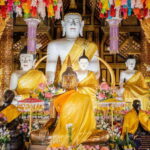
- Wat Phra That Hariphunchai + forest temple scenery mix big golden stupa views with quieter green stops
- Ping River village lunch breaks the day with real, simple Thai food and a longer sit-down break
- Ban Tawai wood-carving time focuses on seeing craft in action, not just snapping photos
- Rajapruek park rest gives you a protected, shaded reset after the countryside pedal
Why the Lamphun train ride is the best start to your day
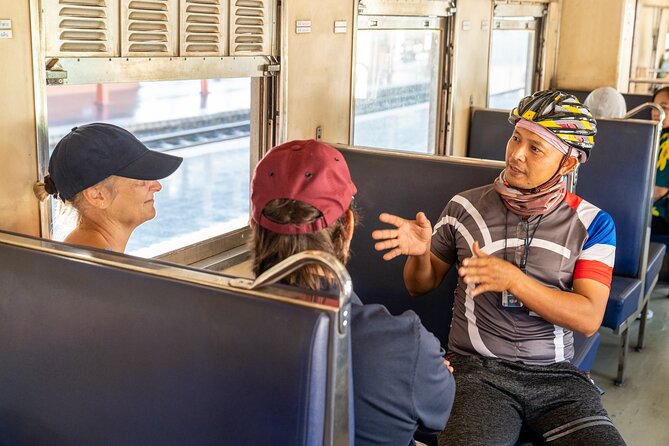
The meet-up is at Discova’s shop in Chiang Mai (10, 3 Wiang Kaew Rd), and the tour departs 8:30 am sharp because there’s a train to catch. That timing matters. If you’ve spent any time around Chiang Mai traffic, you’ll appreciate leaving the congestion behind early and avoiding a long, slow scramble out of town.
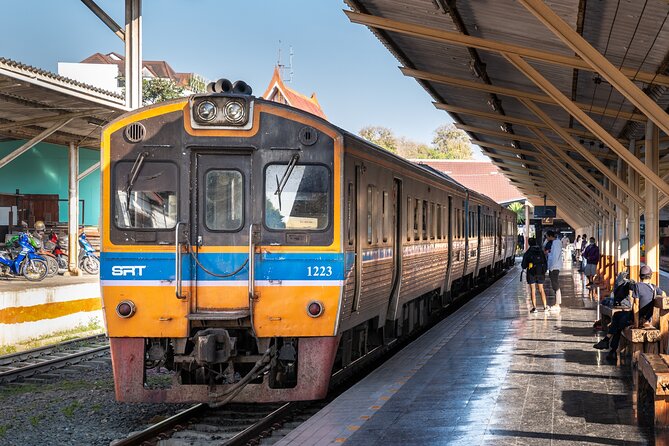
After quick bike fitting and a briefing, the group walks or pedals to the station and takes a 30-minute train ride to Lamphun. This is more than a convenience move. It’s a clever way to start your cycling day already “in motion,” so you’re not spending your best energy fighting traffic just to reach the countryside.
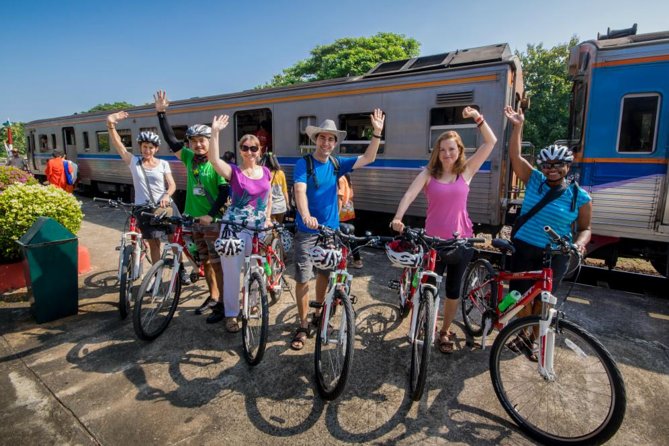
The bikes and helmets are provided, and with an English-speaking guide at the front, you’re not guessing what comes next. Several people who’ve ridden this route highlight that the guides keep things organized and safe, which is a big deal when you’re mixing trains, roads, and temple areas in one day.
You can also read our reviews of more tours and experiences in Chiang Mai.
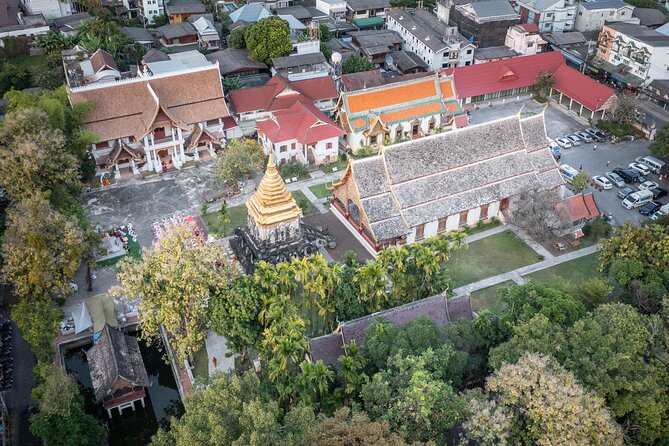
Wat Phra That Hariphunchai: temple grandeur, then back to quiet lanes
Lamphun is where the tour flips from city rhythm to older, more spacious Thailand. After arriving, you cycle from the railway station through quiet streets and lanes, including sections near the ancient city wall, until you reach Wat Phra That Hariphunchai.
This is the kind of temple stop that works even if you’re not trying to “collect” religious sites like checkboxes. The star feature is the imposing golden chedi, which makes for an easy visual anchor when you’re moving through unfamiliar streets. Also, because you’re arriving by bike rather than bus, you generally feel less rushed and more in the neighborhood.
A practical tip: temple timing can vary by day, and you’ll want to dress with temple rules in mind (covered shoulders and respectful bottoms). Since the tour includes multiple stops, you’ll also want to keep your daypack light so you can move easily on and off bikes.
Leaving Lamphun for fruit orchards and canal-side riding
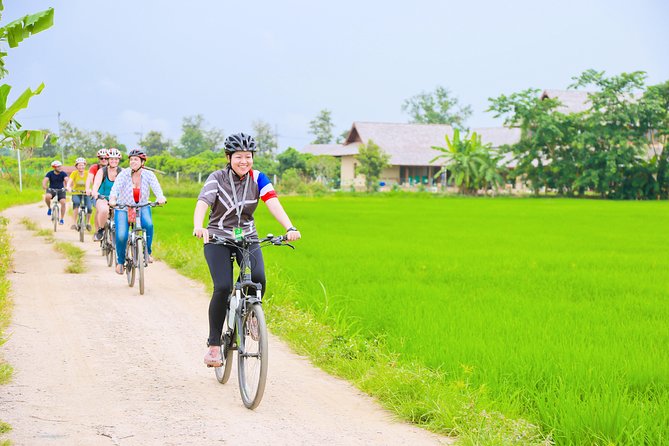
Once you’re done with the big temple, the ride continues as the route gradually shifts into countryside textures: fruit orchards, canals, and quieter roads that feel a world away from Chiang Mai’s main streets.
This is where the bike tour format earns its keep. On foot, you’d hit a wall after an hour or two; by bike, you can string together multiple kinds of scenery in one go. One big theme you’ll notice is variety: stretches that feel flat and easy, then segments that roll a bit as you move toward the foothills region later in the day.
Also, because this is a small group, the guide can adjust to the flow of the road. You’re not trapped in a single-speed conga line. You can pedal at your own pace while still staying grouped close enough for safety and regrouping at stops.
Ping River lunch: the long break that stops the day from feeling rushed
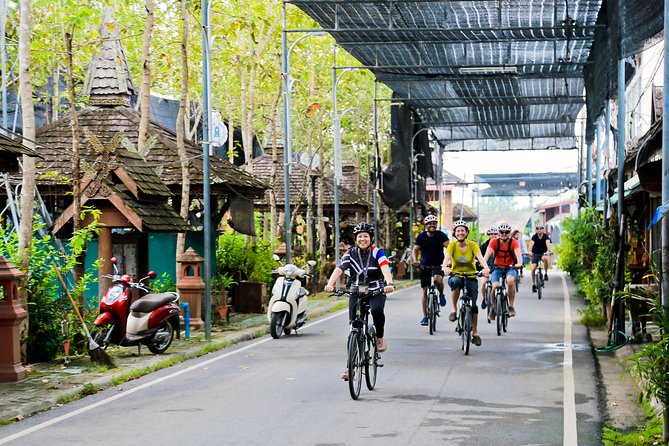
Midway through, the tour takes a 2-hour break in a small village on the banks of the Ping River. This is the meal checkpoint that makes the whole day feel doable rather than exhausting.
The lunch is described as deliciously simple Thai food, and that simplicity is often what makes it good on a cycling day. You’ll be able to eat without it turning into a culinary production, and you’ll have time to settle before the next pedal push. Several riders also mention tasting something closer to Lanna-style food on this day, which is a nice bonus if you’re trying to go beyond standard Thai tourist menus.
You’ll want to hydrate at this point even if you’re not drenched yet. Chiang Mai heat can sneak up on you. The tour includes beverages and also snacks throughout, which is exactly what you want when you’re out for hours instead of popping into a single attraction.
Ban Tawai wood-carving village: watching craft up close
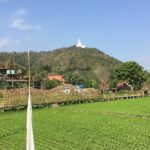
After lunch, you bike across the Ping River and continue through rice paddies to Ban Tawai, the wood-carving village.
The best part here isn’t the name; it’s the pacing. You park your bikes and take a short walk to admire the craft. You’re not just looking at a display. You get time to see how wood carving fits into village life, which makes the stop feel more educational than transactional.
This is also a good place to buy something small (if you want) because you’ve got the chance to compare styles and appreciate the workmanship before you hand over money. If you prefer to travel light, consider treating it like a “look first” stop and save bigger purchases for later.
One more practical note: with a village stop, you’ll likely have some uneven surfaces around workshops and walkways. Wear shoes with grip, not flimsy sandals.
Cycling toward Doi Suthep and the forest temple feel of Wat Umong
As the day moves on, the route begins heading through small villages and out across the plain toward forested lanes in the foothills of Doi Suthep. This section is often described as “backroads” style riding, which usually means less traffic noise and more of that Thailand countryside atmosphere.
From there, you reach Wat Umong, the forest temple stop referenced in the tour overview. Forest temples change the mood quickly. Even when you’re only there briefly, the setting tends to feel calmer and more shaded than open city areas.
There’s also mention of a beekeeper near Doi Suthep, which adds a different kind of stop—less about buildings and more about local life. If you like learning how people earn money and manage daily work in the countryside, this kind of brief interaction can be the highlight.
Keep expectations realistic here: you’re cycling, stopping, walking a little, then cycling again. You won’t have hours to wander like you would on a solo temple day. But the variety is the payoff.
Royal Park Rajapruek: the included reset after the hills
After the foothills section, you reach Royal Park Rajapruek. The tour builds in about one hour for a break once you arrive.
This stop is a smart design choice. After hours of cycling—plus any undulating stretches—the park gives you a place to sit, cool down, and recover without needing to find your own transportation or locate a café on the spot. It also keeps the day from ending on a low note, because you get a “reward” zone before the ride back.
If you want a photo opportunity, parks like this usually deliver. If you want rest more than photos, you’ll still feel like the stop served its purpose.
How the small group, guide leadership, and safety really work
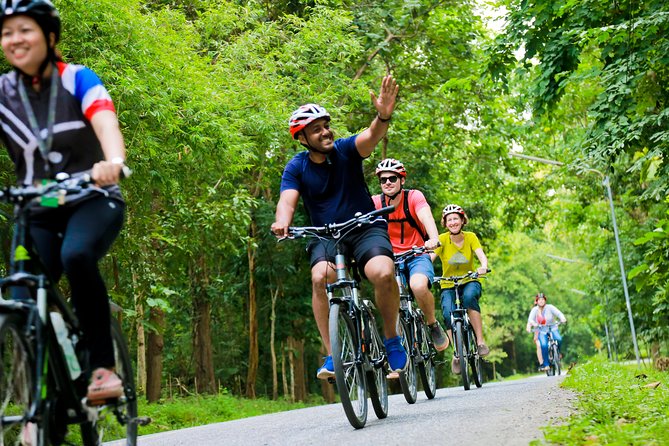
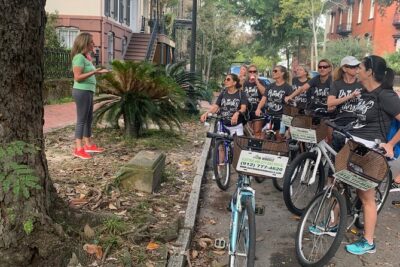
This tour tops out at 10 travelers, and that small group size changes the experience in a few practical ways.
First, the guide leads the way, which matters for two reasons:
- you don’t waste time figuring out route turns, and
- you spend more of your attention on riding and watching the scenery.
Second, riders consistently praise the safety setup. The guide and support crew are focused on keeping the group together and managing road hazards. On cycling days, road safety is not a buzzword—it’s the difference between a calm, fun ride and a stressful one.
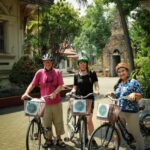
The tour includes insurance and provides a bicycle and helmet. From the rider comments, it’s also clear that guides tend to include frequent refreshment stops. Many people specifically mention having plenty of water, snacks, and even cool towels on hot days. You should assume the pace is planned around hydration rather than pushing you to suffer through the heat.
The cycling is described as a solid full-day effort—one rider clocks it around 40 km, while another notes closer to 50 km depending on the day and pace. That’s not a casual neighborhood spin. But it’s also not an insane training race if you follow the guide’s rhythm and take the breaks seriously.
Price and logistics: is $59 really good value?
At $59 per person, this is one of the more “all-in” bike day trips you can find in the Chiang Mai area, because a lot of the hidden costs are bundled.
Here’s what you’re getting as part of the price:
- Train ticket (included)
- Bicycle and helmet (included)
- English-speaking guide (included)
- Lunch (included)
- Snacks and beverages (included)
- Insurance and taxes/fees (included)
The big value point is the train transfer plus the structured routing. Getting out to Lamphun and connecting multiple countryside stops by yourself would likely cost you more in transport time, and it would add stress—especially if you’re not riding a bike in Thailand every day.
Not included is hotel pickup/drop-off, and the tour ends back at the meeting point. That’s normal for this type of day trip, but it’s worth planning for so you don’t burn time scrambling to get to Discova.
Also, the tour uses a vehicle at the end to help avoid congested roads during peak hours. That means you’re still cycling for the fun part, but you’re not stuck grinding through the city at the end when you’re tired.
Who this tour suits best (and who should skip it)
This works best for you if:
- you want a countryside day without dealing with navigation
- you like a mix of temples + everyday rural life
- you’re comfortable riding for several hours and can handle some heat
- you prefer a small group rather than a crowded tour bus
It might be less ideal if:
- you’re hoping for a super gentle, mostly-flat ride with minimal effort
- you get stressed by multiple segments (train, bike, walk, bike again)
If you’re traveling with kids, the tour allows children with an adult, and child seats are available on request for kids up to 14 kg. If your child is near that limit, plan ahead so the seat type can work for their weight.
Should you book the Chiang Mai countryside guided bike tour?
If your goal is to see more than just the old city in one day, I’d say this is a strong booking. The combination of a train ride to Lamphun, guided countryside cycling, temple stops like Wat Phra That Hariphunchai and Wat Umong, plus an actual riverbank lunch makes it feel efficient without being rushed.
Book it if you want an authentic, local-feeling day where the guide handles the hard parts—route, timing, regrouping, and safety. Just be honest with yourself about effort: this is a full day on a bike, not a quick spin.
FAQ
How long is the Chiang Mai countryside guided bike tour?
It runs for about 7 hours (approx.).
What’s included in the tour price?
The price includes bicycle and helmet, an English-speaking tour guide, beverages, lunch, snacks, insurance, all taxes/fees/handling charges, and the train ticket.
Do I need to bring my passport or ID?
Yes. You’ll need to bring the original passport (for foreigners) or ID card (for Thai citizens) to show to the State Railway officer for the train ride.
Is hotel pickup and drop-off included?
No. Hotel pickup and drop-off aren’t included, and the tour returns to the meeting point.
How many people are in a group?
The tour has a maximum of 10 travelers.
Can I cancel and get a refund?
Yes. You can cancel for a full refund up to 24 hours in advance of the experience start time.