REVIEW · CHIANG MAI
Colors of Chiang Mai Guided Bicycle Tour
Book on GetYourGuide →Operated by Recreational Bangkok Biking · Bookable on GetYourGuide
Riding a bike out of Chiang Mai’s busy core changes your day fast. Colors of Chiang Mai takes you through quiet green land roads and past rice fields, orchards, and temples, then ends with ancient Wiang Kum Kam history by the Ping River. You get culture in motion, not museum-style sitting still.
I like that the tour is long enough to feel like a real half-day ride (about 20–25 km), but paced with stops for a temple visit, market snacks, and a Thai meal like Khao Soy Kai. One thing to consider: the route can shift with seasonal crops and local closures, so the exact countryside scenes (and timing of stops) may vary.
In This Review
- Key things I’d mark on your mental map
- A Half-Day Ride That Actually Shows Daily Chiang Mai
- Pacing and Route: 20–25 Km on Quiet Roads to the Ping River
- Village Craft Visit: Watching Thai Traditional Products Being Made
- Temple Stop and Buddhism Talk: More Than Just a Photo Break
- Rice Fields, Fruit Orchards, and Market Snacks on the Way
- Riding the Ping River: Calm Miles Before the Ancient Ruins
- Wiang Kum Kam and the 700-Year-Old Chedi: Why the Finish Line Matters
- Food on the Tour: Khao Soy Kai and Snack Stops That Actually Fuel You
- Bike, Helmet, Guide: The Safety Stuff That Makes the Ride Feel Easy
- Price and Value: Why Around $38 Can Make Sense Here
- What to Expect Day-of: Weather, Season, and Route Adjustments
- Who This Chiang Mai Bicycle Tour Fits Best
- Should You Book Colors of Chiang Mai by Bicycle?
- FAQ
- How long is the Colors of Chiang Mai guided bicycle tour?
- How far will I cycle?
- What is included in the ticket price of $38?
- Is the guide available in English?
- Is this tour suitable if I’m not confident on busy roads?
- Can solo travelers join?
- Where do I meet the group?
- What food will I get during the tour?
- Can the itinerary change or can I cancel?
Key things I’d mark on your mental map
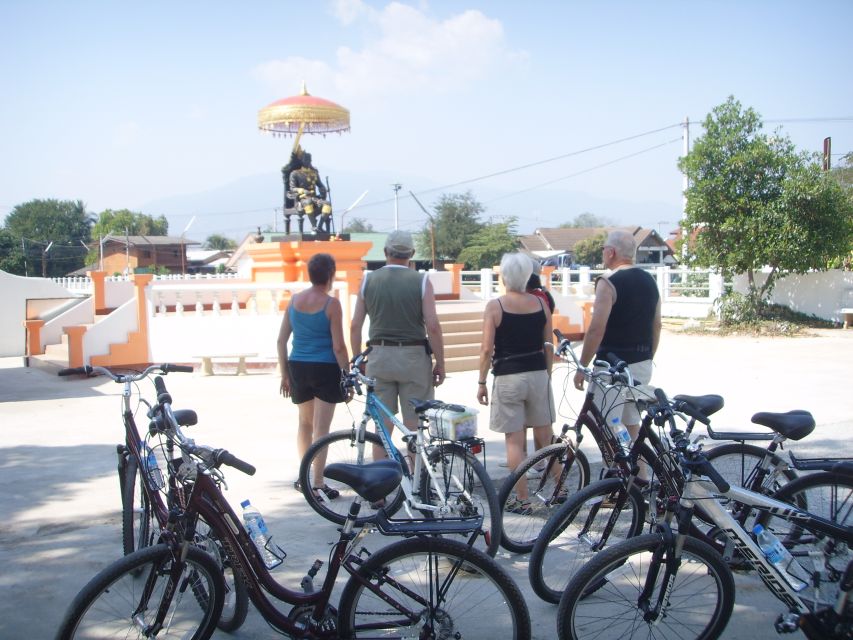
- Quiet, green roads that keep the ride relaxed even when you’re sharing streets
- Temple stop(s) with Buddhism explained by guides such as Wit, who has monk experience
- Local village craft time, including women making Thai traditional products
- Ping River riding for that calm, everyday Chiang Mai atmosphere
- Wiang Kum Kam and a 700-year-old chedi for real Lanna-era ruins, not just photos
A Half-Day Ride That Actually Shows Daily Chiang Mai
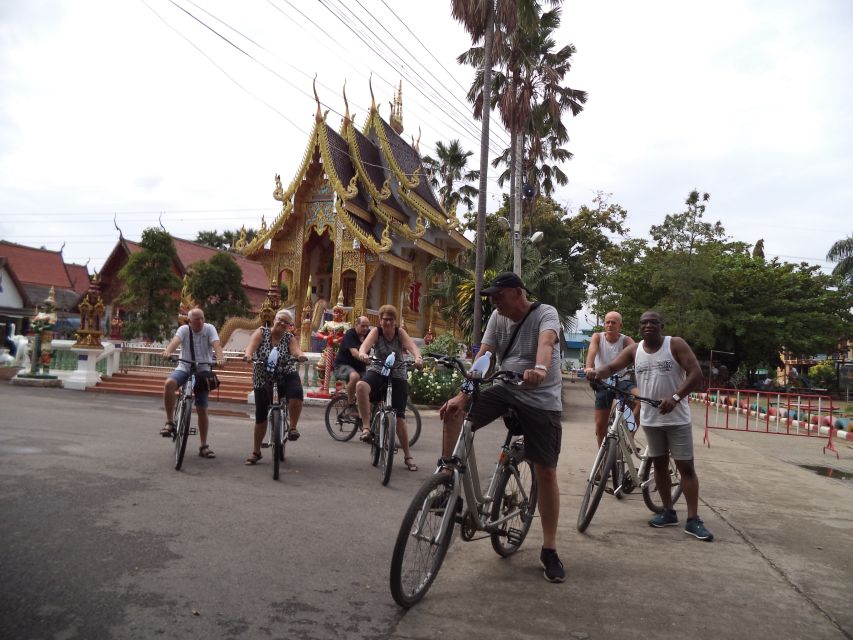
This is the kind of cycling tour that makes you understand Chiang Mai beyond the old-city walls. You start with neighborhood lanes and countryside edges, where daily life feels close: trees, fields, small roads, and people going about their routines.
You’ll get that mix of “present-day Thailand” and “old Thailand.” The later part—Wiang Kum Kam—pushes you into Lanna-era history, including ruins dating back centuries and a 700-year-old chedi. It’s a strong payoff for a half-day that stays easy to follow and not exhausting.
You can also read our reviews of more tours and experiences in Chiang Mai.
Pacing and Route: 20–25 Km on Quiet Roads to the Ping River
The tour is built around roughly 270 minutes total time and about 20–25 km of cycling. That timing matters. It means you’re not grinding the whole day. Instead, you’ll ride in segments, pause often, and use the stops to reset.
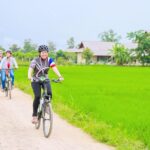
The route leans heavily toward quiet, green land roads. You’ll still encounter regular traffic sometimes, but the experience is set up for safety: guides use clear hand signals, and they manage crossings so you’re not guessing.
A key practical benefit: you’re riding on streets where local people live. That’s what makes the scenery feel “real,” not just scenic. It also helps you see how Chiang Mai stretches outward—how the city meets farms, orchards, and river life.
Village Craft Visit: Watching Thai Traditional Products Being Made
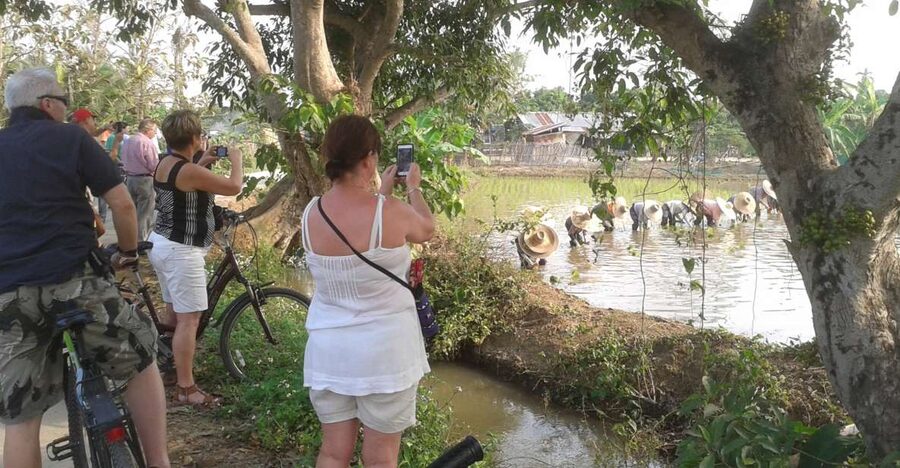
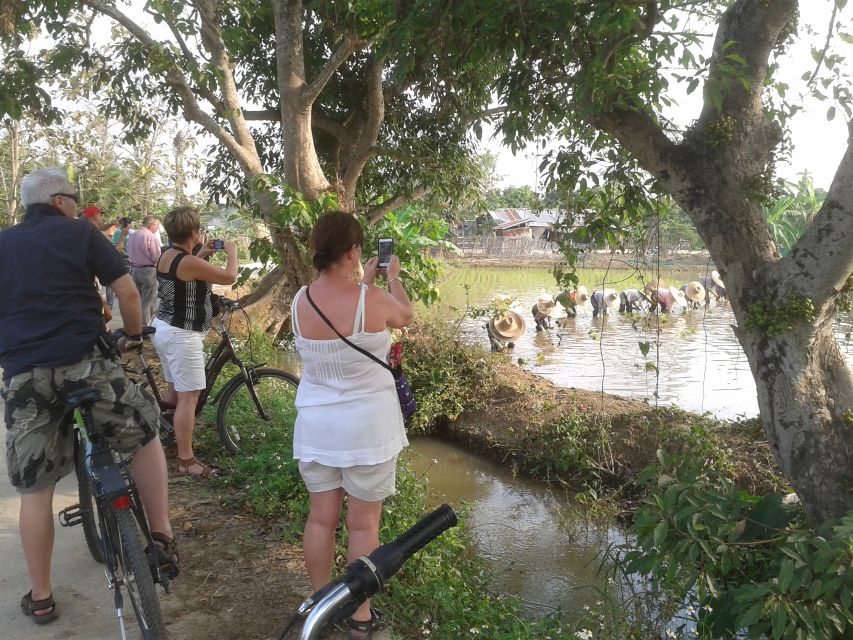
One of the standout elements is the chance to see women from a local village making Thai traditional products. This isn’t presented as a performance. It’s a look at craft and routine, the kind of skill you don’t get from a quick market stop alone.
Why it’s worth your time: it adds texture to the day. When you later see temples and old settlements, you’re not only thinking about history—you’re also thinking about how people live with tradition in their hands and daily workflow.
You should expect the moment to be more “observe and learn” than “shopping sprint.” Still, if you want souvenirs, this is usually the most meaningful place to buy, because you understand what you’re paying for.
Temple Stop and Buddhism Talk: More Than Just a Photo Break
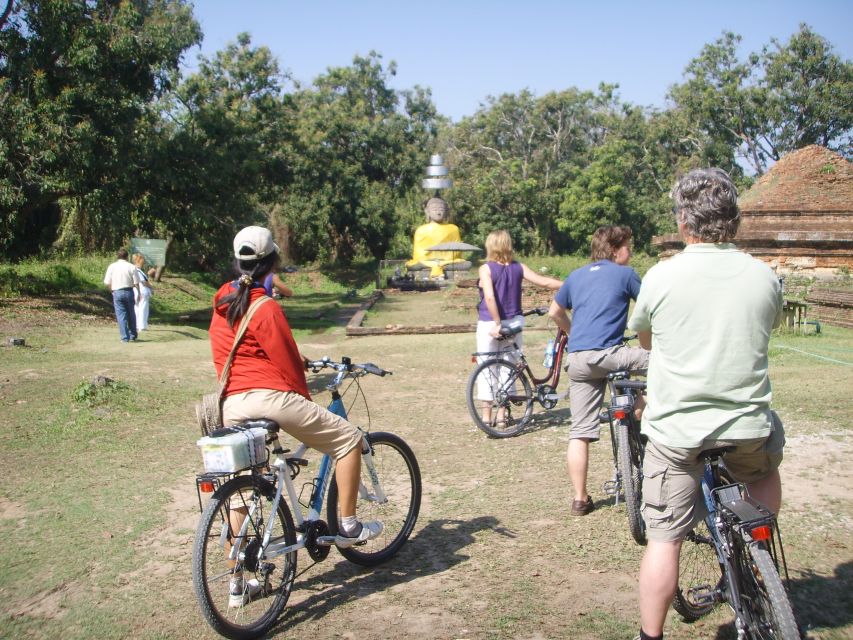
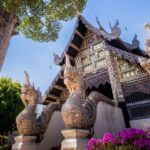
At some point during the ride, you stop at a local temple. This is where the tour adds meaning. Your guide can explain Buddhism and what you’re seeing, so the visit feels intentional rather than like passing by a landmark.
A detail I’d pay attention to: guides bring personal context. One guide, Wit, is described as having former monk experience, and that kind of background tends to make temple explanations clearer and more human. Another guides (like Dong and Koi, seen in past tours) are praised for guiding safely and answering questions patiently, which helps the temple stop feel like conversation, not a lecture.
Practical note: temple visits usually involve basic etiquette—keep your tone respectful and dress appropriately. Even without strict rules listed, you’ll feel more comfortable if you bring clothing that covers shoulders and knees.
Rice Fields, Fruit Orchards, and Market Snacks on the Way
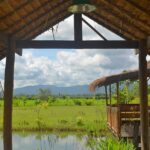
Between the temple and the river stretch, you’ll pass rice fields and fruit orchards. The exact look can change by season, which is mentioned as a reality: rice and fruit areas aren’t in blossom year-round, and the operator may adjust the route accordingly.
Then comes the food payoff. You’ll stop for a snack or fresh fruit at a local market, giving you a break from cycling while keeping the day grounded in everyday routines. Even if you’re not a big “market person,” this stop helps the tour flow. It keeps your energy steady and stops the ride from turning into a long, single-track slog.
If you’re hoping for a perfect Instagram moment, be flexible. The best part is not a single view—it’s the variety: fields, village roads, and small roadside life. That’s what you’ll remember.
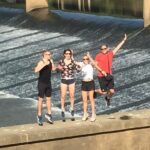
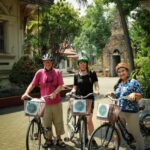
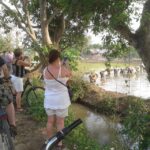
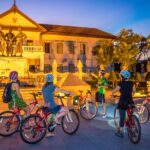
Riding the Ping River: Calm Miles Before the Ancient Ruins
The Ping River section is where the tour often feels like it slows down. River riding tends to reduce the mental noise of traffic and makes it easier to settle into the ride.
This part matters because it sets up the emotional shift to the final historical area. You’re not going from “bike mode” straight into “archaeology lecture.” Instead, you’ve got a calmer stretch that gives you time to notice details: river atmosphere, greenery, and the contrast between urban edges and older settlements.
If you’re the kind of traveler who likes to learn by watching (not by reading), this is a good section to do exactly that. Keep your eyes open for how the river interacts with daily life around it.
Wiang Kum Kam and the 700-Year-Old Chedi: Why the Finish Line Matters
The last stretch takes you through Wiang Kum Kam, founded in 1286 by King Mengrai. It served as the capital of the Lanna empire for about 10 years—a short window, historically, but long enough to leave deep marks.
What you’ll get here is the chance to see temples and ruins dating back hundreds of years. The tour time doesn’t turn this into a museum crawl, but it gives you enough time to appreciate the scale and take photos without rushing.
And yes, the tour highlights a 700-year-old chedi. That’s a big anchor moment. A chedi isn’t just a structure; it’s part of how people have practiced Buddhism for generations. Even if you don’t know the details right away, seeing age in the stone changes how you think about the city.
After the ruins and photos, you cycle back toward the starting point. So the day closes with a gentle decompression rather than ending abruptly.
Food on the Tour: Khao Soy Kai and Snack Stops That Actually Fuel You
You’re included for a delicious Thai meal/snack, and the specific main dish called out is Khao Soy Kai. That’s a strong choice because it’s filling and flavors are distinct. It also makes sense in a cycling day: you need real fuel, not just a bite and a sugar crash.
In addition to the meal, you’ll stop for snacks and fresh fruit at a local market. Some days may also include additional small treats along the route, like coffee or ice cream, depending on what’s open and how the ride times line up. The core value is consistent: you’ll eat with the day, not after it.
One smart approach for you: hydrate before you feel thirsty. Water or soft drinks are included during the excursion, but Bangkok-style humidity and countryside sun can still surprise you.
Bike, Helmet, Guide: The Safety Stuff That Makes the Ride Feel Easy
You get a bicycle and bicycle helmet included. That removes the biggest hassle of a cycling day—finding a bike you trust and fitting it on time.
The guide is the other key piece of the puzzle. In past departures, the guides named in the experience have a reputation for:
- Keeping a comfortable pace
- Using clear hand signals at crossings
- Being patient with questions
- Caring about safety when traffic pops up
That’s especially important if you’re not a confident cyclist. Even though the route is mostly quiet, Chiang Mai is still Chiang Mai. Your guide’s job is to make those moments feel manageable.
One practical tip: wear shoes you don’t mind getting warm. You’ll likely be stopping and starting, and comfortable footwear helps more than you’d think on a half-day ride.
Price and Value: Why Around $38 Can Make Sense Here
At $38 per person for roughly 4.5 hours, the value comes from how much is included and how the day is structured.
You’re paying for:
- A real cycling loop through countryside and old sites
- An English-speaking guide (English and Thai available)
- Helmet and bike
- Water or soft drinks
- A meal/snack, including Khao Soy Kai
- Insurance coverage
If you tried to DIY this, you’d spend time arranging transport, finding a route that makes sense, and paying for food stops anyway. Here, the tour builds the logistics into the experience, so you can focus on riding and learning.
The only “cost” to mentally budget is that the countryside scenes aren’t guaranteed in every season. Rice and orchards can vary, and some shop or school closures may change stop timing. But the overall flow—temples, river, Wiang Kum Kam, cycling—stays the same.
What to Expect Day-of: Weather, Season, and Route Adjustments
This is Thailand, so plan for warmth and occasional rain. The tour is designed to ride on mostly quiet lanes, but comfort depends on what you wear and how you pace yourself.
Because rice fields and fruit orchards aren’t in blossom year-round, you might find the scenery shifts depending on the season. The operator also reserves the right to change advertised itineraries if local places are closed for weekends, school holidays, or national holidays. In practice, that means you’ll still cycle and learn, but a specific stop might be swapped.
If you like certainty, accept the “flex” part. This tour feels best when you treat the schedule as a framework, not a rigid checklist.
Who This Chiang Mai Bicycle Tour Fits Best
This tour is a strong match if you:
- Want an easy half-day activity outside the old city walls
- Enjoy culture you can see up close, not just read about
- Like the balance of countryside riding and historical ruins
- Want a guided temple explanation that goes beyond basic facts
- Need included food and drink so your day stays simple
It’s also a solid choice if you’re a solo traveler. Solo travelers are welcome, but note the tour needs a minimum of 2 participants to operate. If that minimum isn’t reached, the operator may offer a different time slot/day/tour or cancel the reservation.
Should You Book Colors of Chiang Mai by Bicycle?
I’d book it if you want a day that feels local and planned at the same time. The combination of quiet roads, village craft observation, a meaningful temple stop, and the historical payoff at Wiang Kum Kam makes it more than a basic ride.
Skip it (or at least consider alternatives) if you need a fully fixed itinerary with zero seasonal variation. The tour can adjust scenery and stops based on what’s open and what’s growing.
If you’re comfortable riding a bike for about 20–25 km with stops, you’ll likely love the pace. And if you care about why things matter—temples, Lanna history, and everyday village life—this tour gives you plenty to think about as you pedal.
FAQ
How long is the Colors of Chiang Mai guided bicycle tour?
The tour duration is 270 minutes, roughly a half-day.
How far will I cycle?
The cycling distance is about 20 to 25 km.
What is included in the ticket price of $38?
The price includes a bicycle and bicycle helmet, an English-speaking guide, a Thai meal/snack, water or soft drinks during the excursion, insurance, and free WiFi at the office.
Is the guide available in English?
Yes. The guide is English-speaking, and the tour may also be offered with English and Thai support.
Is this tour suitable if I’m not confident on busy roads?
The route is designed mostly around quiet roads and green areas, and guides provide safe crossing guidance such as clear hand signals.
Can solo travelers join?
Solo travelers are welcome, but the tour only operates with a minimum of 2 participants. If the minimum isn’t reached, the operator may change the time slot/day/tour or cancel the reservation.
Where do I meet the group?
You should arrive at the operator’s place 5–10 minutes before the tour starts.
What food will I get during the tour?
You’ll have a meal/snack included, including Khao Soy Kai, plus a snack or fresh fruit stop at a local market.
Can the itinerary change or can I cancel?
Yes, the operator may change the advertised itinerary because rice fields and fruit orchards aren’t in blossom year-round and because shops or schools can be closed on weekends, school holidays, and national holidays. Cancellation is available up to 24 hours in advance for a full refund.