REVIEW · CHIANG MAI
Half-day E-bike Nam Phrae (hilly, fully paved roads, GUIDED)
Book on Viator →Operated by Buzzy Bee Bike Co., Ltd · Bookable on Viator
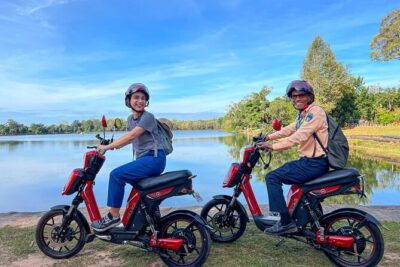
Paved hills, temples, and easy e-bike cruising. In Nam Phrae, you’ll ride paved roads on an e-bike with an English-speaking guide, hitting stops like Wat Ton Kwen and quieter village areas. It’s a half-day format that feels more local than a drive-by sightseeing list.
Two things I especially like: you get the full kit (e-bike, helmet, gloves) plus a guide who stays with you the whole time, and the food is built in (lunch on morning rides, snacks on afternoon rides). I also like that the stops include free temple admission, so you’re not doing surprise payments while you’re already tired from riding.
One consideration: door-to-door timing can run longer than you expect. Pickup happens 30–60 minutes before start, and once you factor in transfers and temple time, the total experience may feel closer to a longer block—so plan your day with some slack.
In This Review
- Key things to know before you ride
- Nam Phrae e-bikes: a half-day that gets you out of Chiang Mai
- Morning versus afternoon: how to pick your best fit
- Getting picked up: plan for the full block of time
- The ride itself: hilly, guided, mostly paved
- Stop 1: Wat Ton Kwen (Wat Intharawat) and the Lanna temple vibe
- Stop 2: Hang Dong and the quieter village-route feel
- The guide: the difference between a ride and an experience
- E-bike and gear: what you get, and what you should watch
- Food on the route: lunch or snacks, and why it matters
- Price and value: what $50.52 buys you
- What to bring: sarong and sun care
- Weather and road conditions: the main wild card
- Is it right for you? (and who should think twice)
- Should you book this Nam Phrae e-bike tour?
- FAQ
- Is this tour only for morning departures?
- How long is the experience?
- What’s included in the price?
- Do the temple stops require paid admission?
- Does the tour offer pickup?
- How big are the groups?
- What kind of roads will I ride on?
- Do I need a certain fitness level?
- Is temple clothing provided?
- What happens if the weather is bad?
- Can kids join?
- Are service animals allowed?
Key things to know before you ride
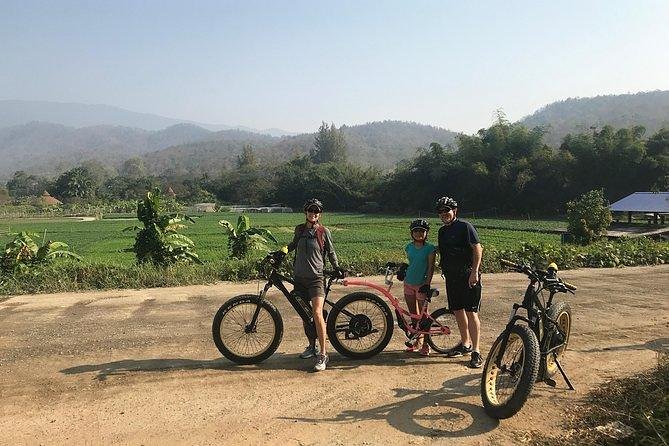
- Small group size (max 8) keeps the pace comfortable and the guide easy to reach
- Helmet, gloves, and e-bike included means less hassle and no last-minute rental hunting
- Morning ride = lunch, afternoon ride = snacks/fruit, both with bottled water
- Most riding is on paved roads through orchards, viewpoints, and countryside lanes
- Free admission at stops helps keep the trip feeling good value
- E-bike assist is real, but you still pedal for control and rhythm on hills
Nam Phrae e-bikes: a half-day that gets you out of Chiang Mai
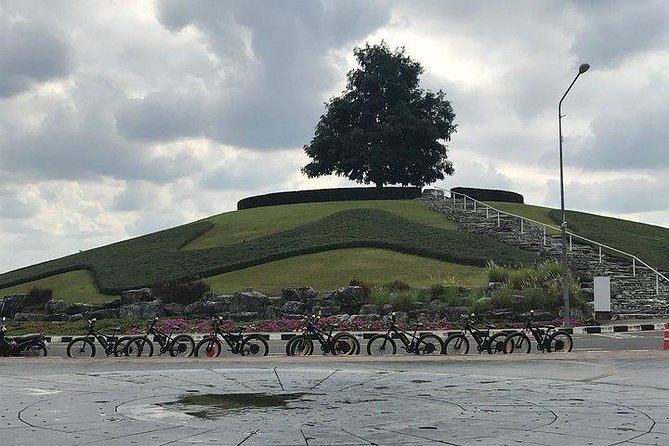
This is the kind of tour that works when you want countryside Chiang Mai without committing to a full day. The Nam Phrae area puts you on hilly terrain, but you’re not stuck doing it the hard way. With an e-bike, the goal becomes enjoying the ride—smooth pedaling, manageable climbs, and frequent chances to look around.
The most consistently praised part of this trip is how guided it feels. You get clear instructions before rolling out, and the guide stays with you throughout. In past groups, guides such as Oki, Hockey, Joe, and Pong (names you may hear depending on the departure) are known for being friendly, funny, and attentive to pacing—especially if you’re newer to e-bikes or riding on busier roads than you expected.
Value also comes from what is included. You’re paying for the guided cycling experience plus the “extras” that add up on your own: transport, insurance, helmet and gloves, and the food element.
You can also read our reviews of more tours and experiences in Chiang Mai.
Morning versus afternoon: how to pick your best fit
You can choose a morning or an afternoon departure, and the choice affects the whole rhythm of the trip.
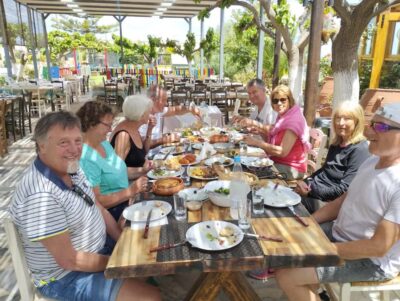
- Morning tour: lunch and bottled water are included. This is the option I lean toward if you want to keep the rest of your day free. You’ll ride, stop at temples and villages, and finish with a proper meal.
- Afternoon tour: snacks/fruit and bottled water are included instead of lunch. This can be a good way to break up a day in Chiang Mai when you’re not ready for a full midday meal or you want to keep things lighter.
Both options are built around the same core idea: guided e-bike riding through hilly areas outside town, with a few meaningful stops along the way.
Getting picked up: plan for the full block of time
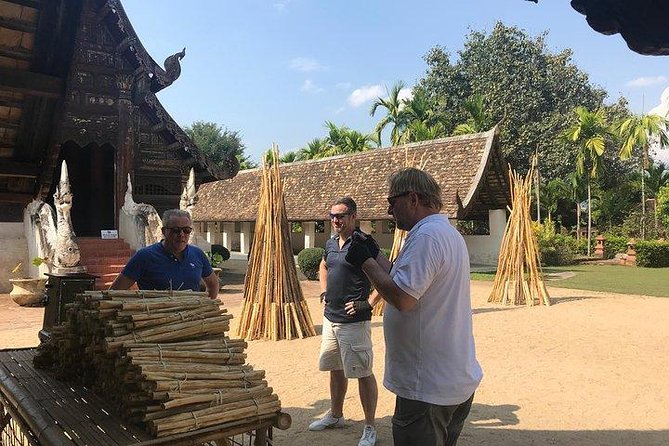
Pickup is offered, and it generally starts 30–60 minutes before the listed start time. You should be ready 60 minutes before in the lobby, and they’ll try to give more precise timing when possible.
Here’s the practical takeaway: this tour is half-day in spirit, but it’s not a quick “meet at the shop and go.” Transfers, equipment fitting, and temple timing all take real minutes. Some people love how smooth it runs; others have felt that one-off delays (traffic, a slower group moment, or waiting for a support situation) stretched things out.
If your schedule is tight—like you’ve got a night train or a fixed dinner reservation—give yourself breathing room.
The ride itself: hilly, guided, mostly paved
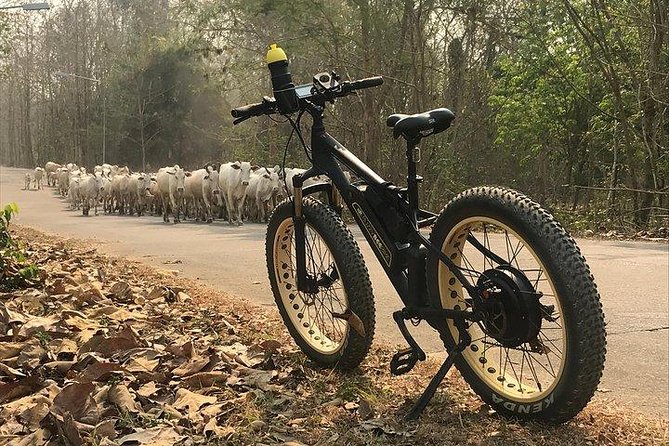
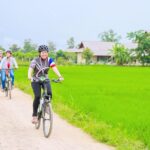
This trip focuses on cycling in the hills around Chiang Mai on mostly paved roads. Expect a mix of slightly curved stretches and climbs, with scenic breaks for viewpoints and village scenes. The route covers about 35–40 km, and it’s designed for a “moderate physical fitness” level.
What makes the e-bike portion work is not magic—it’s control. You’re likely to pedal the whole time in a gentle way, while using the assist to make hills and longer stretches feel doable. Some riders have pointed out that e-bike batteries aren’t infinite, so you don’t want to treat the bike like a motorbike that does everything for you. On the flip side, plenty of people found the assist made it easy even when they weren’t used to cycling.
Road conditions vary like they do everywhere in Thailand. You can find stretches with low traffic and calmer lanes, but there can also be cars on the road. That’s one reason I like the guided element: the guide sets pace and keeps the group together so you’re not guessing where to wait, when to slow down, or how to handle the traffic flow.
Stop 1: Wat Ton Kwen (Wat Intharawat) and the Lanna temple vibe
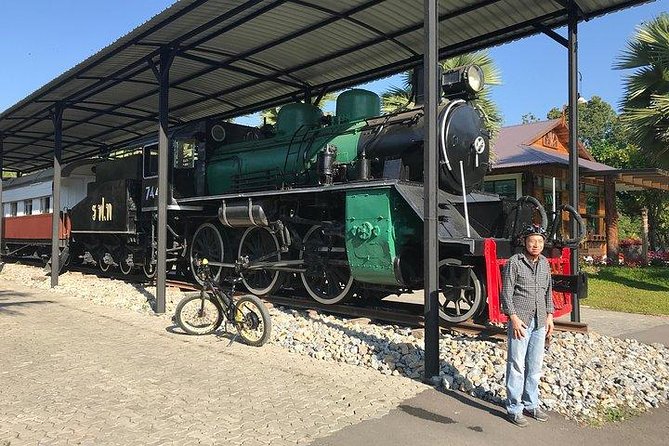
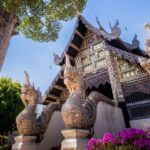
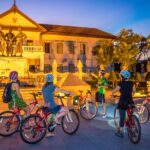
Wat Ton Kwen is a major stop on this route and (for morning rides) it’s at the end of the adventure. It’s described as an old Lanna-style temple, and you’ll have around 15 minutes there, with free admission.
What I think you’ll enjoy at Wat Ton Kwen is the contrast: you’ve been riding through countryside lanes, and then you arrive at a more atmospheric temple setting that feels rooted in the region. It’s also a good checkpoint stop. The ride is moving and scenic, but the temple gives you a chance to pause, breathe, take photos, and reset before the final stretch or wrap-up.
The practical note: temples require basic respectful clothing. Your tour doesn’t include a sarong to cover shoulders and knees, so if you want to avoid scrambling for fabric, bring something lightweight you can wear when you stop.
Stop 2: Hang Dong and the quieter village-route feel
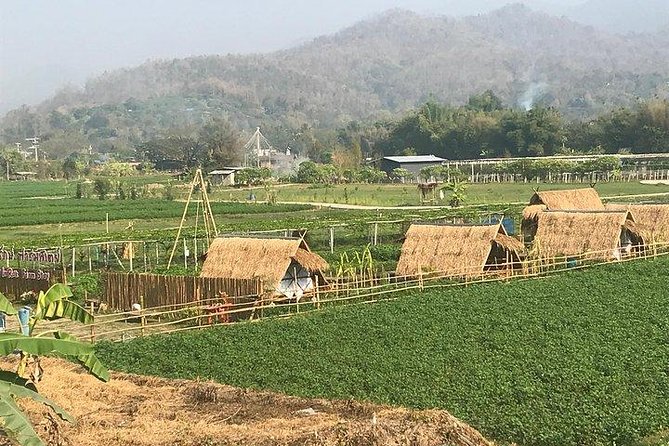
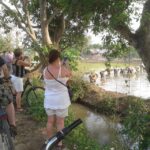
Hang Dong is where the tour shifts into less touristic territory. You’ll make several smaller stops in the wider area, and the exact timing can depend on how the group feels and what captures people’s attention.
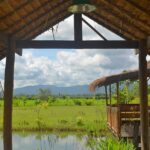
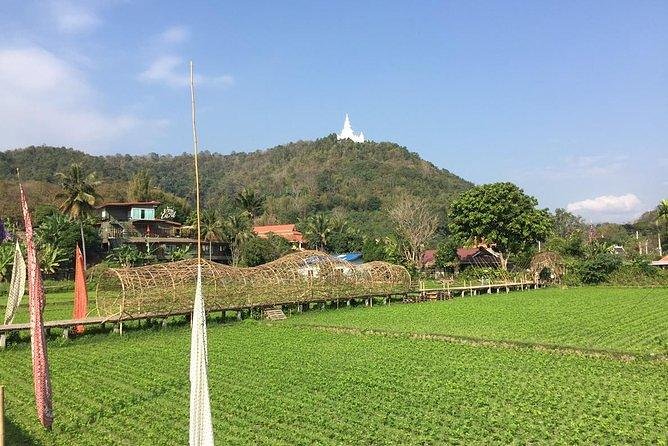
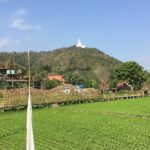
You’re looking at around 15 minutes at this “stop zone,” but the real value is the variety: roadside scenery, local rhythms, and chances to see daily life beyond the postcard view. One of the recurring themes in how people describe this ride is how much they liked the countryside scenes—orchards, bamboo and teak trees in the background, and village moments that don’t feel staged.
Because these are shorter stops, the guide’s pacing matters. A good guide keeps you from rushing and also prevents the group from losing the sense of “we’re riding.” If you’re prone to photo-bombing every view like I tend to do, you’ll probably appreciate that the guide can adjust without turning the day into a stop-and-stand festival.
The guide: the difference between a ride and an experience
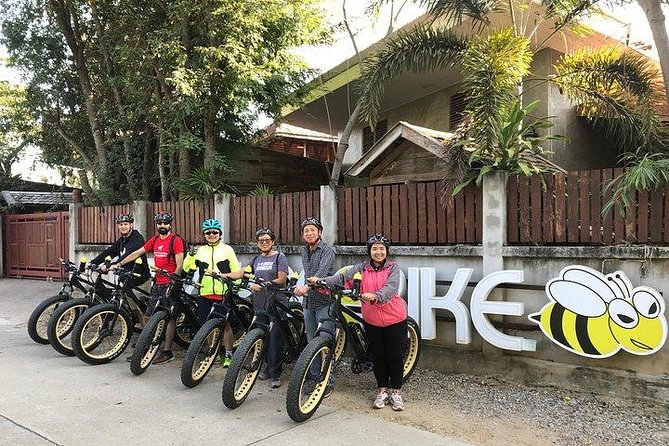
This tour is consistently praised for how it’s guided. People mention that before you start, there’s a safety and bike-use briefing, plus a chance to get comfortable on the e-bike before the real riding begins.
In particular, guides like Hockey and Oki get mentioned for:
- clear bike instructions so you understand the assist and how to handle hills
- staying personable and checking in so nobody gets dropped
- sharing cultural context while you’re stopped, not just handing you facts at random
Even when the route is scenic, the guide is what turns it into something you’ll remember. If you enjoy learning while moving—rather than sitting in a vehicle for long stretches—this format suits you.
E-bike and gear: what you get, and what you should watch
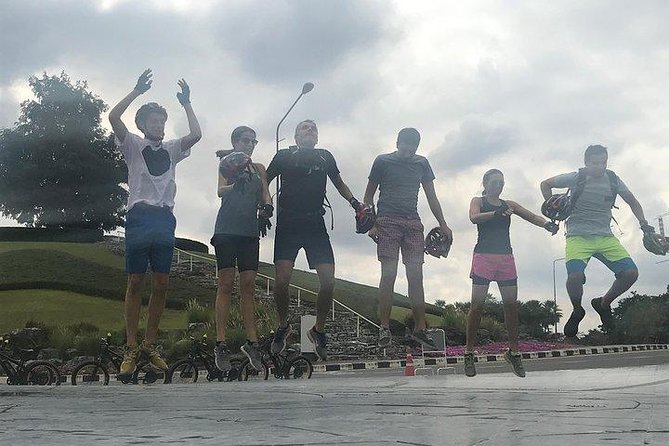
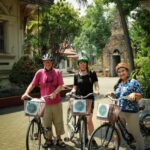
The tour provides the gear you actually need to ride comfortably:
- e-bicycle
- helmet
- gloves
You also get private transportation included, and insurance is part of the package.
Now the honest part: bike fit. The bikes are one-size, and there’s a minimum length around 150 cm (depending on leg length). One rider who is shorter than average found it difficult to mount and dismount safely because the bike frame felt too high for their proportions, which led to tip-overs while getting off.
So if you’re on the shorter side, it’s worth paying attention to how you’ll handle mounting and stopping. If you can comfortably lift a leg over the frame and get stable with both feet down, you’ll likely be fine. If not, ask the team what options they can offer for your height before you commit.
Also remember: you will still be pedaling. An e-bike tour isn’t a free ride; it’s more like assisted cycling, so go in expecting some effort—but usually not the brutal kind.
Food on the route: lunch or snacks, and why it matters
One of the easiest ways to judge value is to ask what happens when you’re hungry. Here, the answer is built in.
- Morning tours include lunch plus bottled water.
- Afternoon tours include snacks/fruit plus bottled water.
Some lunches are described as simple, but that’s not a complaint in this context. After 35–40 km of cycling, you don’t need a fancy menu—you need something filling and not stressful. Also, having the meal handled by the tour means you won’t burn time searching for food right when you’re already tired.
Price and value: what $50.52 buys you
At about $50.52 per person, you’re paying for a lot more than just “renting an e-bike.”
In the included package, you get:
- guide throughout the ride
- helmet and gloves
- e-bike use
- insurance
- private transportation
- lunch (morning) or snacks (afternoon)
- bottled water
- admission with free tickets at the main temple stops
That combination is why this tour feels like a good deal for many people. If you tried to assemble the same day yourself—guide, bikes, safety gear, transport, and meal—you’d likely spend more and deal with more coordination.
What to bring: sarong and sun care
Two items can make your temple stop smoother:
- a sarong or light cover for shoulders and knees (not included)
- sun protection (also not included)
Because the ride goes through open countryside at times, and because Thailand weather can shift quickly, I’d pack a small day bag with:
- sunscreen and sunglasses
- a light layer for temple entry
- water bottle backup if you’re the type who drinks a lot
You’ll have bottled water provided, but it never hurts to be prepared.
Weather and road conditions: the main wild card
Weather is the one thing the team can’t control. They’ll try to reschedule if conditions are really bad, and rain can be unpredictable.
Even if the day stays safe to ride, rain changes how slippery roads feel and how comfortable you’ll be with braking and cornering. So treat this like an outdoor cycling outing. Wear shoes with grip, avoid slick sandals, and bring a small rain layer if you tend to get cold easily.
Road works and city traffic can also affect pickup and timing. That doesn’t mean anything is wrong with the tour—it’s just real life in and around Chiang Mai.
Is it right for you? (and who should think twice)
This is a strong fit if you want:
- a guided countryside ride with small group size (max 8)
- paved-road cycling that’s hilly but manageable with e-bike assist
- temple and village stops without a full-day commitment
- an easy-to-follow day plan with food included
It may be less comfortable if:
- you struggle with mounting/dismounting a higher bike frame
- you prefer rides with almost no pedaling (this still requires pedaling)
- your schedule is extremely rigid (pickup plus transfers can stretch the day)
One safety note: cars can be on the road, even if some stretches are calm. Also, animals can wander near roads in rural areas. There’s no way to remove all risk, so wear a helmet (you’ll have one), stay alert, and let the guide handle pacing.
Should you book this Nam Phrae e-bike tour?
Yes, if you want a half-day that actually changes your day in Chiang Mai. The combination of guided e-bike riding, small-group attention, and included lunch/snacks is a practical way to see hillside countryside and temple stops without turning it into a logistics project.
I’d especially book it if you’re curious about riding in northern Thailand’s countryside lanes and want a guide who can connect the scenery to real places like Wat Ton Kwen and the Hang Dong area. If you’re short in height or unsure about bike fit, check with the operator before you go and confirm you’ll be comfortable getting on and off.
FAQ
Is this tour only for morning departures?
You can choose either a morning or an afternoon tour. Morning rides include lunch and bottled water, while afternoon rides include snacks/fruit and bottled water.
How long is the experience?
The tour is listed at about 4 hours.
What’s included in the price?
The price includes the e-bike, helmet, gloves, insurance, private transportation, and lunch (morning) or snacks/fruit (afternoon), plus bottled water and all fees and taxes.
Do the temple stops require paid admission?
The stops described have admission ticket Free.
Does the tour offer pickup?
Yes. Pickup is offered, typically 30–60 minutes before the start time. You should be ready 60 minutes before in the lobby.
How big are the groups?
This activity has a maximum of 8 travelers.
What kind of roads will I ride on?
The ride focuses on cycling on mostly paved roads in a hilly area around Chiang Mai.
Do I need a certain fitness level?
It requires a moderate physical fitness level.
Is temple clothing provided?
No. Sarong to cover shoulders and knees in temples is not included, and sun protection is also not included.
What happens if the weather is bad?
This experience requires good weather. If it’s canceled due to poor weather, you’ll be offered a different date or a full refund.
Can kids join?
Kids may join, but limited solutions are available. You should contact the operator first if kids have to join.
Are service animals allowed?
Yes, service animals are allowed.