REVIEW · COLOGNE
Cologne: Ehrenfeld Street Art Bike Tour
Book on GetYourGuide →Operated by Colonia Aktiv · Bookable on GetYourGuide
Cologne’s street art looks different from a bike lane. This 3-hour guided ride takes you out of the postcard center and into the Belgian Quarter and Ehrenfeld, where you’ll spot everything from big mural walls to smaller, street-level works. It’s a practical way to see a side of Cologne most people miss because it needs a good eye and a route that makes sense.
Two things I really like: the tour keeps a smart bike pace so you’re not stuck waiting around, and the guide turns random walls into a story—who made the piece, what technique they used, and how the scene works beyond the main attractions. The one main consideration is simple: you’ll be riding on city roads, so you should feel comfortable cycling with traffic and quick turns.
In This Review
- Key things to know before you go
- Street Art on Two Wheels: What Makes Cologne’s Ehrenfeld Special
- Meeting Options Near Cologne’s Art Beat: Eigelstein or Gereonswall
- Your First Minutes: Getting Oriented Around Eigelstein
- Brüsseler Platz Photo Stop: Learning to See Like a Street Art Guide
- Aachener Weiher and the Art of Unexpected Placement
- The Belgian Quarter: Where International Artists Meet Local Streets
- Ehrenfeld by Bike: Studios, Smaller Works, and Everyday Walls
- The Local Café Break: Refuel Without Losing the Route
- Colonius TV Tower and Media Park: Modern Cologne After the Street Art
- What $50 Buys for 3 Hours: Value, Inclusions, and E-Bike Option
- Cycling Comfort: The One Thing You Need to Get Right
- Who Should Book This Tour (and Who Might Skip It)
- Should You Book Cologne: Ehrenfeld Street Art Bike Tour
- FAQ
- FAQ
- How long is the Cologne Ehrenfeld street art bike tour?
- What is included in the price?
- Are food and drinks included?
- What languages are the guides available in?
- Can I choose a private tour instead of a shared group?
- Is an e-bike upgrade offered?
Key things to know before you go
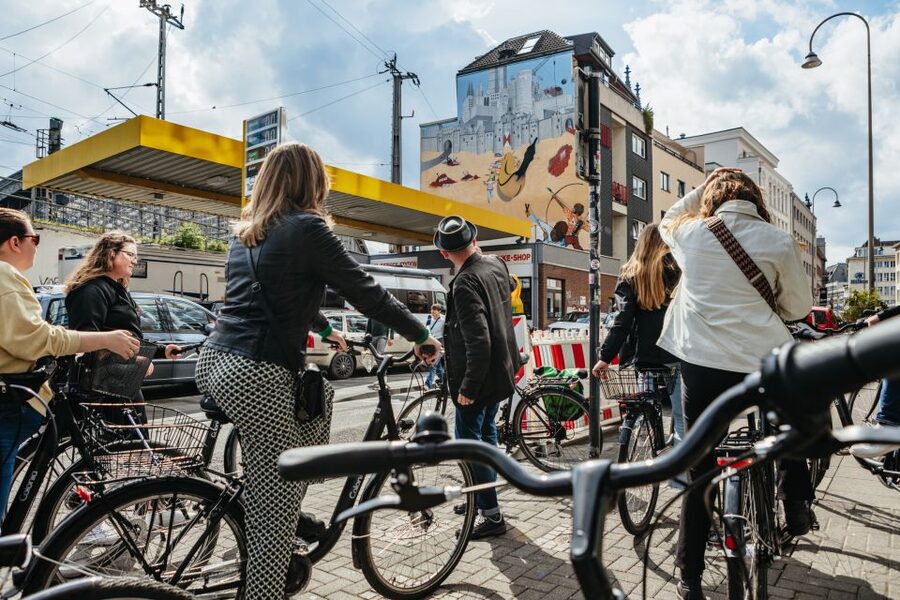
- Belgian Quarter street art focus: international artists show up on walls around everyday streets
- Ehrenfeld neighborhood routing: you’ll ride through areas where contemporary studios and artists cluster
- Big murals + pavement pieces: you don’t just look up; you’ll learn to spot smaller work too
- Bike and helmet included: you’re not juggling rentals while trying to enjoy art
- Stops for photos and short breaks: it’s paced for seeing details, not racing between sights
Street Art on Two Wheels: What Makes Cologne’s Ehrenfeld Special
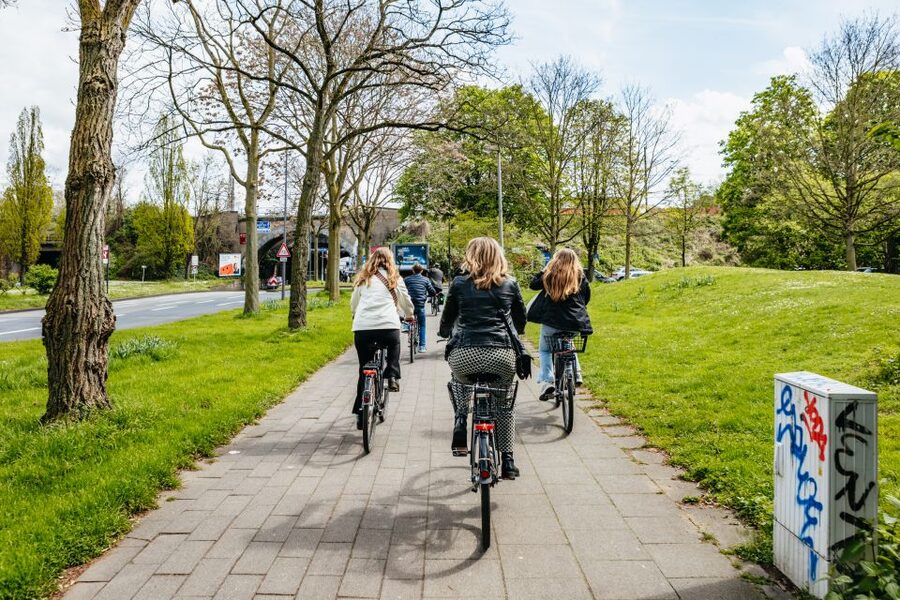
If you like street art, you already know the problem: the best pieces can be invisible if you’re walking the wrong blocks. This tour solves that in a very Cologne way—by using cycling as your shortcut to neighborhoods where new work keeps appearing.
What I like about the approach is that it’s not only about spectacle. You’re taught how to read the street art scene. You’ll hear about different forms of street art you wouldn’t necessarily notice on your own, from large murals down to smaller pieces at ground level. And because you’re moving, you get a sense of how street art fits into normal daily routes—commutes, café breaks, and the quiet edges of residential streets.
You also avoid the trap of only seeing the center. The route leans toward Cologne’s lesser-known residential areas, so the art feels tied to the city’s everyday life instead of packaged for tourists.
You can also read our reviews of more tours and experiences in Cologne.
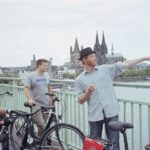
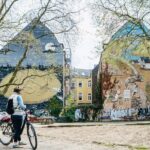
Meeting Options Near Cologne’s Art Beat: Eigelstein or Gereonswall
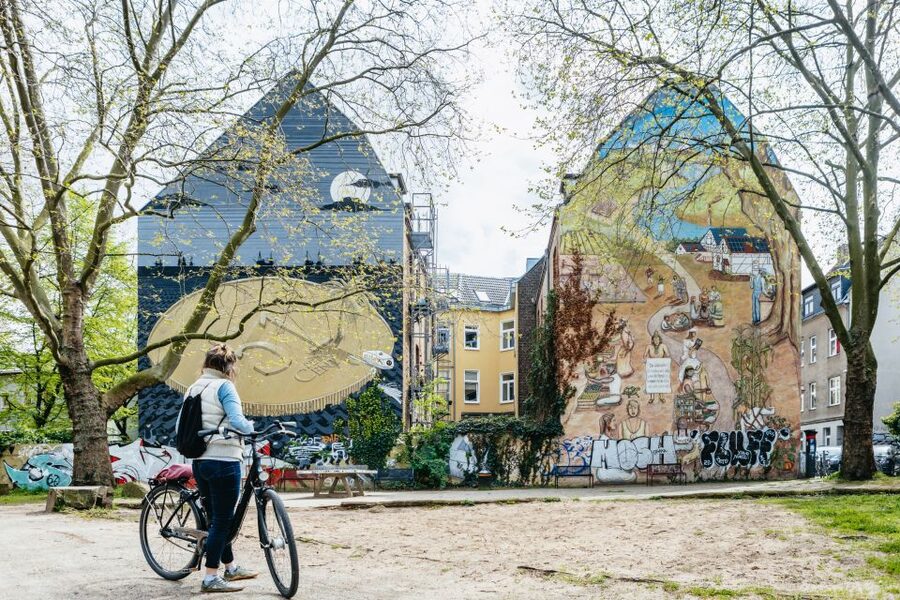
You’ll start from one of two options. Some bookings meet around Eigelstein (the pickup described as Eigelstein, Cologne), while another option starts near Gereonswall 2 at Colonia Aktiv. The meeting point can vary depending on what you choose, so check your booking details before you go.
Once you arrive, you get set up with your bike, plus a helmet. If weather turns—rain happens in Germany—there’s also a rain poncho you can use when necessary. I appreciate this because street art is the kind of thing you want to see clearly, not through a sprint in the drizzle.
One more practical note: your guide determines the route based on traffic and the group’s tempo. That means the streets you ride can shift, but the goal stays the same: best possible flow, enough time at each stop, and a route that helps you see more than you’d manage on foot.
Your First Minutes: Getting Oriented Around Eigelstein
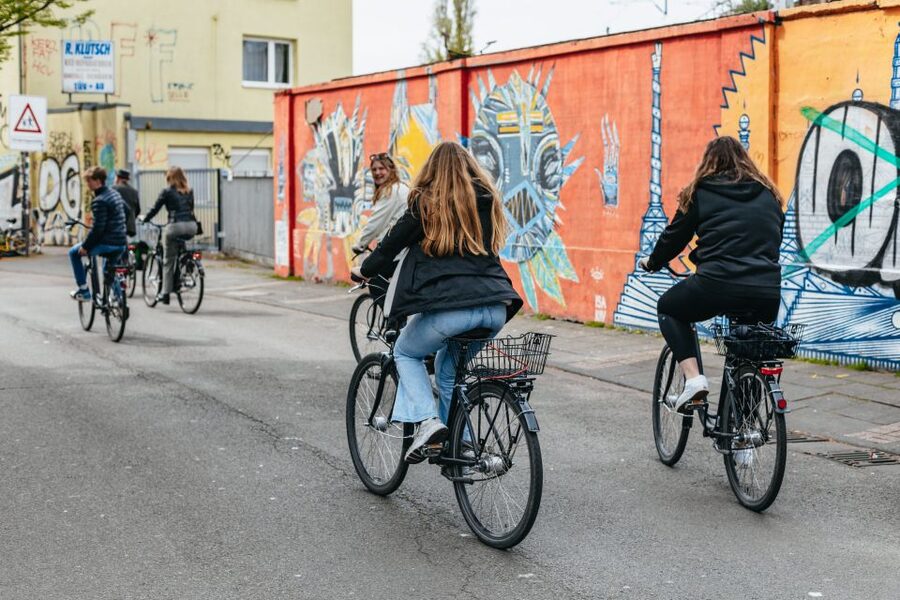
After setup, the tour guidance starts right away. You’ll head out with your guide after a short period for meeting and instruction. Think of this as the warm-up: you get your bearings, you learn what to look for, and you get used to the group rhythm.
This first stretch matters more than it sounds. When you’re cycling, your attention naturally flips between the road, crossings, and other riders. Early on, a good guide helps you aim your eyes. That way, when you roll up to the first photo stop, you’re ready to notice details instead of just taking a quick picture.
Brüsseler Platz Photo Stop: Learning to See Like a Street Art Guide
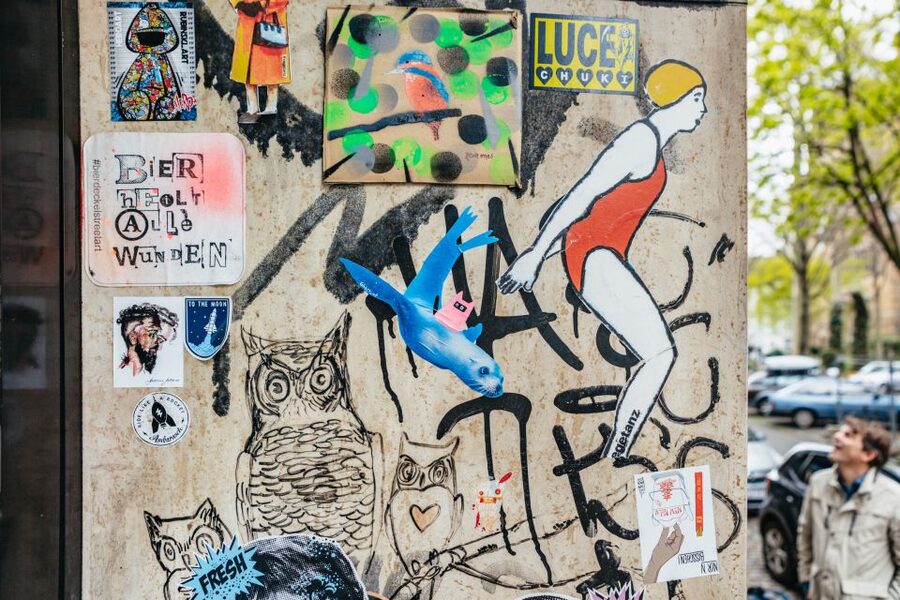
One of the first named stops is Brüsseler Platz, with a photo moment and guided walking time while the group pauses. This is where the tour starts feeling more like an art hunt than a sightseeing loop.
Here’s why I think this stop works: photo stops aren’t only for your phone. They’re for your eyes. You’ll get prompted to look at scale, placement, and context—where the piece sits in the street, who might pass it daily, and how it interacts with surrounding walls and shop fronts.
A small drawback: if you’re the type who likes to linger for 30 minutes at a single wall, this tour won’t let you. The pauses are short by design, and the goal is momentum—lots of different artworks in different settings.
Aachener Weiher and the Art of Unexpected Placement
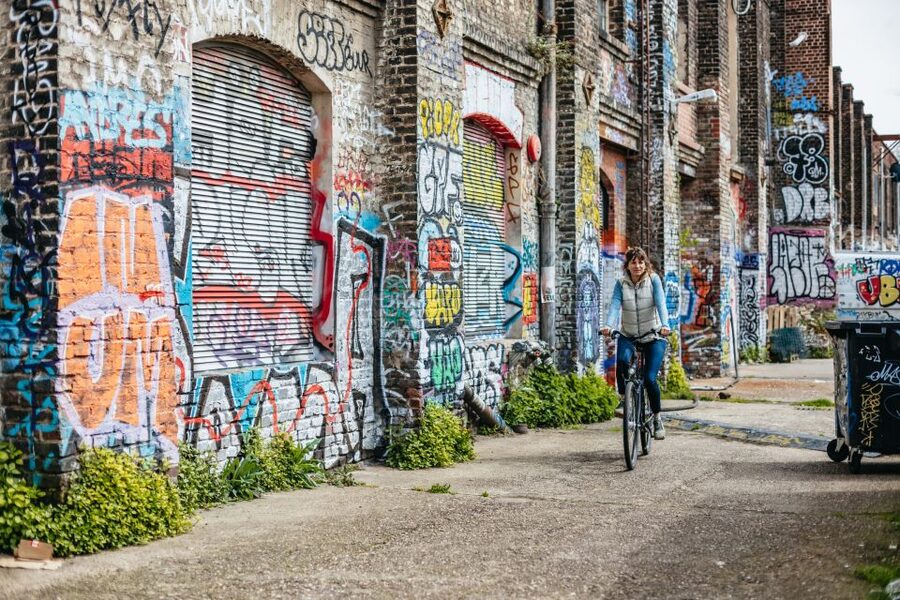
You’ll also hit the area around Aachener Weiher, again with photo moments and guidance while you ride or pause briefly. What you’re learning at stops like this is a key street-art skill: many of the most interesting works aren’t framed like “sights.” They’re tucked where you’d normally walk past without looking up, or they’re placed where the street itself becomes the canvas.
This is where the tour’s value shows up in a subtle way. Seeing art is one thing. Understanding why it’s placed where it is—and how styles travel across the city—is another. The guide covers the history and contemporary techniques street artists use, and it helps you connect what you see with the wider scene.
If you’re coming from outside Cologne, you’ll likely feel the difference immediately. The art here isn’t doing the tourist thing. It’s doing the city thing.
The Belgian Quarter: Where International Artists Meet Local Streets
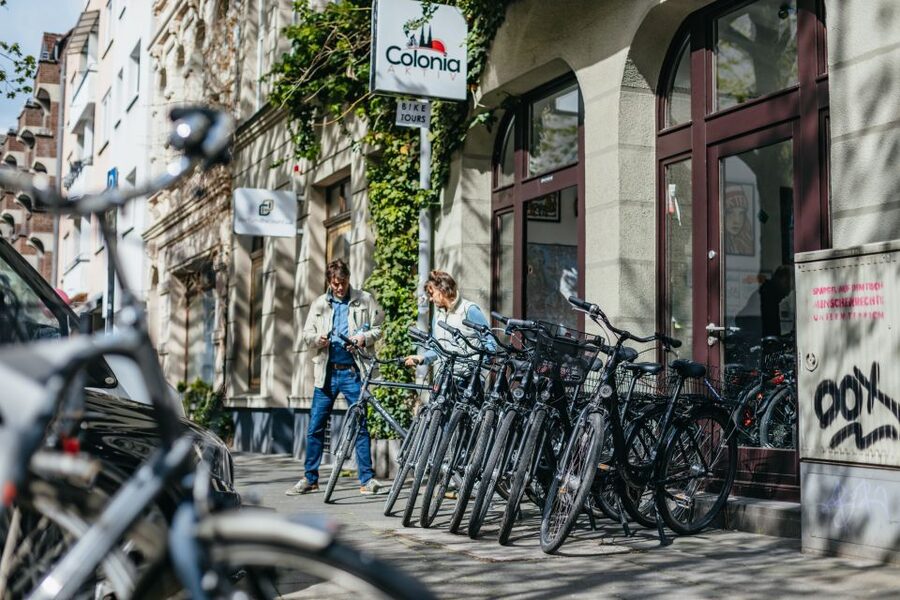
The Belgian Quarter is one of the main creative zones on this route, and the tour leans into that. You’ll ride through streets where the art scene feels active, and you’ll see works by artists coming from all over.
This part isn’t only about listing murals. You’ll get context that helps you understand what street artists are doing right now. That includes contemporary techniques and how the scene relates to Cologne’s own artistic culture.
Why this matters for your experience: when you understand even a little of the background, the art stops being just a nice photo. You start noticing patterns. You might recognize how certain artists use color, typography, or textures. You might also spot how styles shift when you move from one side of a neighborhood to another.
And yes, you’ll also get glimpses of everyday life here—shops, streets you’ll actually walk later, and that feeling that creativity is part of the neighborhood’s normal routine.
Ehrenfeld by Bike: Studios, Smaller Works, and Everyday Walls
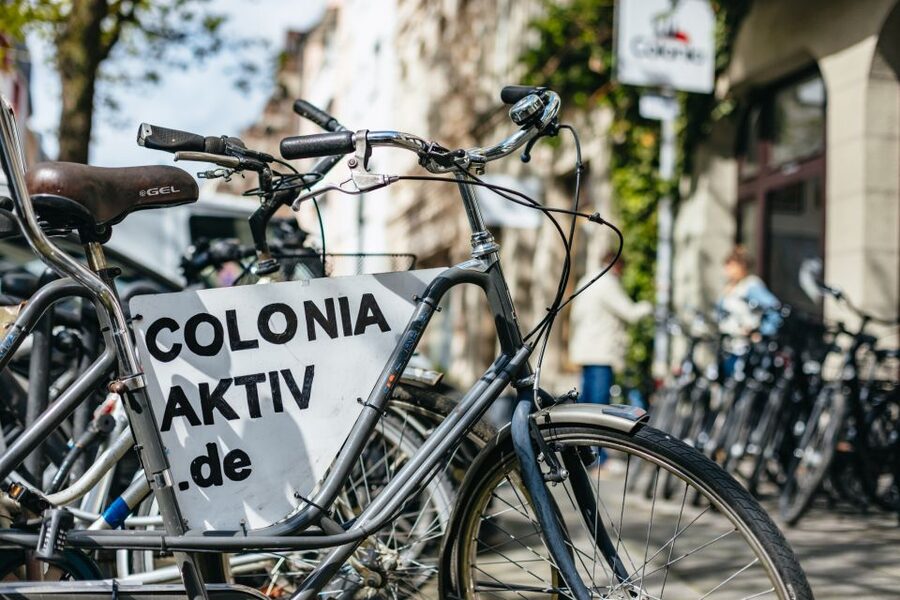
Then comes Ehrenfeld, where the tour really finds its rhythm. This neighborhood is known for having many artists and contemporary art studios, and you’ll feel that as you ride through residential streets and side lanes.
What I like most about this section is the variety of artwork scale and location. You’ll see big pieces, but you’ll also get pointed toward works that sit in less obvious places. Pavement-level pieces are the kind of thing you would miss unless someone tells you to look for them. The guide does that work for you.
Ehrenfeld is also where the street art starts to feel less like a “tour stop” and more like the city’s own visual language. You’ll see how art can be temporary, how styles can change, and how the street becomes a living gallery.
One practical consideration: because the tour is cycling-focused, your time at each spot is limited. Plan to take photos quickly, then use the guide’s explanation time to absorb what you’re looking at. The best results come when you balance your camera with your attention.
The Local Café Break: Refuel Without Losing the Route
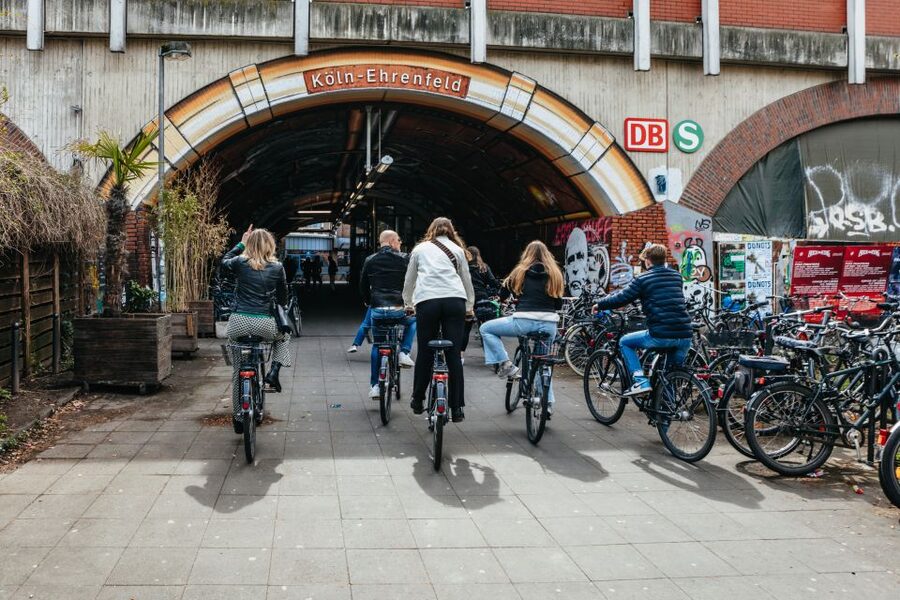
You’ll take a break at a popular local café, with time set aside for a pause and a bit of free time (about 20 minutes). Food and drinks aren’t included, so you’ll want to bring a little cash or be ready to pay at the café.
This break is valuable even if you’re not hungry. It resets your brain. Cycling keeps your attention sharp on movement and timing. A short stop lets you slow down and look at the street art from a more grounded perspective before you ride back toward the city core areas.
If you’re traveling with jet lag or you tend to get tired on long bike segments, this is also a good moment to regroup. You’ll be glad it exists once you start thinking about the final stretch.
Colonius TV Tower and Media Park: Modern Cologne After the Street Art
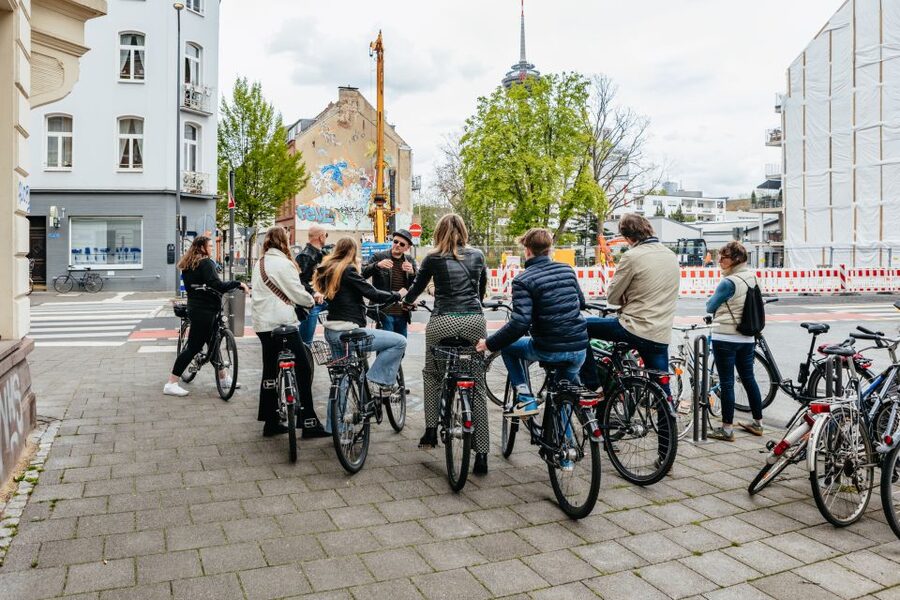
As you approach the end, the route includes photo stops and passes near Colonius TV Tower and Media Park Koln mbH. These aren’t street-art-only stops. They’re more like anchors—places that help you connect the street art scene you just saw with the city’s modern face.
I like this ending because it prevents the tour from feeling one-note. You finish with a broader sense of Cologne: contemporary media, architecture landmarks, and the idea that creative culture shows up in more than one format.
Also, these stops give you a final set of moments to snap photos and check your bearings before the tour wraps up.
What $50 Buys for 3 Hours: Value, Inclusions, and E-Bike Option
This tour runs about 3 hours and costs around $50 per person. For that, you get the practical stuff you’d otherwise need to arrange yourself: a bike rental (City Bike), a helmet, and a guide. You also get a rain poncho when necessary.
That’s the core value: you pay for the whole package, not just someone pointing at walls. Your guide is handling route design, tempo, and the art-reading explanations. And because you’re provided the bike, you don’t waste your day hunting for a rental shop, figuring out parking, or worrying if you picked the right gear.
There’s also an E-bike upgrade available on site. If you’re a bit unsure about your stamina or want the ride to feel easier, that option can be worth it—especially if you’re not used to cycling in urban traffic.
The main thing to keep in mind: food and drinks are not included. That’s normal for tours of this style, but it does mean you should budget for at least a small purchase during the café break.
Cycling Comfort: The One Thing You Need to Get Right
The tour is designed for people who can ride a bike comfortably. Your guide chooses the route based on traffic and group tempo, and regardless of the road choice, you should expect time on streets where cars exist.
So be honest with yourself. If you’re nervous around traffic, or you haven’t ridden a bike in a while, this is the risk point. The tour’s success depends on you feeling steady on the road.
On the other hand, if you’re comfortable cycling and you like being active without turning it into a workout day, you’ll probably find the pacing very manageable. Several guests highlight the guide leadership and group safety, which is exactly what you want on a city bike tour.
Who Should Book This Tour (and Who Might Skip It)
This is a great fit if you:
- want street art with context, not just photos
- like neighborhoods with character and daily life mixed in
- enjoy bike tours where the route matters as much as the artwork
It may be less ideal if you:
- want a fully traffic-free ride or lots of slow wandering
- expect museum-style explanations and indoor stops
- need food included, since the café break is on you
Also, consider your timing. The tour is 3 hours, so it’s a strong afternoon activity. It won’t eat your whole day, and it leaves room for you to explore afterward on foot or at your own pace.
Should You Book Cologne: Ehrenfeld Street Art Bike Tour
If you’re the type of traveler who likes discovering a city through what locals see every day, I’d say book it. For the money, you’re getting a guide, bike, helmet, and even weather cover. More importantly, you’re getting a route that puts you in front of art you’d likely miss on your own—especially the smaller, street-level works.
Before you go, make sure you can handle urban cycling and that you’re okay with a pace that moves from stop to stop. If that sounds like your kind of travel, you’ll come away with more than photos. You’ll have street art stories you can actually explain to friends.
FAQ
FAQ
How long is the Cologne Ehrenfeld street art bike tour?
The tour lasts 3 hours.
What is included in the price?
You get bike rental (City Bike), a guide, a helmet, and a rain poncho when necessary.
Are food and drinks included?
No. Food and drinks aren’t included. There is a break at a local café with free time.
What languages are the guides available in?
The live tour guide is available in English and German.
Can I choose a private tour instead of a shared group?
Yes. Private group cycling is available.
Is an e-bike upgrade offered?
An E-bike upgrade is available on site.