REVIEW · NARA
E-Bike Nara Highlights – Todaiji, Knives, Deer, Shrine
Book on GetYourGuide →Operated by Japan Tour Adventure · Bookable on GetYourGuide
Two wheels make Nara feel fast and friendly. You’ll glide through Nara Park, get up close to the deer, and hit the big spiritual landmarks like Tōdai-ji without spending the whole day on foot. It’s a tight, well-led loop that mixes nature, temples, and practical culture stops in just over three hours.
What I like most is the way the tour turns the famous deer encounter into something you can do calmly and correctly. The included deer cookies and a quick local lesson help you understand the do’s and don’ts before you get surrounded by snack-seeking deer.
My second favorite part is the stop built around Japanese cutlery—you get an introduction, then shopping help if you want to buy knives or a souvenir with context. One drawback to plan for: this isn’t a slow, stroll-only outing; you need to feel comfortable riding an E-bike at a steady pace.
In This Review
- Key takeaways before you ride
- Why an E-bike works so well in Nara Park
- Start near Kintetsu Nara: the smoothest way to begin
- Nara Park deer time: more than a photo moment
- Nandaimon Gate and Tōdai-ji: the big scale without the stress
- Mt. Wakakusa and the break at Kikuichimonjushirokan
- Kasuga Taisha’s lanterns: where the mood changes
- Japanese cutlery and the knife store: buy something only if it fits
- What the 210-minute pace feels like on the ground
- Who this tour is best for
- Price and value: what you’re paying for at $90
- Should you book the E-Bike Nara highlights tour?
- FAQ
- Where is the meeting point for the tour?
- How long is the E-bike tour?
- What’s included in the price?
- Is a helmet provided?
- Do I need to bring anything?
- What food or drinks are included?
- Are cancellations allowed, and is there a pay-later option?
Key takeaways before you ride
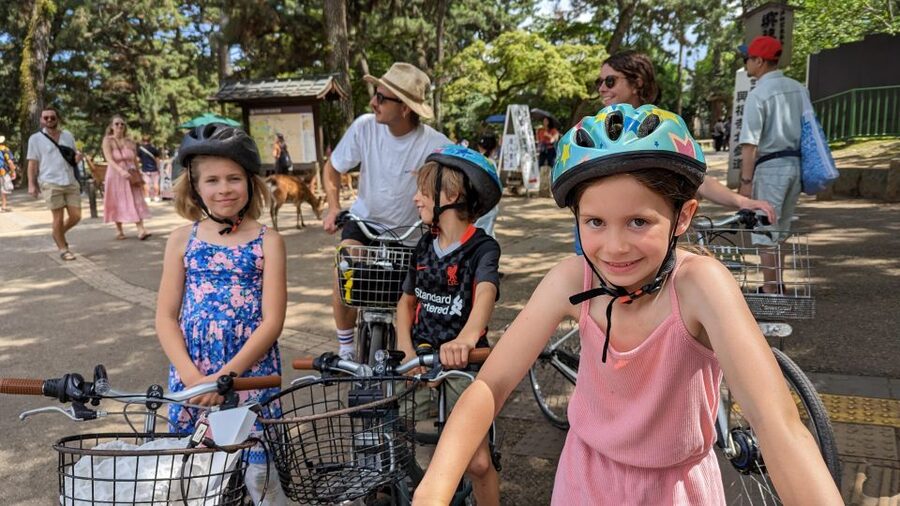
- E-bike coverage in 210 minutes: you’ll see a lot of the Nara Park area without burning your legs.
- Nandaimon Gate and Tōdai-ji entry: a guided orientation plus time to explore and shop around the temple area.
- Nara’s deer-feeding etiquette: you’ll learn the proper way to feed the deer before cookies fly.
- Kasuga Taisha’s lantern setting: time at the shrine where the atmosphere does the heavy lifting.
- Japanese cutlery intro + snack: a cultural stop that feels practical, not just a photo stop.
- Convenient start near Kintetsu Nara: meeting is only a short walk from the train station.
Why an E-bike works so well in Nara Park
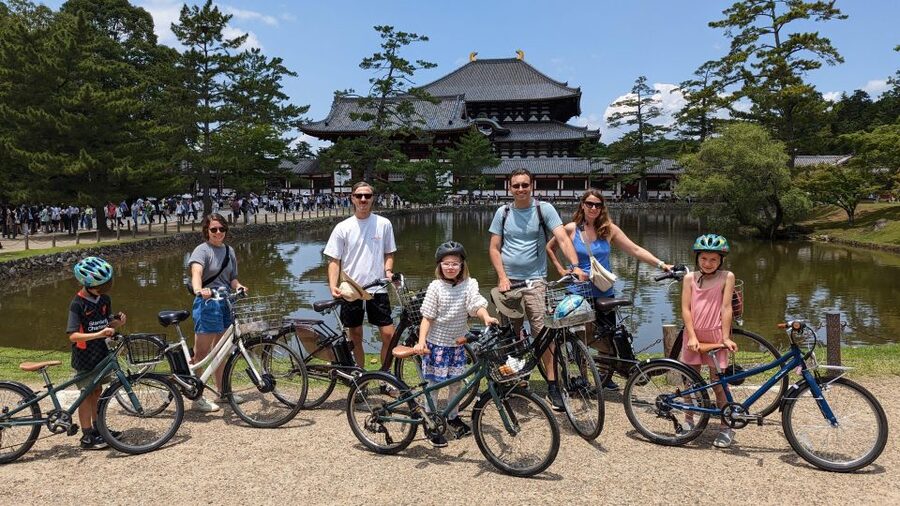
Nara is famous for deer, temples, and big walking routes. On a normal day, that can turn into long stretches of “We’re almost there… wait, where’s the path?” An E-bike fixes the rhythm. You keep moving, you still smell the trees and feel the open air, but you’re not stuck doing every uphill and every detour at walking speed.
This tour also does the smart thing: it uses the bike where it saves time and energy, then switches to short guided moments and breaks at the places that actually need your attention. The result is a day that feels organized without feeling boxed in.
If you’re the type who wants to experience both the postcard sights and the in-between areas, the biking format helps you connect the dots. You’ll see the Nara Park area as a connected place, not a list of separate stops.
You can also read our reviews of more tours and experiences in Nara.
Start near Kintetsu Nara: the smoothest way to begin
Meeting is close to transit, which matters a lot when you’re fitting Nara into a larger Japan plan. You meet your guide a few minutes’ walk from KINTETSU NARA Station (not JR Station), in front of Building LIFE 21, at the bike base. Aim to arrive 15 minutes early so you’re not dealing with last-minute helmet or paperwork delays.
The vibe here is efficient. Your guide is easy to spot in a JTA uniform (navy cap and red polo shirt), and the group setup is geared toward getting you rolling quickly. That’s a big part of the value of a 210-minute tour: you spend your time outside, not waiting around.
Also keep in mind the min-group rule. There’s a 2-guest minimum to run the session, so if you’re traveling solo, booking directly is fine—but there’s a chance of rescheduling or a full refund if that minimum isn’t met.
Nara Park deer time: more than a photo moment

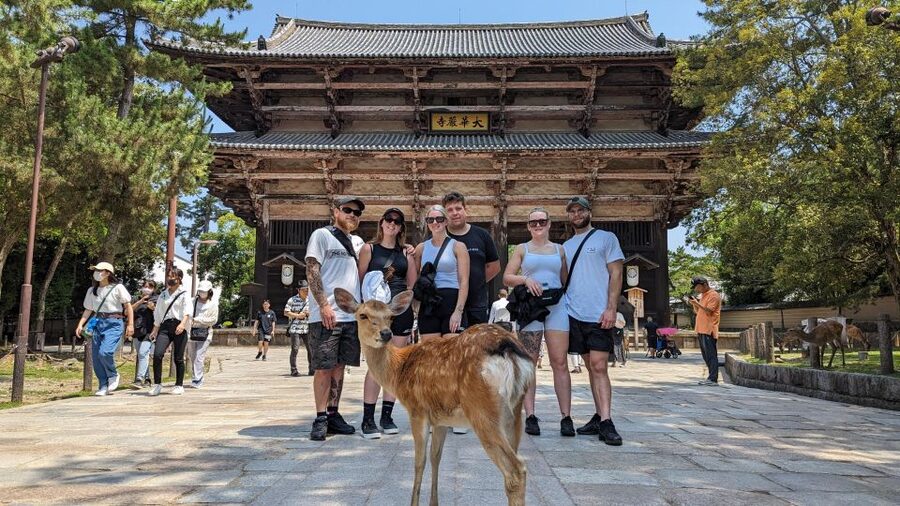
Nara deer are the headline, but the tour makes them feel manageable. You start with time in Nara Park and you’ll be taught how feeding works in the local way. The included cookies give you what you need, and the guidance helps you avoid the chaotic, grabby version of this encounter.
What you’ll notice right away is how the deer behave differently than you expect. They’re calm until they aren’t. The short instruction before you feed matters, because it sets expectations on spacing and timing. You also get a wildlife viewing moment on the route in and out of the park, so it doesn’t feel like you only see deer at one single stop.
And yes, the practical part is real: deer snacks aren’t a bottomless resource. Extra cookies aren’t included, so if you think you’ll want multiple rounds, bring that mindset. Enjoy the moment, then move on.
Nandaimon Gate and Tōdai-ji: the big scale without the stress
The day hits a major architectural stop with the Nandaimon Gate of Tōdaiji. You get a photo stop plus time with a guide, and then you transition into the Tōdai-ji temple experience. Having that guided orientation before you wander is huge. It helps you know what you’re looking at and why the place feels so imposing.
At Tōdai-ji, you’ll have time to explore on your own too—plus some freedom for shopping in the area. That balance is what makes this work for different travel styles. If you want structure, you get it. If you want to slow down and look, you can.
One more thing I appreciate about this kind of stop on an E-bike day: you’re not arriving exhausted. By the time you reach the temple, you’re ready to focus. That makes the photos better, but it also makes the spiritual space easier to experience without feeling rushed.
Mt. Wakakusa and the break at Kikuichimonjushirokan
After the temple highlights, the route shifts to scenery and a breather. You’ll pass by Mt. Wakakusa with a photo stop and views, plus another short wildlife viewing window. This is the “let your eyes rest” phase between major sights.
Then you’ll take a break at Kikuichimonjushirokanenaga honten. This isn’t just standing around. You’ll get a mix of photo time, guided visits, free time, and a chance to shop. There’s also a focus on local snacks and an arts-and-crafts market visit, which helps break up the day so it doesn’t feel like temples back-to-back.
If you’re traveling with kids or anyone who gets impatient waiting in lines, this kind of stop is a lifesaver. It keeps the tour moving while giving people time to stretch, snack, and reset.
Kasuga Taisha’s lanterns: where the mood changes
Your shrine moment lands at Kasuga Taisha, a highlight that feels very different from the temple energy. You’ll have time for sightseeing and walking here, plus wildlife viewing during the approach and around the area.
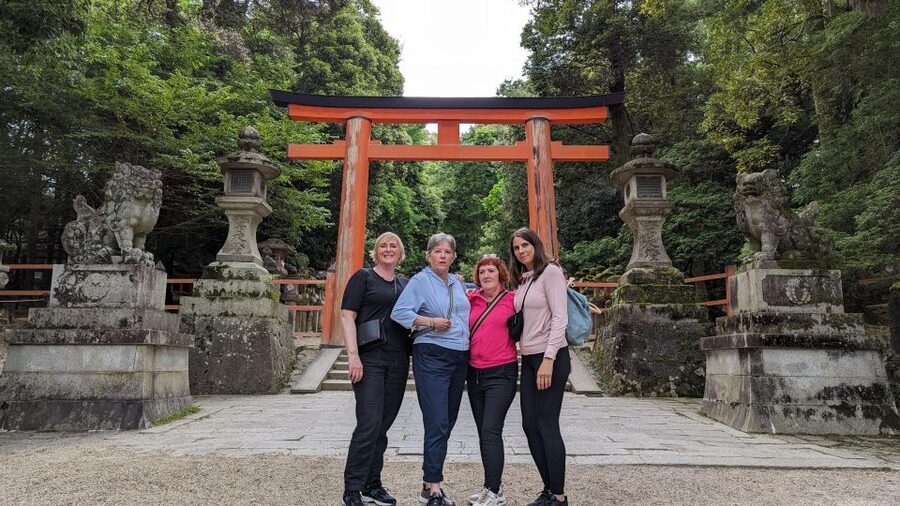
The signature draw is the lantern setting—thousand lanterns are part of the appeal for a reason. The atmosphere tends to feel more intimate and reflective compared with big-gate temple structures. Even if you don’t go deep into the religious details, the place communicates a mood: stillness, ritual, and age.
This is also where your timing matters. The tour builds in a rhythm: ride, stop, walk, then ride again. By the time you reach Kasuga Taisha, you’re less likely to feel “templed out,” because the day has alternated between walking sites and softer breaks.
On the ride segments, you’ll also pass by Ukimido for a photo stop and walk-by scenic moment. It’s a smaller stop, but it adds variety so the day doesn’t feel repetitive.
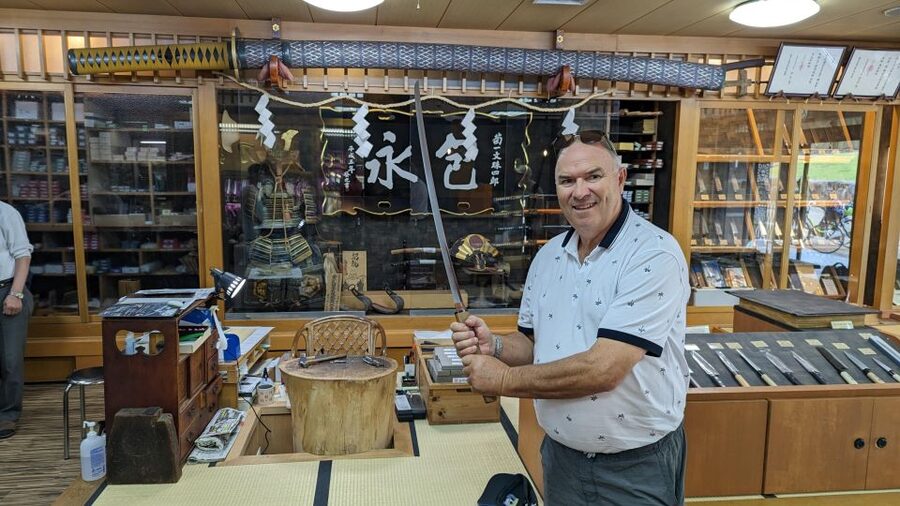
Japanese cutlery and the knife store: buy something only if it fits
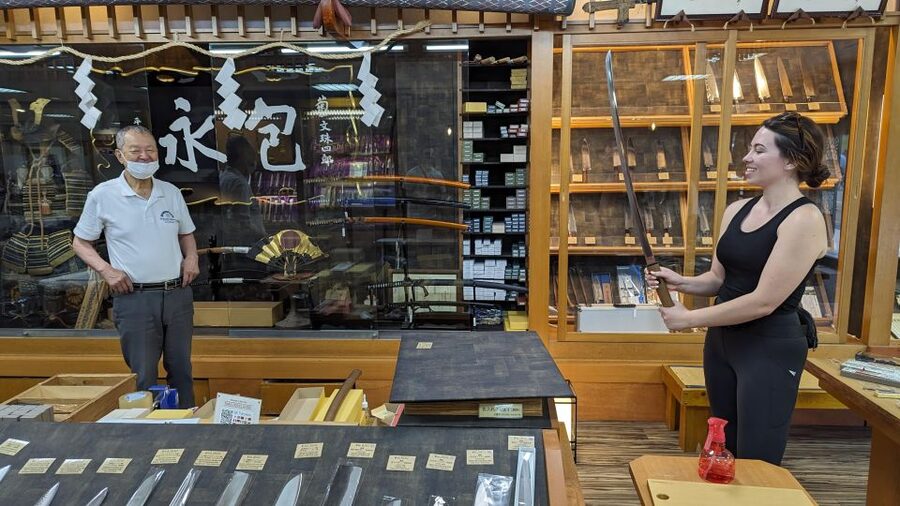
This tour includes an introduction to Japanese cutlery, and that’s where your cultural takeaway becomes real. The idea isn’t only to explain tools; it’s to show why Japanese knives have a reputation and what you’re buying when you purchase something.
After the intro, you’ll get shopping assistance for knife or souvenirs if needed. That’s a practical help point. If you want to buy, you have guidance on what might make sense as a gift or as a personal upgrade. If you don’t want to buy, you can treat it as a background culture lesson and keep moving during free time.
There’s a clear “you may end up buying” pattern in the tour’s reviews and descriptions, and I get it. The knife shop experience can feel meaningful when it comes with context instead of just a sales pitch. Still, it’s optional shopping assistance, not mandatory purchasing—so go with your own budget and comfort level.
One included snack—Kanoko—also shows up at the cutlery-focused break. It’s a small detail, but it makes the cultural stops feel less like school and more like a lived experience.
What the 210-minute pace feels like on the ground
The total time is 210 minutes, so you’re moving through Nara with short stops and a focused schedule. You’ll have guided segments plus free time, but it’s not a “wander all day” setup. The biking portions are substantial enough that you’ll feel the momentum.
This is great if you’re trying to beat crowds and save energy. Many people choose the morning slots for that reason, and it’s easy to see why: you can get the emotional high points of deer and lanterns without the late-day crush.
It’s not great if you want a very slow, casual ride with frequent long breaks. One consideration worth taking seriously: your E-bike day may feel at a forward pace, and the biking requires active attention. You don’t have to be an athlete, but you do need to ride confidently enough to stay with the group.
Also note a logistics detail that affects your comfort: helmets are available if requested (within availability). So if you want one, plan to ask at the start.
Who this tour is best for
This tour is a strong match if you:
- Want Nara Park + major temples + lantern shrine in one compact afternoon or morning
- Prefer biking to walking when you’re juggling limited time in Japan
- Like cultural context, especially with the Japanese cutlery stop
- Want a guide who handles navigation and timing so you can focus on the sights
It’s less ideal if you:
- Don’t like riding bikes or aren’t comfortable staying in motion
- Want a super slow, leisurely tour where you control every minute
- Would rather skip shopping-oriented stops entirely
The guide experience can also vary by date, and names like Chris, Christian, Remi, Robert, Melody, Jean-Yves, Elodie, Christoph, and Mattheus appear in the tour’s guide lineup. That’s a good sign for consistency, because you’re getting real people leading you with real explanations—not a one-size-fits-all script.
Price and value: what you’re paying for at $90
At $90 per person, the value comes from what’s bundled rather than from what you might buy. You get E-bike rental, a helmet if requested, Todaiji entrance fees, deer cookies, a Japanese cutlery introduction, and a Kanoko snack per person. You also get shopping assistance if you want a knife or souvenir.
That matters because those are exactly the costs that add up when you DIY. With a guided format, you also get the timing and route choices that let you cover both the headline sights and the smaller scenic moments like Mt. Wakakusa and Ukimido.
What’s not included is also important for budgeting: extra deer cookies, extra food and drinks, and tips for the guide (not mandatory, but always appreciated). Bicycle insurance is excluded too, and the tour notes that you should be able to ride properly when booking—so treat that as part of the cost-of-admission to enjoy the day.
Should you book the E-Bike Nara highlights tour?
I’d book it if you want the most efficient, story-rich way to see Nara without turning your day into a shuffle of lines and long walks. The combination of Nara Park deer etiquette, the major Tōdai-ji visit, the lantern setting at Kasuga Taisha, and the cutlery stop gives you more than one kind of memory.
Skip it if you want slow pacing, don’t ride bikes well, or would be unhappy with a shop stop that comes with shopping help. And if you’re sensitive about bike comfort, check your ride at the start and speak up right away if anything feels off.
If your goal is a focused morning or afternoon that hits the essentials with helpful guidance, this tour is a solid choice.
FAQ
Where is the meeting point for the tour?
You meet your guide near KINTETSU NARA Station (not JR Station), in front of Building LIFE 21, at the bike base. Your guide will be wearing the JTA uniform.
How long is the E-bike tour?
The duration is 210 minutes.
What’s included in the price?
The tour includes the E-bike rental, deer cookies (at Nara Park), Todaiji Temple entrance fees, an introduction to Japanese cutlery, one Japanese snack called Kanoko per guest, and bilingual guidance (English and French, sometimes more). There is also shopping assistance for knives/souvenirs if needed.
Is a helmet provided?
Helmets are available if requested, within availability.
Do I need to bring anything?
You should bring comfortable shoes and clothes, cash, and a passport.
What food or drinks are included?
One Japanese snack (Kanoko) is included. Extra food and drinks are not included.
Are cancellations allowed, and is there a pay-later option?
Yes. You can cancel up to 24 hours in advance for a full refund. You can reserve now and pay later.