REVIEW · NARA
Nara – Heart of Nature Cross Bike Tour
Book on Viator →Operated by Japan Tour Adventure · Bookable on Viator
Nara feels different when you leave the main roads behind. This small-group bike tour (max 10) sends you into forest temples, past an old knife maker, and up to Wakakusayama for a city view. I like that bike gear and water refills are covered, so you can focus on the sights instead of logistics.
One thing to consider: you will pedal up hills with a no e-bike expectation, so plan for some real effort.
In This Review
- Key Highlights You’ll Care About
- Nara by Bike: A Forest-First Way to See the Best Views
- Price and Value: What $275.89 Buys You
- Small-Group Comfort: Up to 10 People Makes a Difference
- Your Route Through Nara’s Nature and History
- Stop-by-Stop: Temples, Forest Ruins, Waterfalls, and a Final Pond
- Nigatsu-do Temple: Ritual Water and a Balcony View
- A Traditional Knife Shop With a 750-Year Line
- Wakakusayama Hill: The City View Reward
- Kyofukuji in the Forest: When Nature Takes Back the Stones
- Uguisu Waterfall and the Preserved Bridge
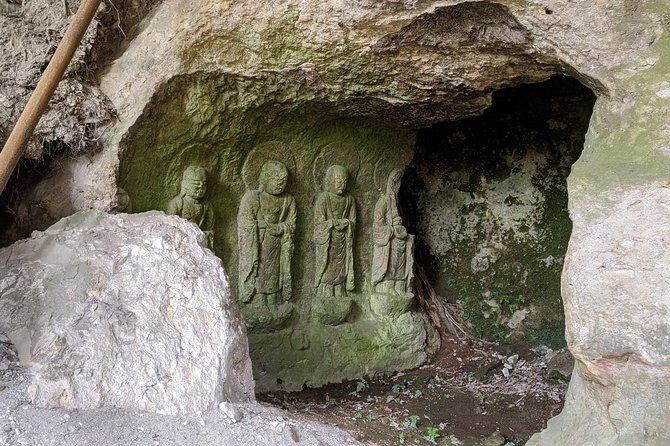
- Mt. Kasuga Sekkutsubutsu: Hidden Stone Buddhas
- Sagi Pond: A Calm Ending Away From the Main Spots
- Fitness Reality Check: Hybrid Bikes, Hills, and Timing
- Crafts That Feel Like Culture, Not a Shopping Break
- Comfort, Photos, and Small Logistics That Matter
- Who Should Book This Nara Bike Tour (and Who Should Skip It)
- Should You Book Nara Heart of Nature Cross Bike Tour?
- FAQ
- How long is the Nara Heart of Nature Cross Bike Tour?
- What’s the group size?
- What does the price include?
- Is lunch included?
- Are water refills available during the tour?
- Do I need to bring my own helmet?
- Do you offer e-bikes?
- Where does the tour start?
- Is it suitable for children?
- What happens if the weather is bad or the tour is canceled?
Key Highlights You’ll Care About
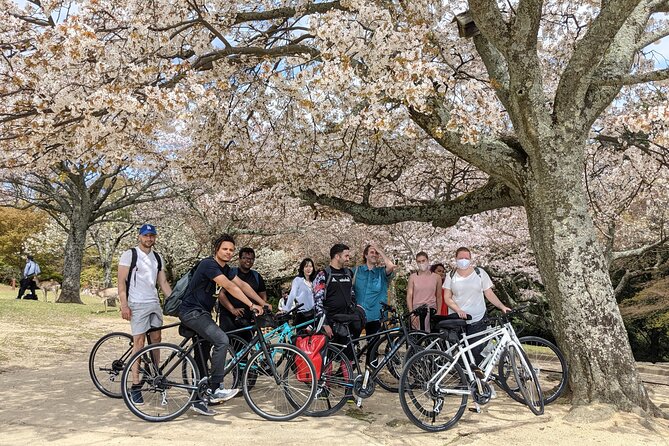
- Max 10 people: a calmer pace than big tour groups.
- All bike gear included: helmet and cycling sunglasses included.
- Water refill, plus paper cups: bring a bottle if you want, but refills are handled.
- Craft stops that feel hands-on: calligraphy and a long-running knife shop.
- Forest sights with photo payoff: waterfall bridge, stone Buddhas, and Wakakusayama views.
- 5 to 6 hours: active, but not an all-day ordeal.
Nara by Bike: A Forest-First Way to See the Best Views
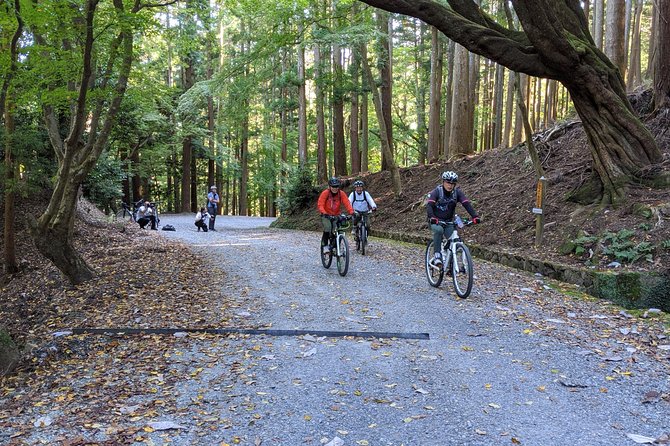
This is the kind of Nara day that starts with real motion. You’re not just hopping between famous spots. You ride out of the crowd pattern and spend the middle of your trip in wooded areas, where the air feels cooler and the sounds change fast—more birds, fewer tour voices.
What I like most is the mix of big-view moments and quiet forest corners. You get a high vantage point from Wakakusayama, then you drop back down into places that feel older and more forgotten—like a long-forgotten temple reclaiming the forest. It’s a clean way to understand Nara: the city has monumental history, but the surroundings shape it every day.
The tone is also active. Even when you’re standing still for photos, you’re usually surrounded by something physical: stairs, bridges, stone carvings, or the climb to the next hill.
You can also read our reviews of more tours and experiences in Nara.
Price and Value: What $275.89 Buys You
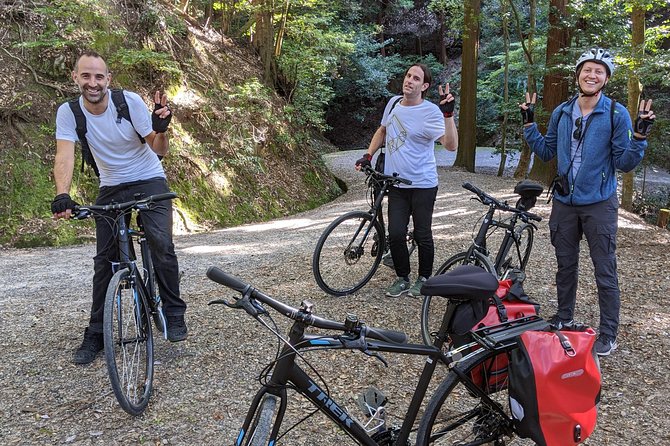
At $275.89 per person, this isn’t a budget snack-run. But it’s priced like an all-in guided outing with real extras, not just a rental bike.
Here’s the value math that matters:
- Bike and gear included: you don’t have to rent or scramble for a helmet.
- Helmet + cycling sunglasses are provided, which is a nice quality-of-life detail in bright Japan.
- Water refills included, with paper cups to keep plastic waste down.
- Fees and taxes included, including free entry tickets for the listed stops.
- Bilingual local guide throughout, plus hands-on craft context at the calligraphy and knife shop stop.
The trip length—about 5 to 6 hours starting at 10:00 am—also affects value. You’re spending most of the day moving and stopping at meaningful places, not just waiting around.
The one cost-related tradeoff: lunch is not included. For safety and food needs, you’ll bring your own lunch, and you can stop at a convenience store before leaving the city if you need something.
Small-Group Comfort: Up to 10 People Makes a Difference
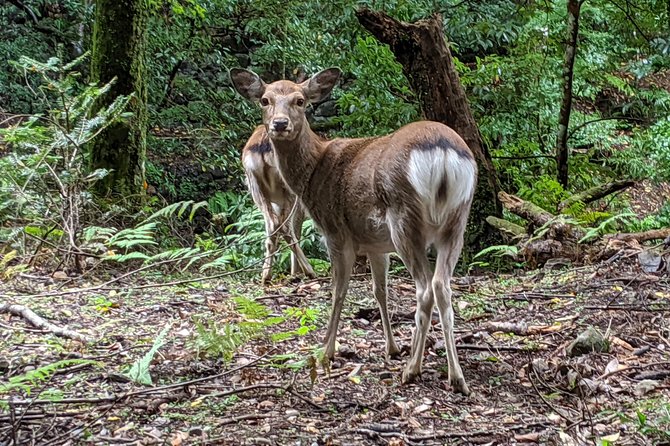
A maximum group size of 10 is a big deal for bike tours in any country. It tends to create a smoother ride line, more room to regroup, and more personalized pacing when the route turns hilly or quiet spots require tighter navigation.
Your guide is bilingual, and that helps when you’re standing in places where the meaning is in the details: ritual water at a temple, how calligraphy links to identity through seals, and why stone statues tucked into the forest still matter.
From the review comments, you’ll also want to know that guides like Elodie and Rémi are described as personable, encouraging, and good at pacing—especially if you’re not trying to race up every rise.
If you like structure but not crowd-control, this group size fits.
Your Route Through Nara’s Nature and History
This tour is built around a theme: Nara’s famous temples are only half the story. The other half is what the forest and hills do to the experience—how they hide old sites, create calm in the middle of the city, and frame views.
You start near Todaiji in the area, and the stops follow a logic:
1) begin at a temple with ritual meaning and strong sightlines,
2) connect to Japanese crafts through calligraphy and knives,
3) climb to Wakakusayama for the big city photo,
4) move deeper into forest architecture and statues,
5) finish with a peaceful water setting near Nara Park.
Even if you’re short on time in Nara, this structure gives you a sense of place rather than a pile of unrelated photos.
Stop-by-Stop: Temples, Forest Ruins, Waterfalls, and a Final Pond
Nigatsu-do Temple: Ritual Water and a Balcony View
You’ll stop at Nigatsu-do Temple near Todaiji for about 20 minutes. The highlight here is the ritual of water celebrated once a year. It’s not just sightseeing; it’s a reminder that these spaces are used and renewed through tradition.
You also get access to the main balcony area for views over the Todaiji zone. That view is a quick “orientation moment” for your brain: you see the monument cluster in context before the ride pushes you toward quieter woodland.
A nice bonus is the calligraphy connection—at this kind of stop, you get to add something personal to the experience through a guide-led interaction with a calligraphy expert and a seal.
A Traditional Knife Shop With a 750-Year Line
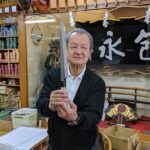
Next is the craft-and-history stop connected with Kikuichi Monju Shiro Kanenaga. You’ll learn how calligraphy and knives tie into Japanese craft culture, then visit a traditional knife shop with a reported 750 years of history.
One of the practical thrills here is trying the blade on paper if you choose. It’s not just a showroom. It’s a chance to understand why the tools mattered enough to be passed down for centuries.
This is also where the tour feels most “local.” The craft is not a souvenir trap. It’s a working tradition explained at human scale.
Wakakusayama Hill: The City View Reward
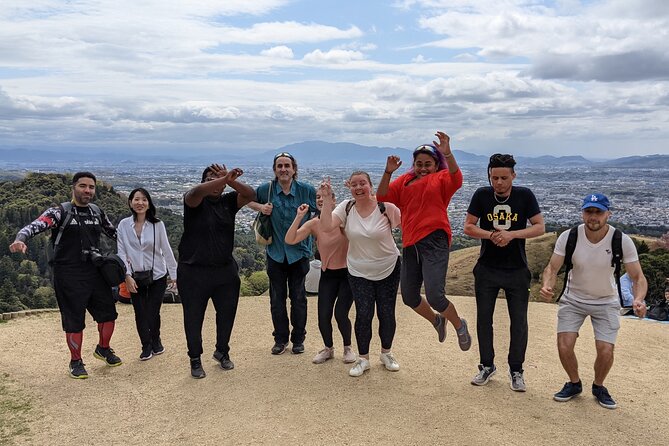
Then you ride up to Wakakusayama Hill. The stop is shorter—around 15 minutes—but it’s designed as your payoff moment. From the top, you get a strong overlook over Nara, with a photo spot that feels like a proper reward for the climbing.
Snack and water refill are provided when you reach the top, which helps you keep energy up without hunting for food mid-ride. If you’re the type who gets cranky when you skip calories, this matters.
Kyofukuji in the Forest: When Nature Takes Back the Stones
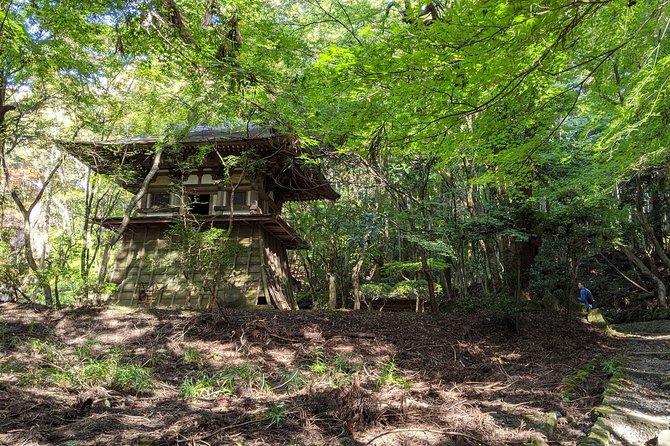
Next you head to a long-forgotten temple called Kyofukuji, described as located in the middle of the forest. This stop is about 15 minutes.
The point here is the blend: Buddhist architecture alongside the forest’s return. It’s the kind of place where the details slow you down. You start noticing textures—stone edges softened by time, the way the path threads through trees, and how the site feels quieter than the main Nara circuit.
Uguisu Waterfall and the Preserved Bridge
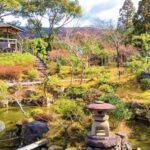
You’ll walk a few minutes to reach Uguisu Waterfall, plus an old and preserved bridge in the forest. This stop is another 15-minute window.
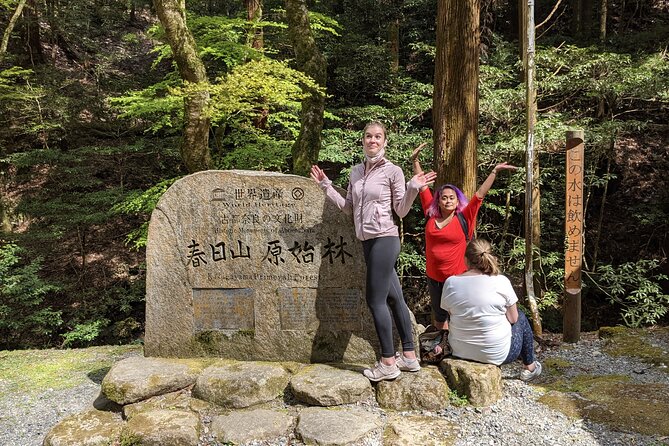
The bridge adds a classic Japan-photo shape, but the real value is the setting. You’re not just looking at water; you’re moving through forest space to reach it. The guide also asks you to mind wildlife, which is good reminder for forest etiquette.
If you like scenes where nature feels protected rather than commercial, this works.
Mt. Kasuga Sekkutsubutsu: Hidden Stone Buddhas
After the waterfall, you head toward Mt. Kasuga Sekkutsubutsu in the forest of Kasugayama. This one is also around 15 minutes.
The focus is on stone Buddhas carved into the forest area—remains of an old Buddhist community that are now protected. The wording matters: these aren’t random statues placed for foot traffic. They’re preserved remains, and you only see them if you’re willing to walk a bit (or ride until it becomes a walking segment).
This stop is a quiet one. It doesn’t shout. It rewards attention.
Sagi Pond: A Calm Ending Away From the Main Spots
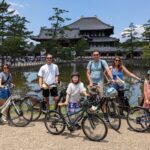
The ride finishes at Sagi Pond, south of Nara Park and described as just away from the main touristic spots. This last stop is about 15 minutes, ideal for a final photo and a peaceful close.
It also helps that it’s a gentler landing compared to climbing. You end with a smile moment rather than a legs-burning finale.
Fitness Reality Check: Hybrid Bikes, Hills, and Timing
This is an active ride. You should have a strong physical fitness level. The route includes hills, and the group experience depends on everyone handling them at a safe pace.
From the review notes, the bikes are described as hybrid bikes, not mountain bikes or easy cruising rigs. That’s usually a good compromise—stable enough for hills, comfortable enough for longer city-to-forest stretches.
The biggest consideration: there is no e-bike option. So if you’re hoping for a motor-assisted version to take the sting out of climbing, you’ll want to plan for huffing and puffing.
The upside is that the tour includes frequent orientation stops where you pause, drink, and reset—so the effort feels purposeful rather than exhausting.
Practical advice for you: wear breathable clothing, bring a water bottle if you like extra sipping between refill moments, and be mentally ready for a few stretches where you’ll feel your legs.
Crafts That Feel Like Culture, Not a Shopping Break
Two stops are designed to connect you to Nara through craft.
First, calligraphy shows up early and again through the seal experience. Instead of vague history talk, you’re interacting with a local expert and learning through doing. That turns the temples from background scenery into part of a living culture.
Second, the knife shop brings in a craft tradition with a long timeline (750 years noted), and the chance to test the blade on paper gives you a tactile memory, not just a story.
This combination is valuable because Nara isn’t only monuments. It’s also hands, tools, materials, and techniques passed down through generations.
If you care about Japanese culture beyond architecture, these two stops are the reason this tour earns its price.
Comfort, Photos, and Small Logistics That Matter
A few details make the day easier:
- Water refills are available, and the guide provides paper cups for a lower-plastic approach. You can still bring your own bottle if you prefer.
- Bike gear is included, including helmet and cycling sunglasses. That’s one less thing to carry and worry about.
- No lunch included, so plan to eat you-know-when. If you need anything, there’s a chance to stop at a convenience store before leaving the city.
For photos, plan for two different styles of images:
1) big sky and city shots from Wakakusayama,
2) quieter framed forest views at the waterfall, temple ruins, and stone statue areas.
In terms of timing, you start at 10:00 am and you’re out about 5 to 6 hours. That’s enough daylight for clear shots, but you’ll still want to keep an eye on energy so you don’t feel rushed at the view spots.
Who Should Book This Nara Bike Tour (and Who Should Skip It)
You’ll love this tour if:
- you want nature + history in one ride,
- you like small groups and a guided pace,
- you want included gear and water without juggling rentals,
- you’re interested in crafts like calligraphy and traditional knife making.
You might want to choose a different option if:
- you’re not comfortable with hills or you’re expecting an e-bike,
- you’re traveling with a child under 14 (it’s not recommended; you’d need to contact the operator for special requests).
This tour also fits solo travelers because single bookings are possible, with the note that there’s a two guests minimum rule that can lead to cancellation if the minimum isn’t met.
Should You Book Nara Heart of Nature Cross Bike Tour?
I’d book it if your goal is a Nara day that feels active, guided, and meaningfully different from the standard temple checklist. The combination of forest sites, a big view from Wakakusayama, and hands-on craft stops at the calligraphy and knife shop is a strong match for people who like more than photos—they want context.
If you’re ready to pedal through hills with a hybrid bike and you can bring your own lunch, this feels like good value for what’s included: gear, water, guides, and access.
If you want low-effort sightseeing or you’re very sensitive to physical exertion, skip or ask about alternatives before committing.
FAQ
How long is the Nara Heart of Nature Cross Bike Tour?
It runs about 5 to 6 hours total.
What’s the group size?
The tour maximum is 10 travelers.
What does the price include?
Bike use, bike gear (helmet and cycling sunglasses), bottled water with refill options, all fees and taxes, and a bilingual local guide.
Is lunch included?
No. Lunch is not included for safety reasons, diet, and allergies. You should bring your own lunch, and you can stop by a convenience store before leaving the city if needed.
Are water refills available during the tour?
Yes. Water refills are available, and the guide provides paper cups as you go for zero plastic waste.
Do I need to bring my own helmet?
No. Helmets are included as part of the bike gear.
Do you offer e-bikes?
The tour does not include an e-bike option, so plan on pedaling, especially on hills.
Where does the tour start?
It starts at Japan Tour Adventure in Nara, 297-9 Furuichichō, Nara, 630-8424, Japan.
Is it suitable for children?
It is not recommended for children under 14. You should contact the operator for specific requests.
What happens if the weather is bad or the tour is canceled?
The experience requires good weather. If it’s canceled due to poor weather, you’ll be offered a different date or a full refund. It can also be canceled if the minimum number of travelers isn’t met, with a similar choice or refund.