REVIEW · NARA
Nara: Bike Tour in Ancient Capital UNESCO World Heritage
Book on GetYourGuide →Operated by Heijo-Kyo Bike Tour · Bookable on GetYourGuide
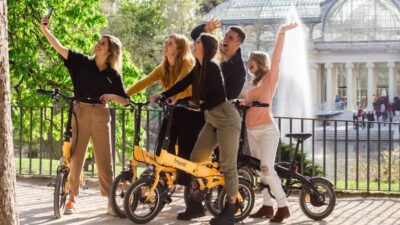
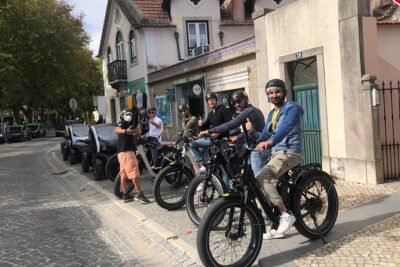
If you want Nara without the deer swarm, this helps. This Heijo Palace bike tour takes you through key Nara-period landmarks with a national government licensed guide, plus smooth photo stops along the way. I especially like how the stops connect into one story instead of feeling like random sights.
Two things I like a lot are the calm ride through the palace grounds and the chance to wear Tenpyo (Nara period) clothing for memorable photos. The guide I’m hearing most about, Kay, consistently brings the history to life in plain language, with real patience for all ages, including kids.
One possible drawback: some parts are reconstructed buildings and there are also excavation viewing areas. If you’re not into archaeology or court-history details, the full 2 hours may feel a bit long when the weather turns hot.
In This Review
- Key things I’d prioritize on this tour
- Why bike the Heijo Palace UNESCO site instead of walking
- Meet at Miharashi-Kan in Suzaku-Mon Square: start points matter
- Suzakumon Gate: the main entrance that sets the whole map
- To-in Teien Japanese Garden: where palace design meets scenery
- The Nara Palace site museum and excavation hall: seeing history in place
- Hishiage Ancient Tomb: grave goods and the weight of the era
- Daiichiji Daigokuden and Nammon (South Gate): palace power in view
- Mizukami Pond loop: the calm ride break you’ll remember
- Heijo Palace Site Museum: the oldest displays help you read the complex
- Tenpyo costume experience: the fun photo part with real context
- Pace, group size, and what that means for your comfort
- Price and value: $22 buys more than bike rental
- Who this tour suits best (and who should skip it)
- Should you book the Heijo-Kyo Bike Tour?
- FAQ
- Where do I meet for the bike tour?
- How long is the tour?
- What’s included in the price?
- What should I budget for that is not included?
- What languages is the guide available in?
- How many people are in the group?
- What if it rains or severe weather happens?
- Is the tour suitable for everyone?
Key things I’d prioritize on this tour
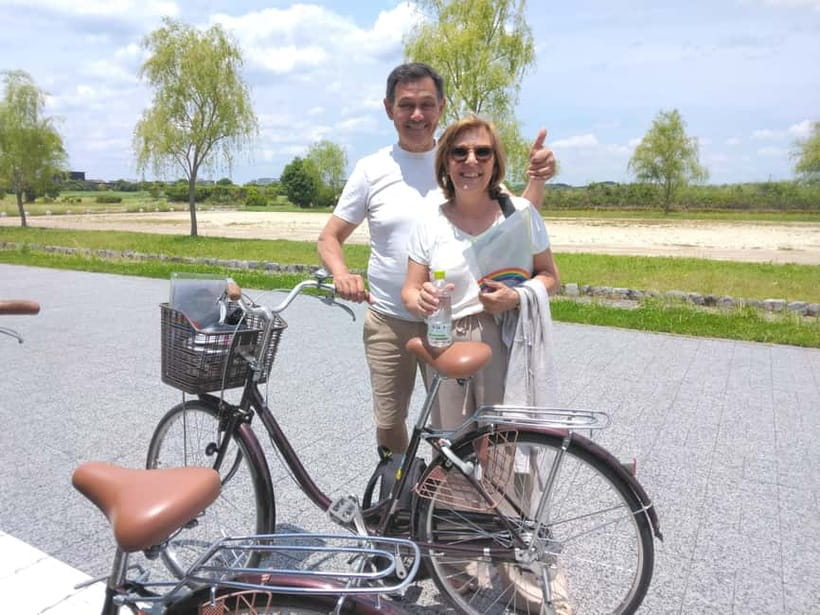
- Licensed guide with English (and Japanese) to connect what you’re seeing to Nara-period life
- Suzakumon Gate photo stop at the main entrance of Heijo Palace
- To-in Teien Japanese Garden viewpoints tied to state guest house layouts
- Excavation Site Exhibition Hall where you can see remains preserved as found
- Hishiage Ancient Tomb and grave goods that make the past feel tangible
- Tenpyo costume experience for photos you’ll actually want to print
Why bike the Heijo Palace UNESCO site instead of walking
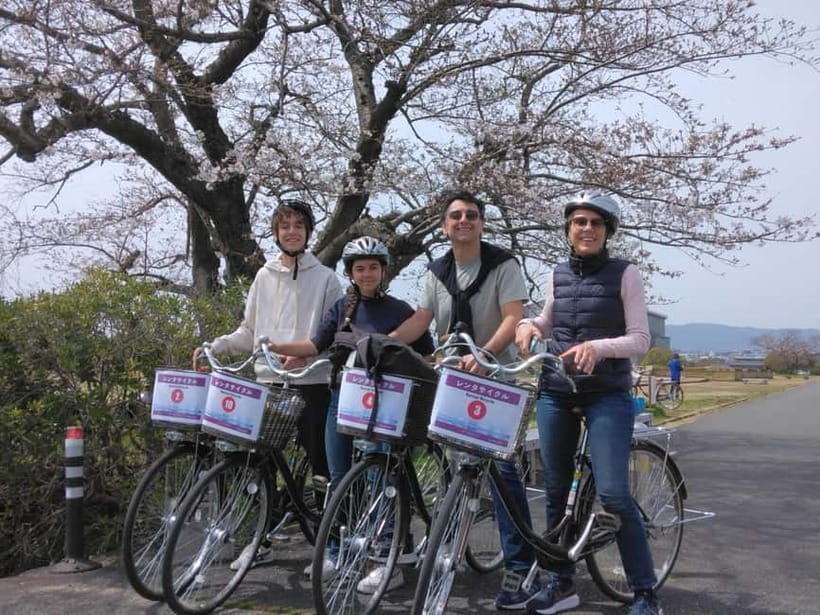
Nara’s big-name sights can pull you into crowds fast. This tour shifts your day to the bigger UNESCO complex at Heijo-kyo, where the scale of the ancient capital really lands. Cycling helps, because the palace grounds are spread out and you get more context without feeling rushed.
The real value is the way the guide frames the area. The tour isn’t only about where things are. You’ll get why Suzaku Gate mattered, how garden design worked in a palace setting, and why excavation displays are worth slowing down for.
And yes, it’s also a fun way to take photos. You’re stopping often, but you’re not stuck standing in the same place long enough to get bored.
You can also read our reviews of more tours and experiences in Nara.
Meet at Miharashi-Kan in Suzaku-Mon Square: start points matter
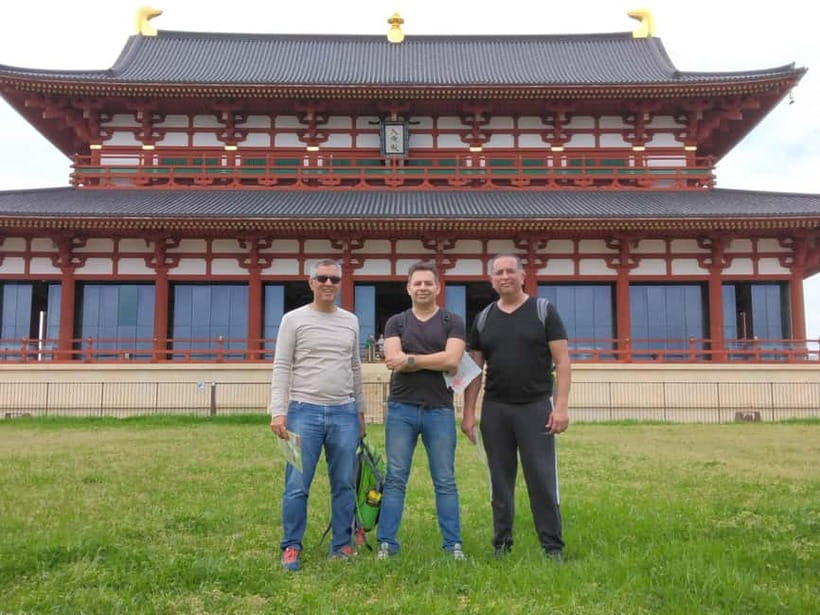
You’ll meet at the rental bike reception counter at Miharashi-Kan in Suzaku-Mon Square (coordinates: 34.68628944048124, 135.7926401146025). Plan to arrive about 10 minutes early, because this is one of those tours where missing the start is a problem you can’t fix on the fly.
Getting there is straightforward from major Nara stations. For example:
- From Kintetsu Nara Station, it’s about 16 minutes by Nara Kotsu bus to Suzakumon-hiroba-mae, then a short 5-minute walk.
- From JR Nara Station (West Exit), it’s about 10 minutes to the same bus stop plus a 5-minute walk.
- If you prefer walking, it’s listed as about 20 minutes from Kintetsu Yamato-Saidaiji Station (South Exit) or around 20 minutes from Shin-Omiya Station.
Bikes include helmets, and admission is included too. What’s not included is food and drinks, bike insurance, and hotel pickup, so plan to bring water if you need it.
Suzakumon Gate: the main entrance that sets the whole map
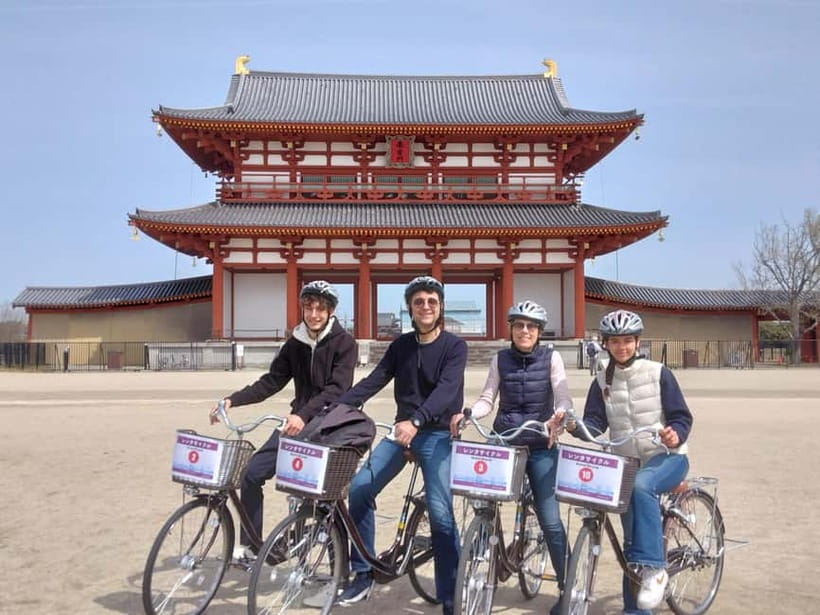
The tour starts with a Suzakumon Gate stop. This is the main entrance gate of Heijo Palace, so it’s a smart first anchor. From here, you can picture the layout of the ancient capital rather than guessing later.
You’ll get a guided visit and time for photos. Even if you’re not deep into architecture, this stop helps you read the rest of the site like it’s a planned city.
A practical note: the gate area is a photo magnet. If you like sharp photos, aim to stop quickly when your guide points out the best angles, then let the group move so you don’t lose momentum.
To-in Teien Japanese Garden: where palace design meets scenery
Next up is To-in Teien Garden, a palace garden associated with the east palace area. You’ll learn that Japanese garden design took root here, but you’ll also see the practical side: how bridges, buildings, and rocks were arranged for how guests would move through and view the space.
This is one of those stops that feels relaxing even while it’s educational. The garden setting makes the Nara-period story easier to picture. The guide’s commentary helps you see details you might otherwise walk past.
If you enjoy peaceful, scenic breaks between museums and historic structures, you’ll probably appreciate this one as a mental reset.
The Nara Palace site museum and excavation hall: seeing history in place
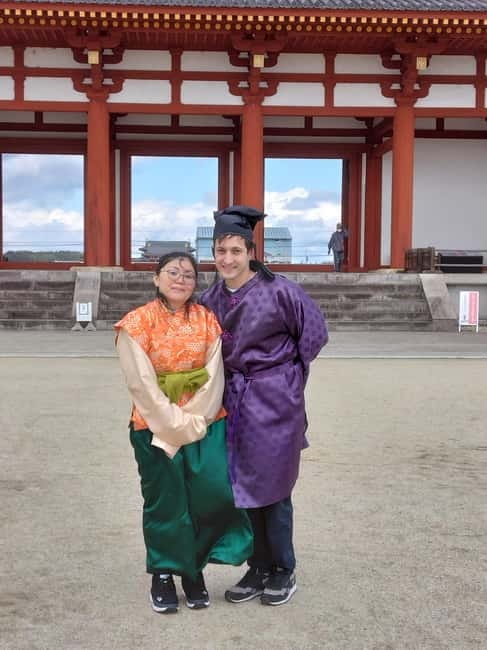
One of the strongest parts of the route is the Excavation Site Exhibition Hall. The key detail is that remains are preserved and displayed in the same state as they were discovered. That’s a big deal because it changes how you think about ruins. Instead of guessing what’s missing, you’re looking at evidence that tells you what was found where.
You’ll also visit the palace-site museum portion (Heijō Palace site areas include museum displays with ancient tiles, wooden tablets, and models). This is where the tour earns its place for history lovers, because you’re not just seeing structures—you’re seeing artifacts and reconstructions of what used to be there.
A small caution: if you were hoping for fully intact buildings, you may find this type of site more about interpretation than wow-factor visuals. But for archaeology-minded travelers, it’s often the highlight.
Hishiage Ancient Tomb: grave goods and the weight of the era
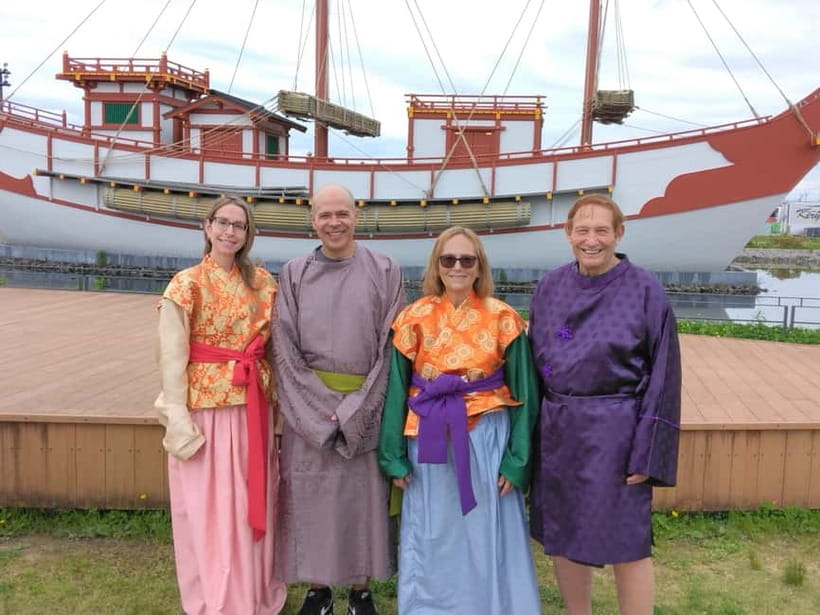
The stop at Hishiage Ancient Tomb shifts the focus to burial practices and what was placed with the dead. You’ll admire the ancient tomb and its grave goods, which adds a different layer to Nara-period history.
This is also a good reminder that UNESCO sites aren’t just about politics and big gates. They connect to ritual, status, and what people believed would matter after life.
If you’re traveling with kids, this stop can be a great moment for questions. The guide can usually connect the meaning of grave goods to everyday human curiosity: who, why, and what people thought would last.
Daiichiji Daigokuden and Nammon (South Gate): palace power in view
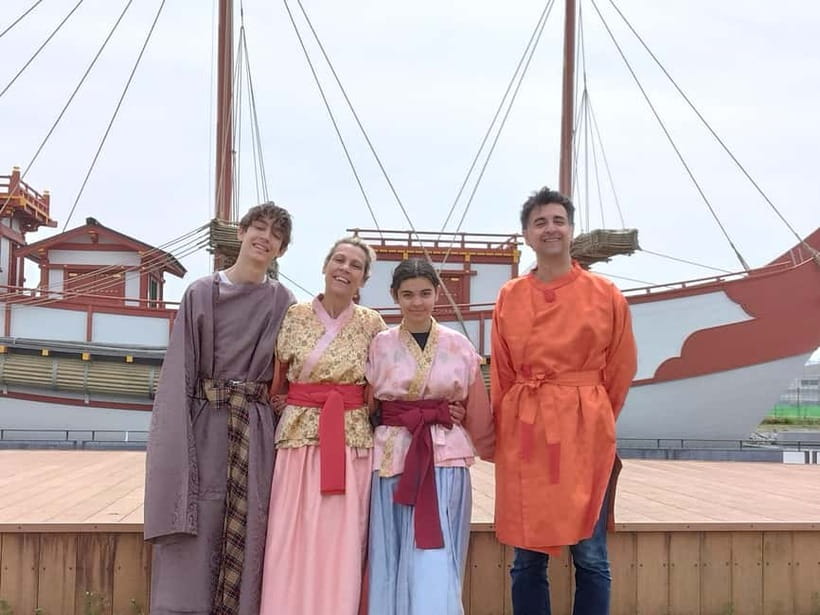
Then you’ll move through the major palace-zone buildings, including:
- Daiichiji Daigokuden (the audience hall area used for special ceremonies)
- Nammon (South Gate), tied to the same court complex
These are photo-friendly points, but the best part is hearing how the spaces worked. Reconstruction can look neat from a distance, yet the guide’s explanation turns it into something more useful: a sense of ceremony, hierarchy, and how the palace functioned.
One thing to keep expectations realistic: some elements are reconstructed. That doesn’t make them worthless. It just means the value is in understanding the design and the role the buildings played, not in seeing a perfectly preserved original.
Mizukami Pond loop: the calm ride break you’ll remember
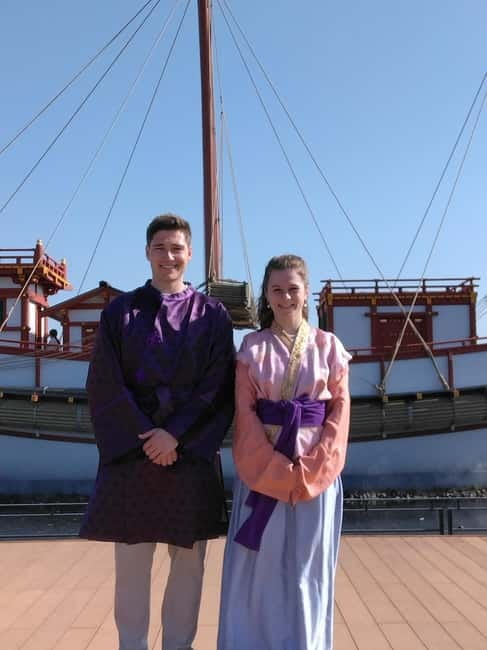
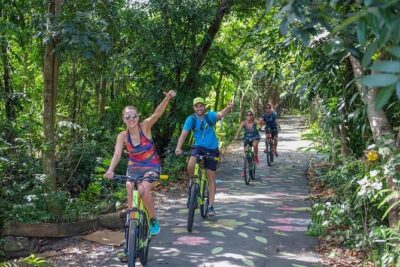
Part of what makes this tour feel different is the pace. You’ll bike around the Mizukami Pond area, catching a breeze, hearing birds, and spotting ducks and turtles. That peaceful pocket of nature is a nice counterbalance to museums and tombs.
If your day in Nara usually centers on the deer park scene, this portion can feel like a breath of air. You get outdoor time without having to manage transit or find quiet walking routes on your own.
It’s also a good moment for photos that aren’t of gates and halls—more like Nara in the everyday sense.
Heijo Palace Site Museum: the oldest displays help you read the complex
The route ends with time at the Heijo Palace Site Museum area. It’s described as the oldest museum at the Heijyo palace site, and that matters because it’s designed to help you understand the broader complex.
You’ll see displays like ancient tiles, wooden tablets, and models. What I like about these museum moments is that they tie together what you saw outside. After the gates, tomb, and hall areas, the museum gives you the missing context so your brain can organize the visit instead of just storing pictures.
If you’re the type who likes to leave with a clear mental map, don’t rush this last stop.
Tenpyo costume experience: the fun photo part with real context
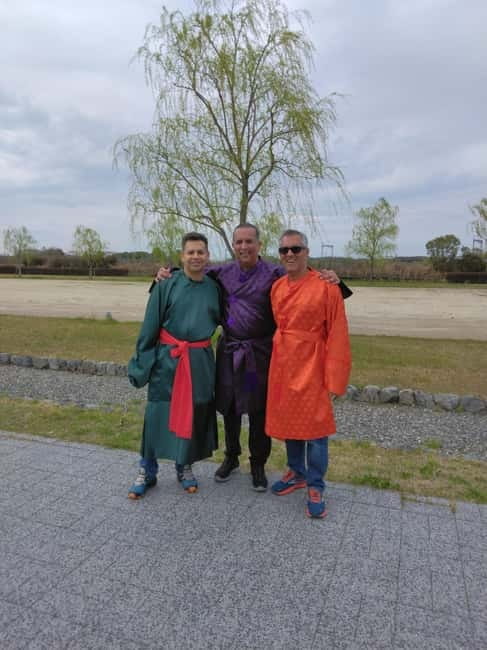
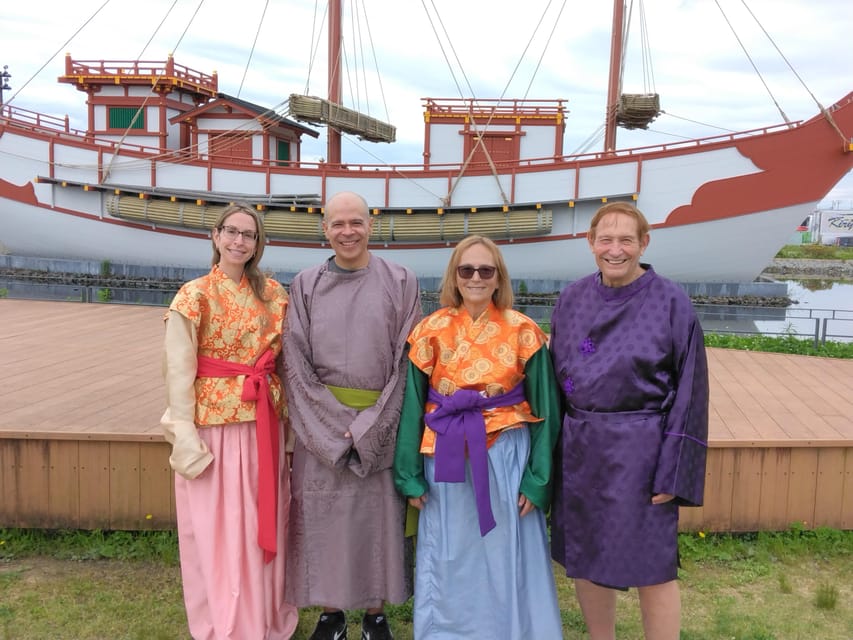
Yes, the costume is a big highlight: you get to wear traditional Tenpyo (Nara period) clothing and take photos. It’s one of those experiences that feels silly for a second and then suddenly becomes your best memory of the day.
The payoff here is that the costume fits the theme of the site. You’re not putting on a random outfit near a landmark—you’re stepping into the Nara-period look in the middle of Nara-period history.
If you love dressing up for photos, or you’re traveling with kids, this can turn an educational tour into something you’ll actually enjoy taking home.
Pace, group size, and what that means for your comfort
This is a small group limited to 8 participants, and it runs for 2 hours. That size matters because you’ll have room to ask questions and get individualized guidance rather than feeling like you’re on a conveyor belt.
The itinerary is built around short visits and photo stops, usually around 5–15 minutes at each highlight. That format keeps the day light while still giving you a solid overview of the palace grounds and their significance.
If you’re sensitive to heat, plan your timing carefully. One piece of feedback highlighted that summertime heat can be tough, especially on a bike tour. When the weather is extreme, you’ll appreciate short stops and a guide who can match your pace.
Price and value: $22 buys more than bike rental
At $22 per person for 2 hours, this tour is priced to feel like a deal—especially because the package includes a lot:
- rental bike
- helmet
- national government licensed guide
- all admission
- traditional costume experience
What you don’t get is food and drinks, and bike insurance isn’t included. But if you were planning to pay for entry tickets and hire a bike anyway, bundling the whole day into one price can make your time more efficient and your spending more predictable.
In plain terms: for the duration and scope (gate, gardens, excavation displays, tomb area, palace halls, museum time, and costume photos), this is strong value.
Who this tour suits best (and who should skip it)
This tour is a great fit if you:
- want UNESCO-level history without spending the whole day walking
- enjoy museums and archaeology-style details
- like photo stops and a bit of fun like costume dressing
- prefer a quieter feel away from the busiest Nara areas
It’s not suitable for pregnant women, people who can’t ride a bike, wheelchair users, or visually impaired travelers. So if any of those apply, it’s worth choosing a different format that matches your needs.
Should you book the Heijo-Kyo Bike Tour?
I’d book this tour if you want a structured introduction to Nara’s ancient capital that doesn’t waste time. The combination of licensed guidance, UNESCO palace-site focus, and the bike loop around scenic areas makes it feel like you get both knowledge and fresh air in the same morning or afternoon.
I’d think twice if you’re the kind of traveler who only wants fully intact landmarks and hates anything that feels reconstructed or interpretive. In that case, the excavation displays and reconstruction-heavy sections might not hit as hard, and the 2 hours could feel longer than you want.
FAQ
Where do I meet for the bike tour?
You meet at the rental bike reception counter at Miharashi-Kan in Suzakumon Square (34.68628944048124, 135.7926401146025).
How long is the tour?
The tour duration is 2 hours.
What’s included in the price?
Included are the biking tour, guide, rental bike, helmets, all admission, and the traditional costume experience.
What should I budget for that is not included?
Food and drinks are not included, and bike insurance is not included.
What languages is the guide available in?
The live tour guide is available in English and Japanese.
How many people are in the group?
The tour is a small group limited to 8 participants.
What if it rains or severe weather happens?
The supplier may cancel tours due to heavy rain, storms, or inclement weather, and those cancellations are refunded 100%.
Is the tour suitable for everyone?
No. It is not suitable for pregnant women, people who can’t ride a bike, wheelchair users, or visually impaired people.