REVIEW · GDANSK
Gdansk Highlights Bicycle Tour
Book on Viator →Operated by Poland By Locals · Bookable on Viator
Gdansk makes more sense at pedal speed. This guided bike tour is a fast way to see the city’s top sights while a local explains how they connect to Poland’s modern story. I love the small-group feel and the steady rhythm of short photo stops that keep you moving without rushing. One catch: Gdańsk streets can be busy, so you’ll want confidence riding and staying alert around cars, bikes, and crowds.
If you want history without sitting through lectures all day, this route is built for it. You start in the Old Town area and cycle through places tied to WWII, the communist era, and the Solidarity movement, with breaks that make it easier to ask questions. The tour runs in English, and you’ll have the option of getting around on a regular bike or an e-bike, depending on what’s available.
In This Review
- Key highlights
- Three Hours, Up to 15 People: How the Pace Feels
- Meeting Point Near Chlebnicka: Start Smart and Stay Grounded
- Neptune’s Fountain and the Golden Gate: Old Town Icons With a Twist
- St. Mary’s Church: Why Brick Gothic Looks Different in Gdańsk
- WWII Stories at the Museum of the Polish Post Office
- Gdańsk Shipyard and Sala BHP: Solidarity, Strikes, and Wałęsa
- Old Port at Ołowianka and the Green Side of Dolne Miasto
- St. Gertrude Bastion: A 17th-Century Finish With City-Scale Views
- Biking Details That Matter: Bikes, Helmets, and Street Sense
- Value at $43.18: What You’re Really Paying For
- Who Should Book This Bike Tour (and Who Might Skip)
- Should You Book Gdańsk Highlights Bicycle Tour?
- FAQ
- How long is the Gdansk Highlights Bicycle Tour?
- Is the tour offered in English?
- What is the maximum group size?
- Do I need to pay admission tickets for the stops?
- Is the cycling difficult?
- What if the weather is bad or I need to cancel?
Key highlights
- Small group size (up to 15) keeps the pace easy and questions welcome
- Multiple WWII and Solidarity stops turn landmarks into a story you can remember
- Photo-friendly short pauses at major sights so you don’t just pass by
- Regular bikes and e-bikes, plus helmets if you want one
- More than Old Town with Dolne Miasto and the fortifications at St. Gertrude Bastion
Three Hours, Up to 15 People: How the Pace Feels
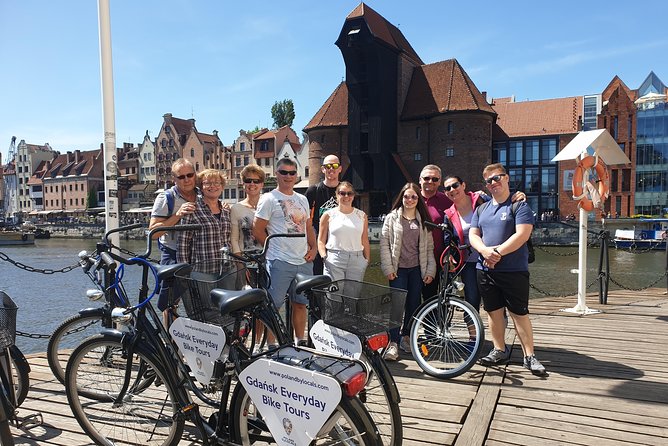
This is an active, but not punishing, way to explore Gdańsk. The tour runs about 3 hours, and the group caps at 15, which matters because you’re not stuck in a long line. You cover a lot of ground, but you still get time to stop, look up close, and take photos.
I like how the route is set up for “getting oriented fast.” After a few stops, you start recognizing the city’s layout and why the waterfront, Old Town streets, and industrial areas all fit together. Several guides keep the explanations short and clear at each stop, so you get context without losing the momentum of cycling.
There’s also a social benefit. Because it’s a small group, you’ll likely talk with other people during breaks. If you’re traveling with friends or family, the pacing is also a good match for mixed energy levels: some people want photos, others want details, and the guide can flex while still keeping you on track.
You can also read our reviews of more tours and experiences in Gdansk.
Meeting Point Near Chlebnicka: Start Smart and Stay Grounded
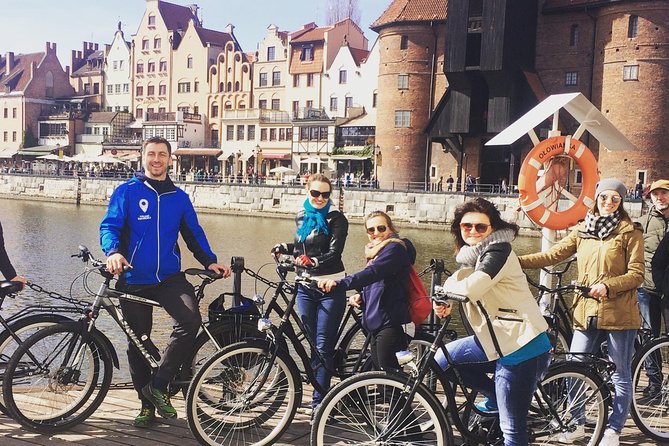
The tour begins at Poland By Locals, at Chlebnicka 19/20. The area is close to public transportation, which is handy if you’re bouncing between neighborhoods before the morning or mid-day plans.
What you’ll appreciate is that the tour returns you back to the same meeting point. That means you don’t have to solve end-of-tour logistics, and it’s easy to plug this into your schedule right after. If you’re visiting Gdańsk for the first time, this “start and end in one place” structure helps you build a mental map quickly.
Most stops are designed to be walk-up accessible for a quick look, which also means you spend your effort on the bike and your attention on what you came for. The overall feel is: arrive, get kitted up, roll out with a plan, and then come back with a deeper understanding of what you saw.
Neptune’s Fountain and the Golden Gate: Old Town Icons With a Twist
Early on, you hit classic Gdańsk landmarks that also set the tone for the rest of the tour. Neptune’s Fountain is more than a photo-op; it’s tied to the city’s identity, and the guide’s explanation helps you understand why it became such a symbol.
A little farther, you pause at the Golden Gate (Złota Brama) and hear how Gdańsk rebuilt after World War II. This is one of those stops where the details change how you see the architecture. Instead of just admiring the shape and stonework, you start connecting the gate to the city’s effort to restore itself in a particular style after major destruction.
Timing is one of the smart parts of this tour. You’ll typically spend about 5 to 10 minutes at each major landmark, enough to take photos and get the point without turning the ride into a long standstill. If you’re the type who gets frustrated when tours rush, you’ll likely like this structure because it keeps moving while still giving you time to absorb.
St. Mary’s Church: Why Brick Gothic Looks Different in Gdańsk
Next comes one of the city’s standout buildings: St. Mary’s Church. You’ll get a short stop (around 5 minutes), but it’s still enough to grasp what makes it special and why it towers in the skyline.
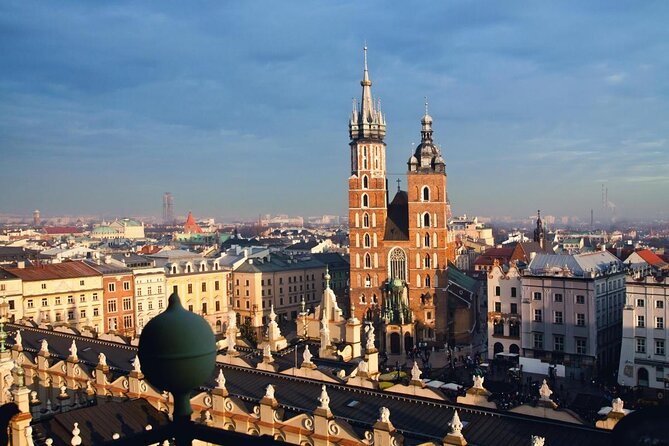
The key fact you’ll hear is that it’s the biggest brick church in the world. That single detail can change your whole impression when you’re standing in front of it. You start looking for scale cues: how the brick pattern stretches, how the mass of the building feels, and how the church anchors the surrounding streets.
Because you’re cycling, you experience the church not as a standalone monument but as part of a bigger urban picture. When you move through Gdańsk on the bike, you’re constantly re-seeing buildings from different angles. That makes short stops more useful than you might think.
A small drawback: if you’re expecting a long interior visit, this stop is brief. The value here is the outside-view context and the guide’s framing, not an extended museum-style time inside. You’ll likely want to circle back later if you want deeper time with the church.
WWII Stories at the Museum of the Polish Post Office
One of the most intense moments in the ride is the Museum of the Polish Post Office. You’ll spend about 10 minutes here, and the focus is WWII—how it was in real life. Even with the short stop, it’s the kind of location where the setting does half the explaining.
This is where the bike tour earns its keep for history-minded travelers. You’re not just seeing a statue or a wall plaque. You’re standing in a place tied to real wartime conflict, and the guide helps connect the location to broader events and consequences.
The fact that entry at planned stops is marked as ticket-free for the tour experience also helps. You don’t waste time lining up or deciding whether it’s worth paying on the spot. Instead, you can focus on learning and moving on to the next chapter of the city’s story.
If you tend to feel museum “fatigue,” keep in mind the pace is controlled. You get a strong stop, then you’re cycling again, so you’re not stuck in one mood for too long.
Gdańsk Shipyard and Sala BHP: Solidarity, Strikes, and Wałęsa
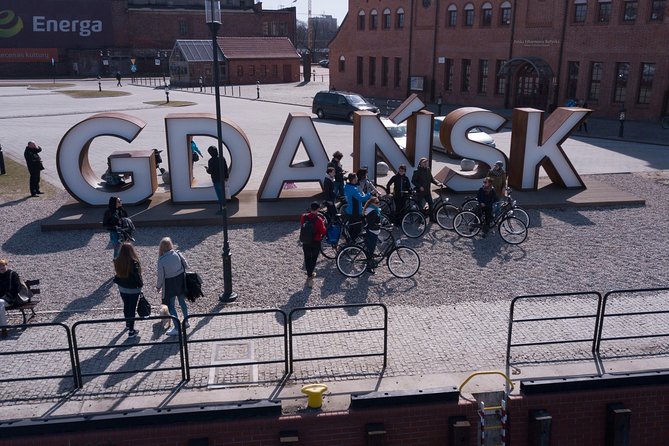
When the tour shifts from WWII into the communist era, it gets really compelling. At the Gdańsk Shipyard, you meet the history of this powerful state company during communist times. You’ll spend around 10 minutes, but the guide turns the shipyard into more than industrial scenery.
Then comes Sala BHP, with about 15 minutes on the schedule. This is the stop tied to Solidarność and the biggest strikes in the world’s history, plus who Lech Wałęsa was and how Poland moved away from the communist regime.
This section is often the reason people rate the tour so highly. Guides such as Lukas, Patrick, Kasper, and Bożena have a way of making the 1980s story feel specific rather than abstract. You’ll hear it in a way that connects names, places, and cause-and-effect, which helps the material stick for the rest of your trip.
You should also know that this is the heavier part of the tour. If you’re traveling with kids or you want a lighter tone, the guide can still keep it accessible, but the subject matter is serious. Plan to ask questions if you want your guide to explain the background in more plain language.
Old Port at Ołowianka and the Green Side of Dolne Miasto
After the big history stops, you get a breather with scenery and neighborhood texture. At Ołowianka, you’re in the area of the Old Port, and the stop is short, around 5 minutes. It’s a nice reset: the city feels more open, and you can breathe while still staying connected to Gdańsk’s waterfront character.
Then you cycle into Dolne Miasto, spending about 10 minutes exploring the original district and a more green part of Gdańsk. This matters because it prevents the tour from becoming only about monuments. You get a sense of everyday city life, not just historic set pieces.
In practical terms, these neighborhood stops are also “cycling-friendly.” They’re long enough for walking a few steps, spotting details, and taking photos, but short enough that you keep moving. That balance keeps the tour fun even if you’re not a hardcore history buff.
If you love photography, this is where you’ll likely get the variety shot you didn’t know you needed: wide streets, calmer spaces, and a different look compared to the dense Old Town center.
St. Gertrude Bastion: A 17th-Century Finish With City-Scale Views
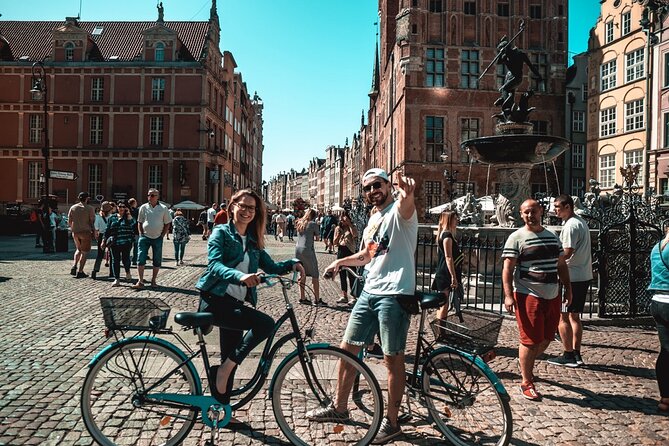
You close with St. Gertrude Bastion, an original fortification from the 17th century. You’ll spend about 10 minutes, and the point is to show you how Gdańsk defended itself and how that shape still influences what you see today.
Even if you don’t go deep into military architecture, the guide’s explanation helps you read the city differently. Fortifications aren’t just old walls; they explain why cities develop where they do, and why certain roads and waterfront areas feel the way they do.
This is a strong ending because it ties the themes together. Early stops covered symbols and rebuilding. WWII and Solidarity brought the human story. The bastion wraps it into geography: the city’s past shows up in its edges.
If you still have energy after the tour, you’ll probably want to roam nearby streets on your own right away. That’s the payoff of returning to a central meeting point with context in your head.
Biking Details That Matter: Bikes, Helmets, and Street Sense
This tour is built for active travelers, but it’s also designed for broad participation. The route is described as easy and suited for most travelers, and the city ride is typically flat. In plain terms: if you can ride a bicycle at a comfortable pace, you should manage the experience.
You’ll likely have choices. Several departures have included regular bikes and e-bikes in good working condition, and helmets are available for those who want or need them. Reviews also mention modern, comfortable bikes, which helps a lot because you’re sitting for the full ride time and not just sprinting between stops.
Safety is the real consideration here. Gdańsk is busy, so you need to stay alert around cars, other cyclists, and lots of pedestrians. I’d treat this like a guided city ride, not a car-free path adventure. If you’re nervous on roads, the guide’s presence still helps, but your personal comfort matters most.
Also, go in with a weather mindset. This experience requires good weather. On a rainy day, the plan can change, so build your Gdańsk history day with some flexibility.
Value at $43.18: What You’re Really Paying For
At $43.18 per person for about 3 hours, this tour is strong value because you’re getting several things bundled together: bike time, an English-speaking guide, and a sequence of major stops where entries are listed as ticket-free for the tour.
The small-group limit (15 people) also helps justify the price. You’re not just buying a route; you’re buying attention—short explanations at each place, space to ask questions, and a pace that doesn’t leave you behind.
One more detail that boosts value: the tour design includes frequent stops for photos and learning, so you don’t feel like you’re just being transported. You finish with an understanding of why Gdańsk looks the way it does, including the shift from WWII rebuilding to the Solidarity movement.
If you’re short on time, this is a smart “first orientation” pick. If you have a lot of time, you can use it as a map of what to revisit later for deeper visits.
Who Should Book This Bike Tour (and Who Might Skip)
Book this Gdańsk highlights bicycle tour if you want to get bearings fast and you like your history delivered in small pieces. It’s especially good for people who don’t want to get lost on their own and prefer having a local lead the way. It also suits friends and families because the pace stays relaxed and the stops are frequent but short.
I’d also recommend it if you care about how 20th-century events shaped real places. The shipyard and Sala BHP portion makes the Solidarity story practical, with names like Lech Wałęsa and the role of strikes explained in a way that helps you connect events to locations.
You might skip it if you’re uncomfortable riding in a busy urban setting or if you want long, slow museum time. This tour is about coverage and context, not extended dwell time inside exhibits.
Should You Book Gdańsk Highlights Bicycle Tour?
If it’s your first time in Gdańsk and you want a mix of Old Town icons, WWII sites, and Solidarity-era places, I think this is an easy yes. The small group, the bike-and-guide format, and the way each stop is framed as part of a bigger story make it a useful foundation for the rest of your trip.
Book it sooner rather than later since it tends to get snapped up in advance. And do plan around the weather, because good conditions matter for a smooth bike ride.
FAQ
How long is the Gdansk Highlights Bicycle Tour?
The tour lasts about 3 hours.
Is the tour offered in English?
Yes, the tour is offered in English.
What is the maximum group size?
The tour has a maximum of 15 travelers.
Do I need to pay admission tickets for the stops?
The tour lists admission tickets for the planned stops as free.
Is the cycling difficult?
Most travelers can participate, and the route is designed to be manageable. You should still feel comfortable riding a bike and staying alert in a busy city.
What if the weather is bad or I need to cancel?
The experience requires good weather. If it’s canceled due to poor weather, you’ll be offered a different date or a full refund. There is free cancellation up to 24 hours before the start time for a full refund.