REVIEW · HIROSHIMA
Hiroshima 2hr Peace Cycling Tour with Local Guide
Book on Viator →Operated by Attractive JAPAN · Bookable on Viator
One road can hold a whole century. This 2-hour Hiroshima Peace Cycling Tour uses electric bikes to get you around Peace Memorial Park and nearby street views, with a local guide who tells the human story behind the monuments. The ride is easy, the pace is small-group, and the stop selection goes beyond just the usual postcard angles.
Two things I like right away: the chance to see the A-Bomb Dome from city viewpoints (not only from one spot) and the way guides bring in personal, lived context—people like Shin and Kana are often described as sharing family-linked details that make the history feel real, not abstract. The main consideration is that the tour is short, so if you want extra time for the Peace Museum or a slower, longer loop, you’ll likely want more than 2 hours.
In This Review
- Key Highlights You’ll Actually Feel on This Ride
- Entering Hiroshima’s Peace Park With a Bike-Friendly Focus
- Stop-by-Stop: How the 2 Hours Add Up
- Stop 1: Rest House of Hiroshima Peace Park (Meet-up)
- Stop 2: Hiroshima Peace Memorial Park (about 55 minutes)
- Stop 3: Hiroshima City Views (about 1 hour, ending back at the start)
- Why the A-Bomb Dome Viewpoints Feel More Complete on a Bike
- Guides Make or Break This Tour (And This One Seems to Deliver)
- Electric Bikes: Easy Riding That Still Feels Like an Adventure
- Rainy Day Routing: How They Keep the Meaning Without the Risk
- What to Know Before You Go: Comfort, Phones, and Timing
- Price and Value: Is $59.69 Worth It for 2 Hours?
- Who This Tour Fits Best (And Who Might Want Another Option)
- Should You Book This Hiroshima Peace Cycling Tour?
- FAQ
- What is the duration of the Hiroshima Peace Cycling Tour?
- Where does the tour start and where does it end?
- How many stops are included?
- Is Peace Memorial Park admission included in the price?
- Are the bicycles electric?
- What is the group size limit?
- Is Wi-Fi available during the tour?
- What are the height requirements for adult bicycles?
- What happens if it rains?
- Is there insurance included?
Key Highlights You’ll Actually Feel on This Ride
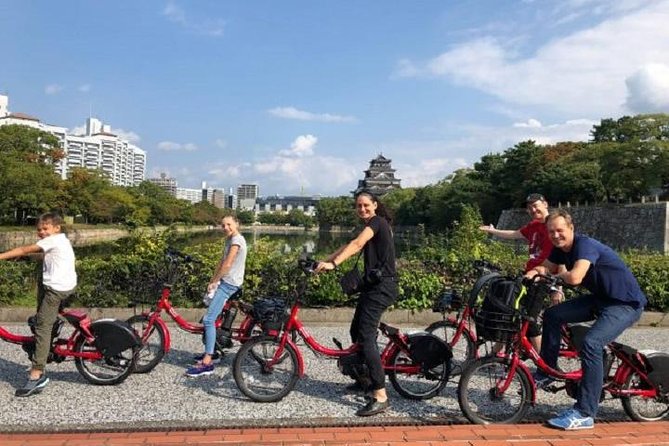
- A-Bomb Dome viewpoints from the streets, guided so you understand what you’re seeing
- Peace Memorial Park time (about 55 minutes) focused on the monuments’ meaning, not just photos
- A small-group size of up to 10, which keeps questions and pacing from getting lost
- Electric bikes that help you cover more ground without turning the tour into a workout
- Rainy-day plan built in, including a walking option that focuses around the hypocenter area
- Photo data provided after the tour, so you don’t have to miss shots while cycling
Entering Hiroshima’s Peace Park With a Bike-Friendly Focus
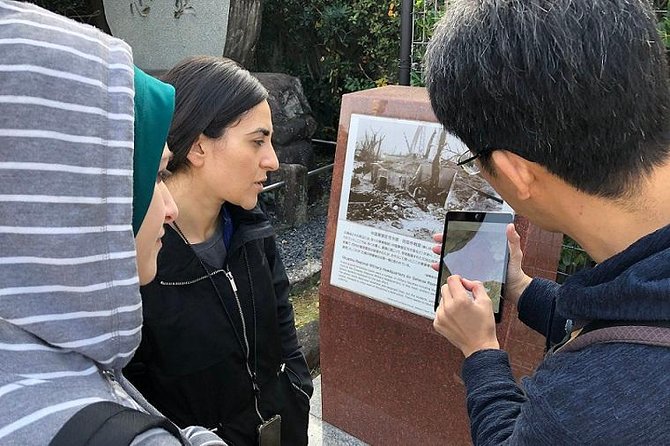
Hiroshima is one of those places where “seeing” is not the point. You’re there to understand, and this tour is built for that. You start at the Hiroshima Peace Memorial Park Rest House, then head directly into the park area where the monuments are packed close together.
This is where a bike tour beats the usual rush. Yes, the Peace Park is walkable, but you’ll often end up spending time circling, backtracking, or missing the small context your guide is pointing out. Here, the route is structured so you spend your limited time where the story is densest—and then you get out into the city so you can connect the wartime moment with Hiroshima’s recovery.
Also, the “local guide raised in the city” angle matters. A guide who grew up there can point out the everyday details—streets, neighborhoods, what’s rebuilt and what’s preserved—that help you see Hiroshima as a living city, not a memorial-only stop.
You can also read our reviews of more tours and experiences in Hiroshima.
Stop-by-Stop: How the 2 Hours Add Up
Stop 1: Rest House of Hiroshima Peace Park (Meet-up)
You meet at the Hiroshima Peace Memorial Park Rest House about five minutes before departure. This is a practical start point: it’s close to the main Peace Park zone, and it keeps the tour from feeling scattered right away.
Since luggage storage at the Rest House isn’t available, plan to travel light. There are coin lockers a short walk away at the International Conference Center Hiroshima and at the Hiroshima Peace Memorial Museum (about a 6-minute walk). If you’re carrying a larger bag, that small detail can save you stress later.
Stop 2: Hiroshima Peace Memorial Park (about 55 minutes)
Right after meet-up, you’ll spend about 55 minutes in the Peace Memorial Park. Your guide explains what the park is meant to represent and how the monuments hold the memory of what happened roughly 70 years ago.
What’s important here is that this time isn’t just for ticking off the iconic sights. The tour is framed around the meanings of the monuments and the relationship between the park and the A-Bomb Dome. You’ll get a better sense of why each piece is placed where it is—plus the guide can help connect themes like remembrance, survival, and the ongoing push for peace.
One practical note: Peace Memorial Park entry is not included, so factor that in when you plan your day.
Stop 3: Hiroshima City Views (about 1 hour, ending back at the start)
After the park, the tour shifts from monument-focused to city-focused. You’ll ride through Hiroshima beyond the densest Peace Park area for about an hour, with stops and stories that highlight what survived and what changed.
A standout detail in the route is the focus on the A-Bombed Streetcars—a train/streetcar line that still runs today and survived the atomic bombing. Your guide shows the townscape and gives you a sense of how Hiroshima looks now in the suburbs and beyond, not just in the memorial core.
This is the part that helps the whole experience click. The Peace Park tells you what happened. The city ride tells you what happened after—how daily life rebuilt itself around the scars.
Why the A-Bomb Dome Viewpoints Feel More Complete on a Bike
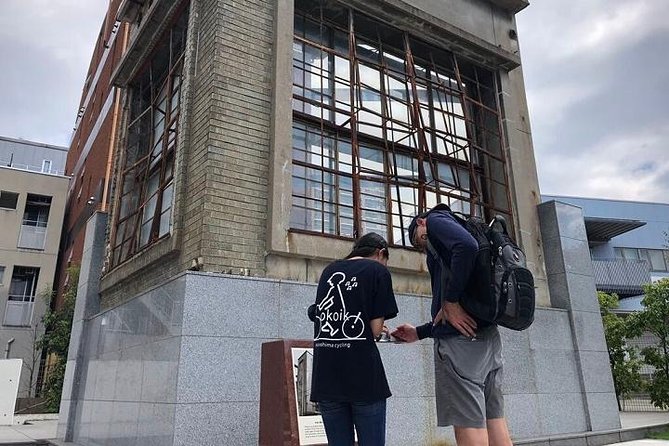
Most people experience the A-Bomb Dome in one or two quick photo angles. This tour treats the Dome as a sequence of viewpoints. By the time you’ve seen it from city perspectives guided by your route, the Dome stops being a single image and becomes a fixed point in a wider urban story.
That matters emotionally too. You can stand in one spot and feel the weight of the moment. Then you look around—streets, building lines, the way the city grew—and you start to understand how Hiroshima holds memory in everyday space.
And because the tour rides around the UNESCO-listed Peace Memorial Park area, you’re not just chasing landmarks. You’re building context so the Dome fits into a broader geography of remembrance and resilience.
Guides Make or Break This Tour (And This One Seems to Deliver)
This is a storytelling-heavy experience. The history is serious, but the best tours find a way to make it understandable without getting cold or robotic. The guides connected to this tour are repeatedly described as energetic, friendly, and able to answer questions.
Specific names show up again and again—Shin, Kana, Tomas, Bella, and Mimi—and the pattern is consistent:
- Guides weave in personal or family-linked accounts (for example, Shin is described as having close survivor family connections).
- Guides explain the meaning of memorials step-by-step, rather than dumping facts.
- Guides keep things moving at a pace that still leaves room to talk.
Even when the situation changes—like weather forcing a walking or altered route—the guide role stays central. You’re not just “being taken places.” You’re being guided through the why behind each place.
Electric Bikes: Easy Riding That Still Feels Like an Adventure
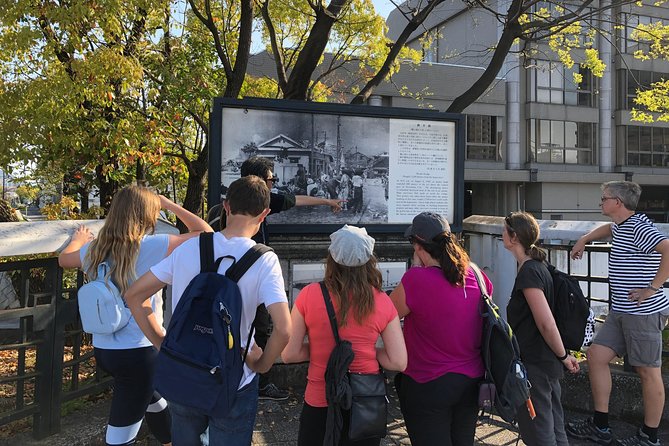
Hiroshima is flat enough that cycling is practical, and the tour uses electric bikes to reduce effort. In the real world, that changes the whole vibe. You can focus on the story because you’re not fighting hills, traffic fatigue, or getting exhausted halfway through.
There’s a couple of practical rider details to remember:
- Adult electric bike requirement: height 145 cm or more
- There are children’s options: cross bikes for shorter riders (for children 110 cm to 145 cm, with adult vs. child rates depending on setup)
- Child seats for electric bikes are limited by weight and height (under 22 kg and under 115 cm)
Also, the tour is a mixed-group experience for up to 10 people. That small size helps the guide adjust pace if someone in the group isn’t used to cycling—especially important when families are involved.
Rainy Day Routing: How They Keep the Meaning Without the Risk
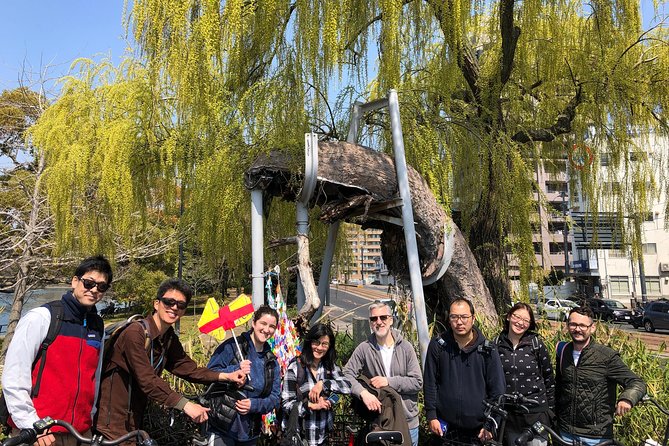
Weather can be a deal-breaker for outdoor tours, but this one has a built-in fallback. If rain makes cycling unsafe, you can switch to a Rainy Day Limited Peace Route or receive a refund.
The rainy route still follows the Peace story, just with stops rearranged. The plan includes Peace Memorial Park, the Atomic Bomb Dome, the hypocenter, and other key historic sites such as the former Bank of Japan, Fukuromachi Elementary School, and a ride down the main street. The tour timing still ends at about 13:00 or 17:00 depending on the departure time.
If they switch to a walking tour, you’ll focus around the hypocenter area described as scorched earth reduced in an instant, and you’ll walk within roughly a 0.5 km to 1 km radius. If walking doesn’t sound good to you, you can choose a refund instead.
This matters because it keeps the experience safe while still giving you the core historical arc.
What to Know Before You Go: Comfort, Phones, and Timing
A couple details can help your day go smoother:
- Free Wi-Fi isn’t provided during the tour, though Hiroshima Free Wi-Fi is available around the city. If you rely on maps or translation apps, download offline tools before you arrive.
- Timetables can shift based on the day’s conditions.
- Photos are included after the tour (you’ll be given the photo data). That’s a nice tradeoff: you can ride safely and still get your memories.
Since the Peace Memorial Park area is busy, cycling through it with a small group can feel more efficient than trying to build your own route while thinking about where to stop for the most meaningful viewpoints.
Also, if you’re sensitive to the emotional weight of the subject, plan your mindset. This is not just a sightseeing spin. Expect sobering context, and let your guide set the pace for reflection.
Price and Value: Is $59.69 Worth It for 2 Hours?
At $59.69 per person for roughly 2 hours, you’re paying for three things that are hard to replicate on your own:
- A local guide’s context, including personal storytelling from people connected to Hiroshima
- Time saved—the route is designed to connect the park and city in a tight window
- Electric bike support, plus insurance for bicycle accidents included in the price
There are two value trade-offs to keep in mind:
- Peace Memorial Park admission is not included, so your total cost will be slightly higher once you factor entry.
- The tour is intentionally short. It’s built for a “get the story fast, see more places” experience, not for museum deep-dive.
If you’re doing Hiroshima for the first time and you want more than the standard Peace Museum day, this price can feel fair because it adds city perspective and guided interpretation—exactly what you’d otherwise fill with extra time and extra planning.
Who This Tour Fits Best (And Who Might Want Another Option)
This cycling tour is a strong match for:
- First-timers who want a structured way to see Peace Park plus nearby Hiroshima viewpoints
- People who prefer active sightseeing (without heavy exertion) thanks to e-bikes
- Travelers who want personal, human storytelling alongside major historic sites
- Families and mixed groups, since the pace can adjust within a small group up to 10
It may be less ideal if:
- You want lots of museum time or a slow, unhurried day in one single location
- You don’t meet the height requirements for the electric bike options
- You’d rather do this quietly on your own schedule without guided narration
Should You Book This Hiroshima Peace Cycling Tour?
I’d book it if you want Hiroshima in two layers: the memorial meaning and the city’s present-day reality. The electric-bike setup makes it practical, and the guide storytelling (with names like Shin and Kana often highlighted for personal connection) is the reason this tour lands so well for many people.
I’d skip or consider another format if you already know you want to spend extra time in the Peace Museum, or if cycling logistics (height needs, weather sensitivity) don’t fit your comfort level. In those cases, you might prefer a longer walking-focused itinerary.
If you book, do it with the mindset that the ride is part transport, part classroom, part remembrance. That balance is what makes this feel like more than a quick loop.
FAQ
What is the duration of the Hiroshima Peace Cycling Tour?
It runs for about 2 hours.
Where does the tour start and where does it end?
You meet at the Hiroshima Peace Memorial Park Rest House, and the tour ends back at the same meeting point.
How many stops are included?
The itinerary includes a meet-up at the Rest House, time in Hiroshima Peace Memorial Park, and then additional sightseeing around Hiroshima before returning to the start.
Is Peace Memorial Park admission included in the price?
No. The Peace Memorial Park entry is listed as not included.
Are the bicycles electric?
Yes, the tour uses electric bikes for adult riders who meet the height requirement.
What is the group size limit?
The tour is limited to a maximum of 10 travelers.
Is Wi-Fi available during the tour?
No free Wi-Fi is provided with the experience, though Hiroshima Free Wi-Fi is available around the city.
What are the height requirements for adult bicycles?
For the adult electric bike, the requirement is height 145 cm or more.
What happens if it rains?
If cycling can’t be held safely, you can switch to a Rainy Day Limited Peace Route or request a refund. The tour can also change to a walking tour focused around the hypocenter area.
Is there insurance included?
Insurance for bicycle accidents is included in the price.