Cycling Hanoi feels like a moving story. This bike tour strings together landmark stops, food breaks, and a quieter escape to Banana Island, so the city hits you in full color. I like the Old Quarter start because it helps you read the streets fast, then the ride turns into real Hanoi life instead of just sightseeing.
You also get two experiences that feel genuinely local: a visit to a family home to learn day-to-day routines, and a food segment where you taste dishes you’ll actually hear locals talk about. The main drawback to plan for is simple: you need to be comfortable riding in Hanoi traffic. The tour goes rain or shine, and it’s for riders who can handle busy roads, even when the guide is keeping things controlled.
In This Review
- Key things that make this ride worth your time
- Why Hanoi looks different from a bike
- Old Quarter start: where the noise teaches you to see
- Hồ Hữu Tiệp photo stop: a quick detour with meaning
- Street-food timing: where your lunch story starts
- Long Bien Bridge: crossing the Red River like a local
- Ho Chi Minh Mausoleum and the city’s layers
- Train Street: the moment you’ll talk about later
- Banana Island: when Hanoi slows down (a lot)
- Lake B52: a peaceful chat with locals
- Safety and fitness: what you really need to bring to the ride
- Price check: is $34 actually good value?
- Who should book this, and who should skip it
- Should you book this Hanoi bike tour?
- FAQ
- How long is the Hanoi bike tour?
- How far will we cycle?
- Is the tour safe in Hanoi traffic?
- Where do we get picked up?
- What food is included?
- What places are visited during the ride?
- Is the tour rain or shine?
- What’s included in the price?
- What is not allowed during the tour?
- Are there extra charges on holidays?
Key things that make this ride worth your time
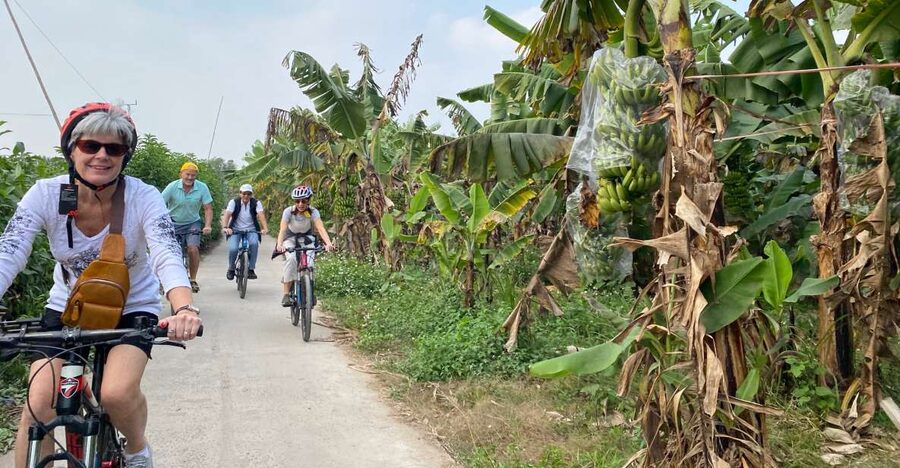
- Banana Island contrast: city noise down to lake calm on one ticket.
- A family home visit: learn everyday routines, not just headline history.
- Train Street timing: you see the train pass inches from shops and homes.
- Traffic leadership from real guides: the ride feels safer when someone local is steering.
- Food stops as part of the route: lunch/dinner includes classics like bun cha and banh mi.
Why Hanoi looks different from a bike
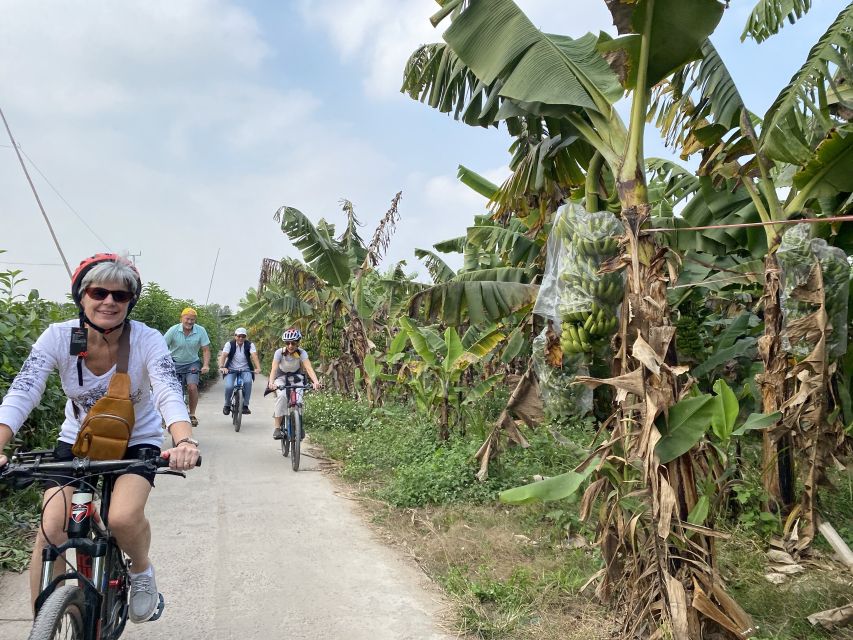
Hanoi by foot is all angles and surprises—on a bike, it becomes rhythm. You cover about 10 km (6 miles) and still get that street-level “I’m here” feeling, without burning your day staring at maps.
The big value is how the route connects contrasts. You start in the Old Quarter, where sidewalks disappear under scooters and shop signs. Then you shift toward quieter areas around West Lake, where the mood changes fast once you’re out of the densest lanes.
And yes, the traffic is a thing. Guides keep the group moving and help you read the road like a local would: watch the flow, hold your line, and don’t freeze when everything gets loud.
You can also read our reviews of more tours and experiences in Hanoi.

Old Quarter start: where the noise teaches you to see
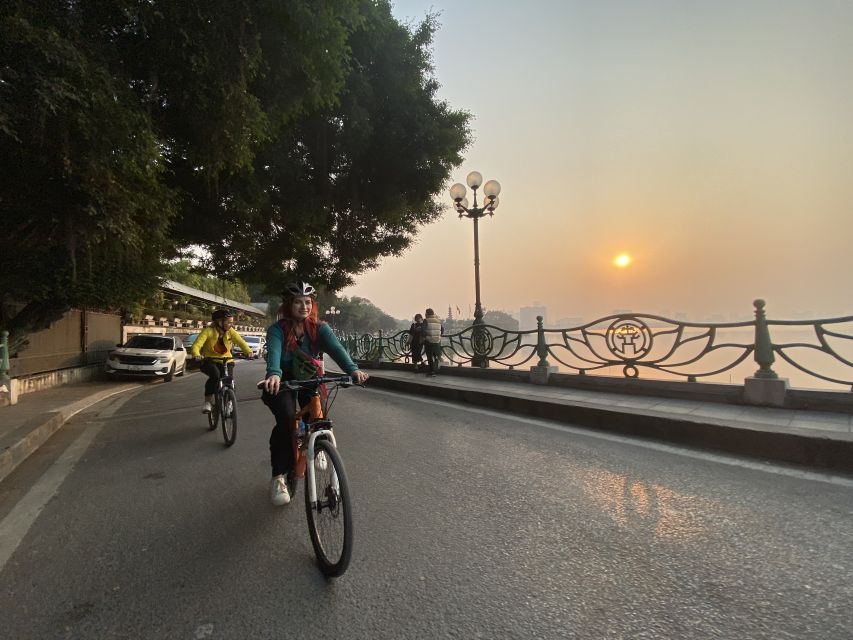
The tour begins with pickup in the Old Quarter, then a short orientation-style stop in the heart of the city. Even in just 30 minutes, you get the basic setup: where people park, how streets funnel, and how shop life works when the sidewalk is also your storefront.
This is the part I love most if you’re new to Hanoi. You’re not trying to figure out the rules while dodging scooters on your own. Instead, you’re learning the “how” so the “what” later makes more sense.
If you’re the type who hates surprises, don’t worry—your guide keeps you moving. If you’re the type who likes chaos, this will feel like a front-row seat.
Hồ Hữu Tiệp photo stop: a quick detour with meaning

You’ll make a scheduled stop at Hồ Hữu Tiệp for photos and a guided walkthrough. It’s not just a scenic pause; it gives you context for how Hanoi balances public space, memory, and everyday life.
Photo stops like this matter on a bike tour. They keep you from treating the ride like a blur of motion. Instead, you get a moment to slow down, look around, and understand what you’re seeing before you roll on.
You’ll usually spend about 45 minutes here, which is enough time to grab a few photos and still stay on pace without turning the day into a series of long waits.
Street-food timing: where your lunch story starts
Food is built into the ride, not dumped onto the schedule as an afterthought. There’s a food tasting segment where you sample along the way, then a full lunch or dinner at the end.
Dishes included can include bun cha, banh mi, pho cuon, and pho. The practical win here is cost and confidence. You’re not guessing what’s safe or what’s worth ordering. A guide helps you choose, and you’ll likely eat at a place you’d never stumble into on your own.
One more detail I think you’ll appreciate: the bike route gets you close to where people actually eat, including smaller pockets that don’t exist on the usual walking itineraries.
Long Bien Bridge: crossing the Red River like a local

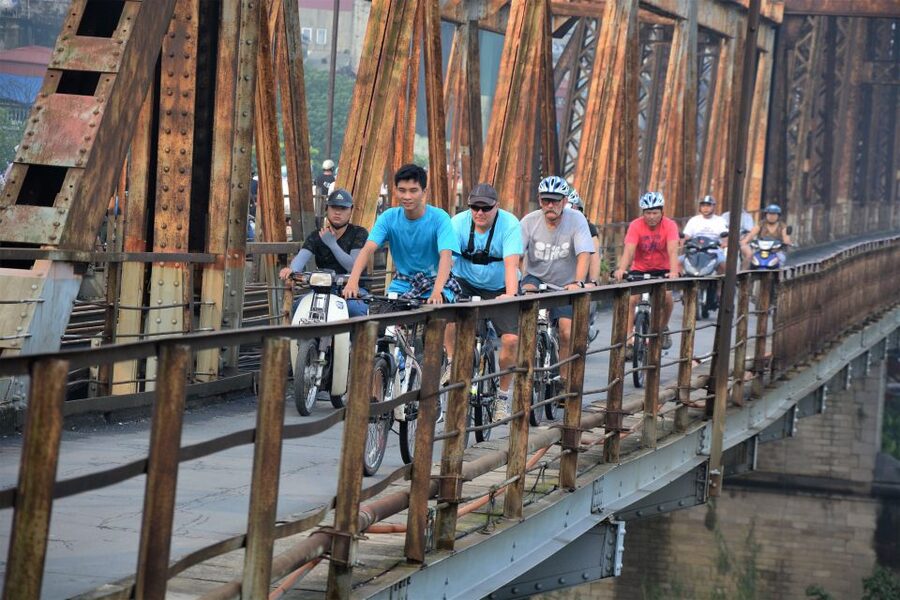
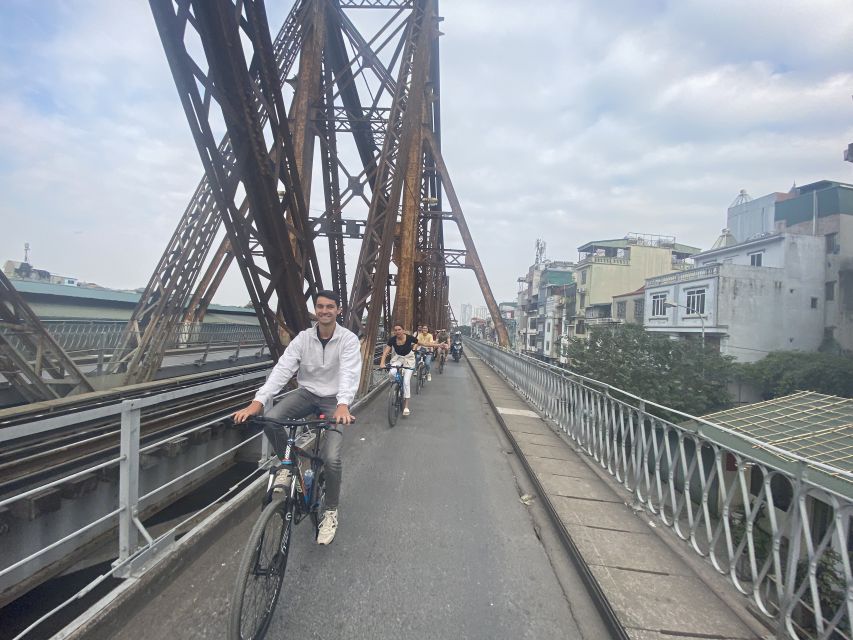
A highlight on this route is the historic Long Bien Bridge. It was built by the French in the early 1900s, and it gives you a big, physical sense of how Hanoi developed around the Red River.
From a bike, a bridge crossing feels different than a photo stop. You get the scale, the river texture, and the movement around you—so it’s easier to understand why this area matters beyond a single landmark.
It’s also a natural “breather” moment in the ride. After you’ve handled busy lanes, a wide crossing lets you settle your breathing and focus on the scenery instead of the constant merging.





Ho Chi Minh Mausoleum and the city’s layers
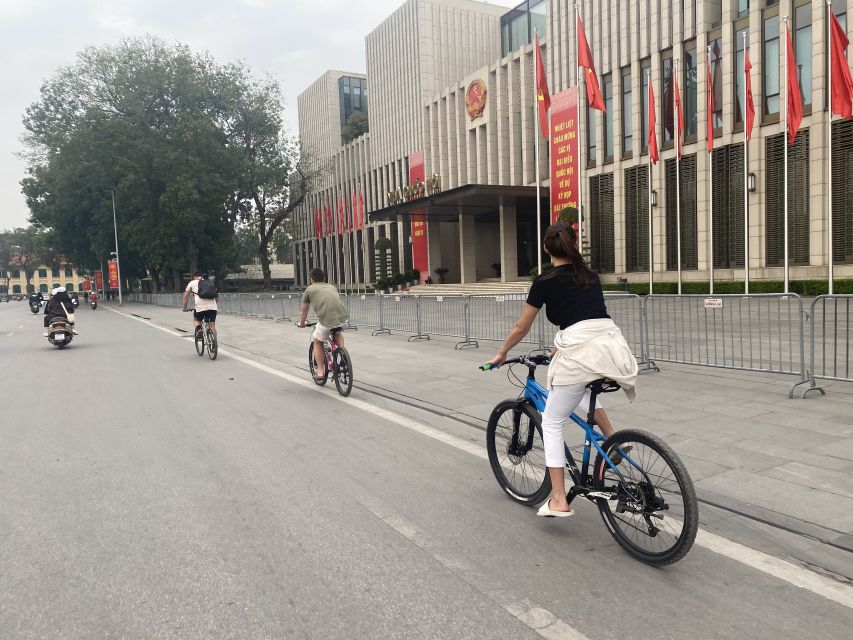
The tour also includes stops near the Ho Chi Minh Mausoleum area. Even if you’re not spending hours there, the guided context helps you see how this site anchors modern Hanoi’s identity.
What makes this useful on a bike tour is perspective. You’re not just stacking tourist sights. You’re moving between different kinds of space—official monuments, everyday neighborhoods, and working streets—so the city feels like one story, not ten separate stops.
Keep in mind that official sites can shape timing and movement. Your guide will manage the flow, but it’s worth going with flexible energy rather than strict expectations.
Train Street: the moment you’ll talk about later
Train Street is famous for a reason: the railway track runs so close to shops and homes that when the train passes, it feels like it’s right in your space.
This is where the ride earns its “adventure” reputation. If you’ve never navigated tight streets in a crowd, it can feel intense at first. But with a guide leading, you’re positioned to watch the train safely and comfortably, instead of trying to squeeze in on your own.
Many riders treat this as the stop that makes the whole day feel worth it. If you’re bringing a camera, it’s a great place to capture the scale of how close daily life and infrastructure share the same corridor.
Banana Island: when Hanoi slows down (a lot)

Then comes the big contrast: Banana Island. It’s a small island reached by a short boat ride on West Lake, and it feels like a different city.
You’ll ride out from the more hectic streets, then the environment flips from traffic noise to greenery and lake calm. People come here to relax, and you can feel the shift in your shoulders as soon as you’re no longer surrounded by constant movement.
This is one of the tour’s strongest value points. You don’t just see a landmark. You feel the contrast between how Hanoi moves all day and how it breathes when you get out to quieter pockets.
Lake B52: a peaceful chat with locals
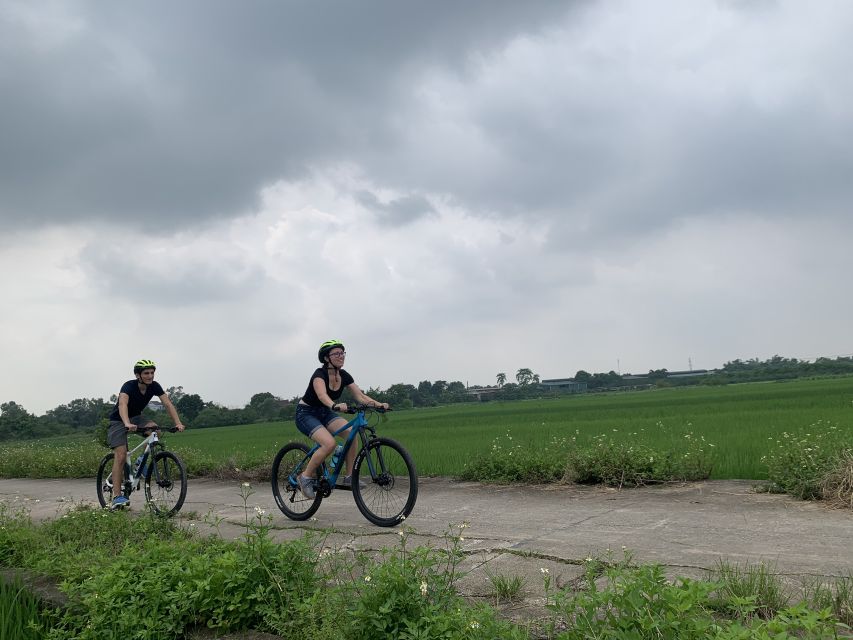
Another stop on the route is Lake B52, named after an American B-52 bomber that crashed there during the Vietnam War. Today it’s used in everyday life, with locals who fish and relax.
What I like about this part of the day is the tone. It’s reflective, but it’s not stuck in museum-mode. It’s a living area where people still do normal things—chat, sit, and wait for the day to unfold.
This stop works well late in the ride. You’ve seen the intensity. You’ve watched the train. Now you get to pause somewhere that feels like it’s been here longer than any tourist schedule.
Safety and fitness: what you really need to bring to the ride
The tour covers around 10 km (6 miles), and the company describes it as safe and suitable for all fitness levels. But the real-world requirement is different: you must be a regular cyclist and comfortable in traffic.
That means you don’t need to be an athlete. You do need confidence. You should be comfortable riding steadily, turning in tight spaces, and not panic when scooters swarm around you.
The guide is the difference-maker. Riders often comment on how guides keep them safe while navigating merges and crossings. If you’re nervous about Hanoi traffic, this is exactly why going with a local guide matters.
Also expect weather swings. The tour runs rain or shine, but you’ll be provided a raincoat if needed, plus cold water.
If you like capturing the ride, one practical tip some riders use is mounting a camera to your helmet so you can record the street flow without constantly holding your phone up.
Price check: is $34 actually good value?
At $34 per person, you’re paying for more than just a bike. You’re getting:
- bike and helmet
- an English-speaking guide
- hotel pickup and drop-off in the Old Quarter
- lunch or dinner
- entrance fees
- cold water
- raincoat if needed
If you compare that to the cost of renting a bike for a half-day plus paying for a guide plus paying for a proper meal, the math starts to work in your favor. The biggest “hidden” value is navigation. Hanoi traffic is not a place you want to learn by trial and error.
One more reason the price feels fair: you’re covering a lot of ground and hitting several well-known points plus quieter areas like Banana Island and Lake B52—places that are hard to connect in a reasonable way with just buses or taxis.
Who should book this, and who should skip it
This tour fits best if you want:
- street-life Hanoi, not only major landmarks
- a guided route that reduces decision fatigue
- a day with a built-in food plan
- the contrast of chaos downtown and calm on West Lake
It’s not suitable for children under 8, pregnant women, or anyone with mobility impairments. And alcohol and drugs aren’t allowed.
If you have a strong fear of traffic or you’re currently off the bike for long stretches, this may feel like too much. Even with a guide, you still have to be the one pedaling through the city’s “go” energy.
If you want the best chance of enjoying it, choose a day when you can ride with energy—no rushing, no tight deadlines, no pretending you’re fine when you’re not.
Should you book this Hanoi bike tour?
I’d book it if you’re excited by Hanoi as a real place: scooters, narrow lanes, street food, and the kind of moments like Train Street that stay in your memory. The Banana Island and Lake B52 contrast is the kind of payoff you only get when your transport is a bike, not a bus.
Skip it if you’re not comfortable riding in traffic, if you need a very low-speed, low-stress environment, or if your mobility or condition doesn’t match the ride demands.
If you do book, do yourself a favor: come ready to pedal, keep a calm head, and bring your appetite. Hanoi teaches you fast—and this tour sets you up to learn it the fun way.
FAQ
How long is the Hanoi bike tour?
The duration is listed as 3 to 8 hours, depending on the starting time and the day’s route pace.
How far will we cycle?
You’ll cover approximately 10 km (about 6 miles).
Is the tour safe in Hanoi traffic?
The tour is described as safe and includes an English-speaking guide. You’ll also be cycling through streets with heavy vehicle traffic, so you should be comfortable riding in that environment.
Where do we get picked up?
Hotel pickup and drop-off are included, but only in the Old Quarter of Hanoi. Pickup from outside the Old Quarter is not included.
What food is included?
Lunch or dinner is included, and the tour includes local dishes such as bun cha, banh mi, pho cuon, and pho. There is also a food tasting segment.
What places are visited during the ride?
Stops mentioned include the Hanoi Old Quarter, Hồ Hữu Tiệp, Banana Island (reachable by short boat ride), Long Bien Bridge, Train Street, Ho Chi Minh Mausoleum, and Lake B52.
Is the tour rain or shine?
Yes. The tour runs rain or shine, and a raincoat is included if needed.
What’s included in the price?
Included items are bicycle and helmet, English-speaking guide, lunch or dinner, all entrance fees, cold water, and hotel pickup and drop-off in the Old Quarter.
What is not allowed during the tour?
Alcohol and drugs are not allowed, and baby carriages are not allowed.
Are there extra charges on holidays?
Yes. There is a $10 surcharge on New Year, Tet holidays (February 8–12), Liberation Day/Reunification Day (30/4), International Workers’ Day (01/05), and National Day (02/09).