REVIEW · BARCELONA
Historical and Modernist Bike Tour Barcelona
Book on Viator →Operated by Born Bike Tours Barcelona · Bookable on Viator
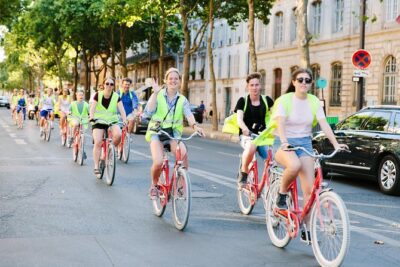
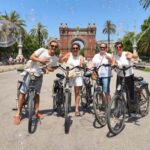
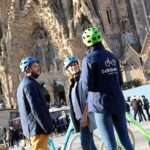
Barcelona gets clearer on two wheels. In a tight 3-hour ride, you connect the old-stone feel of the Gothic Quarter with famous Gaudí landmarks, with a local guide turning big sights into stories you can actually remember. I like the fast pace because it gives you real bearings, and I like how guides use visuals (photo references) to explain what you’re seeing while you’re rolling.
One thing to plan for: most of the headline attractions you’ll pause at have admission tickets not included, so you’ll mostly get guided viewpoints unless you add paid entry on your own.
In This Review
- Key points at a glance
- Getting your bearings: what the route is really good for
- Meeting point and how this tour feels on the ground
- Barri Gòtic and Santa Maria del Mar: two kinds of Gothic you can compare
- Museu Picasso: a quick taste that still helps later
- Sagrada Família: seeing Gaudí’s scale without committing hours
- Casa Mila (La Pedrera) and Casa Batlló: two famous façades, one practical comparison
- El Born and Passeig del Born: shifting from monuments to neighborhood texture
- Price and value: what $43.55 really covers
- Guides and pacing: why the ride stays understandable
- Should you book this Historical and Modernist Bike Tour?
- FAQ
- How long is the bike tour?
- What’s included in the price?
- Are entrance tickets included for the stops?
- What language is the tour offered in?
- Where do I meet the guide?
- How big is the group?
Key points at a glance
- Two Barcelona worlds in one ride: Barri Gòtic and Gaudí sights, side by side in your route
- Bike comfort included: bike, helmet, and bottled water keep the tour practical
- Guide explanations you can follow: photo aids and clear storytelling help you spot details fast
- Free stops built in: Gothic Quarter, Santa Maria del Mar, and several El Born areas don’t require entry fees
- Small group feel: up to 15 people, with room for guidance and course corrections
Getting your bearings: what the route is really good for
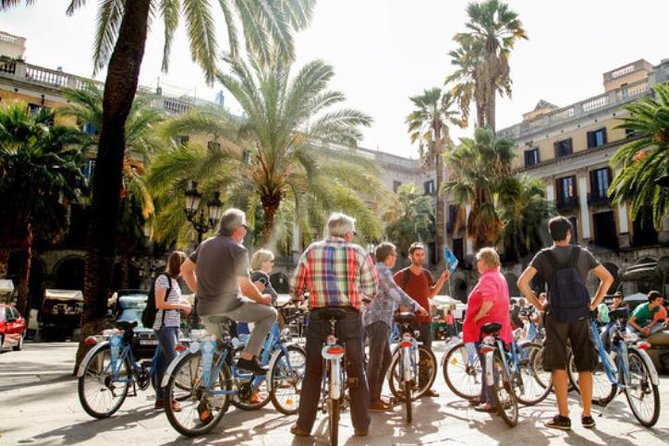
If you’re short on time in Barcelona, this is a smart way to build a mental map. You start in Ciutat Vella and spend about 10 minutes per stop, so you’re not stuck in a museum line or waiting for one slow group. The result is a guided “greatest hits” overview without feeling like you’re just being rushed from one photo spot to another.
I also like that the tour is designed for understanding, not just viewing. Guides tell you how the city grew and how the layers connect, which matters because Barcelona can feel like a jumble of neighborhoods until someone gives you the threads.
The tour is offered in English, and it runs with a local guide (sometimes multi-lingual), so you’ll get explanations that land instead of just names being read off.
You can also read our reviews of more tours and experiences in Barcelona.
Meeting point and how this tour feels on the ground
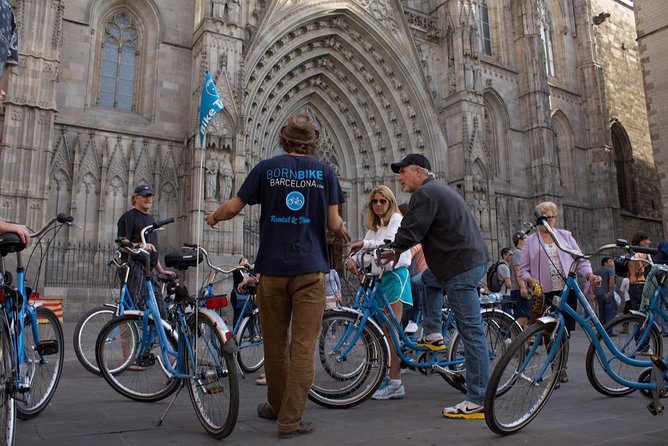
You meet at Carrer de la Marquesa, 1, Ciutat Vella, 08003 Barcelona, and the ride ends back there. That matters because you’re not left stranded across town after a fast, 3-hour loop.
Logistically, you get a mobile ticket, bottled water, and helmet use, plus the bike itself. For a city that rewards walking but also punishes long distances in the heat, having wheels plus hydration is a big value win. You’re also near public transportation, which makes it easier to connect with other plans before or after.
Group size is capped at 15 travelers, and the minimum booking is 4 people. In practice, that small cap helps keep the ride smoother and makes it more likely your guide can handle questions and adjust the flow if someone’s less confident on a bike.
Barri Gòtic and Santa Maria del Mar: two kinds of Gothic you can compare
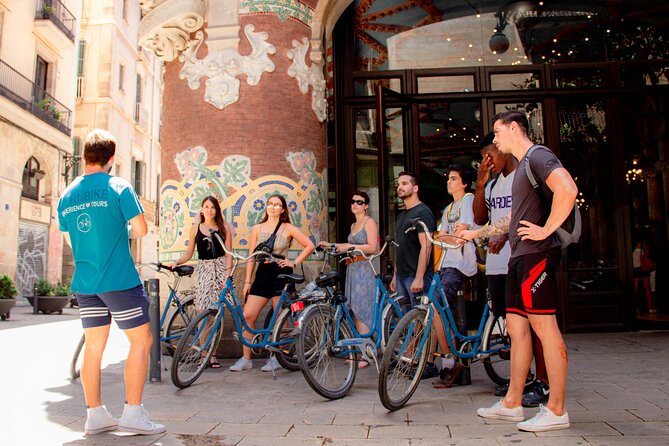
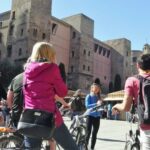
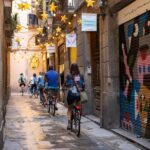
You’ll start in the Gothic Quarter (Barri Gòtic) for a short orientation stop. Admission is free, which is helpful because it lets you spend your time on the street-level vibe and the guide’s framing rather than budgeting for entry at every pause. Even in a brief stop, Barri Gòtic can feel like its own world: narrow lanes, stone facades, and the sense that the city is layered under your feet.
Later, you also pause at Basilica de Santa Maria del Mar, another free stop. This gives you a useful contrast—same broad Gothic feel, different energy and setting. If you’re trying to understand Barcelona’s architectural personality, these two free stops are a strong anchor pair because they’re both about how people built for faith and community in different ways.
Time note: both are about 10 minutes, so you won’t tour every corner inside. Instead, you’ll get a guide-guided snapshot—enough to help you decide if you want to come back later for a longer visit.
Museu Picasso: a quick taste that still helps later
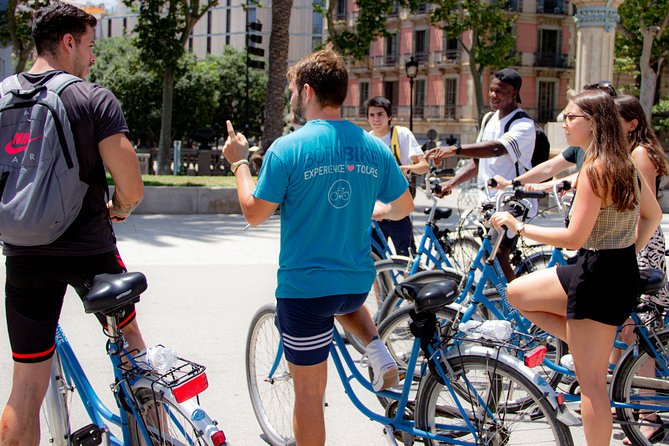
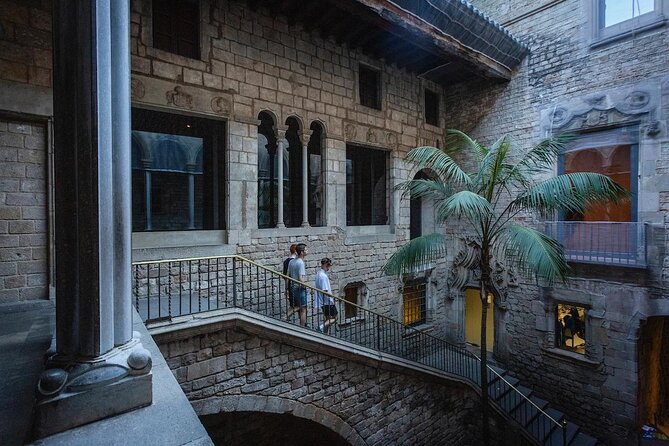
You’ll make a stop at Museu Picasso (admission not included). Here’s the practical value: even if you don’t go inside, your guide’s explanations help you place Picasso in the city’s story, so a later museum visit won’t feel like isolated artwork on white walls.
This stop is also a good moment to decide your priorities. If you’re the type who wants to experience the museum firsthand, you can add paid entry separately. If you’re more about architecture and city texture than art collections, you can treat this as a context stop—your “why this matters” checkpoint—then keep moving.
The tradeoff is simple: because entry isn’t included, you shouldn’t assume time inside. You’re there to see and learn from the outside and from what your guide points out.
Sagrada Família: seeing Gaudí’s scale without committing hours
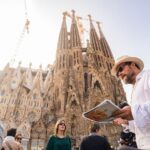
Next comes Basilica de la Sagrada Familia—again, admission not included. This is one of those places where even a short stop can be meaningful because it’s hard to ignore the scale and ambition. The tour gives you a guided pause that helps you recognize what makes the building different, even if you’re not stepping inside.
If you care about interiors, plan extra time for a separate ticketed visit. But if you mainly want a first look and a better understanding of why Gaudí matters in Barcelona, this quick stop does the job. You’ll leave with a clearer sense of what you’re seeing later, whether you revisit it at night or on a calmer day.


Casa Mila (La Pedrera) and Casa Batlló: two famous façades, one practical comparison
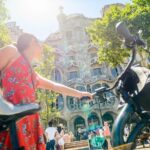
You’ll also stop at Casa Mila (La Pedrera) and Casa Batlló. Both have admission not included, which keeps the tour moving and prevents your schedule from exploding into a half-day plan.
What you get instead is the best kind of “preview”: time to look, time to listen, and time to learn how the guide connects Gaudí’s ideas to what Barcelona became. Since each stop is about 10 minutes, your guide’s job is to give you the right hooks fast—enough to tell you what you should notice next time, or what you might want to photograph in a more relaxed revisit.
Possible drawback: because you’re not entering, your experience is mostly about façades and street views. If you’re the kind of traveler who wants the full interior experience, you’ll still need separate tickets. But as an architectural orientation tool, this section is strong because you cover multiple Gaudí sites in one sweep.
El Born and Passeig del Born: shifting from monuments to neighborhood texture
After the big-name Gaudí and museum stops, the tour shifts gears into El Born. You’ll pause in El Born, then along Passeig del Born, and you’ll also stop at El Born Centre de Cultura i Memòria. These are free stops, which is great because it lets you spend your time on the neighborhood atmosphere without thinking about entrance fees every time you stop.
This part of the ride is where the tour feels more human. The guide’s storytelling helps you connect what you saw earlier (Gothic vs. Modernist) to how people live around these places. It’s also the best segment for easy photos, because streets in El Born often give you natural angles and street-level scenes that feel less posed than some of the more tourist-heavy spots.
If you like continuing the trip on your own after the tour, this is useful because El Born is also where it’s easy to plan a casual next step—coffee, a longer stroll, and wandering that doesn’t feel like a detour.
Price and value: what $43.55 really covers
At $43.55 per person, the value is mostly in what’s included: bike, helmet, water, and a local guide. For a 3-hour experience that covers nine scheduled stops, that’s the core deal. You’re paying for transportation plus interpretation, not for entry fees.
Where your budget may change is admissions. Most major attractions you’ll stop at are not included, so if you want to go inside Sagrada Família, Picasso, La Pedrera, or Batlló, you should plan extra spending. The good news is that the tour still gives you plenty to work with even without paid entry: you’re not losing the plot, because the guide frames each stop so it makes sense right away.
I’d think of this tour as a way to answer three questions quickly:
- What do I want to revisit?
- What kind of Barcelona do I like best?
- Which paid tickets will actually feel worth it next?
Guides and pacing: why the ride stays understandable
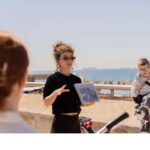
The biggest reason this tour earns such high marks is how it’s explained in real time. Guides often use photo references so you can connect street-level views with the details you might miss at first glance. That’s a small tool, but it makes a big difference when you’re cycling and can’t stop to study every facade like you would on foot.
You may also find the guide flexible. For example, Ernesto has been described building a route that worked for a family with a child and riders with different bike comfort levels—using a double bike for the child and separate bikes for others. That kind of practical accommodation is part of what keeps the experience smooth.
Pacing is also part of the value. With short stop durations, your guide’s job is focused: give you the reason for each place, point you to what to notice, and keep the ride moving safely.
Should you book this Historical and Modernist Bike Tour?
I’d book it if you want a fast, guided orientation to Barcelona and you like understanding a city through its architecture and neighborhoods, not just ticking off landmarks. It’s especially good for first-timers who don’t want to spend a full day commuting around the city on their own.
I’d pass or adjust expectations if you’re hoping for lots of time inside major attractions. Because admission tickets are not included for several headline stops, this tour is best as a viewpoint-and-context ride. You’ll still get a lot, but you’ll likely want to add separate visits later for interiors.
If you’re traveling in English, with a group of mixed ages or cycling abilities, the smaller group size and guide flexibility can be reassuring. And if you like planning smarter instead of longer, this is one of the better ways to do it in Barcelona.
FAQ
How long is the bike tour?
It runs for about 3 hours.
What’s included in the price?
The tour includes a bike, a helmet, bottled water, and a local guide.
Are entrance tickets included for the stops?
Admission is not included for several stops (like Museu Picasso, Sagrada Família, Casa Mila, and Casa Batlló). Some stops are marked free, including the Gothic Quarter and Santa Maria del Mar, plus multiple stops in El Born.
What language is the tour offered in?
It’s offered in English.
Where do I meet the guide?
The meeting point is Carrer de la Marquesa, 1, Ciutat Vella, 08003 Barcelona.
How big is the group?
The tour can have up to 15 travelers, and there’s a minimum of 4 people per booking.