REVIEW · WASHINGTON DC
Monumental Electric Bike Tour
Book on Viator →Operated by Unlimited Biking formerly Bike and Roll DC · Bookable on Viator
The Mall is better at bike-speed. This 3-hour electric bike tour threads together the biggest sights with an expert guide, including a parade-route feel along Pennsylvania Avenue near newly inaugurated presidents. I love how the small group keeps it personal, and I also love the way guides like Berto and Mark share just the right amount of detail without turning it into a lecture.
The main thing to plan around is time: most stops are brief, so you get sharp introductions and views, not long museum-style wandering.
In This Review
- Key things that make this ride worth your time
- Why a 3-hour electric bike tour works on the National Mall
- Meeting at 801 D St NW and the timing that makes or breaks it
- Grant Memorial to the U.S. Capitol: the overview without the inside access
- Library of Congress and the National Archives: quick stops you should pair with a real visit
- Freedom Plaza to the White House: classic views with construction and additions context
- Washington Monument’s two colors, then the World War II memorial on foot
- Vietnam memorials and the Korean War site: where the design actually matters
- Martin Luther King Jr. Memorial and Franklin Delano Roosevelt: hands-on moments, not just photos
- Jefferson Memorial and the Tidal Basin views: end with a payoff
- Price and value: is $89 for 3 hours a fair deal?
- What to bring (and the bike reality checks worth doing)
- Who this tour suits best (and when to choose a different option)
- Should you book Monumental Electric Bike Tour?
- FAQ
- How long is the Monumental Electric Bike Tour?
- How much does the tour cost?
- Are electric bicycles and helmets included?
- What is the minimum age?
- Does the tour go inside major sites like the U.S. Capitol, National Archives, or the White House?
- Where does the tour start?
- What time should I check in?
- Is the tour dependent on weather?
Key things that make this ride worth your time
- An efficient route along the Inauguration-era corridor that keeps you moving without losing the story
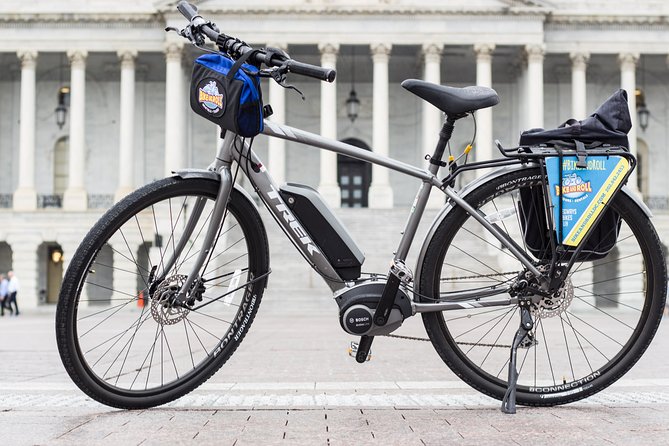
- E-bike + helmet included, so you’re not hunting for gear or paying extra on the day
- Exterior views with smart interpretation at major stops, so you still learn even when you don’t enter
- Short, high-impact stops that work great when you want an overview fast
- A guide who can handle surprises, including road closures, as seen in navigation during shutdown and parade-like disruptions
- Memorials you can actually walk into, like the World War II memorial and several Vietnam-era sites
Why a 3-hour electric bike tour works on the National Mall

In DC, the National Mall can feel huge on foot. This tour solves that by giving you an easy glide between monuments while still letting you pause close enough to notice details you’d skip from a bus window.
What you’re buying here is momentum plus context. You get a guided loop that hits presidents, wars, and civic design in a way that helps the sites make sense as one connected story. It’s also a great pick when your trip schedule is tight and you’d rather “get your bearings fast” than spend half a day commuting and searching for viewpoints.
If you ride at sunset, the monuments can look extra cinematic. Several guides are careful about safety and pacing when it’s darker, so you still feel in control even when the light changes.
You can also read our reviews of more tours and experiences in Washington DC.


Meeting at 801 D St NW and the timing that makes or breaks it
The tour starts at 801 D St NW, and it runs like clockwork. You have to check in 15 minutes early, and they can’t reliably accommodate late arrivals.
This matters because you’re rolling on a route with stops stacked back-to-back. If the group starts late, it can squeeze your stop times even more than they already are. You’ll also want to arrive with the basics handled—helmet fitted, phone ready, and water planned—so you’re not doing logistics while the group is rolling.
One more practical note: you can bring service animals, and trailers/tag-a-longs can’t attach to the e-bikes. Also, luggage can’t be held while you’re on tour, so keep it light.
Grant Memorial to the U.S. Capitol: the overview without the inside access
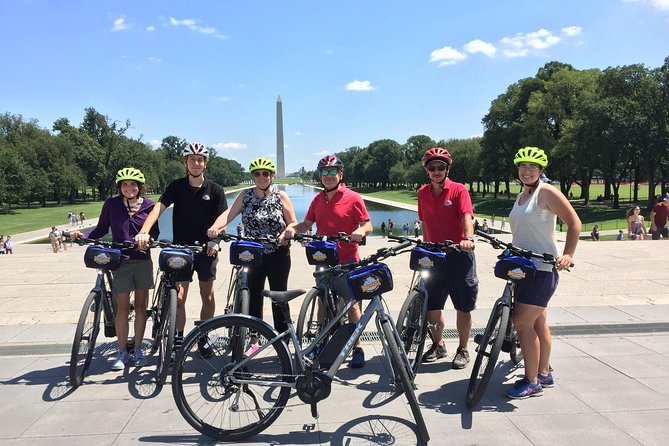
The ride begins at the Ulysses S. Grant Memorial, then swings you toward the Capitol area with commentary that sets the stage for what you’ll see next. Even before you reach the main building, your guide frames why the location and layout matter.
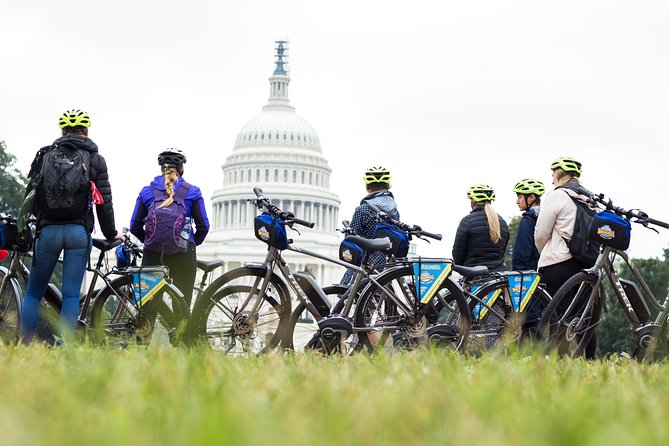
At the U.S. Capitol, you’ll stop at both the east and west sides and learn about design and history. The big catch: you do not go inside, and tickets aren’t included for that stop. That can be a plus if you’re already tired of lines, but it also means you’re here for exterior architecture and perspective, not an interior tour.
This is still valuable. Getting two sides of the Capitol helps you understand sightlines and why different wings and entrances feel different. It’s the kind of stop that makes you want to return later, armed with better questions.
Library of Congress and the National Archives: quick stops you should pair with a real visit

Next up is the Library of Congress, just behind the Capitol. You get time to look in person and understand why this building sits where it does—and how it connects to the story of American government and documentation.
Then you roll toward the National Archives Museum. Here’s the tradeoff: you’re there for context, but you won’t go into the Archives. The tour focuses on what the Archives holds, including letters written by children to U.S. presidents (with some that are genuinely amusing in spirit). You’re not seeing every gallery, but you are getting the “why this place matters” moment.
If you like history that you can touch, this tour is a good primer. Afterward, you’ll have the motivation to plan a separate visit where you can actually linger.
Freedom Plaza to the White House: classic views with construction and additions context
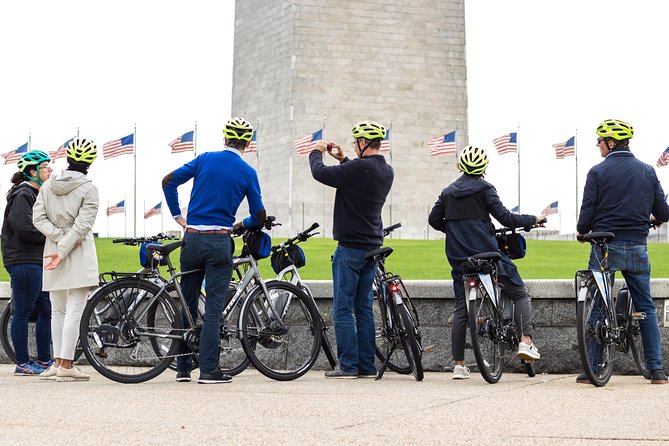
You’ll pass Freedom Plaza on the way to the White House, then get a stop along the Ellipse to see the White House from the south side. You won’t go inside, but you do learn about construction and interesting additions made across different presidential terms.
That combination is underrated. From the street, it’s easy to treat the White House like a postcard. With a guide’s explanation, you start noticing how changes over time reflect different eras of priorities and security needs.
This stop also tends to be one of the most photo-friendly. You’ll have enough time to get your shot and still keep moving without turning the ride into a long pause-and-wait.






Washington Monument’s two colors, then the World War II memorial on foot
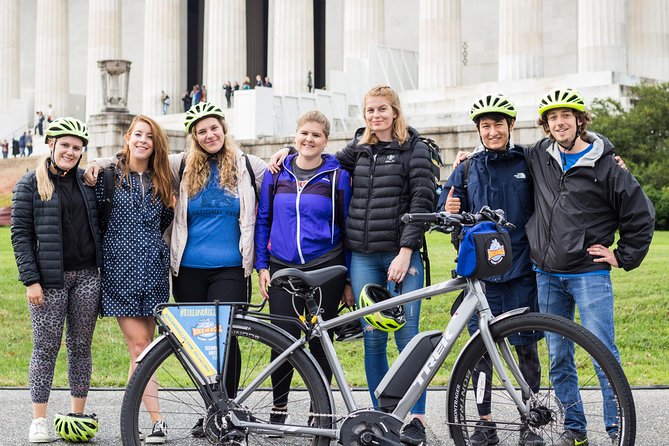
At the Washington Monument, your guide points out something many people miss: the monument appears to be two different colors, and they’ll explain why. It’s a small detail, but it’s exactly the kind of thing that turns a famous landmark into a memorable moment.
Then you shift to the National World War II Memorial. This is one of the better “walk-in” stops on the route. You’ll hear about the significance of the design, and you’ll have a chance to step in and feel what the memorial is trying to communicate—especially because it was dedicated in 2004.
If you’re the type who wants one emotional anchor in a quick tour, this is a strong pick. It balances information with a human moment, without eating up your entire day.
Vietnam memorials and the Korean War site: where the design actually matters
The tour continues into the Vietnam-era story in a way that’s easy to follow and hard to forget.
At the Vietnam Women’s Memorial, you’ll get a guided explanation before your short stop. Then at the Vietnam Veterans Memorial, you hear the story behind the design and the designer. After that, you’ll have time to walk through the memorial, which is where the experience stops feeling like a drive-by.
The Korean War Veterans Memorial is another one that benefits from guidance. You may miss the “hidden significance” if you’re just wandering on your own, so it’s smart that the tour gives you a quick orientation while you’re there.
Also pay attention to the pacing. One downside of fast tours is you can feel rushed at each stop. The good news here is that guides generally keep you from losing the thread. That’s where people rave about guides like Greg H and Noah—their ability to connect what you’re seeing to why it’s there.
Martin Luther King Jr. Memorial and Franklin Delano Roosevelt: hands-on moments, not just photos
This is where the tour shifts from overview to something a little more personal.
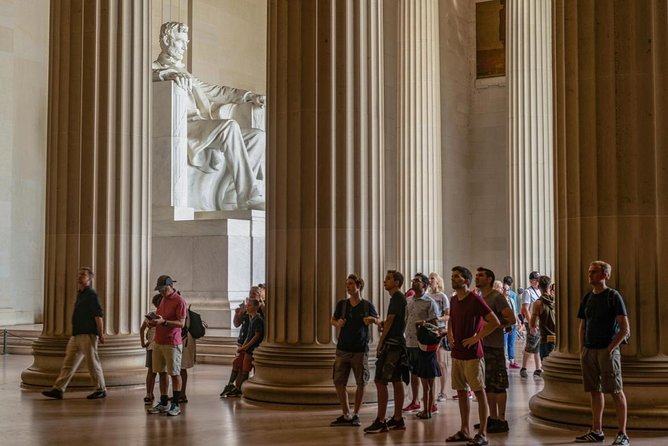
At the Martin Luther King Jr. Memorial, you stop outside first, then you walk through the Mountain of Despair to view the Stone of Hope. That route matters. Even on a short stop, the memorial’s layout guides how you experience it.
Then you reach the Franklin Delano Roosevelt Memorial. Instead of only looking from the sidewalk, you hop off your bike and walk through the four rooms that represent his terms as president. There’s also a playful tradition here: don’t forget to rub Fala’s ears for luck.
If you enjoy tours where you can do one or two “hands-on” moments, this pair of stops delivers. And if you’ve ever felt like DC memorials are too big to process, these are the ones that help you make sense of them quickly.
Jefferson Memorial and the Tidal Basin views: end with a payoff
You’ll finish by heading to the Jefferson Memorial. Here you’ll climb the steps to see inside the monument, then take in sweeping views toward the Tidal Basin.
This last segment works well because it gives you a sense of place. Many visitors see individual landmarks, but it’s harder to understand how the Mall connects to the water and the open space nearby. This stop helps you feel that bigger map in your head.
By the time you roll back to the meeting point, you’ll likely recognize the route faster. That’s the quiet benefit of doing it on bikes: the city starts to feel navigable.
Price and value: is $89 for 3 hours a fair deal?
At $89 per person for about 3 hours, the value depends on what you want from DC.
You’re getting three things bundled together:
- A professional guide who ties stops into a coherent story
- A rental e-bike plus a mandatory helmet
- Time-saving access to a lot of major sites in one go
The big savings is that you’re not spending your day figuring out logistics between distant monuments. A bike tour like this can replace multiple rides on public transport and reduce walking stress—especially if you want to cover more than you can comfortably do in a day on foot.
That said, pay attention to one value trap: you may feel like the tour is more overview than deep dive. Some people love that, especially for a first trip. If you’re the kind of traveler who wants to linger, take your time, and read every plaque, you’ll still enjoy it, but you may want to add extra independent time after.
What to bring (and the bike reality checks worth doing)
Bring your own hydration. The tour data doesn’t list water as included, and some people found that water expectations didn’t match what was available. A small bottle that fits a bike holder is a simple fix.
Also bring your patience about bike condition. A few riders noted issues like squeaky brakes, kickstands that weren’t great, or bikes that felt worn. On the flip side, guides have handled quick adjustments fast—one ride even included a quick fix when a bike wasn’t working properly.
Before you roll, do a 30-second check:
- Helmet fit (required)
- Brakes feel responsive
- Kickstand locks down cleanly
- Phone/key pouch is secure (there’s typically a small pouch for essentials)
And if you’re paying special attention to having an e-bike, confirm you’re actually on the e-bike at check-in. A couple of accounts mentioned a mismatch that made the group wait for an exchange.
Who this tour suits best (and when to choose a different option)
This tour fits best if you want:
- A fast orientation to the National Mall highlights
- Memorials + civic architecture explained in plain language
- A ride that’s easier than walking for long distances
Reviews also point to real accessibility value. People with mobility issues have found that e-bikes make it possible to enjoy the same DC sights without the same physical toll.
If you’re a serious pedal-power cyclist, you might find e-bike speed changes the group rhythm. One tip that came up: if most riders are on regular bikes, e-bike riders can end up braking more often to stay together. In that case, ask yourself whether you’d rather match the group pace on a standard bike—if that’s an option for your booking—or whether you’re happy slowing down with practice.
If you want to enter buildings, this isn’t your tour. You won’t go inside the Capitol, the Archives, or the White House. It’s built for exterior views and quick stops, with selected memorial walking.
Should you book Monumental Electric Bike Tour?
Book it if this sounds like your style: you want a guided, efficient overview of DC’s biggest monuments, with time to step into several memorials and a pace that keeps you from exhausting yourself.
Skip it or pair it with other plans if you’re craving deep museum time at fewer sites. This ride moves. You’ll leave knowing where everything is and why it matters, but you’ll probably still want follow-up visits.
If you do book, here’s the best way to make it feel worth every dollar: pick one or two stops you care about most, then come back later to linger on those. The tour gives you the map and the meaning—your independent time gives you the rest.
FAQ
How long is the Monumental Electric Bike Tour?
It runs for about 3 hours.
How much does the tour cost?
The price is $89.00 per person.
Are electric bicycles and helmets included?
Yes. E-bike and helmet rental are included, and helmets are mandatory.
What is the minimum age?
Minimum age is 16 years. IDs may be checked.
Does the tour go inside major sites like the U.S. Capitol, National Archives, or the White House?
No. The tour does not go inside the U.S. Capitol, the National Archives, or the White House.
Where does the tour start?
It starts at 801 D St NW, Washington, DC 20004, USA, and ends back at the meeting point.
What time should I check in?
You must check in 15 minutes prior to departure time.
Is the tour dependent on weather?
Yes. The tour may be canceled if weather makes riding conditions dangerous, and you’ll be offered a different date or a full refund.