REVIEW · MEXICO CITY
Mexico City: Art Naco, murals & street art bike tour
Book on GetYourGuide →Operated by Poray Biclaturs & Rentals · Bookable on GetYourGuide
Street art looks different at bike speed. Art Naco sends you into CDMX barrios to follow murals and graffiti in contrasting neighborhoods, guided by people who connect the walls to the city’s culture.
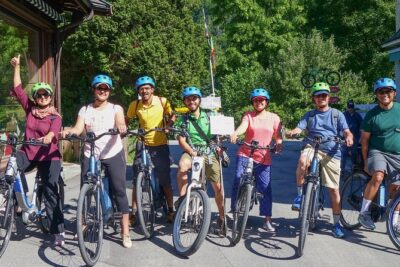
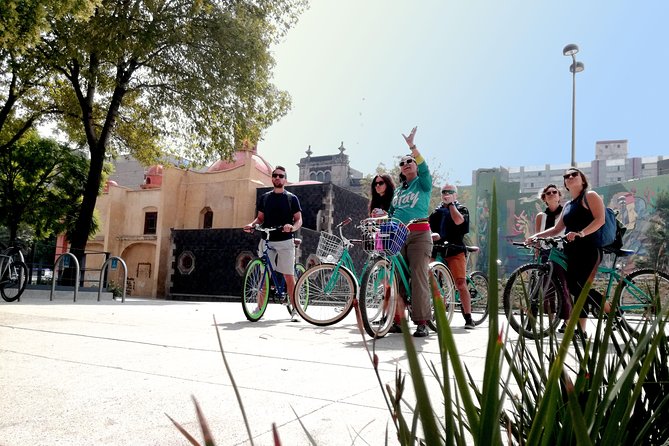
What I like most is the mix of mural stories with real street life, plus the way the team keeps the group moving safely through traffic. You’ll ride with a lead guide and often a co-guide, like Alberto with Timo, so you’re not wrestling the city alone.
One possible drawback: it’s a full 3 hours on the bike, so you’ll want decent comfort in traffic-adjacent riding and good sun protection.
In This Review
- Quick hits that matter
- Start at Poray Bike Shop and get comfortable fast
- North, Downtown, or South: how the route changes the story
- North Route: Buenavista, Guerrero, Tlatelolco
- Downtown Route: Obrera and Doctores around the action
- South Route: Coyoacán (and Frida’s neighborhood if requested)
- Key stops: Vasconcelos Library, Zócalo, Three Cultures, and artist workshops
- Vasconcelos Library: architecture as part of the art
- Workshops and artist collectives: where art gets made
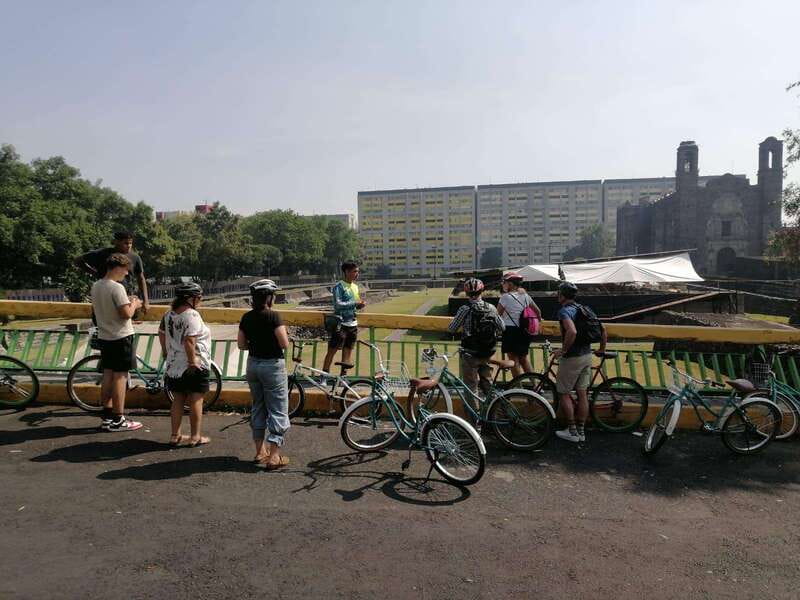
- Three Cultures Square: layering history in one glance
- Zócalo and Regina Alley: urban art meets landmark energy
- MUJAM: toys and memory in the middle of street culture
- Street food break: tacos and snacks in the right neighborhoods
- Real safety in traffic with two guides
- Price and value: what $52 includes
- Who should book (and how to prepare)
- Should you book Art Naco?
- FAQ
- How long is the Art Naco street art bike tour?
- How much does it cost?
- Where do I meet the tour?
- What’s included in the price?
- What routes are available?
- What languages is the guide available in?
Quick hits that matter
- Small group (up to 10): easier pacing, more time at walls, less waiting.
- Three route options: North for Buenavista/Guerrero/Tlatelolco, Downtown for Zócalo-area street art, South for Coyoacán and Frida’s neighborhood.
- Street food stop included: tacos/snacks break the ride and feel like the point.
- Guides manage intersections: you get bike-lane help and traffic-wrangling, not just “good luck.”
- Art stops beyond murals: libraries and artist workshops like Vasconcelos and 8A/75 Degrees.
Start at Poray Bike Shop and get comfortable fast
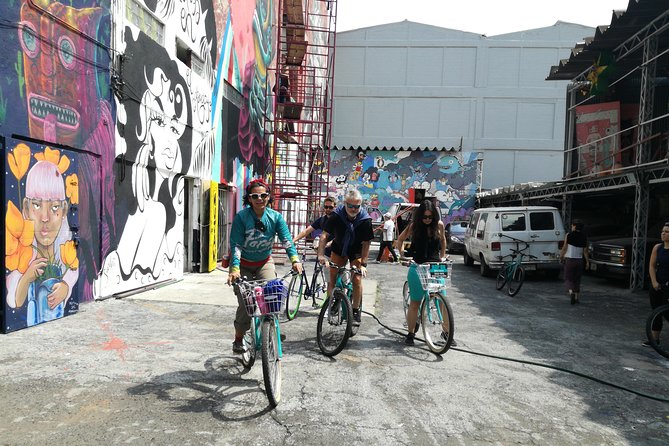
You meet at Poray Bike Shop, entrance next to the Fontan Hotel, right in front of MetroBus Hidalgo. It’s the kind of start that saves time: you’ll be on bikes quickly instead of wandering to the “right corner.”
The ride itself is usually manageable for most people. Mexico City is famously flat in practice, and the routes are planned so you spend more time on bike lanes or calmer streets and less time grinding through rough roads.
Bring the basics and you’ll feel great. I’d pack sunglasses, a sun hat, and sunscreen (the tour runs 3 hours, and the sun doesn’t negotiate). Comfortable shoes also matter, because the best murals often come with quick stops where you’ll want to step off and look up.
You can also read our reviews of more tours and experiences in Mexico City.

North, Downtown, or South: how the route changes the story
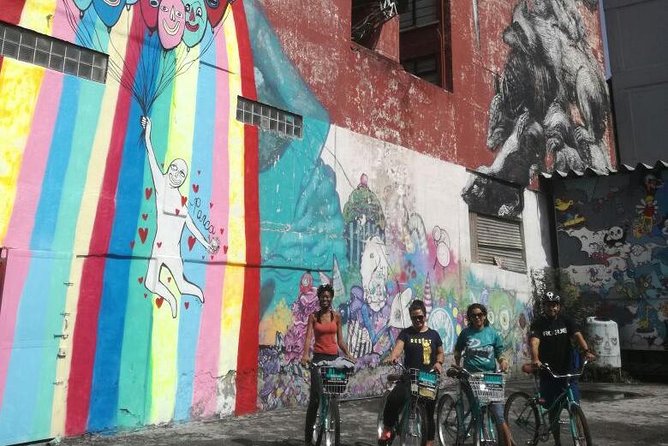
The tour runs one of three routes, and each one gives you a different flavor of CDMX.
North Route: Buenavista, Guerrero, Tlatelolco
This option tends to feel like “Mexico City through neighborhoods that talk to each other.” You’ll ride through areas known for strong community identity and a street-art style that mixes Mexican stories with everyday life.
Key stops can include Vasconcelos Library, 8A Workshop, and Three Cultures Square. If you love art that’s tied to place—where the wall reflects local tradition—this North route is the one to pick.
Downtown Route: Obrera and Doctores around the action
If you want the city’s energy with a bit more contrast, choose Downtown. Expect urban art packed into areas with colonial-era shapes nearby and modern city life all around.
Stops can include Zócalo, Regina Alley, 75 Degrees Workshop, and MUJAM (Museum of Ancient Mexican Toys). This is a strong choice if you like street art but also want anchors that help you understand how the city grew.
South Route: Coyoacán (and Frida’s neighborhood if requested)
South is for you if you want art that feels more personal and artistic. Coyoacán has a different rhythm, and the route can include Frida’s neighborhood—but you’ll need to inform the team ahead of time because the starting point is south of the city.
This route can be a great match if you’re doing CDMX for the first time and want street art without only thinking “center-city chaos.”


Key stops: Vasconcelos Library, Zócalo, Three Cultures, and artist workshops
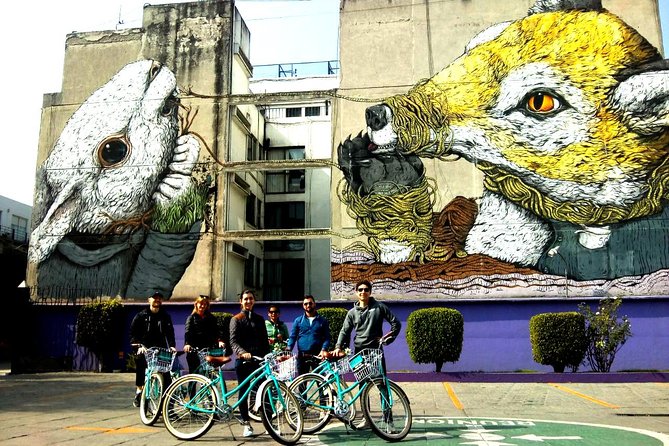
The magic of this tour is how it turns murals into context. You don’t just see color—you get the why: who painted it, what it references, and how the neighborhood shaped the message.
Vasconcelos Library: architecture as part of the art
When the group stops at Vasconcelos Library, it’s not just a photo-op. The building’s design becomes part of the experience, and it’s easy to see why people treat it like a community space rather than a distant landmark. You’ll spend enough time to look at the details instead of snapping and moving.
Workshops and artist collectives: where art gets made
A major highlight is the chance to visit an artist space at a workshop/taller stop, such as 8A Workshop on the North route or 75 Degrees Workshop on Downtown. In practice, these stops can feel like stepping closer to the creative process instead of only consuming the finished street murals.
One strong pattern from the tour is that the guides connect the wall art to the people working on it—so you start noticing styles and themes that you’d miss if you were just walking by.
Three Cultures Square: layering history in one glance
At Three Cultures Square, the tour leans into the idea that CDMX is layered. You get a quick lesson in how different time periods sit close together, and the street art around the area helps you see the city as a living conversation across eras.
This stop is a good reality check if you’ve mostly seen CDMX through monuments and museum walls. Here, the “history lesson” comes partly from what people put on buildings every day.
Zócalo and Regina Alley: urban art meets landmark energy
Downtown includes Zócalo, one of the big emotional centers of CDMX. The guide keeps it from turning into a generic sightseeing stop by tying the surrounding street-art world to what’s happening in the neighborhoods.
Then Regina Alley adds texture—more small-scale walls, more street-level details, and more “you’d miss this if you weren’t on a bike” moments.
MUJAM: toys and memory in the middle of street culture
On the Downtown route, MUJAM brings an unexpected angle. Instead of only thinking about contemporary street art, you’re reminded that Mexican creativity has long histories—and that everyday play can become part of cultural memory.
Street food break: tacos and snacks in the right neighborhoods
This tour includes street food or snacks, and that matters because it’s timed into the ride—not tacked on as an afterthought. You stop, eat, and then keep riding with a better sense of where you are.
You might try tacos, tlacoyo, corditas, and classic drink options like agua de jamaica. The exact menu can vary, but the goal stays consistent: food that feels local, eaten where locals actually walk and talk.
If food is a concern, this is one of the calmer tours for it. People on the tour have noted dietary needs can be handled (including vegetarian and vegan). Still, if you have allergies or strict limits, tell the guides at the start so they can steer you safely.
Real safety in traffic with two guides
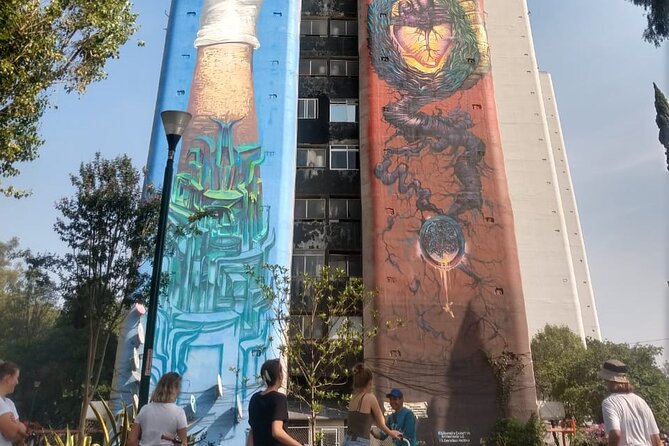
Riding bikes through CDMX traffic can sound intimidating. This tour is built to reduce that stress.
You’ll usually get help from at least one lead guide, and often a co-guide or support rider—like Alberto with co-guide Timo—who helps with pacing and safety. In multiple rides, guides manage intersections by positioning the group and helping you get across busy points.
In practice, that means:
- you follow route choices that lean toward bike lanes and calmer streets
- you ride with clear instructions before crossings
- you have extra eyes on traffic compared with a solo ride
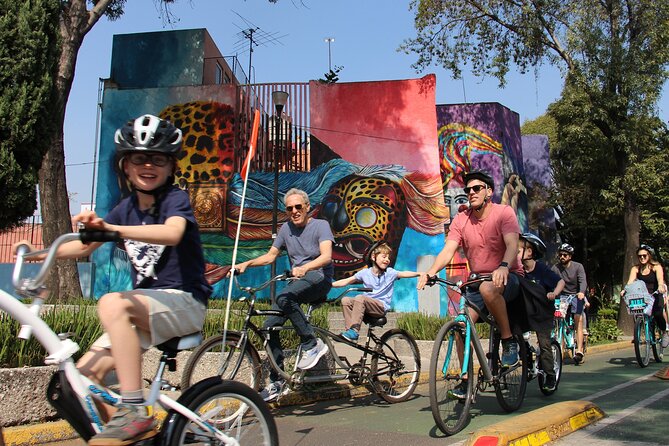
Helmets are used on the rides as well, based on guest experiences. And the pace tends to stay social and filmable—enough time to stop for murals without turning it into a sprint.
One other comfort detail: this isn’t a mountain-bike workout. People report the ride feels manageable even if they don’t ride often at home.
Price and value: what $52 includes
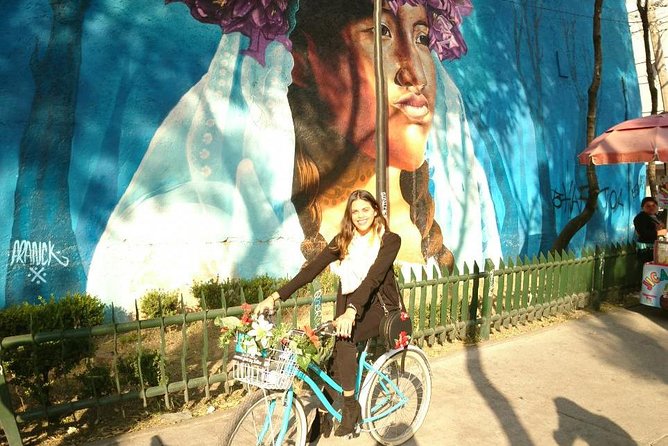
At $52 per person for 3 hours, the best value angle isn’t just the bike. It’s what comes bundled with it:
- Local guide (plus extra staff support on many tours)
- Bicycle and bottled water
- Street food or snacks
- Personal injuries insurance
When you add up those pieces, it starts looking less like a basic sightseeing tour and more like a full “day you didn’t have to plan” package. You’re paying for the route knowledge, the timing of stops, and the translation of street art into something you can actually understand.
Is it worth it if you only want a few murals? Maybe not. But if you want the city context—neighborhood feel, history cues, and the art world in motion—this price tends to feel fair.
Who should book (and how to prepare)
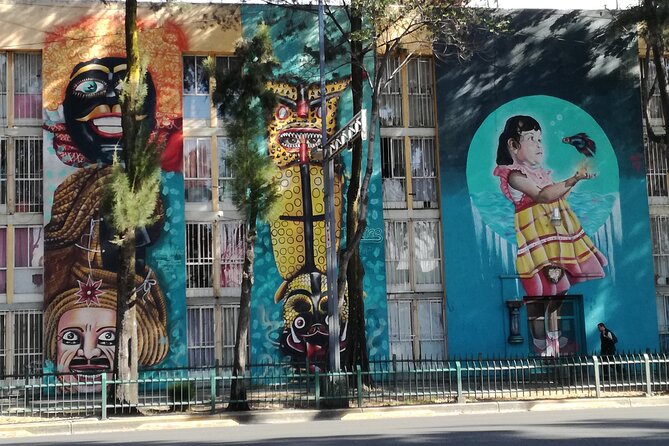
This is a great fit if you want:
- to see CDMX through barrios, not only the postcard core
- to learn the story behind street art and murals
- a fun way to cover ground without stacking buses and taxis
It’s also ideal early in your trip, because the tour helps you get your bearings fast. After a ride like this, it’s easier to choose where to go next—especially for museums, markets, and other art-adjacent corners.
You might want to skip it (or ask questions first) if you’re extremely uncomfortable biking or you dislike sun exposure. The tour includes sun protection tips, but you’ll still be outdoors for the full 3 hours.
Quick prep checklist:
- Comfortable shoes
- Sunglasses + sun hat + sunscreen
- A light layer if you get chilly at night (optional, since you’ll be active)
- If you want the South route with Frida’s neighborhood, tell them ahead of time so they can plan the starting point properly
Should you book Art Naco?
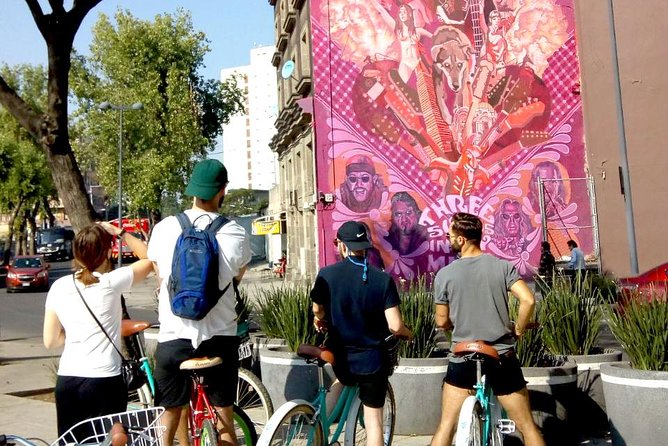
Book it if you want more than graffiti as decoration. This tour is about how murals and street art connect to neighborhoods, community spaces like libraries, and the people creating the work—while you get real structure and safety in the traffic.
If you’re on the fence about biking, I’d still give it a strong look. The tour is set up for manageable riding, and the guide support makes a noticeable difference.
Just be honest with yourself about sun and motion: if you hate being outside and moving continuously, you may not love the format.
FAQ
How long is the Art Naco street art bike tour?
The tour lasts 3 hours.
How much does it cost?
It’s $52 per person.
Where do I meet the tour?
Meet at Poray Bike Shop, with the entrance next to the Fontan Hotel, in front of MetroBus Station Hidalgo.
What’s included in the price?
You get a street art tour, a local guide, a bicycle, bottled water, street food or snacks, and personal injuries insurance.
What routes are available?
There are three routes: North (Buenavista/Guerrero/Tlatelolco), Downtown (around Obrera and Doctores, including stops like Zócalo), and South (Coyoacán, with Frida’s neighborhood possible if you inform them).
What languages is the guide available in?
The live tour guide speaks English, Spanish, and German.