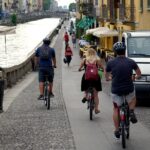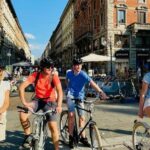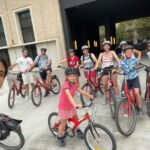
Milan looks different when you pedal it. In just 3.5 hours, this guided bike ride threads together Duomo to Roman ruins, with aquamarine bikes and story-rich guide stops that make the city feel personal.
I love the mix of main sights plus quieter neighborhoods, including stops around Ticinese and Brera. I also like the practical riding side: flat routes, a relaxed pace, and gear that makes a short tour feel easy, with helmets and even a waterproof jacket if weather turns.
One thing to consider: this isn’t for people who can’t ride a bike. There’s also a minimum height of 135 cm, so taller kids or adults only if you meet that baseline.
In This Review
- Key things I’d look for on this Milan bike tour
- Why this 3.5-hour bike loop is such a smart Milan move
- Starting point and Milan’s ZTL zone: the one practical warning you should care about
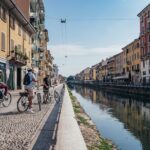
- Ticinese warm-up: the streets that help Milan feel local
- Duomo area to Palazzo Reale: seeing big architecture without big effort
- Galleria Vittorio Emanuele II and La Scala: the Milan contrast that’s hard to get any other way
- Brera and the Pinacoteca area: art Milan, not just monument Milan
- Porta Nuova: the modern stretch that shows Milan’s next chapter
- Castello Sforzesco and Parco Sempione: pause for the green lung
- Arco della Pace and the Roman ruins finale: why the ending feels memorable
- Bikes, helmets, and waterproof jackets: the small inclusions that make the ride feel stress-free
- Guide style: how Paulo, Sandra, and Martha turn stops into meaning
- Pace and group feel: easy to enjoy, not exhausting
- Value check: is $44.41 worth it for a Milan overview?
- Weather reality: rain won’t automatically cancel your plan
- Who should book this (and who should skip it)
- Should you book this Milan bike tour?
- FAQ
- How long is the Milan highlights bike tour?
- Where do we meet for the tour?
- What languages are the guides?
- Is the tour suitable for kids or people who can’t ride a bike?
- What should I bring, and are there rules about alcohol or drugs?
- What happens if it rains?
- Can I cancel and get a full refund?
Key things I’d look for on this Milan bike tour
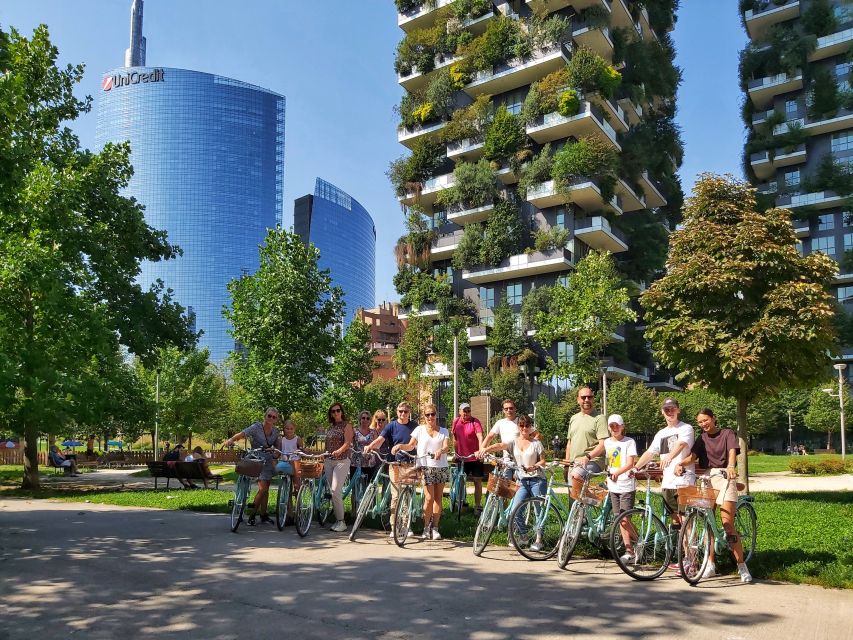
- 3.5 hours, big-city coverage: Duomo, La Scala area, Brera, Porta Nuova, Castello Sforzesco, Parco Sempione, and Roman remains.
- Aquamarine bikes with good condition: multiple sizes are available, and bikes are described as well kept.
- Flat, easy pedaling: multiple guides keep the ride smooth without complicated gear shifts.
- Passionate storytelling: named guides like Paulo, Sandra, and Martha are praised for history and clarity.
- Stops that balance wow and breaks: iconic architecture plus green space, with time for a coffee or gelato break on some departures.
- International group vibe: a fun shared pace where the guide keeps everyone together.
Why this 3.5-hour bike loop is such a smart Milan move
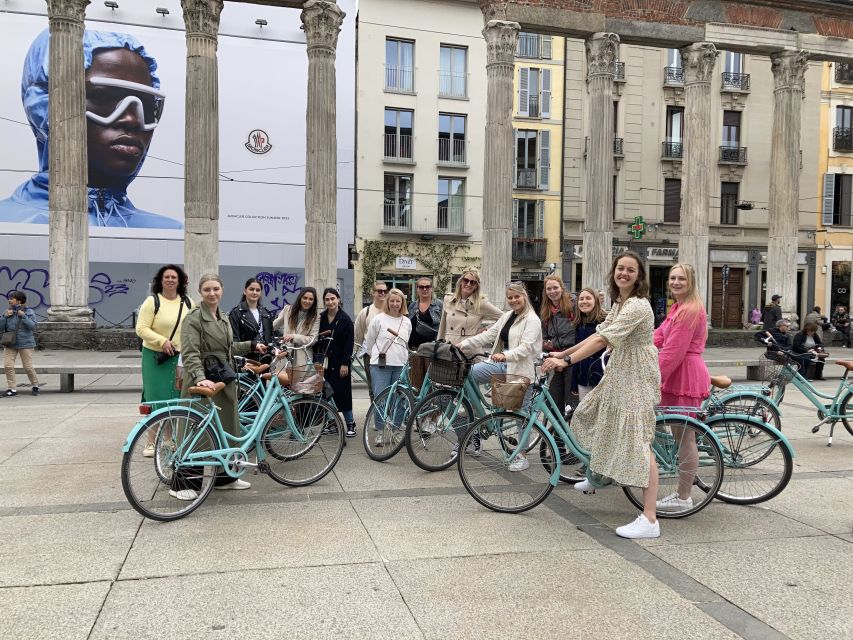
Milan is one of those cities where the center can feel intense fast. You can do the Duomo, the Galleria, and La Scala and still miss the city’s “other” Milan: the residential streets, the art quarter, the modern skyline, and the quieter green spaces. This tour is built to fix that problem with a tight route and just enough time in each area.
The best part of a short bike tour is control. You get an overview without committing an entire day to walking between far-apart sights. And because you’re rolling through districts rather than hopping by bus, the city feels more connected. You also come away with a mental map for the rest of your trip, including where you actually want to return on foot.
You can also read our reviews of more tours and experiences in Milan.
Starting point and Milan’s ZTL zone: the one practical warning you should care about
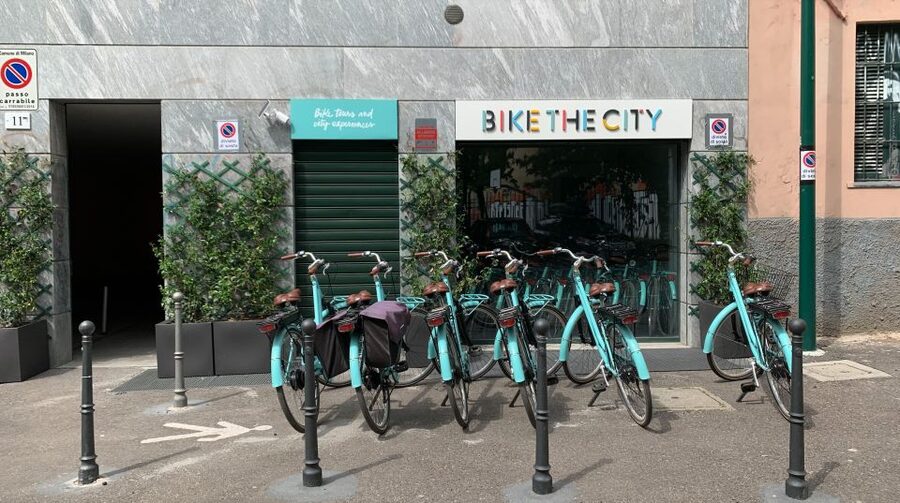
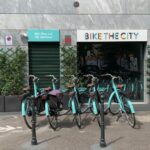
Getting to the start is pretty straightforward, especially if you’re using the metro. The meeting point is near Vetra (M4), about 3 minutes on foot. Other options include Duomo (M1/M3) (around 14 minutes on foot or a short tram ride) and S. Ambrogio (M2) (about 12 minutes on foot or a bus option).
If you’re arriving by car, pay attention to the ZTL warning. The tour info specifically notes that you should avoid entering the restricted traffic zone to prevent fines. Even if you’re only dropping someone off, it’s worth planning a parking spot outside the ZTL area so you don’t end up fighting paperwork before your bike ride.
Ticinese warm-up: the streets that help Milan feel local
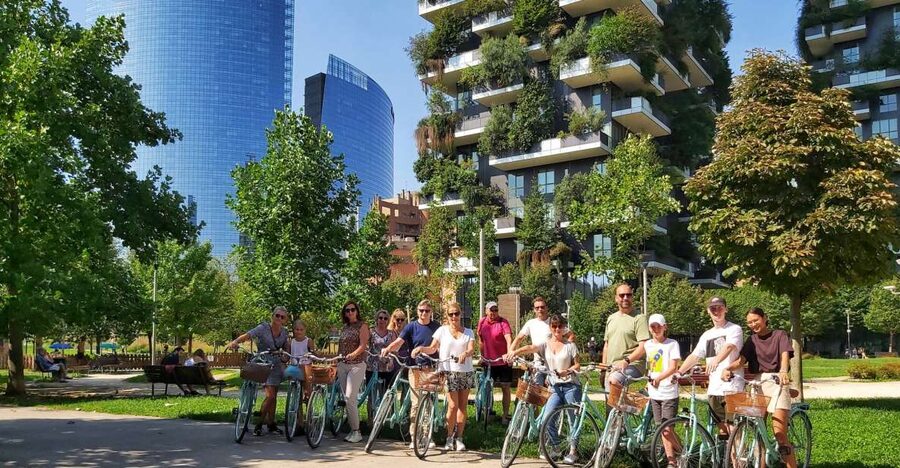
Most Milan first-timers anchor themselves around Duomo, but Ticinese is where the city starts to feel like a place where people actually live. The tour begins in this historic, lively area, then rolls into the central sights at a comfortable pace.
Why this matters: Ticinese sets the tone for the entire ride. You transition from neighborhood streets to famous monuments without feeling like you’re being herded from one postcard to the next. You also get early context from your guide before the big landmarks show up, so when you reach the Gothic facade or the grand shopping gallery, the details land harder.
Duomo area to Palazzo Reale: seeing big architecture without big effort
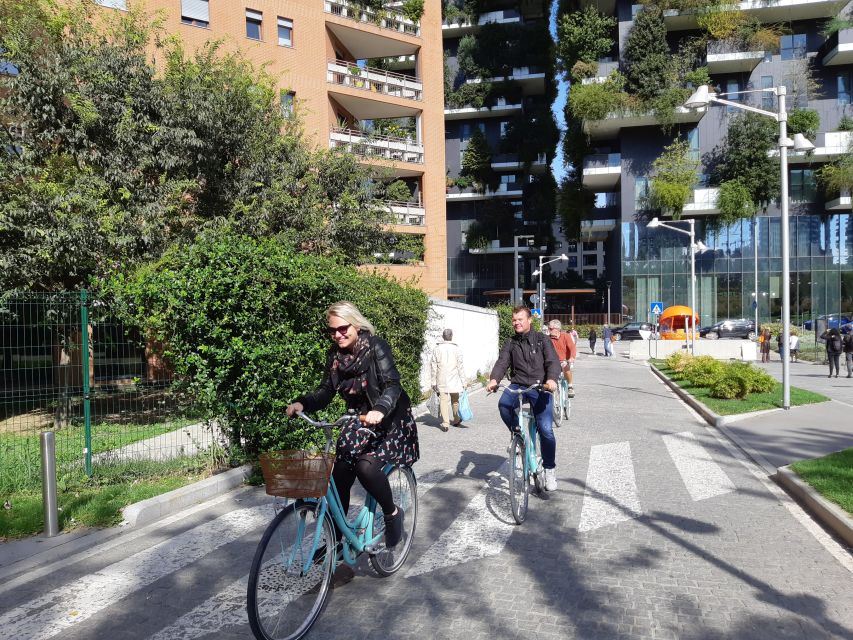
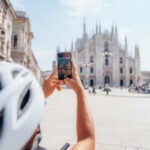
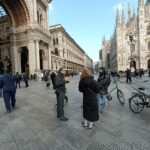
The route takes you to the Duomo Cathedral and the nearby grand sets of civic power that define Milan’s center. You’ll pass the Gothic architecture of the Duomo and then move toward the Palazzo Reale, the kind of refined building that looks even better when you’re not stuck behind a crowd at walking speed.
Bike travel helps here. On foot, you often approach these sites like a checklist. By bike, you can see them at multiple angles as the route threads through the surrounding streets. That gives you a more complete sense of scale—especially for the Duomo, which can look different depending on where you’re positioned.
A note on pace: the tour is described as smooth and fun, and the ride is kept leisurely for an international group. That usually means you’re stopping for stories and photos, but you’re not standing around waiting for long stretches.
Galleria Vittorio Emanuele II and La Scala: the Milan contrast that’s hard to get any other way
From the Duomo zone, you head toward the Galleria Vittorio Emanuele, a classic Milan shopping arcade with an elegant, unmistakable presence. Then the tour brings you to La Scala, the world-renowned opera house.
Here’s the practical value: when you see these landmarks by bike, you don’t just admire the buildings—you also feel how the city organizes space around them. The Galleria isn’t just a stop; it’s a crossroads of style, commerce, and foot traffic. And La Scala isn’t just a facade; the surrounding streets show you how Milan “performs” in everyday life.
What I like about this segment is that it keeps the famous sights from becoming one-note. With a guide’s anecdotes layered in, the buildings start to make sense as part of a larger story: power, culture, and identity all in one small radius.
Brera and the Pinacoteca area: art Milan, not just monument Milan
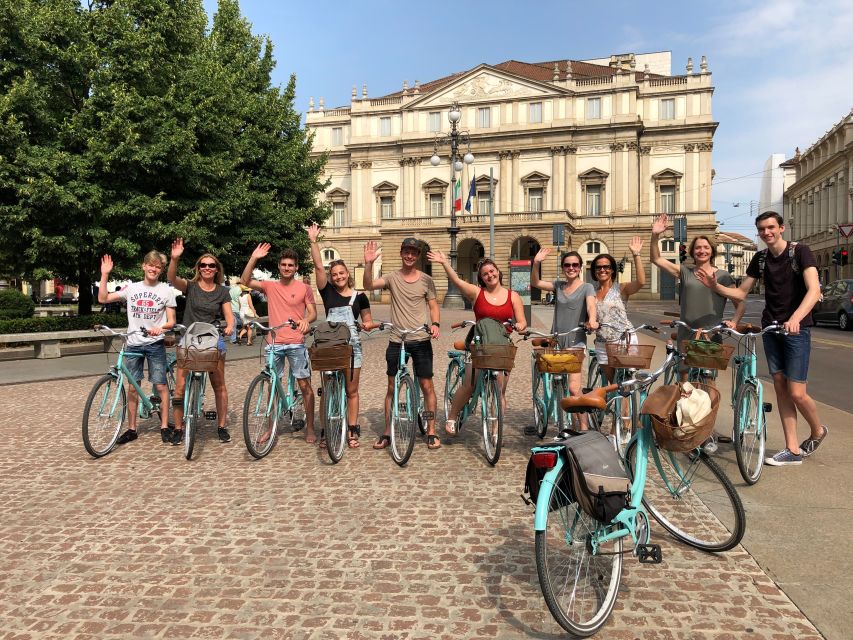
Next up is Brera, commonly described as Milan’s artistic heart. The tour includes time that brings you close to the Pinacoteca area, so you’re not only passing through shops and cafés. You get the feeling of why Brera has long been a magnet for creative energy.
This is a great moment in the ride to slow your brain down. Big sights keep adrenaline high, but Brera shifts things toward taste, design, and culture. Even if you don’t go inside any museums during the tour, you’ll still learn what makes the district tick and how it differs from the sleek center.
Some departures include a chance to reset mid-ride. One group experience highlighted an opportunity for a coffee and gelato break halfway through. If that happens for your schedule, treat it as more than a snack stop. It’s a good time to recharge so you can enjoy the remaining contrasts—modern Milan next, then castles and parks.
Porta Nuova: the modern stretch that shows Milan’s next chapter
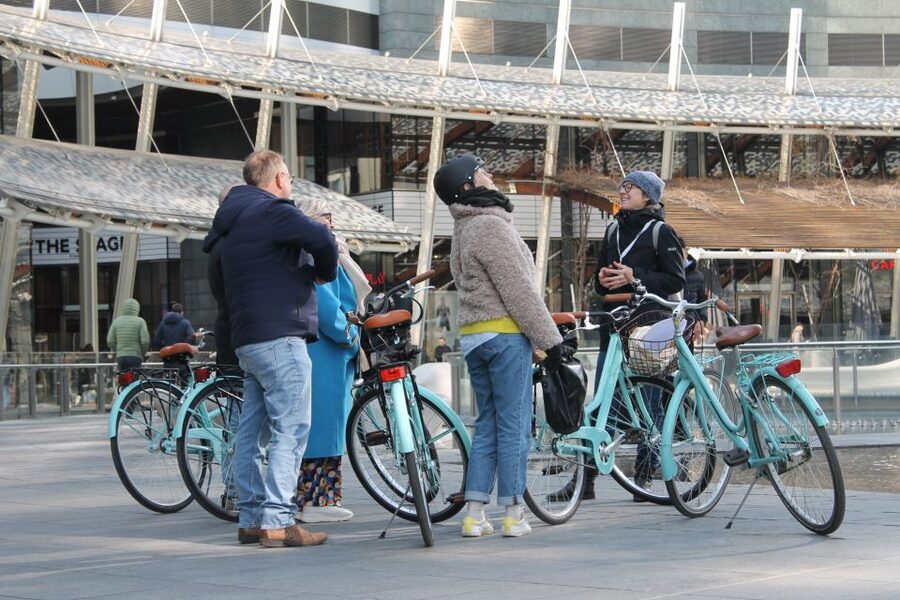
After Brera, the tour shifts forward in time to Porta Nuova, where architecture turns sharper and newer. This is where you see how Milan looks when it’s planning rather than preserving. The contrast is striking: older stone and classic lines give way to cutting-edge shapes and a more contemporary skyline.
Why this segment matters: if you only focus on old Milan, you can leave the city feeling like it’s stuck in the past. Porta Nuova gives you balance. You get a reality check that Milan is still building, still changing, still working.
On a bike, you’ll also feel the city’s rhythm. Streets here can feel more open and structured, which makes the riding even easier if you’re trying to enjoy the tour without constant stopping.
Castello Sforzesco and Parco Sempione: pause for the green lung
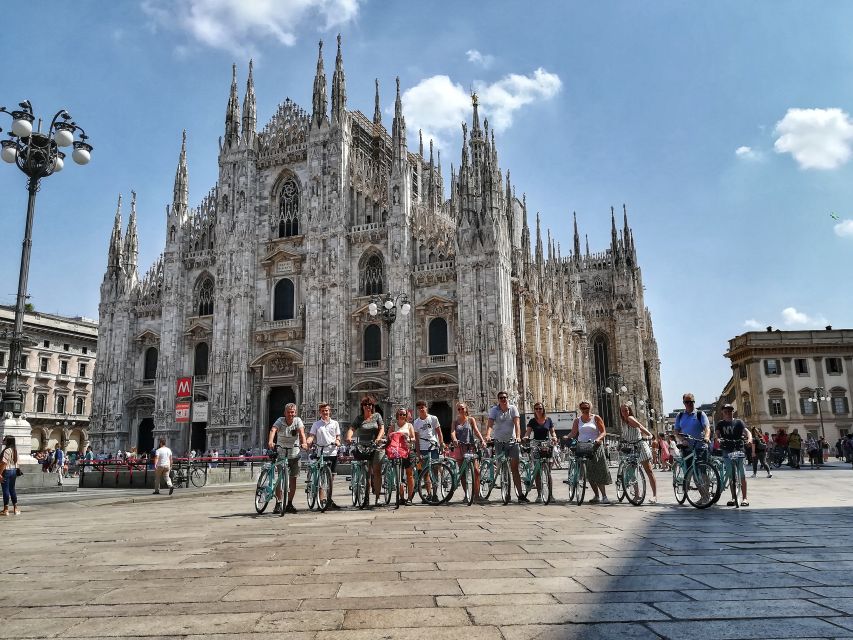
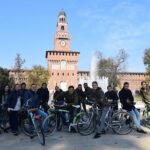
Then comes Castello Sforzesco, a major landmark that feels like a hard stop in the best way. You get the dramatic entrance of the fortress area and then roll into the calmer zone of Parco Sempione—Milan’s lush green lung in the middle of all that urban intensity.
This combination works because it gives your eyes a landing. Architecture is one kind of stimulation. Green space is another. Taking the bike through Parco Sempione lets you breathe a little and appreciate Milan as a city that plans for rest and air, not only for monuments.
Your guide also plays an important role here, because the castle and park aren’t just scenery. They connect to the way Milan organized power and leisure across different eras, so your stops feel like a timeline rather than random photo points.
Arco della Pace and the Roman ruins finale: why the ending feels memorable
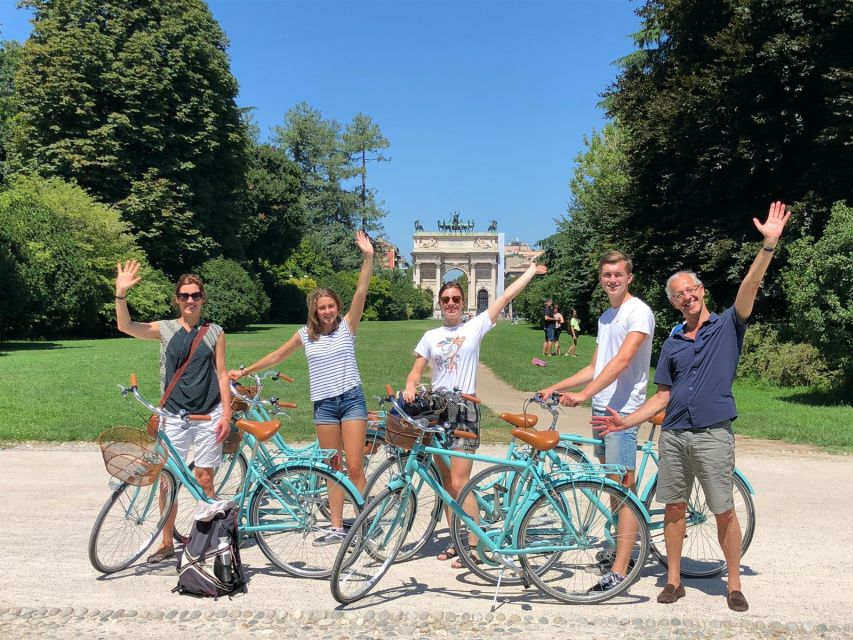
The ride then heads to Arco della Pace, an elegant neoclassical triumphal arch that frames the park space and the city beyond. After that, the tour takes a big historical leap into the Roman layer of Milan.
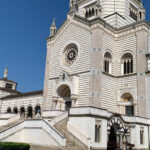
This is the part that tends to surprise people: you cycle into remnants connected to Milan’s imperial period, with stops that recall the Roman palace, circus, and amphitheater areas. Even if you’ve seen Roman ruins elsewhere in Italy, the way they connect to Milan’s modern city footprint gives this finale extra punch.
Why it works at the end: by the time you reach the Roman sites, you’ve already built context from the earlier segments (Duomo and palazzi for power, La Scala and Brera for culture, Porta Nuova for the city’s present). The Roman ruins close the loop by showing that Milan’s identity has always been layered.
Bikes, helmets, and waterproof jackets: the small inclusions that make the ride feel stress-free
The ticket includes the bike, helmet, an official guide, and third-party liability insurance. You also get a waterproof jacket in case of rain, which is practical even on days when you think you’re safe.
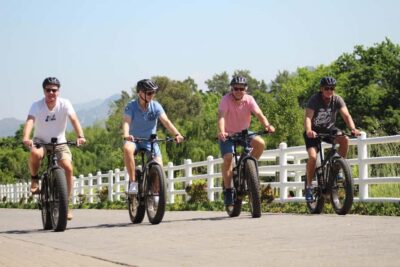
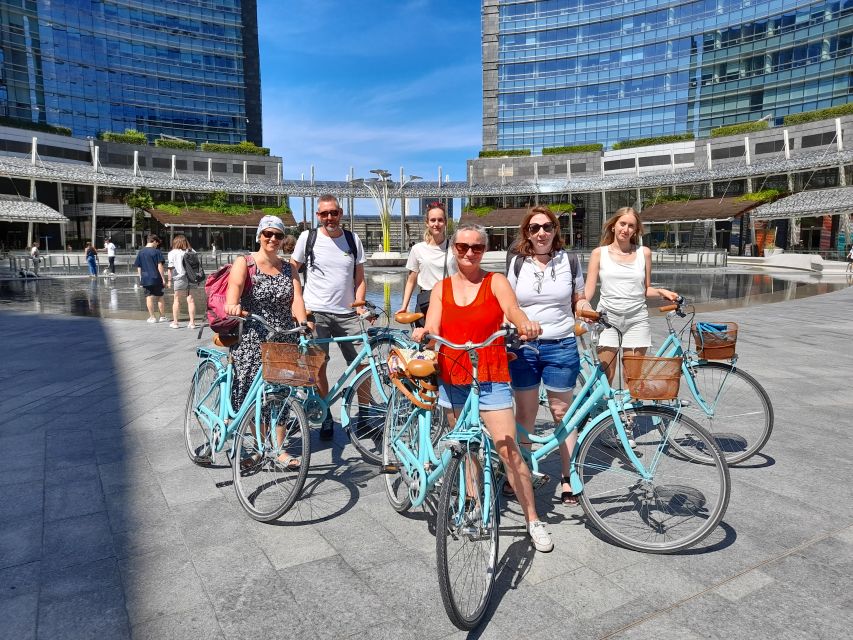
The bike itself is often noted as a real plus. The tour highlights the aquamarine bike, and multiple comments praise bikes as new or well maintained. Multiple sizes are available too, which matters more than people think. A well-fitting bike makes the difference between relaxing and getting sore after only a short ride.
Also, Milan is famously flat in many central areas, and the ride is described as easy to pedal. Some people explicitly mentioned that gears were not a big issue. That means you can focus on the city rather than managing your effort.
Guide style: how Paulo, Sandra, and Martha turn stops into meaning
The tour’s big secret is the guides. People mention guides by name—Paulo stands out for history and navigation, Sandra gets praise for doing a great job, and Martha is described as very detailed.
What you’re really paying for is translation. A landmark is just a landmark until someone explains why it matters, what to notice, and how to read the streets around it. The tour promises stories and anecdotes throughout, and that’s exactly how the ride becomes more than sightseeing.
Good guides also keep you feeling safe. One theme in comments is that routes are managed well so you feel secure while the group stays together. That is especially valuable in a car-heavy city where cyclists need confidence.
Pace and group feel: easy to enjoy, not exhausting
This ride is set up for a leisurely pace in a fun international group. You’ll still cover real distance, but it doesn’t feel like you’re doing training miles. Stops are timed around the sights, with time for photos and short info bursts.
If you’re sensitive to crowds, the bike format can help. You’re not trapped in the same bottleneck as everyone on foot. And the group is kept together, which reduces the stress of trying to find your way between big landmarks.
One more small detail that pops up: some groups mention a break halfway through for coffee and gelato. That kind of pause makes the second half feel fresher, and it also helps you bond a little with the group.
Value check: is $44.41 worth it for a Milan overview?
At $44.41 per person, the value comes from what’s included and what you get out of the time. You’re paying for a guided loop that covers major sights plus district texture in 3.5 hours, and you don’t have to rent equipment or think through the route yourself.
You’re also getting practical support: helmets, a waterproof jacket if you need it, and insurance coverage. If you’ve ever rented a bike in a big city, you know how quickly the cost and logistics add up. Here, the guide does the heavy lifting: route planning, safe pacing, and the storytelling.
Most importantly, the price buys decision-making help. After this ride, you can better choose what to revisit later on your own—like whether Brera deserves more time, if you want extra museum stops, or if Porta Nuova is your kind of Milan.
Weather reality: rain won’t automatically cancel your plan
The tour will run even with a gentle sprinkle. That’s good news if you’re traveling in shoulder-season weather and don’t want your whole day to evaporate.
If weather gets heavier, the tour team will contact you to help reschedule or offer a full refund. I like this approach because it keeps the plan flexible without forcing you to guess. Bring comfortable clothes, because that’s what you’ll actually feel during a ride.
Who should book this (and who should skip it)
This is a strong fit if you:
- want a fast overview of Milan without sprinting around on foot
- like architecture and district variety
- enjoy stories that explain what you’re looking at
- can ride a bike confidently
Skip it if you:
- can’t ride a bike
- fall under the 135 cm minimum height
If you’re traveling with limited time—maybe only a day or two in Milan—this type of route can be a smart first move. It gives you context so your later wandering feels targeted, not random.
Should you book this Milan bike tour?
Yes, I think it’s worth booking if you want an efficient, low-stress way to see both classic Milan icons and the parts most people skip. You’re getting a planned route, a guide who can explain what you’re seeing, and bikes plus helmet plus weather support for a price that won’t wreck your budget.
Book it early in your trip if you can. Use it to get your bearings. Then return on foot to the neighborhoods and sights that stick with you after the ride.
FAQ
How long is the Milan highlights bike tour?
The duration is 3.5 hours. Starting times vary, so you’ll want to check availability for the time options on your date.
Where do we meet for the tour?
The start is near Metro Station Vetra (M4), about 3 minutes walking distance. Other nearby options include Duomo (M1 and M3) and S. Ambrogio (M2), with walking or short public transit alternatives listed.
What languages are the guides?
The live tour guide speaks Dutch and English.
Is the tour suitable for kids or people who can’t ride a bike?
It is not suitable for people who can’t ride a bike, and there is a minimum height requirement of 135 cm.
What should I bring, and are there rules about alcohol or drugs?
Bring comfortable clothes. Alcohol and drugs are not allowed.
What happens if it rains?
The tour will continue if there is only a gentle sprinkle. If weather is heavier, the organizers will contact you to help you reschedule or get a full refund.
Can I cancel and get a full refund?
Yes. You can cancel up to 24 hours in advance for a full refund.