REVIEW · MAUI
Predawn-Morning Haleakala Bike Tour 6,500 to Sea Level
Book on Viator →Operated by Mountain Riders LLC · Bookable on Viator
That first pre-dawn bus ride sets the tone. This is a Haleakalā bike descent timed for the volcano’s early colors, with a guide who helps you notice what you’d otherwise miss, from geology to the island’s plants and animals. The small group size means you get real attention, not just a handoff and a thumbs-up.
Two things I really like: you get the adrenaline payoff of 29 switchback turns without needing summit access, and you’re not doing it alone because the local guide handles the route and the story stops. One watch-out: this is a predawn, 6,500-foot start, so you should not expect the true summit sunrise experience that some tours target.
In This Review
- Key highlights in plain terms
- Predawn 4:30 a.m.: how this ride works before sunrise
- Makawao and Kula: the warm-up part you’ll appreciate later
- 6,500-foot switchbacks: the main descent (and why it’s so fun)
- Makawao town break: coffee time and a very specific pastry stop
- Guides and group size: what you gain with a small team
- What to bring (so you don’t suffer through the cold and speed)
- Who this tour fits best (and who should pick another option)
- Value check: is $165 worth it for a 6,500-foot predawn ride?
- Practical FAQ for booking this predawn bike tour
- FAQ
- What time does the Predawn-Morning Haleakalā Bike Tour start?
- How long is the bike tour?
- Do I bike from the top of Haleakalā?
- How many people are in the group?
- What’s included with the price?
- What are the age, height, and weight limits?
- Is a Haleakalā Park Tour admission included?
- What if the weather is bad or I need to cancel?
- Should you book this tour?
Key highlights in plain terms
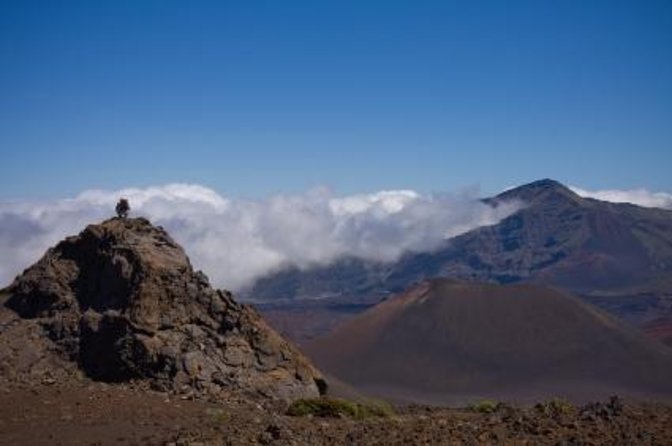
- Predawn colors, not the full summit sunrise: you’re close to the action, but you’re not going to the top.
- Small group (max 12): easier pacing, easier questions, more hands-on coaching.
- 29 switchbacks from 6,500 feet: the main thrill is built into the route.
- Built-in breaks and town time: Makawao and Kula stops add real variety before and after the ride.
- You ride the route twice in the main descent: the program is designed to give you repeated views and chances for photos.
Predawn 4:30 a.m.: how this ride works before sunrise
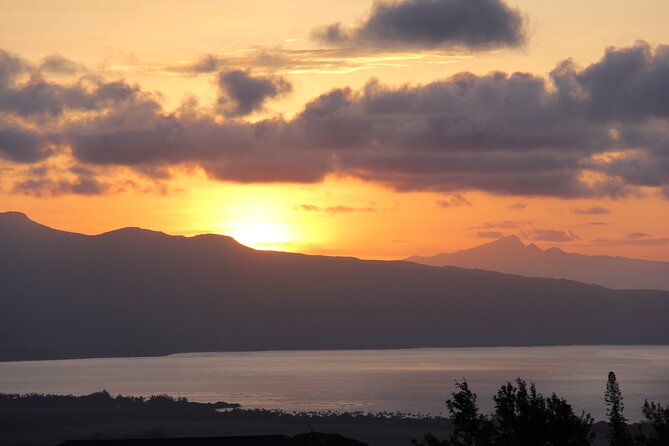
This tour starts early enough that you’ll probably still be half-asleep when you arrive. The meeting point is at 497 Baldwin Ave, Paia, with a start time of 4:30 a.m., and the tour loops back to the same place when it’s done. You’re looking at about 5 hours total, which is just long enough to feel like a full morning outing without swallowing your whole day.
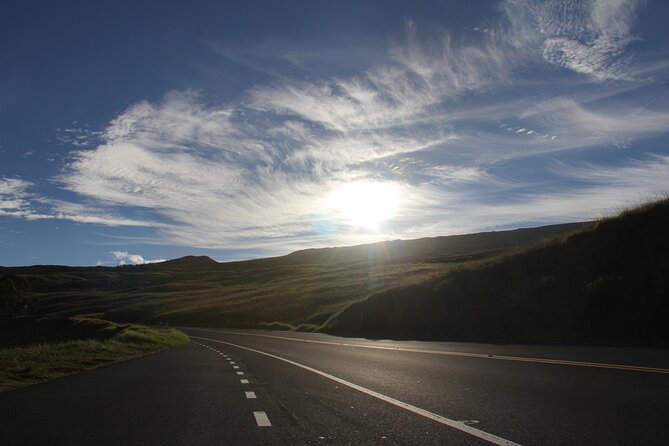
The timing matters. Haleakalā changes fast as light creeps in. Before the sun is fully up, you’ll often see softer tones across the volcanic slopes and far out toward the ocean. It’s not just pretty for photos; it also makes the guide’s explanations click. You can actually see what they’re talking about—rock shapes, plant patterns, and why the area looks the way it does.
Bring layers and plan for cold. Even if Maui feels warm elsewhere, mornings up there can feel chilly. Several riders mention guides providing extra warmth like a coat and gloves, but that shouldn’t be your plan A. If you show up thinking shorts and a T-shirt will cut it, you might have a rough start.
You can also read our reviews of more tours and experiences in Maui.
Makawao and Kula: the warm-up part you’ll appreciate later
Before you touch the descent, you get a guided run through the Upcountry towns of Makawao and Kula. It’s a good setup because it gives you a sense of what Maui looks like away from the beaches. Makawao especially has that mix of cowboy history and creative energy, and it helps you understand the place you’re riding around.
At the Makawao stop, the tour focuses on the feel of the town and then heads up the slopes where you can watch the predawn colors. This isn’t just waiting around. The guide uses this time to point out what Haleakalā is doing geologically and how the plants and animals have adapted to a high, dry environment.
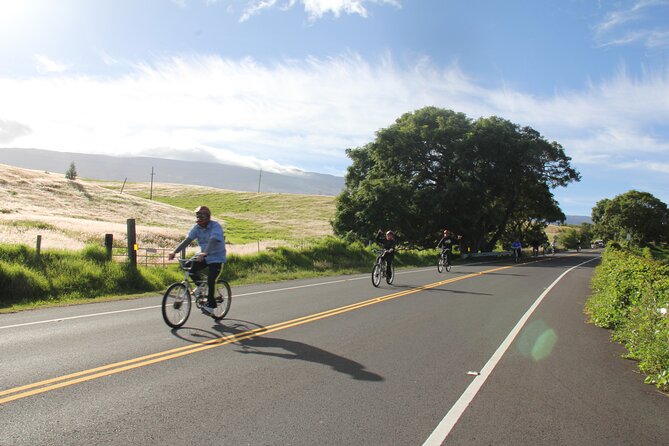
Then you move into Kula, where the bike ride begins at the 6,500-foot level. This is where you start to get a feel for the bikes and the road style. You’ll coast through 29 sweeping switchback turns, which is a fun way to get your legs and nerves used to downhill speed without the climb effort. You’re going downhill, but you still want to be alert. Gravity is doing the work; your steering and braking are doing the rest.
A small but important detail: this section is part sightseeing and part bike training. If you’ve never ridden a cruiser-style bike downhill at speed, you’ll want to pay close attention to the guide’s body position cues and braking advice during the first turns. It makes the later section far less stressful.
6,500-foot switchbacks: the main descent (and why it’s so fun)
The heart of the tour is the downhill ride beginning at 6,500 feet. This is where you’re really on the Haleakalā stage, with long views out over Maui and toward the coast. The route includes 29 switchback turns, and the program is designed so you’ll experience the descent in a way that gives you views twice.
That matters because downhill roads can blur together if you’re tense. When you get a second run down (or a second look during the overall descent pattern), you’re not just repeating the thrill. You’re finally seeing it. The second time, you tend to notice the horizon, the rock textures, and the way light hits different slopes. It also gives you another chance to grab photos without feeling like you must stop every minute.
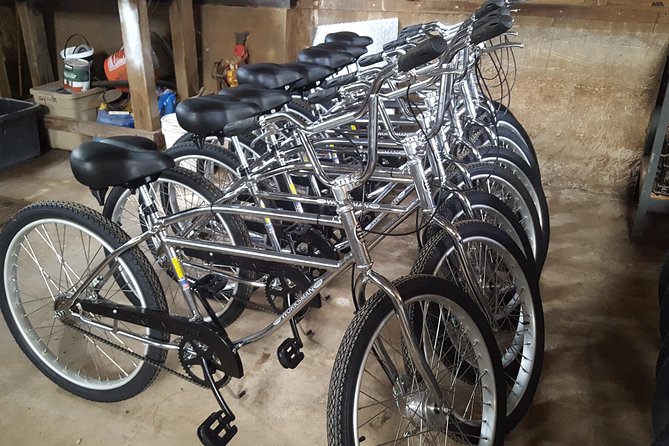
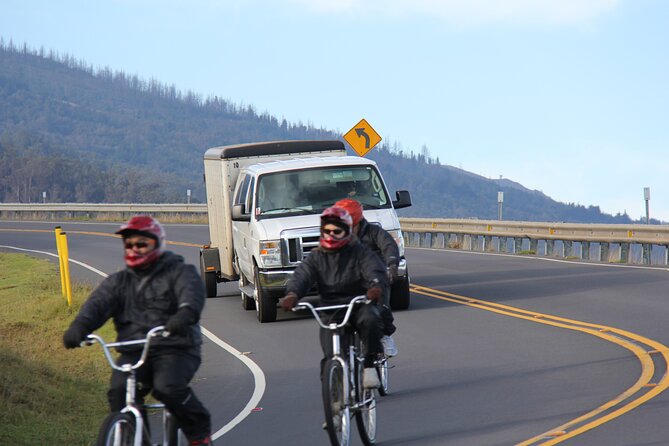
Bikes are chrome cruiser style, and you’ll use a helmet provided by the tour. The ride is made for downhill cruising, not pedaling fitness. Still, it isn’t passive. You’ll need to manage speed, keep your balance through turns, and follow the group pacing so nobody gets dropped or forced into sudden braking.
Also, don’t assume every group will feel identical. One rider described guides being more intense about speed than expected. Another rider loved that the guides stayed safety-focused and flexible for nervous riders. Your best move is simple: tell your guide right away if you want a calmer pace. You’ll have a better time if you and the guide agree on what comfortable means for you.
Makawao town break: coffee time and a very specific pastry stop
After the main riding, you get a chance to slow down and enjoy historic Makawao town. This is the part that turns the tour from a single thrill into a more rounded morning.
Makawao is known for paniolo, Hawaiian cowboys, with roots going back to the late 19th century. If you like local culture beyond the scenery, this stop is worth it. The town also sits between the plantation past and a modern arts scene, so it feels less like a tourist set piece and more like a real community stop.
For food, you’ll have a no-host meal stop included as part of the snack plan. That means snacks are provided, but if you want a full breakfast-style meal, you’ll likely pay yourself. One popular local stop mentioned by riders is T. Komoda Store for a famous cream puff. Even if you skip the pastry, the point is that you’re not just eating quickly in a parking lot. You’re taking in the town while your body cools down after the ride.
One practical note: the tour gives you break time, but you shouldn’t expect total freedom to roam solo for long stretches. The overall experience keeps the group moving so everyone stays together and on schedule.
Guides and group size: what you gain with a small team
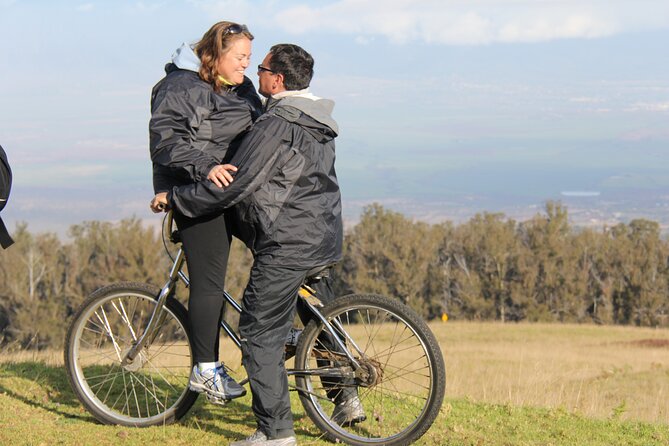
This tour caps at 12 travelers, and that number changes everything. With a bigger group, you’d spend more time waiting and less time learning. Here, you’re more likely to get coaching on where to look, how to brake, and how to handle the turns smoothly.
Riders repeatedly single out guides such as Joe and Nani as supportive and safety-minded. One helpful approach described is when a nervous rider is coached up front, literally positioned closer to the guide for reassurance. That’s the kind of adjustment that becomes possible when the group isn’t huge.
You’ll also see a theme of flexibility. People talk about rain or chilly conditions and the guide adjusting with extra warmth or by working around the day’s weather. One rider even got a program twist that meant riding more than expected, with two downhill experiences built in. That’s not something you should count on every day, but it shows the team is paying attention to how riders are handling the ride and the conditions that morning.
The balanced takeaway: this is not a wild free-for-all. It’s a guided downhill biking experience with safety as the priority, but the guides do their best to make it enjoyable for both cautious riders and faster cyclists.

What to bring (so you don’t suffer through the cold and speed)
If you do only one prep thing, pack for early morning chill and possible light mist. Even when the day turns clear later, dawn at altitude can feel sharp.
Here’s a practical checklist based on what helps on this exact kind of ride:
- A warm layer you can zip on fast (morning buses and high slopes get cold)
- Light rain gear if you own it, especially gloves if you run cold hands
- Closed-toe shoes with decent grip (cruiser bikes are stable, but pavement can be slick)
- Sunglasses for bright moments once the sky opens up
- A small snack plan if you think you’ll need something beyond the provided snacks
You’ll have bottled water and snacks, and you’ll use a helmet and the provided bikes. That’s good. But you’re responsible for comfort. A few riders mention the value of layering because conditions can swing quickly from the bus ride to the higher viewpoints.
One more tip: arrive with a mindset of controlled excitement. Downhill biking is fun, but it’s also fast. If you focus on smooth braking and steady steering instead of trying to match the loudest rider in front of you, you’ll enjoy the views more.
Who this tour fits best (and who should pick another option)
This tour is a strong fit for you if:
- You want Haleakalā scenery plus a real activity in one morning.
- You’re comfortable with a moderate physical level and you’re okay riding downhill for a sustained stretch.
- You like having a local guide explain what you’re seeing—geology, flora, and fauna.
- You prefer a smaller group and a paced experience over a crowd.
This may not be your best choice if:
- You specifically want the summit sunrise above the clouds. This one starts at 6,500 feet and focuses on predawn colors rather than a full summit sunrise.
- You need lots of solo independence during the ride. The tour keeps everyone together to stay on schedule.
- You get anxious about speed. The guide can manage pacing, but you should be comfortable following instructions quickly.
There’s also a helpful reality check on expectations. If you’ve heard of a Haleakalā bike tour that reaches the summit around 10,000 feet, that’s a different product. This predawn version is priced lower and comes with a different outcome: big views and an unforgettable downhill ride, but not the summit sunrise ticket.
Value check: is $165 worth it for a 6,500-foot predawn ride?

At $165 per person, the value comes from what’s included: the local guide, helmet and cruiser bike, bottled water, and snacks—plus time in Makawao for real town atmosphere. You’re paying for convenience and safety, but also for the guide knowledge that turns viewpoints into understanding.
What you’re not paying for is a full summit park access experience in the way some higher-priced sunrise tours do. That’s the trade-off. If your priority is seeing the volcano early and getting a bike thrill quickly, this pricing makes sense. If your priority is strictly the summit sunrise itself, you’ll likely be happier choosing the summit-focused option instead.
One more value angle: bookings often fill ahead of time. You’ll have an easier planning experience if you reserve early rather than hoping to find a last-minute spot.
Practical FAQ for booking this predawn bike tour
FAQ
What time does the Predawn-Morning Haleakalā Bike Tour start?
The start time is 4:30 a.m., with the meeting point at 497 Baldwin Ave, Paia, HI 96779.
How long is the bike tour?
It runs about 5 hours approximately.
Do I bike from the top of Haleakalā?
This predawn tour has you biking starting at the 6,500-foot level. It is not described as a summit (10,000-foot) ride.
How many people are in the group?
The tour has a maximum of 12 travelers.
What’s included with the price?
Included items are bottled water, snacks (with a no-host meal stop), a local guide, and use of a helmet and chrome cruiser bike.
What are the age, height, and weight limits?
Riders must be over 15 years old, at least 5 feet tall, and must not exceed 280 lbs.
Is a Haleakalā Park Tour admission included?
The Haleakala Park Tour is listed as not included. Admission tickets for the listed stops are shown as free in the itinerary details provided.
What if the weather is bad or I need to cancel?
You can cancel for a full refund up to 24 hours before the experience’s start time. The tour requires good weather, and if it’s canceled due to poor weather, you’ll be offered a different date or a full refund.
Should you book this tour?
Book this if you want a high-morning dose of Haleakalā with a guided downhill bike experience starting at 6,500 feet. It’s especially worth it if you like small-group attention and you’d rather spend your money on the ride, the guide stories, and the Makawao town stop than on a summit sunrise package.
Skip it (or switch to the summit sunrise option) if your must-have is a true summit sunrise above the clouds. And if you’re nervous about speed, tell your guide early and be ready to ride at a pace that feels safe to you. The best mornings are the ones where you feel in control while the mountain does the thrilling part.