REVIEW · MAUI
Haleakala Express Self-Guided Bike Tour with Bike Maui
Book on Viator →Operated by Bike Maui AND Haleakala EcoTours · Bookable on Viator
Haleakala by bike feels unreal. This Express self-guided ride starts at about 6,500 ft just outside Haleakala National Park, then strings together crater riding and Upcountry Maui roads before you end back in Haiku. I really like the thrill of the downhill and switchbacks, and I also appreciate the lead-in from guides like Kimo and Dan as you get oriented for the ride. One thing to plan for: current local access rules can shorten the bike portion in the middle, with some sections swapped for van shuttles or modified runs.
I also love the practical value of the included gear. You get a custom Kona mountain bike, a proper helmet, a Helly Hansen windbreaker top and bottom, and even a Da Kine backpack—plus an air-conditioned vehicle for the transportation parts. The only drawback on your end is that you’ll need to handle your own water and snacks.
In This Review
- Key Points That Matter Before You Book
- Where You Start in Haiku (and Why 9:30 AM Works)
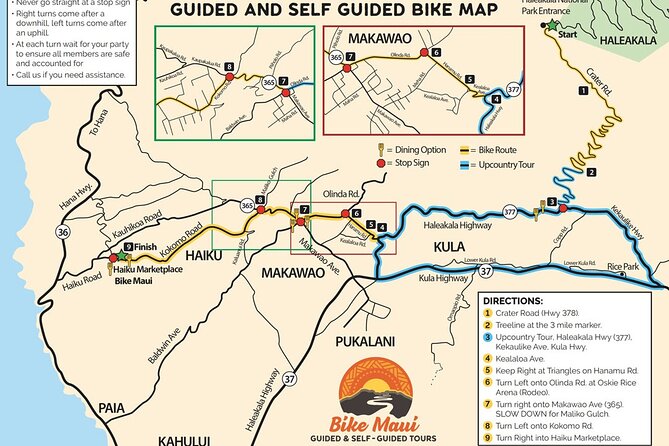
- The Route, Step by Step: From Haleakala Switchbacks to Upcountry Towns
- 1) Get positioned near the park
- 2) Ride downhill, then meet a shuttle point
- 3) Continue through Upcountry Maui: Makawao, then Haiku
- Important reality check: the middle can change
- Bike Maui Gear Included: What You Don’t Have to Rent
- The Upcountry Stops: Makawao Lunch and Haiku Recovery Time
- Self-Guided Doesn’t Mean Guessing: Instructions and Meet Points
- Safety and Skill Level: What the Ride Actually Demands
- Guides on the Drive Up: Stories That Turn the Trip Into More Than a Ride
- Price and Value: Is $146.25 Worth It?
- Weather and Route Variations: What to Expect on Real Maui Days
- Good weather is required
- Local access rules can shift the bike time
- Should You Book This Haleakala Express Tour?
- FAQ
- Where do I meet for the tour?
- What time does the tour start?
- Is this tour fully self-guided?
- What bike and safety gear are included?
- What do I need to bring?
- What are the age and height requirements?
Key Points That Matter Before You Book
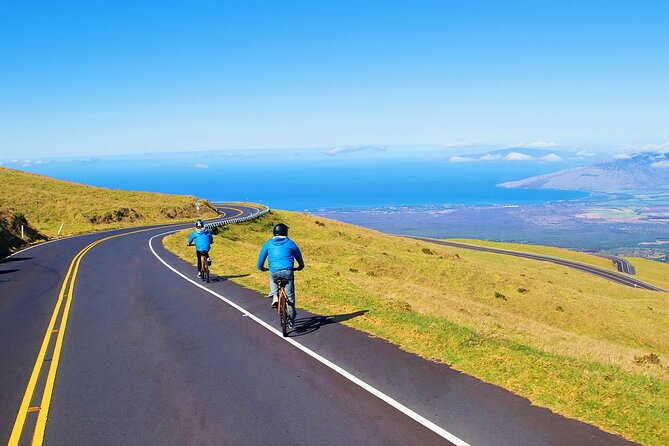
- 6,500-ft start just outside the park: you begin close to the action rather than spending hours just getting positioned
- Self-guided, but not totally alone: you still get instructions and meet points, with transportation support built in
- Upcountry Maui route through Makawao and back to Haiku: the fun is not only the crater
- Included cold-weather riding gear: Helly Hansen windbreaker + helmet help a lot when the air gets cool
- Route changes can happen: parts of the middle can be modified due to local street rules
Where You Start in Haiku (and Why 9:30 AM Works)
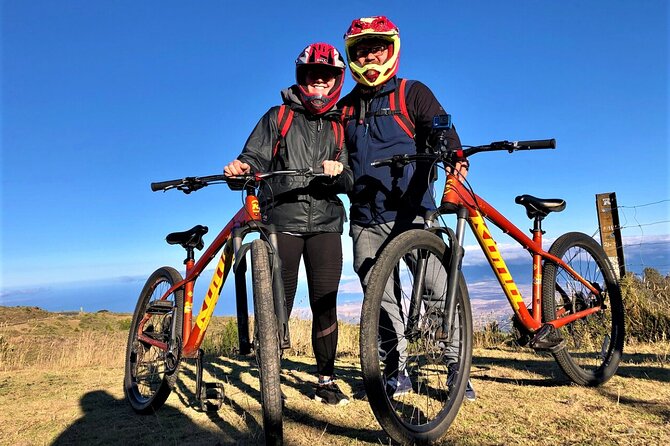
You’ll meet at 810 Haiku Rd, Haiku, HI 96708. The start time is 9:30 am, and the tour ends back at the same meeting point—so you’re not dealing with a complicated drop-off.
One practical note: there’s no hotel pickup. Still, transportation from the base of operations to the National Park is included, so you’re not driving yourself up and figuring out parking. This setup is nice if you want the day to feel simple: show up, gear up, get the orientation, then ride.
The location in Haiku is also handy because it’s near public transportation. If you’re staying car-free, you’ll usually be able to get there without turning your day into an Uber marathon.
You can also read our reviews of more tours and experiences in Maui.
The Route, Step by Step: From Haleakala Switchbacks to Upcountry Towns
This is an Express option meant for people who either already did Haleakala once, or simply want the most fun parts of the descent without overcomplicating the day.
Here’s how the flow works in real life:
1) Get positioned near the park
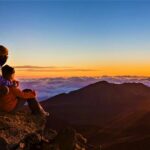
You start on the 6,500-ft level just outside the National Park entrance. From there, you’re not “starting the day” at sea level—so the whole experience feels like it begins right at the high-stakes scenery.
2) Ride downhill, then meet a shuttle point
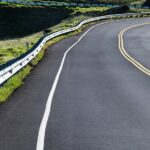
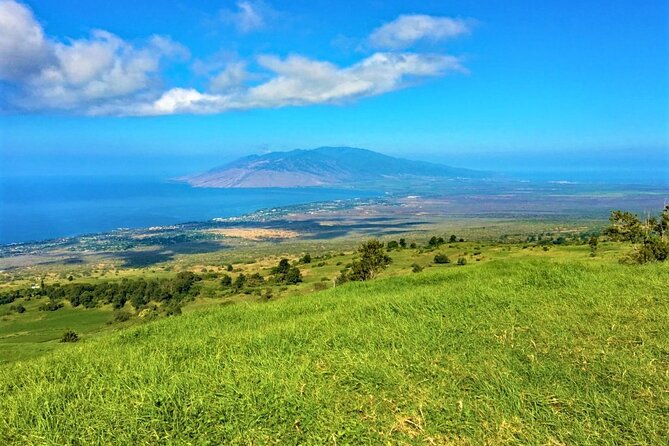
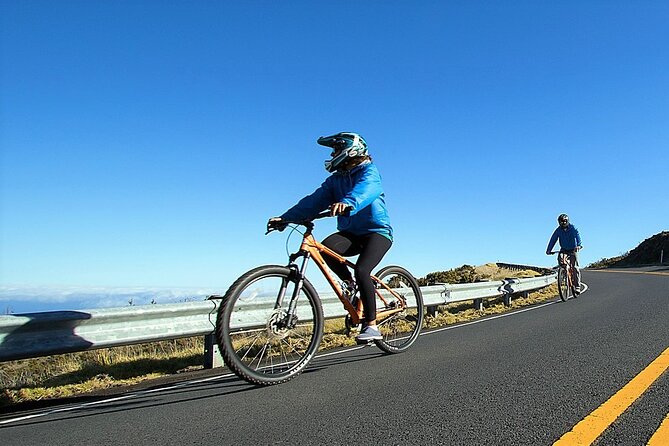
After you begin, you ride about 15 miles to where you meet the shuttle. That’s the part most people come for: the fast-feeling switchbacks, the big elevation drop, and the sense that Maui has one road that everyone talks about for a reason.
This “meet the shuttle” structure matters. It means you’re not committing to a full out-and-back marathon on your bike. You’re still doing real riding, but the tour is designed to keep the day manageable and time-balanced.
3) Continue through Upcountry Maui: Makawao, then Haiku
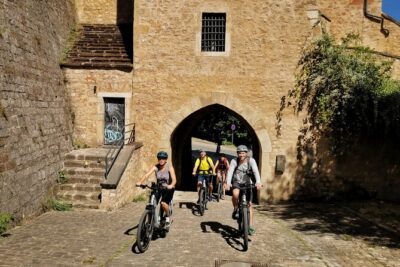
After the shuttle section, you’re biking through Makawao and continuing back to Haiku.
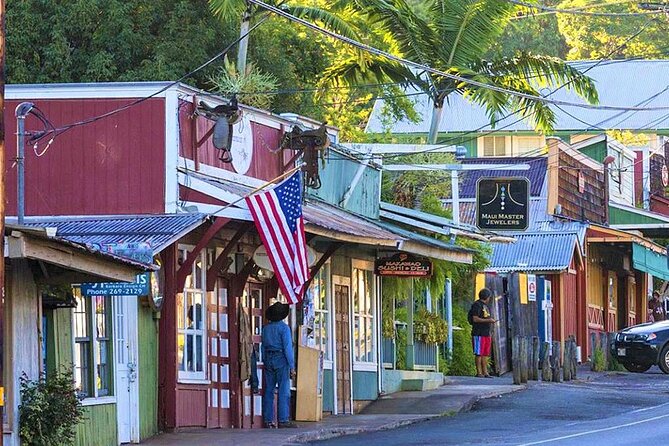
Makawao is a classic Upcountry stop for a reason. It feels like a place where you can slow down for a bit—take a breath, look around, and remember this ride isn’t only about speed.
Then you roll back toward Haiku, where you end up back at your meeting point.
Important reality check: the middle can change
Local street rules can affect parts of the route. In some situations, riders end up with a modified middle segment—sometimes with van shuttle time inserted, sometimes with repeated switchback sections. So even though the tour is labeled self-guided, treat it as a ride plan that can adjust based on current access rules.
If you’re the type who wants one exact number of miles and one uninterrupted bike-only route, this is the part you should think about before you book.
Bike Maui Gear Included: What You Don’t Have to Rent
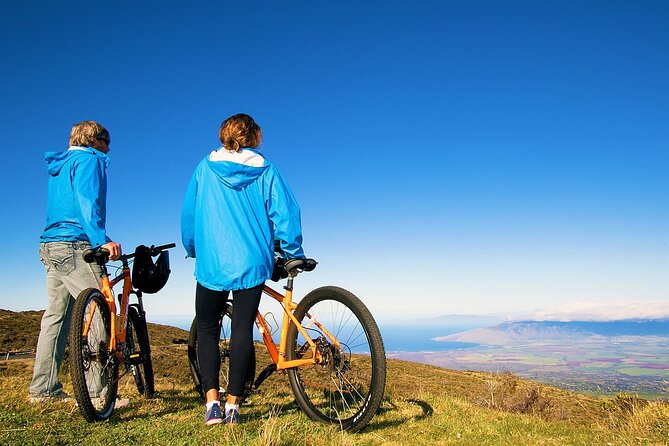
This tour is one of the better setups if you don’t want to scramble for equipment.
Included items:
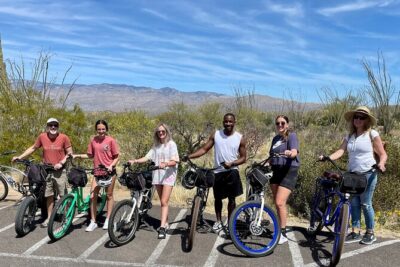
- Air-conditioned vehicle
- Helly Hansen windbreaker top and bottom
- Bell helmet
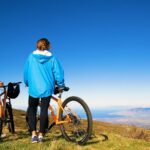
- Custom Kona mountain bike
- Da Kine backpack
That windbreaker piece matters more than most people expect. Haleakala can be windy, and the air at elevation can feel cooler than you planned for. With a proper jacket included, you’re less likely to show up in flip-flops and regret your life choices.
You’ll also notice the bikes are set up for real downhill riding. Some riders specifically mention disk brakes in the gear experience, and that’s the kind of detail that can make you feel more confident when things get steep.
What you should not count on being provided:
- Water and snacks (you must bring your own)
The Upcountry Stops: Makawao Lunch and Haiku Recovery Time
You get the option for a no-host lunch in either Makawao or Haiku.
No-host usually means you pay for your own meal, but you’re not locked into a pre-paid lunch stop. That gives you flexibility to eat where it suits you. It’s also a good moment to regroup if you’re riding with friends or family and want a real break before the final stretch.
Makawao is also where the trip shifts from pure ride energy to “slow down and look.” If you like local browsing, this is where you’ll likely be happy you built time into your day for town life, not just crater views.
Self-Guided Doesn’t Mean Guessing: Instructions and Meet Points
This is self-guided, but the day is still structured. You have a starting point, you have a shuttle meet point, and you have an endpoint that returns you to the meeting location.
In practice, that means you should listen carefully during the orientation. One rider highlighted that getting clear instructions for how to get back to the shop helped them feel confident even if they hadn’t ridden in a while.
Also, consider this tour a good choice if you enjoy freedom, but not a good choice if you hate following directions. You’ll need to keep track of where you’re going and when you’re expected to regroup.
Safety and Skill Level: What the Ride Actually Demands
The tour is listed for travelers with moderate physical fitness, and you must have recent biking experience.
Minimum requirements:
- Min height for bikers: 4’10”
- Min age for bikers: 15
- Must have recent biking experience
You’ll also want to take the safety parts seriously. Some riders describe “constant” safety stops and traffic-related caution around vehicles. That doesn’t mean the whole day is unsafe, but it does mean you should:
- Stay alert near roads and any shuttle activity
- Follow braking and handling tips the team gives you
- Keep your focus, even if the views are stunning
If you’re comfortable on a bike and you can brake smoothly, this tour is usually a fun match. If you’ve been off a bike for months, it’s worth practicing before you go.
Guides on the Drive Up: Stories That Turn the Trip Into More Than a Ride
Even though you bike on your own for key parts, the experience starts with a guided ride up. That’s where the local context comes in.
Different guides have led different groups—names you might hear include Kimo, Dan, Tim, Nico, Nokum, and Kimi. Common thread: they mix Maui stories, local knowledge, and that friendly tour energy that makes the ascent feel worth it even before you’re coasting downhill.
One couple called out a comedy-style moment on the drive up that added laughs without turning the day into a lecture. Another rider liked how the driver shared local info while getting everyone ready for the bike portion.
This matters because Haleakala is not just a scenic pass. It’s a place with cultural weight, weather patterns, and a lot of natural drama. When the guide gives you the right framing, the ride down feels more meaningful.
Price and Value: Is $146.25 Worth It?
The price is $146.25 per person for about 5 hours.
Here’s where the value comes from, beyond the “bike downhill” headline:
- You get the bike and helmet without renting separately
- You get a windbreaker included, which can be the difference between cozy vs. chilled
- Transportation support is built in, including an air-conditioned vehicle
- You’re not only riding the crater—you’re also getting time through Makawao and Haiku
- The day is timed to be high energy without taking over your whole vacation
Where value can dip is when you wanted a longer continuous bike ride and local rules shorten the middle. If that’s your #1 priority, you should choose carefully, because modifications can reduce how much of the route is on the saddle.
Weather and Route Variations: What to Expect on Real Maui Days
Two big realities affect how this day feels:
Good weather is required
The experience needs good weather. When clouds roll in, you may lose some of the biggest visual payoffs. That doesn’t make the ride boring, but it can change your experience from wow-to-wow-with-pictures.
Local access rules can shift the bike time
Some riders get a longer-feeling downhill, while others end up with a modified middle portion. That can mean:
- Shortened bike segments with shuttle time inserted
- Repeated switchback runs instead of one long continuous route
Think of it this way: the “Express” model is built to deliver the best emotional payoff of Haleakala riding, even when logistics change. Your job is to show up ready for a slightly flexible plan.
Should You Book This Haleakala Express Tour?
Book it if you want:
- A classic Haleakala downhill thrill without a full-day, highly complex itinerary
- The convenience of included gear and simple meet points
- A ride that also gives you Upcountry time in Makawao and Haiku
- A guided orientation that makes the self-guided part feel manageable
Skip it (or at least rethink) if:
- You need a totally uninterrupted, bike-only route with no shuttle or modified segments
- You haven’t ridden a bike in a while and you’re not ready for steep, fast-feeling conditions
- You’re traveling with someone who hates safety stops or regrouping
If you’re a confident rider who likes the idea of speed plus town time, this is a strong Haleakala option. It hits the crater excitement and then lets you enjoy Maui’s Upcountry side before your day is done.
FAQ
Where do I meet for the tour?
You meet at 810 Haiku Rd, Haiku, HI 96708. The tour ends back at the same meeting point.
What time does the tour start?
The start time is 9:30 am.
Is this tour fully self-guided?
It is self-guided. You ride the bike portion on your own, with shuttle/transport support and included instructions for how to handle the route.
What bike and safety gear are included?
The tour includes a Bell helmet, a custom Kona mountain bike, and a Helly Hansen windbreaker top and bottom, plus a Da Kine backpack.
What do I need to bring?
Bring your own water and snacks.
What are the age and height requirements?
The minimum age is 15, and the minimum height for bikers is 4’10”. The tour also requires moderate physical fitness and recent biking experience.