REVIEW · MAUI
Best Haleakala Downhill Self-Guided Bike Tour with Maui Sunriders
Book on Viator →Operated by Maui Sunriders Bike Co. · Bookable on Viator
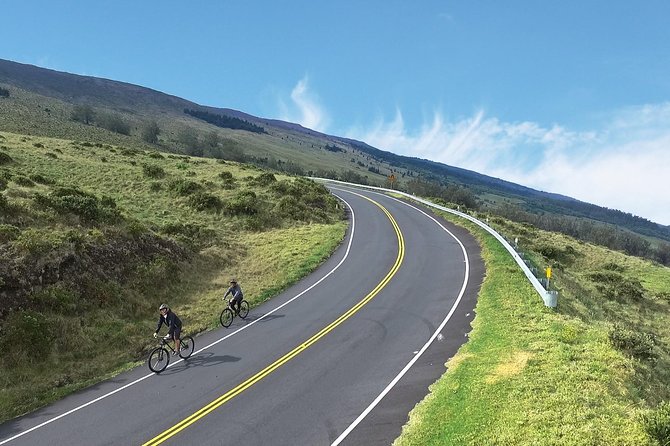
Haleakala downhill can be fun, not stressful. This ride is self-guided, so you can cruise at your comfort level, then explore towns on your own schedule. Two big wins: the bikes show up tuned daily by in-house mechanics, and the whole setup is built for an easy-going, safety-first descent with roadside help.
One thing to know up front: the ride is split into two bike segments, with van time between them and a limited biking stretch around Kula, so it is not a nonstop downhill sprint from the very top.
In This Review
- Key Highlights
- Why This Haleakala Bike Descent Feels Doable From Day One
- Price and What You’re Really Paying For at $139
- Paia Check-In: Start at Baldwin Ave, Ride Into the Morning Cold
- Stop 1: Haleakalā at 6,500 ft and the Upper Switchbacks Moment
- Stop 2: Kula at 3,200 ft and the Reality of the Van Shuttle
- Stop 3: Makawao in Paniolo Country for Lunch, Shops, and Arts
- Stop 4: Paia Finish Back at the Shop, Then North Shore Time
- How Hard Is It, Really? Skills, Steep Corners, and Bike Control
- Safety, Roadside Assistance, and the Backup Plan You’ll Appreciate
- What to Pack and How to Think About Weather
- Should You Book? Who This Tour Fits Best (and Who Might Want Alternatives)
- FAQ
- What is the duration of the Haleakala downhill bike tour?
- How much does it cost?
- Is the tour self-guided or guided?
- Where does the tour start and end?
- What time does the tour start?
- What bike and safety gear are included?
- Is there roadside assistance?
- What is the rider weight limit?
- What is the cancellation policy?
- What happens if it’s canceled due to weather?
Key Highlights
- Self-guided pace for steady coasting, quick photo stops, or slower sightseeing
- In-house bike shop maintenance with bikes tuned every day plus a route map and lock
- Safety gear included: helmet options, plus wind/rain jacket, pants, and bike gloves
- Makawao is your built-in break in paniolo country, with time to lunch or browse
- Paia finish is the payoff: North Shore shops and easy meal options right after you ride
Why This Haleakala Bike Descent Feels Doable From Day One
If you’ve seen photos of Haleakala and assumed you need to be an expert cyclist, this is the antidote. You start at a staging height of 6,500 ft, and you roll from there down the upper switchbacks. Then you get the option to go at your own pace, which matters on steep roads where stopping for photos is easy to time wrong.
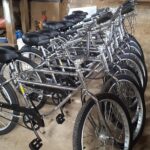
The bike setup also helps you feel in control. You’re not just handed a random mountain bike and sent off. This operator provides bikes with front suspension and disc brakes, tuned daily by their in-house mechanics. That is the difference between a ride that feels solid and one that feels like a gamble.
The best part for many people is how the descent is mostly about steering and coasting. Even when it looks intimidating from the road’s edge, the ride is designed to keep you moving smoothly. Past riders have also described the effort as mostly downhill with only a small uphill moment (often around 5%), so you are not stuck grinding your legs for long.
That said, this is still Haleakala. Expect hairpin turns, steep grades, and a road where you’ll need to stay focused. If you’re sensitive to that kind of intensity—or if you want a long, uninterrupted ride start to finish—read the rest of this before you book.
You can also read our reviews of more tours and experiences in Maui.
Price and What You’re Really Paying For at $139
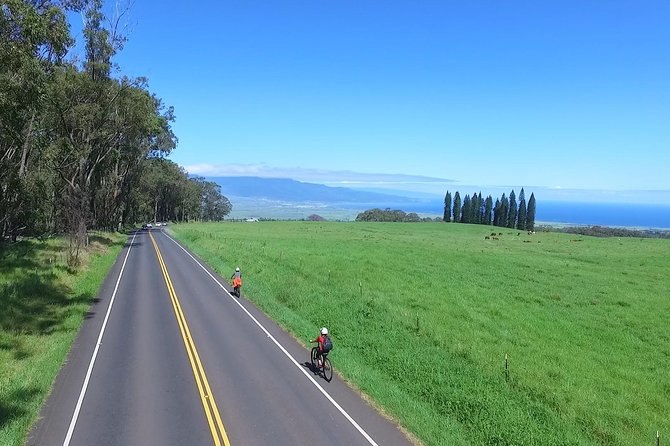
At $139 per person for about 4 to 5 hours, the question is not just price. It’s what’s included versus what you’d have to figure out on your own.
You get a lot baked into the cost:
- A mountain bike (front suspension, disc brakes) tuned daily
- Helmet (full-face for maximum protection or regular helmets for advanced-expert cyclists)
- Weather gear: wind/rain jacket, pants, and bike gloves
- Dakine backpack with a bike lock and a route map
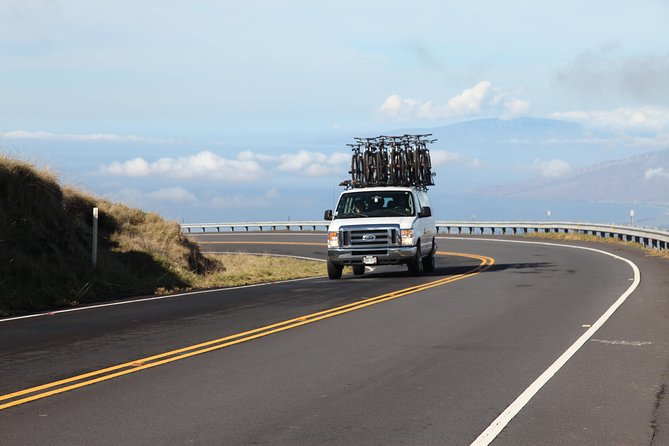
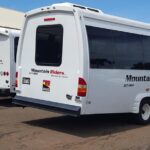
- Guided drive up to 6,500 ft plus roadside assistance during the ride
- The downhill experience across the upper and lower segments of the volcano, not one continuous stretch
That package is a real value if you don’t want to deal with bike rental logistics, safety gear choices, and route figuring. You just show up, get fitted, and roll.
Where you should adjust expectations is time on the bike. The route includes van shuttles, and you also do not bike all the way through Kula. That’s not “bad” service; it is part of how the experience is structured. Still, if your goal is maximum saddle time, the split segments can feel like less downhill than you pictured.
Also consider parking. If you park in front of the shop, it’s about $15 (credit card only), but there’s a free public Paia lot you can use instead.
Paia Check-In: Start at Baldwin Ave, Ride Into the Morning Cold
The tour starts in Paia at Maui Sunriders Bike Co, 71 Baldwin Ave, Suite D3. The start time is 8:45 am, and the ride ends back at the meeting point.
In practice, this kind of morning operation matters. The better they fit you and brief you, the easier the whole day feels. You’ll go through bike check-in, get your helmet, and settle in with the route map and bike lock. You also get the weather layers handed to you as part of the gear set—useful because mornings on Haleakala can be chilly and windy even when Paia feels warm.
One small practical note from real-world experience: bring a layer and don’t rely on sun alone. Riders have specifically recommended taking a jacket for morning rides and considering gloves. Since gloves are included, you’re covered on that front—but extra layers can still help if you’re the type who gets cold easily.
As for staff, names come up often in people’s memories: Remy, Dane, Matice, Ron, Roy, Matthias, and Johnny have all been called out by riders for being helpful and professional. Your guide experience will likely depend on who’s working that day, but the consistent theme is that the team focuses on keeping you safe and moving.
Stop 1: Haleakalā at 6,500 ft and the Upper Switchbacks Moment
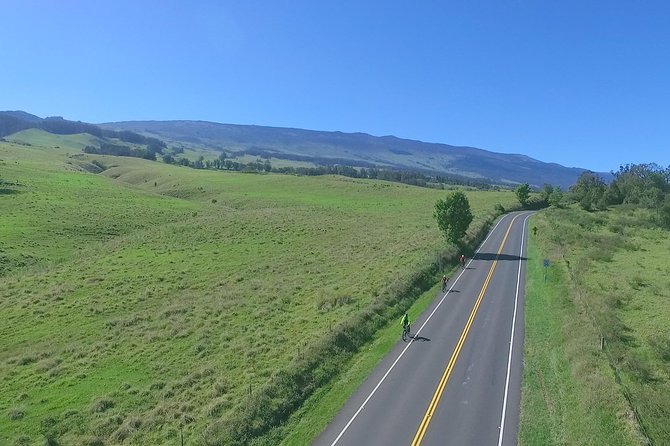
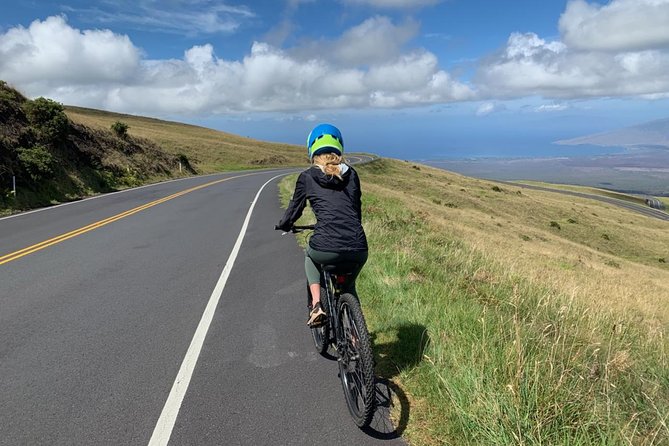
This is the start that makes the whole ride feel special. You’re staged at 6,500 ft, then you set off on the upper switchbacks. It’s the part that gives you that true “I’m on Haleakala” feeling fast.
Timing is tight in a good way. You’ll have about 1 hour at this first stop level, so you can either:
- Keep a steady pace and cover ground, or
- Stretch it out with photo stops and a few slow turns
Because it’s self-guided, you control how aggressive you ride. If you want thrilling but not reckless, the sweet spot is smooth steering, relaxed coasting, and staying aware of traffic and pull-offs.
Here’s what’s worth planning for:
- If it’s windy, adjust your posture and grip early.
- If you stop often, leave extra time because turning back around on a steep descent takes focus.
- If you’re newer to mountain bikes, it helps to practice braking and speed control early rather than waiting until a scary corner.
The bike design supports this. Disc brakes and front suspension help stabilize the ride over road imperfections. Still, you’ll want to pay attention at the hairpins. Even experienced riders described it as thrilling, not casual.
Stop 2: Kula at 3,200 ft and the Reality of the Van Shuttle
Your second stop is Kula, around 3,200 ft. You’ll spend about 15 minutes here, which is more of a scenic break than a full town visit.
The tradeoff: you’re not getting one long continuous bike ride through every area you pass. There are restrictions around biking through Kula, so you’ll rely on the van shuttle for that middle section.
Why does this matter? Because it changes how you feel about the day.
If you picture this as a straight shot—bike hard, then bike harder—your brain may feel a little misled. Some people end up saying they spent more time in the van than expected. Others end up liking the rhythm: ride, reset, then ride again with fresh energy.
Also, road work can affect the route timing and your experience around equipment zones. The key point for you: don’t plan this day like it’s a perfect postcard. Build in flexibility and focus on the parts you can control—your pace and your stops when you’re on the bike.
Stop 3: Makawao in Paniolo Country for Lunch, Shops, and Arts
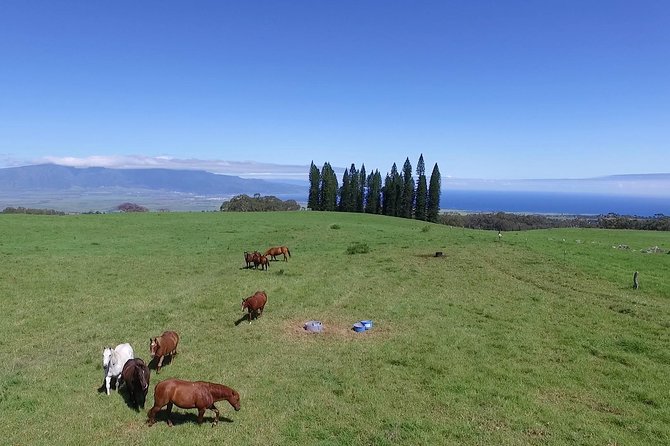
After the Kula segment, you’ll reach Makawao, a town on the slopes of Haleakala that carries paniolo (Hawaiian cowboy) traditions. Think rustic charm plus a strong arts scene—shops, galleries, and easy wandering.
You get about 1 hour here, and that time is one of the best reasons this tour feels like more than just a bike descent. You can actually take a breath. Eat something. Browse. Watch daily life in a place that does not revolve entirely around tourists.
Because it’s self-paced, you’re not stuck with a tight guided schedule. If you want lunch first and then browse, you can do that. If you want to look around for a local snack or souvenirs, you can.
A practical food tip: if you find roadside stands or small local stops along the way, these rides often give you the chance to grab something simple and tasty. Riders have mentioned trying fruit stands in the overall ride experience, which is exactly the kind of low-effort, high-reward stop that makes the day feel local.
Stop 4: Paia Finish Back at the Shop, Then North Shore Time
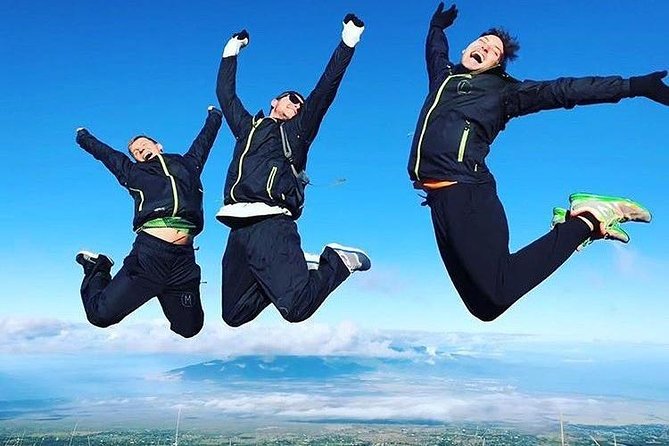
The ride ends back at the bike shop in downtown Paia. You’ll return the bike, check out the retail area, and then you’re free to explore.
Paia is the kind of town that works right after an active morning. You’re not exhausted in a trapped way—you’re energized and ready to eat and walk. This is also where the tone shifts from “ride mode” to “vacation mode.”
You’ve got lots of food options nearby. Examples people often mention include Paia Fish Market and Mama’s Fish House (with a heads-up that reservations can take 3 to 6 months). Paia also has art galleries and specialty shops, plus beach attire and casual browsing.
One more detail that’s easy to overlook: if the day is cloudy, you might not get peak visibility on the volcano. That still doesn’t erase the fun. Riders have described the views as insane on clear days, but the experience can still feel worth it even with lower visibility because the ride is about the descent, the pacing, and the stops.
How Hard Is It, Really? Skills, Steep Corners, and Bike Control
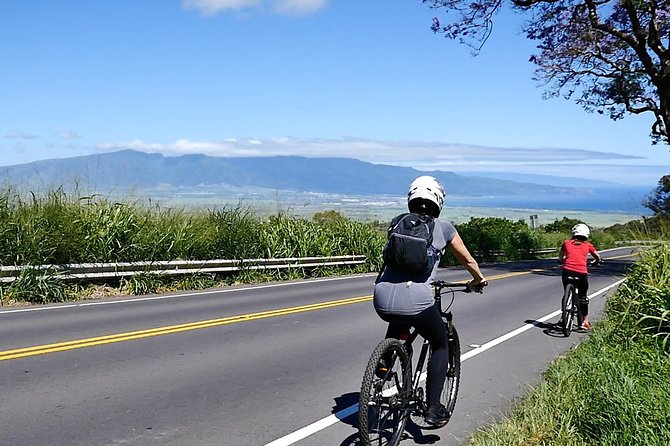
Let’s talk honestly about effort. This is downhill mountain biking, so you’re not pedaling for miles—but you are using your skills. You’ll steer, brake, and manage speed in turns.
From what riders describe, most of the ride can feel like coasting with steering, with only a short uphill effort mixed in. That makes it less intimidating than it looks on a map.
At the same time, it’s not a gentle downhill on smooth bike paths. You’re on real roads, with tight corners and steep grades. One practical warning that comes up: if a corner feels scary, you’ll feel that fear faster than you can think. So keep this mindset:
- Ride slower than your instincts when you’re first learning the bike’s speed.
- Practice smooth braking rather than last-second panic stops.
- Stay upright and relaxed through turns.
Bike quality helps. The bikes are provided with gearing, and the brakes are set up for the descent. Still, one negative comment mentioned limited gearing on some bikes making it harder to get traction when needed. If something feels off during the ride-out process, speak up quickly. The operator’s whole model relies on daily tuning and support.
Also check the max rider weight: the manufacturer recommended maximum is 300 lbs.
Safety, Roadside Assistance, and the Backup Plan You’ll Appreciate
Safety is not just a sticker here. The tour includes:
- Helmet options, including full-face for maximum protection
- Wind/rain jacket, pants, and bike gloves
- Roadside assistance if you need help
- A briefing and route setup so you’re not guessing in confusing spots
There’s also a support structure described by riders: guides help coordinate the ride with help nearby, using the setup that keeps riders from being totally alone out there. Even when your ride is self-guided, it doesn’t feel like you’re abandoned.
My practical take: choose this tour because of that safety structure, not because you want to “DIY it.” Haleakala is beautiful, but it’s still a steep environment where small mistakes can be bigger than you’d expect.
If you’re traveling with kids or teens, or you’re the family cyclist who is unsure, this is the kind of guided-but-free structure that helps everyone relax.
What to Pack and How to Think About Weather
This experience needs good weather. If it gets canceled due to poor conditions, you’ll be offered a different date or a full refund.
For your packing list, the gear provided covers a lot, but you should still plan like the morning will be cool:
- Wear comfortable layers under the provided jacket/pants if you get cold
- Bring the right socks and shoes you’re comfortable pedaling in
- Consider extra gloves or at least make sure your included gloves fit well
Also, hydrate. Riders recommend it, and it’s obvious once you’re on a steep descent in wind and cool air. Even if you feel like you aren’t working hard, you’re still exerting focus and energy.
Finally, mentally plan for the split segments. You’ll bike, then van shuttle, then bike again. If you accept that from the start, the day feels smoother.
Should You Book? Who This Tour Fits Best (and Who Might Want Alternatives)
Book this Haleakala downhill if you want:
- Maximum freedom to control your pace on the descent
- A setup that handles bikes, safety gear, and support without you doing route planning
- Time to visit Makawao for lunch, browsing, and paniolo-country atmosphere
- A finish in Paia where you can immediately switch to food and shopping
You might reconsider if:
- Your top priority is long, nonstop biking from top to bottom. This ride is split, and you won’t bike every section you pass.
- You hate van time or you expect a continuous single-track style experience.
- You want an upright road-bike vibe rather than a mountain-bike descent setup.
For many first-timers and mixed-age groups, this is a strong choice because the ride is self-guided but still supported. The “fun factor” seems to come from that blend: you steer your own experience while the operator keeps the safety and logistics handled.
FAQ
What is the duration of the Haleakala downhill bike tour?
The tour is about 4 to 5 hours.
How much does it cost?
It costs $139.00 per person.
Is the tour self-guided or guided?
It is self-guided. You set your own pace during the downhill bike segments.
Where does the tour start and end?
It starts at Maui Sunriders Bike Co at 71 Baldwin Ave Suite D3, Paia, HI, and it ends back at the same meeting point.
What time does the tour start?
The start time is 8:45 am.
What bike and safety gear are included?
You get a mountain bike with front suspension and disc brakes, a helmet (full-face or regular depending on your level), wind/rain jacket and pants, bike gloves, and a Dakine backpack with a bike lock and route map.
Is there roadside assistance?
Yes. Roadside assistance is included.
What is the rider weight limit?
The maximum recommended rider weight is 300 lbs.
What is the cancellation policy?
You can cancel for a full refund if you cancel up to 24 hours in advance. If you cancel less than 24 hours before the start time, the amount paid is not refunded. The experience can also be canceled for poor weather with a different date or full refund.
What happens if it’s canceled due to weather?
If it’s canceled due to poor weather, you’ll be offered a different date or a full refund.
If you want, tell me your group ages and cycling comfort level, and I’ll help you decide whether the split-bike format fits your expectations.