REVIEW · OSLO
The Grand Oslo Ride: E-bike Experience
Book on Viator →Operated by The Oslo Tour · Bookable on Viator
Oslo by electric bike feels instantly doable. This tour strings together Royal Palace sights, Vigeland Park, and fjord views into one easy loop, with an English guide and a proper bike-and-traffic briefing. The one possible catch: the stops are short, so you might want extra time afterward if one landmark grabs you.
You’ll start at Fredensborgveien 22F, and you really do need to arrive early. The tour starts exactly on time, and they ask you to be there 10–20 minutes early (minimum 20 minutes helps) for check-in, bike testing, and instructions. You get a mobile ticket, and the group is capped at 15, which keeps things controlled on busy streets.
I like that the route balances famous sights with neighborhoods and photo moments, not just a quick drive-by checklist. Expect a mix of classic royal Oslo, a sculpture stop, a fjord-facing modern stretch, then a quick ride through older streets. If weather turns ugly, you’ll get a short mild version instead, and the experience ends back at the meeting point.
In This Review
- Key things to know before you go
- Getting set up at Fredensborgveien: helmets, fit, and road rules
- Royal Palace and the route opener: building your Oslo map fast
- Vigeland Park’s human sculptures: the stop most people remember
- Slottsplassen: a quick royal family moment with context
- Grünerløkka on two wheels: vintage streets and a better sense of the city
- Oslo Opera House and Sørenga: fjord views that feel like a payoff
- Nobel Peace Center photo moment and Damstredet’s preserved street feel
- Ending near a modern food hall: what to do with your remaining hunger
- How hard is this ride, really? E-bikes change everything
- Price and value: is $45.35 a good deal for Oslo?
- Who should book, and who should skip?
- Should you book the Grand Oslo Ride?
- FAQ
- How long is the Grand Oslo Ride e-bike experience?
- How much does it cost?
- Where do we meet, and does the tour return there?
- Is an English-speaking guide included?
- What’s included with the tour?
- Do I need prior bike experience?
- Is there a minimum fitness level?
- What should I bring since water and lunch aren’t included?
- Does the tour run in bad weather?
- What are the e-bike rules for kids?
Key things to know before you go
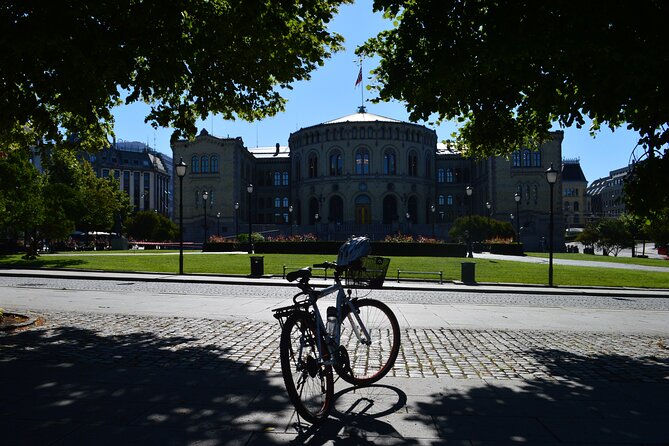
- Helmet included: You’re given one, but wear it properly and adjust before you roll.
- Arrive early for bike setup: Test bikes and safety talk take time, and the tour starts on the dot.
- Short landmark stops: You’ll see a lot, but you won’t get long museum-style wandering.
- English-speaking guide: Explanations and route context are part of the ride.
- Moderate fitness level: The e-bike helps, but you still need to ride confidently.
- Weather affects the length: Bad weather can mean a shorter, milder route.
Getting set up at Fredensborgveien: helmets, fit, and road rules
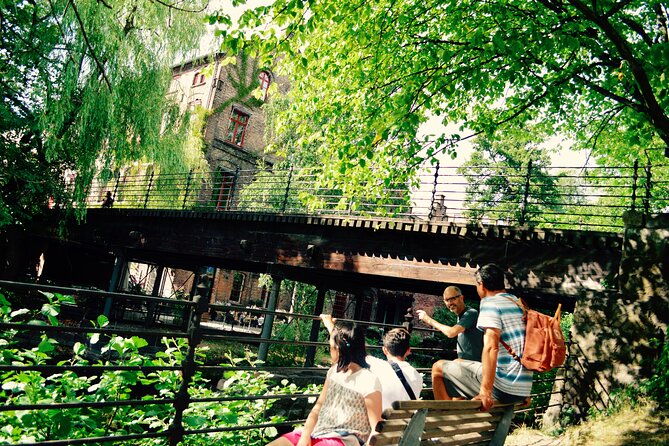
Your best move is to show up with a little buffer. Meeting at Fredensborgveien 22F (0177 Oslo), you’ll have a conversation about the plan, safety, and how the ride works before you head out. You’ll also test the e-bike there, and they ask you to arrive at least 20 minutes early so you’re not rushed.
Helmets are included, which is a big deal in a city setting where you’re sharing space with cars and bikes. After the safety talk, the guide covers bike controls and basic road rules before rolling out. The tour also runs with a few different e-bike types, and if a bike doesn’t fit you 100%, you’re riding at your own risk—so take those few minutes to get the fit right.
This is a city ride, not a quiet path tour. You’ll be navigating normal streets, and the tour isn’t recommended if you have no bike experience. If you’ve only ridden casually before, it’s still doable, but go in expecting to pay attention early on.
You can also read our reviews of more tours and experiences in Oslo.

Royal Palace and the route opener: building your Oslo map fast
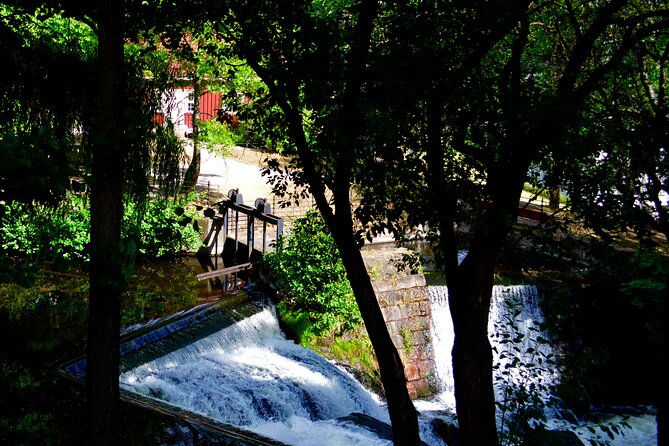
You’ll start by moving toward the Royal Palace area, and the ride sets your mental map quickly. This is a good opener because it puts you in the right neighborhoods from the start. You’ll get a first look at the palace from the road while the guide gets you settled on how the e-bikes handle.
The advantage of starting this way is simple: you’re not just collecting photos—you’re learning where everything sits relative to each other. Oslo can feel spread out, so the electric assist helps you connect the dots without burning your legs before the fun stops.
Then you roll onward to your sculpture highlight, with enough time to get up to speed on the bike and settle into the group pace.
Vigeland Park’s human sculptures: the stop most people remember
Vigeland Park is where the tour’s personality shifts. You’ll spend about 15 minutes here, walking through a park famous for its human sculptures and intense emotional energy. Even with a short stop, this is one of those places where you can find your favorite figure or sculpture and spend a few minutes really looking.
Because the time is limited, don’t expect to read every label or watch long explanations. Instead, treat this like a tasting menu: slow down a bit, take photos, and pick 2–3 pieces that stand out. If you still want more later, you’ll know exactly what to revisit.
A practical note: this kind of park is best with good phone habits. You’ll want your camera ready as you move between clusters, but keep one hand ready for bike control while you park and look.
Slottsplassen: a quick royal family moment with context
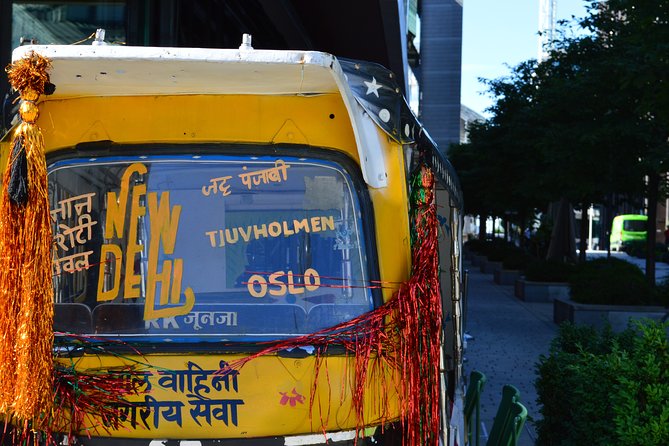
Next comes Slottsplassen, with around 10 minutes on the schedule for the palace area. This stop isn’t about deep palace time. It’s about understanding Norway’s royal story in a way that’s easy to grasp while you’re already in the area.
The real value here is orientation. When you’re on an e-bike, you’re moving across the city quickly enough that small context pieces help everything click together.
If you love history, you’ll likely wish this stop were longer. If you’re more into motion and variety, that shorter timing is actually a strength—it keeps the ride from turning into a one-note tour.
Grünerløkka on two wheels: vintage streets and a better sense of the city
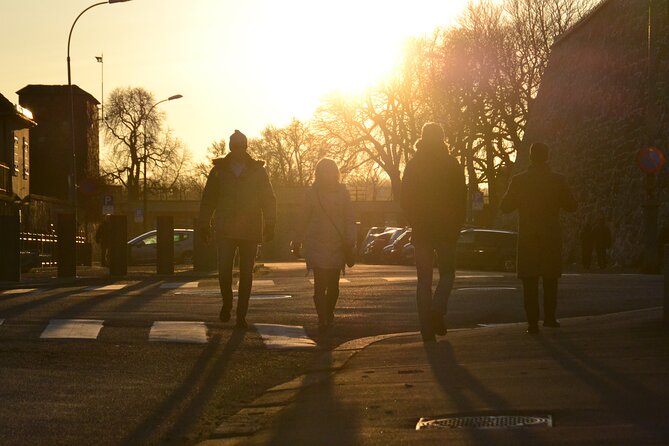
You’ll spend about 25 minutes in Grünerløkka, one of Oslo’s more character-filled areas. The tour focuses on the kind of streets where you can spot details and get a feel for how locals experience the city day to day.
This is a nice balance after the formal royal stop. You’re trading palace grandeur for everyday neighborhoods, and the e-bike makes it easier to cover more ground without waiting around in traffic.
Because the stop is only about 25 minutes, keep expectations realistic. You’re not doing a full neighborhood exploration. You’re getting a guided sample plus enough time to wander nearby and snap photos of streets that look more interesting up close than on a map.
Oslo Opera House and Sørenga: fjord views that feel like a payoff
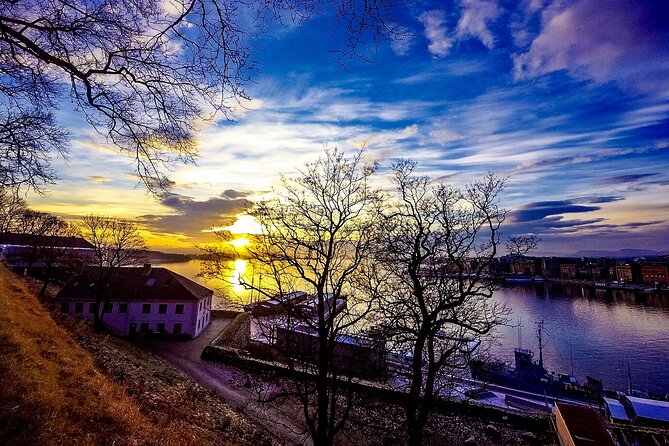
Then it’s payoff time. You’ll reach Oslo Opera House for about 10 minutes, and the big attraction is the view out toward the Oslo fjord. The building is known for being made of Italian marble, and the setting is what sells it—the angles, the open sightlines, and that water-and-sky feeling.
From there, you head to Sørenga, also about 10 minutes. Sørenga is where you see Oslo pivot into modern life: cool restaurants, a more contemporary vibe, and a waterfront atmosphere that feels a bit like a different city from the royal-and-park parts you just did.
The tour’s own logic fits this part of town. You’re close enough to the fjord to catch big views without needing a dedicated half-day outing. And if it’s sunny, you’re likely to find the fjord view far more dramatic than you expected.
Nobel Peace Center photo moment and Damstredet’s preserved street feel
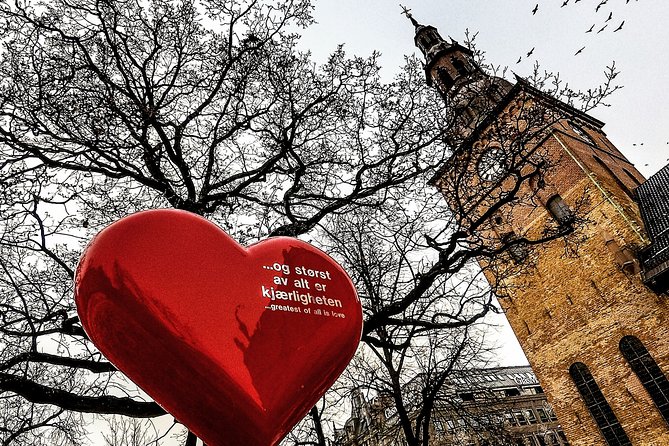
You’ll make a quick stop for a photo at the Nobel Peace Center. It’s not a long visit, but it’s a smart inclusion because it’s recognizable and it frames Oslo as a global city, not just a Scandinavian capital.
After that you’ll ride to Damstredet, spending around 5 minutes in a street that preserves its history from the 1800s. The idea here is rapid impact: a short walk-through moment where your phone is ready, because these preserved-street views are the kind you notice more in person than in guidebook photos.
If you’re someone who likes texture—old stone, older street layouts, and the feeling of time sticking around—Damstredet is quick but worth it. If you need long explanations, just remember this isn’t built like a museum tour. It’s a city cruise with guided context.
Ending near a modern food hall: what to do with your remaining hunger
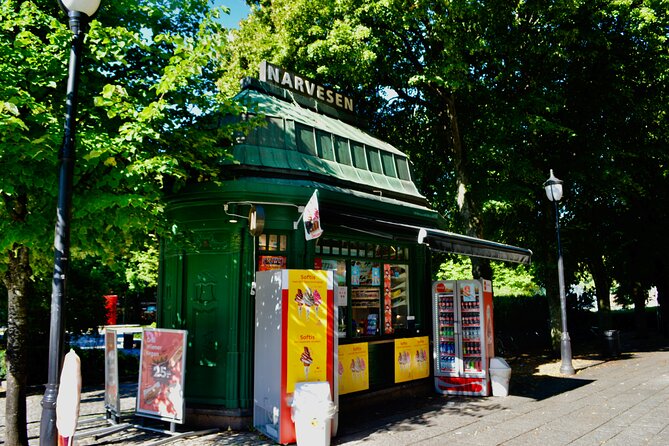
Just before the tour ends, you’ll get a look at a modern food hall. You’ll have a quick view and you can decide if you want to return later for dinner. The office is nearby, so you’re not stuck far away if you want to grab food on your own schedule.
One thing to plan for: water isn’t included, and there’s no lunch. A lot of the tour’s momentum comes from short stops, so it’s easy to underestimate how quickly your energy drops. I strongly suggest you bring water even if you think you’ll be fine.
Also, don’t expect the tour to feel like constant break time. Stops are short, and even quick convenience moments may be inconvenient depending on where you are.
When the ride wraps, you return the e-bikes, and the experience ends back at the meeting point. You may be asked to leave a review to help them improve.
How hard is this ride, really? E-bikes change everything
This tour is meant for people with moderate physical fitness and the e-bike does a lot of the heavy lifting. You’ll still need stamina to sit, balance, and keep a steady pace, but you won’t be forced into a strenuous workout. Electric assist makes hills and longer city stretches feel manageable, which is one reason this works so well for first-time visitors.
The ride also tends to be relaxing in practice because you can cover distance without constantly braking and walking. One person even noted they covered around 16 km on their outing, which shows how much ground an e-bike tour can handle in a few hours.
That said, it’s not for total beginners with zero bike experience. You’ll be in traffic-adjacent areas and moving between points, so confidence matters. If you’ve ridden a bicycle before, this will feel more like learning the e-bike controls than learning cycling from scratch.
Price and value: is $45.35 a good deal for Oslo?
At $45.35 per person, you’re paying for a setup that includes the e-bike, an English-speaking guide, and a helmet. You’re also getting a structured way to see multiple major sights without spending the day on taxis or lining up for transfers.
The value is strongest if you only have a few hours and want a broad overview: Royal Palace area, Vigeland Park, Slottsplassen, Grünerløkka, Opera House, Sørenga, Nobel Peace Center, and Damstredet all appear on the same ride. Short stops also help value because you’re not paying for hours of downtime.
The tradeoff is time depth. This is not a slow, sit-down tour. It’s a fast, guided circuit that makes you leave with good orientation and plenty of ideas for what to do next.
One practical tip for budget: your meeting point is near public transportation, but if you’re starting far away (like some cruise areas), you may want to plan your transport carefully so the day doesn’t get eaten by getting there.
Who should book, and who should skip?
I’d book this if you want:
- A first pass at Oslo with major landmarks and a couple neighborhood flavors
- Easy mobility thanks to electric assist
- A guided route that keeps you from wandering in the wrong direction
- A day structure that fits into a busy travel schedule
I’d skip this or choose something else if:
- You’ve never ridden a bike and feel nervous in traffic
- You want long visits and museum-style depth at each stop
- You’re sensitive to short photo-and-walk windows between key sights
- Bad weather would ruin your plans, since the route can be shortened in poor conditions
Kids can ride, but there are specific rules: kids ages 12–15 under 1.50 m use a kid e-bike. Riders over 1.50 m pay as adults and get an adult e-bike. If you’re bringing teens, double-check that height requirement before you go.
Should you book the Grand Oslo Ride?
Yes, if your goal is to see a lot of Oslo efficiently and you’re comfortable riding a bike in a city setting. The route hits big-name sights like Vigeland Park and the Opera House, then adds neighborhood variety and quick hits like Nobel Peace Center and Damstredet—exactly the mix that helps you get oriented fast.
Book it especially if you like active travel that still feels organized. The e-bikes make it forgiving, the group stays small (max 15), and the guide experience is built around safety and road rules before you start.
Skip it if you want a slow, deep dive at each place. This tour is about pace and variety, not lingering.
FAQ
How long is the Grand Oslo Ride e-bike experience?
The tour lasts about 2 to 3 hours.
How much does it cost?
It costs $45.35 per person.
Where do we meet, and does the tour return there?
You meet at Fredensborgveien 22F, 0177 Oslo, Norway, and the tour ends back at the meeting point.
Is an English-speaking guide included?
Yes. An English speaking guide is included.
What’s included with the tour?
You get an e-bike, an English speaking guide, and a helmet.
Do I need prior bike experience?
It’s not recommended for people with no bike experience.
Is there a minimum fitness level?
Travelers should have a moderate physical fitness level.
What should I bring since water and lunch aren’t included?
Water bottle and lunch are not included, so plan to bring water and eat separately before or after the ride.
Does the tour run in bad weather?
In case of bad weather, you’ll do a short mild version of the tour.
What are the e-bike rules for kids?
Kids between 12 and 15 years old under 1.50 m must use a kid e-bike. Participants over 1.50 m pay as adults and will get an adult e-bike.