REVIEW · OSLO
The Grand Oslo Ride: E-bike Experience
Book on GetYourGuide →Operated by The Oslo Tour · Bookable on GetYourGuide
One smart way to see Oslo fast. This 3-hour Grand Oslo Ride pairs major sights with river paths and city streets, and it does it on an e-bike that makes the hills feel manageable. I like the way the tour hits big hitters like Vigeland Sculpture Park and the Royal Palace without turning the day into a sweat-fest, and I also like the guide-led pace that leaves room for photos. The one real catch is that you still need bike confidence and street awareness, especially around traffic lights and crossings.
You’ll feel the payoff quickly: in a short time you cover more ground than a walking tour, and you get story stops instead of just a quick drive-by. If weather goes sideways, rain can affect which paths feel pleasant, and the route can shift.
In This Review
- Quick Take: What Makes This E-Bike Tour Work
- Why Oslo Feels Made for an E-Bike Ride
- Getting Rolling at Battery Oslo: The Start Matters
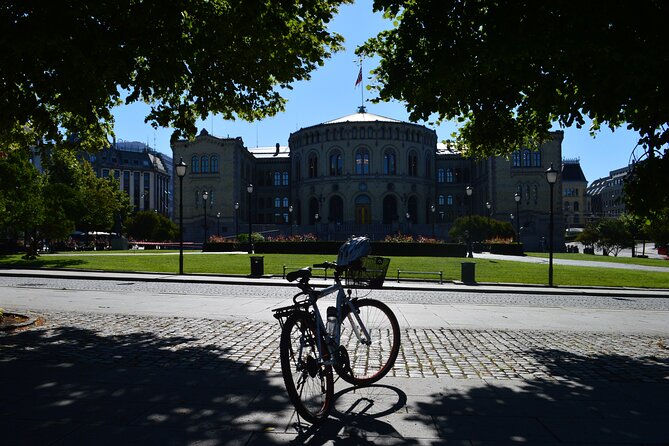
- Royal Palace and the Government Quarter: Quick Looks With Context
- Vigeland Sculpture Park: Art You Can Actually Spend Time With
- Akerselva River and Green Corridors: The Ride Gets Pretty Fast
- Opera House, Nobel Peace Center, and Karl Johans Street: The Oslo Big Three
- Akershus Fortress at the End: The Final Views Before You Rest
- How the E-Bikes Change the Effort (and Your Confidence Level)
- Route Pace, Traffic Reality, and One Common Head-Scratcher
- Food, Water, and Weather: What You Need to Handle Yourself
- Price and Value: Is $57 a Good Deal?
- Who This Tour Suits Best (and Who Should Skip It)
- Winter Option: Studded Tires and a Shorter, Cozier Ride
- Should You Book the Grand Oslo Ride?
- FAQ
- What does the tour cost?
- How long is the Classic Grand Tour?
- Is there a winter version?
- What’s included in the price?
- Are food and drinks included?
- Where is the meeting point?
- Is a helmet required?
Quick Take: What Makes This E-Bike Tour Work
- E-bike help for real Oslo hills: You can adjust effort instead of grinding uphill.
- Vigeland Sculpture Park time built in: A proper visit, not just a photo stop.
- Akerselva River route: The ride uses one of Oslo’s most scenic connectors.
- Big Oslo icons, grouped well: Royal Palace, Opera House, Nobel Peace Center, Karl Johans Street, Akershus Fortress.
- Small-group feel (aiming for 10): More guide attention, less waiting around.
Why Oslo Feels Made for an E-Bike Ride
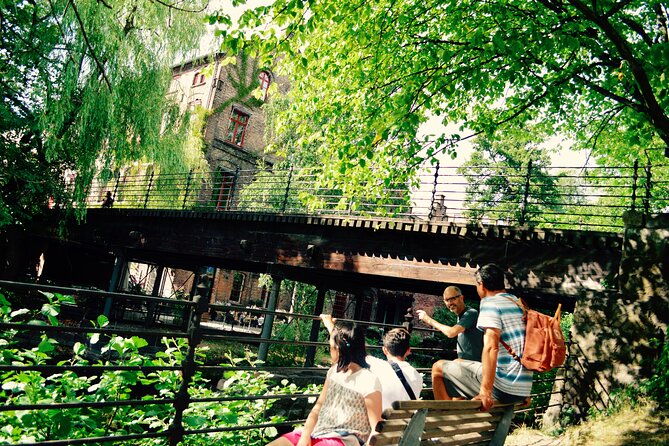
Oslo has the kind of layout that looks calm on a map, but in real life there are climbs. The e-bike changes the whole equation. You’re not stuck with the choice of either walking everything or suffering on a regular bike. With motor assist, you can keep moving, stop when it matters, and still enjoy the ride instead of counting breaths.
This also helps if you’re short on time. A 3-hour loop is long enough to feel like you did something meaningful, yet short enough that you’re not exhausted before dinner. That’s a big deal in a city where the weather can switch mood quickly.
You can also read our reviews of more tours and experiences in Oslo.

Getting Rolling at Battery Oslo: The Start Matters
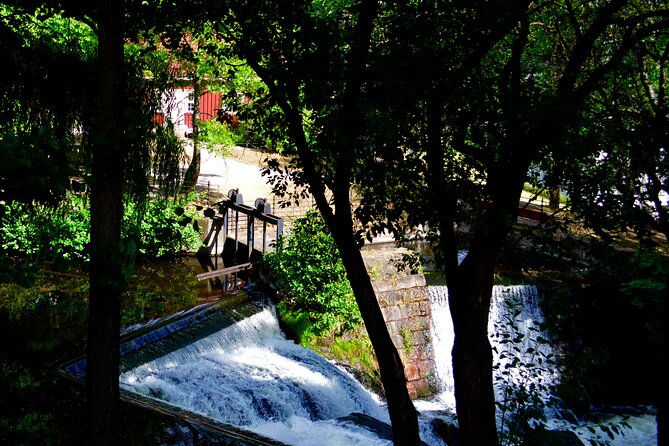
Your tour starts at The battery Oslo – Resource Center for NGOs. Before you ride, you get a safety briefing (about 10 minutes). That’s not filler. It’s where you learn how your group will handle crossings, where to position yourself, and how the guide keeps everyone together without turning it into chaos.
Finding the office can be a little tricky. The operator also points out a newer office location at Fredensborgveien 22F and says to ring the bell that says The Oslo Tour. My advice: arrive 15 minutes early. You want time to park your brain, not just your bike.
Royal Palace and the Government Quarter: Quick Looks With Context
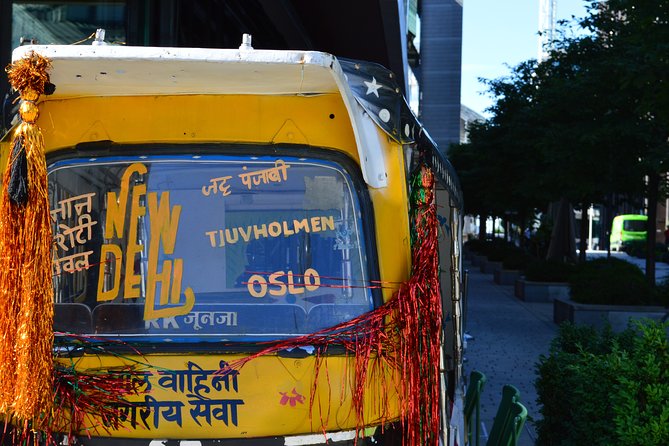
One of the smartest parts of this tour is how early it throws you into the center. You get a close-up encounter with the Royal Palace at Slottsplassen 1 (a brief stop, around five minutes). Even if you only catch the exterior and the square vibe, it sets the tone: Oslo is tidy, planned, and seriously historic.
Right nearby, you also get time for the Honse-Lovisas Hus (around five minutes, near Sandakerveien 2). It’s the kind of stop that can get overlooked if you’re only chasing the obvious postcard shots. The guide role matters here: you don’t just see buildings, you understand why they’re there and what they represent in Oslo’s story.
The practical win: you’re already oriented when you hit the next parts of town. After this, the rest of the route starts to feel like one connected walk, just faster.
Vigeland Sculpture Park: Art You Can Actually Spend Time With
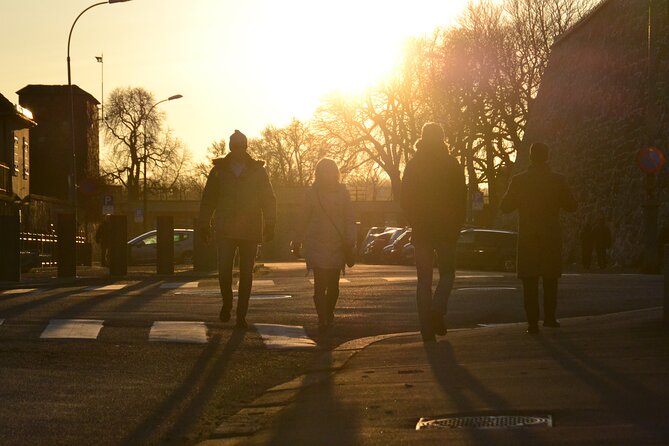
The tour’s sculpture anchor is Vigeland Sculpture Park, and the timing is realistic: about 20 minutes on site. That’s enough to move at a comfortable pace, pick a few sculptures to focus on, and not feel rushed by the clock.
It’s also one of those places where weather can make or break your mood. The highlights call it out in plain terms: the park experience can be great when it’s not raining hard. If the sky is dramatic, you might want to bring layers and accept that slick paths can reduce lingering time. The e-bike keeps you warm on transfers, but once you’re off it, you’ll feel the weather.
This is one of the most praised parts of the experience, because it balances scale with time. You don’t just glance and go.
Akerselva River and Green Corridors: The Ride Gets Pretty Fast
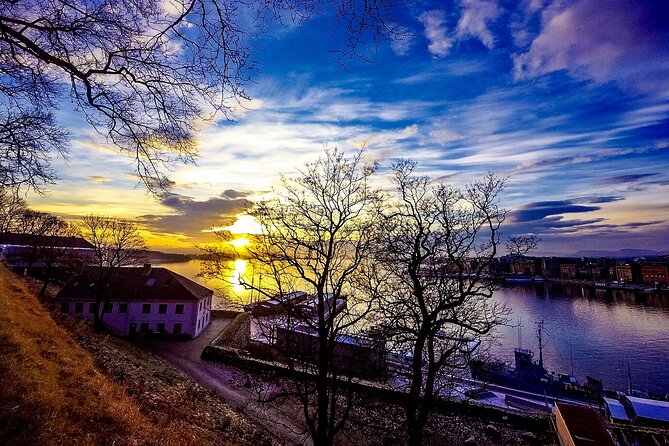
Next comes Akerselva River, one of Oslo’s signature connectors that threads through the city. You spend about 15 minutes riding along this corridor. Even in a short window, it gives you what many city tours lack: a sense of moving through different Oslo moods, not just repeating the same streets.
Here’s why this segment matters: the river route breaks the pattern. Instead of always feeling like you’re in a straight-line downtown chase, you get a more scenic rhythm—views, open space, and photo chances that don’t require climbing a viewpoint staircase.
You also roll through Grønland in the same general flow (there’s at least one dedicated ride segment there). Grønland is the kind of neighborhood where you see Oslo beyond the museum brochure. On an e-bike, you can take in the street energy without getting stuck in stop-and-go foot traffic.
Opera House, Nobel Peace Center, and Karl Johans Street: The Oslo Big Three
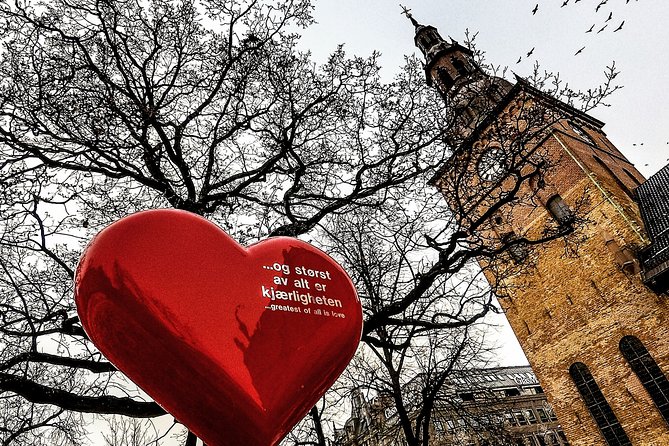
If your goal is classic Oslo icons, this part delivers.
You ride past the Oslo Opera House (about 15 minutes). The Opera House area is a show in itself—wide public space, clean lines, and lots of people-watching potential. On a bike, you get access without the stress of scrambling for taxis or timing a long walk.
Then it’s on to the Nobel Peace Center. You get bike time around it (and there’s also a break time at the Nobel Peace Center later in the route). That break matters. After several moving segments, you need a reset—water, a snack if you brought one, and a chance to step off the bike to loosen your legs.
From there you continue through Sentrum and then Karl Johans Street, one of the best-known streets in the city. This is where the tour turns from landmark stops into city-life navigation. Street crossings, bike lanes, and traffic signals mean you have to pay attention. The good news is the group and guide plan the ride with safety in mind, so it’s manageable if you’re alert and ready.
Akershus Fortress at the End: The Final Views Before You Rest
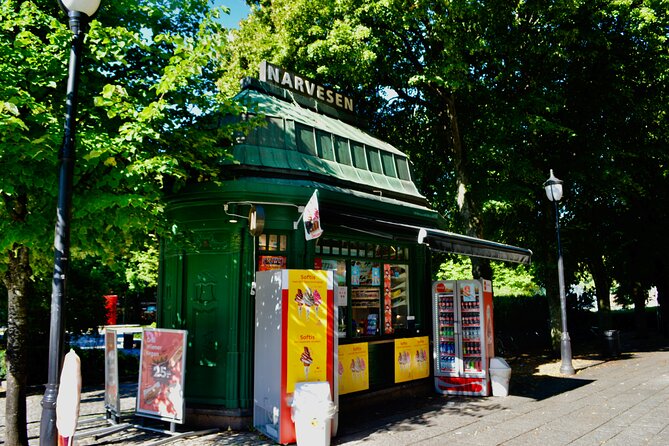
You finish with Akershus Fortress (another ride segment). This is a strong closing move because the fortress area gives you that “you can see why people come here” feeling. It’s also a logical finale after hitting the central landmarks.
By the time you reach the last stretch, you’ve already done the hardest mental part: learning how the group rides, how the e-bike feels under you, and how often you’ll stop. Now it’s about enjoying the last leg and getting back to base.
How the E-Bikes Change the Effort (and Your Confidence Level)
The tour is designed for easy-medium terrain, and the e-bikes are described as modern and comfortable. In practice, that means you’re not powering yourself up every incline. You can keep a steadier pace, which makes stops feel more relaxed and makes the whole day easier to enjoy.
That said, the bike still has weight, steering feel, and shared space with pedestrians. One useful tip from how guides handle the group: pay attention to your assist level and adjust it when the road tilts or when you need extra help. If you leave it too low on a climb, you’ll feel it more than you want to.
Also: helmets are listed as optional. You’re getting safety instructions, but you’re still responsible for how you ride and how you manage traffic. If you’re a first-time cyclist, consider bringing a helmet anyway. It can reduce nerves and let you focus on the views.
Route Pace, Traffic Reality, and One Common Head-Scratcher
Even with e-bike help, this is a city tour. You’ll manage pedestrian crossings, traffic lights, and regular urban foot traffic. One detail I’d underline: not everyone in a group moves at the exact same speed, especially at the start when bikes are being adjusted.
Also, the operator positions this as a small-group experience (limited to 10). But on-the-ground outcomes can vary with how quickly everyone gets ready. If you’re the type who gets stressed by minor delays, build in a little buffer for late starts.
The good side: guides tend to keep things calm and safe. People often highlight how guides check in, explain stops clearly, and guide the group without making it feel like a rushed conveyor belt.
Food, Water, and Weather: What You Need to Handle Yourself
This tour does not include food or drinks and it also does not provide water. That’s not a deal-breaker, but it means you should plan like you’re on a light outdoor outing.
Comfort-wise, you’ll want:
- Comfortable shoes and sports shoes
- Comfortable clothes for riding
- Water (bring it)
Rain matters here. A rain poncho isn’t included. If you’re riding when it’s wet, you’ll feel the difference between being prepared and being soaked. The tour also notes that some sightseeing points might be cut from the route if conditions or special events make it difficult.
One more highlight: Food Hall Mathallen is included in the “what you’ll see” list. Even if you’re not stopping for a sit-down meal, you’re in the right part of Oslo to grab something later if the timing works out.
Price and Value: Is $57 a Good Deal?
At $57 per person for about 3 hours, this is priced like a serious city experience rather than a short transfer. The value comes from three things working together:
- Time efficiency: you cover central Oslo plus river and fortress areas in one go.
- Effort reduction: you’re not paying for a taxi or spending all day walking.
- Guide-led context: you’re not just moving through landmarks; you’re getting explanations and pacing.
The trade-off is you’re paying for the bike and guide, not for comfort extras like food or water. If you show up without planning for that, the budget can quietly creep up.
Compared to the usual hop-on options, this tour tends to feel more purposeful because the stops are designed as a sequence. You get movement, explanation, and a finish that feels intentional.
Who This Tour Suits Best (and Who Should Skip It)
This is a great match if you:
- Want to see a lot of Oslo without tiring yourself out
- Can ride a bike at a basic level
- Are comfortable sharing road space and stopping at crossings
- Prefer an organized route with a local guide in English
It’s not suitable if you have:
- Back problems
- Heart problems
- Respiratory issues
- High blood pressure
- Low level of fitness
- You can’t ride a bike
- Wheelchair users
- Children under 11
- People under 160 cm (5 ft 2 in)
Bike sizing matters too. E-bikes are meant for riders about 1.55m to 1.85m tall. For younger riders aged 12–15, child bikes are for those 1.55m and under, and winter option excludes that group.
Winter Option: Studded Tires and a Shorter, Cozier Ride
If you’re visiting November to March, there’s a Cozy Winter Tour that runs about 1.5 to 2 hours. The big difference is safety equipment: the e-bikes have studded winter tires for grip on snow and ice.
The route is adapted for winter conditions, and some stops may be skipped if conditions or special events require changes. In winter, you’ll get the highlights with a shorter time window, so you don’t freeze waiting around.
This is a strong choice if you still want the landmark sequence, but you want the day to stay manageable when daylight and weather are limited.
Should You Book the Grand Oslo Ride?
I’d book it if you want a high-value Oslo overview with less effort than walking and more guidance than casual sightseeing. The tour shines when you’re time-limited, curious about landmarks, and comfortable riding an e-bike around real city traffic.
Skip it if you hate sharing bike space with others, you’re dealing with health limits listed above, or you’re not confident riding. Also, if you’re arriving with no plan for water and rain gear, you’ll feel it fast.
If you want my simple rule: if you can handle a basic bike and you’ll show up prepared, this is one of the best ways to see Oslo’s big icons in a few focused hours.
FAQ
What does the tour cost?
The Grand Oslo Ride costs $57 per person.
How long is the Classic Grand Tour?
The Classic Grand Tour runs about 2.5 to 3 hours (it varies slightly by group size).
Is there a winter version?
Yes. From November to March, the Cozy Winter Tour runs about 1.5 to 2 hours and uses studded winter tires.
What’s included in the price?
You get an e-bike and an English-speaking guide.
Are food and drinks included?
No. Food and drinks are not included, and water is not included.
Where is the meeting point?
You meet at The battery Oslo – Resource Center for NGOs. The operator also notes a newer office at Fredensborgveien 22F where you can ring the bell that says The Oslo Tour.
Is a helmet required?
A helmet is optional.