REVIEW · OSLO
Oslo: Winter Highlights 3-Hour Bike Tour
Book on GetYourGuide →Operated by Viking Biking & Hiking · Bookable on GetYourGuide
Winter looks different from a bike. This 3-hour winter ride gives you spiked tires and a guide-led route designed for cold-season traction, so the city feels rideable even when streets get slick. I like how it turns “Oslo in winter” from a commute into a tour.
The real payoff is the stop mix: Aker Brygge and Tjuvholmen’s waterfront architecture, a proper visit to the Opera House (inside and out), and Central Oslo’s big landmarks stitched together without wasting time. You get that rare combo of modern design sights plus classic downtown atmosphere.
One consideration: this is built for experienced riders. The route is mostly flat, but there are a few short, steep hills, and you’ll feel the cold if you don’t dress for it.
In This Review
- Quick Hits: What Makes Winter Biking Here Feel Worth It
- Spiked-Tire Cycling That Actually Makes Winter Fun
- Where You Start: Nedre Slottsgate in the Middle of Things
- Aker Brygge and Tjuvholmen: Port Views With Modern Oslo Energy
- Opera House Stops: Seeing One of Oslo’s Most Iconic Shapes
- City Hall, Nobel Atmosphere, and Indoor Warm-Ups
- Riverside Car-Free Cycling and Oslo’s Alternative Side
- Karl Johans Gate Christmas Market Cheer
- Pace, Hills, and the Winter Gear Checklist
- Guide Style: Stories That Put Oslo in Context
- Price and Value: Is $62 a Good Deal for Winter Biking?
- Should You Book This Winter Oslo Bike Tour?
- FAQ
- What’s the duration of the Oslo Winter Highlights bike tour?
- How much does it cost?
- Where do I meet the guide?
- What kind of bike and gear are included?
- Do I need to bring my own warm clothing?
- Is the tour canceled for bad weather?
- When does the tour operate?
- Is the guide available in English?
- Is this tour suitable for children?
Quick Hits: What Makes Winter Biking Here Feel Worth It
- Spiked tires provided: you bring the energy, and the bike setup handles winter grip
- Opera House time: you can look around both outside and inside, not just pass by
- Warm indoor options: City Hall, Mathallen, or Vippai can break up the chill
- Car-free riverside cycling: you’ll get a calmer stretch plus a stop in Oslo’s more alternative area
- Karl Johans Gate holiday vibe: the main pedestrian street and the Christmas market bring peak seasonal color
Spiked-Tire Cycling That Actually Makes Winter Fun
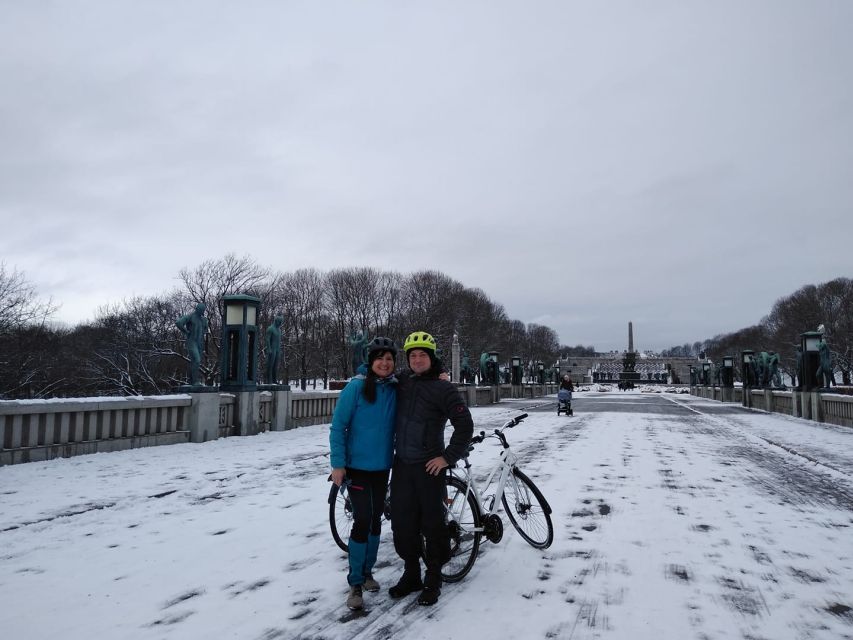
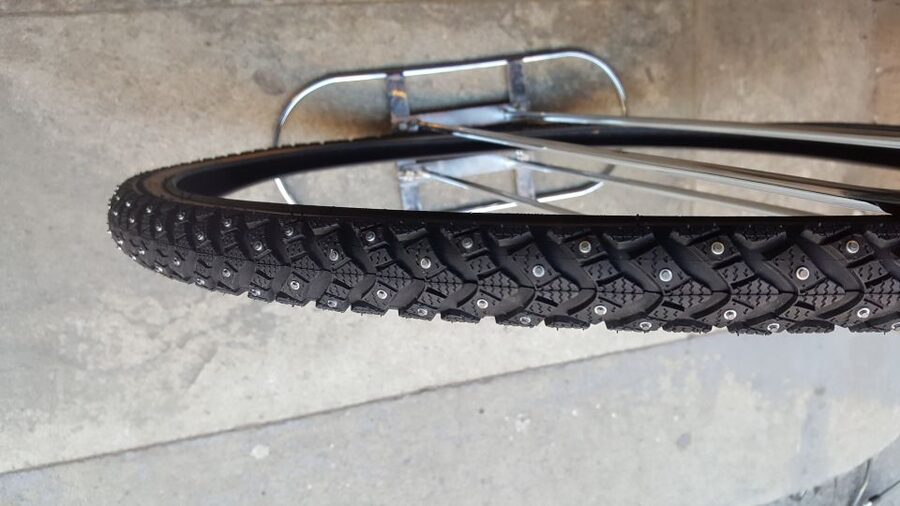
Oslo winter can be tough on your feet. This tour solves that with one simple idea: you bike on winter spiked tires made for cold, traction-first riding. That matters because slipping on ice is the whole fear. With the right tires and a guide choosing the ride line, you can focus on sights instead of white-knuckle balance.
I also like that the experience isn’t just “ride around.” You’ll stop often for photos and for little reality checks—what you’re seeing, why it matters, and how Oslo runs in winter. And because this runs in the Nov 1 to Mar 15 window, you’re not stuck trying to “make do” with a summer-tour vibe on a winter day.
If conditions are wet, the tour runs rain or shine. There are ponchos for sale in the shop if you need one, but your bigger job is clothing: you’re on the bike long enough that warm layers beat fashionable layers.
You can also read our reviews of more tours and experiences in Oslo.
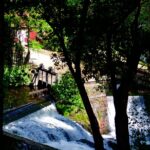
Where You Start: Nedre Slottsgate in the Middle of Things
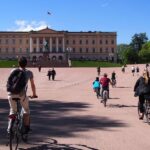
Meeting point is Nedre Slottsgate 4J, right in downtown Oslo—between Karl Johans Gate and the old fortress Akershus Festning. The location is handy because you’re close to the action before you even begin riding: the central train station, City Hall, and most major hotels are roughly a 5–10 minute walk away.
That’s a big deal in winter. If your start point is far from where you’re staying, you’ll spend more time outside warming up your hands and less time riding. Starting here keeps the “warm-to-cold” time cycle shorter.
English-speaking guides lead the ride, and you may get a friendly mix of personalities depending on the day. From past tours, I’ve seen names like Patrick, Josh, Niamh, and Naimha showing up—each with a clear style for turning city sights into stories.
Aker Brygge and Tjuvholmen: Port Views With Modern Oslo Energy
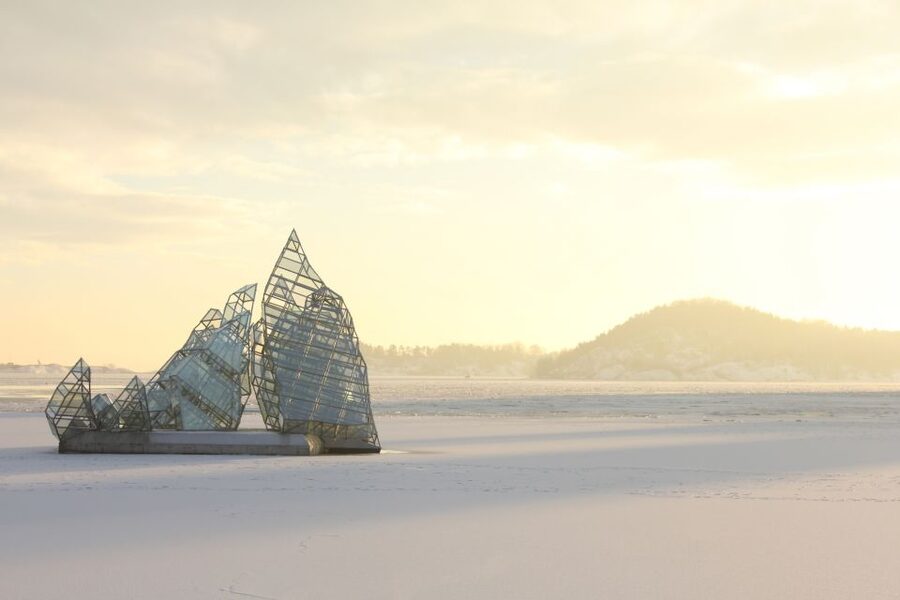
One of the signature parts of this ride is the waterfront zone around Aker Brygge and Tjuvholmen. Expect a mix of sea-breeze views, modern architecture, and a skyline you don’t usually see this easily from inside cafes. Biking here feels fast in the best way: the city’s edge water-to-street flow is made for moving.
Why this stop works: it compresses a lot of “where Oslo shines” into a short time. You’re not just seeing buildings—you’re getting the layout. Where people walk, where restaurants pull you in, and how the port area connects to the rest of downtown.
Practical note: even though the tour is mostly flat, winter riding can feel different. Small bridges, slight bends, and slick patches are real. Your guide’s job here is picking routes that keep momentum without drama.
Opera House Stops: Seeing One of Oslo’s Most Iconic Shapes
Another highlight is time at the Opera House. You don’t just roll past it and move on—you’ll have time to explore inside and outside. In winter, that’s extra valuable because daylight is precious and the Opera House is a visual anchor. You’ll get the big photo angles as well as the “up close” details.
What makes this stop special for your trip: the Opera House is one of those Oslo landmarks that helps you read the city. Once you’ve seen it, the rest of the trip clicks—how Oslo mixes bold modern design with careful public spaces.
Also, it’s a good winter strategy. Outdoor time alone can feel brutally cold. A visit that includes indoor access gives you a chance to reset your fingers, not just your camera.
City Hall, Nobel Atmosphere, and Indoor Warm-Ups
The tour’s warmth plan is smart. If you’re lucky with weather and timing, you’ll stop at City Hall, home to the Nobel Peace Prize ceremony. Even if you’re not there for the ceremony day, the building carries a sense of importance that feels real, not staged.
When the cold starts biting, indoor stops like this do two things:
- they help you keep your attention on the tour instead of your numb hands
- they give you a breather from icy wind
Other indoor options can include Mathallen or Vippai (indoor food markets). These aren’t just “somewhere to warm up.” They’re also a way to feel everyday Oslo life—people shopping, snacking, and moving between stalls.
If you want a hot drink moment, these indoor markets can be the kind of place where that urge makes sense. Past rides even included a detour for a hot chocolate request at a food market—exactly the sort of practical flexibility you want when winter weather changes the mood.
Riverside Car-Free Cycling and Oslo’s Alternative Side
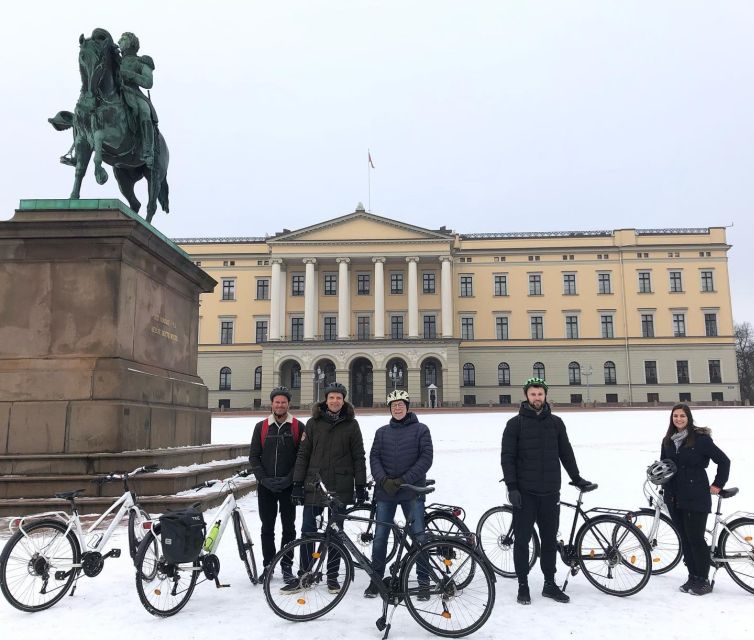
After the downtown sights, you’ll switch gears with a car-free riverside stretch. This part feels calmer than the main roads and lets you glide through views without the same noise and traffic pressure.
Then comes a stop in Oslo’s more “alternative” area. That phrase is useful because it signals what you’re actually doing here: you’re not only chasing official monuments. You’re getting a flavor of neighborhoods and public spaces where locals tend to mix in artsy energy and everyday grit.
Why I think this matters: it balances the big-ticket landmarks with a more lived-in Oslo feel. It’s how you avoid coming home with photos of buildings but no sense of character.
Karl Johans Gate Christmas Market Cheer
During the holiday season, one of the most festive segments is along Karl Johans Gate, Oslo’s main pedestrian street. You’ll cycle by holiday energy and stop for the city’s Christmas market vibe.
This is the kind of part of a winter trip that boosts your mood in minutes. The market also gives you a natural pause point for warmth—stand still, watch people move, grab something hot if you want it, then get back on the bike with your brain back online.
Timing-wise, you’ll want to use your stops for both photos and short resets. Winter light disappears quickly. If you treat the ride like a sprint, you’ll miss the atmosphere. If you treat it like a slow guided walk on wheels, you’ll capture the best of the street energy.
Pace, Hills, and the Winter Gear Checklist
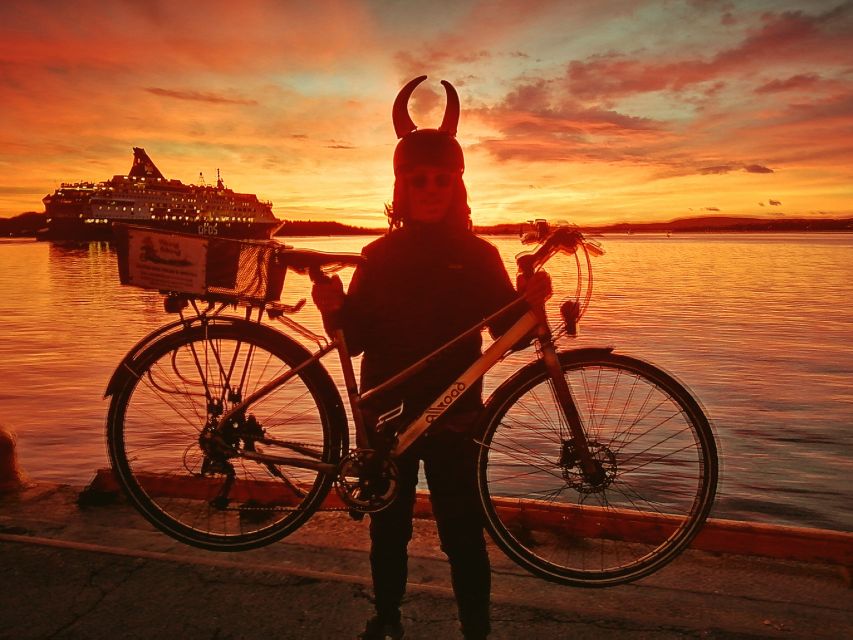
The tour is designed for experienced cyclists. That’s not just marketing language—it affects the ride rhythm and how the guide expects you to handle the bike. The route is mostly flat, with a few short, steep hills.
Here’s the practical part: steep hills on spiked tires aren’t “impossible,” but they’re not a gentle stroll either. Your best move is to be honest about your comfort level before you start. If you’re confident on a bike but new to winter balance, you’ll still probably do fine—just ride smoothly and follow the guide’s cues.
You also get winter safety support. Included gear typically covers:
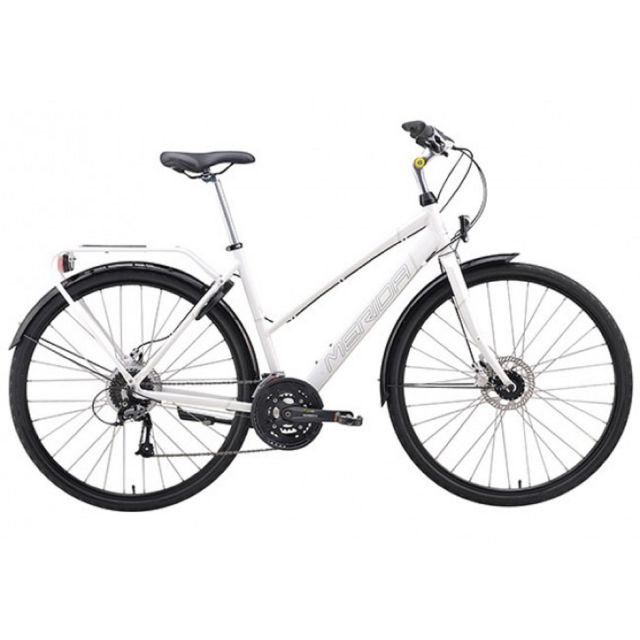
- comfort hybrid bike
- helmet
- pant clips (if necessary)
- gloves (if necessary)
What to bring: warm clothing. Water and snacks aren’t included, and ponchos are available for purchase if you need them. I’d treat this as a dress-like-you-actually-live-in-snow day. If you think you can “tough it out” with a light coat, the cold will bully your legs and hands.
One more detail from real rides: pace can be quick, and on at least one trip a guest asked for it to slow down a bit. If that’s you, say something early. A good guide will adjust so everyone stays safe and comfortable.
Guide Style: Stories That Put Oslo in Context
This tour isn’t only about what you see. The guide ties it to how Oslo works—history behind monuments, Norwegian culture, politics, and modern life. The best moments are usually the quick context beats at each stop: why a building is here, what it represents, and what kind of city it creates.
I also like that photo time is built into the ride. Several riders appreciated how the guide would stop for pictures and adjust the pace when needed. In winter, that’s a big deal: if you’re always rushing, you never get the full visual payoff.
Expect an English-speaking guide on every departure.
Price and Value: Is $62 a Good Deal for Winter Biking?
At $62 per person for a 3-hour ride, you’re paying for three things at once: a guide, winter-ready bike setup, and time-efficient sightseeing. The price starts to make sense when you compare what’s included.
You’re not paying separately for:
- spiked tire winter capability
- helmet and winter riding add-ons like pant clips or gloves
- a guide who plans the stops and explains what you’re seeing
Could you rent a bike on your own and ride a similar route? Possibly, but in winter the hard part is traction and route confidence. That’s exactly what the tour packages for you.
My advice: if you want a first-time orientation to Oslo plus a seasonal thrill, this is strong value. If you’re allergic to cold, or you need a very laid-back day with zero hills and zero wind exposure, you might decide to save your energy for warmer options.
Should You Book This Winter Oslo Bike Tour?
Book it if you want an active, efficient way to see Oslo during the winter window—especially if you’re excited by the idea of spiked tires and you can handle cold weather with the right clothing. The stop lineup makes sense for a first visit: Opera House, City Hall Nobel atmosphere, port architecture, and Karl Johans Gate Christmas vibes.
Skip or rethink it if you’re not comfortable riding in winter conditions. This is for experienced riders, and even though the route is mostly flat, there are steep little moments and the cold can be intense.
If you’re on the fence, ask yourself one question: do you want winter to feel like a hardship, or like a story you can actually move through? This tour leans hard toward the second option.
FAQ
What’s the duration of the Oslo Winter Highlights bike tour?
The tour lasts 3 hours.
How much does it cost?
It costs $62 per person.
Where do I meet the guide?
You meet at Nedre Slottsgate 4J in downtown Oslo, between Karl Johans Gate and Akershus Festning.
What kind of bike and gear are included?
You get a guided tour, a high-quality comfort hybrid bike, a helmet, and pant clips or gloves if necessary. Spiked tires are provided.
Do I need to bring my own warm clothing?
Yes. Warm clothing is required. Water and snacks are not included, and ponchos are available for sale if needed.
Is the tour canceled for bad weather?
No. Tours run rain or shine. Rain ponchos are sold if you need them.
When does the tour operate?
It runs from 1 November to 15 March, with departures at 10:00 AM every day.
Is the guide available in English?
Yes, the live tour guide is English-speaking.
Is this tour suitable for children?
No. It’s not suitable for children under 13 years.