REVIEW · UBUD
Ubud: Downhill Bike Tour with Rice Fields, Volcano and Meal
Book on GetYourGuide →Operated by Dewa Bike Tour · Bookable on GetYourGuide
A volcano view and a bike ride away. This Ubud downhill cycling tour is interesting because you start in the Kintamani highlands, look over the Batur volcano area, then glide to rice-field lanes with stops that feel like real daily life. I like the mostly downhill, low-stress riding and the way you visit a local school and family compound instead of doing only photo stops. The one consideration: you do need to be comfortable riding a bike, and in heavy rain the roads can feel slippery, so go slow and follow your guide’s pace.
You get a smooth day built around logistics that matter: hotel pickup in the Ubud area, a real English-speaking guide, a helmet, cold towel, water, and lunch. It’s a great way to see Bali’s inner countryside without spending your whole day driving from attraction to attraction.
In This Review
- Key Points at a Glance
- From Ubud Pickup to Kintamani Views: The Ride Begins Before the Wheels
- Kintamani to Ubud Downhill Cycling: Mostly Coasting, Still Stay Alert
- The Stops That Make This Tour Feel Like Bali: School, Home Compound, Temple
- School visit: learning how the community teaches
- Family compound: everyday life beyond the postcard
- Traditional village temple: spiritual practice you can see close-up
- Rice Fields and Agricultural Bali: Why the Countryside Feels Different
- The Scenic Volcano Drive and Why It’s Worth It
- Lunch: Balinese Food at the Right Time
- Rain, Bikes, and Support: How the Day Stays Smooth When Weather Turns
- Price and Value: Why $33 Can Feel Like a Deal
- Who Should Book This Downhill Tour
- Should You Book Dewa Bike Tour for This Kintamani-to-Ubud Ride?
- FAQ
- Is this tour private or shared?
- Where does pickup happen?
- How long is the tour?
- What’s included in the price?
- What is not included?
- Is the riding difficult?
- Do I need to bring anything?
- What languages will the guide speak?
- Is there an add-on at the end?
- Is this tour suitable for everyone?
Key Points at a Glance
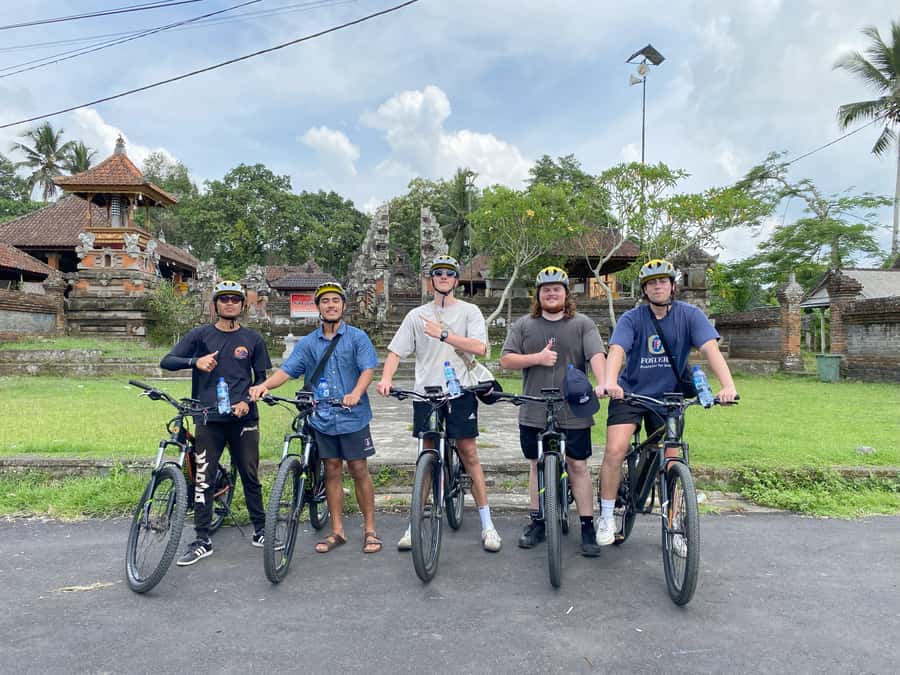
- Kintamani start, Ubud finish: a true downhill day that’s mostly about coasting, not leg burn
- Mount Batur area views: the scenic drive sets the tone before you ride
- Local visits, not just landmarks: a school stop, family compound time, and a village temple
- Rice fields focus: you’ll spend real time on agricultural scenery and daily rural life
- Balinese lunch included: you’ll finish with food from a local restaurant
- Rain support shows up fast: ponchos and pacing adjustments help when weather changes
From Ubud Pickup to Kintamani Views: The Ride Begins Before the Wheels
Most people picture the “bike part,” but the best part starts earlier: the pickup and the drive up toward Kintamani. You’ll be collected from options that include Ubud, Denpasar, Kuta, and nearby areas (outside Ubud pickup can cost extra). Then you head toward the Batur volcano region, where the scenery helps you understand why this whole area feels different from the crowded sides of central Ubud.
I like this approach because it builds momentum. You get the highland views, then the riding makes sense. And when the weather is moody, the guide still keeps the day moving—one review mentioned guide preparation like ponchos and flexible options when rain turned intense.
What you should plan for: your timing depends on your pickup slot, and you’ll want to share your height so the bikes can be sized correctly. That’s not just a detail; a good fit makes the coasting feel easy and keeps you comfortable at the stops.
You can also read our reviews of more tours and experiences in Ubud.
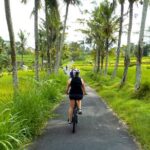
Kintamani to Ubud Downhill Cycling: Mostly Coasting, Still Stay Alert

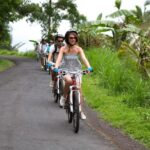
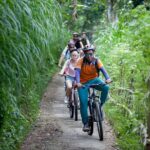
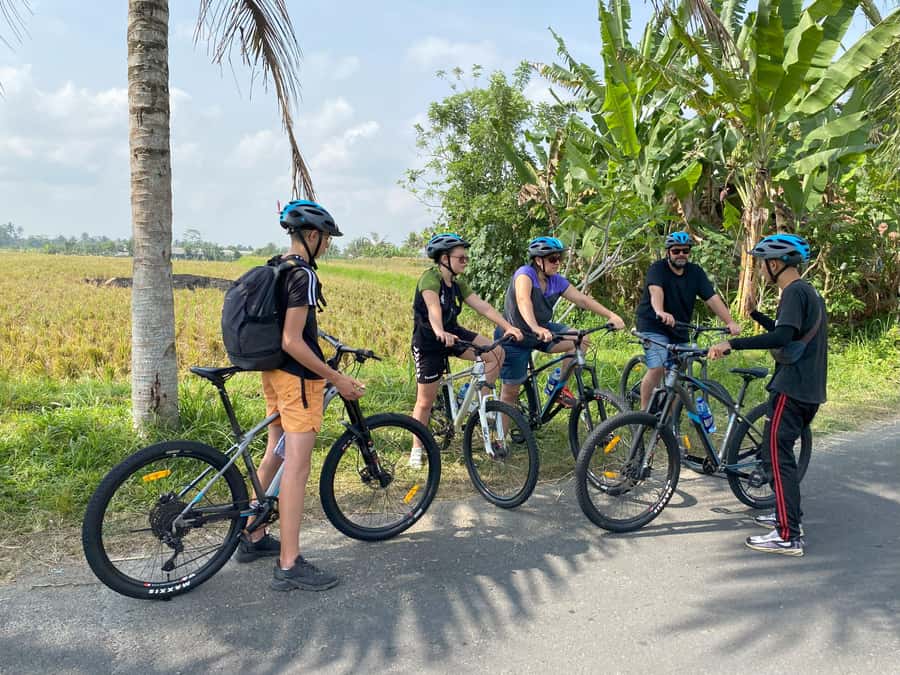
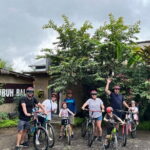
Then comes the cycling section: you start in the Kintamani area and ride downhill toward Ubud. The promise is clear—this route is designed to be relaxing. In practical terms, that means you’ll mostly be coasting with very little pedaling, and your “workout” tends to be more about managing speed and steering than pushing hard.
A bunch of guides are praised for safety and pacing. Several people highlighted that the roads felt manageable, with routes through villages and rice areas that don’t feel like a tourist-only strip. One rider even joked that the arms get tired more from holding the brakes than from using the pedals—so if you’re comfortable cycling at moderate speed, you’ll likely enjoy it.
Your consideration: it’s not for you if you can’t ride a bike at all. Also, keep in mind there are weight limits listed for the activity (not suitable above 287 lbs / 130 kg, and also noted above 309 lbs / 140 kg). If you’re within range but still unsure, ask for a bike fit adjustment when they size the bike for your height.
The Stops That Make This Tour Feel Like Bali: School, Home Compound, Temple
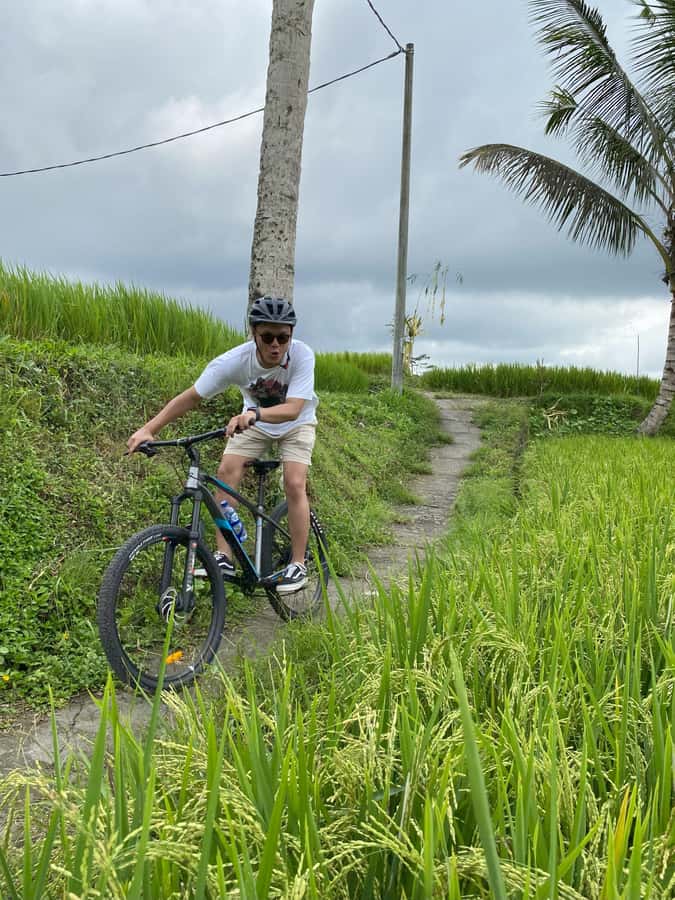
The ride isn’t just “go downhill, take photos, repeat.” The stops are what give the day meaning, and they’re spread out so you’re not stuck in one place too long.
School visit: learning how the community teaches
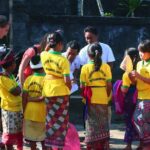
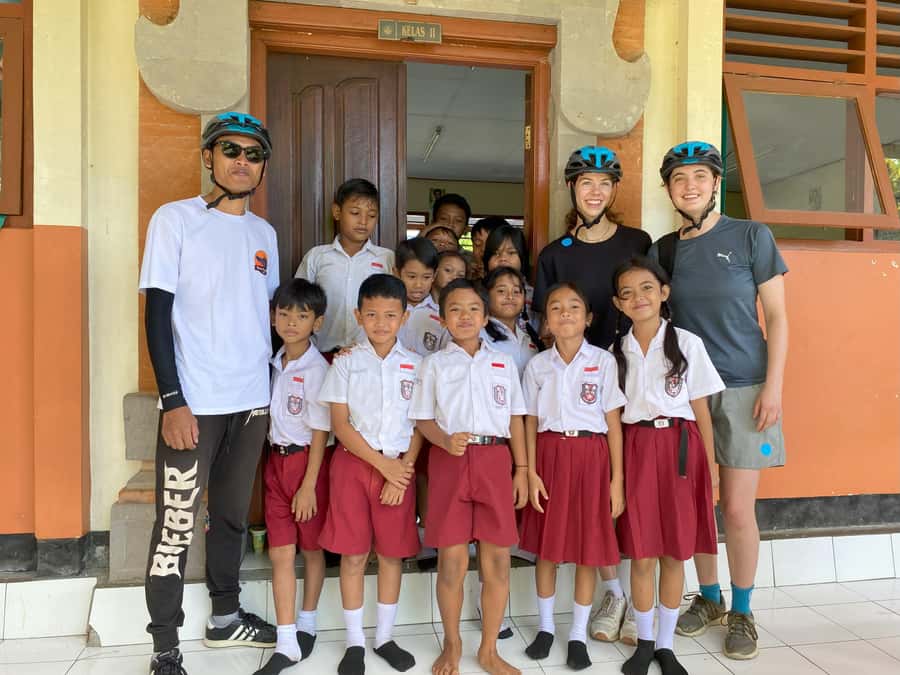
You’ll visit a nearby school and get a look at local education. This is one of the most emotional parts of the day for many visitors because it’s personal: you’re not watching from behind a fence as a crowd passes. You’re meeting people and seeing how daily life is organized.
Why it matters: Bali’s culture isn’t only temples and ceremonies—it’s also classrooms, routines, and the way families plan for the future. A school stop helps you see that the “culture” you came for is still lived every day.
Family compound: everyday life beyond the postcard
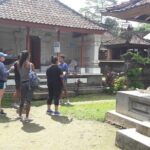
Next, you’ll spend time in a Family Compound, which is a chance to see how a Balinese household works. Expect interaction with residents and time to ask questions. This kind of stop helps you understand that a compound isn’t just a house—it’s part of a living system tied to community relationships.
One common compliment: visitors felt they got a privileged glimpse of everyday life, not a staged performance. That comes down to how long you’re allowed to stay and how much your guide encourages conversation.
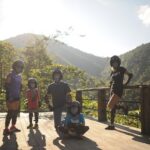
Traditional village temple: spiritual practice you can see close-up
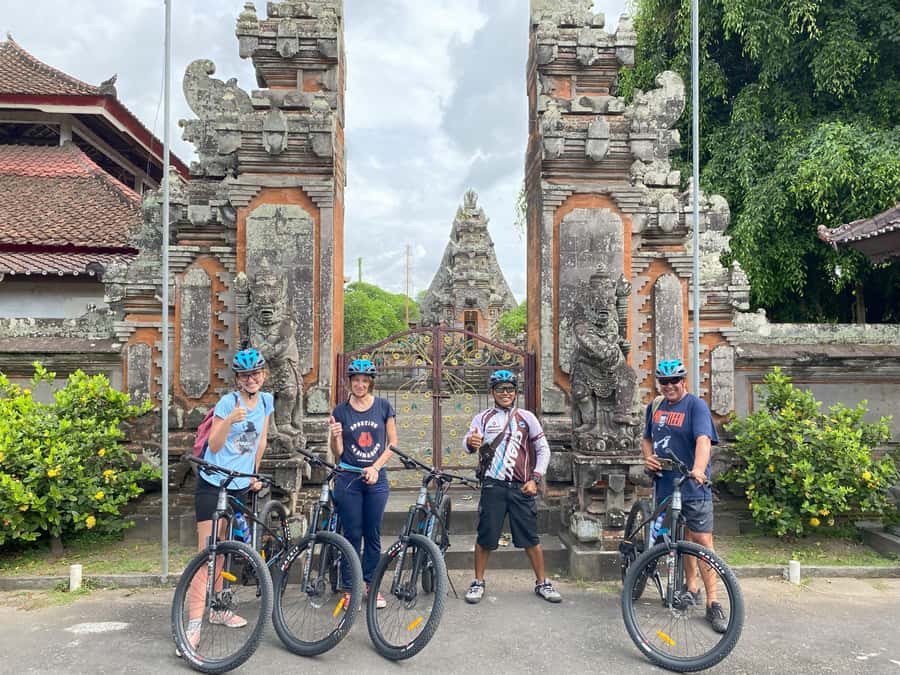
You’ll also visit a traditional Balinese village temple. Your guide should explain what you’re seeing and the reasons behind common practices. People often leave these stops with a clearer sense of how space, religion, and community overlap.
A practical note: temples typically involve rules on dress and behavior, and the guide can help you navigate what’s expected. Wear comfortable clothes and follow their instructions—then you’ll enjoy these moments without feeling awkward.
Rice Fields and Agricultural Bali: Why the Countryside Feels Different
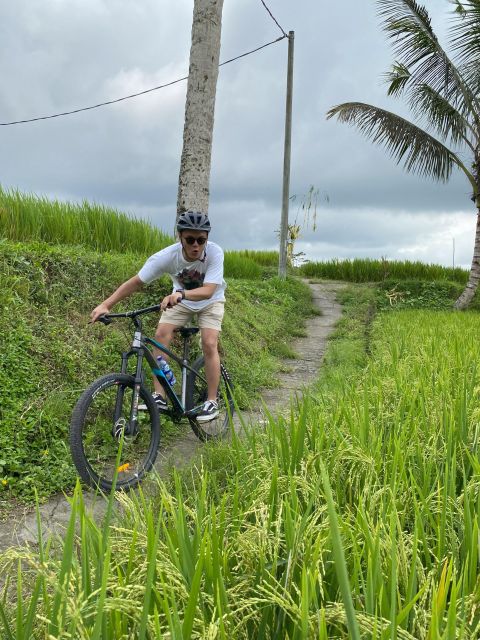
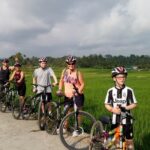
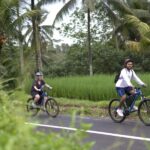
After the temple and home visits, the day leans into scenery and agriculture. You’ll ride through lush rice-field areas and learn how Balinese agriculture works. Several riders call out the rice fields as a highlight because the route gives you time to see the patterns, not just pass by quickly.
This part is valuable because it changes your idea of what Bali is. Instead of only beaches, temples, and shops, you see how food systems shape daily schedules and the rhythm of village life.
And because the ride is mostly downhill, you can actually enjoy the view without focusing on pounding pedals.
The Scenic Volcano Drive and Why It’s Worth It
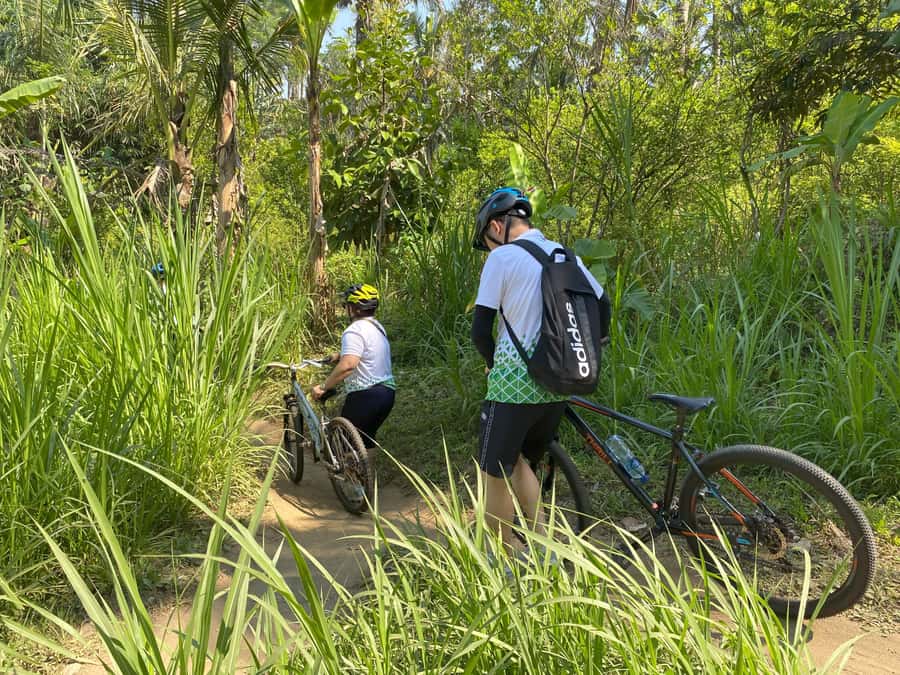
Even if you’re mostly there for the bike ride, don’t skip the volcano portion. The scenic drive to Kintamani comes with views of the Batur volcano area, and it sets context for the rest of the day.
A lot of the emotional payoff is timing: you see the volcano first, then you descend from that highland world into the villages and fields. It’s the same island, but it feels like a different planet. You’ll also appreciate this more if you’re the type who likes understanding why places look the way they do.
Lunch: Balinese Food at the Right Time
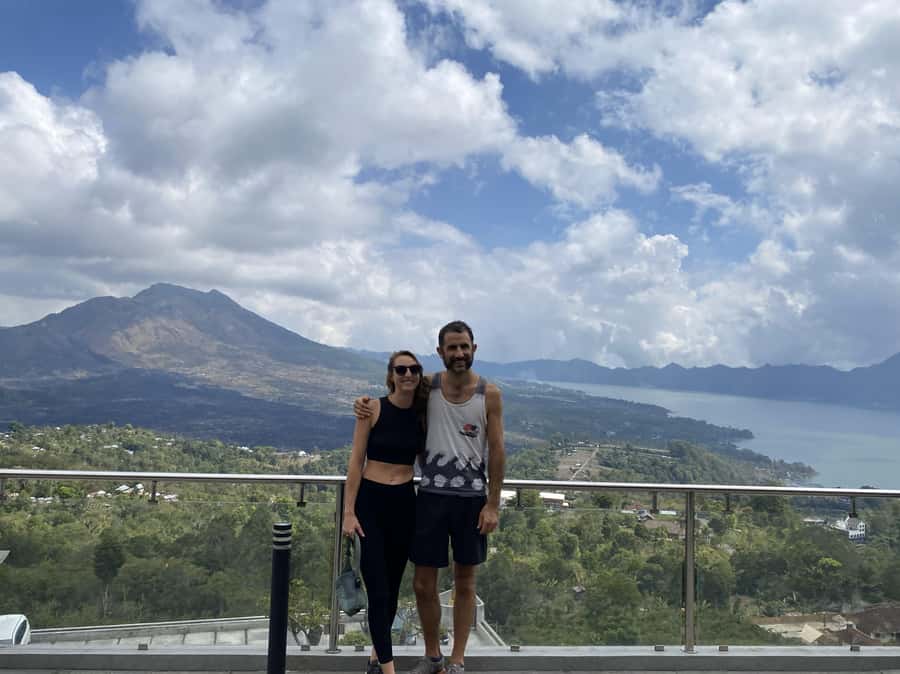
Your lunch is included, and it’s at a local restaurant with Balinese food. Timing helps here: it arrives after the hardest part of the day (being outside and cycling), so you’re hungry in the best way.
Several people praised the lunch as tasty and satisfying—often described with simple dishes like rice and chicken. The meal also gives your guide a chance to slow the pace and check in before you finish the day.
If you’re picky about spice: tell your guide when you meet them. The included lunch is local and not engineered for international palettes.
Rain, Bikes, and Support: How the Day Stays Smooth When Weather Turns
Bali weather can change quickly, and this tour is built to handle it. In at least a few cases, riders experienced heavy rain but still said the guides stayed organized. Ponchos were mentioned, and people described the guide as prepared.
There’s also a practical element that helped riders feel confident: a support car following along was mentioned, which means if something small goes wrong (or you get tired), the plan doesn’t collapse.
What you should do: bring biodegradable sunscreen, comfortable clothes, and comfortable shoes. If you’ve got biking gloves, they can help with grip when roads are wet. And don’t be tempted to speed up just because it’s downhill—slick patches are the real risk.
Price and Value: Why $33 Can Feel Like a Deal
At $33 per person, this tour is strong value because several costs are folded in. You’re not only paying for a guide—you’re paying for the practical stuff that often makes independent exploring expensive and stressful: hotel pickup and return in the Ubud area, bicycle and helmet, water, a cold towel, refreshment, and lunch. There’s also insurance included (IDR 2,500,000 for ages 5–65 as listed).
So the real question is not “is it cheap,” but “does it save me effort?” For most people, it does. You get transport, equipment, language support (English guide, plus Indonesian), and a plan that includes cultural stops—without you having to organize each piece.
One more value detail: the tour is described as exclusive private cycling tours, without shared tours. If you want privacy and less crowd energy, that’s a real quality bump for the price.
Who Should Book This Downhill Tour
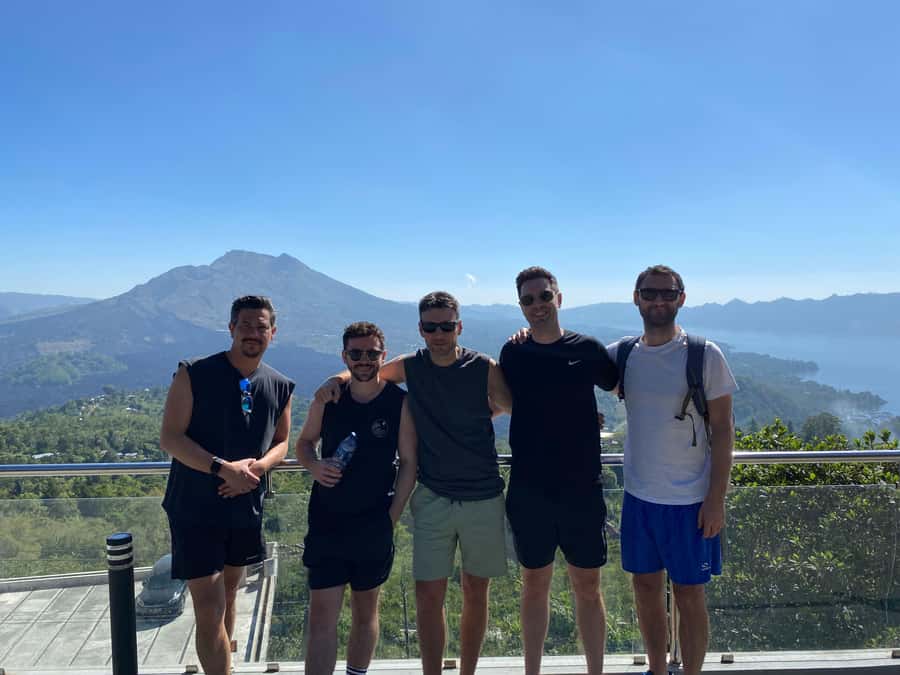
This is a good fit if you want:
- a relaxed cycling day with mostly downhill riding
- real countryside scenes like rice fields and village roads
- culture stops that include a school, a home compound, and a temple
- a guided day with transport and lunch solved for you
It’s especially appealing if you’re staying around Ubud and you’re tired of the same central-street rhythm. Multiple people described it as a way to escape the busiest parts and see quieter Bali.
It’s likely not a fit if:
- you can’t ride a bike
- you use a wheelchair
- you have visual impairment (listed as not suitable)
- you’re above the listed weight limits
Should You Book Dewa Bike Tour for This Kintamani-to-Ubud Ride?
If you like simple days with smart planning, I’d book it. This is one of those tours where the structure makes the experience feel effortless: pickup, scenic views, easy downhill riding, meaningful cultural stops, then lunch.
Before you hit reserve, do two quick checks:
- Confirm your bike size by sending your height so the ride feels safe and comfortable.
- Go in knowing it’s an active day on a bike with cultural walking stops—so wear good footwear and keep expectations realistic if rain arrives.
If you want a Bali day that mixes scenery with daily-life context—and you want to pay a price that doesn’t feel like you’re buying a museum ticket—this downhill tour is a very sensible choice.
FAQ
Is this tour private or shared?
It’s described as an exclusive private cycling tour without shared tours, and there’s also a note that small group options are available.
Where does pickup happen?
Pickup is included for the Ubud area. There are also listed pickup location options such as Denpasar and Kuta, and pickup outside the Ubud area has an extra transport charge.
How long is the tour?
The duration is listed as 6 hours (450 minutes).
What’s included in the price?
Included items are hotel pickup/return in the Ubud area, bicycle and helmet, mineral water, an English guide, refreshment, a cold fresh towel, Balinese lunch, and insurance (IDR 2,500,000 for ages 5–65).
What is not included?
Not included are admission to Mount Batur, breakfast (available as an add-on), transport pickup/return outside of the Ubud area, and a tubing adventure at the finish point (add-on).
Is the riding difficult?
The tour is designed as a mostly downhill ride with very little pedaling. You’ll still want to be comfortable riding a bike, especially if roads get wet.
Do I need to bring anything?
Bring comfortable shoes, biodegradable sunscreen, and comfortable clothes. You’ll also need to share your height so the bike can be sized.
What languages will the guide speak?
The live guide is listed as English (and Indonesian is also mentioned).
Is there an add-on at the end?
Yes. At the finish point, there is an optional tubing adventure you can do as an add-on.
Is this tour suitable for everyone?
It’s not suitable for people who can’t ride a bike, wheelchair users, visually impaired people, and it lists weight limits (over 287 lbs / 130 kg, and over 309 lbs / 140 kg).