REVIEW · BERLIN
Berlin Highlights 3-Hour Bike Tour
Book on Viator →Operated by Fat Tire Tours - Berlin · Bookable on Viator
Three hours, and Berlin clicks into place. This 3-hour highlights bike tour is interesting because it pairs bike time with English narration, so you see big sights fast without feeling rushed. It’s a solid way to get your bearings in central Berlin while learning how the city’s past shaped what you’re looking at today.
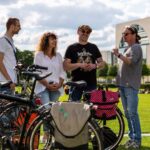
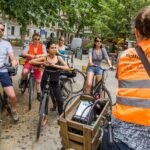
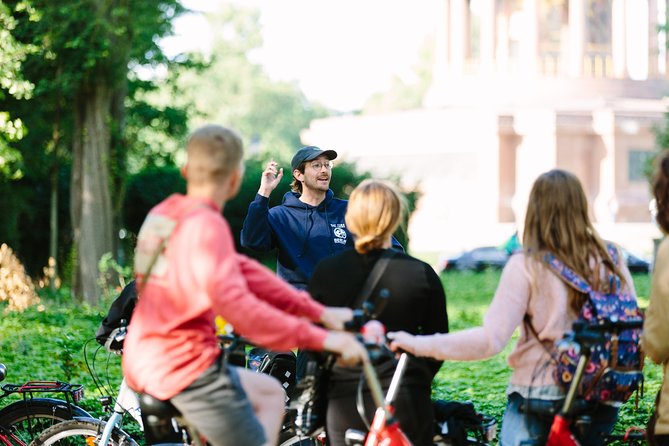
What really makes it work is the guide energy. I love how guides such as Sam and Nate turn landmarks into stories you can actually follow, with clear explanations at each stop. You also get the practical side: the route is planned so you’re not biking long stretches between photos, and you can ask questions as you go.
One consideration: it’s a highlights run, so many stops are brief and several places are viewed from the outside. If you want slow, museum-style time, you’ll need to pair this with extra time afterward.
In This Review
- Key things I’d bet on
- Enter Berlin from Alexanderplatz, Then Let the City Explain Itself
- What the 3 Hours Feels Like (Pace, Distance, and Stopping Rhythm)
- Stop-by-Stop: The Berlin Highlights You’ll Ride Past (and Why They Matter)
- Stop 1: Alexanderplatz and the landmark setup
- German Parliament area: where German lawmakers work
- Bell Tower and a possible free concert
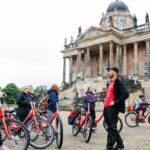
- Swiss Embassy and the Martin Gropius Building
- Bundeskanzleramt: the German Chancellery
- Neptunbrunnen: Neptune Fountain
- Rotes Rathaus: Berlin’s Red Townhall
- St. Mary’s Church: an oldest-functioning kind of stop
- A look toward Berlin’s oldest residential quarter
- Humboldt University: the law faculty
- Cathedral of St. Hedwig: Imperial architecture from outside
- Unter den Linden and the State Opera area
- Bebelplatz: the book burning memorial
- Stadtschloss Berlin: the reconstructed palace area
- German Historical Museum and the museum block outside views
- Berliner Dom: Berlin Cathedral
- New Museum and Museum Island views
- The Holocaust Memorial: a serious stop with an optional walk-in
- Bundesministerium der Finanzen: Nazi architecture, wartime remnants
- Brandenburg Gate: the classic photo
- Hotel Adlon Kempinski balcony: pop culture meets Berlin lore
- Embassy of France: another diplomatic look
- Reichstag Building: outside views and photo potential
- Berliner Fernsehturm: TV tower views
- Back to Alexanderplatz: East Berlin’s center
- Bebelplatz (again): the book burning story marker
- Museum Island view: one more look from the saddle
- Potsdamer Platz: drive-by views
- Fuhrerbunker site: Hitler’s last weeks
- The largest park: Berlin’s green lung
- American Embassy: a final diplomatic note
- Price and Value: What $42.33 Gets You (and Why It’s Not Just a Ride)
- Practical Tips for a Smoother, More Enjoyable Ride
- Who This Tour Fits Best (And Who Might Want Something Different)
- Should You Book This Berlin Highlights Bike Tour?
- FAQ
- How long is the Berlin Highlights bike tour?
- What’s included with the tour price?
- Where does the tour meet?
- Is the tour offered in English?
- Do I need a helmet?
- Is the tour route easy for most people?
- What happens if the weather is bad?
Key things I’d bet on
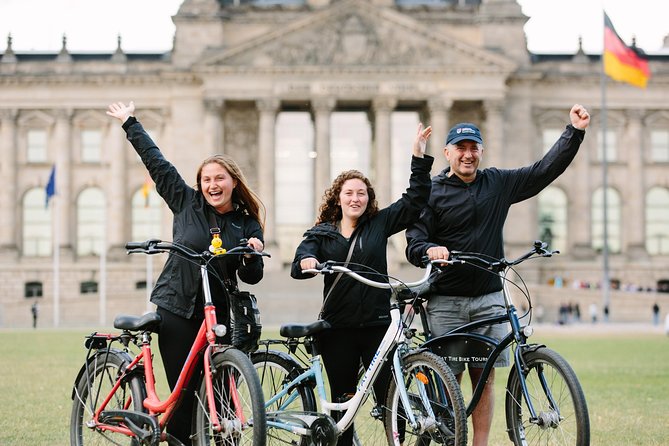
- Bike + helmet included: you roll on day one without hunting rentals.
- Small group size (max 15): it stays friendly and easier to regroup.
- English guide with narration: history sticks better when someone talks while you ride.
- A tight route built for short distances: lots of stops, not lots of pedaling.
- Frequent photo moments: you’ll stop for pictures and quick answers along the way.
Enter Berlin from Alexanderplatz, Then Let the City Explain Itself
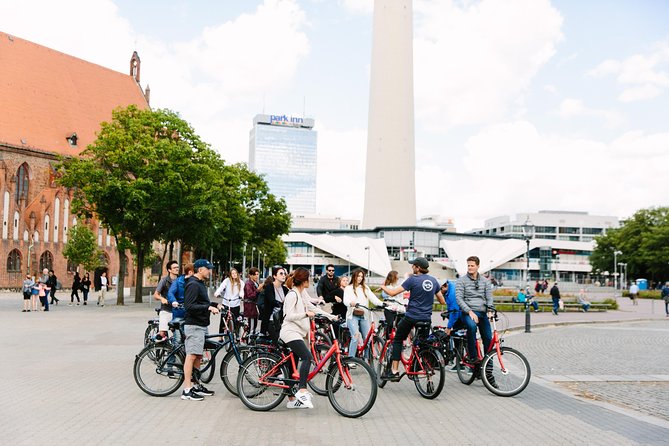
This tour starts at Alexanderplatz, one of Berlin’s most central squares. That matters. You’re not trekking across town to begin your sightseeing—you’re already where trains, buses, and major streets make sense.
Then the bike kicks in. Berlin is famously bike-friendly in a way that makes “I’ll just see a few things” turn into “Wait, I’ve seen half the core.” You can cover ground quickly, but you’re still at human speed. You notice buildings, squares, and sightlines that a bus window can flatten.
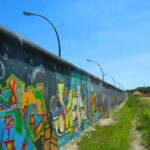
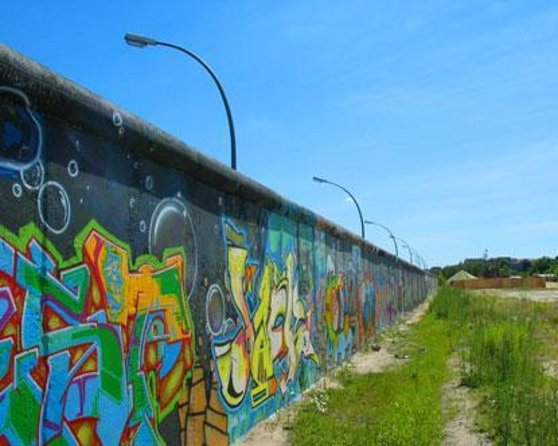
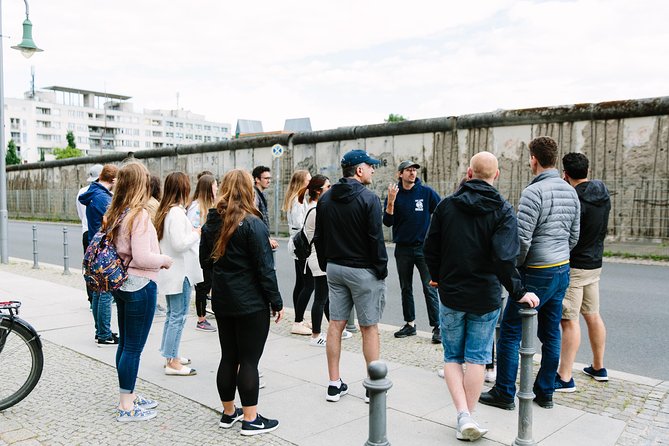
The guide’s job is the secret sauce. You don’t just get a list of names. You get context: Prussian roots, the rise of the Third Reich, and the creation and fall of the Berlin Wall, woven into what you’re standing next to. It’s the difference between seeing monuments and understanding why they’re there.
And yes, the pace is designed to be manageable for most people. Expect an easy ride, with stops that give you time for questions and photos rather than nonstop cycling.
You can also read our reviews of more tours and experiences in Berlin.
What the 3 Hours Feels Like (Pace, Distance, and Stopping Rhythm)
This isn’t an all-day workout tour. The cycling is laid out so you’re not covering huge chunks between landmarks. In practice, the ride feels like a steady flow of short segments, with frequent pauses.
From the way the tour is described, you’re looking at a loop through central highlights with repeated “time-on-the-sight” moments. Many stops are around 5 minutes, which sounds short until you realize the goal is orientation. You learn the story, take your photos, and move on before the ride becomes a drag.
Also, groups stay compact (up to 15). That helps in two ways: the guide can keep track of everyone, and you don’t spend half the tour waiting for stragglers.
My practical tip: dress for layers. Berlin mornings and evenings can swing fast, and the tour is weather-dependent. Even if the sky is mild, you’ll feel it once you’re in motion on a bike.
Stop-by-Stop: The Berlin Highlights You’ll Ride Past (and Why They Matter)
You’ll start with the real “orientation sprint”: Alexanderplatz and the tour’s early cluster of city-center history.
Stop 1: Alexanderplatz and the landmark setup
You meet at the central Alexanderplatz area and your guide helps you pick the right bike and get comfortable. Then you head out on a route designed to keep cycling between stops short.
This first stretch is also where the guide sets the historical framing. You’ll learn how Berlin moves from old-world power (Prussian roots) through the darkest chapters of the 20th century and into the Cold War era. Questions are welcome here, and the guide works to make the city’s timeline make sense instead of feeling like random facts.
From there, you hit a rapid sequence of sights where Berlin’s official life, embassies, and major institutions all sit close together.
German Parliament area: where German lawmakers work
You’ll see where German parliamentarians work. Even if you’re not going inside, it’s a strong “present-day Berlin” contrast to everything else you’ll see later on.

Bell Tower and a possible free concert
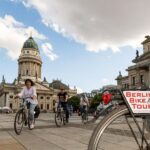
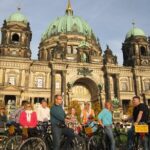
You also get a look at the Bell Tower. There’s a chance to hear the free weekly concert, if timing lines up. Either way, it’s a good stop to connect architecture with daily city life.
Swiss Embassy and the Martin Gropius Building
You’ll pass the Swiss Embassy and then look at the Martin Gropius Building. These are the kinds of landmarks that look impressive in photos, but the guide’s context helps you see them as part of Berlin’s broader institutional story.
Bundeskanzleramt: the German Chancellery
You reach the German Chancellery (Bundeskanzleramt). This is a major “look, that’s power” moment. There’s also the possibility to take pictures of Angela Merkel’s office area, depending on views from the street.
Neptunbrunnen: Neptune Fountain
You’ll stop at Neptunbrunnen (Neptune Fountain) for photos. It’s one of those classic Berlin courtyard-sight moments: pretty, central, and perfect for a quick pause.
Rotes Rathaus: Berlin’s Red Townhall
Next up is the Red Townhall (Rotes Rathaus). It’s one of those places you’ll recognize instantly once you’ve seen it. The guide points out what you’re looking at and why it matters in the city’s story.
St. Mary’s Church: an oldest-functioning kind of stop
You’ll see St. Mary’s Church (St. Mary’s Church). The tour highlights it as the oldest functioning church in Berlin. Even from the outside, it’s a meaningful contrast to the newer parts of the city center.
A look toward Berlin’s oldest residential quarter
Then you get a “look toward” moment for Berlin’s oldest residential quarter. This stop is less about a single landmark and more about how Berlin’s historic neighborhoods shaped the center.
Humboldt University: the law faculty
You’ll see Humboldt University, specifically the faculty of Law. It’s a smart educational stop because Berlin’s identity isn’t just monuments—it’s institutions. The buildings and the street setting show you how academia and civic life sit close together here.
Cathedral of St. Hedwig: Imperial architecture from outside
You’ll see the Cathedral of St. Hedwig from outside. The tour calls out its Imperial architecture. This is a great quick stop for “Germany’s layers,” because Berlin’s past often shows up in styles you wouldn’t expect.
Unter den Linden and the State Opera area
Under Den Linden is one of Berlin’s big ceremonial avenues, and you’ll see the State Opera house area. You’ll take pictures here, and the guide ties it back to how power and culture used to be staged in the city.
Bebelplatz: the book burning memorial
At Bebelplatz, you’ll see the memorial to Nazi book burnings and get an explanation. You’ll also have time for pictures, and this stop is free.
This is one of the tour moments where you’ll feel the guide’s role most. You’re not just looking at a plaque. You’re learning what happened and why the memorial sits where it does.
Stadtschloss Berlin: the reconstructed palace area
You’ll also see Stadtschloss Berlin, described as a reconstructed royal and imperial palace that served as a residence for Brandenburg electors, Prussian kings, and German emperors. This stop is free, and it’s a good place to think about how Berlin has re-built its image over time.
German Historical Museum and the museum block outside views
You’ll get a look toward the German Historical Museum and then at the Altes Museum from outside. The tour keeps things moving here, so you’re mostly seeing façades and getting guided context instead of going inside.
Berliner Dom: Berlin Cathedral
You’ll see Berliner Dom, built as a court church of royals in the late 1800s in Italian Renaissance style. Again, mostly an outside photo stop. But the guide’s framing helps you notice how the style fits the era.
New Museum and Museum Island views
You’ll see the New Museum and then later get views of Museum Island from outside. This gives you a sense of why this area is such a cultural hub—before you ever decide whether you want to spend a full day in museums.
The Holocaust Memorial: a serious stop with an optional walk-in
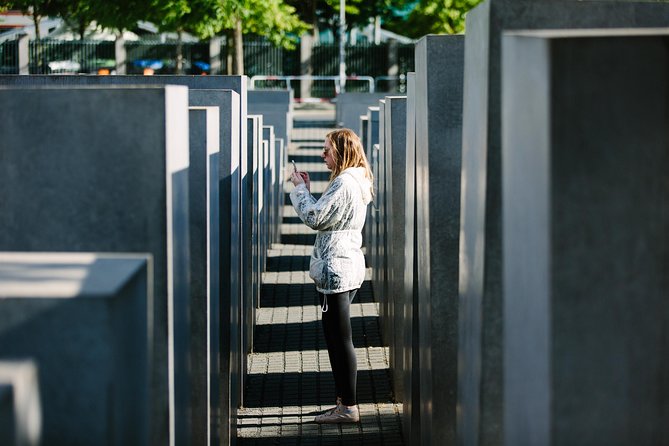
You’ll visit the Holocaust Memorial (Memorial to the Murdered Jews of Europe). The tour includes explanation and pictures, and there’s possible time to walk inside. This is not a casual checkpoint. It’s a place where the guide’s words matter, because you need context to process what you’re seeing.
Bundesministerium der Finanzen: Nazi architecture, wartime remnants
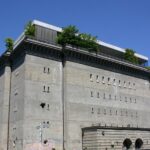
You’ll also stop at the Bundesministerium der Finanzen, described as the former Luftwaffe headquarters/Nazi architecture and now the German Finance Ministry. The buildings built during the Nazi dictatorship sit here even after the regime is gone—another stark “Berlin history layered in concrete” moment.
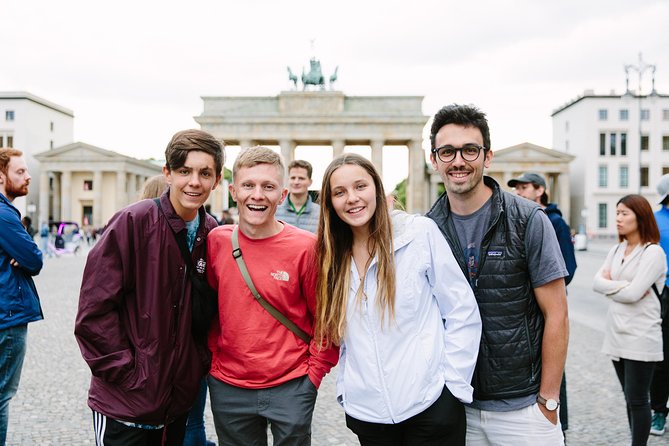
Brandenburg Gate: the classic photo
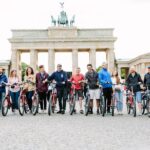
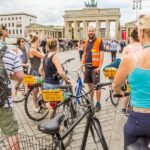
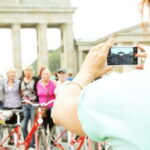
Then comes Brandenburg Gate, where you’ll stop for pictures and explanation. This is one of the most recognizable Berlin landmarks, and the guide connects it to the political turning points you’ll have been hearing about all morning.
Hotel Adlon Kempinski balcony: pop culture meets Berlin lore
You’ll see Hotel Adlon Kempinski Berlin, including the balcony area where Michael Jackson dangled his baby. It’s a quick photo stop, but it’s also a reminder that modern history and celebrity moments attach themselves to old streets.
Embassy of France: another diplomatic look
You’ll ride by or stop at the Embassy of France for a view. It’s a small pause that helps you see Berlin as a living city of international relations, not just a museum of the past.
Reichstag Building: outside views and photo potential
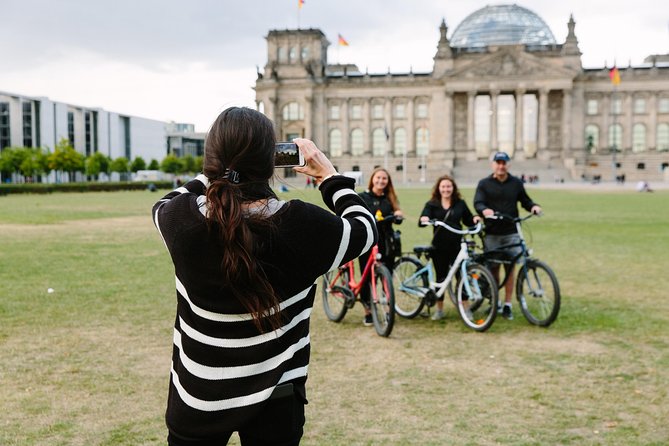
You’ll see the Reichstag Building from outside, with explanation and a possibility to take pictures. Even if you don’t go inside, the setting and architecture help you connect Berlin’s governance to its history.
Berliner Fernsehturm: TV tower views
Next is Berliner Fernsehturm. You’ll get pictures and explanation. It’s a visible anchor in the skyline, and the guide uses it to connect Cold War identity to today’s Berlin.
Back to Alexanderplatz: East Berlin’s center
You’ll talk about Alexanderplatz again as the centre of former East Berlin. This repetition isn’t redundant—it helps the story stick as you cycle through different eras.
Bebelplatz (again): the book burning story marker
The itinerary includes another Bebelplatz stop. You’ll stop at Bebelplatz for explanation, and this one is free. By the time you return here, the context from earlier stops usually makes it hit harder.
Museum Island view: one more look from the saddle
You’ll see Museum Island from outside again. Think of it as a “look back and place it” moment after you’ve already learned what this cultural zone represents.
Potsdamer Platz: drive-by views
You’ll ride by Potsdamer Platz. Even as a drive-by, it gives you perspective on how Berlin reconnected and re-built through modern eras.
Fuhrerbunker site: Hitler’s last weeks
You’ll see the Fuhrerbunker site, described as where Hitler spent the last weeks of his life and committed suicide. This stop is free and usually feels weighty, because it’s history tied to specific, grim timelines.
The largest park: Berlin’s green lung
Then you’ll see Berlin’s largest park, known as its green lung. It’s a nice breath in the route—a reminder that Berlin isn’t only about memorials and power. You get a sense of the city’s open space.
American Embassy: a final diplomatic note
The last stretch includes seeing the American Embassy. It’s a practical ending image: Berlin as a seat of modern diplomacy, not just past conflict.
Price and Value: What $42.33 Gets You (and Why It’s Not Just a Ride)
At $42.33 per person, you’re paying for a few things at once:
- a bike included
- helmet included (optional but available)
- an English-speaking guide
- navigation plus narration
That bundle is the value. A bike rental alone can eat up most of that cost in some cities. And without a guide, you’d still be doing the hard work of figuring out what you’re looking at and why it matters.
Also, several stops are free (including major memorial areas and landmarks like Brandenburg Gate and Bebelplatz). Other sights aren’t included, but the tour often covers them from outside, which keeps the tour focused on quick, meaningful seeing rather than waiting in lines.
Finally, the short format is part of the bargain. In three hours, you’re getting an orientation run through the heart of central Berlin, with history explained right in context.
Practical Tips for a Smoother, More Enjoyable Ride
A few small things can change the whole experience.
- Wear comfortable layers. Berlin weather can shift. You’ll feel it more on a bike.
- Bring a phone/camera and charge it. There are many quick photo moments.
- If you’re traveling with kids, ask ahead about reserving kids’ bikes and equipment. That detail is handled by contacting the supplier in advance.
- Expect traffic and red lights. The guide keeps the group together, but Berlin intersections can slow you down.
And remember: this tour requires good weather. If conditions aren’t right, you’ll need flexibility in your plans.
Who This Tour Fits Best (And Who Might Want Something Different)
This is ideal if you want:
- a first-time Berlin overview
- history context without turning your day into museum homework
- an easy ride that still gives you lots of major sights
It also works well for groups that include mixed ages, because the tour is designed for “most travelers” and keeps cycling segments short between stops.
If you’re the type who wants long stops inside museums, deep architecture study, or hours in one place, you might find this tour too fast. Think of it as the framework. It points you toward what to return to later.
Should You Book This Berlin Highlights Bike Tour?
If your goal is to see a lot and understand the story behind it in one morning, I’d book it. The combination of included bike, English narration, and a route built for short cycling legs makes it strong value for limited time in Berlin.
I’d hold off only if you hate quick photo stops or if your schedule can’t handle weather-related changes. Otherwise, this is one of the simplest ways to turn central Berlin into a connected timeline instead of disconnected photos.
FAQ
How long is the Berlin Highlights bike tour?
The tour lasts about 3 hours.
What’s included with the tour price?
Bike and helmet are included, along with an English-speaking guide.
Where does the tour meet?
The start location is Unlimited Biking (Formerly Fat Tire Tours), Panoramastraße 1A, 10178 Berlin, Germany.
Is the tour offered in English?
Yes. The guide narration is offered in English.
Do I need a helmet?
A helmet is included. You can use it during the ride (it’s described as available, and some riders may not need it).
Is the tour route easy for most people?
The tour says most travelers can participate, and the route is designed so you don’t cycle far between stops.
What happens if the weather is bad?
The tour requires good weather. If it’s canceled due to poor weather, you’ll be offered a different date or a full refund.