REVIEW · PARIS
Best of Paris Electric Bike Tour
Book on Viator →Operated by Fat Tire Tours - Paris · Bookable on Viator
Paris feels like a lot—this tour makes it manageable. In about 3 hours, you roll past major sights with an organized rhythm, plus a 30-minute safety briefing and practice before you head out on the streets. I like how the group stays small (cap 15), so you get help when you need it, and you get frequent stops for photos. One thing to consider: you do spend time getting set up and riding steadily, so it’s not the best match if you want long museum time or lots of wandering.
I’m also drawn to the way the route hits big-name monuments while still giving you glimpses of the city’s grand building fabric—places like Les Invalides and Pont Alexandre III. Guides can be really personable; names like Annie, Oleg, Vladimir, and Chaitya show up repeatedly in guest write-ups, often for being patient and sharing fun facts. The possible drawback is simple: if your group ends up uneven for bikes, your experience may feel less balanced than you hoped.
In This Review
- Key things to know before you go
- Entering Paris on two wheels: how the ride really works
- Group size and guidance: small teams, steady coaching
- What’s included (and what isn’t) for your money
- Ecole Militaire: starting with a landmark facade and easy momentum
- Hôtel des Invalides: the city’s big themes in one zone
- Place de la Concorde: where the wide view does the talking
- Grand Palais and Petit Palais: stop-by viewing, not museum time
- Pont Alexandre III: the ride across the Seine you’ll remember
- Eiffel Tower segment: the iconic end that’s actually a payoff
- What you learn while you pedal: more than names on a map
- Weather, street reality, and comfort on an electric bike
- Price and time: does $78.60 buy real value?
- Who should book this tour, and who should skip it
- Should you book this Paris electric bike tour?
- FAQ
- How long is the tour?
- What’s included in the price?
- Do I need to buy tickets for the stops?
- Where do I meet the guide?
- What language is the tour in?
- Is there an age limit or rider requirement?
- Is it canceled if weather is bad?
- What’s the cancellation policy?
Key things to know before you go

- Small group, max 15: easier traffic flow and more personal attention.
- Safety briefing + practice first: you won’t be thrown into traffic on day one.
- Photo-friendly pacing: frequent short stops built into the route.
- You cover major landmarks quickly: great for first-time Paris orientation.
- English guidance is provided: helpful if you’re not speaking French.
- No food included: plan a snack stop later if you get hungry.
Entering Paris on two wheels: how the ride really works
This tour is built for momentum. You meet at 24 Rue Edgar Faure, 75015 Paris, get oriented, then go through a 30-minute safety briefing and practice so you feel comfortable on the electric bike setup. After that, you cruise through parks and along sidewalks, with your guide talking as you go.
What I like about this style is how it turns Paris geography into something you can remember. One moment you’re near the Military school area, then you’re in the grand monumental zone, and then—surprise—you’re looking at the Eiffel Tower with a new sense of where it sits in the city. It’s one of the easiest ways to get your bearings fast without spending your whole day navigating streets and junctions.
For most people, the structure matters more than the speed. You’re not just riding; you’re riding with short, planned pauses. That means you’re less likely to miss key angles for photos, and you’re more likely to understand why certain buildings matter.
You can also read our reviews of more tours and experiences in Paris.


Group size and guidance: small teams, steady coaching
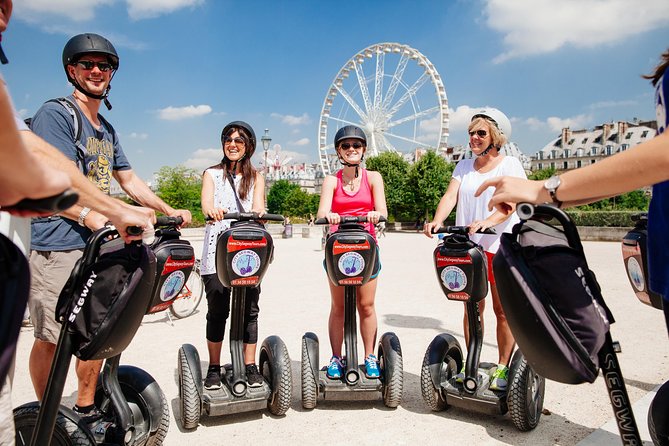
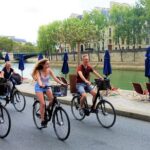
With a maximum of 15 riders, this is the opposite of a cattle-car tour. In a small group, your guide can actually see who’s struggling, who wants extra time at a corner, and who is ready to roll on. That’s also why guests repeatedly mention guides being patient, especially for first-timers.
English is offered, which is huge in Paris where street signage and local chatter can move faster than your brain. You’ll also have real-time help while you ride. If you’re nervous at the start, the practice segment is meant for that exact moment.
Guides named in guest feedback—like Oleg, Vladimir, and Ruben—come up for two reasons: they’re comfortable explaining what you’re seeing, and they manage safety in busy areas. In plain terms: you’re not out there guessing.
What’s included (and what isn’t) for your money
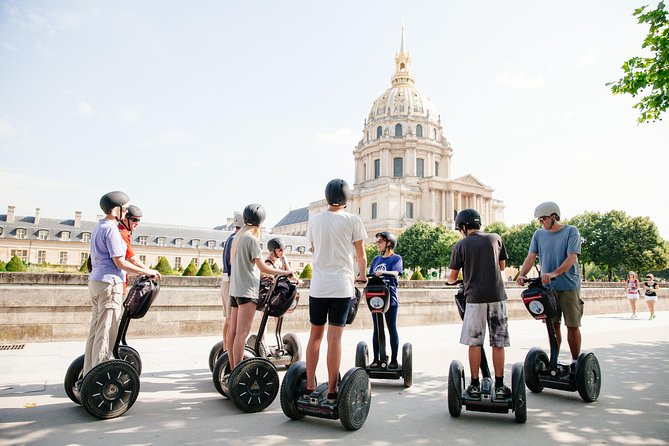
You’re paying for the ride, the helmet, and the guided route. Included: electric bike and helmet. Not included: food and drinks.
That sounds basic, but it affects how you plan the day. Since there’s no included snack or water, you’ll want to bring your own small bottle and plan to eat afterward. If you know you get hungry while walking, you’ll likely get hungry while riding too—just faster.
At $78.60 per person for roughly 3 hours, the value comes from time saved and route planning. You’re not shopping for transit tickets or spending half your day figuring out where the landmarks are relative to each other. You’re buying the shortcut: a curated loop with help at the start and frequent photo stops.
Ecole Militaire: starting with a landmark facade and easy momentum
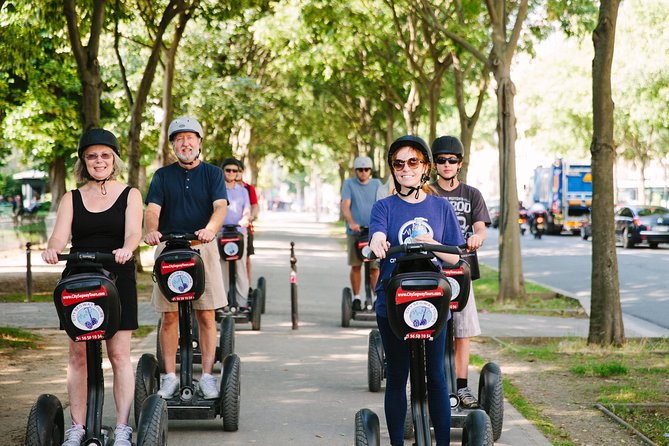
The first stop is Ecole Militaire. You’ll see it from the outside, then pause briefly for photos and a bit of explanation. The time here is short, around 8 minutes, but that’s the point. You’re using the first stop to settle into the rhythm of the tour—arrive, look, snap, listen, move.
Why this start works: it’s a visible, recognizable anchor. It’s also a low-pressure way to learn the flow of the day before you hit bigger traffic areas and larger monuments.
If you’re the kind of person who likes to know what you’re looking at, pay attention during this first briefing. The guide sets the tone and the landmarks start connecting in your mind.
Hôtel des Invalides: the city’s big themes in one zone
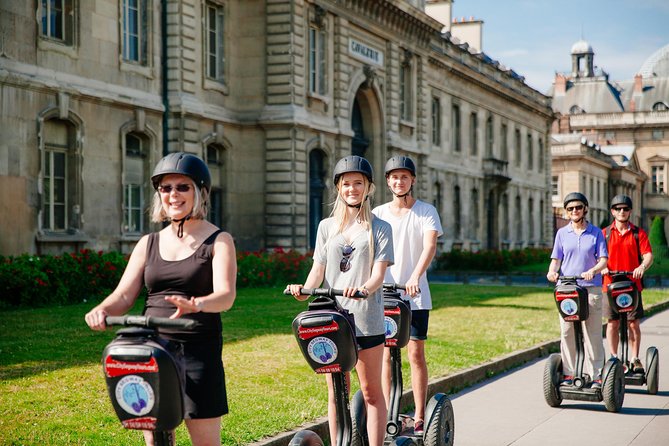
Next up is Hôtel des Invalides. Again, you’ll be outside, with around 8 minutes for photos and explanation. This stop matters because it sits in the monumental Paris lane—less about one building in isolation and more about how the area was designed to project power and meaning.
Even in a quick stop, you’ll likely catch details you would miss if you were just passing by on foot. The guided context helps you see the difference between a pretty facade and a place with a real story behind it.
The only drawback is that outside stops are brief by design. If you want to go inside, you’ll need to plan that separately for another day.



Place de la Concorde: where the wide view does the talking
Then you roll to Place de la Concorde, with another short stop of about 8 minutes. This one is particularly good for photos because the space opens up around you and gives you that classic, “Paris is huge” feeling.
It’s also a useful way to understand the city’s structure. A place like Concorde isn’t just a stop on a list. It’s a reference point that helps you map where other sights sit relative to major axes.
If you’re sensitive to crowds, go easy on expecting quiet. This square is famous, so you may be sharing space with other groups. Still, your guide’s timing and your group size help keep it manageable.
Grand Palais and Petit Palais: stop-by viewing, not museum time
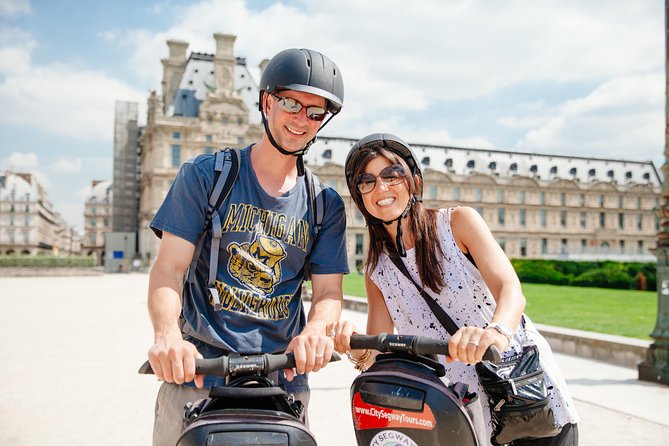
In the middle stretch, you’ll see Grand Palais and Petit Palais from the outside. These are quick viewing moments rather than deep dives, and that’s actually a smart match for a 3-hour tour. You get the architecture hits without spending time waiting or switching gears into museum mode.
What you should do here: slow down your eyes. Look at the facades for proportions and ornament. Even if you don’t know the details, you’ll recognize that these buildings belong to a particular Paris style language.
If you’re a museum-first traveler, you’ll probably want to follow up later with one of these sites when you’re ready to spend real time inside.
Pont Alexandre III: the ride across the Seine you’ll remember
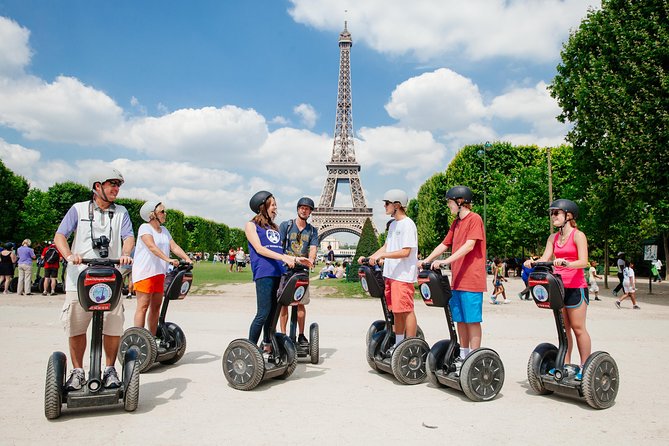
One of the most enjoyable segments is Pont Alexandre III. You don’t just look at it—you ride across it, then stop on the bridge for photos and explanation, about 8 minutes.
Why this part works so well: it’s a moving viewpoint. As you cross, the scenery shifts. That motion makes the bridge feel bigger and more dramatic than a static photo might suggest.
Also, it’s a built-in break that doesn’t feel like a break from the tour. You’re still progressing, but you’re also getting time to frame shots and understand what you’re seeing. Many first-timers love this moment because it feels like Paris on film.
Eiffel Tower segment: the iconic end that’s actually a payoff
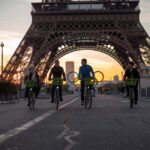
You finish with the Eiffel Tower area. You’ll see it from the outside, with about 10 minutes for photos and explanation. This is the “yes, it’s real” moment, and the timing matters.
You’ll be approaching after already learning the tour’s landmarks. That changes how you experience the Tower. It stops being just a symbol and starts becoming a point in a bigger city map.
Photo tip: if you want a less crowded angle, pay attention to where your guide stops. The group positioning and short timing can give you slightly different viewpoints than you’d get wandering alone.
What you learn while you pedal: more than names on a map
The guide info is meant to connect history and architecture to what you’re actually seeing. You’ll get explanations that help the route click: why these places were built, what their role was, and how the city’s design guides movement.
Even if you’re not a hardcore history reader, you’ll still benefit. Why? Because the explanations give your photos meaning. And when you return later on your own, you’ll have a mental bookmark for where you’ve been and why it matters.
In the guest feedback, guides like Annie and Chaitya show up in particular for engaging delivery—often with patience and small fun facts that make stops more than quick photo breaks. That’s the kind of guide style you want on a first-Paris overview day.
Weather, street reality, and comfort on an electric bike
This tour operates in all weather, so dress for it. Paris can shift quickly—cool mornings, misty afternoons, sudden rain. If it’s wet, you’ll want shoes that grip and layers you can adjust.
On the comfort side, the helmet is included, and the tour is set up to give you a practice run before you start. That first try is key if you’ve never used an e-bike or if you’re uneasy about traffic.
Also, rider requirements matter. The materials say the bike setup is suitable for riders between 45 kg and 117 kg, and the tour’s minimum age is 14. Pregnant women are not allowed on the tour. If you’re traveling with a teen, this is one of those “check it early” activities so you’re not stuck with a last-minute mismatch.
And yes, Paris streets can be intense at busy hours. That’s why the guide’s job is more than storytelling. They’re also managing spacing, direction changes, and where the group stops.
Price and time: does $78.60 buy real value?
Let’s do the honest math. You’re paying $78.60 for about 3 hours, including an electric bike and helmet plus guided stops at major landmarks. You’re not paying for entry tickets, and you’re not paying for meals. That means the value comes from logistics and instruction, not from access or included attractions.
This is a good spend if:
- You’re short on time and want a first-day overview.
- You want to see more than you could comfortably walk in a few hours.
- You’d rather learn while moving than read on a bench.
It may be less of a fit if:
- You’re aiming for long, slow museum time.
- You hate brief stops and want fewer, deeper experiences.
- You’re hoping for total flexibility to linger at each landmark for extended periods.
But if you’re trying to build a Paris map in your head, the time-to-sight ratio is strong.
Who should book this tour, and who should skip it
This is ideal for first-timers, couples, and small groups who want a guided, photo-friendly loop. It’s also a solid choice for travelers who don’t want to fuss with routes, parking, or transit connections between scattered landmarks.
It’s less ideal if you:
- Want lots of indoor time at museums.
- Need a fully accessible route beyond what’s stated (the data doesn’t provide detailed accessibility info).
- Are traveling with someone who doesn’t meet the rider rules (minimum age 14; pregnant women not allowed).
If you’re the kind of person who likes a plan but still wants to feel free, this hits the sweet spot. You’ll see the highlights, then you can go back later to the places that captured your attention.
Should you book this Paris electric bike tour?
I’d book it if you want a fast, structured way to understand Paris landmarks in one go. With the small group size, the safety briefing and practice, and the steady rhythm of short stops, it’s built for people who want momentum and clarity, not a long day stuck in transit.
Don’t book it if your ideal day is slow strolling, long museum hours, or fully independent exploring with no scheduled stops. Outside viewing is exactly what it sounds like: you’ll see the big sights, but you won’t be spending most of your time inside.
If you’re on a first trip, or you want your second-day plan to be smarter, this tour is a practical starting move.
FAQ
How long is the tour?
It runs for about 3 hours (approx.).
What’s included in the price?
You get an electric bike and a helmet.
Do I need to buy tickets for the stops?
Ticket details vary by stop. Some areas are free to view, and some aren’t included. The tour does not include food or drinks.
Where do I meet the guide?
The start location is 24 Rue Edgar Faure, 75015 Paris, France. The tour ends back at the meeting point.
What language is the tour in?
The tour is offered in English.
Is there an age limit or rider requirement?
The minimum age is 14 (minors must be accompanied by an adult). The tour also states a rider weight range of 45 kg to 117 kg. Pregnant women are not allowed.
Is it canceled if weather is bad?
The tour operates in all weather conditions, so dress appropriately.
What’s the cancellation policy?
You can cancel for a full refund up to 24 hours in advance.