REVIEW · BUDAPEST
Budapest: Guided City Tour by E-Bike
Book on GetYourGuide →Operated by Yellow Zebra Tours · Bookable on GetYourGuide
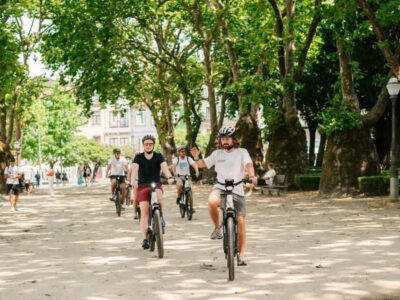
Budapest looks best when you stop treating it like a walking test. This guided e-bike ride is built to cover a lot of the city without tiring yourself out, with photo stops, guided stories, and real shortcuts up and across hills. You’ll start near the Opera House and roll through both Buda and Pest with a small group.
Two things I really like: first, the ride itself is easy. The bikes use a pedelec motor to take the strain off, so you’re mainly steering and pedaling gently. Second, the guide experience matters here. Guides such as Johny, Sam, Becca, Jose, Igor, and Beka show up in reports for a reason: they connect landmarks to what’s happening in the city, and they keep the pace moving with regular stops.
One consideration: you do need to ride a bike confidently, and there are size rules. The minimum height is 160 cm / 5 ft 3 in, and there aren’t step-through bikes available if you need a different frame style.
In This Review
- Key things I’d plan for
- Why an e-bike city loop works so well in Budapest
- Starting at the Opera House and riding Andrassy Avenue
- Heroes’ Square and City Park: the big sights without the ticket line
- Central Budapest: Basilica, Liberty Square, and Parliament views
- Margaret Bridge and Margaret Island: a pause that still feels like sightseeing
- Batthyány Square break: coffee and cake timing
- Climbing into Buda Castle District for Matthias and Fisherman’s Bastion
- Riding down the Danube Promenade to the finish at Opera House
- The e-bikes, pacing, and safety that make it feel easy
- Price and value: what $76 buys you in real time
- Who this tour is best for (and who should skip it)
- Should you book this Budapest e-bike tour?
- FAQ
- How long is the Budapest guided city tour by e-bike?
- What’s included in the tour price?
- What sights do you ride past or stop at?
- Do I need to know how to ride a bike?
- Is there a height requirement?
- Where do I meet the tour?
Key things I’d plan for
- Small group (up to 8) keeps you from feeling like a moving busload
- Pedelec e-bikes help with Budapest’s hills, including the climb into Buda Castle District
- Photo stops and breaks are part of the rhythm, not an afterthought
- Two-city route: you’ll cross the Danube and see major sights on both sides
- Coffee/cake is tied to the longer option (2.5 hours still includes a comfort break)
- No museum/landmark entrances are included, so expect views more than ticketed time
Why an e-bike city loop works so well in Budapest
Budapest is a city of layers. You’ve got broad boulevards, tight side streets, and sudden elevation changes once you head toward Buda. Doing all of that on foot can turn into a day of sore legs and “wait, where are we?” moments. On an e-bike tour like this, you get distance fast, but without the stress of finding and navigating every route yourself.
What makes it feel like good value is that you’re not just getting transport. You’re getting a structured way to see the biggest sights in one go: Opera House at the start, Heroes’ Square and City Park, major central landmarks, then across the river to Buda Castle District. The route also has built-in pauses, so you can actually look and take photos instead of glancing while you pedal.
The guides are a big part of why this tour lands well for first-timers. Multiple guides are described as fun, energetic, and safety-minded, and they handle questions well. That matters because Budapest history can feel like a lot when you’re reading labels on your own. Here, you’re hearing the story in the moment, tied to what you’re seeing.
You can also read our reviews of more tours and experiences in Budapest.


Starting at the Opera House and riding Andrassy Avenue
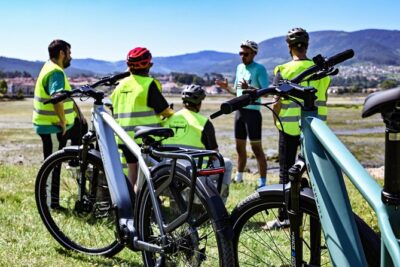
The tour begins back near the Opera House area, and from there you ride up Andrassy Avenue toward the first major stop: Heroes’ Square. This opening stretch is useful because it gets you set up fast. You’ll get the basics of riding the pedelec bike, settle into the group flow, and learn how the ride works before you hit the most dramatic viewpoints later.
Heroes’ Square is the next anchor point. It’s a big, recognizable landmark, and it gives you a clear “orientation moment” for Budapest. From there, the tour transitions into a calmer stretch with City Park right behind it. Even if you’ve only seen Budapest from postcards, this sequence helps you connect what you’ve heard about the city to real geography.
One practical detail: the tour goes in all weather. That’s good for flexibility, but you’ll want to dress for wind and changing conditions. Bring layers and comfortable clothes you can move in. If you’re the type who hates hauling a jacket, this is where you’ll thank yourself.
Heroes’ Square and City Park: the big sights without the ticket line
The tour is designed to hit the most famous public areas, and City Park is a key part of that. On the way through, you’ll learn along the route and pass notable spots inside the park grounds, including Vajdahunyad Castle and Széchenyi Thermal Bath.
Here’s why this segment is worth your time: you’re seeing park landmarks from the outside while still traveling. You don’t lose half your day to ticket lines and museum timing. Instead, you get the orientation and visual context. If you want to come back later for a closer look, you’ll know where to aim.
Now, about time: the information for this experience includes a 4-hour option where Heroes’ Square and City Park are specifically called out. If you choose the shorter 2.5-hour ride, expect the essentials and a smoother pace rather than long lingering. Either way, the bike keeps you moving, and you get to see the contrast between open squares and greener park space.
Central Budapest: Basilica, Liberty Square, and Parliament views
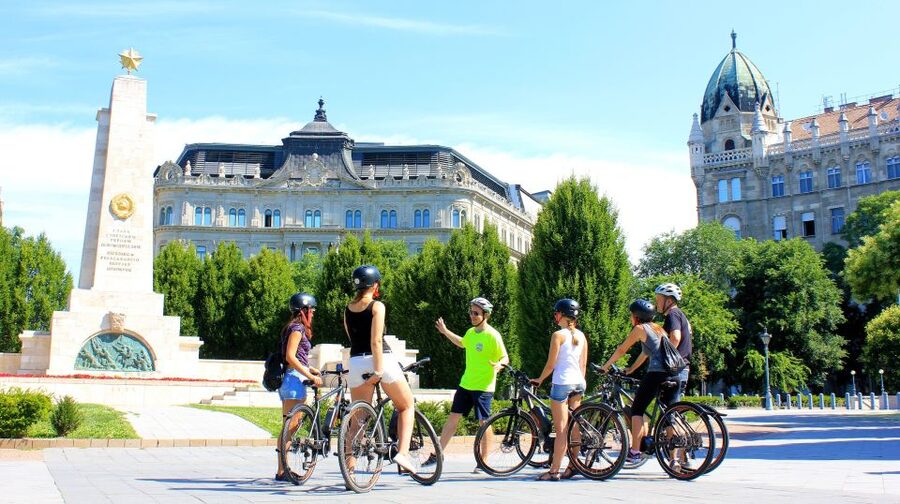
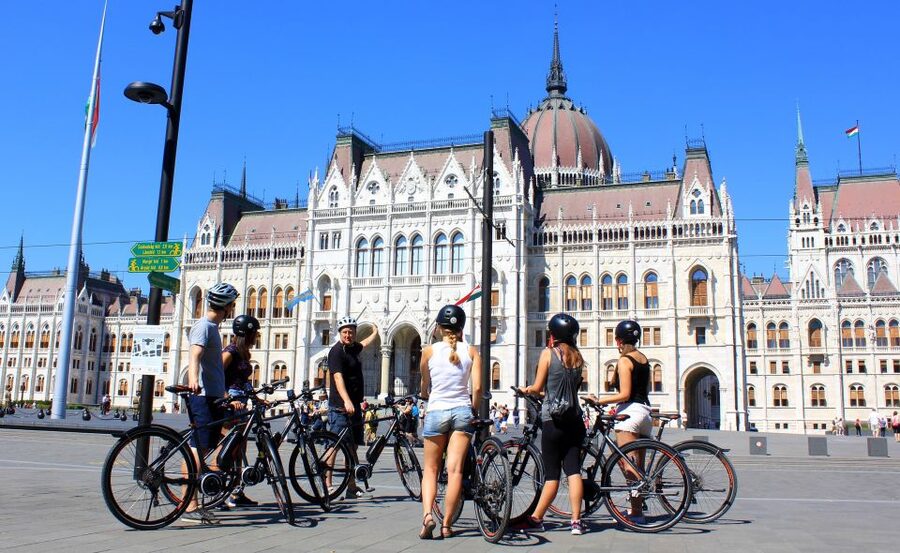
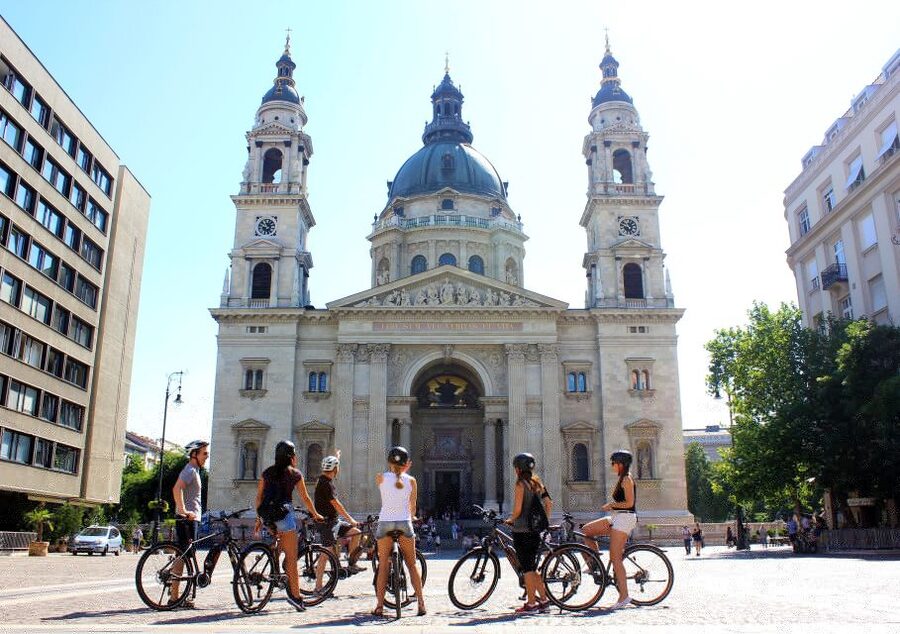
After City Park, you ride toward the center of town. One of the major stops is St. Stephen’s Basilica, a highlight because it’s a landmark you can’t really miss once you’re near it. From there, the route continues past Liberty Square, where you can check out Parliament.
This part of the ride is the “core city” section. It’s where you feel the energy shift from scenic park time to urban big-stops time. You’ll also appreciate that the e-bike lets you handle longer stretches without turning them into a leg workout.
The guide-led storytelling becomes especially useful here. Instead of you trying to piece together what you’re seeing from memory, you’re getting the story in the same spot. That’s how the city stops being a list and starts becoming a place with cause-and-effect.
Margaret Bridge and Margaret Island: a pause that still feels like sightseeing
You’ll cross Margaret Bridge and then take a detour to Margaret Island, which is basically a park on an island. This is a smart choice in a city bike tour because it offers a break from crowds and traffic intensity, while still keeping you within reach of the route.
This segment also gives you something the best bike tours do: a chance to slow down. You’re not just looking at buildings; you can relax, reset, and take in the calmer atmosphere. The guide is on hand with stories and answers, so if you’re curious about anything you’ve already seen, this is the moment to ask.
In practical terms, Margaret Island also helps keep the tour comfortable. By the time you’ve been on the bike for a while, it’s nice to have a green reset before the ride transitions toward the hill and viewpoints of Buda.



Batthyány Square break: coffee and cake timing
At Batthyány Square, the tour pauses for a break. The information provided includes a coffee-and-cake stop if you select the longer option, but the tour experience also includes comfort breaks during the ride. In other words: you should expect a rest moment and an opportunity to refuel, even on the 2.5-hour version.
This break matters more than it sounds. It’s usually where fatigue drops and the group regroups before the climb. If you’re prone to getting cold, this is also a good time to warm up a bit. If you’re not a coffee person, no stress—just use it as your stand-stretch-move moment.
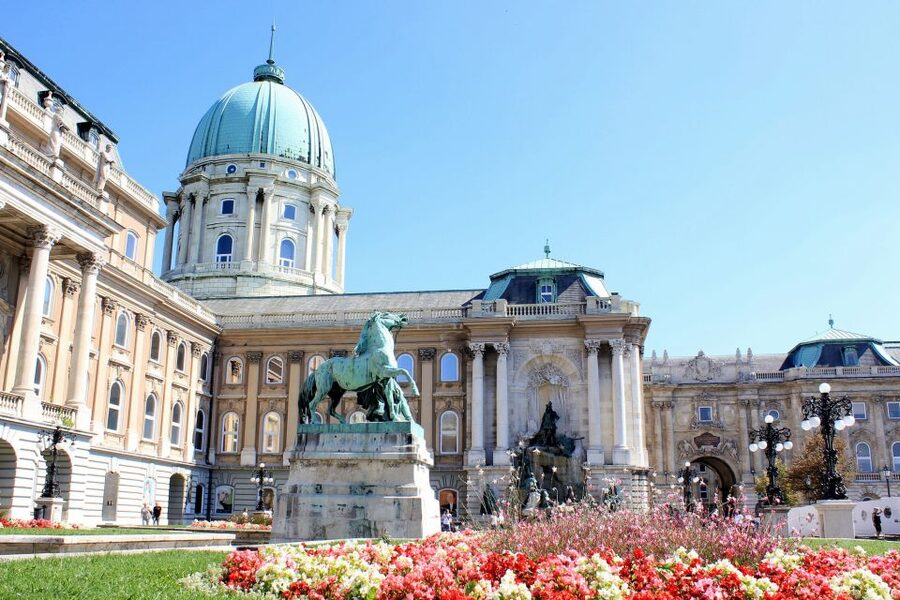
Climbing into Buda Castle District for Matthias and Fisherman’s Bastion
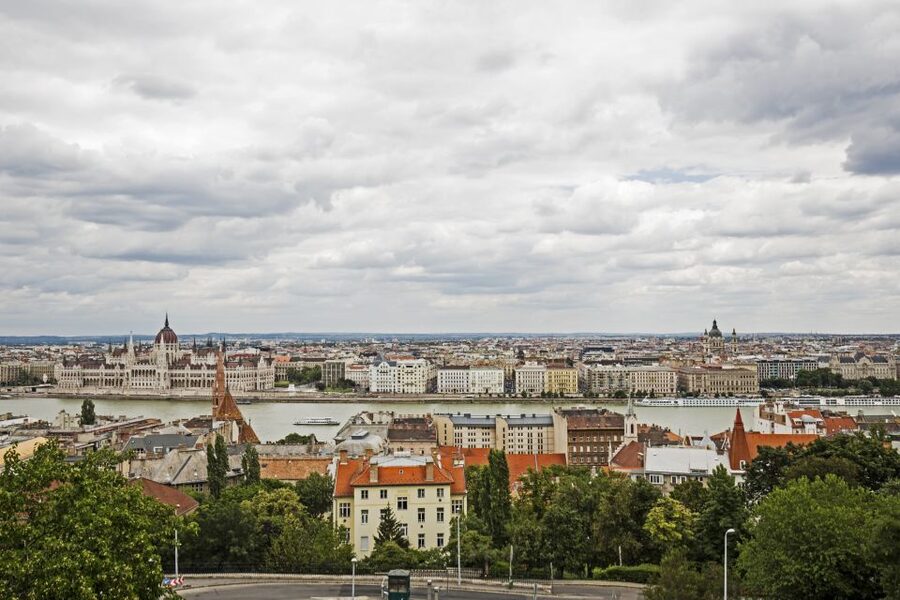
Here’s where the e-bike really earns its keep. After the Danube crossing back toward Buda, you’ll head up a winding hill to reach the Buda Castle District. Without an assist, that climb can be a grind. With the pedelec motor doing the heavy lifting, it becomes more of a controlled effort.
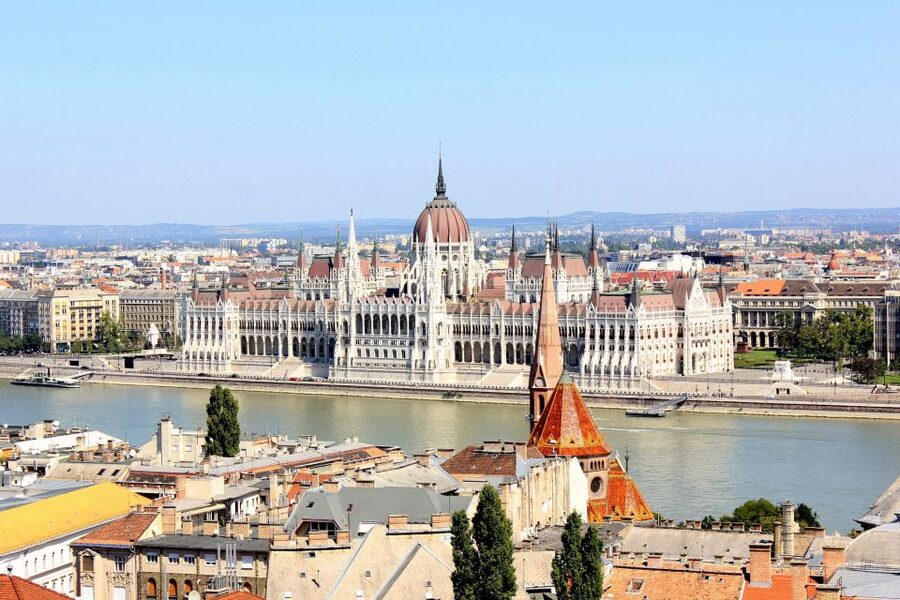
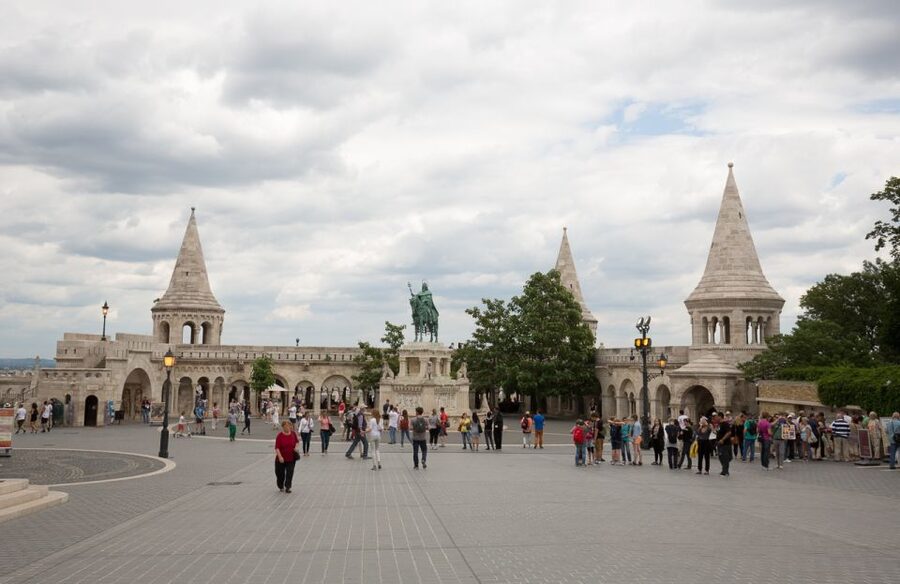
Once you arrive, you’re rewarded with panoramic views over the city. And the landmarks here are the headliners: Matthias Church and Fisherman’s Bastion. This is the payoff part of the tour because these are the visuals people come to Budapest for in the first place.
What makes this segment better with a guide is the way the story lands with the view. Instead of walking through the area alone, you’re hearing context as you look out over the Danube and across to Pest. The tour approach turns the hill climb from a chore into a sequence with meaning.
Also, don’t underestimate how much easier it is when someone else handles the route planning. Staying together on foot is hard in old districts; on bikes, it’s smoother because the group moves as one.
Riding down the Danube Promenade to the finish at Opera House
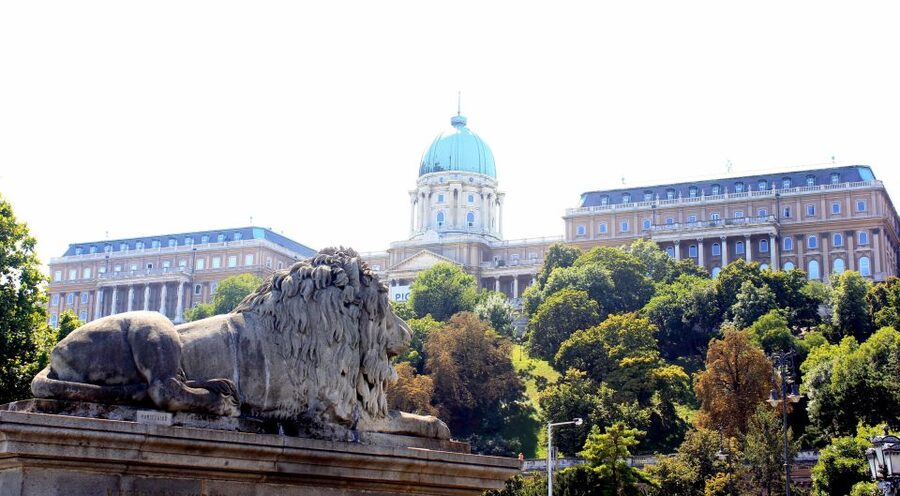
After Buda Castle District, you head back down and cross the Danube again to the Pest side. You then ride along the Danube Promenade, passing the Great Market Hall and continuing through Pest downtown before the tour concludes back near the Opera House.
This ending stretch is practical. You see a major pedestrian-and-market area from a moving perspective, without needing to fight crowds for every photo spot. And because the tour started at the Opera House, the final ride feels like closure rather than a random end point.
This is also the part where you’ll notice how much “city geometry” you’ve absorbed. You’ve seen where the hills pull you toward Buda, and you’ve seen how the river ties the whole place together. By the time you’re done, Budapest feels less like a set of separate landmarks and more like one connected city.
The e-bikes, pacing, and safety that make it feel easy
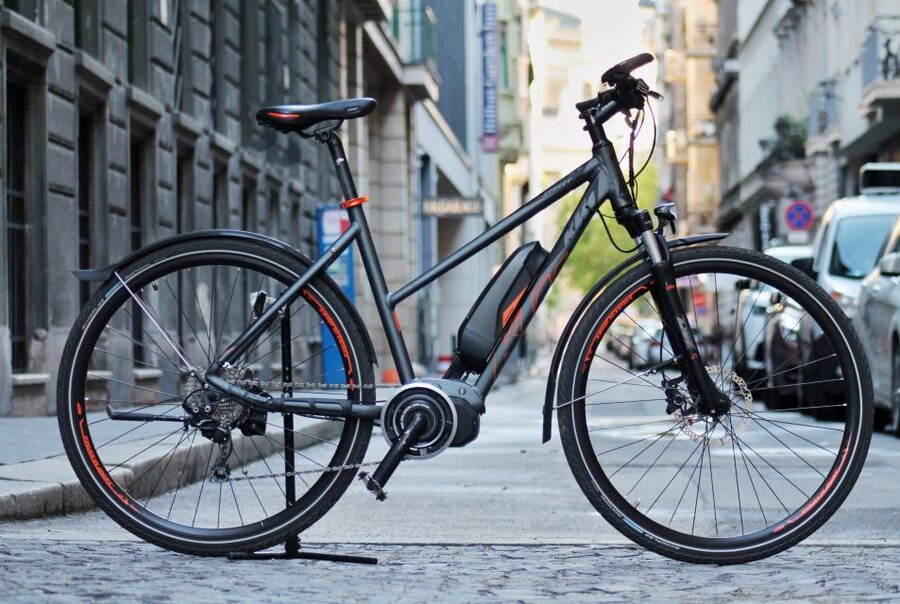
The bikes here are described as high-end pedelec bicycles. A small electric motor supports your pedaling, which is exactly what you want for Budapest: you still get to ride, but you avoid the “arrive sweaty and exhausted” problem. You’re not being dragged like a scooter. You’re still moving under your control, and most people can find a comfortable effort level.
The tour also runs at a pace that leaves room for questions and photo stops. Many guides are described as enthusiastic and in control, including safety-conscious handling of the group. That’s a real benefit if you’re not an experienced bike rider, because you’ll feel the group flow more than you feel like you’re managing logistics.
You will need basic riding skill. There’s no magic replacement here. You should know how to ride a bike and be ready to handle standard stops and starts with the group. Helmet use is included, which helps you feel secure during traffic-adjacent stretches.
Finally, group size is limited to 8 participants. That’s a big deal for comfort. It’s small enough for the guide to pay attention, but large enough that you’re not doing a one-on-one lesson all by yourself.
Price and value: what $76 buys you in real time
At $76 per person for 2.5 hours, this tour lands in the “worth it if you want speed and context” category. Here’s what you’re paying for:
- An English-speaking guide telling you what matters at each stop
- E-bike hire and a helmet, so you’re not hunting equipment on your trip
- Regular photo stops and structured sightseeing flow
- A comfortable way to cover multiple areas without transport transfers
What’s not included is equally important. Entrance to landmarks and museums isn’t part of the price. So if your ideal day is standing in ticket lines, this isn’t that. If your ideal day is seeing the big sights, learning what you’re looking at, and then using your extra time to return on your own, this can be excellent value.
Also, this is one of those tours where guide quality matters. When reports mention guides like Johny, Sam, Becca, Jose, Igor, and Beka, they’re usually describing the same theme: fun storytelling plus calm, safe management. That combination turns an “e-bike sightseeing ride” into something you’ll actually remember.
Who this tour is best for (and who should skip it)
This is a great fit if:
- You want to see both sides of Budapest in a short window
- You enjoy having a plan instead of guessing routes
- You’d rather spend energy looking at viewpoints than working against steep hills
- You’re comfortable riding a bike, even if you haven’t ridden in years (the motor helps, but you still need control)
It’s not a fit if:
- You can’t ride a bike
- You don’t meet the minimum height requirements (the info given is 160 cm / 5 ft 3 in minimum)
- You’re looking for step-through bike accessibility, because the company does not provide step-through bikes based on the information shared
If you’re traveling with kids, the tour can work depending on their height and riding skill. One family example in the data includes a 13- and 16-year-old who loved the experience, but you’ll still need to meet the bike requirements.
Should you book this Budapest e-bike tour?
I’d book it if you’re trying to get your bearings fast and you want a fun, low-effort way to see the big names—Opera House area start, Heroes’ Square and City Park sights, central landmarks, Margaret Island, and then the Buda Castle District views with Matthias Church and Fisherman’s Bastion.
I’d think twice if you’re hoping for ticketed museum time or if your riding experience is shaky enough that group riding stresses you out. And if you’re shorter than the minimum or need a step-through option, you’ll likely be disappointed.
Overall, this is a practical choice for a first Budapest day: you’ll cover serious ground, get guidance that makes landmarks click, and arrive with photos that actually match what you’ve been told to look for.
FAQ
How long is the Budapest guided city tour by e-bike?
The tour lasts 2.5 hours.
What’s included in the tour price?
It includes an English-speaking guide, e-bike hire, a helmet, and photo stops. A coffee-and-cake stop is listed as part of the 4-hour option.
What sights do you ride past or stop at?
You’ll see highlights including the Opera House area, Heroes’ Square, City Park, St. Stephen’s Basilica, Liberty Square and Parliament, Margaret Bridge and Margaret Island, Batthyany Square, and the Buda Castle District area, including Matthias Church and Fisherman’s Bastion. On the return you’ll ride along the Danube Promenade passing Great Market Hall.
Do I need to know how to ride a bike?
Yes. You must know how to ride a bike to join the tour.
Is there a height requirement?
Yes. You need to be a minimum of 160 cm (about 5 ft 3 in) to ride the e-bike, and it is not suitable for people under 5 ft 2 in (160 cm).
Where do I meet the tour?
You meet at the Yellow Zebra Segways & Bikes store near Astoria and the Great Synagogue. The shop is in the courtyard, and you should ring doorbell 6 if the gate is closed.