REVIEW · LISBON
From Lisbon: Sintra to Cascais Full-Day Guided E-Bike Tour
Book on GetYourGuide →Operated by LISBOA AUTÊNTICA LDA · Bookable on GetYourGuide
Sintra by bike feels like a cheat code. The Bosch-assisted e-bikes make Sintra’s climbs manageable, so you can spend more time soaking in scenery and less time fighting hills. You also get a real “Portugal in motion” day, starting with the historic town and ending on the coast near Cascais.
I really like how the day blends iconic sights with breathing-room stops. Highlights like Quinta da Regaleira and Monserrate Park aren’t just checkbox points; they’re timed so you’re not stuck in a single crowded lane, and guides like Daniel and Jorge are known for keeping the group together while still letting you look around.
One thing to plan for: this is still cycling. You should have moderate fitness, know how to ride, and be comfortable sharing some roads with traffic, even though the e-assist helps a lot.
In This Review
- Quick Hits: What Makes This Tour Worth Your Time
- Why Sintra to Cascais Works So Well by E-Bike
- Bosch E-Bikes and the Real Meaning of Assistance Modes
- Getting From Lisbon to Sintra: Train First, Then Pedal
- Sintra’s Core: National Palace and Time for What You Want
- Quinta da Regaleira: Symbolism With Space to Look
- Monserrate Park and Palace: The Romanticism Side of Portugal
- Colares, Vineyards, and Village Rhythm Stops
- Azóia Lunch Break: Where the Route Gets Social
- The Climb to Peninha Sanctuary: Views That Justify the Effort
- Downhill to Sintra Center and a Final Pena Look
- Cascais Coast Option: Guincho Wild Beach or the Main Bike Paths
- Price and Value: Is $94 a Smart Use of Your Time?
- Logistics: Meeting Point, What to Bring, and How to Be Comfortable
- Who This Tour Fits Best (and Who Should Skip It)
- Should You Book This E-Bike Day Trip?
- FAQ
- How long is the Sintra to Cascais full-day e-bike tour?
- How much does the tour cost?
- What’s included in the price?
- What is not included?
- Where is the meeting point in Lisbon?
- What languages are the guides available in?
- Do the e-bikes have assistance modes?
- What should I bring and what fitness level do I need?
Quick Hits: What Makes This Tour Worth Your Time
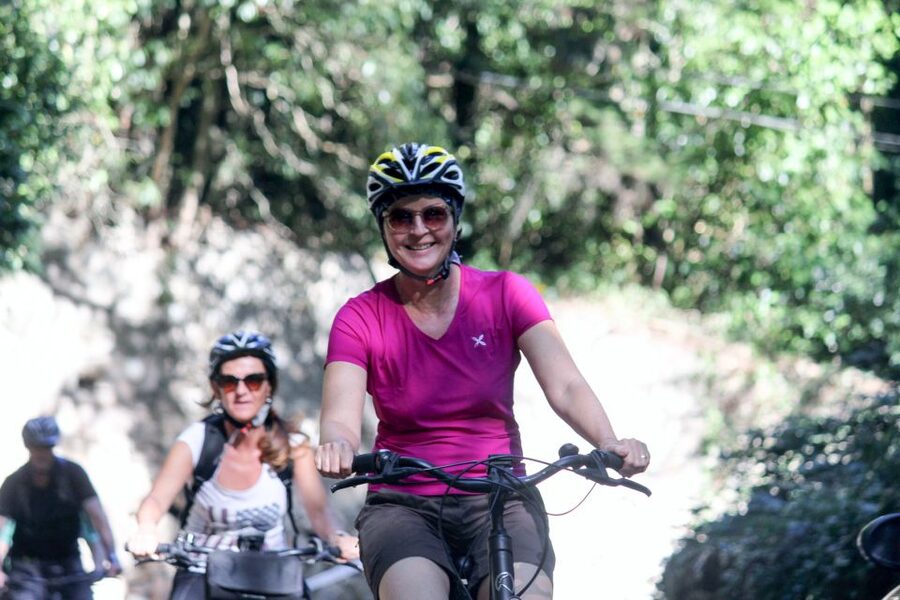
- Four e-bike assistance modes help you tackle Sintra’s hills without turning the day into a suffering contest.
- Small group size (up to 11) means your guide can keep an eye on pacing and safety without herding you like luggage.
- Sintra-Cascais Natural Park riding gives you forests, viewpoints, and the coast feel in one long loop.
- Guides with strong local control, from Daniel to Bruno and Jorge, are repeatedly praised for clarity, care, and timing.
- Train + bike format lets you avoid extra transit hassle and enjoy big scenery on the way back to Lisbon.
Why Sintra to Cascais Works So Well by E-Bike
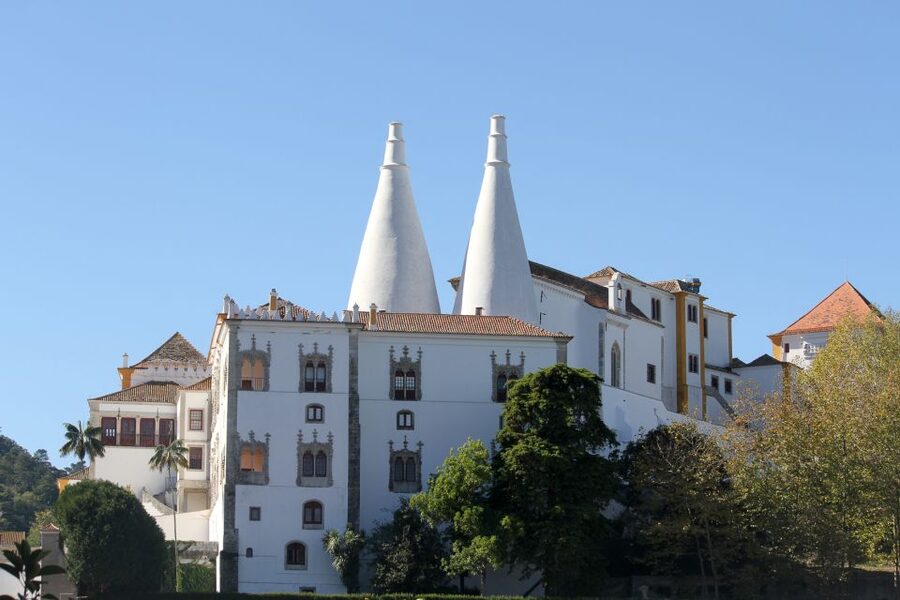
This route is made for cycling. You start in Sintra’s storybook core, then shift into the green lungs of the natural park, and finally slide down toward the Atlantic. Doing it by e-bike means you get the “fast enough to cover distance” advantage of a tour bus, but with the freedom to slow down for a view when it’s calling your name.
The e-bike part matters here. Sintra’s main draw is also what makes it hard for many day trips: hills. With pedal assist, you can keep your rhythm, even if you’re not a mountain biker. And because you’re not spending all day in transit, you actually have time to enjoy places like Quinta da Regaleira and Monserrate instead of just glancing from a window.
You can also read our reviews of more tours and experiences in Lisbon.


Bosch E-Bikes and the Real Meaning of Assistance Modes

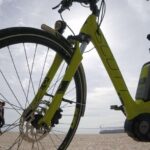
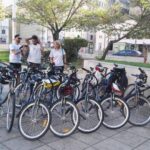
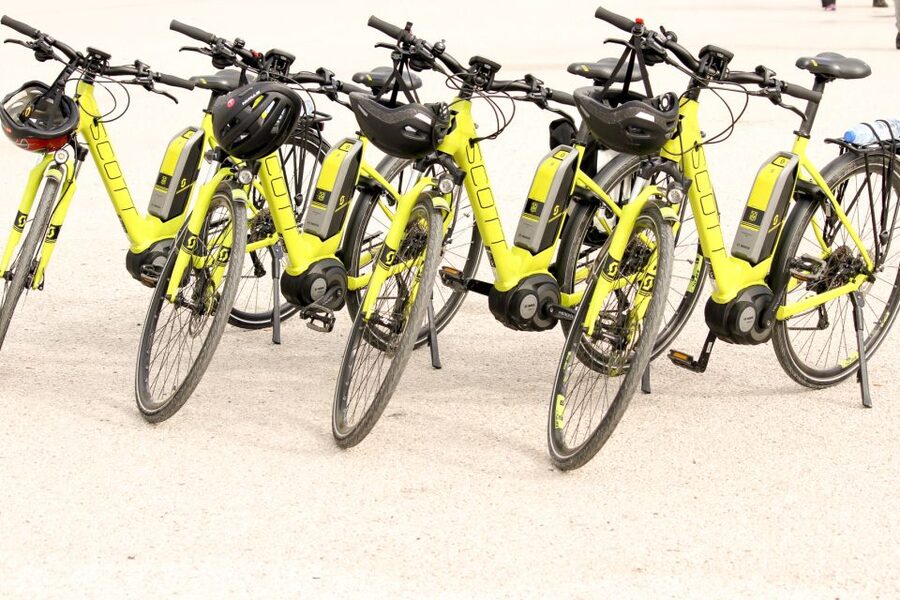
You’ll get an electric bike (Bosch System) plus a helmet and one bottle of mineral water. Before rolling out, there’s a briefing on how the bike works, including how to use the assist levels. This matters because you’ll be shifting effort as the route changes from gentle sections to steeper climbs.
The day is designed with assistance levels in mind. You’ll tackle Sintra’s uphill moments without needing “gym fitness.” One rider even described the bikes as a life saver on the hills, and the same theme shows up again and again: you can dial help up when you need it and ease off when the grade calms down.
Still, e-bike doesn’t mean zero effort. Reviews consistently point out that you need reasonable cycling comfort and moderate fitness. If you’re wobbly on a bike, or if you dislike riding near traffic, this tour may feel more stressful than fun.
Getting From Lisbon to Sintra: Train First, Then Pedal
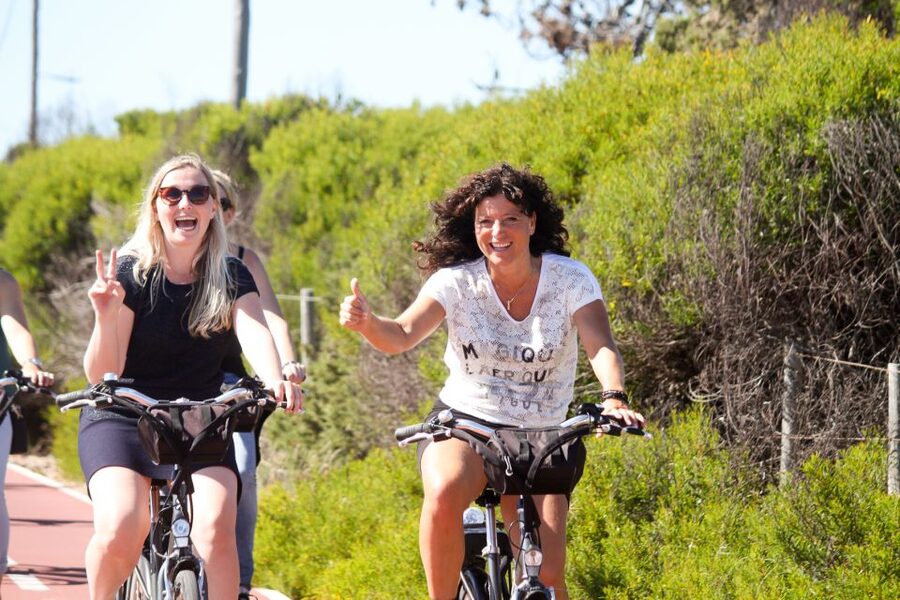
The tour starts with a briefing, then you head to Rossio station to take the train to Sintra. The format is helpful: you’re not stuck navigating bus schedules or figuring out local connections before you even start biking.
During the train ride, you’ll have time to tell your guide what you want to prioritize. That includes whether you’d like to visit certain palaces en route or focus more on cycling once you arrive. It’s a smart setup because Sintra has too many “must-sees” for one day, so having a guide help you choose keeps the day from turning into frantic running.
Also, the bike + train routine is part of the fun. Several riders mention enjoying the ride itself because Lisbon’s transit culture feels different when you’re doing it with a bike in tow.
Sintra’s Core: National Palace and Time for What You Want
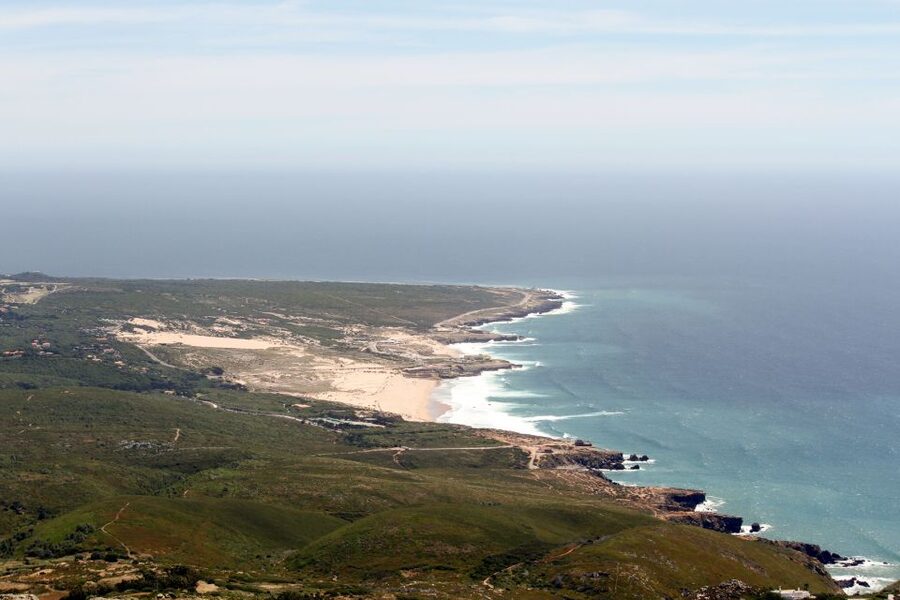
In Sintra, you’ll have the option to visit the National Palace of Sintra. Admission tickets aren’t included, so if you want inside time, you’ll need to budget separately. But even if you skip interiors, being in the town early helps you catch the atmosphere before you spend the rest of the day riding through the park.
You’ll also get glimpses from biking that many visitors miss. Instead of being trapped on sidewalks between crowds, you can move through scenic edges and viewpoints at a pace that suits you.
One practical note: you’ll be making choices. Depending on timing and conditions, you may not hit every palace in full. The guide’s job is to keep the route working while giving you a solid “Sintra feeling,” not just a pile of tickets.
Quinta da Regaleira: Symbolism With Space to Look
One of the best stops on the ride is Quinta da Regaleira, built between 1904 and 1910. It’s famous for symbolism, magic, and mystery, and the atmosphere fits Sintra’s storybook reputation. Even when you’re not inside every corner, being able to slow down and take it in without sprinting adds a lot.
And because you’re traveling by bike, you reach it as part of a wider day, not as a separate sightseeing mission. That makes it easier to connect the dots between architecture, park setting, and the “romantic” identity of the region.



Monserrate Park and Palace: The Romanticism Side of Portugal
After passing sights like Seteais (a former 18th-century palace now operating as a 5-star hotel), the route continues along roads bordered by lush groves. Then you reach the entrance of Monserrate Park and Palace, often singled out as one of the region’s finest creations in Portuguese Romanticism style.
This is where the day turns from “town highlights” to “park wandering.” You’re moving through a landscape that feels designed for slow looking: trees, curves, and frequent chances to pause. If you love gardens and architecture, this stop is a big reason to choose a guided e-bike day over a quick bus tour.
Colares, Vineyards, and Village Rhythm Stops
The route includes Colares, known for its vineyards, and you’ll also pass smaller villages like Penedo and Urgueira. In Penedo, there’s a view angle from the church atrium that riders describe as stunning, and it’s a good reminder that not everything important here is a palace ticket.
These village rhythm stops are part of what makes the ride feel “local.” You’re not just flying past scenery; you’re transitioning between mini worlds: vineyard country, small-town viewpoints, and then the deeper park roads that lead toward higher elevations.
Azóia Lunch Break: Where the Route Gets Social
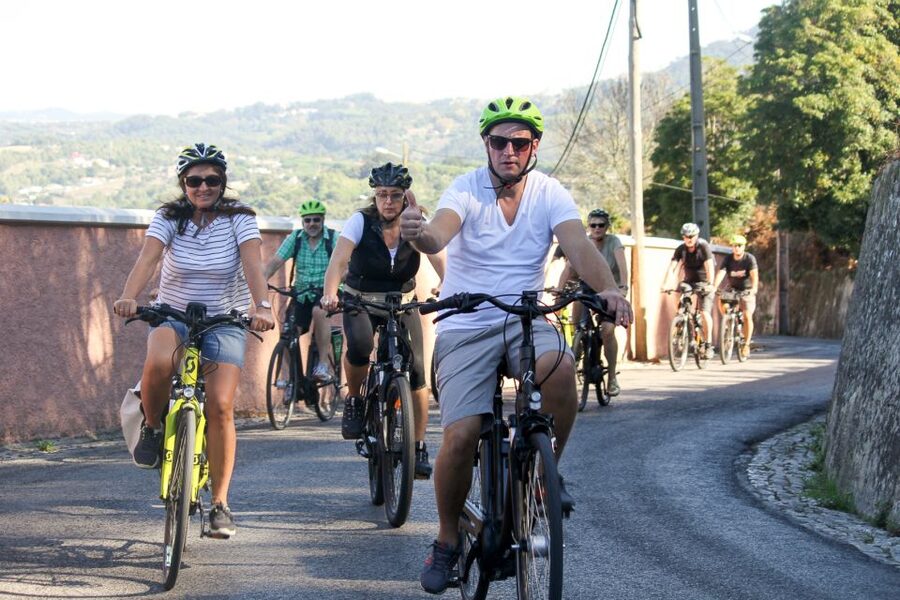
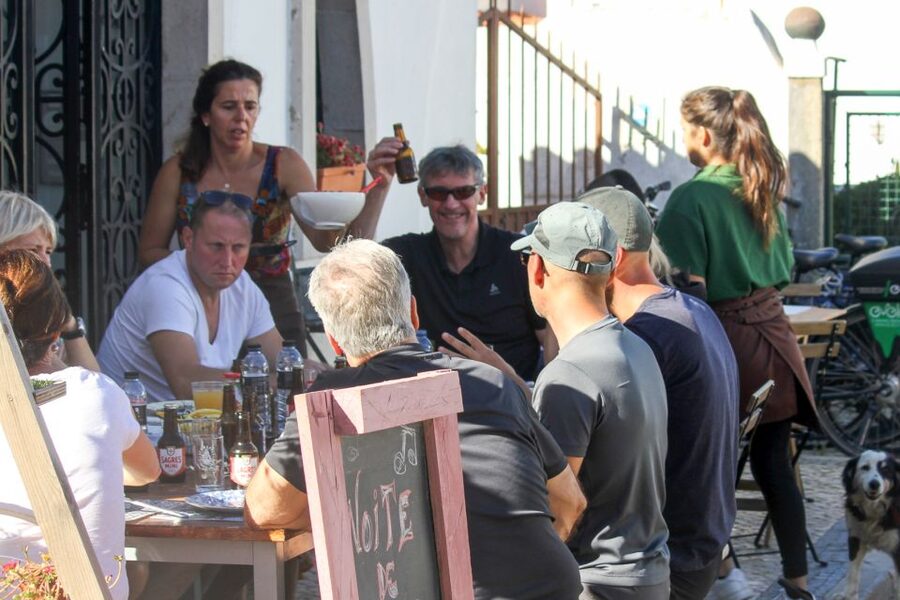
Lunch is taken in Azóia village, where you’ll find a variety of restaurants. Lunch isn’t included, so you’ll pay on your own, but the guide typically handles the timing so you’re not biking hungry for half the afternoon.
From the reviews, lunch tends to be a real highlight when it’s done right—family-owned spots and cyclist-friendly choices come up often. One tip that pops up for food: some lunch places may run on cash, so it’s smart to carry some just in case.
If you’re the kind of person who likes espresso and a calm reset, this break helps you come back stronger for the climb ahead.
The Climb to Peninha Sanctuary: Views That Justify the Effort
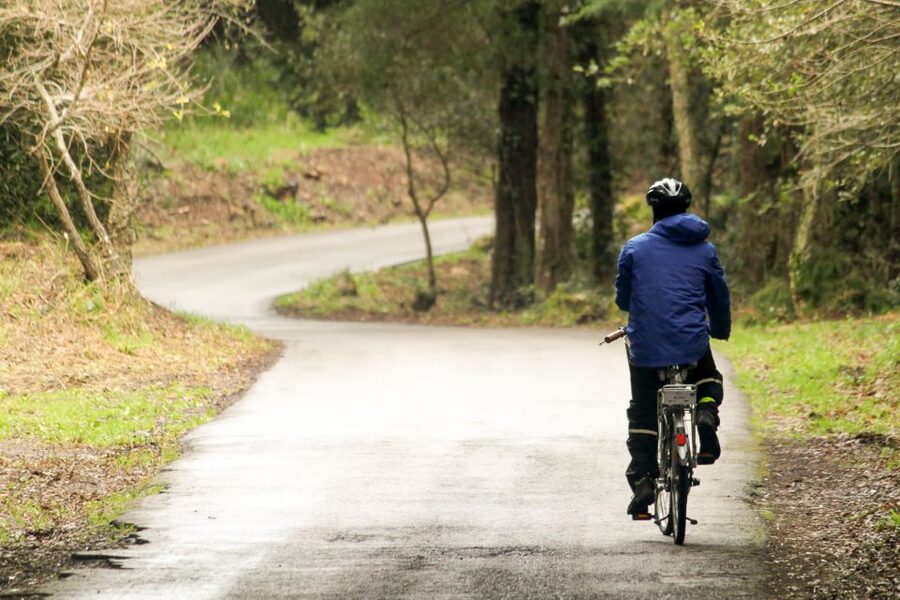
After lunch, the ride continues through an ancient forest, then up to the Peninha Sanctuary, at 488 meters above sea level. This is the payoff section of the day. The views are panoramic and wide: you can look toward Espichel Cape and Arrábida to the south, Carvoeiro Cape and Berlengas to the north, and you’ll see the entire Sintra mountain to the northeast.
Even if you’re not a “climb person,” this is exactly the moment where the e-bike assistance earns its keep. You arrive feeling like you worked for it, but you’re not exhausted. And because you’re standing at a sanctuary viewpoint, you can pause, catch your breath, and actually enjoy the scenery in a grounded way.
Downhill to Sintra Center and a Final Pena Look
On the way back toward central Sintra, you’ll enjoy downhill riding and have one last look at Pena Palace, a key monument of Portuguese Romanticism. It’s a great final anchor before the day shifts toward the coast.
This downhill stretch is also a psychological win. After a day of climbing and careful riding, the chance to coast feels like reward, not fatigue management.
Cascais Coast Option: Guincho Wild Beach or the Main Bike Paths
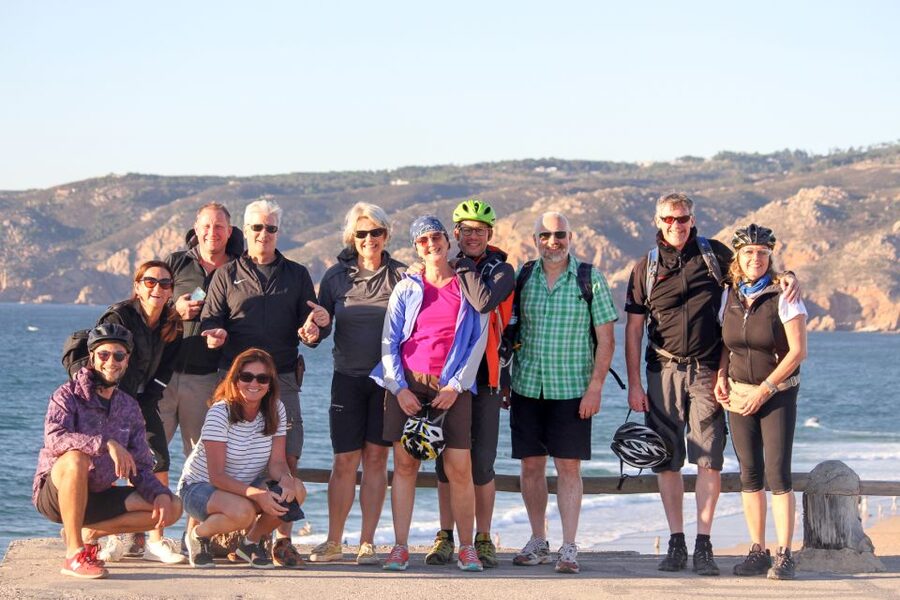
When the day reaches the coastal end, you’ll have an option. One path heads toward Guincho wild beach, with its long dunes and winds that windsurfing lovers really care about. The route can then connect to the bicycle path to Cascais, where the vibe changes from inland forests to salt air and open Atlantic views.
Either way, Cascais becomes the closing chapter. It’s not just “finish line scenery.” You’ll cycle through the coastal towns and then head back by train to Lisbon, with riders noting that the train ride includes some of the most impressive coast views of the day.
Price and Value: Is $94 a Smart Use of Your Time?
At $94 per person for about 8 hours, this tour prices in the middle for Lisbon-area guided experiences, but the value is strong because several costs are bundled.
You get:
- E-bike (Bosch System) + helmet
- Train tickets
- Professional guide
- Liability and personal accident insurance
- One bottle of mineral water
What’s not included is also important: monument admission tickets and lunch are on you, and transfers to the meeting point aren’t included. That’s normal for a day focused on guided cycling, but it means you should budget extra if you want inside palace time.
Where it feels like a good deal is the combination: you’re paying for a guide who handles timing and safety, plus transport to Sintra, plus the bike that makes the climbs realistic. If you were to rent an e-bike in Lisbon, arrange your own route planning, and then figure out the train-bike logistics, you’d spend time and money that isn’t included here.
Logistics: Meeting Point, What to Bring, and How to Be Comfortable
Meeting point is Largo Severa 7A, 1100-588 Lisboa. It’s a pedestrian area, so finding it matters. If you’re using Uber, taxi, metro, or bus, set your destination to Praça Martim Moniz, then walk about 2 minutes to Largo da Severa.
Bring:
- Comfortable shoes
- A jacket
- Comfortable clothes
Given the coastal portion and the fact that the region can get misty or rainy, I’d treat layers as non-negotiable. Several riders mention rain and wind conditions, and the guides helped the group keep going even in ugly weather—so you’ll want to show up ready.
Also, make sure you can ride a bike comfortably. Even with e-assist, the roads are not a closed track. One review notes that busy roads can be part of the mix, so don’t assume it’s totally traffic-free.
Who This Tour Fits Best (and Who Should Skip It)
This tour is a strong fit if you want:
- Sintra’s palaces and parks but with less time trapped behind crowds
- A day that mixes culture with outdoors
- An active route you can manage thanks to four assist modes
- A guided day where someone like Daniel or Jorge keeps safety and pacing in check
It may not be your best match if you:
- Don’t feel comfortable riding near traffic
- Want an easy stroll only, because this day includes meaningful cycling distance
- Have mobility concerns (it’s listed as not suitable for people with mobility impairments)
- Are under 140 cm (also listed)
Should You Book This E-Bike Day Trip?
I’d book it if you’re excited by the idea of connecting Sintra and Cascais in one day without making the hills the main story. The combination of e-bike assist, a small group, train support, and major stops like Quinta da Regaleira and Monserrate makes this feel efficient in the best way.
I’d also book it if you trust guides to make the day work. Reviews repeatedly point to guides such as Daniel, Jorge, and Bruno being attentive to safety and pacing, plus flexible when conditions change. That’s the difference between a “ride” and a real experience.
Skip it if you hate cycling, want zero-road riding, or plan to spend the day mostly indoors. This is a moving day first.
FAQ
How long is the Sintra to Cascais full-day e-bike tour?
The duration is listed as 8 hours.
How much does the tour cost?
It costs $94 per person.
What’s included in the price?
Included are an electric bicycle with Bosch system, helmet, one bottle of mineral water, a professional guide, train tickets, and liability and personal accident insurance.
What is not included?
Not included are transfers to and from the central meeting point, monument admission tickets, lunch, and tips.
Where is the meeting point in Lisbon?
The meeting point is Largo Severa 7A, 1100-588 Lisboa. If you arrive by Uber, taxi, metro, or bus, use Praça Martim Moniz and then walk about 2 minutes to Largo da Severa.
What languages are the guides available in?
Live guide languages include French, English, Portuguese, Spanish, and German.
Do the e-bikes have assistance modes?
Yes. The bikes use four different modes of assistance to help with climbing.
What should I bring and what fitness level do I need?
Bring comfortable shoes and a jacket, and wear comfortable clothes. The tour asks for moderate physical fitness, and it’s not suitable for people with mobility impairments or those under 140 cm.