REVIEW · PARIS
Highlights of Paris Bike Tour in English or Dutch
Book on GetYourGuide →Operated by Fat Tire Tours - Paris · Bookable on GetYourGuide
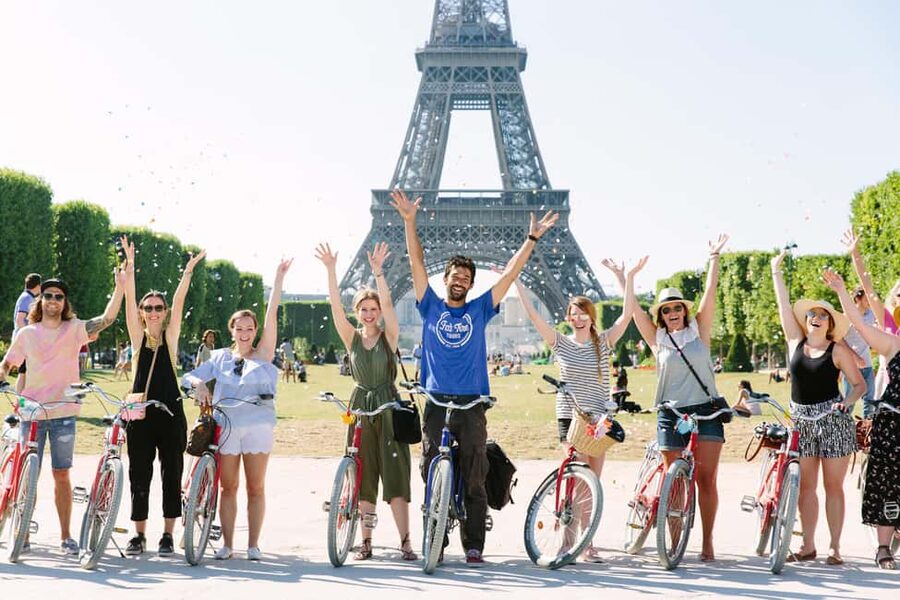
Paris from street level is the good stuff. A bike tour keeps you moving, while a local guide keeps the story on track.
What I love most is the string of landmarks you hit in one smooth circuit, from Place de la Concorde to the Louvre area and right on to the Eiffel Tower. I also like how the route isn’t just “look at this, next!” It makes room for a real stop at Napoléon’s Tomb, then ties it together with the big visual hits along the way.
The main thing to consider is that this is a riding-and-looking tour. It’s 3 hours, and anyone over 12 has to be able to ride a bike, so plan for a steady pace and bring the right clothing (and maybe a small snack, since water isn’t included).
In This Review
- Key Highlights You Actually Feel (Not Just See)
- Meeting at 24 Rue Edgar Faure (and Finding Dupleix Fast)
- École-Militaire to Napoléon’s Tomb: Where the Tour Finds Its Story
- Place de la Concorde: Paris’s Big, Open History Stop
- Louvre Museum Area: Admire the Scale Without Feeling Rushed
- Tuileries Garden: A Short Guided Break That Resets Your Pace
- Musée d’Orsay and the Museum-to-Scenery Shift
- Champs-Élysées, Grand Palais, Petit Palais: Walking Segments for Detail
- Pont Alexandre III and the Seine: Your Best Photo Angles
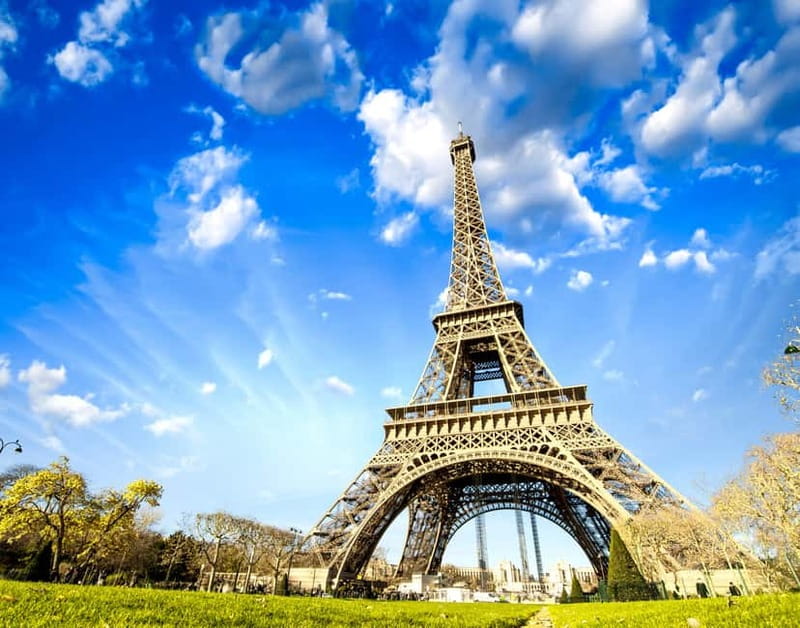
- Eiffel Tower Viewing: The Big Moment, Handled Smart
- How Hard Is It, Really? The 3-Hour Reality Check
- Bikes, Helmets, and What’s Missing (So You Don’t Get Caught)
- Price and Value: Is $53 Worth It?
- Who This Paris Bike Tour Fits Best
- Weather, Clothing, and Small Practical Tips
- Should You Book This Paris Bike Tour?
- FAQ
- How long is the Paris Bike Tour?
- Where do I meet the tour, and what’s the closest Metro station?
- What languages are the live guides?
- Is the bike and helmet included in the price?
- Do I need to bring water?
- Are there age or riding requirements?
Key Highlights You Actually Feel (Not Just See)
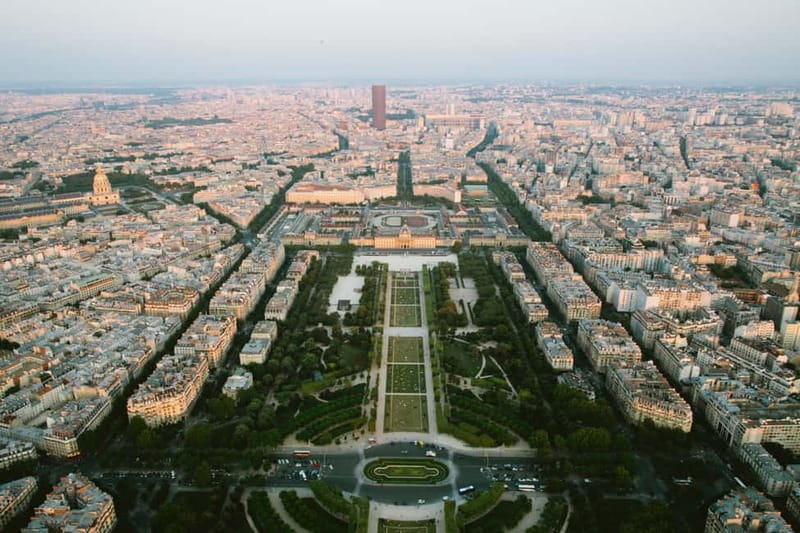
- A 3-hour bike loop that connects the biggest Paris landmarks without long transfers
- Napoléon’s Tomb stop gives the tour a stronger narrative than just photos
- Major photo moments built in: Concorde, Louvre, Eiffel Tower, and multiple “stand-still” vantage points
- English or Dutch guides who focus on stories, not lectures
- Small-group energy shows up in feedback, which usually means more conversation and fewer awkward waits
- Helmet and bike are included, so you’re not scrambling last minute
Meeting at 24 Rue Edgar Faure (and Finding Dupleix Fast)
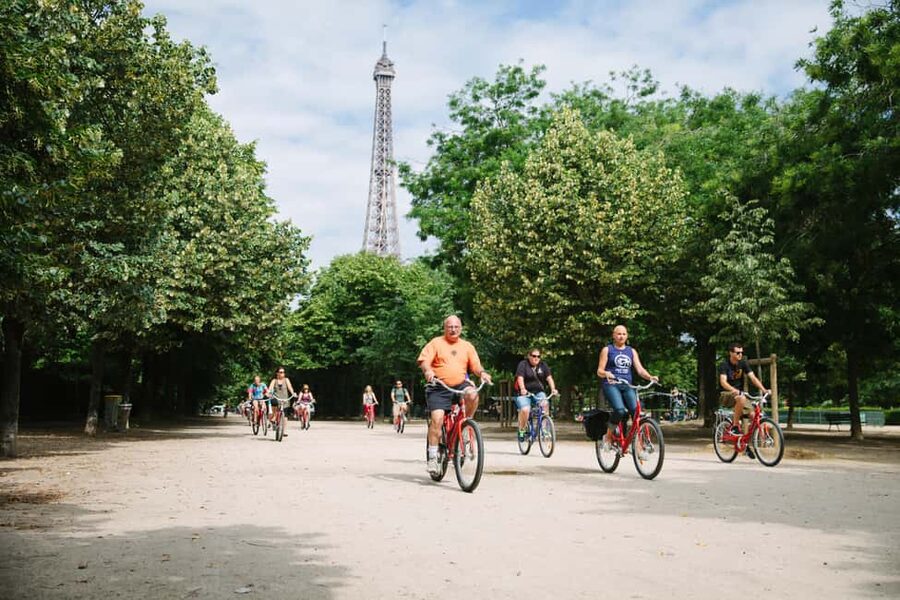
The meeting point is 24 Rue Edgar Faure. If you’re using the Metro, the closest station is Dupleix (line 6).
I like starting here because it’s easy to route yourself through Paris without overthinking. When you’re about to spend 3 hours riding, having a clear meetup spot matters. Also, remember: there’s no luggage or large bags allowed, so travel light.
If you’re the type who always shows up early “just in case,” you’ll be happy here. You can settle in, get briefed, and be ready to roll without stress.
You can also read our reviews of more tours and experiences in Paris.

École-Militaire to Napoléon’s Tomb: Where the Tour Finds Its Story
Right away, you pedal from the start to École-Militaire (about 10 minutes). Then it’s a shorter hop to the Tomb of Napoléon Bonaparte (about 8 minutes).
Why this early stretch works: it gives you a strong contrast between Paris landmarks you recognize and history you don’t always connect. Even if you’ve visited Paris before, it helps to get oriented on a bike while the guide frames what you’ll see later.
Also, early in a tour, the group is usually freshest. You’re not yet tired from traffic stops, so the guide’s pacing feels friendly and manageable.
Place de la Concorde: Paris’s Big, Open History Stop
Next up: Place de la Concorde (about 10 minutes by bike). This square is described as a centerpiece of Parisian history, and the payoff is that it’s a wide, recognizable space.
On a bike, you get two benefits here:
- You can take in the full scale without struggling through crowds on foot.
- You can get photos that actually show context, not just a close-up corner of a building.
One practical note: because it’s open and central, you’ll want to keep an eye on where your bike needs to park temporarily. Follow the guide’s instructions and you’ll be fine.
Louvre Museum Area: Admire the Scale Without Feeling Rushed
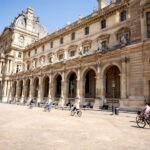
You ride to the Louvre Museum area (about 10 minutes). The highlight here is the grand scale of the Louvre, and you’ll get the chance to admire it as you pass through the surrounding streets.
This stop is valuable even if you don’t go inside. The guide’s job is to help you notice what you’d otherwise miss—how the building fits into the city, how the area feels, and why it’s such a magnet for visitors.
The drawback is simple: you’re not doing a museum visit. If you want an in-depth walkthrough inside the Louvre galleries, you’ll need a separate plan. This tour is built for the outside experience—plus the stories that connect it to the rest of the route.
Tuileries Garden: A Short Guided Break That Resets Your Pace
Then comes a more relaxed moment: Tuileries Garden, with a guided segment (about 10 minutes), plus a short bike segment to get there (it’s timed into the flow of the ride).
Gardens are a smart place to break. After moving through big landmark zones, a green space gives your brain a breather. It also makes it easier to hear the guide and take photos without the pressure of rushing straight back into traffic.
I like these short guided breaks because they stop the tour from feeling like a photo sprint.

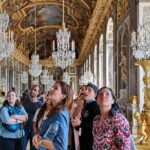

Musée d’Orsay and the Museum-to-Scenery Shift
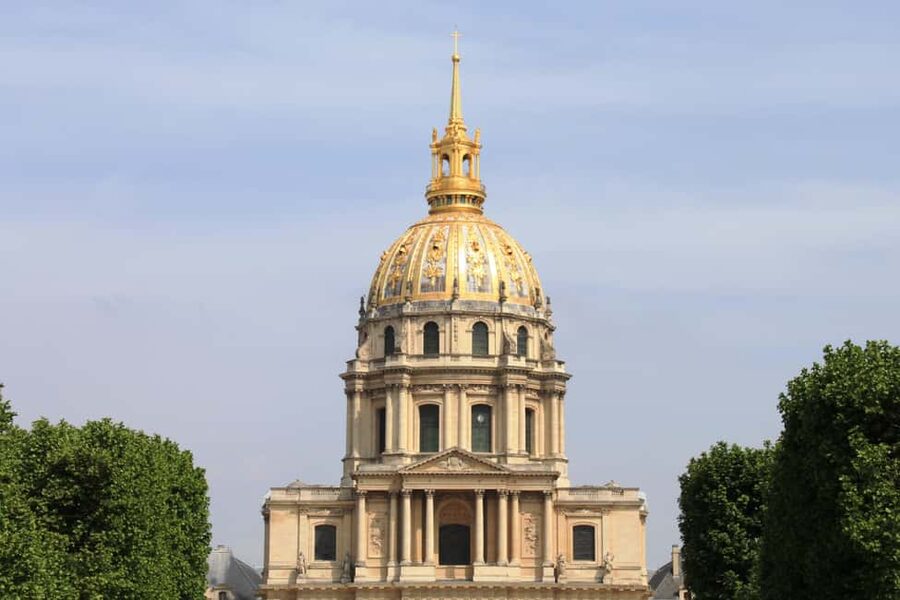
You’ll head to Musée d’Orsay (about 10 minutes by bike). This part is mostly about the visual and the setting—another museum presence that adds variety to the landmark mix.
If you’re someone who gets museum fatigue easily, this stop can be a sweet spot. You see the “museum idea” in the city landscape without committing to hours of indoor browsing.
If you’re a museum lover, it’s still useful. You’ll come away with a sense of where to aim next on your own time.
Champs-Élysées, Grand Palais, Petit Palais: Walking Segments for Detail
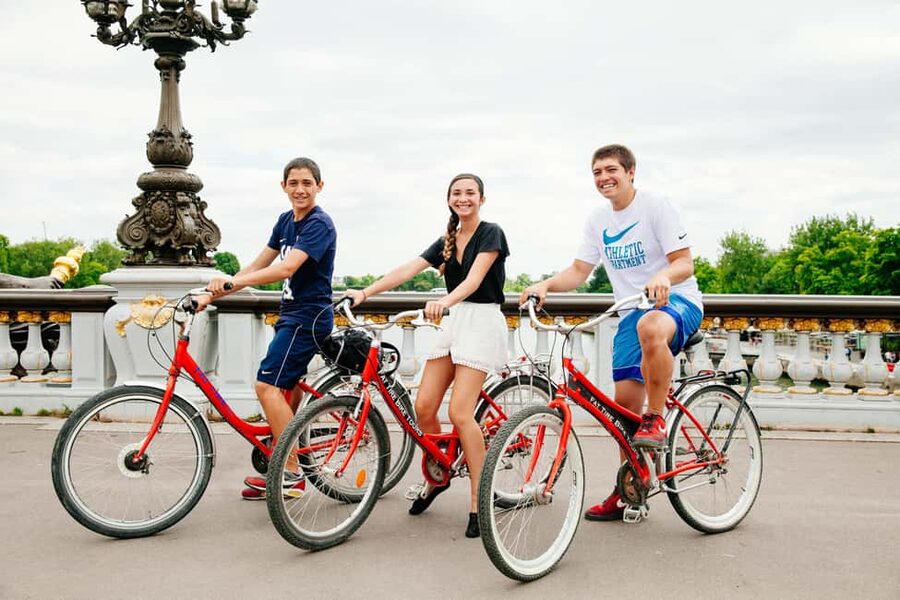
Now the route slows in the best way. The tour includes guided segments around Champs-Élysées (10 minutes on foot), plus Grand Palais (10 minutes) and Petit Palais (10 minutes on the way, with a mix of walking and riding).
Why walking helps here: these areas reward attention. You want time to register architecture and street rhythm, and walking gives the guide room to point things out while you keep your bearings.
This is also where the guide’s personality really matters. Some guides keep things light with quick history-style stories and humor. In past feedback for this company, guides with names like Toby, Blue, Andy, George, and Sonia are singled out for being engaging and personable—exactly the kind of energy that makes walking stops fun instead of tedious.
One consideration: these zones can feel busy. The guide keeps the group together, so stay close and be ready to stop and go.
Pont Alexandre III and the Seine: Your Best Photo Angles
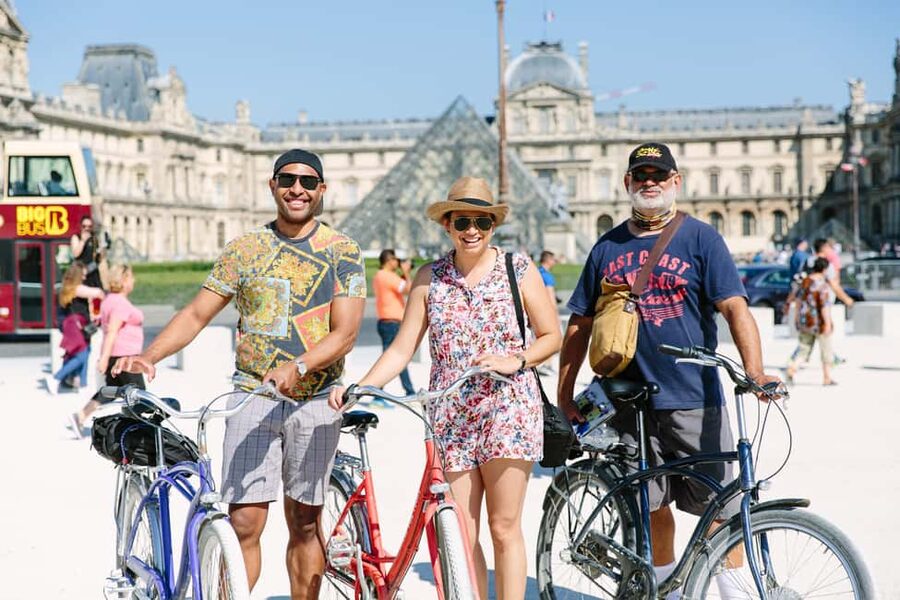
Next, you’ll get a guided segment at Pont Alexandre III (10 minutes) and then a longer guided stretch along the Seine River (about 15 minutes by bike within the flow, with guidance built in).
This is a strong middle-to-late payoff. A bridge gives you a natural “frame” for the city, and the Seine adds that classic Paris feeling—wide views, reflective light, and the sense that landmarks aren’t just isolated monuments.
If you’re planning where to stand for photos, this is where you should slow down mentally and actually look. Not every stop will give you multiple angles like this. Take advantage while the group pauses.
Eiffel Tower Viewing: The Big Moment, Handled Smart
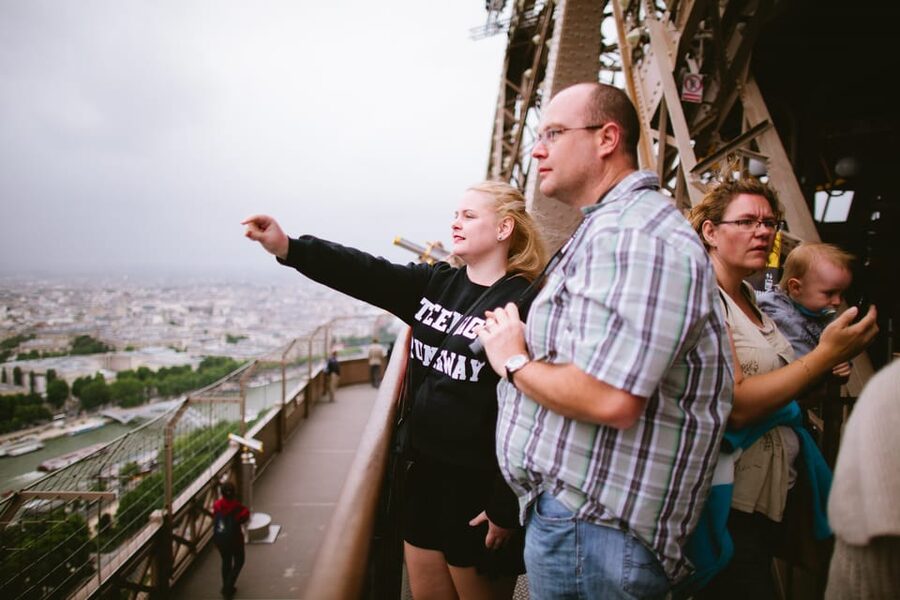
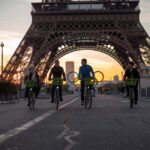
Finally, the tour brings you to the Eiffel Tower (about 15 minutes guided in the flow) before you loop back to the start at 24 Rue Edgar Faure.
Here’s how to enjoy this part most: don’t treat it like a finish line. Treat it like a viewing platform that happens to move. As you approach, notice how the surrounding streets “edit” your view of the tower—then how the structure changes as you cycle and stop.
This stop is also a good moment to ask questions. The guide has already connected the route, so you’ll have enough context to care about what you’re seeing.
And if you’re returning to Paris after years away, it still lands. A bike tour makes the tower feel less like a postcard and more like a real landmark sitting inside a living city.
How Hard Is It, Really? The 3-Hour Reality Check
Duration is 3 hours. The itinerary is built from a chain of short rides and short guided/walking segments, so it’s not one long slog.
But you should still plan for:
- Steady riding ability (everyone over 12 must be able to ride a bike)
- Comfortable shoes, since you’ll be walking during guided portions
- A tour that continues rain or shine
If you’re not confident on a bike, this might not be your best Paris first choice. If you can ride, even casually, you’ll probably find the pacing friendly.
Bikes, Helmets, and What’s Missing (So You Don’t Get Caught)
The tour includes bike and helmet. That’s a practical win. In a city like Paris, having the right gear handed to you removes a lot of friction.
What’s not included: water. I’d plan to bring it or grab it nearby before you start. Three hours in daylight can add up, especially if you’re stopping for photos and standing around a bit.
Not allowed: luggage or large bags. If you have a daypack, keep it small enough to manage easily under tour rules.
Price and Value: Is $53 Worth It?
At $53 per person for 3 hours, the value comes from what you’re buying:
- A local guide in English or Dutch
- A planned route that links major landmarks
- Bike + helmet included, which reduces added costs and prep time
The smartest way to think about this price is: you’re paying to turn Paris into an organized circuit. Instead of guessing logistics, fighting for timing, and wandering too far, you’re getting a clear sequence that helps you see more without exhausting yourself.
Would it be cheaper if you DIY? Sure. But you’d be paying in time, confusion, and missed context. This tour leans into the sweet spot for first-timers and repeat visitors who want a guided structure without a full-day commitment.
Who This Paris Bike Tour Fits Best
This is a good match if:
- You’ve never seen Paris by bike and want a route built for you
- You’re returning to the city and want less wandering, more guided connections
- You like major landmarks but also want a guide who shares stories and keeps things moving
It also works well for groups that want a consistent experience. Past feedback mentions small group size in at least one season, which usually means easier communication and less waiting around.
If you’re traveling with kids: children under 18 must be accompanied by an adult, and any child bikes or equipment must be requested. Plan ahead for that request so you aren’t scrambling at the start.
Weather, Clothing, and Small Practical Tips
Tours operate rain or shine, so dress like Paris weather can change its mind quickly. Bring weather-appropriate clothing and plan for damp ground where you’ll be riding.
Also bring:
- Passport or ID card
- Credit card (helpful for day-of expenses)
- Comfortable shoes
A small but important tip: keep your day bag manageable. No luggage or large bags are allowed, so pack for movement, not for a whole second day.
Should You Book This Paris Bike Tour?
Book it if you want a 3-hour, landmark-heavy Paris circuit with a guide who adds context and keeps the ride fun. The bike + helmet included part makes it lower-stress, and the route covers major hits that most visitors come to see: Concorde, Napoléon’s Tomb, the Louvre area, the Seine, and the Eiffel Tower.
Skip it if you’re not comfortable riding a bike for the duration, or if you’re only interested in museum interiors. This tour is built for the city experience—the outside views, the pacing, and the guide-led connections—not for deep indoor time.
If you want Paris to feel organized without feeling rigid, this is a solid choice.
FAQ
How long is the Paris Bike Tour?
The tour lasts 3 hours.
Where do I meet the tour, and what’s the closest Metro station?
You meet at 24 Rue Edgar Faure. The closest Metro station is Dupleix on line 6.
What languages are the live guides?
The live tour guide speaks Dutch and English.
Is the bike and helmet included in the price?
Yes. Bike and helmet are included.
Do I need to bring water?
Water is not included, so you’ll want to plan for it yourself.
Are there age or riding requirements?
Yes. Participants over 12 must be able to ride a bike. Under 18 must be accompanied by an adult, and child bikes or equipment must be requested in advance.