REVIEW · PARIS
Paris: Street Art Open-Air Museum Bike Tour
Book on GetYourGuide →Operated by Simply France Tours SAS · Bookable on GetYourGuide
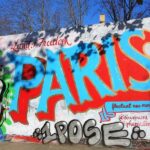
Street art is better on two wheels. This small-group bike tour threads you through Paris’s modern creative zone and gives you a focused look at large-scale murals you usually only see from afar. You’ll also get a breather at Station F, the startup space that turns wall art and ideas into one long creative day.
I particularly like the street-art framing: you’re not just biking past random graffiti, you’re chasing 40-meter frescoes and photographing work by internationally known artists. I also like the practical setup, with a live English guide and even ponchos for weather hiccups.
The one drawback to consider is the style of art you may encounter. If you’re specifically hunting for the rougher, more clandestine street art vibe, this route may feel more permissioned and mural-based than what you might expect from places like Berlin.
In This Review
- Key Points You’ll Actually Care About
- Paris Street Art on a Bike: Why This Tour Works
- Getting to Hôtel de Ville Without Losing Your Timing
- The Route to ZAC Paris 13: Modern Buildings as the Gallery
- The 40-Meter Frescoes and the Artist Styles You Can Spot
- Station F Coffee Break: Creative Energy, Not a Full Meal
- Bikes, Timing, and Weather: Small Things That Change the Day
- Price and Value: Is $54 Worth It?
- The Guide Makes the Difference
- Who This Tour Suits Best (And Who Should Skip)
- Should You Book This Paris Street Art Bike Tour?
- FAQ
- How long is the Paris Street Art Open-Air Museum bike tour?
- How much does it cost?
- Where is the meeting point?
- What subway station should I use to get to the meeting point?
- What’s included in the tour?
- Is food included?
- Is the tour suitable for people who can’t ride a bike or need wheelchair access?
Key Points You’ll Actually Care About
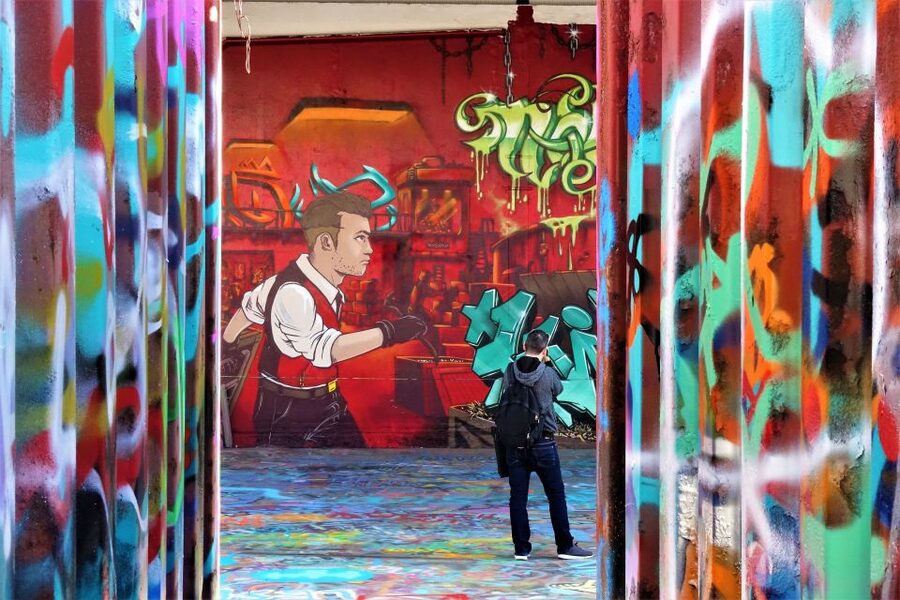
- 40-meter frescoes: Big walls, big scale, easy to photograph from the bike.
- ZAC Paris 13: Paris’s most modern neighborhood where architecture and graffiti collide.
- Artist names on the walls: Expect work by Tristan Eaton, Invader, Faile, D Face, and more.
- Station F coffee break: A creative pause inside the world’s largest startup incubator.
- Small-group pace: Built for moving safely, staying together, and stopping often.
Paris Street Art on a Bike: Why This Tour Works
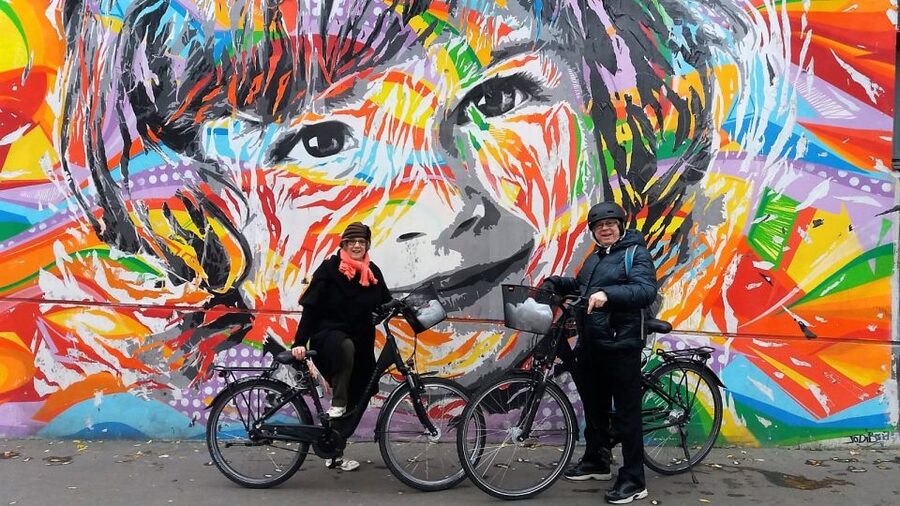
This isn’t a sit-and-listen walking tour. The value here is movement. Biking helps you cover more ground in 3.5 hours without turning your day into a series of short, tiring sprints between murals. You’ll get the kind of viewing angle you can’t easily recreate from the sidewalk—especially when the street art is wrapped around modern buildings.
I also like that the tour is clearly themed: you’re exploring the world-famous Street Art Open-Air Museum by bike, with a guide who can point out what you’re seeing and why it matters. The mural list is a strong clue that you’re not going to be staring at blank walls. You’re set up for recognizable styles—stencils, wheatpaste-like textures, character-driven pieces, and bold typographic work.
One more thing: you’re going to leave with photos and context, not just pictures. A lot of people worry that street art is “too random” to make sense. On this tour, it’s organized into a route where the city’s modern plan becomes part of the story.
You can also read our reviews of more tours and experiences in Paris.

Getting to Hôtel de Ville Without Losing Your Timing
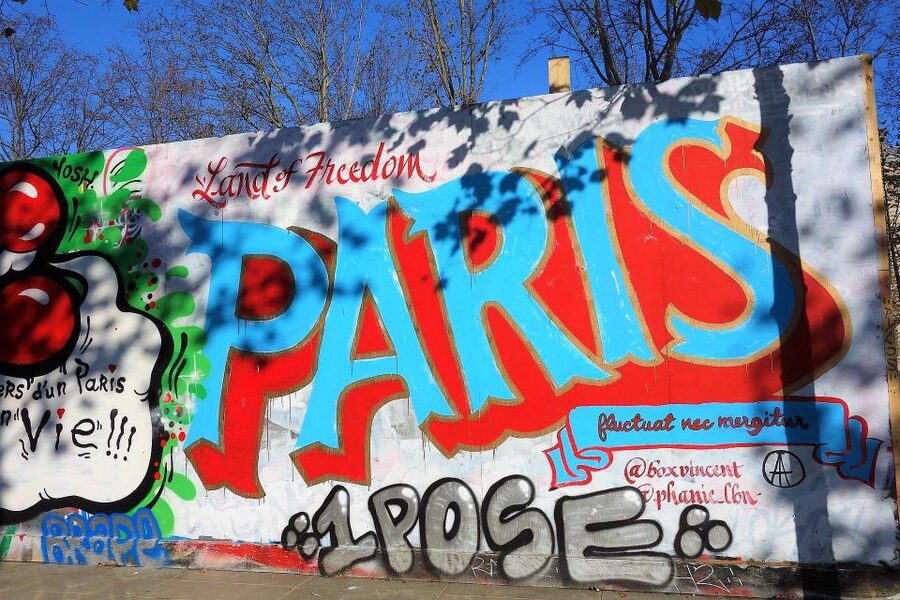
Start with the meeting point logistics, because Paris traffic can be real. You meet in front of the city hall of Paris (Hôtel de Ville). The area is large, so you’ll want to check the exact spot in Google Maps before you arrive.
The guide waits at the elevator leading to the underground car park where the bikes are stored. The helpful clue is the red umbrella. If you’re standing around guessing, you’ll waste minutes you can’t spare—so look for that umbrella and head straight to the elevator.
If you’re arriving close to start time, use the subway. It’s described as the safest and fastest way to get there. The nearest station is Hôtel de Ville on lines 1 and 11. Take exit number 4, called Avenue Victoria, and the parking elevator is about 20 meters in front of you.
My practical tip: even if you’re staying nearby, do a quick City Mapper check on your phone so you’re not stuck timing a bus, especially during rush hours.
The Route to ZAC Paris 13: Modern Buildings as the Gallery
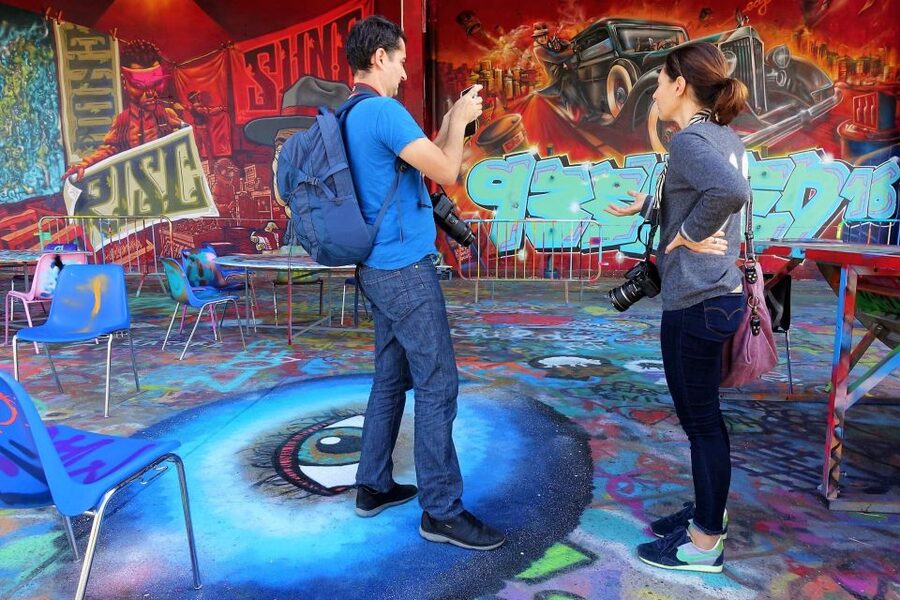
Once you’re on the bikes, the tour moves toward ZAC Paris 13, described as the city’s most modern neighborhood. This is where you start seeing why a bike tour fits street art so well. The area is full of architectural forms that act like frames for murals. When the buildings are tall, modern, and visually loud, your eyes can get overwhelmed if you’re only looking at one wall at a time. Cycling lets you compare pieces quickly and keep your bearings.
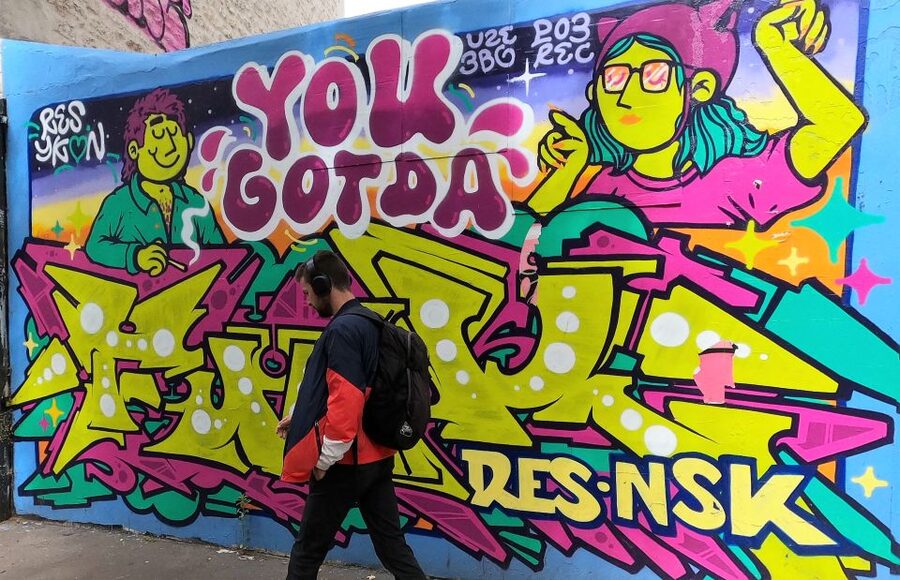
This neighborhood is where architects and graffiti artists share space. You’ll see buildings decorated by star graffiti artists from around the world, and you’ll get a sense of how contemporary design can amplify street art instead of fighting it.
What you gain: pacing. You’re not waiting for the “next stop” with nothing to do. You’re always moving toward the next wall, which keeps the tour feeling like a sequence, not a list.
What to watch: the ride is still cycling. You’re expected to handle your bike throughout, and that matters if you’re traveling with less cycling confidence.
The 40-Meter Frescoes and the Artist Styles You Can Spot
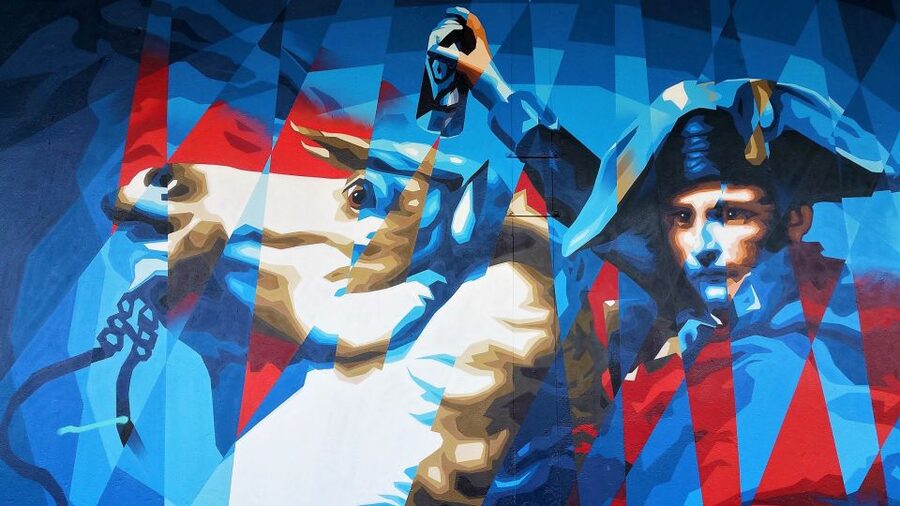
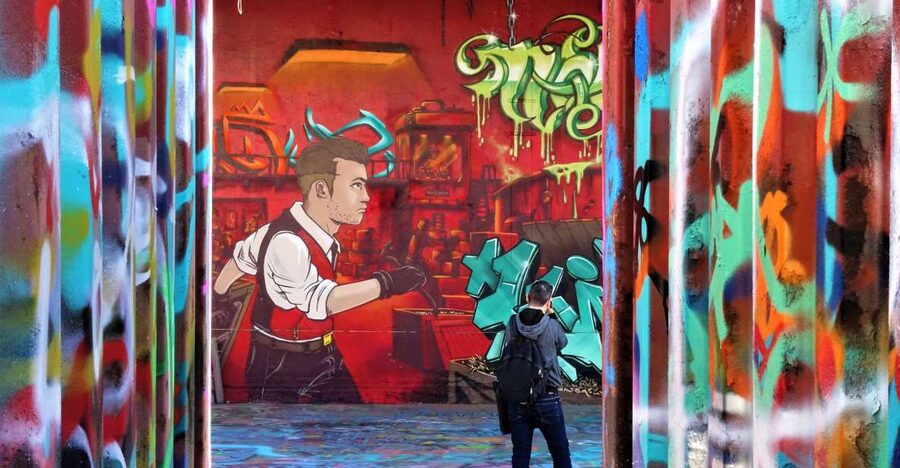
The headline is the 40-meter frescoes—massive wall works that are hard to fully take in from just one spot. On a bike tour, you can reposition faster. You’ll also have a natural rhythm: stop, look carefully, photograph, then roll to the next angle.
You’ll be looking for street art by artists including Tristan Eaton, Invader, Faile, Btoy, D Face, Shepard Fairey, Cryptik, Hush, Conor Harrington, and INTI. The tour also notes that you might even spot Banksy, which is the kind of detail that makes people keep their eyes open.
Here’s the practical way to use that artist list while you ride:
- If you like recognizable figures and bold graphic design, keep an eye out for typographic and stencil-like pieces (this is where names like Shepard Fairey often lead).
- If you’re into visual experiments and texture, watch for collage-style work and high-contrast compositions that pop from a moving vantage point.
- For long mural walls, try photographing from slightly off-center. From the bike, you can get a better “whole wall” shot without needing to stand in exactly the right place.
One more honest consideration: street art varies in “permission level.” One review noted that the art can feel more allowed or sanctioned than what you might find in cities where illegal street art storytelling is more common. If you’re chasing that extra layer of history and risk, this tour’s mural focus may feel less rebellious than you want.
Station F Coffee Break: Creative Energy, Not a Full Meal
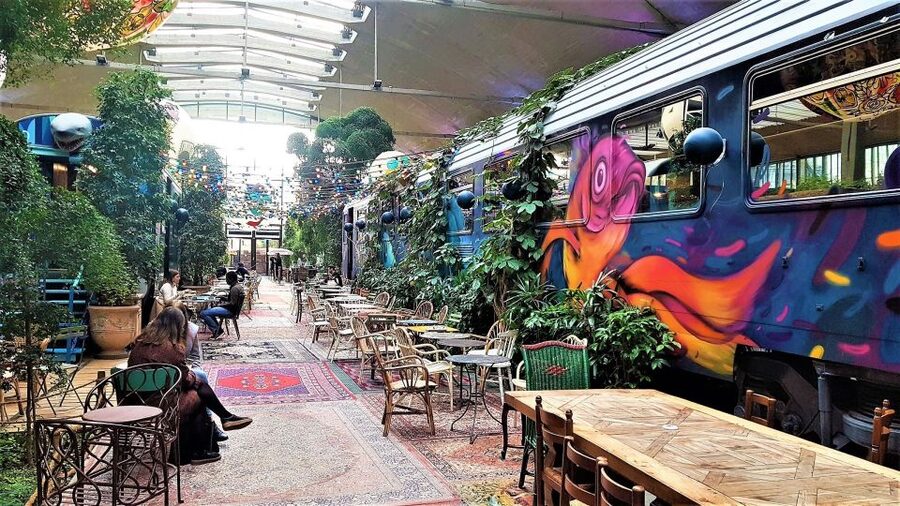
After the street art run, you’ll take a coffee break inside Station F, described as the world’s largest startup incubator. This matters because it changes the tone. You go from outdoor walls to an indoor space built around creativity and building.
Station F is also connected with Big Mama’s flagship vessel of 10 themed restaurants. Even if you’re not eating there (and food and drinks aren’t included), the setting is part of the point: you’re stepping into a place that treats ideas and design like something you can walk through.
How to handle the coffee break:
- Use it to reset your legs and posture, since cycling plus stops can get tiring even at a relaxed pace.
- If you want to keep your energy up for the rest of the day, plan to buy your own snack after the tour, since the tour info specifies that food and drinks are not included.
If you hate being “tour-stopped,” you’ll still probably appreciate this pause. It’s short enough to avoid dragging, but it adds variety to the day.




Bikes, Timing, and Weather: Small Things That Change the Day
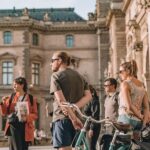
This tour runs for 210 minutes (about 3.5 hours) and is described as a small-group bike experience. That “small-group” detail matters in Paris. Fewer people means smoother cycling and less chaos at each mural stop.
You also get ponchos, which is huge in a city where weather can swing. One review specifically mentioned rain during the tour and said it affected the experience, even though the tour stayed enjoyable and well guided. So yes: expect that you might get wet. But ponchos help you keep moving.
Cycling ability is required. The basic rule is clear: guests must be able to cycle. That also means it’s not suitable for wheelchair users or people with mobility impairments, and there’s a height cutoff of 140 cm / 4 ft 6 in.
One more practical note from feedback: bikes may not be brand-new. In at least one case, a rider mentioned the chain jumping on a gear. That doesn’t mean it’s common, but it does mean you should do a quick check when you’re handed your bike:
- Test shifting once or twice.
- Make sure braking feels normal.
- If something feels off, tell the guide immediately.
Price and Value: Is $54 Worth It?
At $54 per person for 210 minutes, the price sits in the “reasonable for what you get” category—especially because the tour includes bike, guide, and ponchos. You’re paying not just for cycling, but for someone to connect the murals to artists and themes, and to keep you moving safely through the route.
What you’re not paying for (and should budget for):
- Food and drinks. Coffee is part of the plan, but don’t count on a full meal being covered.
- Anything outside the tour stops.
Value is also about effort. Without a guided bike route, you could try to build your own street-art itinerary, but it’s harder to find the right concentrations and the right angles for murals, especially if you only have a few hours. The guide’s job is to make the art feel intentional, not random.
The Guide Makes the Difference
A lot of street art tours rise or fall on the guide’s energy and ability to explain what you’re seeing. The feedback highlights that the guidance can be excellent and professional, with specific praise for a guide named Sami, described as passionate and making the tour fun and informative.
Even if the route is the headline, a good guide changes how you look. Instead of snapping photos and moving on, you start noticing the composition, the signature style, and how the neighborhood’s design supports the artwork.
If you care about getting more from your photos than just a pretty wall, choose this for the guidance.
Who This Tour Suits Best (And Who Should Skip)
This is a great match if you:
- Want street art with recognizable names and large-scale murals.
- Prefer biking over long walking stretches.
- Like small-group tours where you can actually stop, look, and photograph.
- Enjoy mixing outdoors with a creative indoor break at Station F.
It’s not a fit if you:
- Can’t ride a bike.
- Need wheelchair-accessible routes or have mobility limitations that prevent cycling.
- Are looking for street art that leans more underground or illegal than mural-based and permissioned work.
Should You Book This Paris Street Art Bike Tour?
Book it if you want a structured, photo-friendly street art experience that takes you into ZAC Paris 13 and gives you artist-focused context without eating your whole day. At $54 with bike, guide, and ponchos included, it’s good value for the time you’ll spend and the number of major mural stops.
Skip it if rain would ruin your day and you don’t like being wet even with ponchos, or if you only want the story of illegal street art. This one leans mural-first.
FAQ
How long is the Paris Street Art Open-Air Museum bike tour?
The tour lasts 210 minutes (about 3.5 hours).
How much does it cost?
The price is $54 per person.
Where is the meeting point?
You meet in front of the city hall of Paris (Hôtel de Ville). The guide waits at the elevator leading to the underground car park where the bikes are stored, holding a red umbrella.
What subway station should I use to get to the meeting point?
The nearest subway station is Hôtel de ville on lines 1 and 11. Take exit #4 called Avenue Victoria, and the parking elevator is about 20 meters in front of you.
What’s included in the tour?
It includes a bike, a guide, and ponchos.
Is food included?
Food and drinks are not included. The tour includes a coffee break at Station F, but you should plan to cover any additional food or drinks yourself.
Is the tour suitable for people who can’t ride a bike or need wheelchair access?
No. The tour requires guests to be able to cycle and it is not suitable for wheelchair users or people with mobility impairments. There is also a height limit of 140 cm (4 ft 6 in).