REVIEW · UBUD
Ubud: E-Bike Tour with Rice Terrace and Village Visit
Book on GetYourGuide →Operated by Ubud Waterfall Journey · Bookable on GetYourGuide
Ubud gets better when you add wheels and quiet power. This 3-hour electric cycling tour takes you from north Ubud into working rice country, then ties the views to real Balinese life through rice-farming lessons and village stops. I love that you learn the subak irrigation system at Cekingan, not just take photos. I also love the way you ride through local areas that feel lived-in, then finish with a meal at a restaurant overlooking the terraces.
The one drawback to plan around: you are cycling on public roads and short paths, so it helps if you’re already comfortable on a bike and not worried about traffic.
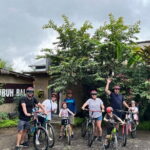
I also liked the small-group feel (limited to 9). Guides like Agung and Raika get called out for being interactive, so you’re not stuck listening to a script the whole time. Your guide also keeps the ride safe with a pre-departure safety briefing and helmets included.
In This Review
- Key highlights you’ll actually remember
- E-bikes in Ubud: why this ride feels manageable
- Where you start north of Ubud (and what pickup really means)
- Cekingan Rice Terrace and subak irrigation: the lesson behind the view
- Tegallalang village visit: daily life, homes, and a temple stop
- Your meal overlooking the terraces (and the coffee add-on some days)
- How the guide shapes the ride: asking better questions
- Price and logistics: what $27 buys you in real value
- Who should book this e-bike tour (and who should skip)
- Should you book this Ubud e-bike tour?
- FAQ
- How long is the Ubud e-bike tour?
- Does the tour include hotel pickup in Ubud?
- What’s included with the booking?
- Is the tour guide provided in English?
- What should I bring for the ride?
- Is the tour suitable for everyone?
- What’s the group size like?
Key highlights you’ll actually remember
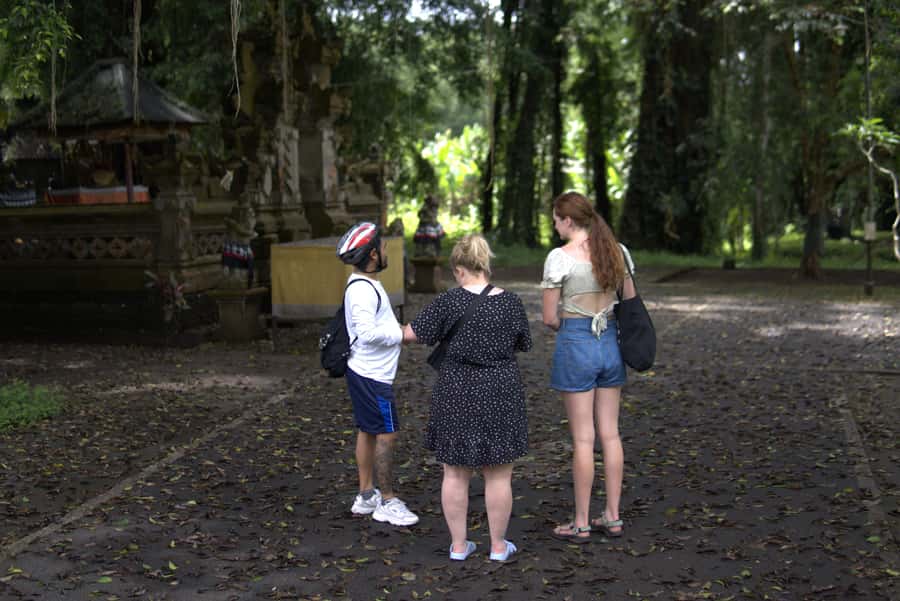
- Cekingan Rice Terrace photo stops with a clear explanation of subak irrigation
- Tegallalang village visit for a closer look at daily routines and local homes
- Traditional Balinese family compound visit and cultural conversation time
- A local meal after the ride at a restaurant by the rice terraces
- Small group size (max 9) so questions don’t get swallowed
- English live guide who keeps the trip moving at a human pace
E-bikes in Ubud: why this ride feels manageable
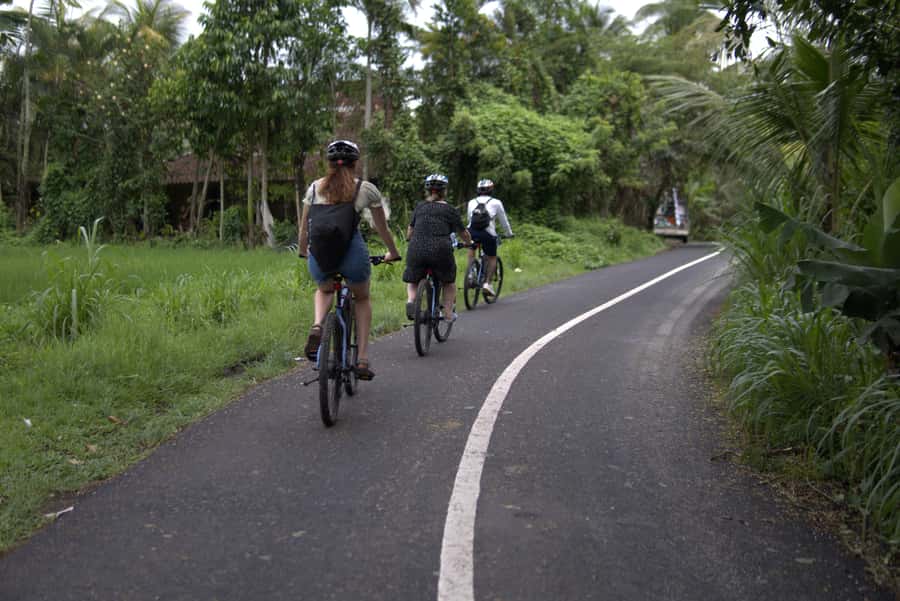
Let’s be honest: Bali hills can be sneaky, especially when you want to enjoy the day instead of turning the whole thing into a workout. The big advantage here is the electric bike. You still pedal, but the assist helps you keep your energy for scenery and stops, not for arriving red-faced and exhausted.
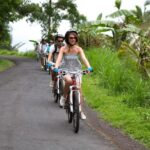
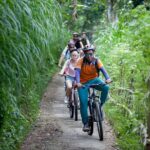
From what I see in the way this tour is described and what people emphasize in their feedback, the route generally aims to be rideable for normal visitors. Many mention that the ride feels mostly easy and flat, with some public-road sections and small twists. That mix is why the e-bike matters. It gives you options: you can use more assist when the road gets slightly challenging, then relax when the path opens up.
Also, biking through countryside is a different view than doing it from a car. You notice the pace of farm work. You see how terraces change with elevation. You get the sense that you’re passing through parts of Bali that keep functioning after the tour buses leave.
You can also read our reviews of more tours and experiences in Ubud.
Where you start north of Ubud (and what pickup really means)
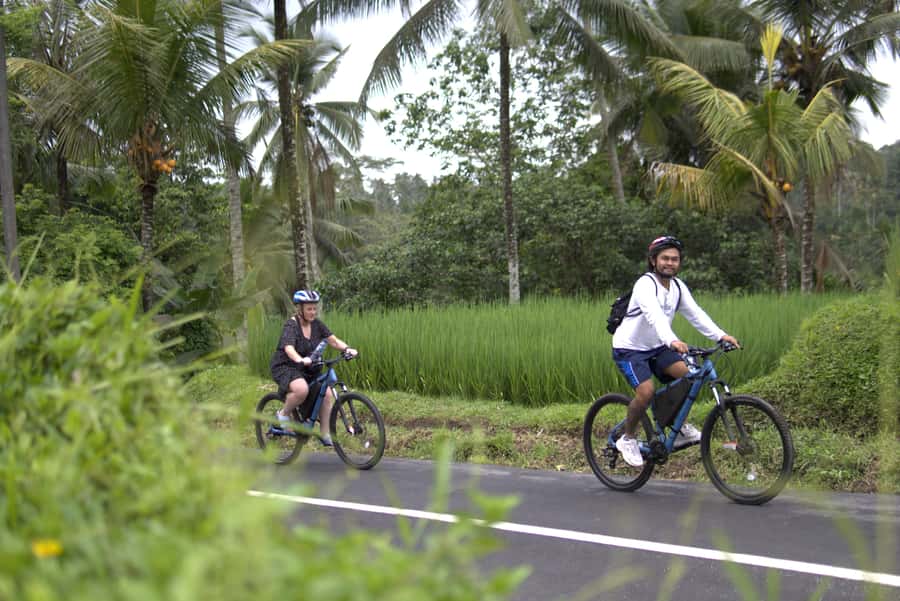
The tour starts northside of Ubud. Depending on your option, you may have hotel pickup and drop-off. If you choose a transfer option, the pickup is from your hotel lobby, and the tour ends back at Ubud.
If you’re not on pickup, plan to arrive at the designated start point and be ready for a quick gear-up. Either way, expect a short orientation before you ride. This part is small but important: safety briefing, helmet fitting, and learning how your guide wants you to move as a group.
Practical tip: wear comfortable clothes you can move in and comfortable shoes you trust on uneven ground. You’ll also want a camera ready, because Cekingan and Tegallalang are the kind of places that make you stop without even thinking.
Cekingan Rice Terrace and subak irrigation: the lesson behind the view
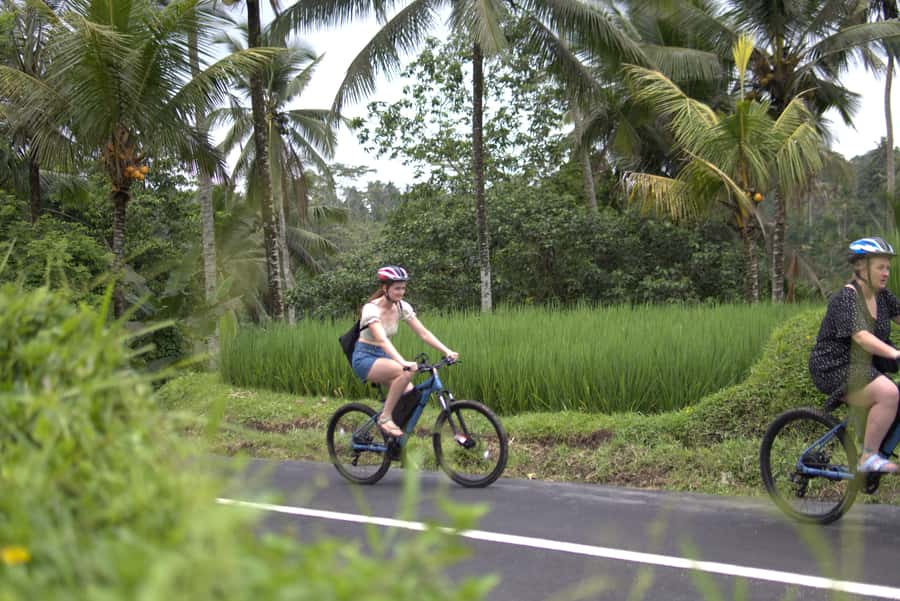
Cekingan Rice Terrace is the kind of place where you look up and realize the photo you took doesn’t even cover the scale. The terraces roll down the hills in layers, and the viewpoint stops help you frame it the way you’d see it on postcards.
But the real value is the explanation of subak, the irrigation system tied to Balinese rice cultivation. Instead of treating the terraces like a scenery backdrop, you learn how water management shapes the landscape and the farming rhythm. It’s the difference between seeing a pretty pattern and understanding why the pattern exists.
Here’s what makes this stop click for first-timers: your guide points out what you can notice while you ride—how rice farming and community practices are connected. When people talk about getting more out of the tour than expected, this is usually what they mean: the guide turns visuals into meaning.
Photo tip that’s easy to miss: take a few shots from the terrace edges, then do one slow walk to a slightly different angle. The lighting changes quickly, and rice terraces have depth that only shows when you shift your viewpoint a bit.
Tegallalang village visit: daily life, homes, and a temple stop
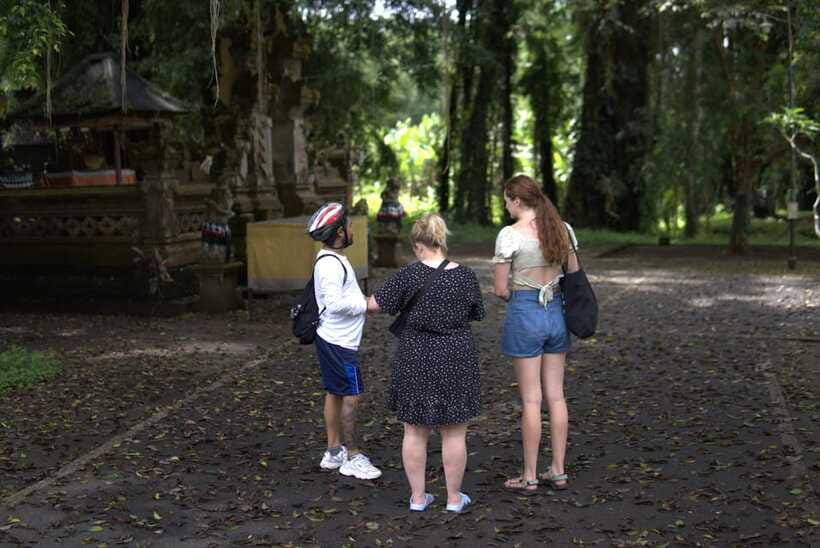
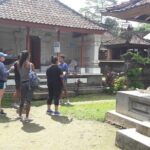
After Cekingan, you move toward Tegallalang and its village areas. This is where the day becomes more than scenic cycling. You get time to see local routines up close—people going about daily life, and you doing the polite thing by exchanging greetings as you pass.
A key moment is the traditional Balinese family compound visit. This is where you can ask questions about family homes, heritage, and how daily life connects to farming and ceremonies. In feedback, guides like Agung and others are praised for sharing context even when people ask random questions on the spot. That matters. It means you’re not just checking off a stop—you’re building a picture of how things work.
Some versions of the route may also include a temple stop, and you’ll likely see burial-site or ceremony-related context depending on the day. The important part for you: treat these stops with the respect they deserve. Dress comfortably, keep your movements calm, and follow your guide’s lead for where to stand and how to behave.
One more practical note: village paths can be uneven. You’re on an e-bike, so you won’t be fighting every hill, but your feet still matter for balance and comfort during stop-and-look moments.
Your meal overlooking the terraces (and the coffee add-on some days)
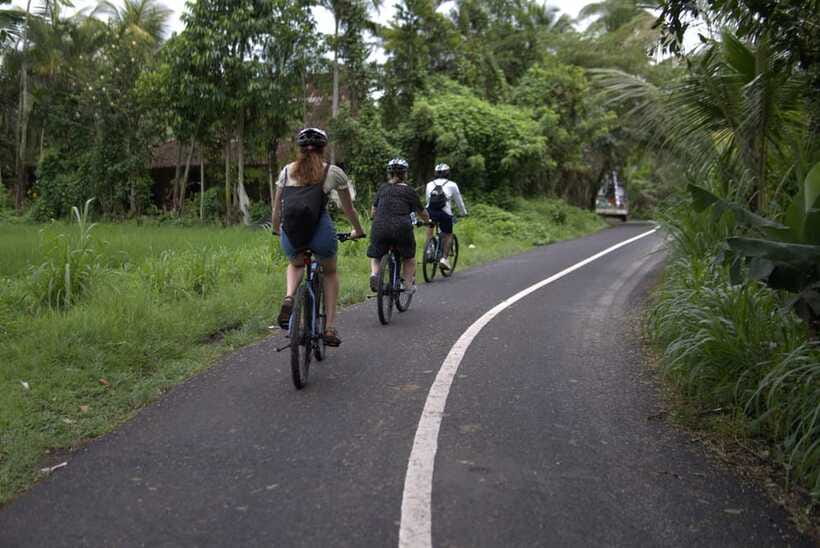
After the cycling and village time, the tour ends with a meal at a local restaurant in the Tegallalang rice terrace area. This is a smart design element. By saving food for later, you’re free to enjoy the views without the distraction of hunger driving your pace.
What tends to stand out is the setting. You eat with terrace views, and that makes the meal feel like part of the experience rather than a quick reset. Many people mention the food is tasty, and they like the timing because they’ve worked up just enough appetite without overdoing it.
About coffee: some tour variations include a coffee and tea tasting or even a coffee-plantation add-on. Reviews specifically call out coffee plantation time and tastings as a great experience, sometimes at an extra charge. The tour data you have here guarantees the meal option, but not every departure will include the coffee stop. If coffee is your thing, ask your guide or check the exact option you book before you start.
If you do add coffee time, pace yourself. It’s easy to turn the last hour into a sugar-and-sips sprint when you’re already out in the sun.

How the guide shapes the ride: asking better questions
This tour lives or dies on the guide’s storytelling—and the feedback is clear on that point. People consistently praise the way guides explain Balinese homes, heritage, ceremonies, and rice farming. The best guides also handle questions like they’re part of the program, not interruptions.
Names you may hear in different departures include Raika and Agung, both praised for friendliness and interaction. If your guide is the type who gives you details while you ride, you’ll notice it right away: you’ll start connecting what you see—terraces, house structures, farming routines—with what they’re saying.
To get more value from the day, do this simple thing: ask one question when you arrive at a stop, then ask a follow-up during the walk between stops. That’s where you’ll hear the most useful context, especially about how people live and farm here.
Also pay attention to what your guide tells you about how to ride safely on busier roads. A little awareness goes a long way when you’re on public streets with other vehicles.
Price and logistics: what $27 buys you in real value
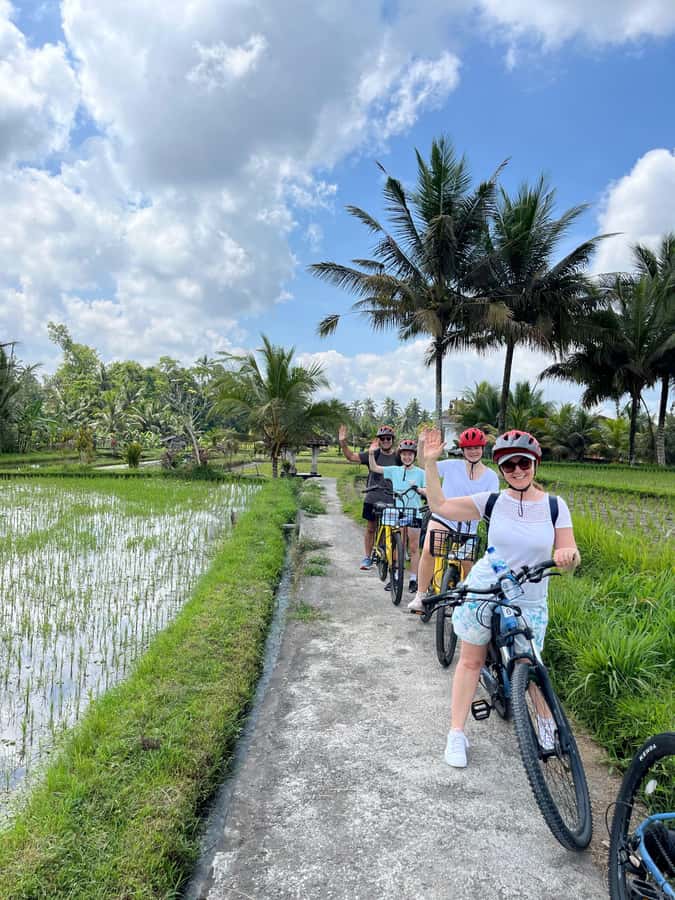
At $27 per person for about 3 hours, this is positioned as strong value—especially because it includes the core stuff most people want: an e-bike, helmet, local guide, and a meal option (when selected), plus optional hotel pickup.
Here’s how I’d think about value if I were choosing again:
- The e-bike cuts effort, which means you spend more time watching and learning than surviving a climb.
- The small group size (up to 9) tends to make your stops feel less rushed.
- A guided lesson about subak irrigation adds depth that a self-guided photo walk won’t give you.
- The meal being tied to the terraces makes the half-day feel complete.
The trade-off is that the tour is short. You don’t get a full-day immersion, so you’ll want to come with curiosity and good energy. If you want a slow, all-day wandering pace, this might feel brisk. If you want a smart sampler that still delivers culture and rice-farm context, it fits well.
Logistics are also straightforward: water is provided, you’re encouraged to bring sunscreen, and you’re back in Ubud afterward.
Who should book this e-bike tour (and who should skip)
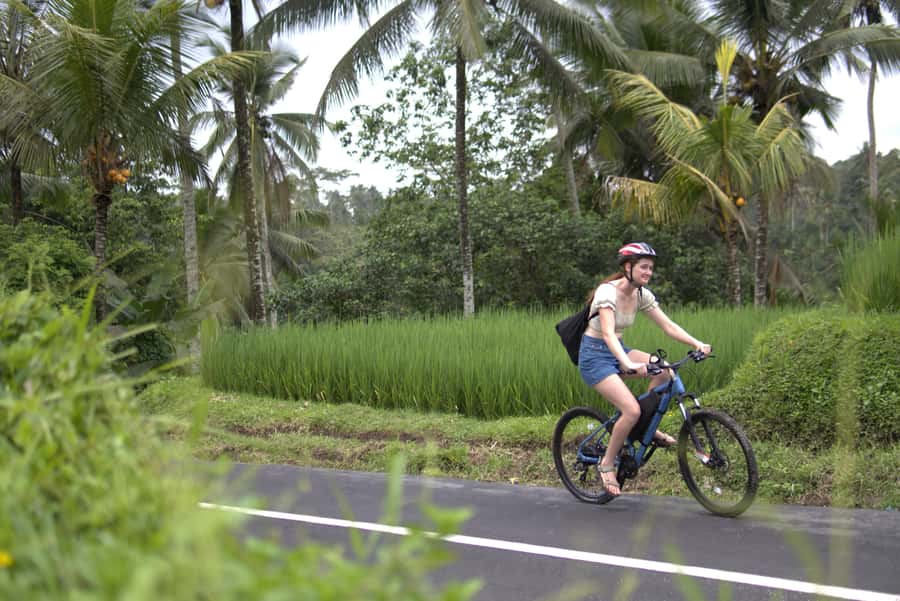
This tour suits you best if:
- you want iconic rice-terrace views plus practical cultural context
- you like guided stops but still want movement (cycling between scenes)
- you’re comfortable riding a bike at least moderately well
- you appreciate small groups and English instruction
It may not be the best match if:
- you have back problems (listed as not suitable)
- you can’t ride a bike
- you’re very sensitive to riding on public roads or narrow paths
One more tip: bring a camera, sunscreen, and comfortable shoes. Water is provided, but if you know you drink a lot in the heat, bring a little extra just in case.
Should you book this Ubud e-bike tour?
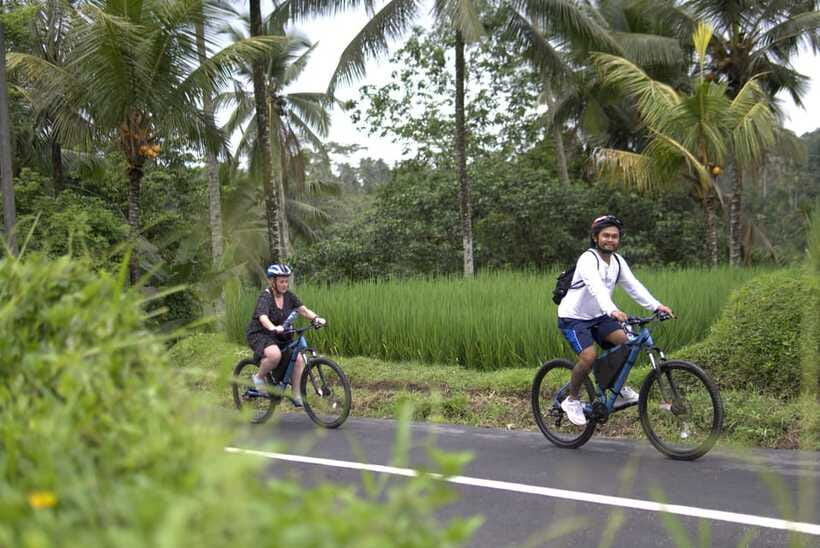
If your goal is simple—see Cekingan and Tegallalang, learn how Balinese rice farming connects to community water systems, and finish with a meal with real views—this is an easy yes. The small-group size, English live guide, and e-bike setup make the day feel more enjoyable than exhausting, even when roads get a bit busy.
Book it if you’ll ask questions and want more than photos. Skip it if you need a fully car-free route or you’re not comfortable cycling in shared traffic.
If you’re flexible, also consider this: options may change what add-ons appear on your day (like coffee/tea tasting). Since the e-bike and meal are the anchors, you can still feel confident about value either way.
FAQ
How long is the Ubud e-bike tour?
The tour duration is 3 hours.
Does the tour include hotel pickup in Ubud?
Pickup is optional. If you select the transfer option, you’ll have hotel pickup and drop-off in Ubud.
What’s included with the booking?
Included are the e-bike, helmet, a local guide, and (if you select the meal option) a meal at a local restaurant.
Is the tour guide provided in English?
Yes, the live tour guide is English.
What should I bring for the ride?
Bring comfortable shoes, a camera, sunscreen, and water. Water is provided, but extra can help.
Is the tour suitable for everyone?
It’s not suitable for people with back problems, and it’s also not suitable for people who can’t ride a bike.
What’s the group size like?
It’s a small group, limited to 9 participants.