REVIEW · TOKYO
Tokyo: Discover Traditional Tokyo Full-Day Bicycle Tour
Book on GetYourGuide →Operated by BREZZA · Bookable on GetYourGuide
Tokyo on two wheels feels like a cheat code. This full-day bike tour strings together classic sights and quieter back streets with an easy pace and an English-speaking guide. I love how the ride turns Tokyo into something you can actually move through rather than just stand and stare at. I also like the built-in tea and snack breaks that make the day feel like a guided city stroll, just faster. One thing to think about: the bikes are small (20 inches), and the full length is about five hours—so it’s not an automatic win for every kid.
You’ll get a real mix: big-name Tokyo stops like Ginza and Tsukiji, plus calmer temple-shrine moments and bridge views. If you end up with a guide like Hiro or Brezza (names many riders have used), you’ll get steady pacing, clear safety talk, and route choices that avoid the heaviest traffic as much as possible. The small group (up to 8) matters here because you’re not getting shuffled along in a crowd.
The main drawback for some people is simple: it is a full day of riding and stops, and you’ll spend time seated on a bike. Also, because Tokyo bike parking lots are narrow, the tour uses compact bikes, so your comfort may depend on your fit and riding comfort on smaller frames.
In This Review
- Key things you’ll notice on this Tokyo bike tour
- Why ride Tokyo by bicycle instead of walking or trains
- Your starting point: Mori Tower Toranomon Hills (find it once, relax after)
- The bikes: small wheels, real Tokyo practicality
- How the guide sets you up for safety on busy streets
- Hibiya Park: a calm reset inside the city
- Ginza: shopping district energy, seen at bike speed
- Kabukiza theater: culture in the middle of the city’s motion
- Tsukiji fish market: market energy without the marathon
- Temples and shrines: why these stops work during a bike day
- Kachidoki Bridge: the view break that makes the effort worth it
- Old town Tsukudajima and Tsukishima Monja street: texture and everyday flavor
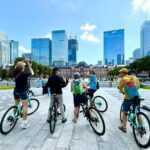
- Imperial Palace and Tokyo Station: big-city icons from a cyclist’s perspective
- Food and tea breaks: why the included snacks matter
- The pace and distance: doable for most adults, a careful call for kids
- Value for $102: what you’re really paying for
- Who this tour suits best
- Should you book this Tokyo full-day bicycle tour?
- FAQ
- How long is the Tokyo bike tour?
- What distance do you ride?
- Is the route flat or hilly?
- What’s included in the price?
- Where do I meet the guide?
- How do I get there by train?
- How big is the group?
- What size are the bicycles?
- Is there free cancellation?
- What about hotel pickup and drop-off?
Key things you’ll notice on this Tokyo bike tour
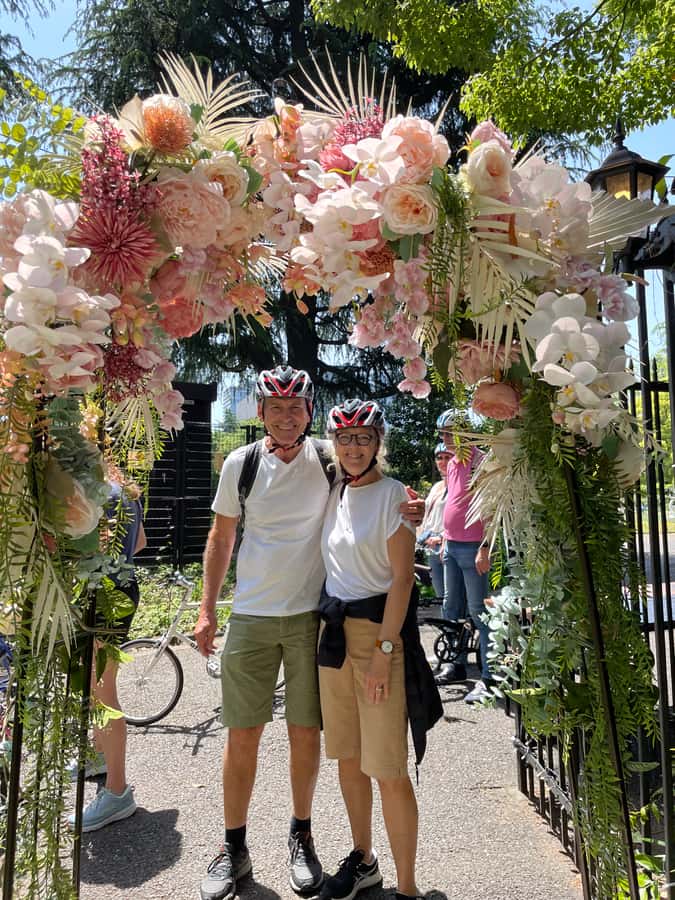
- 20 km, mostly flat streets that make a 5-hour day feel manageable
- Small group up to 8, so the guide can watch the group and keep it together
- Easy pace with frequent breaks, including tea-time confectionery and a light snack
- Traffic-smart routing, often favoring side streets instead of constant main-road pressure
- Classic sights plus old-town textures, from Ginza shopping to Tsukudajima/Tsukishima street life
- A guide who explains biking and local traffic rules before you roll
Why ride Tokyo by bicycle instead of walking or trains
Tokyo is a city of contrasts. You can do the sights on foot, sure—but walking means you see what’s right in front of you and miss the rhythm between places. Cycling changes that. It keeps the pace human, but it also lets you cover ground without feeling like you’re rushing.
This tour is designed around that sweet spot. You’ll pedal roughly 20 kilometers over a route that’s described as mostly flat. That matters because Tokyo’s hills can be real depending on where you go. Here, the emphasis is on smooth, doable riding rather than climbing-bike toughness.
Also, this is not just a checklist tour where you stop, take a photo, and leave. The ride ties each area together so you can understand how Tokyo shifts from business and shopping (hello Ginza) to market energy (Tsukiji) to quieter shrine-and-temple pockets. The guide’s job is to connect the dots—what you’re seeing and why it matters—while you’re actually moving.
You can also read our reviews of more tours and experiences in Tokyo.

Your starting point: Mori Tower Toranomon Hills (find it once, relax after)
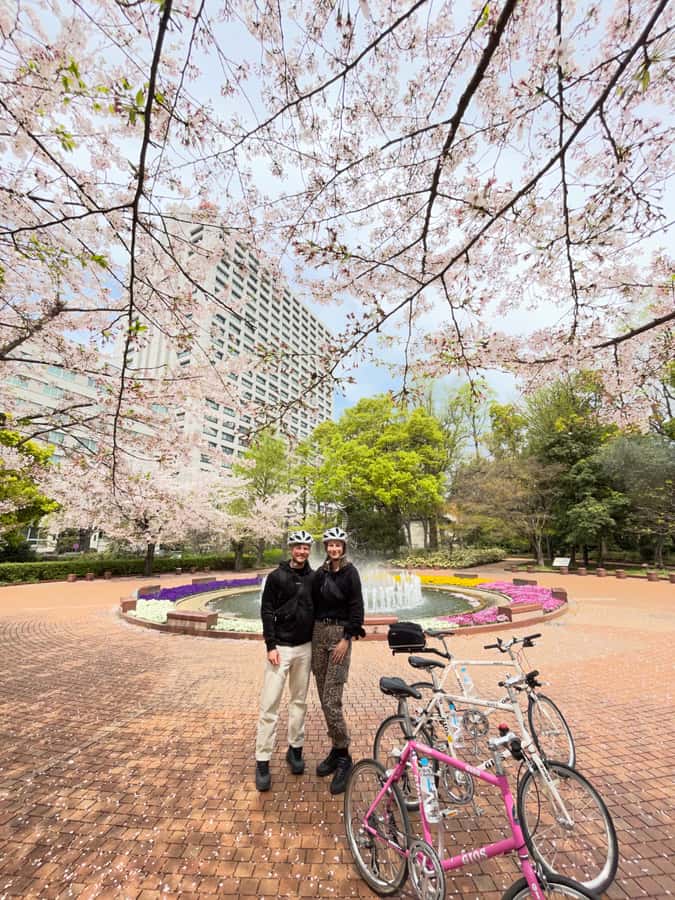
Meeting works a lot better when you locate it the right way before you arrive. You meet your guide in the lobby in front of the flower shop on the 3rd floor of Mori Tower Toranomon Hills Building. The building is divided into four towers; you’ll want to come to Mori Tower.
If you’re coming by train:
- Ginza Line: use Toranomon Station exit B1 or B6
- Hibiya Line: Mori Tower Toranomon Hills is directly connected to Toranomon Hills Station
If you get turned around, the contact number listed for the guide is +81-90-9567-0007. Save it before you go. Tokyo stations are good at overwhelming even experienced navigators.
The bikes: small wheels, real Tokyo practicality
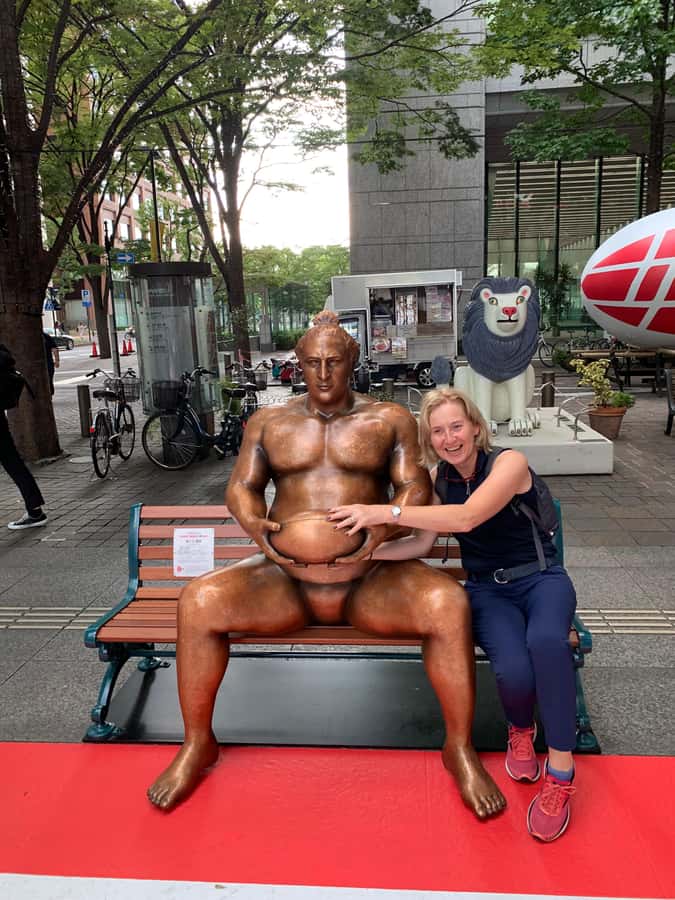
The bikes are 20 inches. That detail might sound minor until you’re holding it and thinking about storage and parking in a city where bike space is tight. Smaller bikes are practical for the narrow parking you’ll run into during a day like this.
From the rider feedback, the bike quality is a selling point. People specifically highlighted well-maintained bikes that fit a wide range of heights and ages. That said, bike fit still matters. If you normally prefer a larger frame, you’ll want to adjust posture and seat height carefully when you’re given your bike.
You’ll get a helmet. Gloves are included for winter season, which is exactly the kind of detail that makes a difference in Tokyo when the air turns chilly.
How the guide sets you up for safety on busy streets
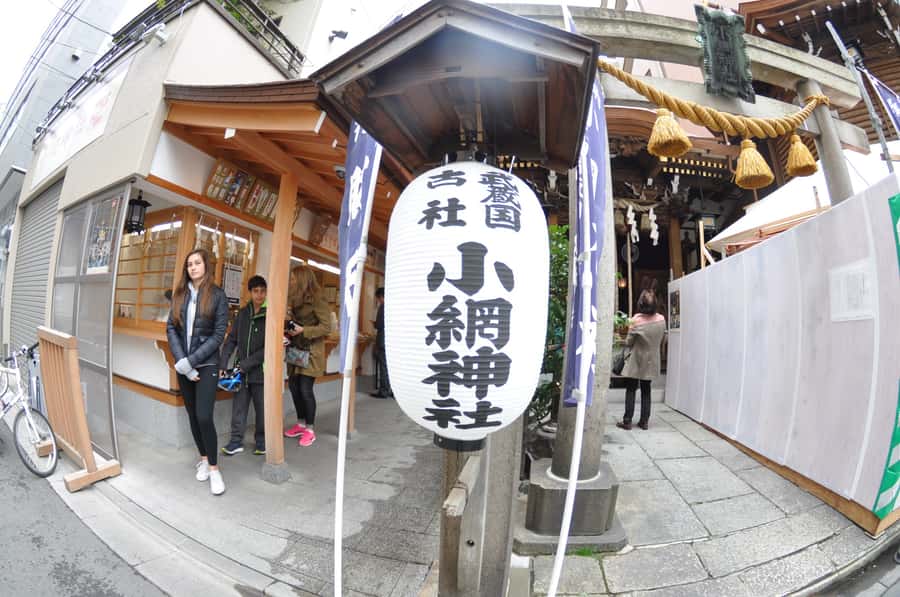
Before you start rolling, the guide explains the bicycle and local traffic rules. That doesn’t just cover the legal basics. It also sets expectations for how your group should move, where you’ll ride, and how you’ll handle crossings and turns.
This is where the guide quality really shows. Many riders praised guides for being attentive and for choosing routes that reduce heavy-traffic exposure. In a city with a reputation for intensity, that’s the difference between feeling confident and feeling tense.
Also, the group size helps. With up to 8 participants, the guide can keep an eye on spacing and slow the pace when the group needs it. That’s especially helpful when you’re switching between busier zones and quieter back streets.
Hibiya Park: a calm reset inside the city
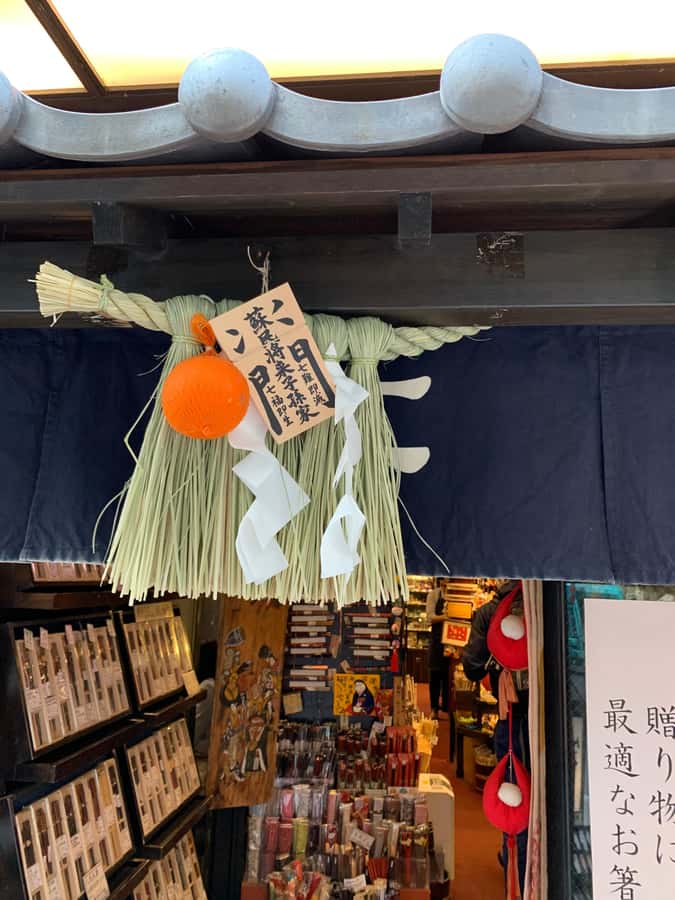
Hibiya Park is one of those places that gives Tokyo breathing room. On this kind of ride, parks work like pause buttons. You stop, you catch your breath, and the day shifts from motion to orientation.
This is a good moment to ask questions, too. When you’re not pedaling constantly, you can better understand what the guide is guiding you toward next—how the city changes neighborhood by neighborhood. Parks are also an easy way to break up the mental load of Tokyo’s density.
Ginza: shopping district energy, seen at bike speed
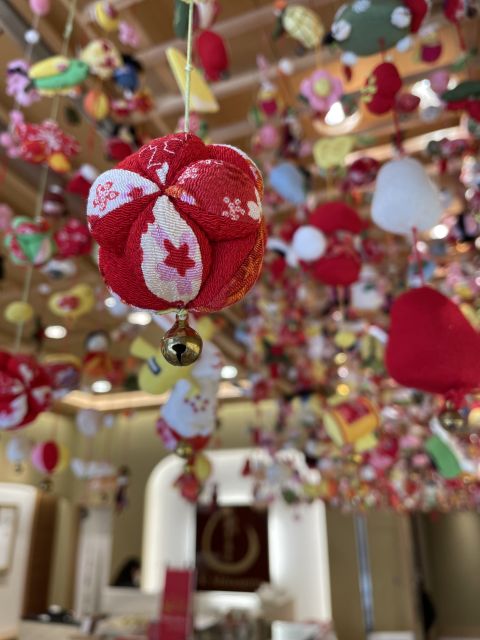
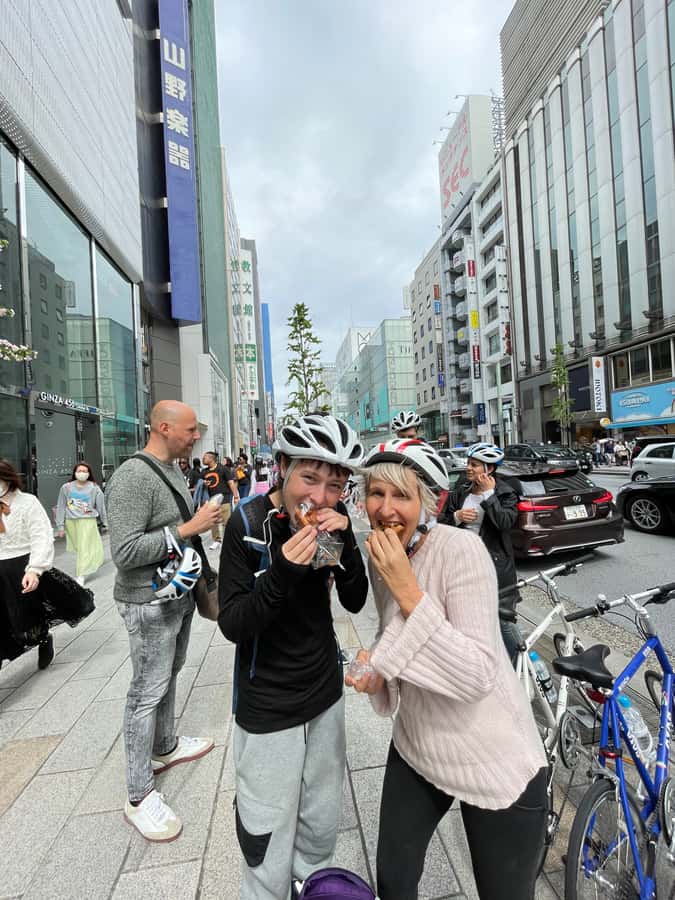
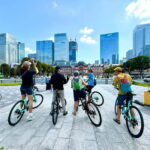
Ginza is famous for a reason: it’s polished, crowded, and very Tokyo. On a bicycle, you don’t just look at storefronts; you glide along the edges of the district and feel the flow of pedestrians and city life.
What I like about including Ginza on a bike day is that it’s a contrast point. You can start the day in business-and-shopping Tokyo, then move toward markets and older streets where textures change fast. Ginza becomes the benchmark for what modern Tokyo looks like.
Practical note: this area can feel busy. The benefit of having a guide is that you’re not improvising a route in the middle of peak crowd behavior.
Kabukiza theater: culture in the middle of the city’s motion
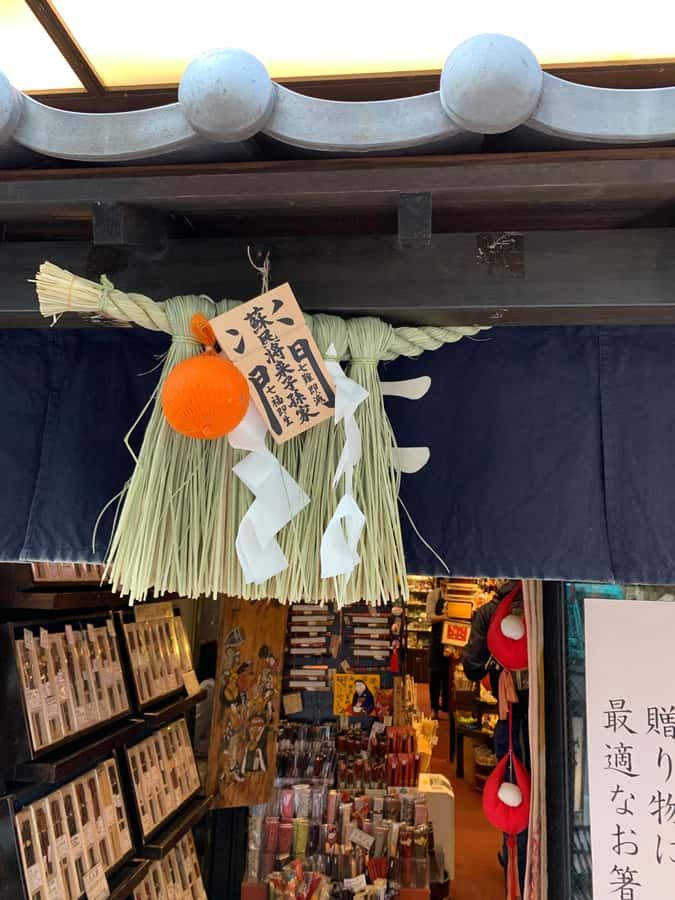
Kabukiza theater adds a cultural anchor to the ride. It’s not just a landmark you pass by—it’s a signal that traditional arts are not tucked away on the edge of town. They sit right in the middle of Tokyo’s daily movement.
On a bike tour, you get a better sense of context than you would from a quick train stop. You see how streets feed into a major cultural site, and you understand the surrounding urban pattern.
Even if you’re not planning to attend a performance, this stop helps you notice Tokyo’s layers: entertainment, commerce, and neighborhood life all crossing paths.
Tsukiji fish market: market energy without the marathon
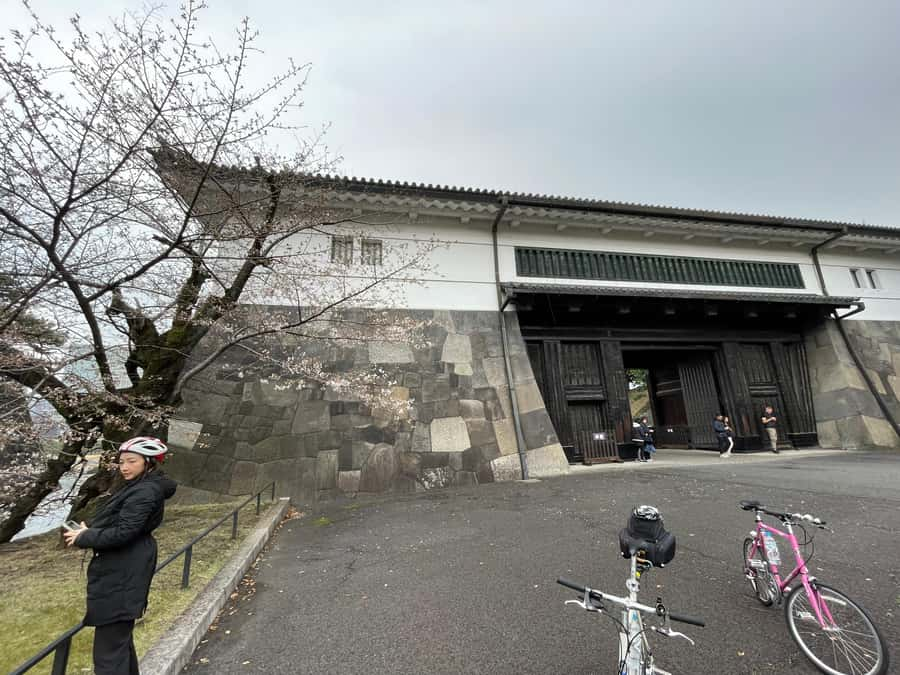
Tsukiji fish market is one of those places where the atmosphere hits you before the facts do. Expect active lanes, busy sights, and a strong sense of purpose in how the area moves.
The tour includes Tsukiji as one of its highlight stops, and this kind of guided stop is ideal if you want market context without spending hours trying to piece together what you’re seeing. You’ll also likely get a snack rhythm here—small bites and tea-style breaks that keep you fueled without derailing the ride.
A common rider highlight is the way the food breaks feel like part of the tour story, not random freebies. When your snack stop happens in the right place at the right time, you feel how Tokyo eats, not just what it looks like.
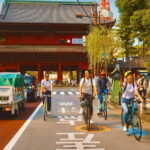
Temples and shrines: why these stops work during a bike day
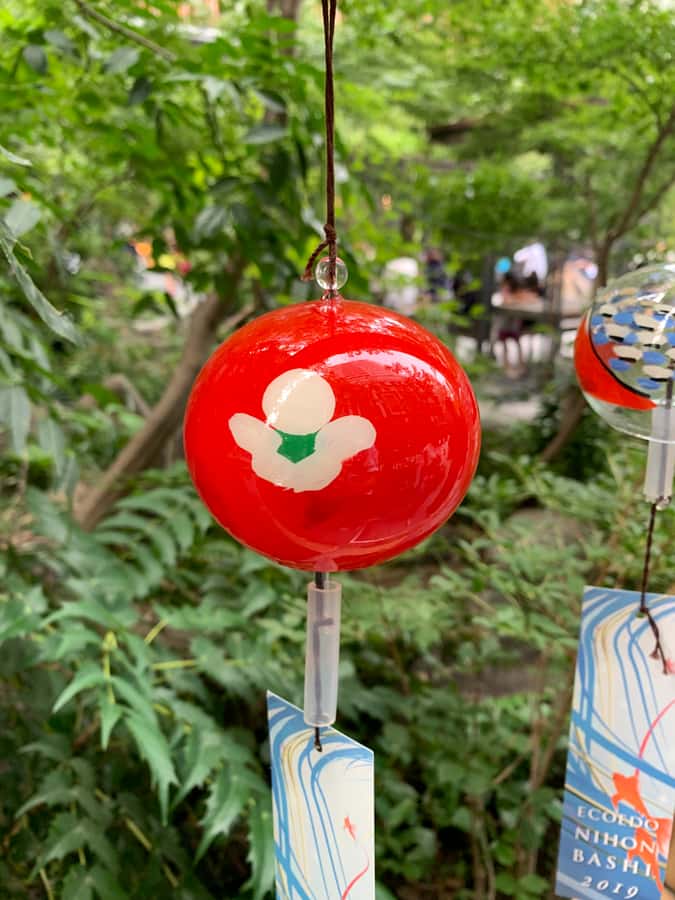
Temple and shrine stops can be hit-or-miss on tours. Too much time and it becomes checklist walking. Too little and it’s just sightseeing photos.
On this tour, these spiritual stops are built into a riding route, which actually helps. You arrive when the pace has slowed a bit, you’re not sprinting through details, and the guide can explain what you’re seeing while the group is still physically together.
This is where your guide’s storytelling matters most. It’s also where a small-group format feels respectful. You can actually hear the guide instead of competing with motion and noise from a larger crowd.
Kachidoki Bridge: the view break that makes the effort worth it
Bridges are more than crossings in Tokyo. They’re viewpoints. Kachidoki Bridge is included as a highlight, and it works as a mental reward after stretches of city riding.
Bike tours often need a payoff moment—something to look forward to. A bridge stop does that. You get a wider horizon and a chance to reset your focus.
It’s also a great time for photos, because you’ll have the feeling of moving between worlds: dense neighborhoods behind you, river or skyline perspective ahead of you.
Old town Tsukudajima and Tsukishima Monja street: texture and everyday flavor
Old town areas are where Tokyo can feel most real. Tsukudajima and Tsukishima Monja street bring that daily-life energy—less about major monuments and more about streets and food culture.
This is the part of the day that makes the tour feel like more than a highlight mashup. You see how neighborhoods function, how storefronts line up, and how streets lead into small eating spots and side streets.
Food fits naturally here. Riders have described snack and tea breaks that feel special rather than just convenient. The tour includes tea-time confectionery and a light snack, and on some days it can feel like a mini picnic moment, depending on season and timing.
Imperial Palace and Tokyo Station: big-city icons from a cyclist’s perspective
Imperial Palace and Tokyo Station are both included among the stops. They’re dramatic in different ways. The Imperial Palace area offers a sense of formality and space in a city that usually doesn’t slow down. Tokyo Station, meanwhile, is one of the most recognizable modern transit landmarks in Japan.
Seen by bicycle, these stops have an advantage. You don’t just see the building and move on. You experience the approach routes. You notice how the city organizes around major hubs—where foot traffic concentrates, where streets broaden, and how the urban layout changes.
If you’re using this day as a first or early Tokyo orientation, these landmarks help you build a mental map fast. That makes everything you do later easier: where neighborhoods sit, how far things really are, and which routes feel calm versus stressful.
Food and tea breaks: why the included snacks matter
This tour includes tea-time confectionery and a light snack, plus the guide and bicycle/helmet. That might sound small on paper, but it can make or break a five-hour day.
Tokyo’s weather can be tricky—hot, humid, sunny, or chilly without warning. Regular snack stops prevent energy dips. More importantly, they create time windows where you’re not only riding. You get short pauses that feel like local life.
Riders have mentioned tea and seasonal treats such as matcha, and snack moments that feel like a picnic-style break in park or canal-adjacent settings. The exact items can vary, but the pattern stays the same: you get tasty food and a chance to regroup.
The pace and distance: doable for most adults, a careful call for kids
The route is about 20 km, and the roads are described as flat. That makes it a good choice if you want to do a full-day activity without turning it into a training ride.
Still, it’s not a bicycle carousel. It’s roughly 270 minutes total. You’ll ride, stop, ride again, and spend a lot of time in transit between neighborhoods.
One parent did warn that it may not be recommended for children due to the length and number of stops. My practical takeaway: if your kid is a confident rider and can handle a long day, it might work. If they get fidgety or tire quickly, you’ll probably want to choose something shorter.
For adults, the consensus in the feedback is safety and comfort—especially because the guide watches the group and uses side streets where possible.
Value for $102: what you’re really paying for
At $102 per person, you’re not just buying a bike rental. You’re paying for:
- a route designed for a five-hour experience
- an English-speaking guide who explains traffic rules and what you’re seeing
- small-group attention (up to 8)
- included bike + helmet + snack/tea breaks
When you compare that to the cost of building your own day—bikes, time lost figuring routes, and the risk of missing the context—this price can start to look fair. In Tokyo, time is expensive. A guided ride helps you spend time on the city instead of on logistics.
Also, this tour covers a lot of recognizable areas plus back streets. That kind of mixing costs money in other formats too.
Who this tour suits best
This bike tour is a strong fit if you:
- want to see a lot of Tokyo in one day without sprinting between train stops
- like history and culture but don’t want museum-style pacing all day
- enjoy riding enough to handle steady urban movement and stops
- want a small-group experience where the guide can keep everyone together
It’s also a good first-day option if you want orientation. One early Tokyo visit is when you most need a map in your head, and a bike route gives you that fast.
Should you book this Tokyo full-day bicycle tour?
If you want an easier way to connect Tokyo’s highlights—Ginza, Tsukiji, temple/shrine moments, bridge views, and iconic areas like Tokyo Station and the Imperial Palace—this is a smart pick. The flat, 20 km plan and small group size are the practical reasons.
I’d pass if you:
- are worried about a five-hour bike day
- dislike riding through crowded city sections even if the guide manages traffic-smart routes
- need hotel pickup or expect a simpler, shorter activity
If you’re comfortable on a bike and want Tokyo to feel like a lived-in city instead of a list of stops, booking it makes sense. Choose it early in your trip if you can. You’ll use that mental map for the rest of your Tokyo days.
FAQ
How long is the Tokyo bike tour?
The tour lasts about 270 minutes, or roughly five hours.
What distance do you ride?
The full length is about 20 kilometers.
Is the route flat or hilly?
Most of the roads are described as flat, which helps keep the pace easy.
What’s included in the price?
It includes the bicycle, helmet, guide, tea-time confectionery, and a light snack. Winter season includes gloves.
Where do I meet the guide?
Meet in the lobby in front of the flower shop on the 3rd floor of Mori Tower Toranomon Hills Building. You should come to Mori Tower.
How do I get there by train?
Ginza Line: use Toranomon Station exit B1 or B6. Hibiya Line: Mori Tower Toranomon Hills is directly connected to Toranomon Hills Station.
How big is the group?
It’s a small group limited to 8 participants.
What size are the bicycles?
They use small bikes with 20-inch wheels, which is helpful because bike parking lots in Tokyo are narrow.
Is there free cancellation?
Yes. You can cancel up to 24 hours in advance for a full refund.
What about hotel pickup and drop-off?
Hotel pickup and drop-off are not included. You’ll meet at the tour’s stated meeting point.