REVIEW · PARIS
Private Secrets of Paris Bike Tour
Book on GetYourGuide →Operated by Fat Tire Tours - Paris · Bookable on GetYourGuide
Paris has more layers than you expect. This private bike tour mixes classic sights with lesser-known corners, starting by the Seine and then turning into a Latin Quarter story ride.
I especially love the stop at the Roman Arena, the kind of Paris detail you’d miss unless you knew where to look. I also like how the tour connects big symbols like the Pantheon to the people and ideas that shaped France.
One key consideration: this isn’t a sit-and-spin cruise. It’s for experienced city riders, with some hills, about 12 km covered, and occasional road segments with cars.
In This Review
- Key highlights you’ll actually feel
- From Dupleix to the Seine: getting oriented fast
- The Roman Arena: an ancient Paris moment in plain sight
- Pantheon stop: France’s big figures, explained on the move
- Latin Quarter secrets: the weird details that make Paris stick
- Historic walls and layered Paris: seeing time as a series
- What the 12 km ride feels like (and who it’s best for)
- Price and value: what $294 includes, and why it matters
- Weather and gear: ride ready, not overpacked
- Meeting point and starting your day without stress
- Should you book the Private Secrets of Paris Bike Tour?
- FAQ
- How long is the Private Secrets of Paris Bike Tour?
- Where is the nearest metro station for the meeting point?
- Is this tour private?
- What language is the guide?
- Are the bike and helmet included?
- Does the tour run in bad weather?
- Is the tour suitable for children?
- Do I need to be an experienced cyclist?
- What should I bring?
Key highlights you’ll actually feel
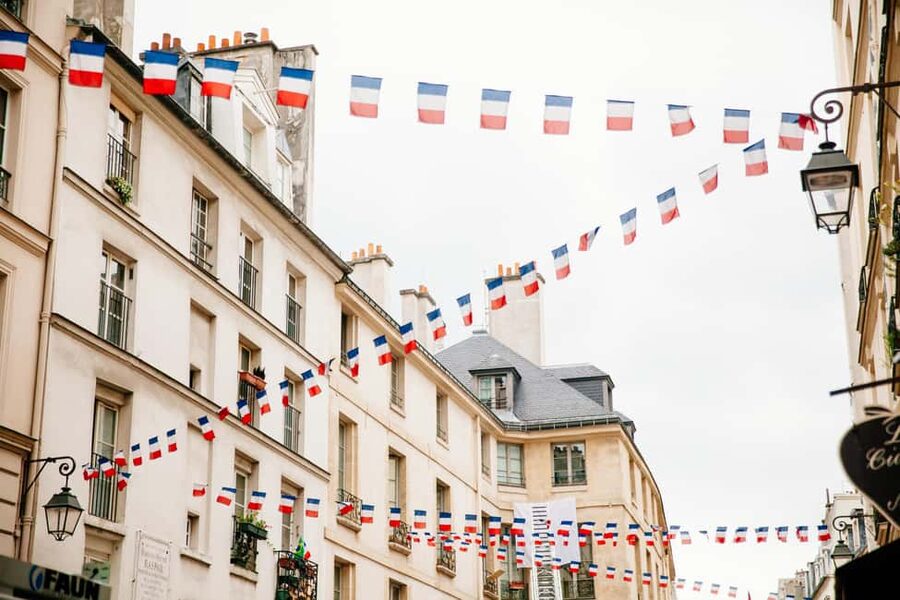
- Seine-side start with quick monument views before you trade the main drag for quieter streets
- Roman Arena relic: an ancient echo that proves Paris keeps stacks of time in one place
- Pantheon focus on France’s standout figures and why this monument matters
- Latin Quarter wall stories that include odd artifacts like a Salvador Dali sundial and even a cannonball detail
- Private English guide with room for questions and fast, clear explanations
From Dupleix to the Seine: getting oriented fast
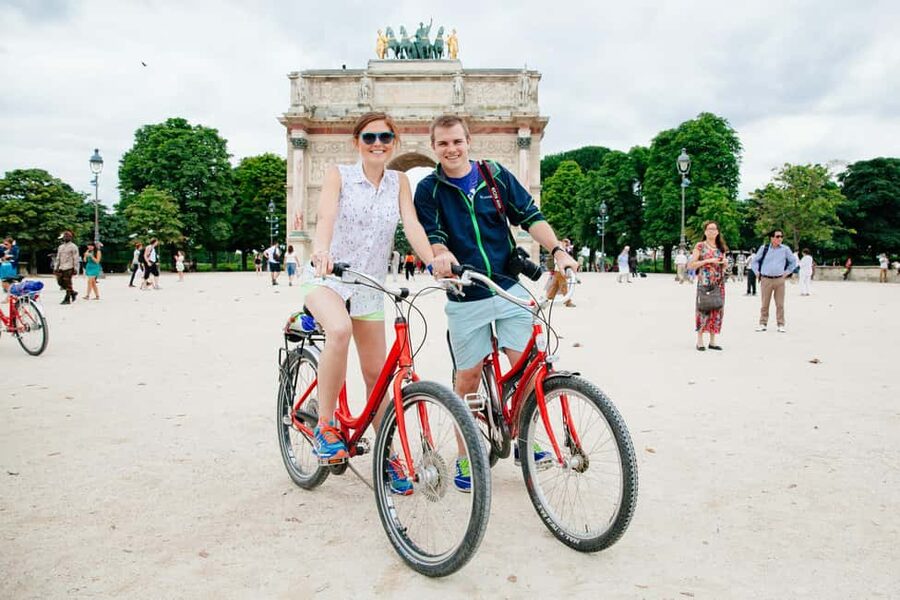
Plan on meeting near Dupleix on line 6. Once you’re staged with your bike and helmet, the tour does a smart thing: it starts you along the River Seine, rolling from the office area near the Eiffel Tower. That opening section is useful even if you know Paris well, because it gets your bearings quickly—boat-bridge landmarks on one side, city rhythm on the other.
You’ll also get that classic Paris “oh right, that’s real” feeling as you ride past major monuments. The goal isn’t to park you in a crowd; it’s to give you context before you take the back-road turn into stories that don’t make it into postcard routes.
Practical tip: wear grippy shoes and keep your phone secure. Paris streets can be smooth in spots and slightly chaotic in others, and your attention should stay on the ride.
You can also read our reviews of more tours and experiences in Paris.

The Roman Arena: an ancient Paris moment in plain sight
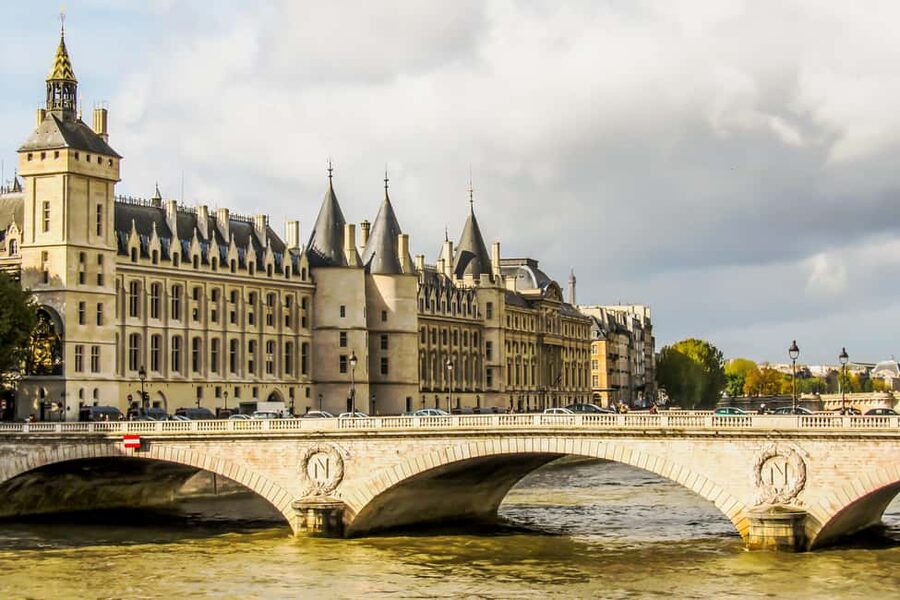
The tour’s standout historical anchor is the Roman Arena, described as an ancient relic from Paris’s distant past. This is the kind of stop that changes how you look at the city. You’re not just seeing old stones—you’re seeing evidence that today’s Paris sits on older foundations.
Why it’s valuable: on foot, it’s easy to walk past a modest-looking location and never connect it to the scale of Roman-era Paris. On a bike, you’re moving fast enough to cover ground but still slowed down at the right moments. The guide’s job here is to stitch the site into a larger story: what Roman life looked like, why these areas mattered, and how Paris absorbed different eras instead of replacing them cleanly.
What to watch for: the tour framing matters. If the guide points out what you’re actually looking at—shape, location, or the clue it provides—you’ll leave with a clearer mental map than you’d have after just snapping photos.
Pantheon stop: France’s big figures, explained on the move
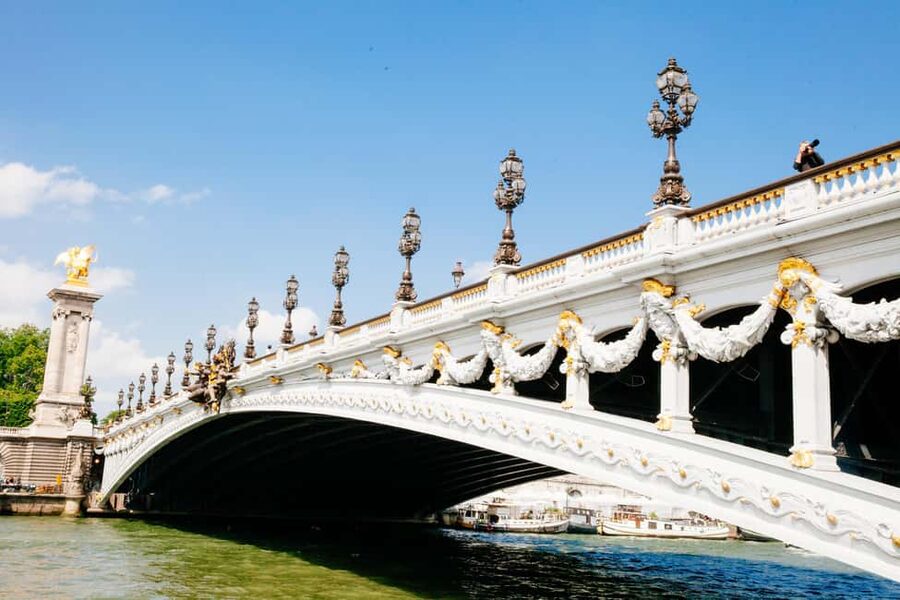
After the Roman layer, the ride connects to France’s more recent “national memory” through the Pantheon, where the tour highlights its role as a monument to France’s major figures. This isn’t only about admiring the architecture. It’s about understanding why a country builds public monuments the way it does—who gets honored, what values are being promoted, and how those messages outlast politics.
The nice part about tackling this on a bike tour is pacing. You’re not stuck in a long line or trapped in one square with no context. You get a guided viewpoint, then you move again, so each stop lands as a chapter rather than a random photo stop.
Small drawback: if you’re someone who likes long, quiet museum-style time, this style may feel brisk. The tour is built around stories and motion, not extended self-guided wandering at each site.
Latin Quarter secrets: the weird details that make Paris stick
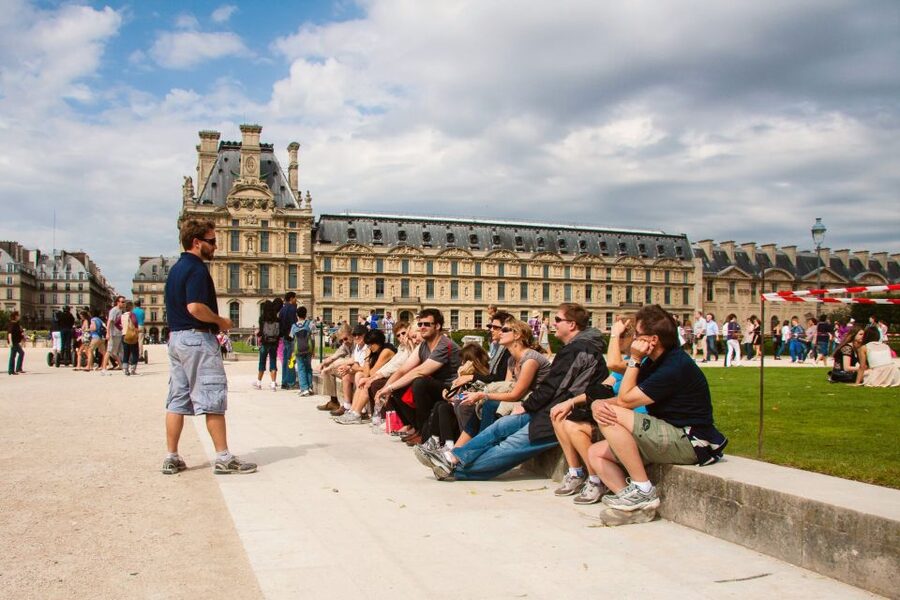
The tour’s “secrets” are less about fantasy and more about the way Paris hides evidence of lived history in regular-looking places. In the Latin Quarter, the focus shifts from landmark monuments to the kind of streets and walls that hold clues.
Two standout examples are the odd-story details teased in the tour description: a Salvador Dali sundial and a misplaced cannonball in the wall of a mansion. Even if you’ve never heard those specific Paris oddities before, that’s the point. These are the kinds of details that make you feel like you’re getting the city’s private joke—proof that Paris keeps surprises in plain sight.
Here’s why this part works well: the tour doesn’t just point. It connects. It helps you understand what you’re seeing and why a particular street corner might contain a clue to the city’s layered past—old walls, different time periods stacked together, and the way personal residences and public life can blur over centuries.
How to get the most out of this section: ask questions. This is a private tour, and the structure is designed for interaction. If you’re curious about how one era overlaps another, now’s the time to ask.
Historic walls and layered Paris: seeing time as a series
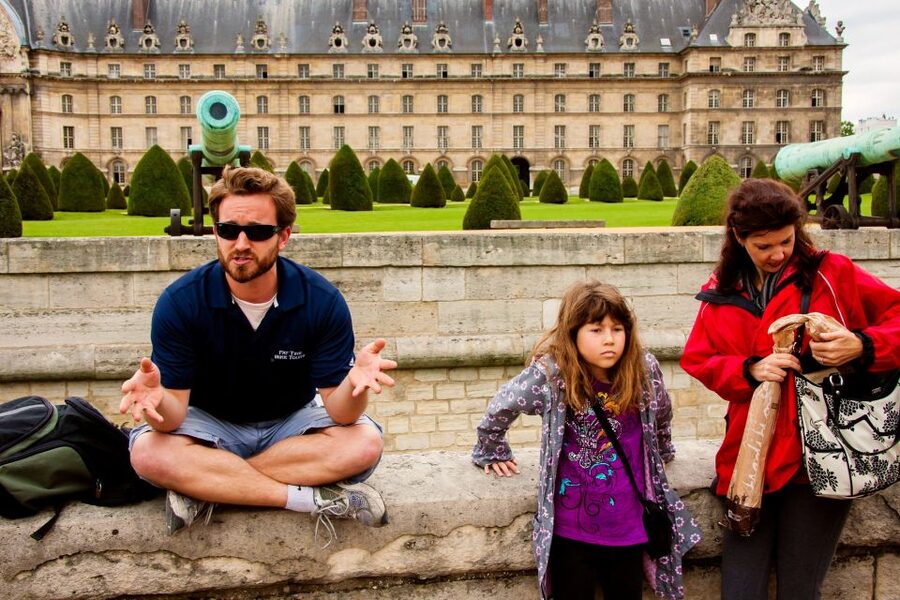
One of the tour highlights mentions exploring historic walls from past ages and getting glimpses of Paris’s layered history. That theme shows up repeatedly: Paris isn’t one uniform “old city.” It’s more like a collage where old boundaries, later repairs, and changing purposes sit in the same physical footprint.
On a bike, this becomes easier to understand because you can visually track the city’s shape. You move through neighborhoods and you start to recognize how routes and boundaries influence what survives. You also learn that “history” isn’t only kings and dates—it can be masonry, street alignment, and the occasional object embedded where you’d never expect.
My advice: don’t try to memorize everything. Focus on just a few moments—Roman Arena, Pantheon, and one of the Latin Quarter oddity stories. Once you’ve anchored your understanding there, the rest clicks into place.




What the 12 km ride feels like (and who it’s best for)
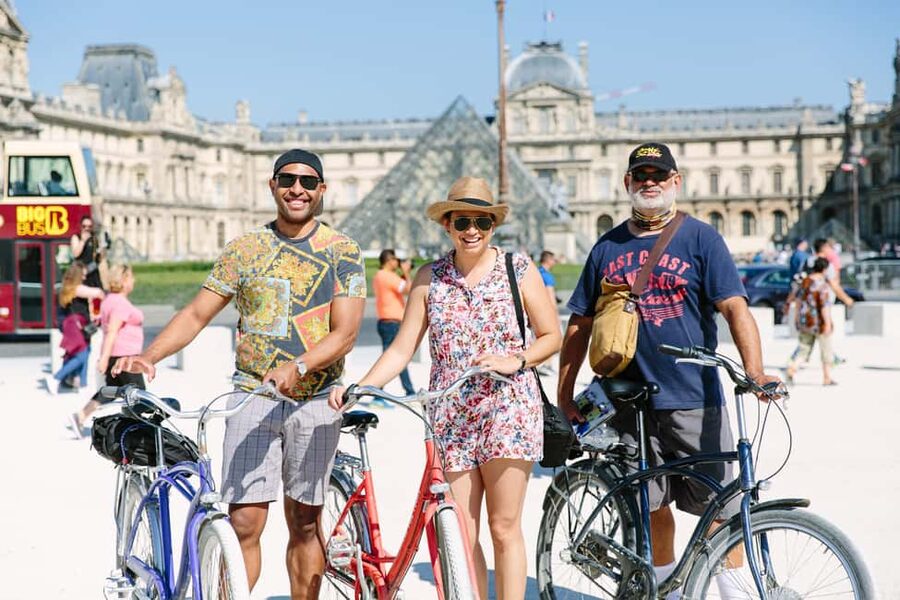
The tour covers about 12 km (7.5 miles) with some small hills and occasional road segments with cars. That’s why the tour is clearly aimed at bike riders who already feel comfortable in city traffic situations.
If you’re an experienced city cyclist, this is manageable and even fun: you’ll get movement and variety without the fatigue of an all-day cycling plan. If you’re new to bikes in a city, it can feel stressful quickly—not because the tour is chaotic, but because Paris can be unpredictable.
This tour also doesn’t recommend children under 12, which makes sense given the riding demands and the need to stay focused.
Quick self-check before booking:
- Can you ride confidently at city speed and handle stop-and-go traffic?
- Are you comfortable with short segments near cars?
- Do hills feel annoying but doable, not scary?
If you answered no to any of that, you’ll likely enjoy a walking-focused history tour more.
Price and value: what $294 includes, and why it matters
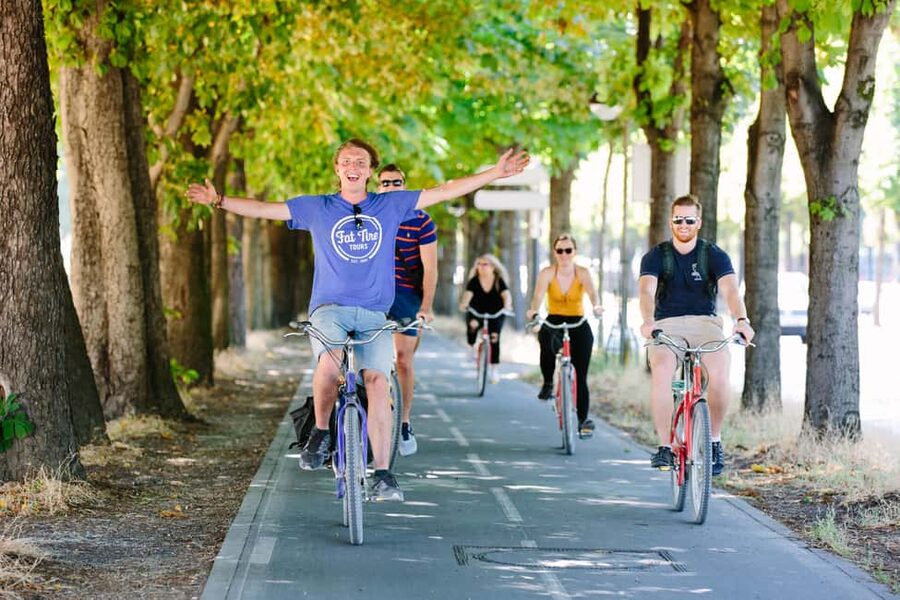
At $294 per person for a private guided bike tour (with bike and helmet included), the price isn’t bargain-bin. But you’re also paying for several things that add up in Paris:
- A live English guide who can connect sites to stories
- A private group format, which usually means more interaction and less waiting around
- A bike setup (bike + helmet), so you’re not juggling rentals or extra hassles
- A route that covers meaningful ground in about 3 hours, hitting both major monuments and quieter, story-driven stops
The best value here is time + access. You’re not spending your vacation figuring out how to get from one landmark to another. You’re riding a curated loop with interpretation built in, and that’s where the money tends to pay off.
Note on guide quality: the reviews you provided strongly emphasize guide energy and clarity. Names that show up in the feedback include Harrison, Aaron, Sonia, Paul, Jason, and Gil—and the consistent message is that the guides are engaging and answer questions well. That matters, because the tour’s “secrets” rely on storytelling, not just destinations.
Weather and gear: ride ready, not overpacked
The tour operates rain or shine, which is a classic Paris rule. So you should dress for damp streets and changing skies.
What to bring (from the tour info):
- Passport or ID card
- Credit card
- Weather-appropriate clothing
For a bike tour, I’d also add your own common sense layer: gloves if it’s cold, a compact rain layer if it’s wet, and a water bottle if it’s warm. The tour is only a few hours, but you’ll still feel the sun or the chill once you’re moving.
Helmet use: you’ll get one, which is great. Still, adjust it properly and make sure it sits stable before rolling.
Meeting point and starting your day without stress
You’ll meet near Dupleix (line 6), and the ride begins close to the office area near the Eiffel Tower. If you’re arriving the day of, give yourself extra time to navigate to line 6 and find the exact meeting spot.
Paris metro stations can be large and signs can lead you in circles. Once you’re there, ask staff or check the posted guidance so you don’t waste your prime cycling time wandering.
Should you book the Private Secrets of Paris Bike Tour?
I think this tour is a great fit if you want Paris history in motion: Roman leftovers, national monuments, and Latin Quarter details you wouldn’t find by accident. It’s also a solid choice for people who like asking questions and getting clear, story-based answers—several guides named in the feedback (like Harrison, Aaron, Sonia, Paul, and Jason) come through as energetic and easy to follow.
Skip it—or at least reconsider—if you’re not comfortable riding in a city. With about 12 km, some hills, and occasional car-adjacent segments, it demands real cycling confidence. Also, it’s not aimed at younger kids.
If you match the riding level and you enjoy history that shows up in everyday corners, this one is worth your time.
FAQ
How long is the Private Secrets of Paris Bike Tour?
The duration is about 3 hours.
Where is the nearest metro station for the meeting point?
The closest metro station is Dupleix on line 6.
Is this tour private?
Yes, it’s a private group tour.
What language is the guide?
The live guide is English.
Are the bike and helmet included?
Yes, the tour includes use of the bike and helmet.
Does the tour run in bad weather?
Yes, the tours operate rain or shine.
Is the tour suitable for children?
The tour does not recommend children under age 12.
Do I need to be an experienced cyclist?
Yes. It’s for bike riders experienced riding in a city, with some road segments that may include cars and small hills.
What should I bring?
Bring a passport or ID card, a credit card, and weather-appropriate clothing.