REVIEW · ROME
Rome EBike Tour: Appian Way, Catacombs & Roman Aqueducts
Book on Viator →Operated by TopBike Rental and Tours · Bookable on Viator
There’s something special about leaving ancient Rome on two wheels. This Appian Way e-bike tour pairs major roadside ruins with countryside riding, and you cover about 27 km without burning out. I especially like the small-group feel and the stop-by-stop history from guides like Cas, Carmen, Fabio, Christian, Nami, Agnese, and Alia. One thing to weigh: some stretches include rocky paths and city traffic, so you’ll want basic bike comfort.
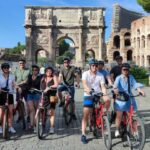
I also like that the route is split between lively Roman streets and quieter park riding, so the day never feels like one long chore. You’ll get frequent photo moments at places like the aqueduct arches, the Porta San Sebastiano gate, and the huge mausoleum on the Appian Way. The possible drawback is that the catacombs are only included on the 6-hour option, and routing changes on Wednesdays.
In This Review
- Key things I’d plan around before you go
- Why this E-Bike Appian Way Route Feels Different
- Getting Started at Via Labicana and Riding Out of the City
- Porta San Sebastiano to the Queen of Roads (Via Appia Antica)
- Aqueducts Park and Caracalla: Outdoor Rome’s Engineering in Motion
- Catacombs Upgrade: San Callisto vs San Sebastiano on the 6-Hour Tour
- Circus of Maxentius, Cecilia Metella, and Villa Ruins You Ride Past
- How the Terrain, Traffic, and E-Bikes Affect Your Comfort
- Value for About $103 and What Is Included
- Should You Book This Rome E-Bike Tour?
- FAQ
- How long is the Rome e-bike tour?
- Are the catacombs included?
- Which catacombs do I visit?
- What stops are on the ride?
- Is the route mostly off-road?
- Do I need to bring a helmet or bike?
- Is lunch included?
Key things I’d plan around before you go
- E-bike range and comfort: pedal-assist makes the 17 miles feel doable for a mixed group
- Off-road time: about 60% off paved roads, often dirt/stone paths
- Small-group pacing: max 10 riders, with frequent regrouping at highlights
- Catacombs depend on tour length and day: San Callisto on most days, with a Wednesday switch
- City traffic is limited but real: about 40% of the route includes street connections
- What you carry matters: a handlebar bag and provided bottle help keep you light on the bike
Why this E-Bike Appian Way Route Feels Different
Most Rome tours lean hard on museums. This one gives you a moving view of Rome’s edge—where the city thins out and ancient engineering gets to show off. The route is designed so you spend a lot of time outdoors, riding through parks and along the historical corridor of the Via Appia Antica.
I love how the e-bike changes what you can do. Without the bike fatigue, you can actually look up and take in details: how aqueduct arches frame the sky, how the Appian Way surface still tells stories under your tires, and how the walls and gates connect to later Roman defenses. And because the pacing is guide-led, you don’t just zip past stops.
The “watch your expectations” part is this: the experience is not mostly smooth pavement. You should be ready for uneven ground and short stretches where you might choose to walk a bit if you’re not a confident rider.
You can also read our reviews of more tours and experiences in Rome.



Getting Started at Via Labicana and Riding Out of the City
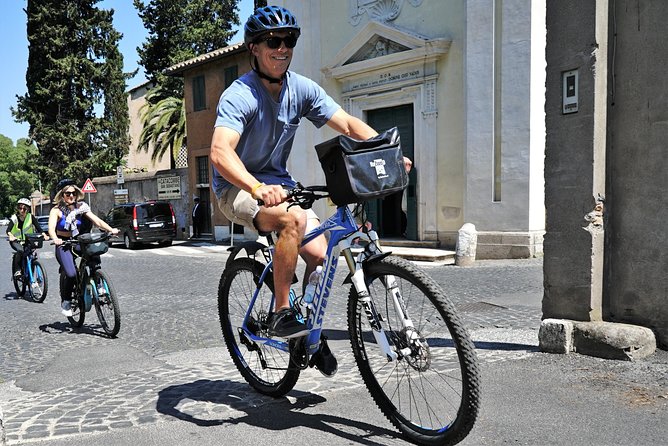
You meet at Via Labicana 49, 00184 Roma and the tour ends back at the same place. Plan to arrive a little early because the shop needs time to get bikes and helmets sorted. Helmets are mandatory and provided, so you don’t have to track one down.
The ride starts in central Rome, then you head out toward the Appian Way. About 40% of the route is in the city, and you’ll use carefully chosen streets. Traffic is unavoidable for the connections, but the longer parks portion is mostly traffic-free, so the ride settles down after the first stretch.
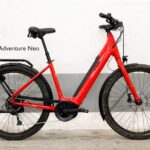
You’ll ride Cannondale e-bikes with anti-puncture tires and a comfortable saddle, plus a handlebar bag and a biodegradable water bottle. That setup matters. When you can reach the water easily and don’t feel like you’re wrestling your bike, you’ll pay more attention to what’s around you.
If you’re prone to motion sickness, the speed will be steadier than a car tour, but you’ll still be cycling outdoors with traffic crossings and regroup waits.
Porta San Sebastiano to the Queen of Roads (Via Appia Antica)

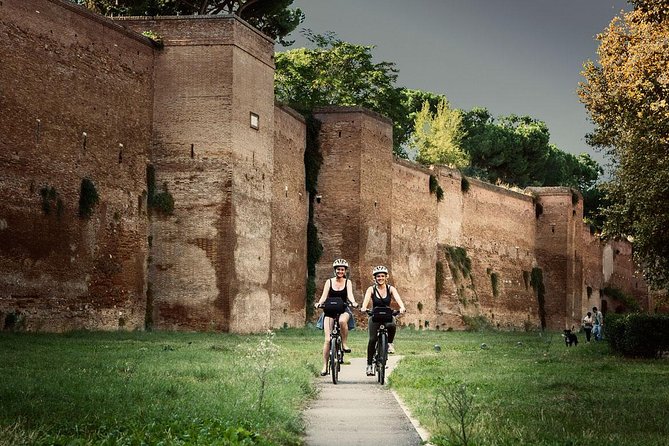
The early highlight is Porta San Sebastiano, a gate in the 3rd-century defensive walls of Rome. It’s not a flashy stop, but it sets the tone. You’re not starting with postcard ruins—you’re starting with the idea of a city defending itself, then moving outward to the roads that made Rome powerful.
Next comes the heart of the day: the Appian Way, often called the Queen of Roads. This famous route was built to connect Rome with southern Italy, and it remained important for centuries. The tour gives you time to ride the historic road surface while your guide explains why it mattered—so you understand what you’re seeing instead of just riding it.
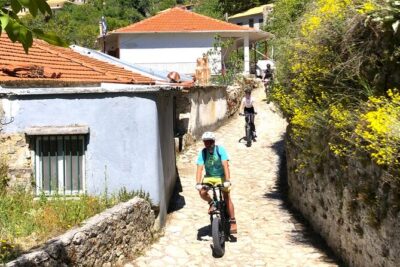
This segment also includes the kind of practical cycling moments you’ll appreciate later. Your guide will manage the group and keep the pace human, not race-like. If you’re not used to bikes, this is where you’ll probably feel the most new sensations: stone texture under tires, dirt patches, and bike handling in real-world conditions.
A small drawback here: depending on your comfort level, you may decide to walk a short part of the roughest section. That’s not a failure—it’s smart. The tour’s value comes from seeing the sites, not proving you can ride every inch.
Aqueducts Park and Caracalla: Outdoor Rome’s Engineering in Motion
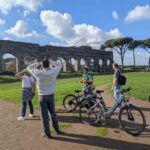
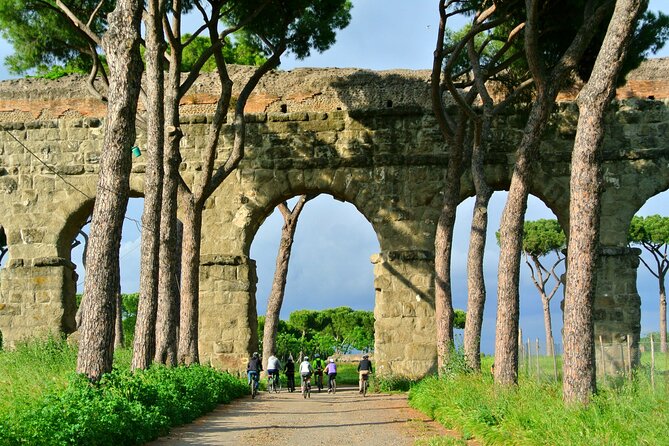
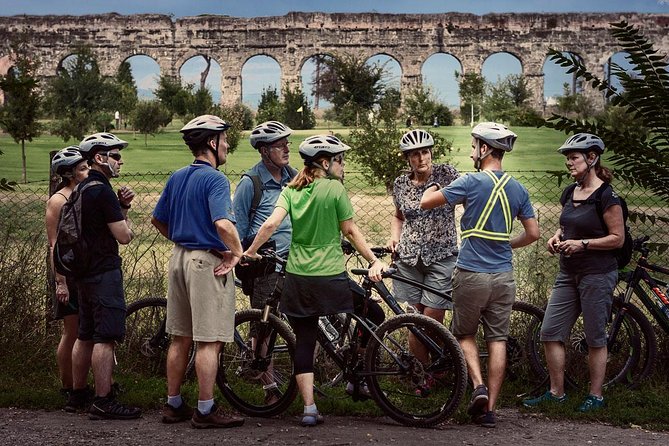
The Aqueducts Park stop is one of those “how did they build this?” moments. You ride through a large archaeological park where multiple aqueducts cross the area on arches that still look strong. For me, the best part is the geometry: you get an up-close sense of how water systems structured Roman life and shaped the city’s growth.
After that, the route may include a viewpoint over the Thermae of Caracalla in the longer option. Even as ruins, the scale lands. You can feel the ambition behind the thermal-bath complex, and it helps connect the dots between Rome’s public infrastructure and the quieter countryside riding you’ve been doing.
The timing at these stops is built for both photos and learning. You don’t just stop for a minute and move on. You get a pause long enough to take it in and hear the story, then you get back to riding.
The practical side: aqueduct-park paths can include narrow bike routes through tall grass or uneven ground. I’d wear shoes you don’t mind getting dusty, and you’ll feel calmer if you keep your hands relaxed and your speed steady.
Catacombs Upgrade: San Callisto vs San Sebastiano on the 6-Hour Tour
If catacombs are on your “must see” list, the tour length matters. The guided visit is only included on the 6-hour option. In that longer tour, you get a structured, guided walk inside the subterranean tunnels with time set aside for the visit.
On the typical 6-hour route, one of the catacombs options is San Callisto, where the stop centers on ancient burial traditions and the sheer scale of the underground site. The tour notes that on Wednesdays, the catacombs visit switches: San Sebastiano is included instead of San Callisto.
Here’s the thing to take seriously: catacombs can feel eerie in a quiet way, and the experience is more about walking and listening than about photography. The tour also notes you can’t take pictures inside, so don’t count on camera time as your main job down there.
For the 4-hour version, you should be aware it won’t include the catacombs stop as part of the main ride. If catacombs are your biggest draw, don’t gamble on the shorter schedule.
One more “day-of” note: on Easter Sunday (April 5, 2026), the catacombs are closed, so the 6-hour tour won’t be running.


Circus of Maxentius, Cecilia Metella, and Villa Ruins You Ride Past
This is where the Appian Way tour earns its repeat value. Instead of one massive museum stop, you get a chain of smaller, specific ruins that build a full picture of Roman life along the road.
You’ll see the Circus of Maxentius, an imperial-era complex with an adjacent circus that acted like a private chariot racetrack. It’s a dramatic kind of ruin—great for imagining crowd energy even when you’re standing in a quiet field.
Then there’s Mausoleo di Cecilia Metella, described as the largest mausoleum on the Appian Way dedicated to a young noblewoman. You’ll also pass Villa dei Quintili and Santa Maria Nova within the Appian Way archaeology park area. The Villa dei Quintili stop is only called out as an included highlight in the 6-hour tour, so if you pick the longer option, you’ll get more time on these larger Roman properties.
Even the short stops matter. They’re short enough to keep the ride moving, but they’re placed where you can actually orient yourself: gate first, road next, then the big outdoor complexes, then the aqueducts park.
If you’re the type who likes to connect stories, this sequencing works. It gives you a sense of Rome evolving from defenses to highways to grand estates to water engineering.
How the Terrain, Traffic, and E-Bikes Affect Your Comfort
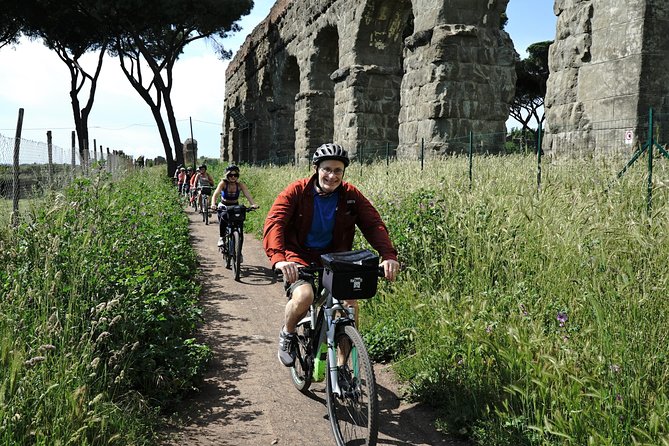
This tour is rated intermediate. It’s not a casual stroller cruise. The route covers about 17 miles (27 km), with about 60% off-road. The good news: the e-bikes do a lot of work for you, and the pedal-assist makes it easier for people with different fitness levels to ride together.
The part to prepare for is handling rougher sections. You might hit rocky or dirt/stone paths, and that’s why some riders suggest being comfortable on a bike before you go. If you’re new to cycling, you can still do it, but you’ll want to keep your pace conservative and follow your guide’s instructions closely at crossings.
Traffic-wise, you’re not locked into a constant stressful city ride. Only about 40% of the route is in city streets, and the parks portion is largely traffic-free. Still, expect some street segments and intersections where attention matters.
One more practical note: the tour can be difficult with a child seat or child extension on the bike, due to the terrain. Also, there’s a weight limit of 300 lbs (136 kg) for the equipment, so check that if it applies.
When the day is rainy, cycling can feel slick on uneven ground. If weather is poor, you might feel safer choosing the timing when the surfaces are dry.
Value for About $103 and What Is Included
At about $102.79 per person, you’re paying for more than a bike rental. You’re paying for a guide who connects the ruins to real context and a route that gives you access to areas that are tough to reach any other way.
Here’s what you get:
- A top-quality Cannondale e-bike with anti-puncture tires
- Helmet (mandatory) and helmet provided
- A professional guide with frequent story stops
- Handlebar bag and a biodegradable water bottle
- Catacombs guide visit only on the 6-hour tour (San Callisto or San Sebastiano, with Wednesday changes)
What you don’t get: lunch and drinks. The route offers a few opportunities to buy something, but you’ll need to plan your own food. This is normal for an outdoors half-day tour, but it’s worth saying out loud: bring a snack if you’re the type who gets hungry fast, and plan for a break long enough to eat.
Is it good value? If you want the Appian Way + aqueduct parks + optional catacombs all in one ride, the combination is hard to beat. A bus tour can show you ruins, but it can’t give you the feeling of moving along the ancient road surface with open fields and arches alongside you.
Should You Book This Rome E-Bike Tour?
Book it if you want a Rome day that feels practical and different: real riding time, fewer crowds in one place, and a strong mix of engineering, highways, and underground burial history. This is also a great pick if you like the idea of seeing the countryside edge of Rome without sweating the logistics of getting there.
Hold off (or choose another style of tour) if you’re not comfortable riding a bike for several hours or you hate uneven ground. The city traffic segments are manageable, but the off-road portion is a real part of the experience.
If you’re torn between 4 and 6 hours, pick based on the catacombs. The longer tour adds a guided catacombs visit and additional big stops like Villa-related highlights and often more time around the thermal-bath viewing.
FAQ
How long is the Rome e-bike tour?
The tour runs about 4 to 6 hours, depending on which option you book.
Are the catacombs included?
The guided catacombs visit is included only on the 6-hour tour. The 4-hour option does not include the catacombs stop.
Which catacombs do I visit?
On the 6-hour tour, you visit the Catacombs of San Callisto or San Sebastiano. On Wednesdays, the catacombs visit changes: San Sebastiano is included instead of San Callisto.
What stops are on the ride?
The route includes highlights such as Porta San Sebastiano, riding the Appian Way, aqueduct park views, and additional ancient sites like the Circus of Maxentius and the Mausoleo di Cecilia Metella (with extra 6-hour highlights that include other villa and thermal-bath views).
Is the route mostly off-road?
About 60% of the route is off-road, with the other 40% in city streets for connections between park areas.
Do I need to bring a helmet or bike?
No. Helmets are mandatory and provided, and you’ll ride a provided Cannondale e-bike.
Is lunch included?
No. Lunch and drinks are not included, but there may be opportunities to buy food or drinks along the route during suitable breaks.