REVIEW · ROME
Rome: Appian Way, Catacombs, & Roman Aqueducts E-bike Tour
Book on GetYourGuide →Operated by TopBike Rental & Tours · Bookable on GetYourGuide
Pedal Rome’s ancient spine on quiet backroads. This e-bike tour takes you from the city edge onto the Appian Way, then out toward the aqueduct arches and open-air history that feels a world away from ticket lines.
I really like how relaxed it stays while still being thorough, with a small group and pro guidance that keeps everyone together. I also love the “ride it, don’t just look at it” format: you’re moving through tombs, villas, and park paths at a pace that actually lets you soak it in.
One consideration: the route covers 27 km (17 mi) with about 60% off-road, plus a portion of busy city street riding to connect to the countryside, so you’ll want solid bike comfort.
In This Review
- Key things to know before you ride
- From Via Labicana to St. Sebastian’s Gate: start smart in Rome
- Appian Way by e-bike: tombs, villas, and the slow pace you can feel
- Catacombs: what’s included on 4 vs 6 hours
- Circus of Maxentius to Cecilia Metella: quick stops that land
- Parco degli Acquedotti and Caffarella Valley: follow the aqueducts the right way
- Baths of Caracalla and the final return: closing on a Roman scale
- Price and value: is $85 worth an e-bike day?
- Who should book this Appian Way and aqueduct e-bike tour?
- Should you book this tour?
- FAQ
- How long is the Rome: Appian Way, Catacombs, & Roman Aqueducts e-bike tour?
- What’s the difference between the 4-hour and 6-hour tours?
- Which catacombs are included?
- What kind of bike do you ride?
- Is food included?
- Where is the meeting point?
Key things to know before you ride

- Two tour lengths, one core route: the 6-hour option adds a guided catacomb visit, while the 4-hour version keeps it shorter.
- A guided catacomb choice: you’ll stop for an underground visit with guided access on the longer tour (crypts and corridors); the shorter tour only covers catacomb history at the entrance.
- Aqueduct walking views, earned by biking: you follow the aqueducts back toward modern civilization, then flow through parkland toward Caffarella Valley.
- Small group, safety-forward guiding: many guides running this route (including people like Oscar, Arina, and Cas) are praised for managing traffic crossings and keeping riders comfortable.
- You’ll feel the terrain: even on e-assist, you’re riding uneven paths and gravel, so expect some bumps and plan on comfortable shoes.
From Via Labicana to St. Sebastian’s Gate: start smart in Rome
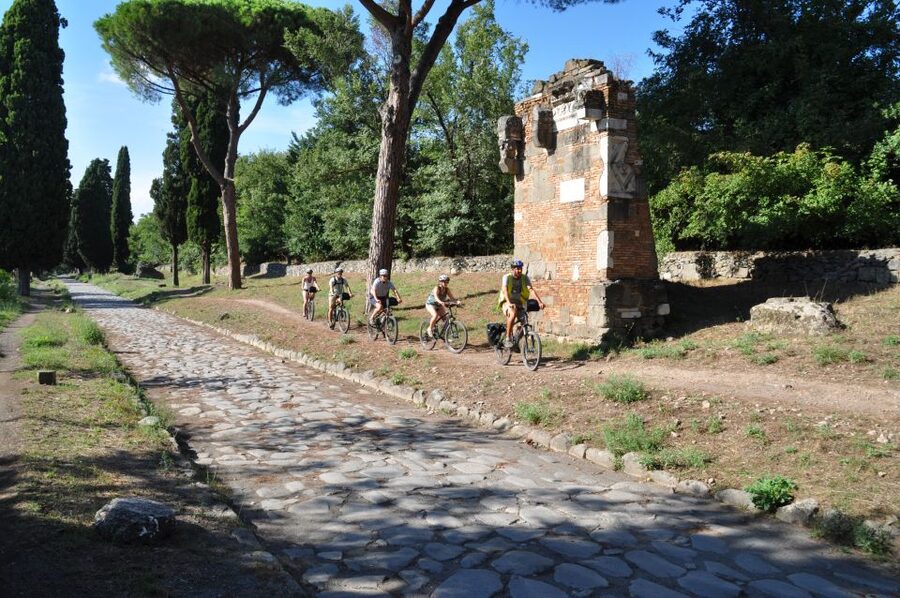
The tour meets at Via Labicana 49, right where getting to the historic core is easy. If you’re coming from Metro Colosseum, you head out the main exit, turn left, then keep following the street as it becomes Via Labicana. From Metro Manzoni, you walk downhill toward the Colosseum and continue until Via Labicana—simple, but give yourself a few extra minutes so you’re not arriving rushed.
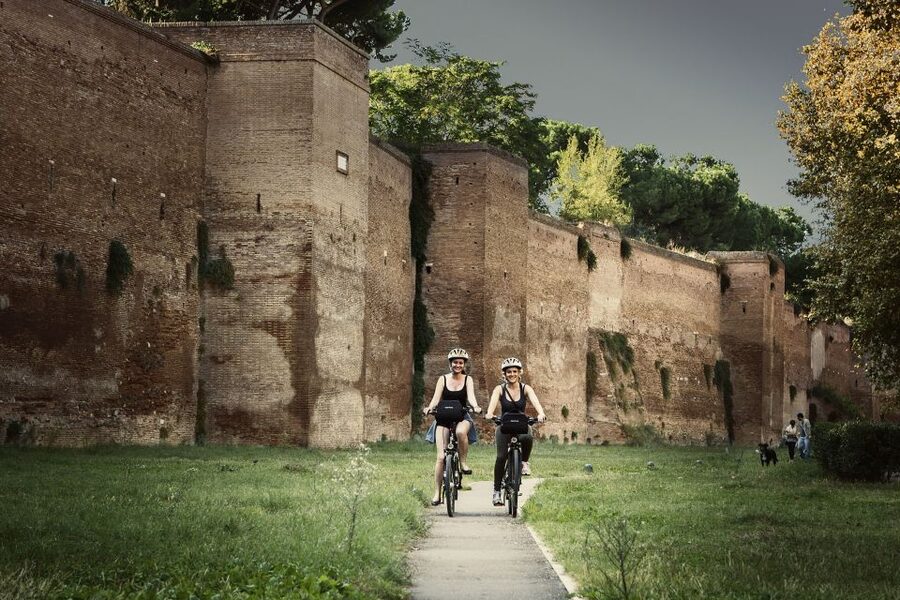
The first “wow” moment comes fast: you go through St. Sebastian’s Gate in the Aurelian Walls. It’s a great setup because it signals you’re not doing a quick photo loop. You’re entering the Appian Way area with the right context, before the ride turns scenic.
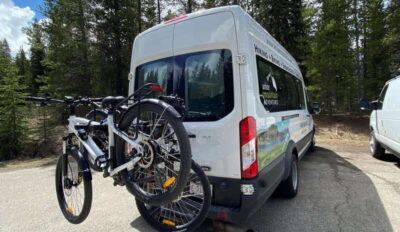
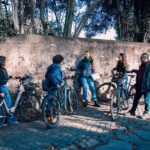
Bikes matter here, and you get proper gear. You’ll ride Cannondale e-mountain bikes with anti-puncture tires, plus a helmet you’re required to wear. There’s also a 5-liter handlebar bag and a bottle of water included (listed as biodegradable), which helps because this isn’t a “pack light and hope” style of day.
You can also read our reviews of more tours and experiences in Rome.



Appian Way by e-bike: tombs, villas, and the slow pace you can feel

Once you’re on the Appian Way, the vibe shifts. The route leads you past ancient villas, tombs, and mausoleums, and the countryside stretches out in a calmer rhythm than central Rome. Because you’re on an e-bike with assistance, you get a big advantage: hills and longer stretches don’t turn into a grind.
What I like about doing this by bike is how it changes the scale. On foot, the Appian Way can feel like a long walk between highlights. On an e-bike, you get enough speed to connect the sites, but you can still stop, look closely, and take photos without turning the day into a sprint.
The pace also stays realistic. Guides keep the group together, and when you’re in the city portion, they’re actively thinking about safe crossings and traffic flow. People describe guides like Oscar as careful in traffic, and Arina as safety-first while keeping the tour well paced. You’ll still want your own bike confidence, but you’re not left to figure it out on your own.
Catacombs: what’s included on 4 vs 6 hours
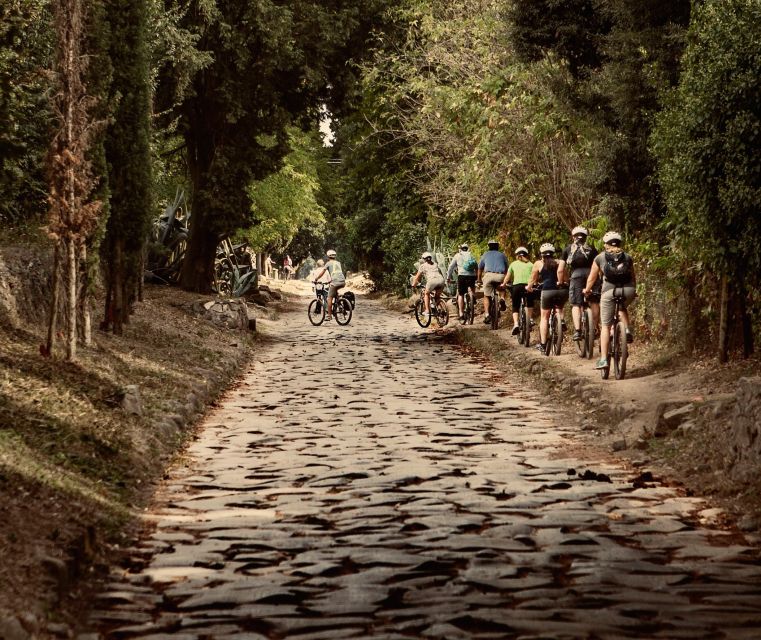
Here’s the clearest fork in the road: the 6-hour tour includes a guided catacomb visit, while the 4-hour tour does not go underground.
On the longer option, the stop is at the Catacombs of St. Callixtus (or St. Sebastian), with a guided walk through crypts and corridors. This is the big payoff if you want an atmospheric, explained visit rather than a quick look from the entrance. It’s also the option to choose if you like early Christian history and want that underground layer of Rome to be more than a side note.
On the shorter option, you’ll make a brief stop at the catacombs entrance for a quick history and significance explanation. That works if you’re tight on time, but it’s not the same experience as actually going inside with a guide.
Circus of Maxentius to Cecilia Metella: quick stops that land
As the ride continues, you’ll pass a sequence of major Roman landmarks that work well as “targets” while you’re biking. Among the stops are the Circus of Maxentius, the Tomb of Cecilia Metella, and the Villa dei Quintili.
These are the kinds of places that are easy to miss if you’re just driving or walking quickly. By bike, you slow down naturally, because you’re stopping as part of the route rather than searching for parking or backtracking. The ruins also frame the day well: after the underground and the Appian Way’s ancient road feel, these stops give you big visual moments without demanding a whole separate detour.
The tradeoff is timing. If you’re the type who wants to linger, you’ll have to accept that this is a moving tour with structured stops. Still, the itinerary gives enough time for you to see what you came for—especially if you’re pairing this with other Roman indoor sights later.
Parco degli Acquedotti and Caffarella Valley: follow the aqueducts the right way
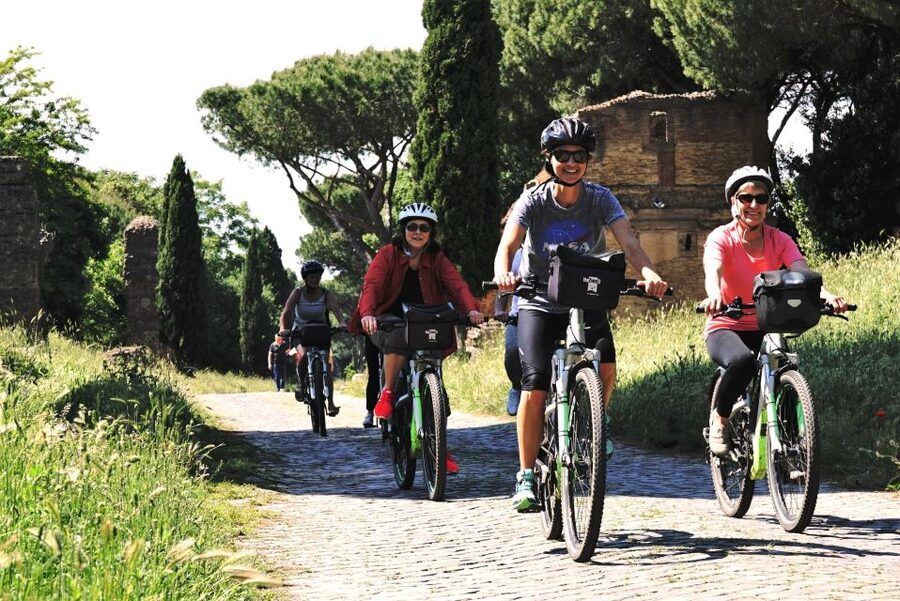
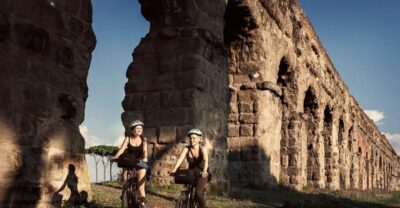
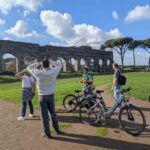
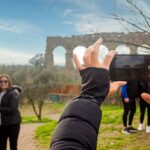
After the Appian Way stretch, the tour heads into the Park of the Aqueducts area. This is where the engineering hits you in person. You’ll ride near the aqueduct structures with those dramatic arches rising against the light, which makes it feel less like a ruin and more like a landscape of working infrastructure.
Then you do something smart: you follow the aqueducts back toward the city. That movement matters. Aqueducts aren’t just “a sight,” they’re a system, and the ride direction helps you understand how the route connects parts of Rome.
After that, the tour crosses Caffarella Valley. People often remember the aqueducts most, but the park stretch adds a different kind of pleasure: open space, less crowd pressure, and a smoother-feeling pace once you’re fully out of the busiest streets.


Baths of Caracalla and the final return: closing on a Roman scale
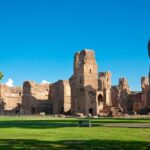
The last major sightseeing stop is the Baths of Caracalla area. It’s a fitting ending because it ties the day’s theme together: grand Roman building, built to last, meant to be used by daily life and public space.
From there, you roll back to Via Labicana 49. The return ride is usually when you appreciate what the e-bike did for you. Even if you’re not doing high-intensity cycling, you’ll likely feel you covered serious ground—without the sore legs story that usually comes with “active Rome” days.
One practical note: the route includes both city segments and park segments. The tour information lists traffic as unavoidable in the city connections, while park riding has no traffic. So your comfort level will depend on how you feel about short stretches near cars and buses. Guides help with this, but your own nerves still matter.
Price and value: is $85 worth an e-bike day?
At $85 per person for a 4–6 hour guided e-bike tour, the value is strongest if you want three things in one package: a high-quality bike, real guide time, and access to places that are harder to stitch together on your own. You get the bike (with helmets and protective essentials), and you’re not dealing with bike rental logistics plus navigation plus figuring out how long everything takes.
The value also improves if you choose the 6-hour option, because that’s when the guided catacomb visit is included. That’s the difference between seeing ruins and getting an explained, structured underground experience.
The main “value hit” is that food and drinks aren’t included. The good news is that the tour info says you can purchase food/drinks on the way, so you’re not totally stuck—but you should budget for it in your plan.
Who should book this Appian Way and aqueduct e-bike tour?
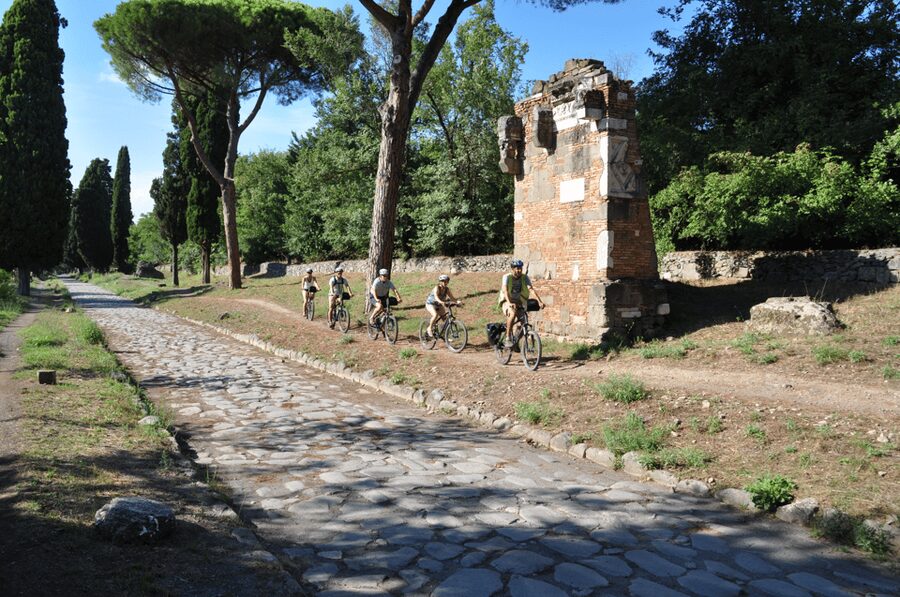
This tour fits best if you want a day that mixes Roman monuments with time outdoors, and you’re happy riding a bike with some off-road gravel. It’s especially appealing for people who like history but don’t want to spend the whole day standing still.
It’s also a good fit for families with older kids, because the tour info specifies:
- Babies under 1 year aren’t suitable.
- Ages 1–4 can ride on a child seat (max 49 lbs / 22 kg) and travel free.
- Ages 5–8 join with a child extension.
- Ages 9+ can ride independently.
If you’re coming as a couple, solo traveler, or small group, the small group size (limited to 10 participants) makes the day feel more manageable and social than the big-bus style tours.
If you’re an absolute beginner, don’t panic, but be honest. The tour is described as intermediate and difficult with child seating, and you’ll deal with uneven terrain and a significant off-road share. Some first-time e-bike riders do fine because the assistance helps, and the guide supports you in traffic and along the route—but your comfort level still matters.
Should you book this tour?
Book it if you want the Appian Way experience with less hassle and more freedom than a standard walking tour, and you’re excited by the idea of riding alongside aqueduct arches and through park paths. Choose the 6-hour version if you care about going underground with a guide in the catacombs; choose the 4-hour if you want the highlights without committing to the full catacomb time.
Skip or reconsider if you don’t handle uneven surfaces well, dislike city driving environments (even for short connections), or you’re hoping for a fully relaxed sit-and-watch tour. This is active sightseeing, with e-bike assistance doing a lot of work, but the road still has texture.
FAQ
How long is the Rome: Appian Way, Catacombs, & Roman Aqueducts e-bike tour?
The tour is offered in two lengths: about 4 hours or about 6 hours.
What’s the difference between the 4-hour and 6-hour tours?
The 6-hour tour includes a guided visit inside the catacombs. The 4-hour tour has only a short stop at the catacombs entrance for a brief explanation.
Which catacombs are included?
The guided visit on the 6-hour tour is described as the Catacombs of St. Callixtus (or St. Sebastian).
What kind of bike do you ride?
You ride a Cannondale quality e-mountain bike with anti-puncture tires, and you’re provided a helmet (mandatory).
Is food included?
No. Food and drinks aren’t included, but you can purchase some on the way.
Where is the meeting point?
The meeting point is Via Labicana 49. From Metro Colosseum, you follow Via Labicana until you reach number 49. From Metro Manzoni, you walk down toward the Colosseum and continue until Via Labicana, where you’ll find number 49.