REVIEW · NEW ORLEANS
New Orleans City Bike Tour
Book on Viator →Operated by Paved Paradise Bike Tours New Orleans · Bookable on Viator
Wheels make New Orleans make sense fast, turning a first visit into a guided sweep of the French Quarter, Congo Square’s jazz origins, and the Garden District in about 3½ hours. I love the small-group feel and the hands-on guidance that helps you plan the rest of your trip, and I love how the pace stays easy so you can actually look around. One thing to consider: you’ll be riding city streets where pavement can be rough, so keep that in mind before you expect a smooth cruise.
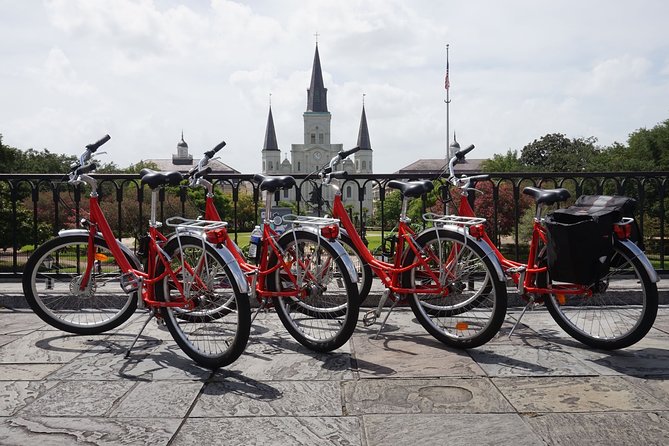
You’ll start and finish at 1735 Washington Ave, rolling past landmarks like St. Louis Cathedral, Jackson Square street performers, and the storied Lafitte’s Blacksmith Shop area. Expect flat riding overall, plus helmets, bottled water, and a poncho if the weather turns.
In This Review
- Key Points You’ll Care About
- Why This New Orleans Bike Tour Works So Well
- Price and What You Get for $60 Per Person
- Where You Start: Finding 1735 Washington Ave and Getting Set Up
- The Ride Itself: Comfortable Pace, Real Streets, and Smart Stops
- Stop 1: The French Quarter Bike Through the Oldest Streets
- Stop 2: St. Louis Cathedral for a Quick Architecture Hit
- Stop 3: Jackson Square and the Performance Zone
- Cruising By Balconies, Galleries, and Live Music Energy
- Stop 4: Lafitte’s Blacksmith Shop Bar and Pirate-Era Stories
- Stop 5: Congo Square, Where Jazz Takes Shape
- Passing the Music District and Finding Tonight’s Bands
- Riding the Levee: The Mississippi River and Why New Orleans Exists Here
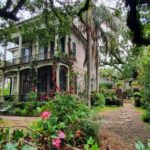
- Stop 6: The Garden District and the Homes You’ll Want to Gawk At
- Stop 7: Lafayette Cemetery No. 1 and Burial Traditions Explained
- Tour Length, Group Size, and How It Feels in Real Time
- Rain, Ponchos, and When the Tour Might Shift
- Getting Food and Drinks Right After the Ride
- Who This Tour Is Best For
- Should You Book the New Orleans City Bike Tour?
Key Points You’ll Care About
- Owner-operated, small groups (up to 10) for more personal answers and a safer rhythm
- Comfort-focused biking with helmets, water, and a route built to feel easier than walking
- Big hit stops: French Quarter architecture, St. Louis Cathedral, Jackson Square, Congo Square, Garden District, Lafayette Cemetery No. 1
- Music everywhere, with guidance on where the best bands are playing that night
- Practical meal and hangout tips so your self-guided time after the tour feels smarter
Why This New Orleans Bike Tour Works So Well
New Orleans has a way of feeling like it’s moving faster than you can. This tour helps you catch up—without wearing out your feet. In about 3½ hours, you cover neighborhoods that would take a full day of walking and zigzagging.
I like that the experience is designed for orientation. You don’t just get dropped at pretty spots. You get a map-in-your-head for how neighborhoods connect, plus ideas on where to dine, shop, and return later.
The other big win is efficiency with a calm pace. You cover ground on bike, but the stops are built for taking in details—architecture, music, and stories that make the city feel like a living place instead of a postcard.
You can also read our reviews of more tours and experiences in New Orleans.

Price and What You Get for $60 Per Person
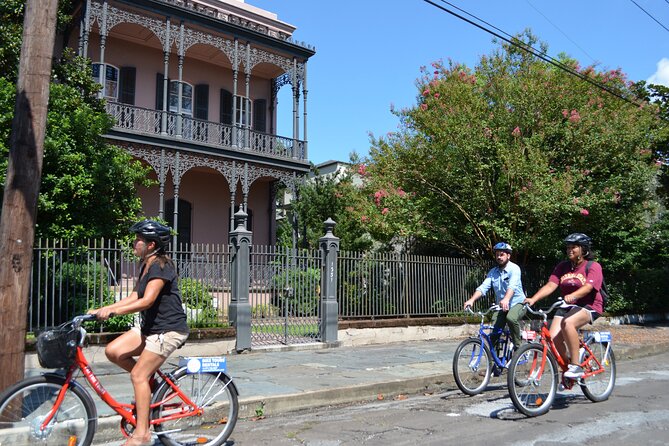
At $60 per person, this isn’t the cheapest way to see New Orleans—but it’s also not priced like a private car tour. You’re paying for a working guide, a real bike setup, and a route that hits multiple iconic areas without wasting time.
The practical inclusions matter: bicycle use, helmet, bottled water, and a poncho when raining. That turns the tour from something you just attend into something you can comfortably use as your plan for the day.
With small groups (max 10), you also get better attention. In a city full of loud distractions, that’s not a minor detail.
Where You Start: Finding 1735 Washington Ave and Getting Set Up
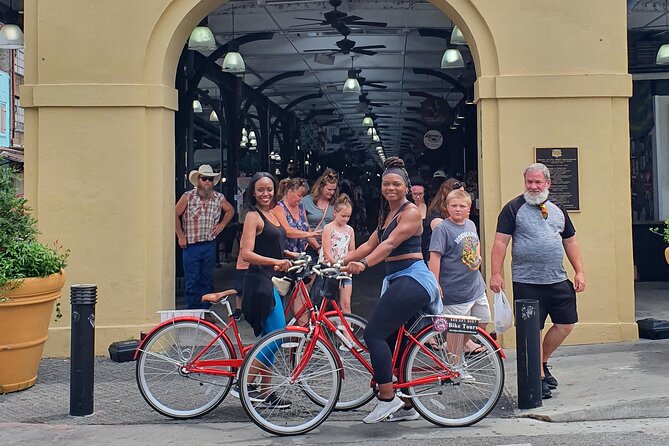
The meeting point is 1735 Washington Ave, New Orleans, and the tour starts at 9:30 am. You’ll also ride back to this same spot at the end.
Plan to arrive a little early. One thing I’d watch for: some people find the meeting area harder than expected because the signage can be small. If you have arrival instructions in your booking materials, read them before you roll up. Don’t rely on a single glance from the street—pull in, check the lot area, and confirm you’re at the right place before you start stressing.
For families, the tour asks for children’s heights so the operator can help determine the right bike size. If you’re traveling with kids, send that information right away so the bikes are ready.
The Ride Itself: Comfortable Pace, Real Streets, and Smart Stops
This tour is aimed at travelers with moderate physical fitness. The biking is described as comfortable, and the terrain is generally flat, which helps a lot if you’re not a bike racer.
Still, you’re in New Orleans on normal streets. Expect potholes and cobblestones in some areas. It’s not a deal-breaker, but it’s a reason to ride with caution and keep both hands on the bars—especially after rain.
The pacing is part of the value. You’ll cover a lot, but you won’t feel shoved forward at all times. You’ll get time to walk around at each landmark, grab photos, and ask questions.
Stop 1: The French Quarter Bike Through the Oldest Streets
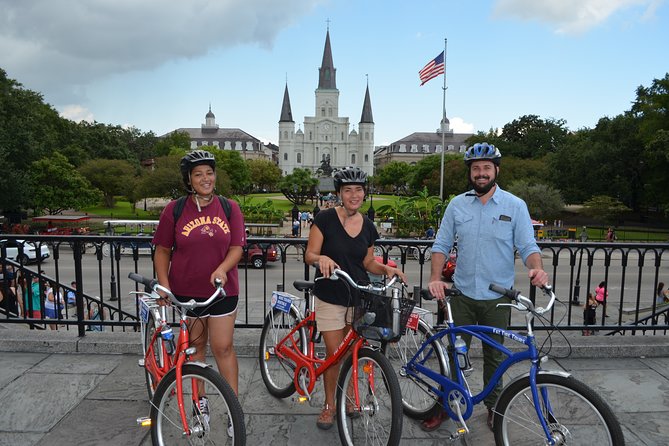
You begin in the French Quarter, one of the oldest neighborhoods in the country. This is where the tour quickly makes the city legible. From the bike, you get a front-row view of architecture and street life without the stop-and-start rhythm of walking.
What you’ll enjoy here is the mix of scenery and storytelling. The guide frames what you’re seeing—music, history, and why certain streets and buildings look the way they do.
The possible drawback is also simple: this area can be active, so the bike movement may feel slower as you work around pedestrians and traffic. If you’re hoping for long stretches of open-road biking, you’ll get shorter bursts here. That’s normal for the French Quarter.



Stop 2: St. Louis Cathedral for a Quick Architecture Hit
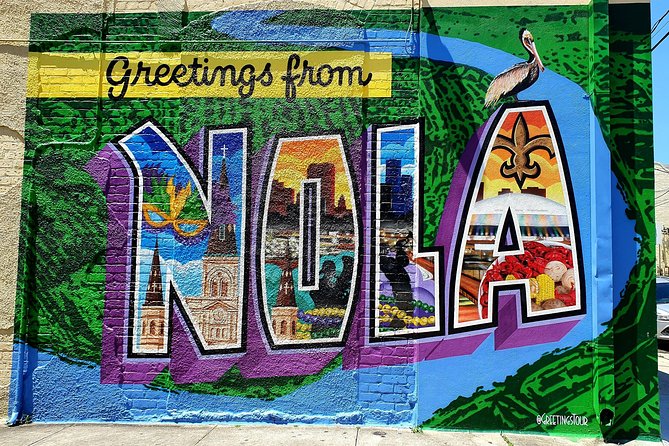
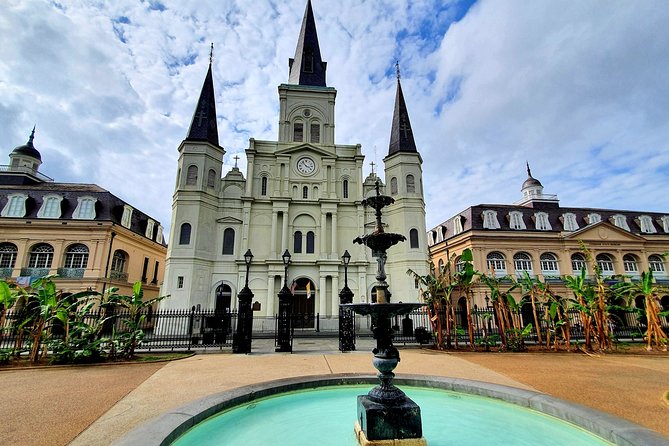
Next comes St. Louis Cathedral, described as the oldest Catholic church in America. Even with a short stop, it’s the kind of building you understand better after someone points out the details.
This is a good moment to slow down and look up. The cathedral is the sort of landmark that gives you a reference point for how the neighborhood developed.
You should treat this as a snap-stop: brief but meaningful. If you want extended time inside, you’d likely do that on your own afterward.
Stop 3: Jackson Square and the Performance Zone
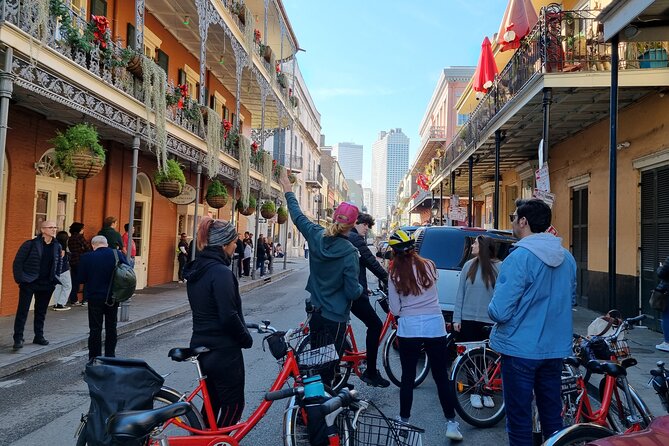
Jackson Square is where the old city feels like a stage. You’ll spend time walking around the center area, taking in local art and street performers.
This stop is valuable because it shifts you from “seeing buildings” to “seeing the city as it functions.” Music and art mix right into the space, so you get a sense of where locals and visitors actually spend time.
The tradeoff is time in motion. You’re not getting a long, slow wander here. You’re getting a guided scan and a controlled walk so you can keep the whole route moving.
Cruising By Balconies, Galleries, and Live Music Energy
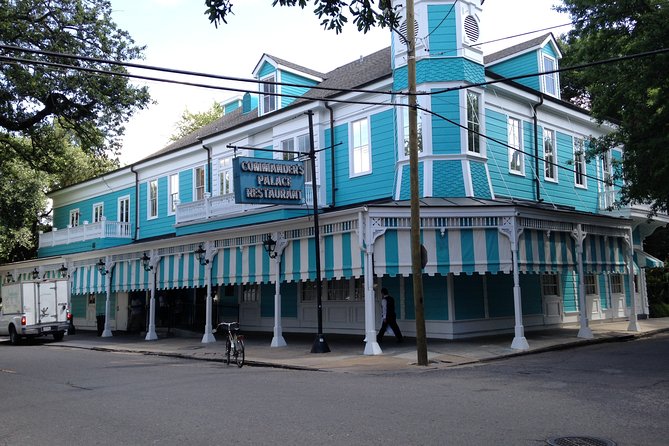
Between major landmarks, you’ll ride past some of the most beautiful balconies and galleries in town. This is the part where the bike tour really feels different from a walking tour.
You’ll also hear live music from street performers along the route. The guide’s job here is more than commentary—they help you recognize what you’re hearing and where the music vibe is strongest.
This section is a great reminder: New Orleans isn’t just a history museum. It’s a place where sound is part of the architecture.
Stop 4: Lafitte’s Blacksmith Shop Bar and Pirate-Era Stories
Lafitte’s Blacksmith Shop Bar is one of the oldest bars in the US, tied to stories about pirate Jean Lafitte and how the bar was used to fence stolen treasures. That’s a fun stop because it adds a darker, more playful edge to the French Quarter.
You’ll get a short look and a story that connects the building to the city’s lawless legends. It’s quick, but it sets up what you’ll notice later as you walk around on your own.
Like the cathedral stop, this is a “check it out now” moment. If you want drinks or a longer bar visit, plan that for after the tour.
Stop 5: Congo Square, Where Jazz Takes Shape
Congo Square is tied to the idea that jazz was born there, and the guide connects the dots between music, people, and the city’s evolution. Even if you think you already know the basics, this stop tends to make the story feel more human.
It’s also described as an epicenter of music then and now, and it ties into some of New Orleans’ best Mardi Gras traditions. That matters because it connects two things visitors often treat separately—jazz history and Mardi Gras culture.
This stop is also a natural photo-and-absorb break. You’ll get time to take in the area before you roll toward the next big change in scenery.
Passing the Music District and Finding Tonight’s Bands
From Congo Square, the tour keeps the music theme alive as you pedal past the lively music district. The guide points out where the best bands are playing that night.
This is one of the most practical parts of the tour. Instead of guessing from a map or blindly following crowds, you get a local-led steer for what’s worth your time later.
You’ll still need to do your own recon for exact set times, but the starting direction is already half the battle in New Orleans.
Riding the Levee: The Mississippi River and Why New Orleans Exists Here
Then you’ll cruise toward the big river side of town—because the Mississippi is the reason New Orleans was founded where it is. You’ll see huge commercial vessels and older-style stem boats pass by as you ride atop the levee.
This stop changes the mood fast. You go from neighborhood streets to a wide-open view with water and shipping scale. It also helps you understand New Orleans as a working port city, not just a performance city.
The drawback here is weather sensitivity. Wind can be stronger near the river, so wear layers you can handle if it gets cool or damp.
Stop 6: The Garden District and the Homes You’ll Want to Gawk At
The Garden District is where you shift from classic French Quarter energy to grand houses and stately streets. This stop is described as the place with the grandest and most beautiful homes in New Orleans, plus stories about the people who lived there.
You’ll enjoy architecture as a theme—details you might skip if you were on your own. And there’s often an added hook of celebrity homes in the area, which makes people pay attention even if they’ve seen photos already.
Just know this part is timed. You’re not touring every mansion. You’re learning how to recognize what makes the district special and why it became a magnet for certain residents.
Stop 7: Lafayette Cemetery No. 1 and Burial Traditions Explained
Lafayette Cemetery No. 1 is where the tour turns reflective. From the gates, your guide shares the unique burial traditions and points to famous people who chose this cemetery as their final resting place.
Cemeteries in New Orleans aren’t just places to look at stones—they’re part of the city’s culture and attitudes toward remembrance. Even with a short stop, the guide helps you see it as a system with meaning, not a creepy tourist stop.
This is also a good place to slow your pace and mentally reset before you wrap up the tour back at the starting point.
Tour Length, Group Size, and How It Feels in Real Time
The tour lasts about 3 hours 30 minutes. That’s a sweet spot: long enough to feel like you did something substantial, short enough that you still have energy for dinner afterward.
With a maximum of 10 travelers, you avoid the chaos that can happen on larger group rides. It also means your guide can manage pacing and safety without yelling nonstop.
Timing matters too. A morning start (9:30 am) helps you avoid the worst crush of pedestrians. You also get daylight for photos, which makes a big difference in neighborhoods like the French Quarter.
Rain, Ponchos, and When the Tour Might Shift
The tour runs rain or shine. If it’s raining, you get a poncho. In bad weather that’s too dangerous, the operator will reschedule or refund.
This is important because New Orleans weather can change quickly. If you’re not thrilled about riding in drizzle, still don’t assume you’ll lose the day. Most likely, you’ll get a soggier version of the tour with wet-weather gear.
Getting Food and Drinks Right After the Ride
One of the best parts of a guided bike tour is what happens after. Your guide is there to point you toward where to dine, shop, and come back to.
Here’s how I’d use that: when you hear a recommendation you like, ask two quick questions.
1) Where should I go first if I’m hungry tonight?
2) What should I not miss if I return tomorrow?
You’ll leave with a shortlist that fits your interests, not just generic tourist targets.
Who This Tour Is Best For
This tour is a strong match for first-timers who want an overview fast. It’s also ideal if you want to feel confident navigating between neighborhoods—especially when you plan to explore on foot later.
It’s family-friendly in the sense that bikes make it easier than walking long distances. Just make sure everyone is comfortable riding and that you’ve provided kids’ heights so the bike fit can be handled correctly.
If you hate crowds or you’re very sensitive to uneven pavement, you can still enjoy it—but you’ll want to ride carefully and expect some street irregularities.
Should You Book the New Orleans City Bike Tour?
Book it if you want a real orientation to New Orleans—French Quarter architecture, jazz roots at Congo Square, the Garden District, and cemetery culture—plus practical tips that help your next steps.
Skip it if you’re only interested in one tiny slice of the city and don’t want a guided schedule. This is an efficient highlights ride, so you won’t get hours and hours at a single location.
If you do book, go in with the right mindset: treat the bike as your shortcut between neighborhoods, and treat each stop as a guided prompt for exploring more later. That’s how you get the most value out of your $60.