REVIEW · NEW ORLEANS
New Orleans Heart of the City Bicycle Tour
Book on Viator →Operated by Flambeaux Bicycle Tours · Bookable on Viator
A bike ride is the fastest way to understand New Orleans. This small-group tour takes you past the usual French Quarter bubble and into places like Faubourg Marigny and Bywater, with stops built around local stories and photo-worthy landmarks. I especially like that it pairs a practical ride with real cultural context, not just sightseeing.
Second, I love the stop at St. Roch Cemetery, where you learn how the above-ground tombs fit into local burial traditions. One thing to consider: it’s not a stroll—you’ll need solid physical fitness and no flip-flops, because you’re riding for about 3 hours with some steady pedaling.
In This Review
- Key Things I’d Book This For
- Getting Started at Flambeaux: Bikes, Safety, and a Real Neighborhood Start
- Mississippi River and Jackson Square: The “Founding City” Story in Motion
- Faubourg Marigny: Oldest Faubourg, Music Leads, and Creole Culture on the Streets
- Bywater District and the 9th Ward: Voodoo Culture Without the Sideshow Feel
- St. Roch Cemetery and Campo Santo: Above-Ground Tombs That Make Sense
- Treme: One of the First Free Black Neighborhoods in the U.S.
- Price and Value: What $55 Buys You (and Why It Feels Fair)
- Ride Difficulty, Weather, and What to Wear
- Who This Tour Fits Best
- Should You Book the New Orleans Heart of the City Bicycle Tour?
- FAQ
- How long is the New Orleans Heart of the City Bicycle Tour?
- Where does the tour start, and where does it end?
- What does the tour cost, and what’s included?
- Do I need to bring my own bike or helmet?
- What are the minimum age and height requirements?
- Is the tour suitable for beginners?
- What should I wear?
Key Things I’d Book This For
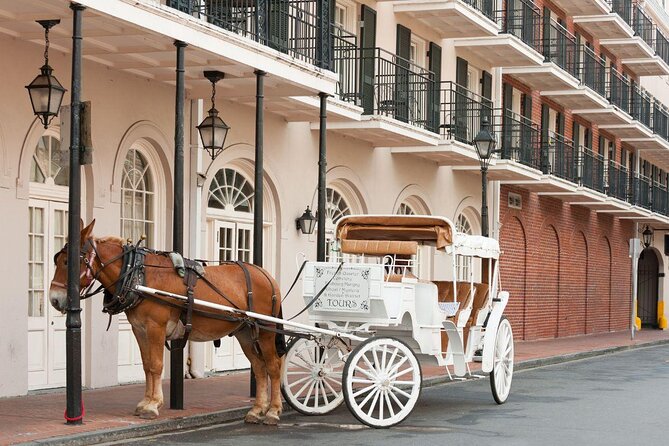
- A 10-person max that keeps the ride personal and the pace comfortable
- St. Roch Cemetery + Campo Santo with clear explanations of above-ground burials
- Faubourg Marigny and Bywater for stories of Creole culture beyond the postcard zone
- Treme for the significance of one of the first free Black neighborhoods in the U.S.
- Comfort-focused setup: rental bike, helmet, and bottled water included
Getting Started at Flambeaux: Bikes, Safety, and a Real Neighborhood Start
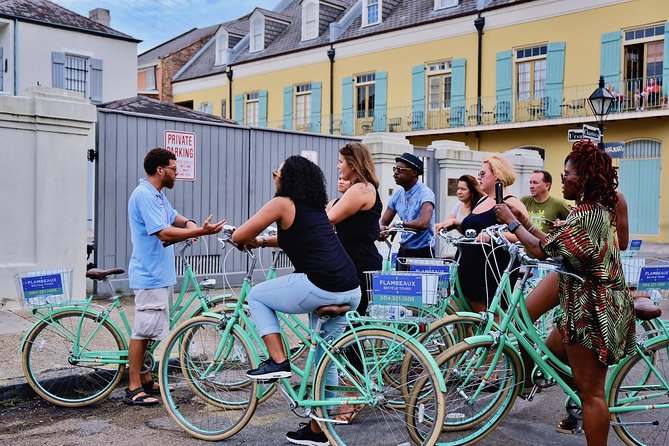
Your tour begins at 626 N Rampart St, in the French Quarter area. You meet at the shop—Flambeaux Bicycle Tours & Bike Rentals—where the first chunk of time is all about getting you comfortable: bike fitting and a safety walkthrough before you roll.
This matters more than it sounds. If your bike is the right size and you know what the guide expects, you’ll ride with less tension and more attention for the streetscape and the stories being told. I also like that the meeting spot is right next door to Twelfth Night Coffee, so you can grab a coffee and settle in before your 9:30am start.
The tour ends back at the same meeting point, so you don’t have to worry about a complicated drop-off. And since it’s near public transportation, it’s easier to plug into a day of museum stops, gumbo lunch plans, or a second neighborhood crawl later.
You can also read our reviews of more tours and experiences in New Orleans.


Mississippi River and Jackson Square: The “Founding City” Story in Motion
Early on, you’re sent toward the Mississippi River, your first major reference point. Even if you’ve seen river views from other spots, this gives you a sense of how the water shapes the city’s layout and identity. You’ll also get a rhythm for how the tour works: ride a short stretch, pause, and then connect the scenery to the bigger story.
Then comes Jackson Square, a classic stop—but handled in a more useful way than just taking photos. You get a postcard view of the historic city center and learn about how this area helped establish la ville de la Nouvelle-Orléans. That phrase matters because it points you toward the city’s “layers”: French roots, local adaptations, and the way different cultures built what became New Orleans.
Practical tip: if you want the best photos, don’t wait for the perfect light later in the day. This tour’s structure means you’ll catch these landmark views while your energy is still high.
Faubourg Marigny: Oldest Faubourg, Music Leads, and Creole Culture on the Streets
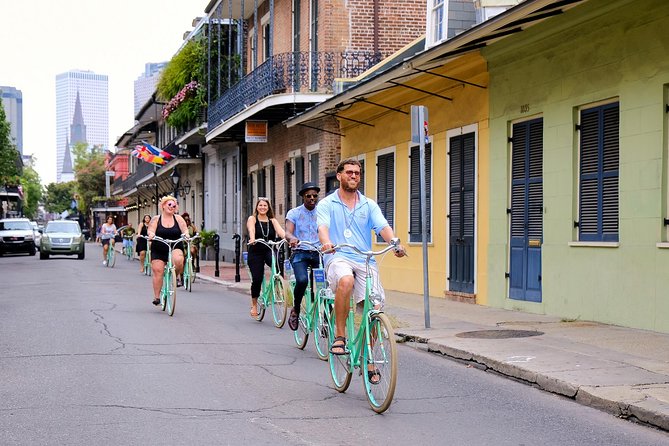
Faubourg Marigny is one of those names that sounds like it belongs in a history book—until you’re riding through it. Here, you spend about 30 minutes, which is long enough for the guide to connect the neighborhood’s character to the people who shaped it.
You learn that Marigny is the oldest faubourg in the city. That’s a big deal in a place where neighborhood identity is a major part of the story. You also get conversation that’s useful for the rest of your trip: recommendations for music clubs in New Orleans and how to think about the cultural treasures Marigny conveys.
What makes this stop work for me is the mix of context and practical payoff. You’re not just memorizing dates—you’re getting a sense of why the neighborhood feels the way it does, and that helps you enjoy it later even if you only pass through on foot.
Bywater District and the 9th Ward: Voodoo Culture Without the Sideshow Feel
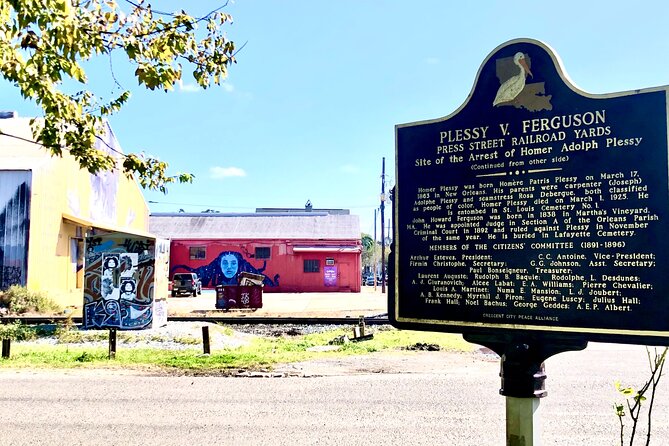
Next up is Bywater, riding through the 9th Ward. The tone here shifts slightly toward contemporary neighborhood energy, with the guide connecting it back to cultural roots.
You’ll spend about 30 minutes in this area, and the key theme is VooDoo culture. Instead of treating it like a random spooky add-on, the tour frames it as part of the city’s broader multicultural origins and how Creole identity evolved over time.
This is where the bike format pays off. You’re moving at a pace that feels natural for looking around, hearing stories, and still covering ground. And because you’re not stuck in a bus loop, you can actually read the neighborhood—not just scan it.
Heat reality check: New Orleans in the morning can be pleasant, but the day still builds heat. The format includes stops, and you’ll likely feel grateful for breaks when the sun starts pushing.
St. Roch Cemetery and Campo Santo: Above-Ground Tombs That Make Sense
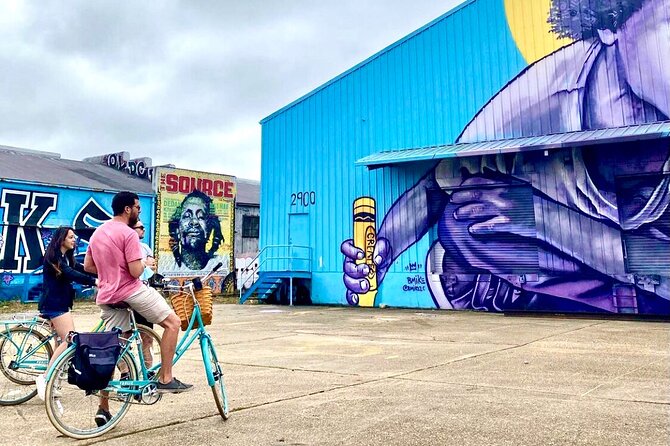
If you only take one “story stop” on this tour, make it St. Roch and the Campo Santo. This is the part that turns a ride into an experience you’ll remember weeks later.
You get about 20 minutes here, and the focus is clear: the history behind burial practices and how the cemetery’s above-ground tombs fit the local story. This is the kind of explanation that helps you look at what you’re seeing and understand why it looks the way it does.
From what I’ve learned through people who’ve taken this tour, the guide’s approach is the standout. They’re not just pointing out features; they connect the structures to the reasoning behind them and keep the tone engaging. One name you’ll hear a lot is Eric—a New Orleans native known for history told in a human voice and guided through the city safely.
Even if you’re not a cemetery person, you’ll probably be glad you came. It gives New Orleans a dimension most visitors never slow down for: death, memory, and community design—written in stone.

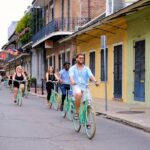
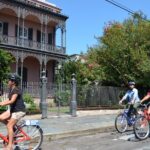


Treme: One of the First Free Black Neighborhoods in the U.S.
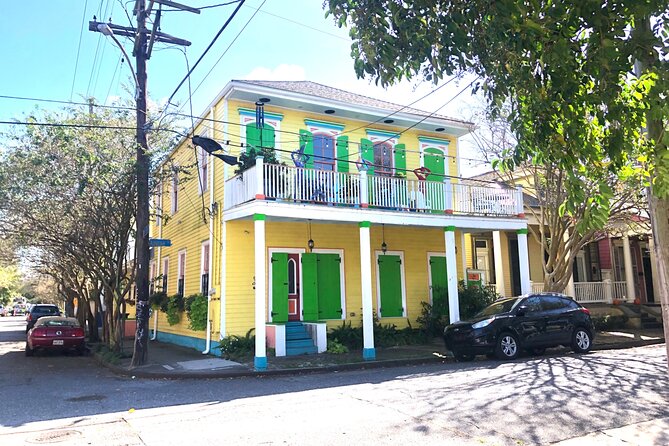
After the cemetery, you head to Treme, spending about 20 minutes. This stop carries real historical weight: it’s described as the first free black neighborhood in the United States.
Why this matters in a bike tour format: Treme is not just a marker on a map. You get to experience how a neighborhood looks and feels now, while the guide anchors it to the long arc of the community. It helps you understand that New Orleans isn’t only about a single era or a single culture—it’s a layered city built by many waves of people.
If you like history that stays connected to place, Treme is one of the best ways to get it on a schedule that doesn’t eat your whole day.
Price and Value: What $55 Buys You (and Why It Feels Fair)
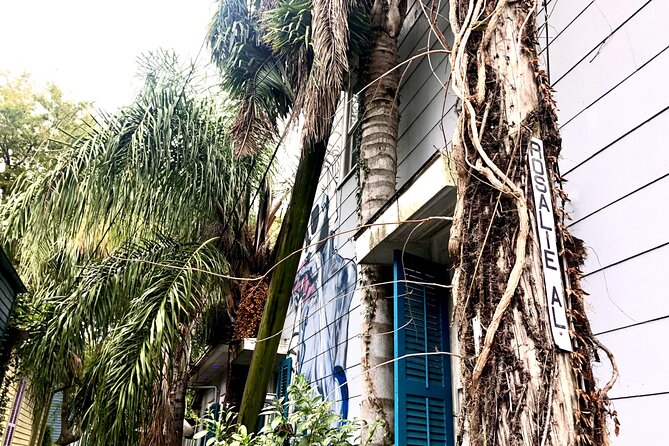
The tour is priced at $55 per person and runs about 3 hours. For that, you get a professional guide, a rental bike, a helmet, and bottled water.
Is it a bargain? Not exactly the cheapest thing in town—but it’s good value for what’s included. You’re paying for:
- bike equipment (so you don’t spend time renting or figuring sizing)
- a guide who connects neighborhoods to culture and local lore
- a route that takes you beyond the French Quarter
Also, the small-group limit—10 people max—keeps you from feeling like you’re riding in a crowded pack. That’s a quality-of-experience factor you can’t ignore in a city where sidewalks and traffic can be intense.
Ride Difficulty, Weather, and What to Wear
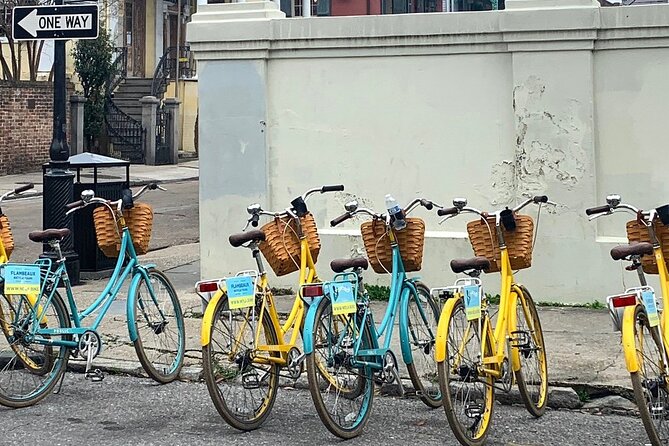
This is a physical fitness kind of tour. The requirement is a “strong physical fitness level,” and the tour also has a minimum participant age of 13 and a height requirement of over 4’11”.
Wear rules are strict for safety. You’ll want close-toed shoes. The guidance says sandals with heel straps can be acceptable, but no flip-flops. That’s not just picky policy—flip-flops slip, and pedals plus heat plus city streets is not the time to test your footwear.
Timing tip: start the tour early in your visit if you can. One practical reason is simple—you’ll see areas you can revisit later with a better mental map.
And bring sun protection. Even with shade breaks, you’re in open air for hours in New Orleans. Sunscreen is smart, and so is water awareness (bottled water is included, but you’ll still want to pace yourself).
Who This Tour Fits Best
This tour is ideal if you want:
- more than French Quarter highlight photos
- a guide who can explain why places look and feel the way they do
- an active morning that still includes meaningful stops
It’s also a strong choice for solo travelers and couples who want a guide-led experience with personal attention. With a maximum of 10 people, it tends to feel more like you’re getting a local neighborhood education than joining a mass activity.
If you hate bikes, or if steady riding for 3 hours sounds miserable, you might want to skip it. But if you can comfortably pedal and follow safety directions, this is one of the better ways to understand the city without turning your trip into a car or taxi loop.
Should You Book the New Orleans Heart of the City Bicycle Tour?
Yes, I’d book it—especially if you want New Orleans with context. The tour’s biggest strength is the way it connects neighborhoods to culture: French Quarter origins, Creole evolution, and the deeper landmarks like St. Roch Cemetery and Treme. The fact that it’s small-group and includes bike + helmet + water makes it feel like a solid deal.
Book it if:
- you want a route beyond the obvious sites
- you like story-driven walking tours, but want them on two wheels
- you’re okay riding for about 3 hours with breaks
Skip or be cautious if:
- you’re not comfortable with moderate physical effort
- you need lots of frequent long rests (this is still a ride, not a full stop-and-go crawl)
If you time it right and dress for the heat, you’ll leave with a clearer sense of New Orleans than you’d get from postcards alone.
FAQ
How long is the New Orleans Heart of the City Bicycle Tour?
It lasts about 3 hours (approx.).
Where does the tour start, and where does it end?
It starts at 626 N Rampart St, New Orleans, LA 70116 and ends back at the meeting point.
What does the tour cost, and what’s included?
The price is $55.00 per person. It includes a professional guide, use of a bicycle and helmet, and bottled water.
Do I need to bring my own bike or helmet?
No. The tour includes rental bike use and a helmet.
What are the minimum age and height requirements?
The minimum age is 13 years, and participants must be over 4’11”.
Is the tour suitable for beginners?
The tour requires a strong physical fitness level, and the riding time is long enough that you should feel comfortable pedaling and following safety directions.
What should I wear?
Wear close-toed shoes. Flip-flops are not allowed. Sandals with a heel strap are listed as an acceptable alternative. Dress according to the weather.