REVIEW · NEW ORLEANS
New Orleans: Garden District and French Quarter Bike Tour
Book on GetYourGuide →Operated by Buzz Nola Bike Tours and Rentals · Bookable on GetYourGuide
Two wheels make New Orleans click fast. This French Quarter and Garden District bike tour strings together the Mississippi River at Jackson Square, the historic heart of the city, and the elegant blocks of the Garden District, with a guide adding context as you ride. I like the small-group feel, and the fact that stops are built for learning, not just cruising.
I also love the mostly easy-going ride—comfortable bikes and an ambling pace help you cover real ground without turning the morning into a fitness test. The route is generally flat, with only a small hill near the beginning, though comfortable bikes won’t erase one consideration: you’ll share the road at times, so if traffic makes you anxious, go into it with extra patience and listen closely to the guide’s safety cues.
In This Review
- Key Points That Matter Before You Pedal
- Entering The Tour: Jackson Square Meets the Bike Lane
- French Quarter Mode: Landmark Stops Without the Walking Grind
- A practical note about riding in the Quarter
- Garden District Stories: Mansions, Civil War Eras, and Southern Life
- Filming locations that make the streets feel familiar
- The riding itself stays approachable
- Above-Ground Cemeteries: How New Orleans Keeps Memory Visible
- The Bikes, the Pace, and the Value of $50
- Small group comfort is part of the deal
- What’s not included
- Weather, Rules, and Who Should Skip This Tour
- Who this fits best
- What the Guides Make Better (Chip, Betsy, Jeff, and Milan)
- Should You Book This New Orleans Bike Tour?
- FAQ
- How long is the bike tour?
- How much does the New Orleans Garden District and French Quarter Bike Tour cost?
- Where does the tour start?
- Is the tour available in the rain?
- What’s included with the tour?
- Is food included?
- How big is the group?
- Is this tour suitable for children?
- What are the restrictions during the tour?
- What is the cancellation policy?
Key Points That Matter Before You Pedal

- Starts at Jackson Square by the Mississippi River for an instant sense of place
- French Quarter + Garden District in one outing saves you from hopping between neighborhoods on your own
- Stops at landmarks and filming locations so you see the city beyond the obvious postcard sights
- Garden District mansions built in the 1800s with clear storytelling about the eras around the Civil War
- One of the city’s above-ground cemeteries explains how New Orleans keeps memory in public view
Entering The Tour: Jackson Square Meets the Bike Lane
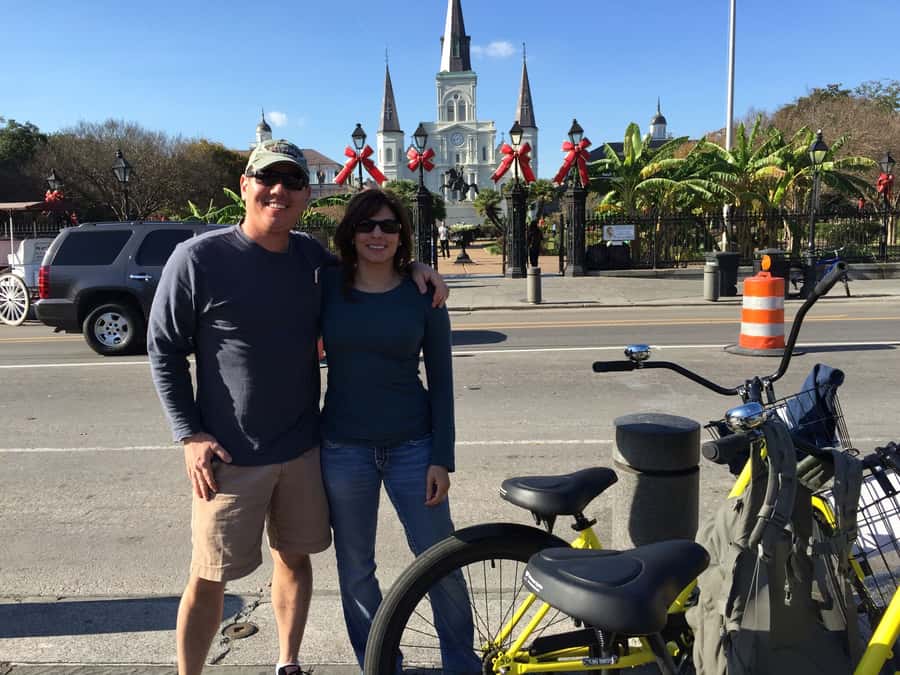
The tour kicks off at the Mississippi River, looking toward Jackson Square. That first stretch matters because it sets the tone: you’re not just arriving to New Orleans, you’re orienting yourself. From there, the route begins to connect key areas that are close on a map, but feel far apart on foot.
You’ll ride a loop that threads through the French Quarter and then carries you into the Garden District. The pace is built for sightseeing—regular stops, clear directions, and a route that lets you actually absorb what you’re passing. With a group capped at 10 people, it feels controlled, not chaotic.
Most riders find the effort manageable. One of the best details from the experience is that you don’t need to be a road cyclist. People who worry about being able to keep up usually relax after the first few minutes, especially once the guide sets a comfortable rhythm.
You can also read our reviews of more tours and experiences in New Orleans.


French Quarter Mode: Landmark Stops Without the Walking Grind
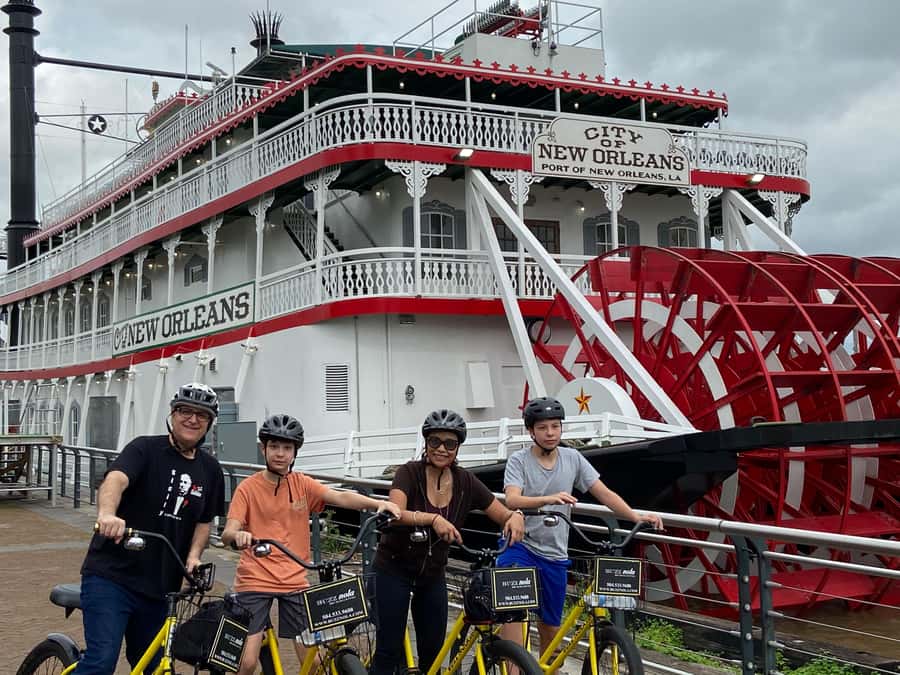
Once you enter the French Quarter portion, the bike format turns the neighborhood into something you can cover without rushing. You glide along streets that would eat your time on foot, and you get frequent chances to pause outside major landmarks.
What I like here is the balance between movement and meaning. You’re not stuck in one spot for ages. You roll through the historic core, then stop long enough to understand what you’re seeing—street-level history, how the area grew, and how life in New Orleans shaped the look of the city.
You can also think of this part as your photo-and-first-impression segment. The guide points out sights and filming-related locations in a way that helps you recognize them later, even if you’re not a movie buff. If you’re visiting for the first time, this is the moment when the city starts feeling real.
A practical note about riding in the Quarter
New Orleans traffic and intersections can be intense. Even if the actual riding is not a hard workout, you’re still navigating real streets. The guides I’ve seen in this space tend to keep safety front and center, and they warn you when the route feels different—like the small early hill and where you might need to slow down.
If you’re prone to stress while riding near cars, plan to focus on the guide’s signals and ride smoothly, not aggressively.
Garden District Stories: Mansions, Civil War Eras, and Southern Life
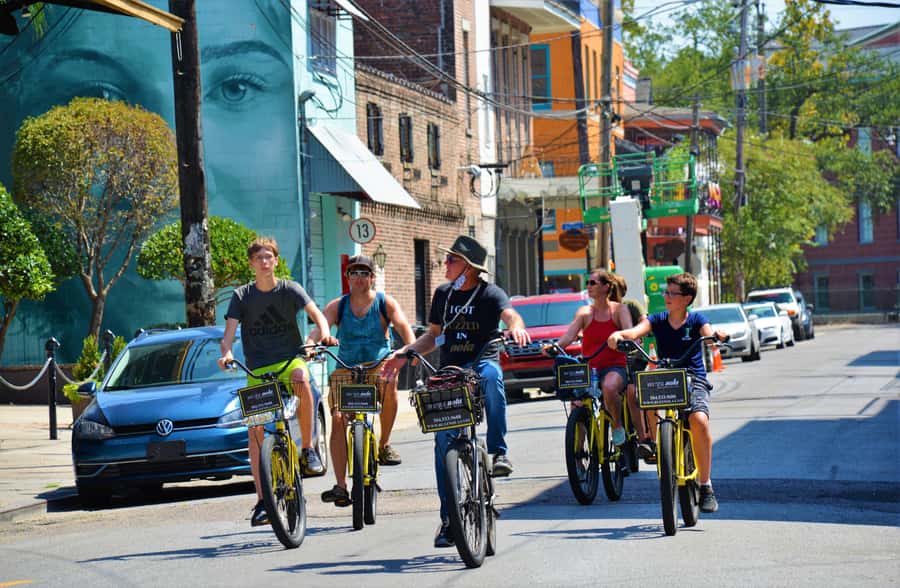
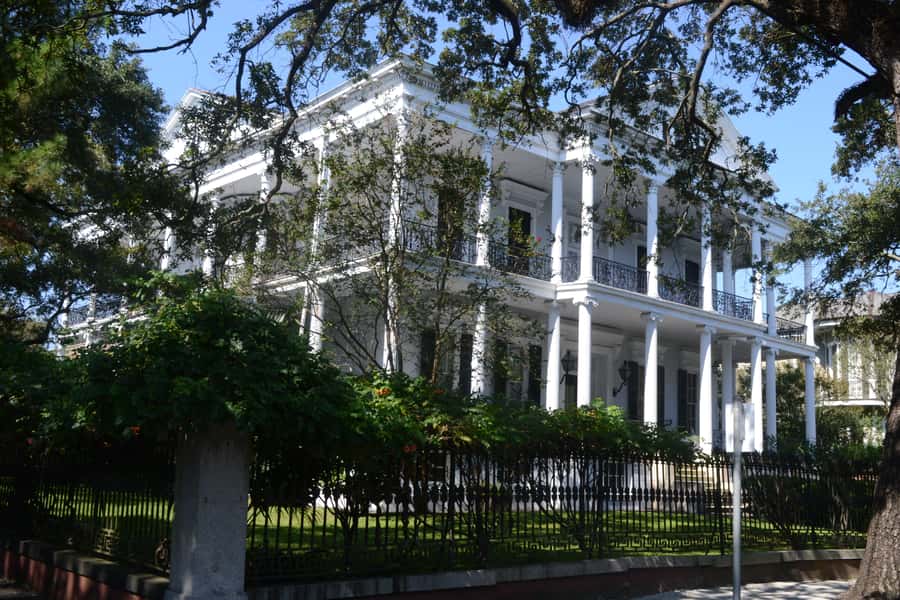
Then the tour transitions into the Garden District, and that’s where the whole experience clicks for history-minded riders. The Garden District doesn’t just look “pretty.” It’s organized around real changes in social life before and after the Civil War, and your guide ties the neighborhood to those eras in plain language.
You’ll pass opulent mansions built in the 1800s, and the guide frames why these houses exist where they do. The homes feel like snapshots of power and wealth, but the storytelling connects them to the bigger shifts happening around them—how people lived, what communities valued, and how the city’s culture evolved.
You’ll also hear about Southern life throughout those periods. It’s not delivered like a lecture. It’s more like the guide turns the street into a timeline, so you start seeing patterns instead of random architecture.
Filming locations that make the streets feel familiar
One of the quietly fun parts is the mention of filming locations throughout the Garden District. Even if you can’t place the exact production, you’ll likely recognize the vibe when you’re standing there. It makes the neighborhood feel less like a museum and more like a living set.




The riding itself stays approachable
A recurring plus across guides is pace control. People mention that you don’t have to be a world-class cyclist to do this. The bikes are comfortable, and the route stays mostly flat with that small early hill mentioned by riders. The overall effect is that you finish feeling like you saw a lot, not like you survived a brutal workout.
Above-Ground Cemeteries: How New Orleans Keeps Memory Visible
One stop that adds real emotional texture is a visit to an above-ground cemetery. This is where the tour becomes more than sightseeing, because you’re learning how New Orleans commemorates loved ones.
In a place like this, the cemetery isn’t hidden in the background. It’s part of how the city talks about death, family, and remembrance. The guide explains cultural traditions around burial and memorials, and that context gives the statuary and tomb structures meaning beyond their visual impact.
This section works especially well on a bike tour because you can arrive without soaking up time. On foot, you might spend too long just walking between sights. On the bike, you can get to the cemetery, absorb the explanation, and keep moving when your mind is still engaged.
The Bikes, the Pace, and the Value of $50
Let’s talk practical value, because at $50 per person you want to know what you’re really buying. You’re paying for three things: a planned route through the neighborhoods, a live guide in English, and the logistics that keep you from getting stuck figuring out where to go next.
What’s included helps too. You get a comfortable bike, an optional helmet, and bottled water. That’s not a small detail in New Orleans heat. It’s one less thing to carry, and it keeps you focused on the experience.
This is a 3-hour tour, and you’ll cover real ground—some riders describe it as about 8 miles. That distance is where biking becomes a smart choice. It’s long enough to feel substantial, but short enough that you’re still fresh for walking after.
Small group comfort is part of the deal
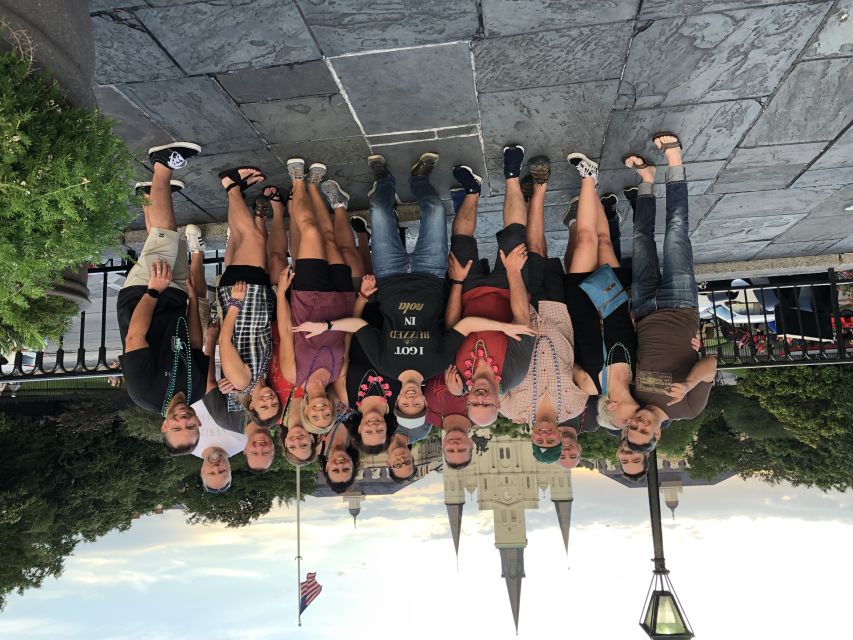
With 10 participants max, it’s easier for the guide to manage turns, regrouping, and safety. You get more responsive attention than you would on bigger tours, and stops feel more human. The ride also benefits from fewer interruptions, so the storytelling stays connected.
What’s not included
There’s no food included. That means you should plan to eat before you start or schedule a meal right after. If you’re the type who gets cranky when hungry, treat this as a must-do.
Weather, Rules, and Who Should Skip This Tour
This tour runs rain or shine, unless severe weather shows up at tour time. New Orleans can change fast, so have a simple plan: bring a light layer you don’t mind getting damp, and keep an eye on the sky.
There are also rules that shape the experience. Intoxication, alcohol, and drugs are not allowed, and that matters because it keeps the ride safer and the guide’s job easier. You can focus on the neighborhoods instead of dealing with unpredictable behavior.
It’s not suitable if you:
- Can’t ride a bike
- Are under 12 years old
- Are over 300 lbs (136 kg)
If you meet those requirements, you’re likely to enjoy it.
Who this fits best
You’ll probably love this tour if you:
- Want a first-day orientation to the French Quarter and Garden District
- Like history told through real streets and buildings
- Prefer a guided pace over DIY wandering
- Want something more efficient than walking but not as intense as a full cycling workout
If you hate traffic and street navigation, you might still enjoy it—but go in with caution and a calm mindset. The route is designed for sightseeing, yet it’s still real roads.
What the Guides Make Better (Chip, Betsy, Jeff, and Milan)
The guide quality is a major reason this tour earns top marks. You’ll see names like Chip, Betsy, Jeff, Jeffrey, and Milan pop up in people’s experiences. Across those guides, the common thread is story delivery plus safety focus.
Riders often highlight that the guides:
- Keep the ride organized and paced
- Stop often enough for explanations and photo breaks
- Stay attentive about safety throughout
- Use humor and variety to keep history from feeling stiff
- Adjust to the group and make time for what you care about
One practical tip that shows up in rider feedback: if you feel nervous about traffic, paying close attention early helps a lot. Once you’re moving with the group and the guide sets expectations, it usually feels less scary than it looks from the start.
Should You Book This New Orleans Bike Tour?
I think this tour is a solid choice if you want a high-value, guided way to see two of New Orleans’s most iconic areas without turning your day into a map-reading exercise. The price makes sense because you’re getting a structured route, a live English guide, and bike logistics handled for you, plus bottled water and the option of a helmet.
I’d say skip it only if biking on city streets makes you miserable, or if you’re not comfortable riding at all. Also plan around the fact that food isn’t included, and build in time to eat after your ride.
If you’re ready to trade some walking for a smoother way to cover the French Quarter and Garden District, book it and let the guide do the heavy lifting. You’ll come away with a clearer picture of how the neighborhoods connect—and why they look the way they do.
FAQ
How long is the bike tour?
The tour runs for 3 hours.
How much does the New Orleans Garden District and French Quarter Bike Tour cost?
It’s $50 per person.
Where does the tour start?
You start at the Mississippi River overlooking Jackson Square.
Is the tour available in the rain?
Yes. The tour runs rain or shine, unless there is severe weather at the time of the tour.
What’s included with the tour?
You get a comfortable bike, an optional helmet, and bottled water.
Is food included?
No, food is not included.
How big is the group?
It’s a small group limited to 10 participants.
Is this tour suitable for children?
No. It is not suitable for children under 12 years old.
What are the restrictions during the tour?
Intoxication, alcohol, and drugs are not allowed.
What is the cancellation policy?
You can cancel up to 24 hours in advance for a full refund.