REVIEW · NEW ORLEANS
The Original ‘Creole and Crescent’ Bike Tour
Book on Viator →Operated by FreeWheelin Bike Tours · Bookable on Viator
New Orleans looks different at 12–15 mph. This tour threads through the French Quarter, the “Avenue of the Creoles,” City Park, and the lived-in neighborhoods of Treme, ending where jazz history starts moving. It’s priced at $55 for a guided ride that feels built for people who want context, not just photos.
I like that you get a real plan with real stops, not a random “ride and hope.” The route includes major landmarks like Congo Square and a quick, respectful stop at St. Louis Cemetery No. 3, plus quieter settings like Ursuline Avenue and Bayou St. John. And the guides keep you moving safely while telling stories you can actually use to understand what you’re seeing.
One thing to consider: it’s a bike tour with a moderate fitness expectation and you must already be comfortable riding a bike. If you’re wobbling in traffic or planning to walk the whole time, this may not be the best match.
In This Review
- Key Takeaways Before You Pedal Off
- Why This Tour Feels Different From a Usual French Quarter Walk
- Meeting at 317 Burgundy St: Quick Start, Easy Orientation
- Stop 1: French Quarter Beginnings Without the Confusion
- Stop 2: Esplanade Avenue and the Avenue of the Creoles
- A Brief Pop Into Frenchmen Street
- City Park: Live Oaks, Duels, and a Change of Pace
- Bayou St. John: Along the Water and Into a Real Neighborhood Feel
- Treme: Going Deeper Than the Usual Highlights
- St. Louis Cemetery No. 3: A Quick, Respectful Stop
- Congo Square: Where the Ride Feels Like It Lands
- How Safe and Comfortable Is It, Really?
- The Value Equation: What You Get for $55
- Who This Tour Is Best For (and Who Should Skip It)
- Quick Guide: How to Get the Most Out of Your Ride
- Should You Book This Creole and Crescent Bike Tour?
- FAQ
- How long is the Creole and Crescent bike tour?
- How much does the tour cost?
- Where do I meet, and where does the tour end?
- What’s included in the price?
- Is the tour suitable for beginners or people who can’t ride a bike?
- How many people are in each tour group?
- What happens if weather is poor?
Key Takeaways Before You Pedal Off
- Local-first route: You don’t just coast around the French Quarter; you roll into Bayou St. John and Treme.
- City Park in motion: Live oak shade and big-story moments, with a break that feels like more than a photo stop.
- Smart history stops: A brief cemetery stop (photo + stories) and Congo Square as the ride’s payoff.
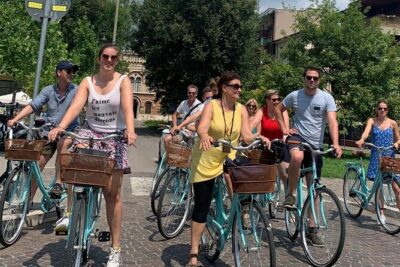
- Small group energy: Up to 12 riders, which helps the guide keep an eye on traffic spacing.
- What’s included is practical: Helmet, handlebar bag, bell, bottled water, and ponchos if weather turns.
- Guides matter: Names like Teddy and Laura show up in the best kind of reviews—fun, safe, and with enough humor to keep the ride light.
Why This Tour Feels Different From a Usual French Quarter Walk
This is a guided bike tour that treats New Orleans like a connected map, not a list of scattered attractions. You start in the French Quarter and steadily work your way into areas that many visitors only see from a car window—or skip entirely. That shift is the whole point: you leave with a better mental picture of how the city is laid out and how different cultures shaped it.
It also has the feel of an established company, not a last-minute side project. FreeWheelin’ has been operating since 2011, has 3,000+ five-star reviews across platforms, and keeps the tour structure consistent. For you, that translates into fewer surprises and a ride that runs on time because it has a system.
Price-wise, $55 for a 2–3 hour guided bike experience is a solid deal if you want storytelling plus logistics handled. You’re paying for a local guide, bike use, and the stuff that makes the ride comfortable—water, helmet gear, and ponchos—so you’re not scrambling mid-tour.
You can also read our reviews of more tours and experiences in New Orleans.

Meeting at 317 Burgundy St: Quick Start, Easy Orientation
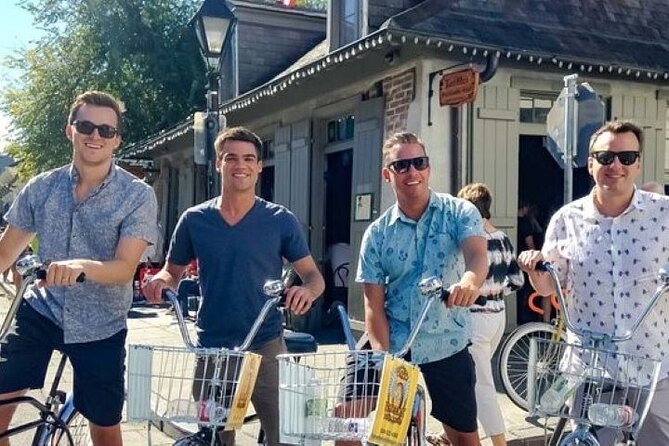
You meet at the FreeWheelin’ shop in the French Quarter at 317 Burgundy St. That location matters because it gets you on the road right away, before the day turns into a chaotic rush of wandering and waiting.
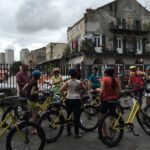
Once you check in, you’ll get the bike and the basic safety setup: helmet, handlebar bag, and a bell. You’ll also have bottled water on hand and ponchos available if weather changes. The tour runs on a mobile ticket, so there’s less friction once you arrive.
As a practical matter, show up ready to ride. If you’re the type who needs frequent stops to regroup, this may feel tight, since the tour is designed to keep a steady rhythm.
Stop 1: French Quarter Beginnings Without the Confusion
The tour starts in the French Quarter and sets the tone fast. You’re not just looking at street corners—you’re learning how the city’s earliest layout still echoes in what you’ll see later.
It’s a smart opening because the French Quarter is dense. Starting there means you get your bearings before you move into longer, more scenic stretches. You also get the guide’s voice early, so the stories feel like they’re building instead of arriving at random.
Stop 2: Esplanade Avenue and the Avenue of the Creoles
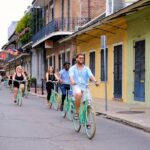
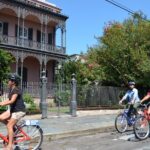
From the French Quarter, you ride down Esplanade Avenue, described as the Avenue of the Creoles and connected to old wealth and influence. You’ll cover a 4+ mile stretch toward City Park, with mansion-sized landmarks along the way and stories about the people behind them.
This part is valuable because you’ll often hear New Orleans history in broad strokes. Here, the guide helps you connect names, power, and the city’s cultural shape to what you can actually see from the bike lane. It’s also a nice pacing change: instead of squeezing into crowded sidewalks, you move through the open flow of the route.
Then you stop at Gayerre Place to see the decorative monument Peace, the Genius of History. Even if you’re not the type to stop for monuments, this is an easy win: a quick landmark moment that gives the city’s stories a physical anchor.
A Brief Pop Into Frenchmen Street
You make a short stop on Frenchmen Street, where the local live music scene lives. This is intentionally brief, which is good—you get the vibe without losing time.
If you’re a music fan, you’ll likely appreciate this quick taste because it helps you understand why the city feels musical even in daylight hours. And if you’re not, you still benefit because you see how the city’s energy shifts as you pedal through different blocks.
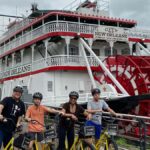
City Park: Live Oaks, Duels, and a Change of Pace
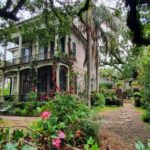
City Park is where the tour grows more atmospheric. You ride through a thousand-year Live Oak tree grove, and you stop to hear stories tied to duels and tragedy in that setting.
That mix works well. The live oaks do the visual job—shade, scale, and calm. The stories then add meaning, so it doesn’t feel like you’re just riding through a pretty park while doing mental math about shade and timing.
Then you leave the park and cross Bayou St. John via Magnolia Bridge before heading toward Treme. The bridge moment is important because it cues you that the tour is moving from postcard New Orleans to more everyday New Orleans.
Bayou St. John: Along the Water and Into a Real Neighborhood Feel
You cross Bayou St. John again by riding along the bayou for a while and then turning into the Bayou St. John neighborhood. You’ll stop on Ursuline Avenue, known for its live oak-lined streets, for another history lesson in a setting that feels calmer and more grounded.
This is one of those segments where biking is a hidden advantage. You can’t easily recreate this perspective on foot without doing a long detour. By bike, you get that “slow roll” feeling: enough time to look around, but still moving like you’re on a guided mission.
The only drawback here is also the simplest: if it’s hot or rainy, this part can feel long in the middle. That’s what the included water and optional ponchos are for—use them, don’t tough it out.
Treme: Going Deeper Than the Usual Highlights
Treme is where the tour earns its Creole and Crescent promise by going beyond the most famous routes. Unlike many tours that hover around the edges, this one takes you deeper into the neighborhood.
You’ll hear that Treme is a lived neighborhood, not a set. The guide brings a local network feel—friends in the area, greetings as you roll into places like Armstrong Park & Congo Square. That matters because Treme is often simplified by pop culture. Here, you get a more accurate sense of the community rhythm.
This is also a perfect place to pay attention to how people are interacting with each other and with the street. The tour’s pacing helps: you’re not sprinting through blocks; you’re letting the neighborhood register.
St. Louis Cemetery No. 3: A Quick, Respectful Stop
You stop at St. Louis Cemetery No. 3 to hear about the burial process of the deceased New Orleanians. The key detail: this is not a full cemetery tour. It’s a brief stop for stories, a photo opportunity, and a short stroll among the tombs.
That approach is practical for a bike tour because you don’t have hours to park yourself. You get the essentials, enough to make what you see later make sense. It’s also safer for your group time, which keeps the ride smooth.
One consideration: if you prefer a deeper, slower dive into cemetery history, this may feel short. But as part of a multi-neighborhood ride, it hits the sweet spot for most people.
Congo Square: Where the Ride Feels Like It Lands
Congo Square is the ride’s final connection point. You’ll stop there as the birthplace of jazz music and the origins of Jazz Fest. It’s a strong ending because it ties the tour’s whole story into one place with cultural weight.
You also ride through Louis Armstrong Park near the end. The park ride is described as peaceful, with fountain-filled ponds and tree-lined paths. Then you return to Congo Square as the final destination.
If you’re thinking about what to remember, remember this: the tour doesn’t just show you sights—it gives you a thread. You go from street-level New Orleans to a broader cultural origin story, all while you’re moving through the city’s neighborhoods.
How Safe and Comfortable Is It, Really?
This is designed for people with moderate physical fitness, and it’s not for anyone who can’t ride a bike. You should be comfortable handling a bike in a city environment. Helmets are provided, and the guides keep safety in mind while moving the group.
The group size is capped at 12 travelers. That’s a big deal because smaller groups are easier for a guide to manage, especially when you’re splitting attention between traffic, pedestrians, and the stories you came for.
Weather matters too. The experience requires good weather, and ponchos are available for rainy conditions. So dress for the day you’re actually in, not the day you’re hoping for.
The Value Equation: What You Get for $55
At $55 per person, you’re paying for a guided route that hits both famous and less-touristed areas. Many paid experiences only cover the French Quarter loop. This one keeps going—Esplanade, City Park, Bayou St. John, Treme, and Congo Square—so your time in New Orleans feels more efficient.
What’s included adds real value. You don’t just borrow a bike. You get bottled water, helmet gear, a handlebar bag and bell, and ponchos. That cuts down on what you’d otherwise need to buy or carry yourself.
Also, the tour runs about 2 to 3 hours. That’s an ideal length for day trips: long enough to see multiple neighborhoods, but short enough that you’ll still have energy for dinner and wandering afterward.
Who This Tour Is Best For (and Who Should Skip It)
This tour is a great fit if you want:
- a guided way to cover more ground than walking
- neighborhoods outside the usual visitor circuit
- a mix of landmarks and street-level context
It may be less ideal if:
- you’re not a confident bike rider
- you’re hoping for a super long, stop-everywhere sightseeing day
- you want a cemetery experience that’s fully in-depth, since stops are brief during a ride
It also works well across age ranges, since the tour structure supports different comfort levels. The best experiences tend to come from people who are ready to ride steadily and listen while moving.
Quick Guide: How to Get the Most Out of Your Ride
- Wear closed-toe shoes and keep your hands free for the bell and brakes.
- Bring sun protection if the day is bright, even if ponchos are provided.
- Listen for the guide’s small details about what you’re seeing right then—those are the stories that make the city click later.
- If you’re traveling with family, use the short stops as checkpoints. The tour is paced so you’re not constantly waiting at one spot.
Should You Book This Creole and Crescent Bike Tour?
Yes, if you want the fastest way to understand New Orleans beyond the postcard lane. This is a well-tuned 2–3 hour ride that mixes iconic stops with real neighborhood context, and it does it with small group management and practical inclusions.
Book it especially if you like guided stories that connect culture to place. If you’re only looking for the French Quarter highlights and you’re not comfortable on a bike, you might prefer a walking tour instead.
If you do book, choose the day with the best weather you can. On a good weather day, this tour is a fun, efficient, and genuinely city-shaping way to spend a chunk of time in New Orleans.
FAQ
How long is the Creole and Crescent bike tour?
It runs about 2 to 3 hours.
How much does the tour cost?
The price is $55.00 per person.
Where do I meet, and where does the tour end?
You meet at FreeWheelin’ Bike Tours & Rentals, 317 Burgundy St, New Orleans, LA 70112, and the tour ends back at the meeting point.
What’s included in the price?
You get use of a bicycle, bottled water, a helmet, handlebar bag, and bell, plus complementary ponchos for rainy weather.
Is the tour suitable for beginners or people who can’t ride a bike?
It’s not recommended for individuals who cannot ride a bike.
How many people are in each tour group?
The maximum group size is 12 travelers.
What happens if weather is poor?
The experience requires good weather. If it’s canceled due to poor weather, you’ll be offered a different date or a full refund.