REVIEW · ROME
Private Sacred Relics Jubilee Bike Tour
Book on Viator →Operated by Fat Tire Tours Holdings LLC - Italy · Bookable on Viator
Rome on a bike beats Rome on foot.
This private tour is a smart mix of pizza education and quick sightseeing, so you cover big-ticket places without spending your whole day stuck in slow lines. I especially like the hands-on way you taste pizza in stages, then compare styles across Italy, from Naples doughy edges to Rome’s crisp scrocchiarella. I also like that the route builds in time at major icons like the Pantheon and Trevi Fountain while you keep moving by bike. One possible drawback: it’s still real Rome terrain, with cobbles in places, so you’ll want a basic comfort level on a bike and good walking shoes.
You’ll get a bike, helmet, and guide, and you can set your pace because it’s private. Some groups even come away talking about guides like Bob, Alessandra, Chiara, Barbara, or Marco for mixing food facts with local context and quick neighborhood recommendations. The other consideration is simply appetite: this tour is built to feed you a lot, so start thinking about what you’re going to eat later in your trip.
In This Review
- Key things I’d bank on before you book
- How the route blends relics, fountains, and pizza
- The start near Piazza Venezia: your first slice and the big Rome moments
- Cycling to the Pantheon: quick time in a huge landmark
- Trevi Fountain: the coin toss, plus a “stay moving” mindset
- The pizza classroom portion: from ingredients to crust-first tasting
- Monti neighborhood detour: where gelato and small streets steal the show
- San Pietro in Vincoli: a church stop that isn’t just a photo pause
- Colosseum area riding: seeing the battleground without turning it into a full-day project
- What’s included (and what you’ll need to bring mentally)
- Comfort on cobblestones: who should feel good, who should think twice
- Timing and appetite: how the food pace actually plays out
- Price check: is $211.19 a fair deal for 3 hours in Rome?
- Should you book this private Sacred Relics Jubilee Bike Tour?
- FAQ
- FAQ
- How long is the bike tour?
- What’s included in the price?
- Where does the tour start and end?
- Do I need to pay for attractions during the tour?
- Is the tour private?
- What if it rains?
- Can I get a full refund if I cancel?
Key things I’d bank on before you book
- Private pace: only your group, so pauses and photo breaks feel natural instead of rushed
- Pizza in stages: you taste crust, toppings, and finished styles, then connect the dots across regions
- Bike coverage: Pantheon, Trevi, Colosseum area, and more, without the “one attraction at a time” grind
- Monti neighborhood time: you get off the main drag and sample pizza and gelato where locals actually wander
- Food stops with variety: pizza by the slice, pizza alla pala (baked on flint rock), mozzarella and cold cuts, chinotto, and gelato
- Helmet + bike bag included: no extra rental headache, and e-bike upgrades are available if you want them
How the route blends relics, fountains, and pizza
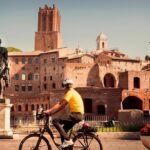
This tour is designed like a Rome best-of album, but with wheels and snack stops. You start near Piazza Venezia, one of the city’s central “this is Rome” squares, then bike through the core sights in a way that keeps momentum. Along the way, the guide ties your food tastings to the bigger story of Italian regional culture—especially how pizza thinking shifts depending on where you are.
The value here is not just that you’ll see the Pantheon, Trevi Fountain, and the Colosseum area. It’s that you’ll understand the “why” behind what you’re eating while you’re seeing the city that shaped pilgrim food culture for centuries. That’s what makes a pizza tour feel more than a snack crawl.
You can also read our reviews of more tours and experiences in Rome.


The start near Piazza Venezia: your first slice and the big Rome moments
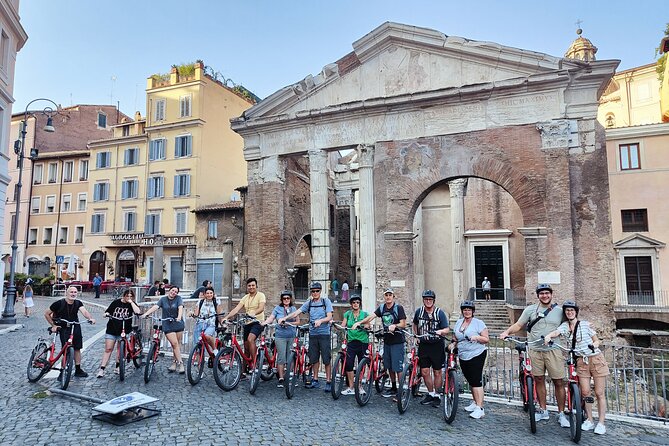
You meet at Via dei Delfini 35, then get oriented and roll out from one of Rome’s most important squares. Piazza Venezia matters because it’s a launchpad—wide-open views, constant foot traffic, and the kind of central location that makes it easy to connect your day to everything else in Rome.
From there, the food rhythm kicks in fast. Your first tasting is pizza al taglio at a century-old, family-run bakery—pizza sold by the slice. It’s a great opening because it’s casual, familiar, and easy to compare with what comes next. If you tend to judge pizza by the finished pie alone, this tour nudges you to taste the building blocks instead.
Then you start moving into the icon loop, and the guide keeps explaining as you go. Expect a “Rome, explain it to me” style of commentary—pizza origins (Naples is a key starting point), what makes Neapolitan pizza feel different, and what Rome’s style tends to do with crust and crispness.
Cycling to the Pantheon: quick time in a huge landmark
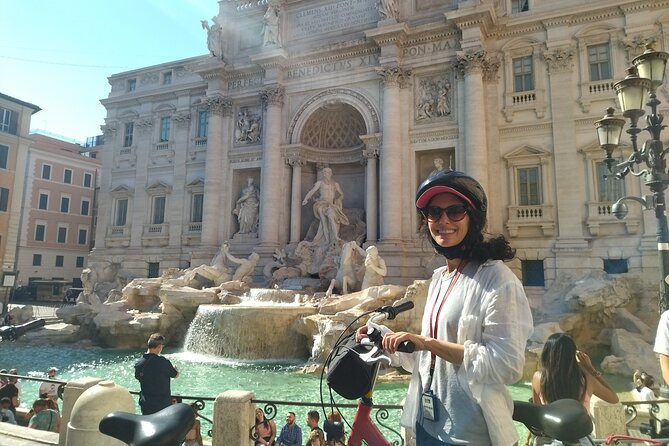
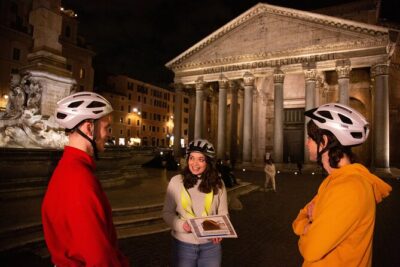
One of the practical wins is how the tour handles the Pantheon. You cycle up to it for a stop that’s long enough to see it clearly, but not so long that you lose your appetite rhythm. The tour info lists the Pantheon as a stop with no included admission ticket, so you’re mainly there to observe and absorb, not to treat it like a full museum outing.
Even if you’ve seen photos of the Pantheon a hundred times, being there in person is different. The architecture gives you instant context for why Rome feels like a city of layers—old design still shaping how people move today. And since your guide is already in “history and food” mode, it’s easy to connect the dots between ancient habits, civic life, and modern Italian food culture.
Trevi Fountain: the coin toss, plus a “stay moving” mindset
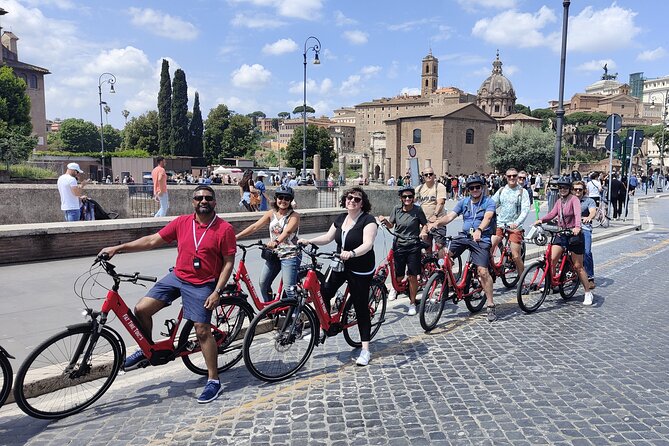
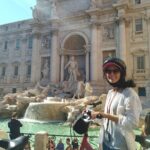
Trevi Fountain is one of those places where the hardest part is crowds and timing. This stop is scheduled for about 20 minutes, and that matters. You get enough time to do the classic coin toss, take photos, and still keep the tour from turning into a slow shuffle.
The guide’s commentary and the bike logistics help here. Instead of waiting around for “the perfect photo moment,” you get in, do the tradition, then move on. Rome doesn’t reward impatience, but it does reward planning, and this stop is planned.
The pizza classroom portion: from ingredients to crust-first tasting
This is where the experience earns its keep. The tour doesn’t treat pizza as one uniform thing. It treats pizza as a series of choices, like learning the logic behind a recipe instead of just eating the result.
A couple of tastings stand out for how they teach you:
- You’ll sample mozzarella, cold meats, and pickled veggies, so you experience the salty-sour-sweet balance Italians often build into a meal.
- You’ll try a refreshing chinotto, a citrusy soft drink that feels very Rome and very “local after a slice.”
- You’ll hear about toppings and ingredients like capricciosa—ham, mushrooms, olives, and artichokes—so you can recognize patterns even when a shop names something differently.
Then you go deeper into neighborhood pizza. In Monti, you’ll stop at a bakery for pizza alla pala, pizza baked on flint rock rather than a tin surface. That detail matters because it hints at texture—what “crisp” means in real life, not just in your imagination.
One of the most praised elements is the way the tour guides you through pizza in an order that actually makes sense. Some groups described an approach that starts with crust, then sauce and toppings, then the finished product. If you’re the type who normally orders based on toppings alone, this structure can make you a lot better at choosing pizza later.
Monti neighborhood detour: where gelato and small streets steal the show
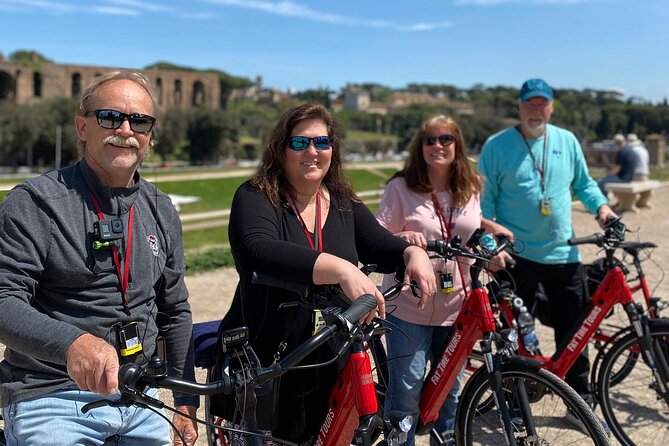
You also get time in Rione Monti, one of Rome’s classic neighborhoods that doesn’t feel like a theme park. It’s an area where you can walk a few blocks and actually feel the daily rhythm—shops, residents, and small food stops that don’t always make it onto the first-page tourist list.
The tour includes a gelato tasting here, which is a practical pairing after pizza. It gives you a break in flavor intensity, and it also reinforces the guide’s bigger point: Rome’s food culture moves in stages and textures, not just one big heavy plate.
And the pacing helps. Several people highlighted that the tour had a relaxed feel even while the itinerary included a lot of stops. That balance is hard to pull off unless the guide knows how to keep things flowing.
San Pietro in Vincoli: a church stop that isn’t just a photo pause
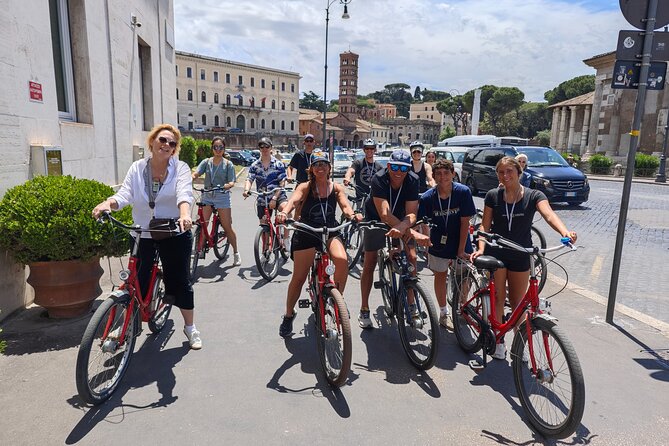
A nice surprise built into the day is the stop at the Basilica of San Pietro in Vincoli. It’s included as part of the experience, and it gives you a change of pace from fountains and food counters.
This kind of stop works on a bike tour because it prevents the day from becoming one long “see, eat, repeat” loop. Churches in Rome also tend to reward attention: you can look longer because you’re not stuck in a strict museum schedule. And when your guide connects the site to the neighborhood story, it clicks into place with the rest of your day.
From what people said after the tour, this basilica stop added a layer of local context that many otherwise miss on a short visit.
Colosseum area riding: seeing the battleground without turning it into a full-day project
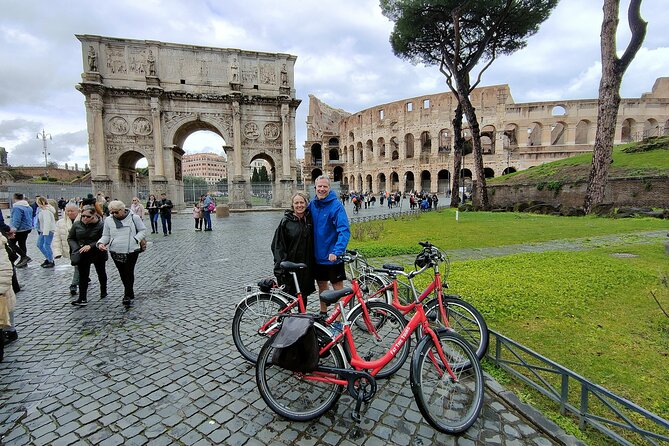
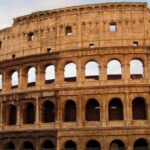
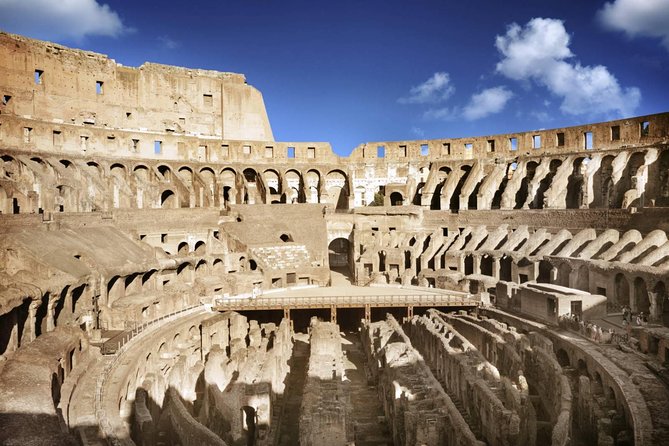
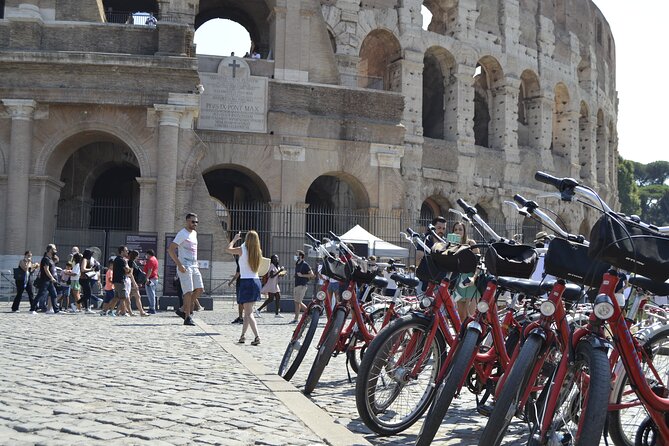
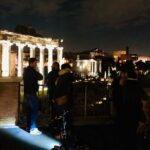
The itinerary includes a Colosseum stop for about 20 minutes, framed as cycling around the area. The big value is time management. The Colosseum is famous, but it can turn into an exhausting, hours-long commitment if you treat it like a standalone attraction. Here, it’s integrated into a tight three-hour loop.
That’s the sweet spot for a lot of visitors:
- You get the big landmark experience.
- You keep your day energy up for food and neighborhood exploring.
- You don’t drown your schedule in timed-entry stress.
Also, because your guide is actively narrating, the Colosseum moment doesn’t feel like a “just look at it” waypoint. You hear about how the site connects to generations of stories and pilgrim imagination—then you shift right back into the food theme, which keeps the whole tour cohesive.
What’s included (and what you’ll need to bring mentally)
You’re covered for the essentials:
- Professional guide
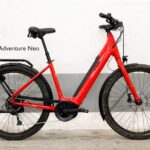
- Bike rental (e-bike upgrades available)
- Helmet and bike bag
Not included:
- Hotel pickup and drop-off
That means you’ll want to plan how you reach Via dei Delfini 35 before the start. You also want to arrive about 15 minutes early so you’re not rushed when you’re getting fitted and ready.
One more practical note from the experience details: the tour runs rain or shine. Ponchos are available, so you can stay flexible. You’re in Rome, and weather can swing fast, but you won’t be left scrambling.
Comfort on cobblestones: who should feel good, who should think twice
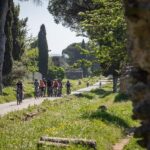
Bike tours in Rome are doable, but they’re not like flat bike paths at home. The tour notes that pregnant women are strongly discouraged because of cobbled streets. That’s a serious comfort and safety call.
Kids can join too, as long as they’ve been riding for a while and can handle different surfaces in a group. There are limited 20″ and 24″ wheeled bikes for children, so if you’re traveling with kids, plan early.
For most adults, the tour says most travelers can participate. Still, I’d be honest with you: wear footwear you trust on uneven ground, and don’t assume you’ll glide through Rome without feeling the texture under your wheels.
Timing and appetite: how the food pace actually plays out
This tour has a short total duration (about 3 hours), but the eating rhythm is frequent. Multiple people described it as eating a lot, at nearly every stop, including pizza and desserts like gelato, plus a final slice with a beer (or other drink, depending on what’s offered that day).
So here’s the practical strategy: arrive hungry, but not frantic. If you go in with a full stomach, the structure can feel overwhelming. If you go in truly ready for food, the pace feels fun instead of forced.
Also consider how your day will look after. If you’re planning a heavy dinner reservation that evening, you may want to scale back. Many people come away saying they left full and happy, and you’ll likely feel the same.
Price check: is $211.19 a fair deal for 3 hours in Rome?
At $211.19 per person for roughly three hours, it’s not a bargain-basement outing. But it’s also not just paying for views. You’re paying for:
- a private format
- a guide who connects pizza tastings to regional history and neighborhood context
- bike rental and a helmet
- multiple food stops packed into a short time window
If you compare this to paying separately for a guide plus multiple tastings plus bike rental, the numbers start to look more reasonable. Private tours cost more, but you’re not sharing a schedule with strangers, and the guide can keep you on the best rhythm for your group.
One more angle: you’re booking a tour that many people schedule well in advance (the average is about 101 days). When a tour sells that far out, it usually means people see it as a “worth it” best-of experience rather than a casual add-on.
Should you book this private Sacred Relics Jubilee Bike Tour?
Book it if you want a high-efficiency Rome day with pizza education baked in, plus real icon sightseeing without dragging it into a full travel day. It’s ideal for couples, families with teen kids who can bike comfortably, and anyone who’s tired of only doing museums and wants a local food-and-neighborhood story.
Skip or rethink if you’re very sensitive to cobblestones or you’re expecting this to be a light snack tour. It’s more like a structured food lesson with a sightseeing loop, and the food is definitely not tiny.
FAQ
FAQ
How long is the bike tour?
The tour duration is about 3 hours.
What’s included in the price?
You get a professional guide, bike rental (e-bike upgrades available), and a helmet with a bike bag.
Where does the tour start and end?
The tour starts at Via dei Delfini 35, 00186 Roma RM, Italy, and it ends back at the meeting point.
Do I need to pay for attractions during the tour?
The itinerary lists the Pantheon stop as admission not included, while several other listed stops show admission ticket free. Your guide may still cover sightseeing time at places without including entry.
Is the tour private?
Yes. It’s a private tour/activity, meaning only your group participates.
What if it rains?
The tour operates rain or shine, and rain ponchos are available.
Can I get a full refund if I cancel?
Yes. You can cancel up to 24 hours in advance for a full refund.