REVIEW · ROME
Rome: Guided Bike or E-Bike Tour with Local Guide
Book on GetYourGuide →Operated by City Tours on Bike-eBike-Segway · Bookable on GetYourGuide
Two wheels through Rome beats slogging on foot. This small-group bike or e-bike tour sends you past the Pantheon, Trevi Fountain, and Colosseum with photo stops and stories that connect the sights.
I especially like two things: you can choose a classic bicycle or a comfortable electric bike, and the ride is paced for frequent stops so you actually get time to look, not just pedal. Guides (including Mateo and Alexander) are praised for keeping the experience clear, safe, and fun, even when the weather turns.
One thing to consider: it’s not for you if you can’t ride a bike, and you’ll be sharing Rome streets even though the tour includes a safety briefing and careful guiding.
In This Review
- Key points
- First Look: A 2.5-Hour Rome Tour That Actually Feels Efficient
- Meeting at Piazza Capranica 97: Start Calm, Ride Confident
- Palazzo Capranica to the Pantheon: Getting Oriented Fast
- Church of Sant’Ignazio di Loyola: A Photo Stop With Built-In Stories
- Temple of Hadrian + “Pass By” Moments: Seeing the City Between Icons
- Trevi Fountain: Short Stop, High Impact
- Trajan’s Column and Piazza Venezia: Landmark Clustering That Works
- Colosseum Time: From the Bike Lane to the Big Moment
- Arch of Constantine + Circus Maximus: Big Monuments, Open Sightlines
- Theatre of Marcellus: Rome’s Refined Continuity
- Jewish Ghetto + Largo di Torre Argentina: History Takes a Different Tone
- Campo de’ Fiori and Piazza Navona: Finishing With Energy
- Classic Bike vs E-Bike: The Comfort Decision That Changes Everything
- Small-Group Size (5 to 10): Why It Feels Better Than Big-Bus Thinking
- Included Extras That Actually Help: Water, Helmets, and Luggage Storage
- Price and Value at $32: What You Get for a Half-Day
- What If It Rains or You’re Just Tired: The Tour’s Real Test
- Who Should Book This Rome Bike or E-Bike Tour
- Quick Tips Before You Ride
- Should You Book This Tour
- FAQ
- How long is the Rome bike or e-bike tour?
- What price should I expect?
- How many people are in the group?
- Can I choose a classic bicycle or an electric bike?
- Where does the tour start and end?
- Which sights are included?
- Is food included in the price?
- Are helmets provided?
- Is the tour suitable for children?
- What should I bring?
Key points
- Two bike options: classic bicycle or electric bike to match your comfort level
- Small groups (5–10) that feel personal and easier to manage on busy streets
- Photo stops at major landmarks from the Pantheon to Piazza Navona
- Stops across classic Rome zones: historic center, monuments, and the Jewish Ghetto area
- Built for getting oriented fast in a short, 2.5-hour window
- Extra comfort extras like helmets on request, luggage storage, and a bottle of water
First Look: A 2.5-Hour Rome Tour That Actually Feels Efficient
If your Rome trip is short, this is a smart way to build your mental map quickly. In about 2.5 hours, you cycle past the big icons plus a string of historic stops, with guidance and breaks that keep it enjoyable rather than frantic.
I like that it’s not just about moving between famous places. The tour format gives you repeated moments to stop, take photos, and hear stories that help each landmark make sense in context.
There’s also a practical upside: you cover a lot of ground without spending your whole day weaving through crowds on foot. That matters on a city break when you want “Rome highlights” without burning energy before dinner plans.
You can also read our reviews of more tours and experiences in Rome.


Meeting at Piazza Capranica 97: Start Calm, Ride Confident
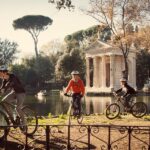
Your tour begins and ends at Piazza Capranica 97, at Palazzo Capranica. Getting started here is convenient because you’re kicking off right near the historic core, then following a route that keeps you in the heart of central Rome.
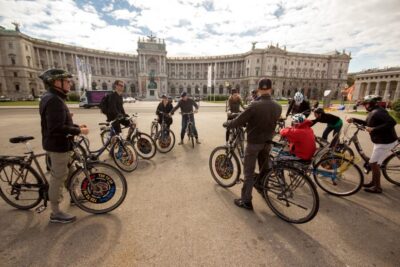
Before you roll, expect a safety briefing and a guided start that sets the tone. If you’re a little nervous about bikes in a busy city, that early structure helps a lot.
You’ll also want to bring the right basics: a government ID (passport or ID card), comfortable clothes, sunscreen, and comfy shoes. A camera helps too, since the ride includes multiple photo stops.
Palazzo Capranica to the Pantheon: Getting Oriented Fast
The first big landmark on the route is the Pantheon. This is one of those places where seeing it in person is different from seeing photos, because the scale and the setting hit all at once.
You’ll likely get guided sightseeing time plus a photo stop, so you’re not just passing by at speed. I like this approach because it lets you pause, frame shots, and listen to the guide’s explanation before you move on.
Practical tip: keep your camera ready for stop moments. The tour is designed around frequent brief halts, so being ready keeps you from missing the best angles.
Church of Sant’Ignazio di Loyola: A Photo Stop With Built-In Stories
After the Pantheon, you’ll head to the Church of Sant’Ignazio di Loyola for another guided stop and photos. Churches can be tricky on a bike tour because people often want to rush inside or skip attention to the facade—this format keeps things structured.
The value here is the pacing. You get time to look and take photos, and the guide’s stories help you notice details you’d otherwise overlook.
If you’re the type who likes architecture but hates “stand and listen” tours, this stop hits a nice middle ground: you’re still moving through Rome, but you’re not ignoring what you came to see.
Temple of Hadrian + “Pass By” Moments: Seeing the City Between Icons
Next comes the Temple of Hadrian area. You get a photo stop and sightseeing time, plus scenic drive segments between major locations.
Those in-between stretches matter more than you might think. They’re the glue that turns a list of monuments into an actual route through Rome, and they give your legs a little rhythm shift between stops.
The tour’s structure also helps you understand how neighborhoods and landmarks relate—big sights don’t just appear, they connect along a sensible line through the center.
Trevi Fountain: Short Stop, High Impact
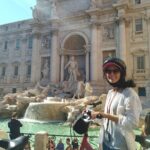
Then you roll into Trevi Fountain for a dedicated photo stop. This is one of Rome’s most recognizable sights, so a guided stop works well because you can enjoy the scene without trying to figure out the best viewing time on your own.
I like that the schedule doesn’t swallow your day. It’s quick enough to keep the momentum, but you’re still given time to photograph and listen before moving toward the next monuments.
One consideration: if you’re hoping for an extended linger, the 2.5-hour window is tighter than a full walking visit. The tradeoff is you’ll see more of Rome overall.
Trajan’s Column and Piazza Venezia: Landmark Clustering That Works
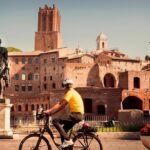
After Trevi, you’ll stop at Trajan’s Column and then pass through Piazza Venezia. These are exactly the kind of “Roman conversation starters” that make a bike tour feel smarter than a random taxi hop.
The guide’s stories turn the area into something more than postcard backdrops. You end up with a sense of what each place is and why it belongs in the bigger picture.
This is also a good moment to check your comfort. You’ve been riding for a while now, and if you chose the classic bike, you’ll feel the city’s ups and downs more than if you’re on an electric bike.
Colosseum Time: From the Bike Lane to the Big Moment
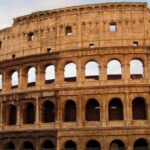
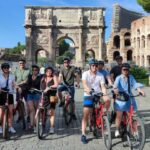
The route brings you to the Colosseum, including a photo stop and guided sightseeing time. This is the stop many people care about most, and the tour respects that with dedicated time rather than a drive-by glance.
You’ll also pass the Arch of Constantine later, but the Colosseum stop is the emotional anchor. Seeing it from a bike route means you get both scale and context—this landmark is not isolated in the city, and the way you approach helps you understand that.
If you’re on an e-bike, you’ll likely appreciate how much smoother the momentum feels during longer segments. Reviews specifically note the e-bike as a comfortable decision for the ride’s hills and changes in elevation.
Arch of Constantine + Circus Maximus: Big Monuments, Open Sightlines
Next up is the Arch of Constantine with a photo stop, then Circus Maximus. You’ll also get some guided sightseeing for these, plus time that includes free time at certain points on the route.
Circus Maximus is a great contrast after the densest monument areas. Even without adding anything extra, the scale feels different, and it helps you reset your attention from “one icon at a time” to “Rome as a whole.”
If you get tired, these are good spots to breathe and let your guide’s pacing set the rhythm. The tour keeps the stops frequent enough to help you stay engaged without turning every minute into effort.
Theatre of Marcellus: Rome’s Refined Continuity
The Theatre of Marcellus appears as another photo stop with guided sightseeing time. It’s the kind of landmark that doesn’t always get the same attention as the Colosseum, but it helps fill in the Roman story between the headline acts.
I like adding stops like this because it prevents the tour from feeling like only a checklist. You learn more because the route gives you variety, not repetition.
If you enjoy comparisons—how one site’s “feel” contrasts with the next—this is where that starts to land. The tour’s design makes the connections feel natural.
Jewish Ghetto + Largo di Torre Argentina: History Takes a Different Tone
Then comes the Jewish Ghetto area and Largo di Torre Argentina. These stops add weight and atmosphere that you won’t get from purely “wow” monuments.
The tour includes guided storytelling at these points, so you’re not just looking. You’re getting interpretation that helps the landmarks feel connected to real life and long timelines.
A practical note: because you’re moving on a bike, these stops still feel active and forward-moving. It avoids the “sit in a crowd for hours” problem that some big-center visits can create.
Campo de’ Fiori and Piazza Navona: Finishing With Energy
You’ll make a photo stop at Campo de’ Fiori, then move toward Piazza Navona, with guided time and time set aside for free exploring. This pairing is effective because it shifts your final stretch from major ancient landmarks to lively central streetscapes.
Piazza Navona is a classic finish because it’s easy to enjoy after cycling. You can slow down, take more photos, and soak in the sense of Rome as an everyday city, not only a museum.
If you like planning your next meals based on where you end up, this is useful. The tour returns you to the historic core, so you’re not stuck far out when you’re ready to eat.
Classic Bike vs E-Bike: The Comfort Decision That Changes Everything
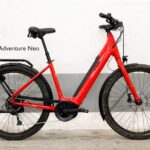
You can choose between a regular bicycle and an electric bike. Both are fine for the tour’s format, but your choice changes the whole experience.
On a regular bike, you’ll feel more of Rome’s ups and downs, especially over a route that includes long passes between icons. On an e-bike, the ride tends to feel easier on your legs and more comfortable for staying focused during all the stops.
This matters because the tour is only 2.5 hours. You don’t want to spend that time conserving energy for hills. The e-bike option helps you arrive at photo stops feeling ready to look, not just survive the ride.
Small-Group Size (5 to 10): Why It Feels Better Than Big-Bus Thinking
The tour runs in a small group, typically between 5 and 10 people. That’s a sweet spot: large enough for variety, small enough for the guide to keep an eye on everyone.
In practice, small groups are easier to manage during frequent photo pauses. They also make it more realistic to ask questions when something clicks, especially if you want to understand what you’re seeing rather than just taking pictures.
You also get that “everyone stays together” benefit. Rome streets can be unpredictable, and the tour structure helps you feel confident rather than scattered.
Included Extras That Actually Help: Water, Helmets, and Luggage Storage
This is one of those tours where the inclusions are not just paperwork. You get a local guide, a regular or electric bike, and a bottle of water.
There’s also luggage storage, which is a quiet lifesaver if you’re traveling light but still carrying bags. Helmets and child seats are available on request, so families aren’t forced into a compromise.
Photo stops and iconic sightseeing are included, which means you’re not paying for “transport only.” You’re paying for the ride plus guided time at meaningful points along the route.
Price and Value at $32: What You Get for a Half-Day
At $32 per person for 2.5 hours, this tour is priced like an orientation activity with standout access to Rome’s main sights. The value comes from three things: the guided route, the e-bike/classic bike choice, and the short time that covers a lot of ground.
If you were to try to recreate the same sequence on foot, you’d spend more time walking and likely miss out on the chance to pause often for photos. A bike tour also saves energy you can put into the rest of your day.
Food is not included, so you’ll still want to plan lunch or snacks separately. The upside is you finish with energy to eat, not drained from long walking.
What If It Rains or You’re Just Tired: The Tour’s Real Test
One review highlighted doing the tour even in rain, with the day feeling better once the ride got going. That’s a good sign for anyone who’s worried about a weather plan.
The tour is short enough that you’re not committing your entire day to one weather-dependent activity. If conditions are messy, the best strategy is to focus on the guide’s pacing and treat the photo stops as your checkpoints.
Bring sunscreen even if the sky looks uncertain, and wear comfortable clothes you don’t mind getting a bit of moisture on.
Who Should Book This Rome Bike or E-Bike Tour
This tour is a great fit if you want to:
- see Rome’s biggest monuments without spending all day walking
- get your bearings early in your trip
- enjoy guided stories while still moving
- prefer a comfortable ride, especially if you pick the e-bike
It’s not a fit if you can’t ride a bike. Also, if you’re hoping for long, in-depth museum-style visits, you might want to pair this with separate time at specific sites.
Families are welcome too, with children up to 3 years old joining for free in a child seat on their parents’ bike, plus helmets and child-seat options on request.
Quick Tips Before You Ride
Bring your ID, comfortable clothes, and sunscreen. Add a camera and water, even though water is provided, because you’ll be glad to stay hydrated through photo stops.
Comfort shoes matter more than you think. Even with bikes and regular breaks, you’ll still be standing and shifting your weight during stops.
Finally, pick the bike option that matches your energy level. If you choose classic and you’re ready for a workout, great. If you want to keep your legs fresh for the rest of your Rome day, the e-bike is the easiest way to make the tour enjoyable from start to finish.
Should You Book This Tour
Yes, I’d book it if you’re looking for a high-value Rome overview that hits the Pantheon, Trevi Fountain, and the Colosseum area, plus a smart route through other historic stops. The small-group size, frequent photo stops, and guide-led storytelling make it feel like more than sightseeing transport.
Skip it only if you can’t comfortably ride a bike, or if your dream day is slow and deeply inside one or two sites. Otherwise, for a half-day that helps you understand Rome quickly while keeping things fun, this one is a solid pick.
FAQ
How long is the Rome bike or e-bike tour?
The tour lasts 2.5 hours.
What price should I expect?
It costs $32 per person.
How many people are in the group?
The tour is a small group, typically between 5 and 10 people.
Can I choose a classic bicycle or an electric bike?
Yes. You can select either a classic bicycle or an electric bike.
Where does the tour start and end?
It starts and ends at Piazza Capranica 97 (Palazzo Capranica).
Which sights are included?
The route includes stops and/or sightseeing at places such as the Pantheon, Church of Sant’Ignazio di Loyola, Temple of Hadrian, Trevi Fountain, Trajan’s Column, Piazza Venezia, the Colosseum, Arch of Constantine, Circus Maximus, Theatre of Marcellus, the Jewish Ghetto, Largo di Torre Argentina, Campo de’ Fiori, and Piazza Navona.
Is food included in the price?
No, food is not included.
Are helmets provided?
Helmets are available on request.
Is the tour suitable for children?
Children up to 3 years old can join for free, riding safely in a child seat on their parent’s bike.
What should I bring?
Bring your passport or ID card, comfortable shoes and clothes, a camera, sunscreen, and water.