REVIEW · BERLIN
Berlin: Guided Bike Tour of the Berlin Wall and Third Reich
Book on GetYourGuide →Operated by FREE BERLIN Bike Tours · Bookable on GetYourGuide
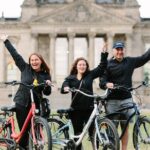
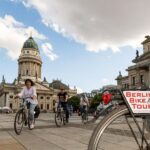
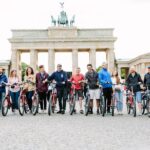
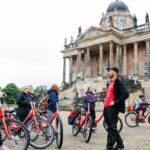
The Wall doesn’t stay behind glass. This Berlin Wall and Third Reich bike tour takes you close to original sites while you roll past Nazi-era remnants and Cold War borderland stories, starting near Nikolaiviertel and the TV Tower.
I especially like the up-close bike format—you’re on the street, not in a bus window—plus the guides’ knack for turning heavy events into something you can actually picture. Some guides, like Juliet, Jake, and Bjorn, also bring a personal touch that makes the tour feel less like a lecture.
One possible drawback: you won’t be able to access Hitler’s bunker (Führerbunker) in person, and the ride is active enough that you’ll want to be comfortable cycling for the full loop.
In This Review
- Key highlights worth your attention
- Nikolaiviertel start: TV Tower area and easy momentum
- Bikes, helmets, ponchos, and the real pace for 3 hours
- How the story is told: Nazi era to Cold War borders
- Following the Wall’s line: division you can actually see
- Ghost stations and daily life: escape stories with real context
- Remote corners and side streets: why biking beats buses
- Hitler’s bunker reality: why you won’t get inside the Führerbunker
- The enormous bunker and the Germania vision
- Weather and comfort: ponchos help, but you’ll still work
- Price and value: $40 for bike rental plus a guide
- Who should book this Wall and Third Reich bike tour?
- Final call: should you book it?
- FAQ
- How long is the bike tour?
- What does the tour cost?
- Where do I meet the guide?
- What’s included in the price?
- What languages are the guides available in?
- How far will we bike?
- Can I book an e-bike?
- Do I get a helmet and poncho?
- Can I leave luggage during the tour?
- Is free cancellation or pay-later available?
Key highlights worth your attention
- 15 km of mostly quiet side streets and bike paths for an easier, more local feel
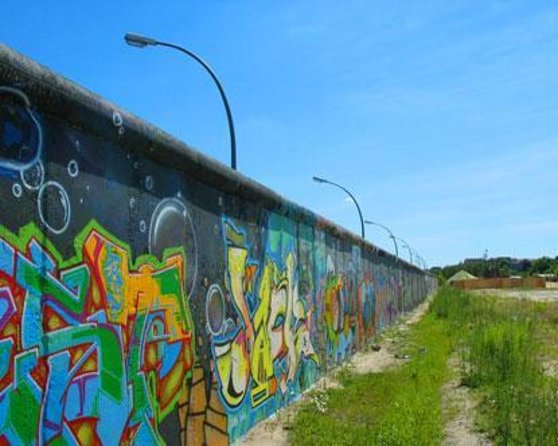
- Original Wall alignments that help you understand how division shaped daily life
- Ghost stations and Cold War survival stories that go beyond textbook facts
- Remote corners of Berlin where you can see the borderland’s later reuse
- Bunkers and the Germania vision tied to Nazi planning, including major bunker remains
- Experienced, friendly guide energy, with many praised for human-scale storytelling
Nikolaiviertel start: TV Tower area and easy momentum
The tour begins in the Nikolaiviertel area, a spot that’s easy to locate if you’re already sightseeing around central Berlin. You meet your guide at the operator’s office in a courtyard entrance at Poststraße 11 and you’ll find the FREE BERLIN sign.
From there, you get on your bike and start moving right away. The bike-first setup matters here: you spend less time figuring out routes on your own and more time getting the story in the places where it happened.
You can also read our reviews of more tours and experiences in Berlin.
Bikes, helmets, ponchos, and the real pace for 3 hours
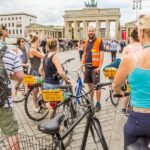
This is a 3-hour tour with a cycling distance of about 15 kilometers. For many people, that’s the sweet spot: enough time to cover key sites and follow meaningful lines across the city, without turning the day into a long endurance event.
You also get practical support. Bikes come with baskets, are regularly checked by a certified mechanic, and your guide provides waterproof ponchos if the weather turns. In the real world of Berlin weather, that can be the difference between a fun afternoon and a miserable slog—one tour even got described as despite appalling weather, and the guide still kept things engaging.
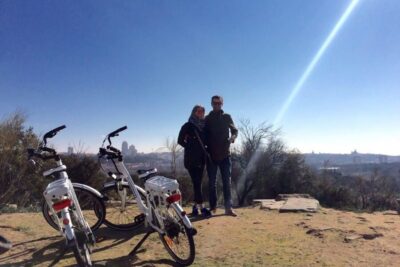
If you want a helmet, you can request one. And if you’re thinking e-bike, you can book an e-bike option by requesting it as a senior (the price is adjusted accordingly and the provider plans for that). On-request luggage storage is also available with the operator during the tour, which helps if you’re traveling light.
How the story is told: Nazi era to Cold War borders
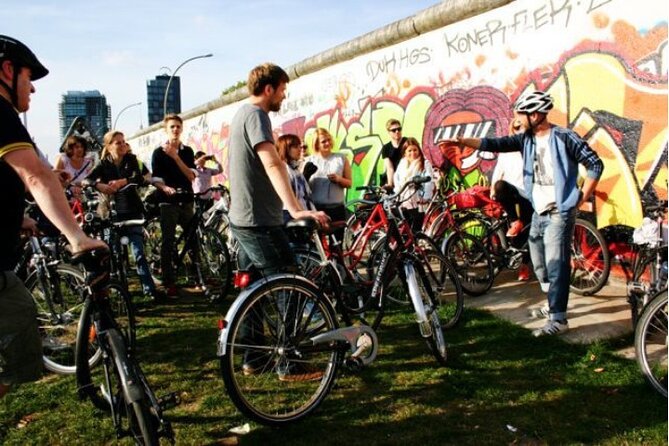
This tour is built to connect two eras without turning either one into a blur. You’ll hear about Nazi-era sites and what Berlin looked like during the Third Reich, then pivot to the Cold War system that followed—especially the way borders reshaped movement, work, and daily routines.
What I like about this approach is the pacing: you’re not just hearing facts in one place. You’re passing through the city’s geography as it changes around you. The guide can also design the route freely (the Free-Berlin-concept), so you may not see the exact same ordering every time—but the core themes stay consistent: Nazi remnants, the Wall, and the borderland’s afterlife.
Following the Wall’s line: division you can actually see
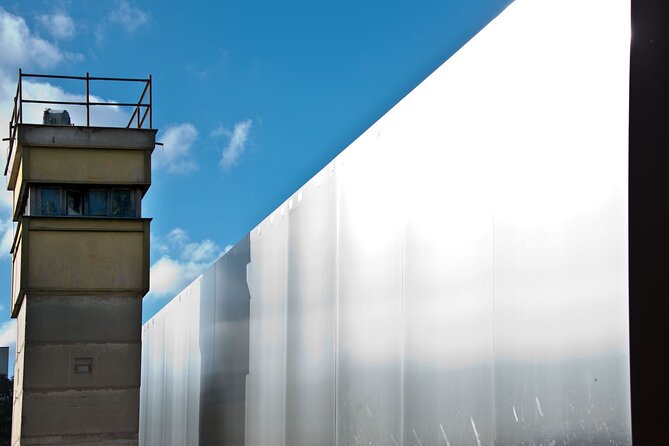
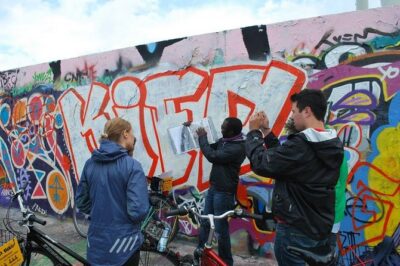
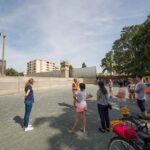
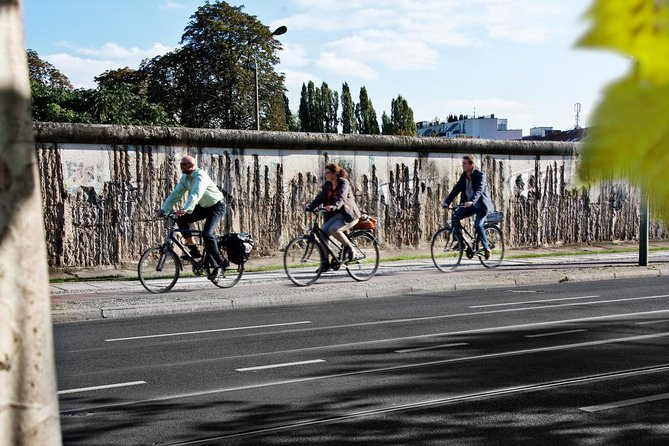
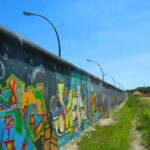
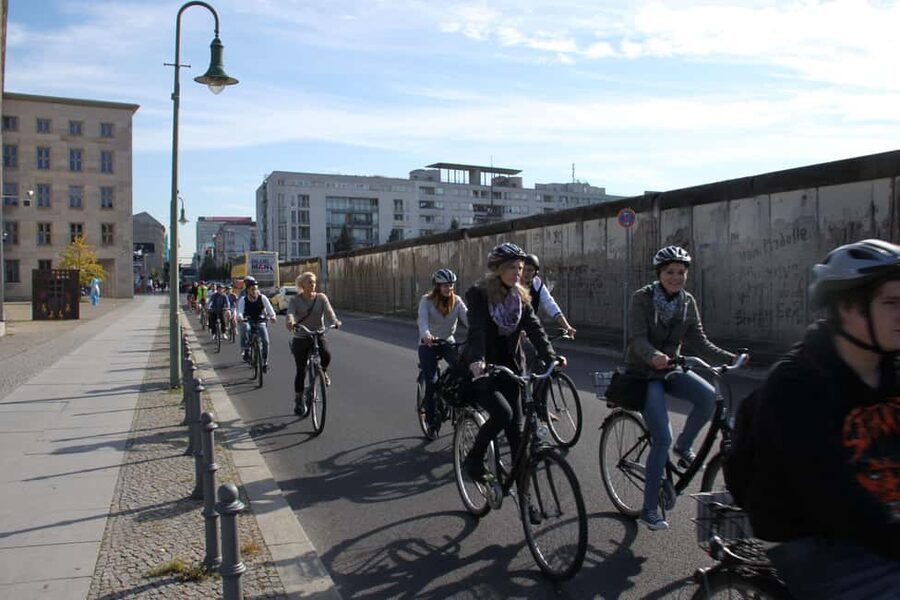
A big draw here is the chance to follow the outline of where the Wall once stood. That sounds simple, but on a bike it becomes clearer fast. You’re tracing the physical result of political control, watching how neighborhoods, streets, and movement patterns got shaped by division.
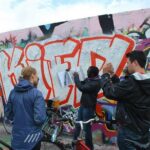
You’ll see remains of the Wall and learn how the borderland found new usage afterward. That matters because the Wall isn’t just a historical object; it’s a scar that the city had to deal with. Cycling helps you notice that scar—where it interrupts routes, where it forces detours, and where reuse shows up later.
The guides are also good at bringing the human scale into the route. Many praised guides for connecting serious topics to real lived experience—one former East Berliner-style viewpoint came through strongly in the reviews—so the story lands more like Berlin lived it, not like a distant museum exhibit.
Ghost stations and daily life: escape stories with real context
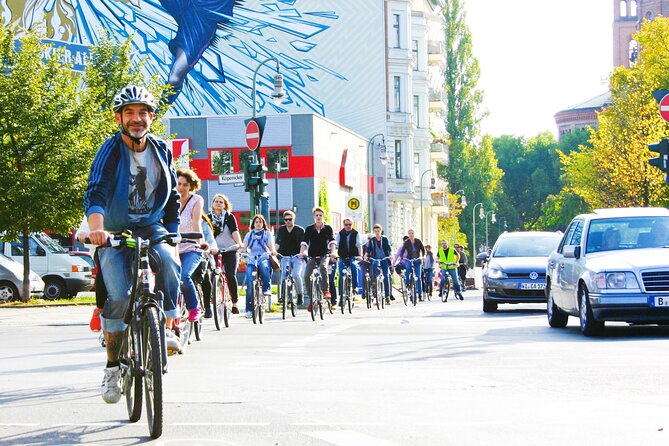
One of the most talked-about parts is hearing about spectacular escapes and the idea of ghost stations. The Cold War Berlin transit world could be both strangely controlled and intensely creative in how people tried to move around restrictions, and this tour uses those episodes to explain the system’s daily reality.
What you gain by covering this on a bike route is context. You’re not only hearing how something worked; you’re also seeing where movement got constrained and why people cared so much about every route choice. The guide links the emotional weight to geography, which is exactly what you want on a Wall tour.
You’ll also get plenty of detail about daily life in the divided city—how people adapted, what felt normal, and what felt dangerous. That’s where the best guides score: they don’t just list events, they help you understand what it might have felt like to live in that city.
Remote corners and side streets: why biking beats buses
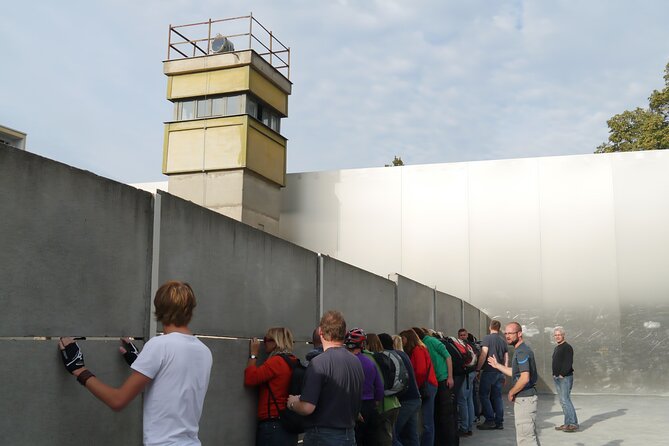
The tour intentionally steers you away from only the big, easy-to-reach highlights. You’ll head into remote corners, predominantly down side streets and bike paths. It’s a practical choice that pays off in the experience.
You can stop where a bus can’t, and you’ll see the Wall story threaded through less-touristed parts of Berlin. Several reviews mention that the route let them reach spots buses don’t, and I think that’s the key benefit: the tour becomes more about Berlin than about a slideshow.
This is also where the route flexibility shows up. Because the guide can design the tour freely, you might catch angles and sightlines that feel more natural than a fixed checklist. If you love walking tours but hate the constant “next stop” pressure, biking can be a nice middle ground.
Hitler’s bunker reality: why you won’t get inside the Führerbunker
Let’s address the question people often ask: you won’t be able to access Hitler’s bunker (Führerbunker). The tour is designed around what’s possible today, and the focus is on understanding the site’s significance rather than staging a photo-op.
One review even called out disappointment specifically about not seeing Hitler’s bunker, which tells me this expectation should be set upfront. You can still learn why access isn’t possible, and you can still understand the historical role of the bunker area through the guide’s explanation.
If you’re the type who wants the closest physical access to every famous site, this may feel limiting. If you’re more interested in the story behind the constraints, this section still fits the tour’s overall goal.
The enormous bunker and the Germania vision
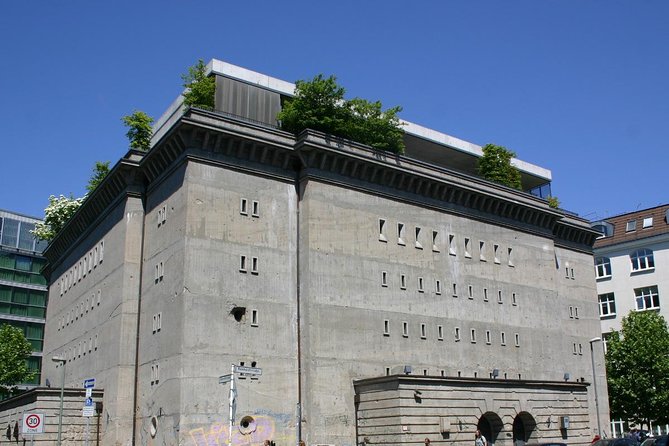
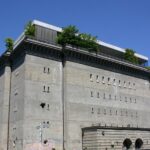
Another standout theme is seeing remains of an enormous bunker and learning about the vision of Germania. Nazi planning and propaganda were often about building symbols—massive projects meant to prove power, reorganize space, and project permanence.
You’ll hear how that vision related to the bunker plans and how these sites fit into the bigger picture of the Third Reich. The tour’s value here is the connection: you learn not only that bunkers existed, but why they mattered in the Nazi mindset.
Seeing bunker remains on a bike route also helps you understand scale. You’re not looking at a single artifact in isolation. You’re seeing it as part of a broader system of planning, isolation, and control—then you’re moving on to the Wall era where Berlin’s geography got redefined again.
Weather and comfort: ponchos help, but you’ll still work
Berlin can be fine one minute and stubbornly wet the next, and the tour includes waterproof ponchos because that’s a real risk. That said, ponchos don’t erase the fact that you’re riding and spending time outdoors.
Expect the tour to feel quite physical compared with an easy walking loop. Several reviews praised that it’s doable and fun if you’re used to cycling, but they also hinted that you should dress for the day—especially in colder months. If you’re going in winter, pack warm layers and consider gloves.
Price and value: $40 for bike rental plus a guide
At about $40 per person for a 3-hour tour that includes bike rental and a guide, this is strong value—especially because you’re not just paying for transportation. You’re paying for interpretation at the exact places you’ll otherwise struggle to understand.
A few things make the price feel fair:
- You get a checked bike plus the essentials (like baskets; helmet and ponchos available on request/condition).
- You cover meaningful distance (around 15 km) without spending time planning transit routes.
- You get human storytelling—many reviews specifically praised guides for enthusiasm, approachability, and connecting personal perspective to major events.
If you’re used to “pay more, see less,” this tour offers the opposite: you see more ground and you leave with a clearer mental map of where borders and ideologies shaped the city.
Who should book this Wall and Third Reich bike tour?
I’d point you toward this tour if you want Berlin history that moves with you. It’s a good fit for people who like street-level context—less about reading plaques and more about understanding what the city’s shape meant.
It also works well for families and mixed-age groups as long as everyone is comfortable cycling. One review described it as a great family trip, and another mentioned it being perfect for teenagers who needed real perspective.
If you’re unable or unwilling to bike for a full 3 hours, you’ll feel the strain. And if your top priority is physical access to every famous site (like Hitler’s bunker), you may end up annoyed. But for most history-minded people who want clarity, this is a smart way to do it.
Final call: should you book it?
Yes—if you want an active, story-driven tour that uses bikes to show how Berlin’s division played out in real space, this one makes sense. The guides’ style is a major strength, with many praised by name (Juliet, Jake, Bjorn, Simone, Dominick, Martin, Celine, Faima, and Peter in particular for engaging, human-scale storytelling).
Book it if you like the idea of riding through Nazi-era remnants and then tracing the Wall and Cold War border system in the same afternoon, with ghost stations, daily life details, and bunker planning all connected.
Skip it if you’re only interested in museum-style stops or if you need guaranteed access to the Führerbunker site itself. Otherwise, grab the bike, plan for real-time movement, and let the city explain itself—one pedal stroke at a time.
FAQ
How long is the bike tour?
The tour lasts 3 hours.
What does the tour cost?
It’s listed at $40 per person.
Where do I meet the guide?
You meet your guide at the office in the courtyard entrance of the building at Poststraße 11. Look for the FREE BERLIN sign. The tour ends back at the meeting point.
What’s included in the price?
Bike rental and the guide are included. Bike helmets are available if requested, and waterproof ponchos are provided in case of rain.
What languages are the guides available in?
The tour guide can run the tour in German, English, and French.
How far will we bike?
You’ll cycle about 15 kilometers during the 3-hour tour.
Can I book an e-bike?
Yes. You can request an e-bike by booking as a senior, which adjusts the price and signals to the provider that you want an e-bike.
Do I get a helmet and poncho?
Helmets are available if requested. Waterproof ponchos are provided in case of rain.
Can I leave luggage during the tour?
Yes. On request, large pieces of luggage can be left safely with the operator for the duration of the tour.
Is free cancellation or pay-later available?
Free cancellation is offered up to 24 hours in advance for a full refund, and you can reserve now and pay later.